Normal view

There are new articles available, click to refresh the page.
Yesterday — 27 July 2026Main stream

NVIDIA & AMD Graphics Card Prices See Massive Increase in China As GDDR6 & GDDR7 Costs Continue To Climb, & Shops Begin Stockpiling GPUs As Memory Faces Further Hikes

26 July 2026 at 15:15

An array of NVIDIA GeForce RTX graphics cards from brands like Gigabyte, GALAX, MSI, and PNY, featuring triple-fan designs on a reflective black surface.

GPU prices in China have increased massively due to recent adjustments to GDDR6 and GDDR7 memory, affecting AMD & NVIDIA graphics cards. China Sees Big Surge In GPU Prices Overnight, Affecting Both AMD & NVIDIA Graphics Cards GPU makers such as NVIDIA, AMD, and Intel have been trying to absorb memory price increases for a while now, but they have gotten out of hand due to persistent shortages, which have raised the DRAM costs for GDDR6 and GDDR7 products 10-fold, resulting in a significant increase in graphics card prices. And it's not just memory prices; other components that go into […]

Read full article at https://wccftech.com/nvidia-amd-gpu-prices-massive-increase-in-china-gddr6-gddr7-costs-climb-intensively/

Before yesterdayMain stream

20 Years Since AMD’s $5.4 Billion ATI Acquisition: The Deal That Shaped Radeon, Consoles, And AMD’s AI Future

25 July 2026 at 13:44

A promotional banner shows AMD and ATI logos, a Radeon graphics card, and an AMD Instinct card, with text reading '20 years since the $5.4 billion ATI acquisition' and icons labeled 'Gaming,' 'Consoles,' and 'HPC & AI.'

The company has come a long way since its acquisition of ATI Technologies in 2006. This transformed it from a CPU maker to a full-fledged computing giant. Twenty Years Later, the ATI Acquisition Remains AMD's Most Important Milestone, Which Helped in Driving Innovation from Radeon Graphics to AI Accelerators On July 24, 2006, AMD announced one of the biggest acquisitions in semiconductor history by acquiring ATI Technologies in a deal worth approximately $5.4 billion. At that time, it was seen as a big gamble that would put AMD directly against giants like Intel and NVIDIA. Exactly two decades later, it […]

Read full article at https://wccftech.com/20-years-since-amds-5-4-billion-ati-acquisition/

AMD expands AI portfolio with EPYC 9006, Instinct MI400 and new physical‑AI hardware

23 July 2026 at 18:30

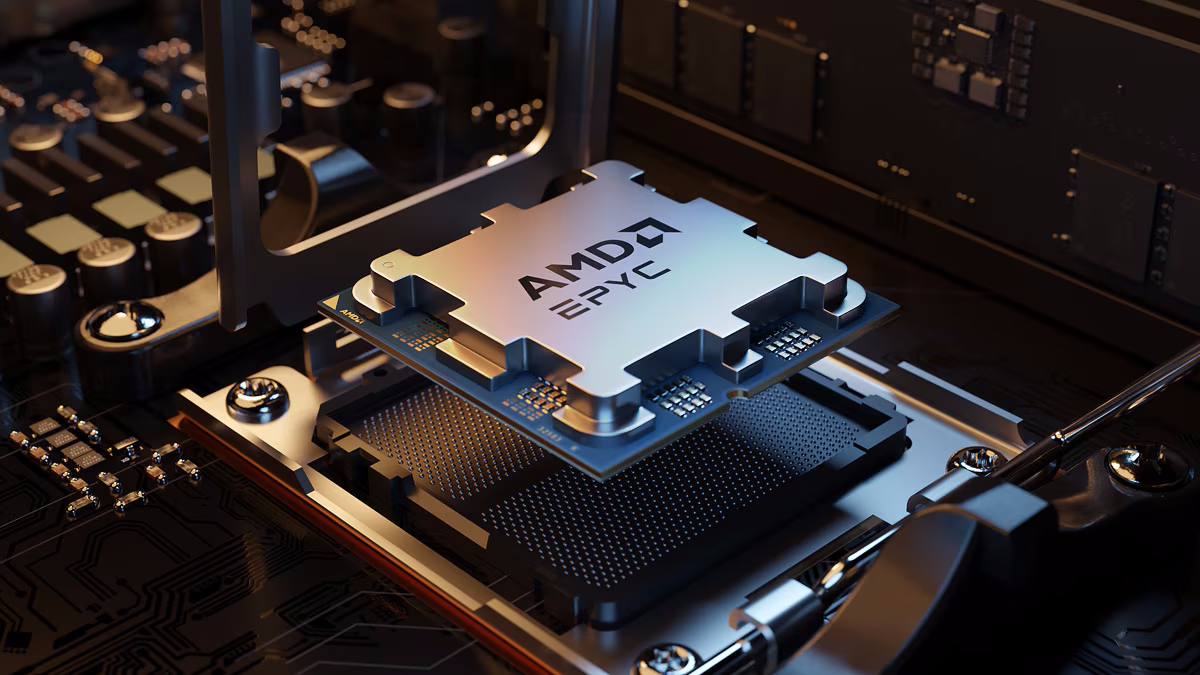
AMD has announced new additions to its data‑centre portfolio at Advancing AI 2026, introducing both the 6th Gen EPYC 9006 Series server CPUs and the Instinct MI400 Series GPUs, aimed at next-generation AI infrastructure.

The EPYC 9006 Series is described by AMD as a workload‑optimised CPU lineup built to support agentic AI, where CPUs take on a larger share of work by running agents, coordinating tasks and managing data flows. AMD claims the new generation is designed to handle this increased load through higher core counts, expanded memory bandwidth and support for next‑generation I/O standards such as PCIe Gen 6 and MRDIMM.

The EPYC 9006 Series consists of four CPU families. The SP7 tier is the maximum‑density option, with core counts up to 256 cores and 512 threads, along with high‑frequency variants reaching up to 5GHz. SP8 models focus on efficiency, offering up to 128 core configurations designed for enterprise, edge and power‑constrained deployments. For HPC and memory‑sensitive workloads, AMD points to the SP7X variants, which it says offer triple the L3 cache per core compared to SP7. The LP tier serves as an AI host‑node CPU, using LPDDR memory and higher frequencies to keep accelerators supplied with data in multi-GPU racks.

On the GPU side, AMD introduced the Instinct MI400 Series, split between the MI455X for frontier‑scale AI deployments and the MI430X for sovereign AI and HPC. The MI455X is AMD's highest‑end accelerator for large‑model training, fine‑tuning and high‑volume inference, while the MI430X is aimed at workloads requiring numerical accuracy. AMD says the MI430X can deliver up to 288 TFLOPS of FP64 performance, alongside HBM4 memory and high‑bandwidth interconnects to support larger models.

The MI400 Series also incorporates security and system‑level features for sensitive AI and HPC environments, including SecureBoot, encrypted GPU‑to‑GPU links and hardware‑based protections. These GPUs support AMD’s ROCm software stack for AI development, which is also receiving updates this week through ROCm.ai – a new AI‑native developer environment that adds a unified CLI, AMD‑authored guidance for coding assistants and AI‑driven workload optimisation.

Finally, AMD is also expanding into physical AI and robotics, introducing new Ryzen AI Embedded X100 processors and Kria AI system‑on‑modules for autonomous machines and industrial systems. These platforms combine Zen 5 CPU cores, integrated RDNA graphics and an NPU, with shared access to memory to reduce latency in real‑time workloads.

KitGuru Says: What do you think of AMD's push into the AI space? 

The post AMD expands AI portfolio with EPYC 9006, Instinct MI400 and new physical‑AI hardware first appeared on KitGuru.

AMD Radeon Drivers Silently Add Multi Frame Generation “MFG 8x”, Ray Regeneration, and Neural Radiance Overrides, Hinting At A Bigger FSR Push

12 July 2026 at 12:55

An AMD Radeon graphics card is displayed next to text that reads 'AMD FSR MFG Up To 8x' against a red and black geometric background.

AMD's latest Radeon drivers silently added Multi-Frame Generation (MFG 8x) modes along with other FSR overrides, as exposed in RadeonTuner. AMD Seems To Be Cooking FSR MFG 8x (Multi-Frame Generation) Tech, Surpassing NVIDIA's MFG 6x Mode AMD has been teasing FSR Multi-Frame Generation (MFG) support for its Radeon GPU in the latest drivers for a while. The last FSR Redstone update saw preliminary support added to the ADLX FidelityFX SDK. Although MFG is not available across any Radeon GPU yet, the listed feature will allow users to select a desired frame generation ratio for "optimal performance & visual quality". This was […]

Read full article at https://wccftech.com/amd-radeon-drivers-hid-multi-frame-generation-mfg-8x-ray-regeneration-neural-radiance-overrides-hinting-at-a-bigger-fsr-push/

NVIDIA Retakes Germany’s GPU Crown With 8% More Sales, Yet AMD’s RX 9070 XT Still Outsells Every Single Card

8 July 2026 at 13:53

AMD Radeon and NVIDIA GeForce RTX 5090 graphics cards, intertwined on a dynamic green and black background.

AMD has been winning in Germany for a long time, but NVIDIA is back with the most sales as of June 2026. NVIDIA Ships 8% More GPUs Through Mindfactory, Taking Back the Lead, But AMD RX 9070 XT and RX 9060 XT are Still the Most Popular GPUs NVIDIA is back at the top this month, and it's because of the RTX 50 series. While the RTX 50 and RX 9000 series debuted in the same time frame, the majority of buyers preferred RDNA 4 GPUs in Germany, especially if we talk about the popular retailer, Mindfactory. The trend can […]

Read full article at https://wccftech.com/nvidia-retakes-germanys-gpu-crown-with-8-more-sales-yet-amds-rx-9070-xt-still-outsells-every-single-card/

Valve Ships Official Windows Drivers For The Steam Machine, But Installing It Wipes SteamOS Entirely

7 July 2026 at 12:15

The Steam Machine device displaying a red label with the text 'VALVE' prominently.

Users can officially install Windows OS on their Steam Machine. However, once they do, they can't use the SteamOS. Steam Machine Receives Windows Drivers, But Valve Doesn't Encourage Installing Windows on the Device Yet Steam Machine might one of the most interesting launches from Valve yet, but its hefty price tag has left the community divided. The majority sees $1000 price tag too high, but Valve considers it necessary due to the ongoing DRAM and SSD shortage. Nonetheless, Steam Machine is an interesting gaming console that runs on SteamOS by default, and it is pretty much the ideal choice for […]

Read full article at https://wccftech.com/valve-ships-official-windows-drivers-for-the-steam-machine-but-installing-it-wipes-steamos-entirely/

China’s $300 RTX 4080M Uses A Mobile Chip In A Desktop Card, Yet Loses To The RX 9700 GRE By 35%

6 July 2026 at 11:56

A dual-fan graphics card with a white and purple design is displayed on a desk, featuring a logo with red and blue lettering.

The GPU isn't that bad at all, and performs slightly slower than its competitor from the team Red. However, being capped at just 100W, it can't perform similar to a desktop variant. Reviewer Tests Desktop RTX 4080M GPU With Mobile GPU Core and Finds Slightly Lower Performance vs RX 9700 GRE in Games You may or may not be aware of such a graphics card, but it exists in the Chinese markets. This isn't the regular RTX 4080, but a variant that uses the RTX 4080 mobile chip. Yes, it's still a desktop graphics card that sells without a warranty […]

Read full article at https://wccftech.com/chinas-300-rtx-4080m-uses-a-mobile-chip-in-a-desktop-card-yet-loses-to-the-rx-9700-gre-by-35/

AMD RX 7900 XTX Prototype Surfaces With Red PCB, But GPU-Z Reads Just 16 GB Instead Of 24 GB

2 July 2026 at 12:59

Two images of an AMD graphics card show its front and back, revealing multiple capacitors, connectors, and a central chip on a red PCB.

For the first time ever, we got to see an engineering sample of the Radeon RX 7900 XTX, which comes with just 16 GB VRAM. Redditor Shows Off Radeon RX 7900 XTX Prototype With Red PCB; Comes With 16 GB VRAM Instead of 24 GB A Redditor was extremely lucky to find a pre-production sample for the AMD Radeon RX 7900 XTX. This is a rare find, and as per the user u/Shav_tech, he found the prototype at the marketplace at a low price. This is the Radeon RX 7900 XTX, the flagship RDNA 3 GPU in the RX 7000 […]

Read full article at https://wccftech.com/amd-rx-7900-xtx-prototype-surfaces-with-red-pcb-but-gpu-z-reads-just-16-gb-instead-of-24-gb/

AMD Tells ASUS, XFX, And Sapphire To Brace For 10% Costlier Radeon Bundles As GPU And Memory Prices Surge

1 July 2026 at 22:41

AMD's Radeon RX 9070 XT and RX 9070 GPUs

The price adjustments never stop, and as per the latest report, AMD might implement another price hike. AMD is Reportedly Implementing a 10% Price Hike for Radeon GPUs; Informs its Partners to Expect Higher Prices for GPU and Memory Bundles This might be the 3rd time this year we are hearing about a price hike on the AMD Radeon GPUs. While the report doesn't include or exclude the previous-gen GPUs, it's likely that the report concerns the latest RDNA 4, aka Radeon RX 9000 series. If you remember, last week we reported that AMD might be planning a new price […]

Read full article at https://wccftech.com/amd-tells-asus-xfx-and-sapphire-to-brace-for-10-costlier-radeon-bundles-as-gpu-and-memory-prices-surge/

Open-source ZLUDA v6 brings PhysX performance boost to AMD Radeon GPUs

1 July 2026 at 16:06

The open-source ZLUDA v6 library has introduced support for Nvidia's 32-bit PhysX CUDA ecosystem on non-Nvidia hardware, delivering a significant performance increase for AMD Radeon GPUs running legacy PhysX titles.

According to the project's latest blog post (via Wccftech), the update allows graphics cards without built-in PhysX functionality to process 32-bit PhysX effects natively. Testing ZLUDA v6 in Mafia II on an AMD Radeon platform showed a performance increase from 26.2FPS to 80.2FPS when using the library. This integration also restores complex visual effects, such as debris and flames, on unsupported hardware. Those who want to try it out can check the project's GitHub and the Quickstart guide.

The developer notes that the tool is currently experiencing a halt in commercial support, meaning future development will proceed at a slower pace as a weekend project. Current optimisation limits mean users may encounter glitches in fluid simulation and difficulty loading the software into Steam games. However, the roadmap shows developers aim to fine-tune Windows support, improve ROCm library error reporting, and deliver better machine learning capabilities alongside newly added texture support.

For those who weren't in the PC gaming space at the time, PhysX was Nvidia's old solution to bringing better physics to games, including more detailed debris, cloth, particles and more. Nowadays, PhysX has been largely replaced in new games by updated game engine tools, like Chaos in Unreal Engine, or the widely used Havok physics engine.

KitGuru says: Seeing community projects like ZLUDA breathe new life into legacy proprietary features on competing hardware is impressive, even if development is slowing down.

The post Open-source ZLUDA v6 brings PhysX performance boost to AMD Radeon GPUs first appeared on KitGuru.

AMD Radeon GPUs Can Now Run NVIDIA PhysX Games With 3x Boost Thanks To ZLUDA, Without Requiring A Dedicated PhysX GPU

29 June 2026 at 21:05

An AMD Radeon graphics card illuminated in red with 'Z.L.U.D.A' text above the NVIDIA PhysX logo.

AMD Radeon GPUs have now gained support for NVIDIA's PhysX with the ZLUDA v6 release, providing a massive boost in PhysX games. NVIDIA's PhysX Can Now Be Enjoyed on AMD Radeon GPUs At A Playable Frame Rate with ZLUDA ZLUDA, an open-source library, has been in the headlines for bringing NVIDIA CUDA support to Non-NVIDIA GPUs. The team behind the library has been working hard on adding new features, but at the same time, they have faced crackdowns for not complying with legal terms. Due to the nature of ZLUDA's work, the team is no longer receiving commercial assistance, but […]

Read full article at https://wccftech.com/amd-radeon-gpus-can-now-run-nvidia-physx-games-with-zluda-3x-boost/

Windows 11 demonstrated running on DDR1 motherboard with AGP graphics

29 June 2026 at 12:30

Windows 11 has been demonstrated running on a legacy DDR1 motherboard equipped with AGP graphics, bypassing modern hardware requirements. The system uses an early-2000s ASRock ConRoe865PE motherboard paired with an Intel Core 2 Quad Q6600 processor, demonstrating that Microsoft's latest operating system can still run on hardware from a vastly different era.

This unique setup, shared by Reddit user O_MORES (via Tom's Hardware), relies on the Intel i865PE chipset, which launched over two decades ago. While the board natively supports older memory and expansion standards, its LGA775 socket allows it to host a 65nm quad-core Q6600, offering significantly more processing power than a standard Pentium 4.

Windows 11 on a DDR1 motherboard, with AGP support enabled
byu/O_MORES inwindows

Graphics is handled by an ATI Radeon HD 4650 AGP card running with full AGP 8X support. The user achieved this by modifying older drivers, using either 64-bit Windows 7 drivers from 2012 or Windows 10 AGP drivers alongside a custom INF file. This configuration restores both 3D acceleration and H.264 hardware decoding, enabling the legacy system to run games like Half-Life 2 and Crysis.

The modded platform operates entirely without UEFI, relying solely on ACPI 1.1. Windows 11 IoT officially supports legacy BIOS systems, explaining why the OS functions here despite being far outside typical consumer support boundaries.

KitGuru says: Seeing Windows 11 function on a platform this old is an impressive feat of driver modification, even if it's completely impractical for daily use.

The post Windows 11 demonstrated running on DDR1 motherboard with AGP graphics first appeared on KitGuru.

How To Properly Stress Test Your GPU: Why FurMark Alone Is Not Enough For Modern GPUs

12 June 2026 at 20:45

A gaming GPU setup displays a monitor showing 'GPU TEMPERATURE' at 72°C and 'GPU UTILIZATION' at 99%, with text above reading 'How To Properly Stress Test Your GPU'.

Let's face it: the days of running FurMark for 30 minutes, watching nothing explode, and calling your GPU "stable" are long gone. Modern GPUs from NVIDIA, AMD, and Intel are smarter, more power-hungry, and far more dynamic in their clock-speed behavior than the older graphics cards we grew up overclocking. GPU synthetic/stress tests like FurMark, OCCT, and 3DMark absolutely still have their place, but treating any single tool as the holy grail of stability is a big mistake. Today's GPUs constantly juggle clocks, voltages, and temperatures on the fly. A GPU overclock (or undervolt) that flies through a traditional rasterized […]

Read full article at https://wccftech.com/how-to/how-to-properly-stress-test-your-gpu/

AMD Is Trying to Pull Off a ‘Ryzen Moment’ With Radeon, But Admits the Perfect Gaming GPU Platform Is Still Generations Away

6 June 2026 at 05:30

AMD Radeon "Gaming" GPUs To Incur Another Price Bump This Quarter, Report States Pricing Is Expected To Reach Similar Levels As NVIDIA 1

AMD's Radeon Gaming GPUs will follow the same strategy as Ryzen, but the performance platform will take generations to build. AMD's Approach With Radeon Gaming GPUs Is To Offer Compelling Value To End Users Radeon Gaming GPUs are a crucial segment for AMD. Sure, AI is all the craze right now, but the Radeon division is responsible for making GPUs that power not only the desktop and laptop segments, but also the console segment, with both Sony's and Microsoft's next-gen consoles based on future RDNA IPs. This year at Computex, AMD launched its Radeon RX 9070 GRE graphics card, a […]

Read full article at https://wccftech.com/amd-is-trying-to-pull-off-a-ryzen-moment-with-radeon-but-admits-perfect-gaming-gpu-generations-away/

AMD Says It Will Bring New Zen Architectures & Products To AM5 Through 2029, But The Next Socket Will Only Arrive When DDR6/PCIe Make Sense

6 June 2026 at 04:30

A man standing next to a large AMD Ryzen 9000 Series CPU with a 'ZEN' logo in the background.

AMD talks about the introduction of new Zen architecture and products on the AM5 platform & the transition to future platforms. AMD Says It's Waiting For The Right Time & Market Conditions To Transition To New AM Platforms, AM5 Here For Now & Will See New Zen Architectures & Products At Computex, we sat down with AMD's VP & GM of Ryzen CPU and Radeon graphics, David McAfee, who gave us a rundown on the desktop platform's longevity. During the roundtable session, David highlighted various aspects of what makes them consider a platform shift, and why the current AM4 & […]

Read full article at https://wccftech.com/amd-brings-new-zen-architectures-products-to-am5-through-2029-but-next-socket-will-only-arrive-when-ddr6-pcie-make-sense/

Computex 2026: ASRock introduces black-themed Radeon RX 9070 GRE Steel Legend Dark 12GB OC

3 June 2026 at 16:00

ASRock has launched the AMD Radeon RX 9070 GRE Steel Legend Dark 12GB OC graphics card, using the newly launched AMD Radeon RX 9070 GRE GPU. Designed with a black-and-grey colour scheme, the new model features factory pre-overclocking and a triple-fan cooling system.

The underlying AMD Radeon RX 9070 GRE GPU is built on the AMD RDNA 4 architecture. It features 3rd Gen Raytracing and 2nd Gen AI accelerators, delivering up to 48 AMD RDNA 4 CUs. It also supports technologies such as AMD FSR Redstone and AMD Fluid Motion Frames (AFMF).

ASRock has configured the Radeon RX 9070 GRE Steel Legend Dark 12GB OC with a boost clock of up to 2920MHz. To manage thermal performance, the card employs a triple-fan cooling design using the company's proprietary Striped Ring Fans, Air Deflecting Fin, and Ultra-fit Heatpipe technologies. Structural rigidity is handled by a reinforced metal frame and a metal backplate designed to prevent VGA sag.

For aesthetics, an ARGB LED panel is integrated into the side of the shroud, supporting Polychrome Sync lighting technology for user-customisable lighting effects.

KitGuru says: Are you interested in getting a Radeon RX 9070 GRE? 

The post Computex 2026: ASRock introduces black-themed Radeon RX 9070 GRE Steel Legend Dark 12GB OC first appeared on KitGuru.

Computex 2026: AMD announces new Ryzen X3D CPUs and RX 9070 GRE global launch

1 June 2026 at 13:10

Computex is underway, we've already seen Nvidia's announcements, now it is time to focus on AMD. At this year's event, AMD is focusing on new Ryzen X3D processors, as well as wider availability of RDNA 4 graphics cards, including the global rollout for the RX 9070 GRE.

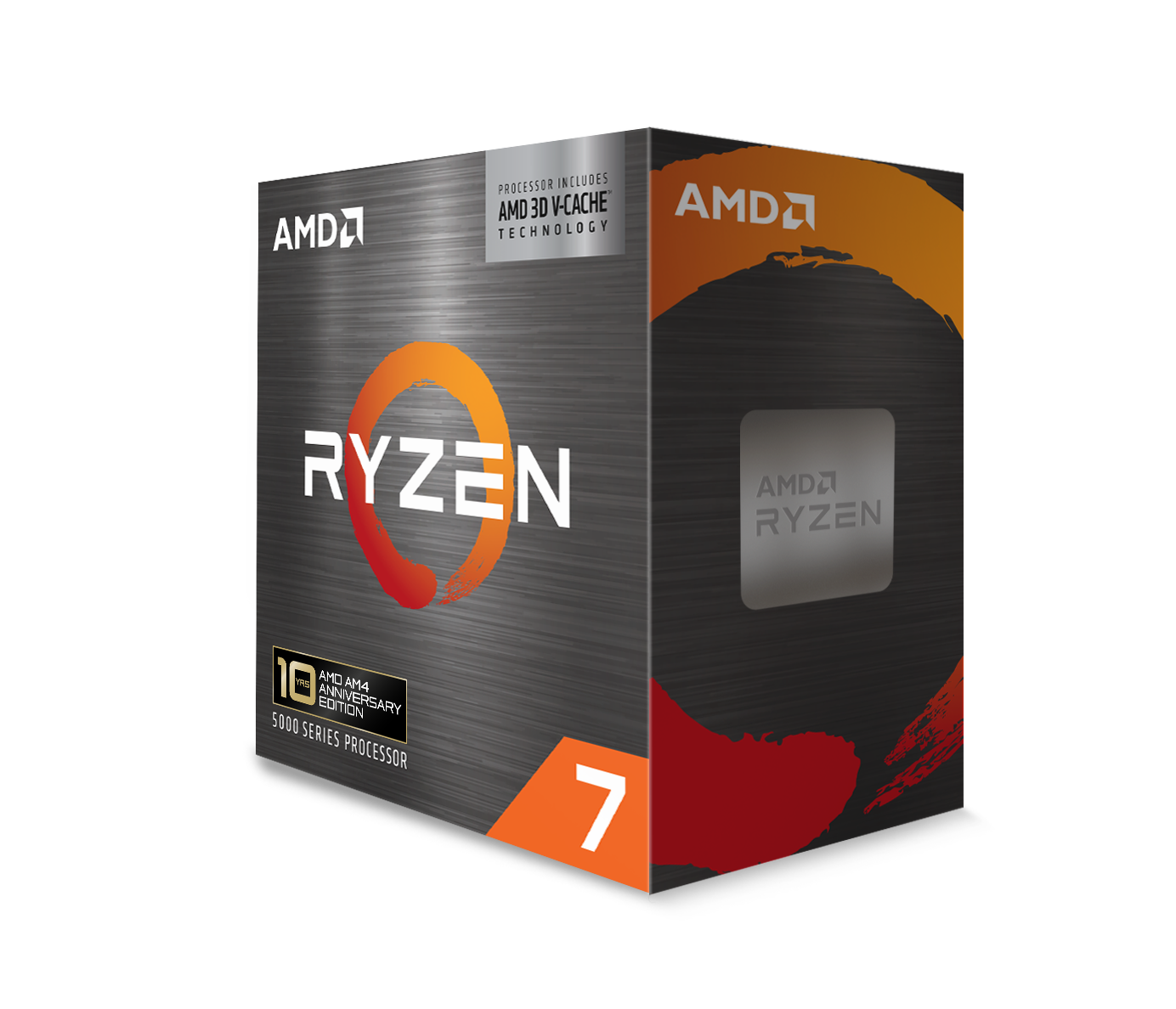
To mark 10 years of the AM4 platform, AMD is re‑releasing the Ryzen 7 5800X3D 10th Anniversary Edition. The chip retains its Zen 3 architecture and 96MB of 3D V‑Cache, offering a drop‑in upgrade for AMD 400‑ and 500‑series motherboard users. The chip will be re-released on June 25th, with a price tag of $349.

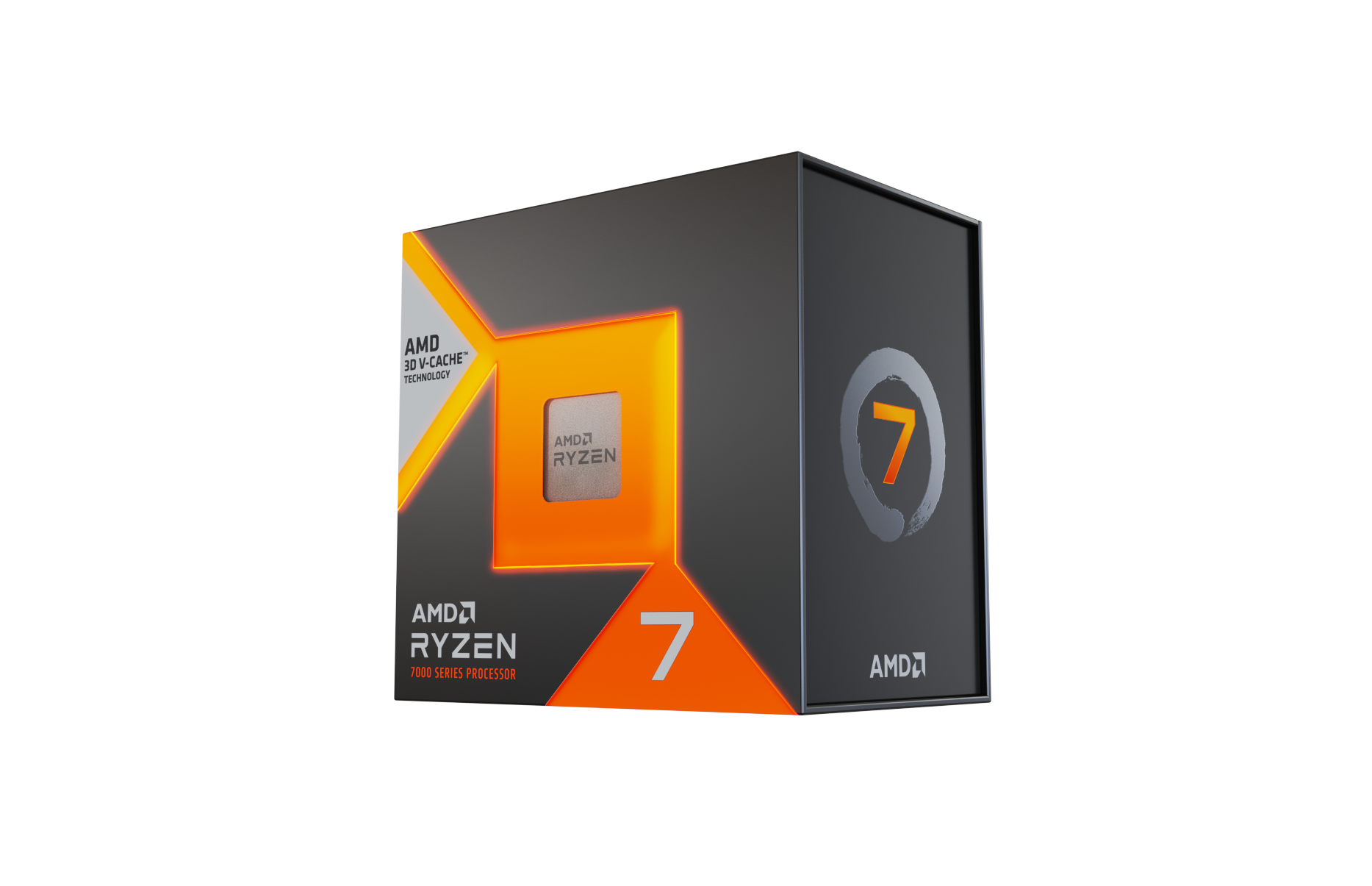
AMD is also introducing the Ryzen 7 7700X3D, bringing 3D V‑Cache to a wider audience on AM5. The processor features 8 cores, 16 threads, 104MB of total cache and boost speeds up to 4.5GHz, with a 120W TDP. It arrives on July 16th for $329, a pretty significant price reduction on the 7800X3D, which launched at $449.

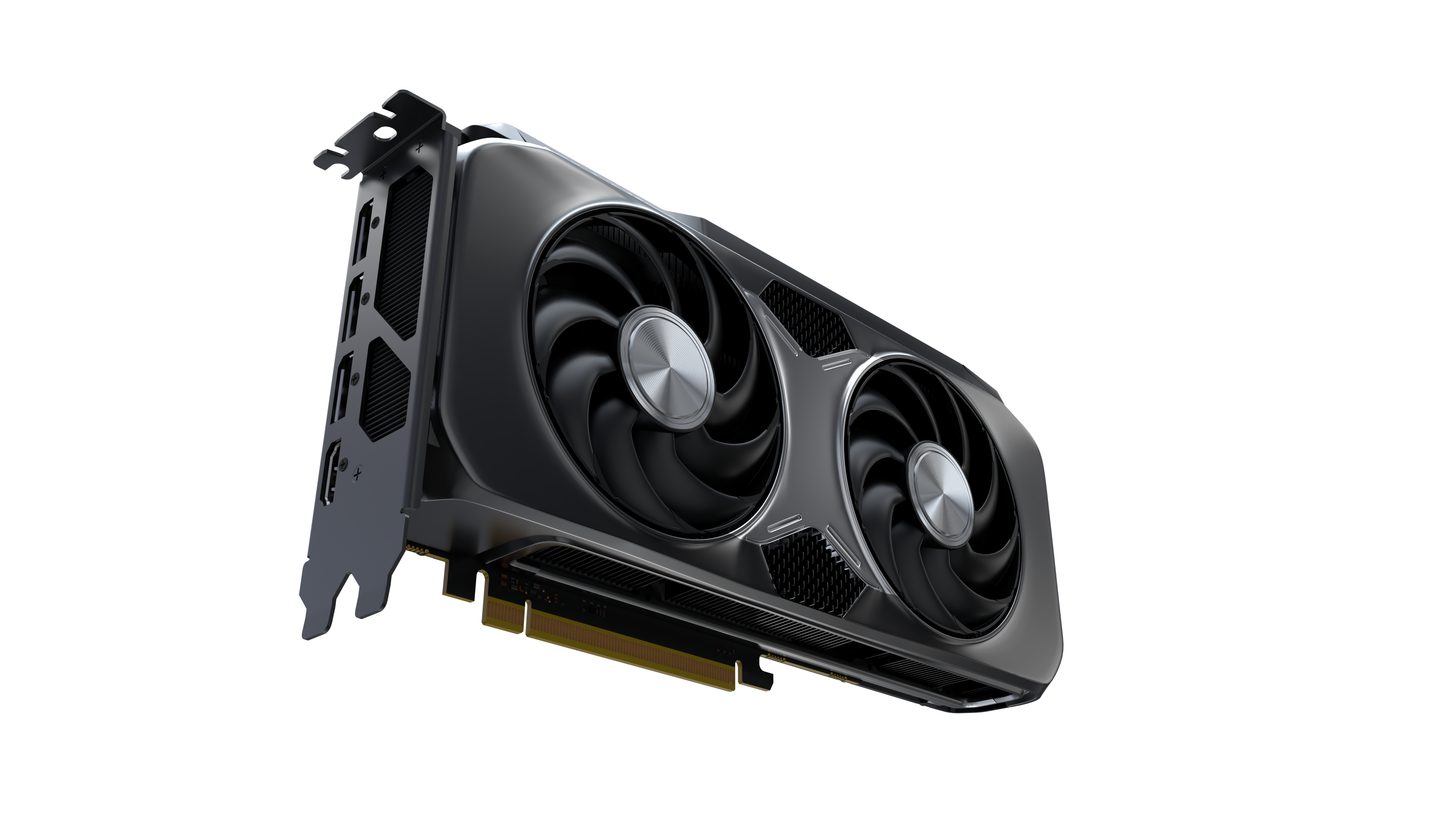
On the graphics side, AMD is taking the Radeon RX 9070 GRE to global markets. The RDNA 4‑based card targets QHD gaming with 12GB of memory, next‑generation Ray Accelerators and support for AMD’s latest FSR technologies. It becomes available worldwide on June 1st for $549.

While having access to the latest FSR technology is an important selling point, it is also worth noting that AMD recently announced plans to bring FSR 4.1 support to older GPUs, including RDNA 3 this summer and RDNA 2 in early 2027.

For professional workloads, AMD highlighted the Radeon AI PRO R9000 series, which now supports more than 50 certified applications across Windows and Linux, with additional certifications arriving in the next major Pro driver revision.

AMD also announced EXPO Ultra Low Latency memory profiles, offering an average 4% uplift over previous EXPO kits and up to 13% higher FPS compared to standard JEDEC speeds on Ryzen 7 9700X systems. Certified modules will be available from partners starting in June. We will be visiting a lot of companies at Computex this week, so we expect to see a few of these new EXPO Ultra Low Latency memory kits over the next few days.

KitGuru Says: What do you think of AMD's Computex announcements this year?

The post Computex 2026: AMD announces new Ryzen X3D CPUs and RX 9070 GRE global launch first appeared on KitGuru.

AMD Radeon RX 9070 GRE 12 GB GPU Launched: 48 “RDNA 4” Cores, Up To 22% Faster Than 5060 Ti, & Priced at $549

1 June 2026 at 00:07

AMD Radeon RX 9070 GRE 12 GB GPU Launched: 48 "RDNA 4" Cores, Up To 22% Faster Than 5060 Ti, & Priced at $549

AMD has introduced a brand new graphics card, the Radeon RX 9070 GRE, featuring 12 GB of VRAM, RDNA 4 GPU architecture, & a $549 price. AMD Radeon RX 9070 GRE 12 GB Launches At The Same Price As The Radeon RX 9070 Non-XT The AMD Radeon RX 9000 "RDNA 4" GPU family has seen a brand new addition in the form of the Radeon RX 9070 GRE. The "GRE" series, which stands for Golden Rabbit Edition, is primarily made for Asia-Pacific audiences, but we have recently seen the opening up of these products to global markets. So starting with […]

Read full article at https://wccftech.com/amd-radeon-rx-9070-gre-12-gb-launched-22-percent-faster-vs-5060-ti-549-us-price/

❌
❌