Normal view

There are new articles available, click to refresh the page.
Before yesterdayMain stream

JPR data shows notebook market driving Q2 GPU growth

10 September 2026 at 17:00

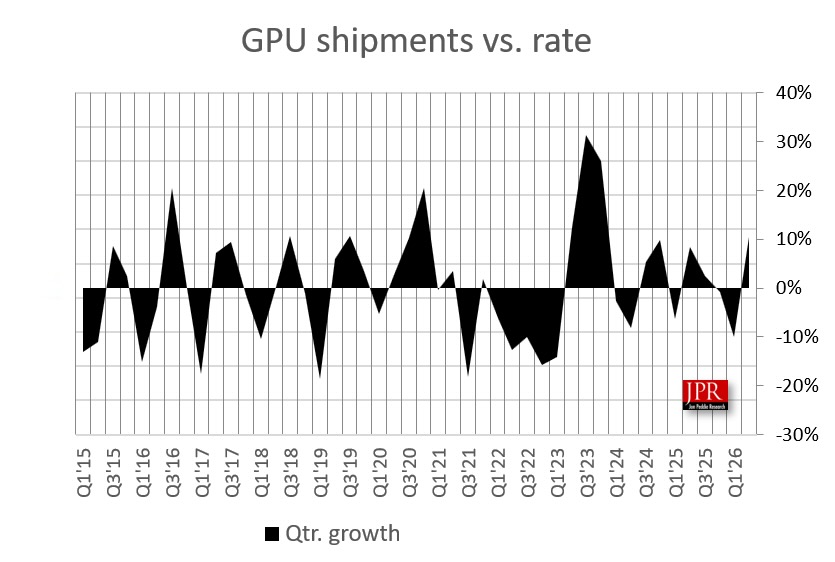
Despite ongoing uncertainty in the wider PC market, global GPU shipments rose 10.4% quarter‑over‑quarter and 1.1% year‑over‑year in Q2, reaching 75.5 million units according to new data from Jon Peddie Research.

JPR’s report shows the notebook graphics segment driving most of the growth, with shipments up 16.8% compared to the previous quarter. Desktop graphics declined by 4% over the same period, continuing the long‑term trend of notebooks dominating overall GPU volume.

Image credit: JPR

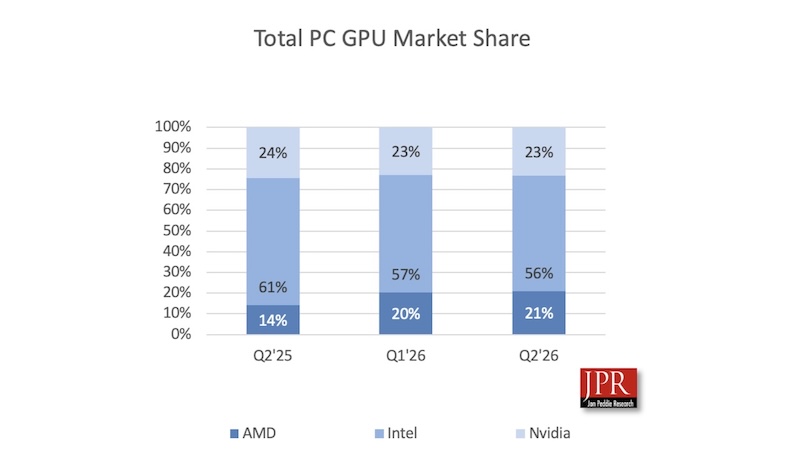
In vendor market share, Intel remained in first place at 56% thanks to integrated GPUs across its processor lineup, though its share fell 1% quarter‑over‑quarter and 5% year‑over‑year. AMD gained 0.6% over the quarter, while Nvidia increased by 0.46%.

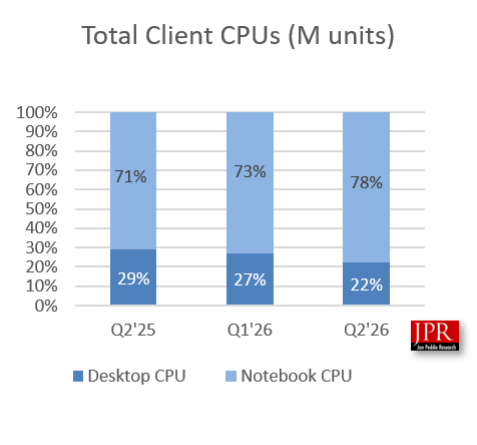
CPU shipments also saw quarterly growth, rising 10.10% overall. AMD’s client CPU shipments increased 12.74% compared to last quarter, while Intel’s rose 8.99%. Notebooks accounted for 78% of all client CPU shipments, leaving desktop processors at 22%.

JPR notes that Q2 is typically a flat or down quarter for GPU shipments, making this year’s 10.4% rise notable. The firm also reports that discrete GPU shipments increased 12.2% despite elevated component pricing driven by memory‑market volatility.

KitGuru Says: GPU shipments rising in Q2 is unusual given the current market conditions. Were you expecting an uptick?

The post JPR data shows notebook market driving Q2 GPU growth first appeared on KitGuru.

AMD Radeon RX 9070 XT becomes company’s top discrete GPU on Steam

10 September 2026 at 16:00

According to the August Steam Hardware Survey, AMD’s Radeon RX 9070 XT has now become the company’s most widely‑used discrete GPU on Steam. The card holds a 1.46% share among surveyed systems, placing it 24th overall — just ahead of Nvidia’s GeForce RTX 3080 and directly behind the GeForce GTX 1660 Super.

Valve’s latest figures (via VideoCardz) show steady month‑to‑month growth for the RX 9070 XT, rising from 1.33% in May to 1.35% in June, 1.40% in July and 1.46% in August. AMD’s next RDNA 4 entry on the list is the Radeon RX 9060 XT at 0.80%.

Nvidia continues to dominate the upper portion of the chart with its current GeForce RTX 50‑series lineup. The GeForce RTX 5070 sits in third place overall at 3.77%, followed by the RTX 5060 at 3.16% and the RTX 5060 Ti at 2.55%. Even the higher‑end RTX 5080 maintains a 1.71% share.

Intel’s results remain unchanged, with integrated GPUs making up the bulk of its presence. Intel Iris Xe graphics is the most common at 1.74%, while dedicated Arc GPUs still do not appear in the survey.

KitGuru Says: The Radeon RX 9070 XT continues to climb, but Nvidia’s RTX 50‑series cards still hold a clear lead across the Steam user base.

The post AMD Radeon RX 9070 XT becomes company’s top discrete GPU on Steam first appeared on KitGuru.

Modder gets DLSS Neural Rendering working on AMD RDNA 4 GPUs

7 September 2026 at 18:00

A modder has successfully ported Nvidia DLSS 5 Neural Rendering to AMD GPUs for the first time. Created by developer danielblnc, the DLSS-NR for AMD tool enables RDNA 4 graphics cards to run Nvidia's neural rendering model in supported DirectX 12 games via a custom installer and Nvidia's nvngx_dlssnr.dll.

As shown by Ancient Gameplays, the modification operates by placing the installer and DLL file into a game's bin directory, with neural rendering toggled through an FSR 3 or FSR 4 profile. Testing has confirmed compatibility with Cyberpunk 2077 and GTA V: Enhanced, though older AMD architectures remain unsupported. Additionally, anti-cheat software blocks the DLL entirely, limiting usage strictly to single-player titles.

According to benchmarks from the youtuber, performance penalties are significant on AMD hardware. Initial builds on a Radeon RX 9070 XT dropped frame rates in Cyberpunk 2077 at 1080p from over 80FPS down to 11-12FPS. However, the modder has since released an update that says it increases performance by roughly 12%.

This is only possible because DLSS 5 uses FP8 math, which AMD's RDNA 4 architecture natively supports alongside Nvidia's RTX 40-series and RTX 50-series GPUs. Nvidia originally positioned DLSS 5 as exclusive to Blackwell hardware, though modders previously enabled it on RTX 30-series and RTX 40-series cards.

KitGuru says: While the unofficial AMD implementation remains impractical for everyday gameplay, it shows that DLSS can be used on AMD graphics cards.

The post Modder gets DLSS Neural Rendering working on AMD RDNA 4 GPUs first appeared on KitGuru.

Unofficial mod brings DLSS Multi Frame Generation to RTX 40 series cards

7 September 2026 at 17:00

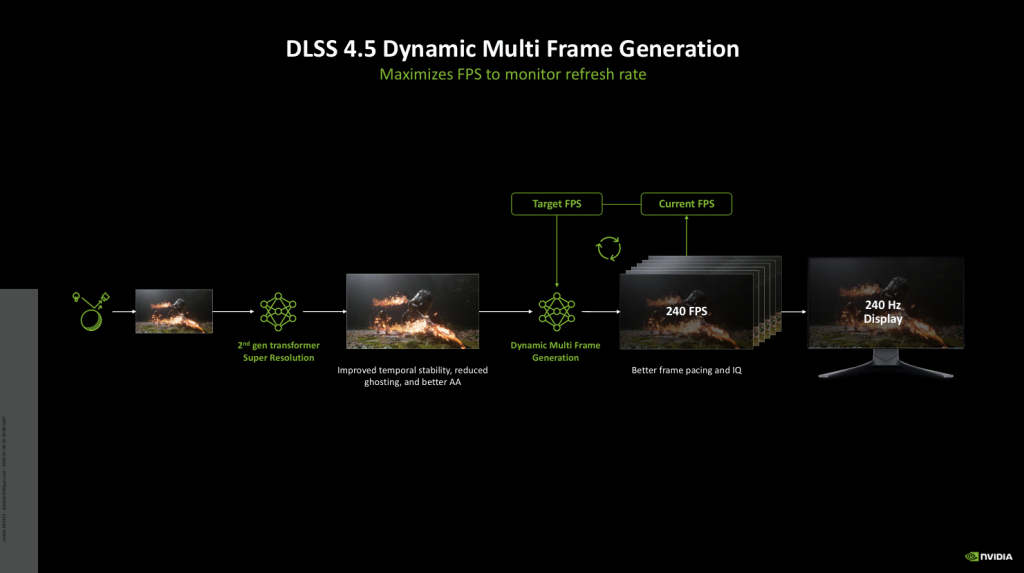
Modders have expanded Nvidia’s DLSS Multi Frame Generation support to GeForce RTX 40‑series GPUs, bypassing official restrictions that limit Ada hardware to standard 2x Frame Generation. With the unlock applied, RTX 40 cards can run 3x and 4x frame generation using Nvidia’s own DLSS‑G code, a feature Nvidia currently reserves for its newer RTX 50‑series GPUs.

The MFGAdaUnlock tool (via VideoCardz) works by patching memory restrictions, allowing Nvidia’s native DLSS‑G routines to run on Ada GPUs. Early demonstrations were shown in Cyberpunk 2077, confirming that higher‑multiplication frame generation does function on RTX 40 hardware. Compatibility briefly broke when Nvidia pushed DLSS‑G provider 310.9, which renamed the temporal kernel and changed descriptor layouts, disabling existing mods.

Modders responded quickly with version 0.4 of the unlock, restoring Ada temporal‑position correction and fixing frame‑pacing issues and duplicate frames at higher multiplication levels. With these adjustments, RTX 40‑series cards can once again run the latest 310.9 provider code with 3x and 4x frame generation enabled.

It’s worth noting that Multi Frame Generation still isn’t officially supported on RTX 40‑series GPUs. As a result, performance, latency and stability may vary compared to Nvidia’s tuned implementation for Blackwell‑based RTX 50‑series cards.

KitGuru Says: Seeing RTX 40‑series GPUs handle Multi Frame Generation raises questions about why Nvidia won’t enable the feature officially. Are you planning to try the mod, or does 3x and 4x frame generation not matter much to you?

The post Unofficial mod brings DLSS Multi Frame Generation to RTX 40 series cards first appeared on KitGuru.

DLSS 5 launches this week starting with NBA 2K27

1 September 2026 at 13:01

Nvidia is now launching DLSS 5 officially, with support coming to NBA 2K27 starting on September 3rd. For now, NBA 2K27 will be the only officially supported game, but we should see a ramp up of supported games in the coming months. 

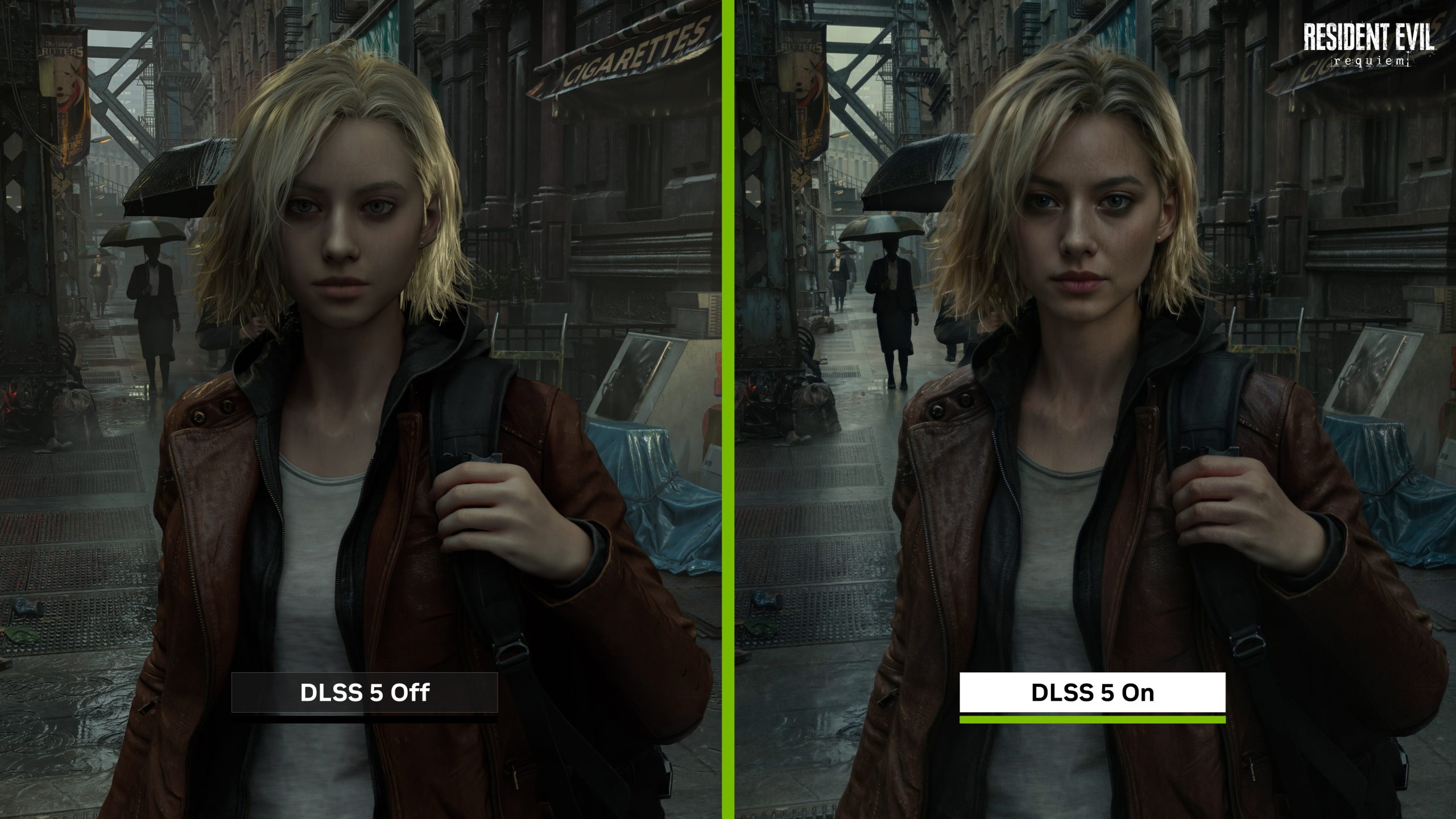
DLSS 5 was first announced at GTC earlier this year. At the time, the technology was shown running in games like Starfield and Resident Evil Requiem, but the first official game to utilise it will be one not previously announced. NBA 2K27 officially launches to all on September 3rd, after a lengthy 9-day early access period for deluxe edition buyers. On PC, it will have DLSS 5 at launch.

The fact that the DLSS 5 files leaked through the early access build of NBA 2K27, it shouldn't be too much of a surprise to see the game announced this week. DLSS 5 will be accessible on all RTX 50 series GPUs, and there does not appear to be any plans to extend official support to older RTX 40 or RTX 30 GPUs.

DLSS 5 marks a shift in focus for Nvidia. Previous DLSS versions were primarily about boosting performance, but DLSS 5 aims to improve visual fidelity in ways that weren’t possible with traditional rendering. With that in mind, it will be interesting to see the comparison screenshots and performance results once we get to try it for ourselves.

KitGuru Says: Do you own NBA 2K27 on PC? Are you going to be trying out DLSS 5?

The post DLSS 5 launches this week starting with NBA 2K27 first appeared on KitGuru.

PowerColor launches custom Plague Tale-themed RX 9070 XT

30 August 2026 at 09:00

Resonance: A Plague Tale Legacy has been one of the biggest new game releases of the month. Now, PowerColor has teamed up with Focus Entertainment to produce a limited‑edition RX 9070 XT featuring custom artwork from the game.

The Resonance Edition keeps the same core specifications as the standard Hellhound model but swaps in a themed backplate showing the character Sophia in gold tones. The card also includes an amber LED lighting option, toggled via a dual‑stage switch.

Under the shroud, the card uses AMD’s RDNA 4 architecture with 64 CUs and 16GB of GDDR6 running at 20Gbps on a 256‑bit bus. Boost clocks reach up to 3010MHz in OC mode, and a Dual BIOS switch provides a quieter profile if needed.

Cooling comes from PowerColor’s usual Hellhound setup, a triple‑fan cooler with reverse‑rotation fans, dual‑ball bearings and Honeywell PTM7950 phase‑change material. A copper baseplate covers both the GPU and VRAM, and the fans stay off until temperatures pass 50°C. Power delivery uses a 10+1 phase VRM on a 12‑layer PCB.

Each card ships with a digital copy of Resonance: A Plague Tale Legacy and a themed PowerColor mousepad.

Would you pick up a themed GPU like this, or stick with the standard model?

The post PowerColor launches custom Plague Tale-themed RX 9070 XT first appeared on KitGuru.

DLSS 5 has leaked, giving modders free reign to test it in games

28 August 2026 at 15:00

DLSS 5 has leaked in a very unexpected way, through a random .dll file bundled with the early access version of NBA 2K27. Nvidia first announced DLSS 5 earlier this year, pitching Neural Rendering as the next major step for its AI‑powered graphics tech. Now, thanks to this leak, PC players are getting their first look at how the technology behaves in real games.

Twitter user @renan_maniero spotted a new file named nvngx_dlssnr.dll inside the NBA 2K27 directory. Finding the file alone would be interesting enough, but modders have already begun dropping it into other games to see what happens.

One group managed to integrate the DLL into Control, exposing a set of Neural Rendering sliders that adjust things like intensity, style and auto skin masking, all features Nvidia previously said would be configurable. A short YouTube clip shows the mod in action, but enabling Neural Rendering does cut the frame rate down by quite a bit. However, it is worth noting that this isn't an official implementation of DLSS 5, and there is no telling what kind of driver optimisations Nvidia will put in place when the technology does become officially available, so any performance results seen right now could change.

Fans have also injected DLSS 5 into The Last of Us Part 2 and Final Fantasy 7 Rebirth, offering differing results. So far, fan reactions to these early tests appear mixed, with some hating it, while others see it as a push closer to photorealism.

Obviously, the true test for DLSS 5 will be how game developers implement it themselves. Nvidia already said that developers would have a bunch of toggles to adjust how characters look, ensuring that DLSS 5 doesn't warp the artistic intent behind character designs. In its current modded form, fans are free to adjust these toggles themselves, so you are going to see some very different results, and some may max out sliders to intentionally make things look bad in hopes of going viral.

There is currently no word on when DLSS 5 will be available officially, or how many GPUs will support the technology. Like DLSS 4, it is likely to be limited to RTX 50 and up, but depending on performance, Nvidia may restrict it further to ensure only those who can run it comfortably have access.

KitGuru Says: DLSS 5 leaking through NBA 2K27 is a bizarre twist, but it gives us an early look at Neural Rendering in action. Do you think DLSS 5 will become a meaningful feature for PC games?

The post DLSS 5 has leaked, giving modders free reign to test it in games first appeared on KitGuru.

Nvidia DLSS 4.5 Ray Reconstruction Analysis: A Welcome IQ Boost!

25 August 2026 at 15:30

Today, Nvidia is launching DLSS 4.5 Ray Reconstruction, an update to the original Ray Reconstruction model that arrived nearly three years ago. We first got wind of this at Computex 2026 and DLSS 4.5 Ray Reconstruction is available now in certain games, though just like with DLSS Super Resolution, it does require use of the Override function within the Nvidia App. We went hands-on with early access to the technology, so join us as we take a first look at what it can do…

Timestamps

00:00 Intro
00:46 Video outline
01:47 Test setup
03:03 Image quality – overall detail improvements
04:07 Fine object handling – ghosting/shimmering
05:39 Reflection detail
06:10 Resident Evil Requiem motion examples
06:38 Light changes in Cyberpunk
07:27 Performance data
08:30 Closing thoughts

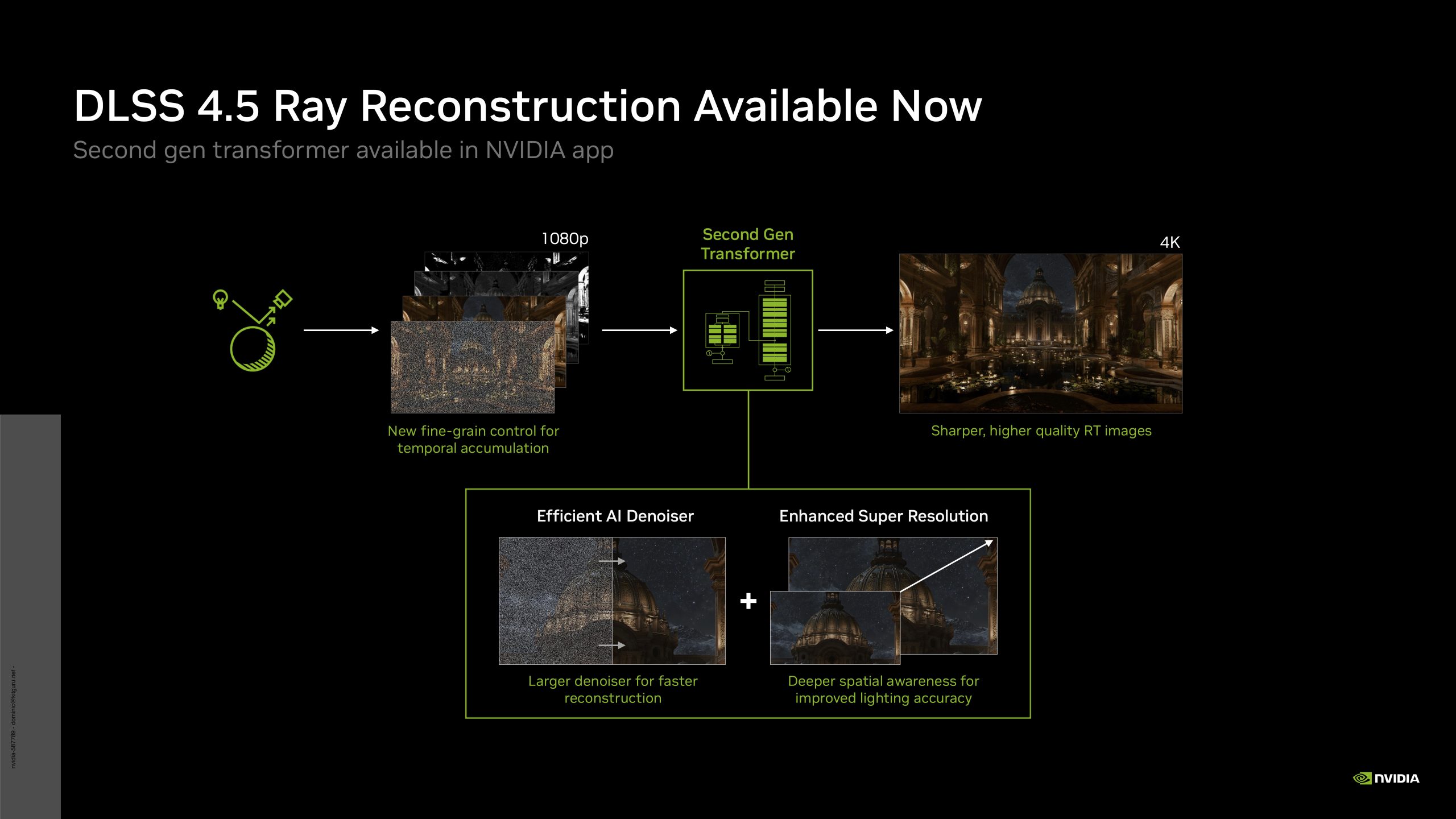
First things first, if you want to catch up on what exactly Ray Reconstruction is and how it works, do check out our original analysis from 2023 as it is still very relevant today. What we're focusing on here, however, is what difference the DLSS 4.5 update makes compared to the prior DLSS 4.0 Ray Reconstruction model. Nvidia claims that ‘DLSS 4.5 Ray Reconstruction introduces a second-generation transformer model with 35% more compute capability and 20% more parameters while maintaining similar performance to the previous model', which certainly sounds good on paper – we're here to see exactly what that means for image quality in games.

Test System:

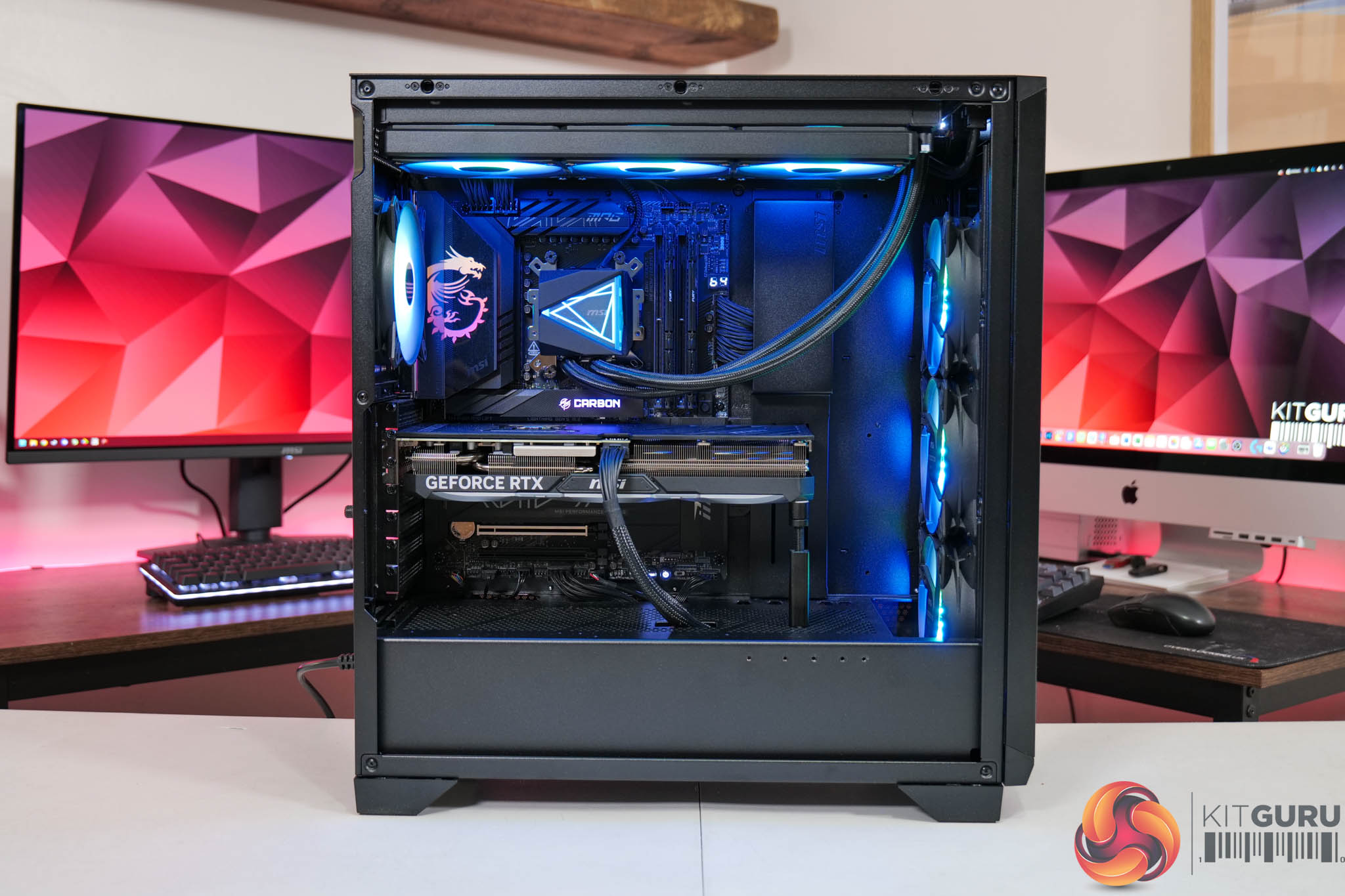
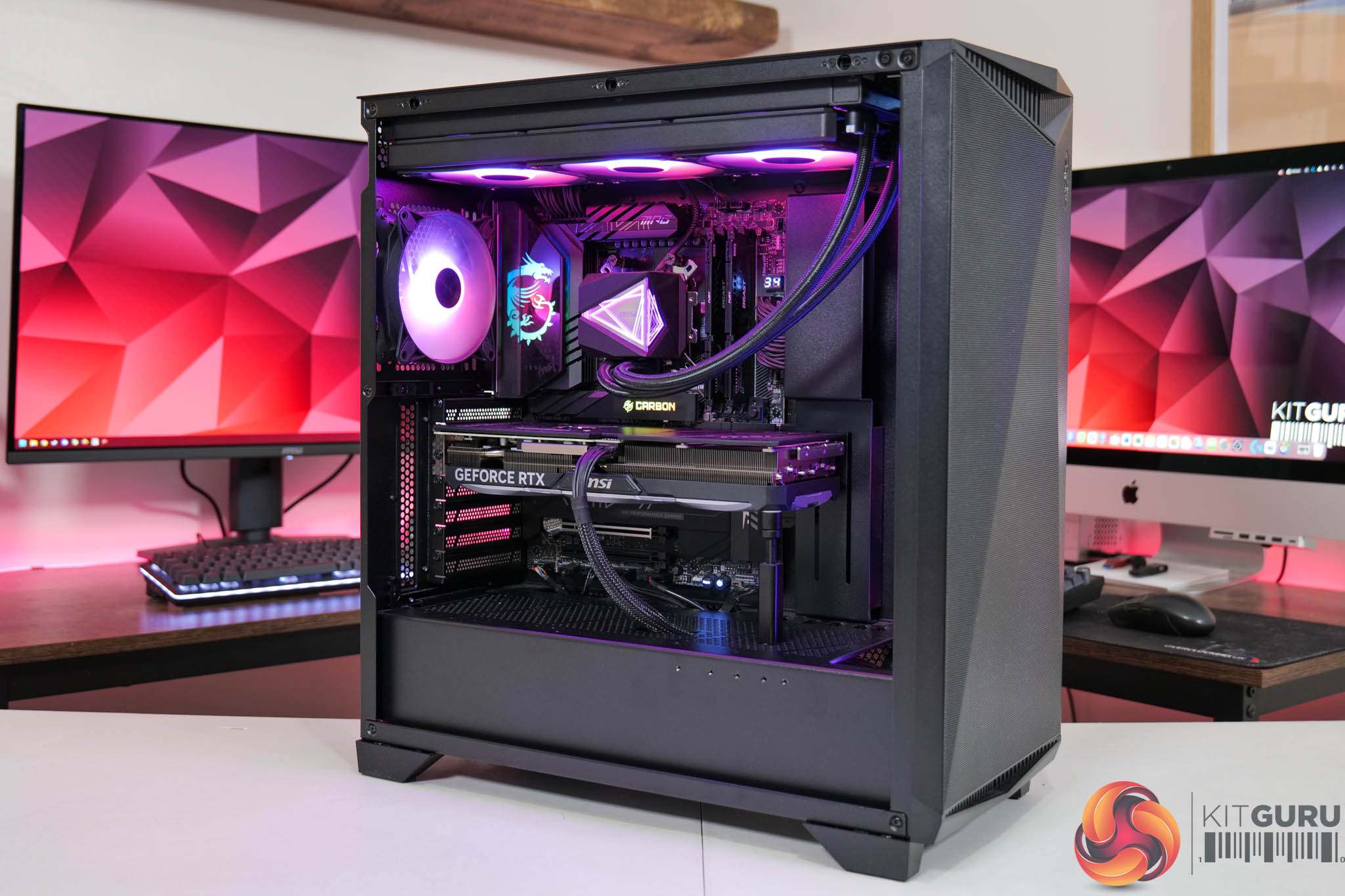
We test using a custom built system powered by MSI, based on AMD's Zen 5 platform. You can view the Powered by MSI store on AWD-IT's website HERE.

CPU
AMD Ryzen 7 9800X3D
Motherboard
MSI MPG X870E Carbon WiFi
Memory
64GB (2x32GB) Kingston Fury Beast DDR5 6000MT/s CL30
Graphics Card
Varies
SSD
4TB Kingston NV3 Gen 4 PCIe NVMe
Chassis MSI MPG Gungnir 300R Airflow
CPU Cooler
MSI MAG CoreLiquid i360
Power Supply
MSI MPG Ai1600TS
Operating System
Windows 11 25H2
Monitor
MSI MPG 321URX QD-OLED
Resizable BAR
Enabled for all supported GPUs

Driver Notes

  • RTX 5090 was used for all gameplay footage capture using the latest 610.88 driver.

Image Quality Examples

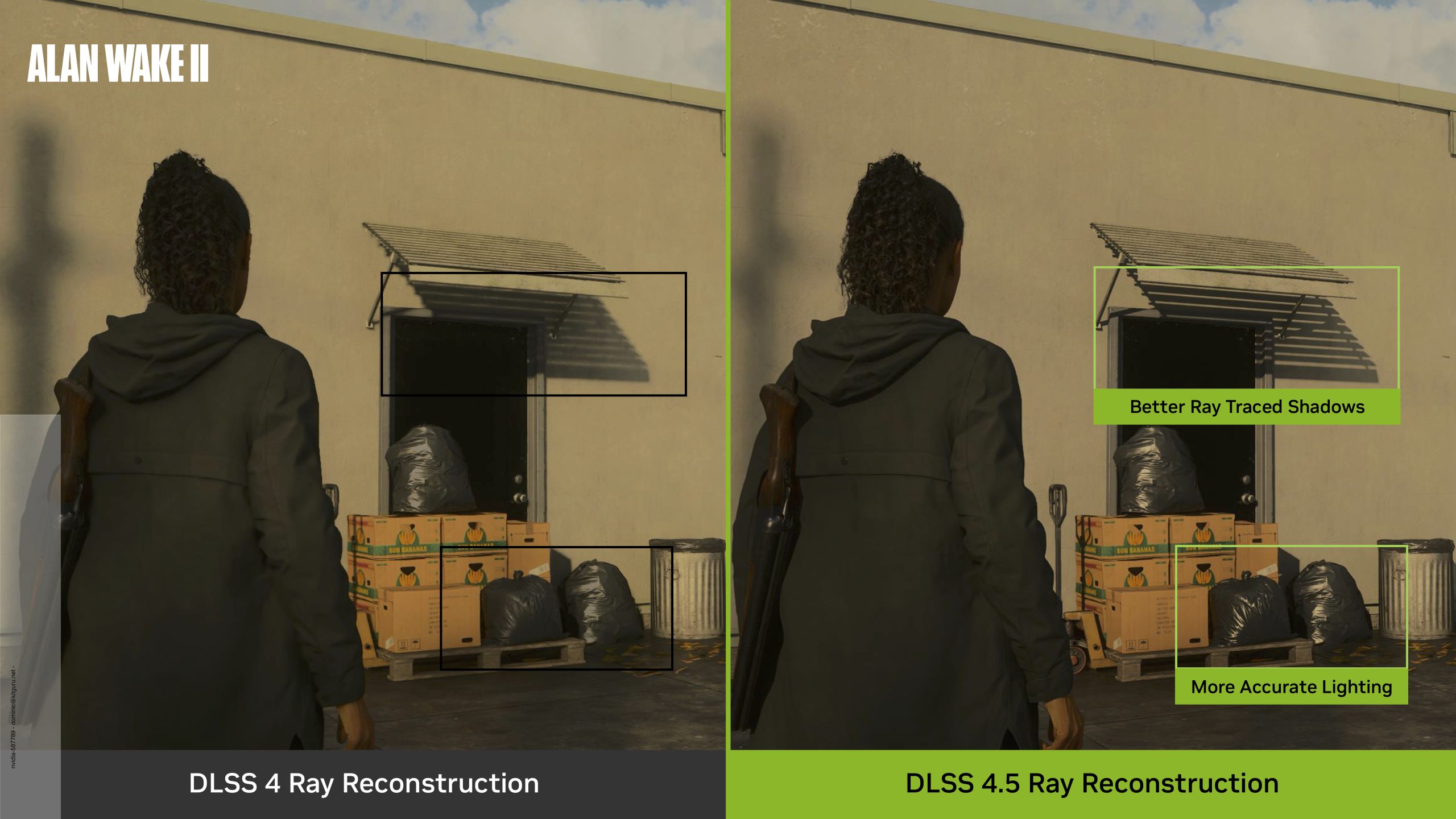
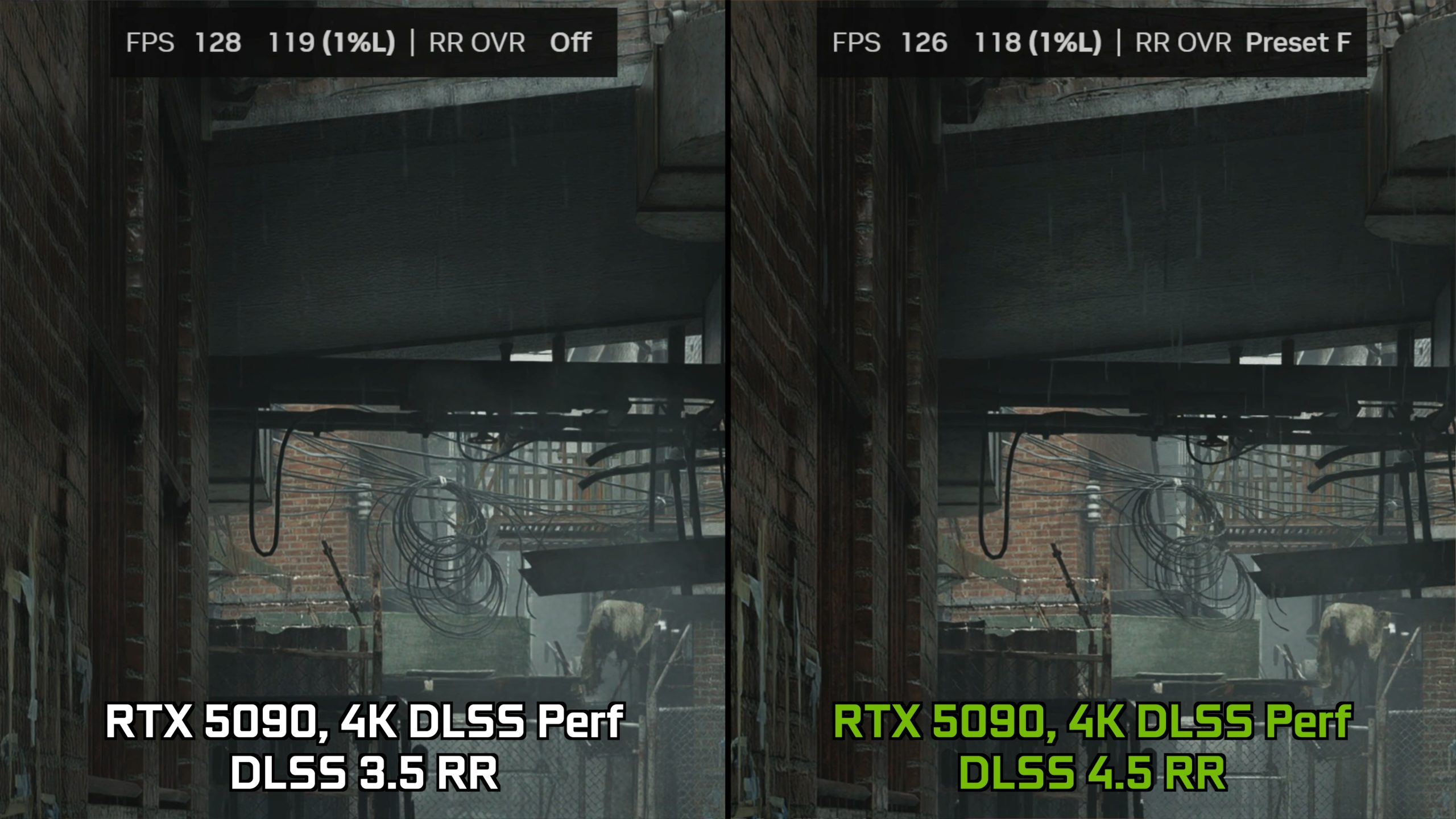
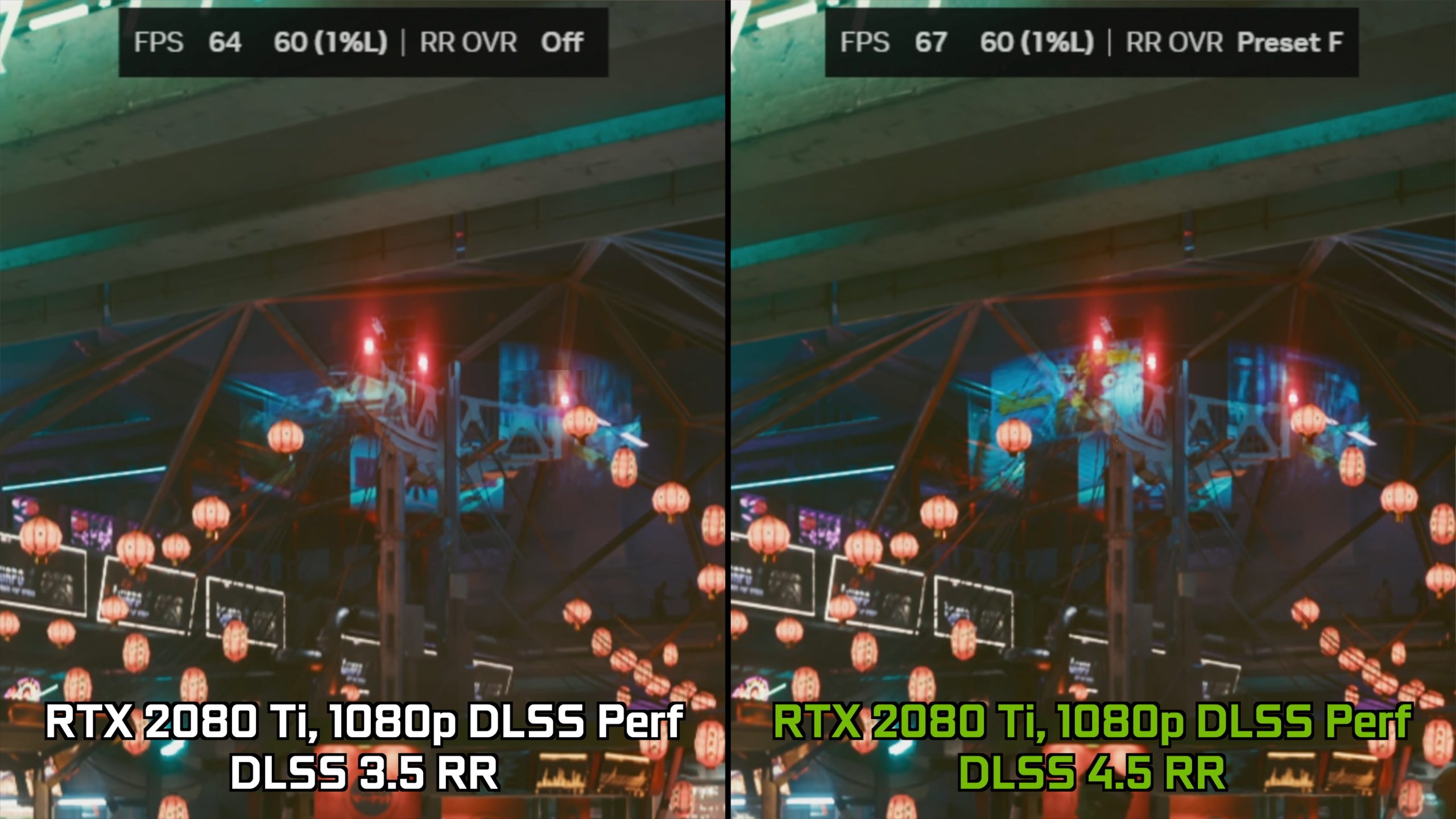
For a full look at image quality, be sure to watch the video at the top of this page, both to see more examples but also to see how Ray Reconstruction handles motion. Note: The below are 4K screenshots. Please zoom in using your browser if you want to enlarge the image.

Performance

As shown in the video, we observed only a negligible performance cost when using DLSS 4.5 Ray Reconstruction with both an RTX 5090 and RTX 4090 at 4K resolution. However, what is odd is that, despite Nvidia suggesting we should see more of a performance hit on 20 and 30-series hardware, we actually saw a small performance improvement on both the RTX 3090 and RTX 2080 Ti in their respective tests. I'm not sure if this is a quirk of my testing or if others will find the same thing, but it was repeatable so I have included it here.

Closing Thoughts

After this admittedly relatively brief look at DLSS 4.5 Ray Reconstruction, I have to say I am pretty impressed by what I’ve seen. I wouldn't say that I've been blown away from the improvements made with the new model – certainly not in the same way as I was comparing RR off to RR on when the technology first launched, but I suppose that is to be expected.

Instead, what we’ve seen is more like going from DLSS 3 Super Resolution, to DLSS 4 – meaning the improvements may not be revolutionary, but they are still very welcome and do improve certain image quality characteristics that can be associated with DLSS technologies – including temporal instability, ghosting or shimmering, as well as general sharpness and detail.

With that in mind then, it’s really hard not to be impressed by the new DLSS 4.5 Ray Reconstruction update. As shown in the video, there are still some issues present, but by and large we have seen a number of improvements across the board, all without any real performance cost, too. In my view, that is an absolute win for the end user, and shows us the best of Nvidia – supporting GPUs all the way back to the RTX 20-series with new updates, completely free, that have basically no downside. Let’s hope that doesn’t stop any time soon.

KitGuru says: Let us know if you will be trying the new update!

The post Nvidia DLSS 4.5 Ray Reconstruction Analysis: A Welcome IQ Boost! first appeared on KitGuru.

Cooler Master launches GPU Shield to monitor 12V-2×6 power connectors

11 August 2026 at 17:30

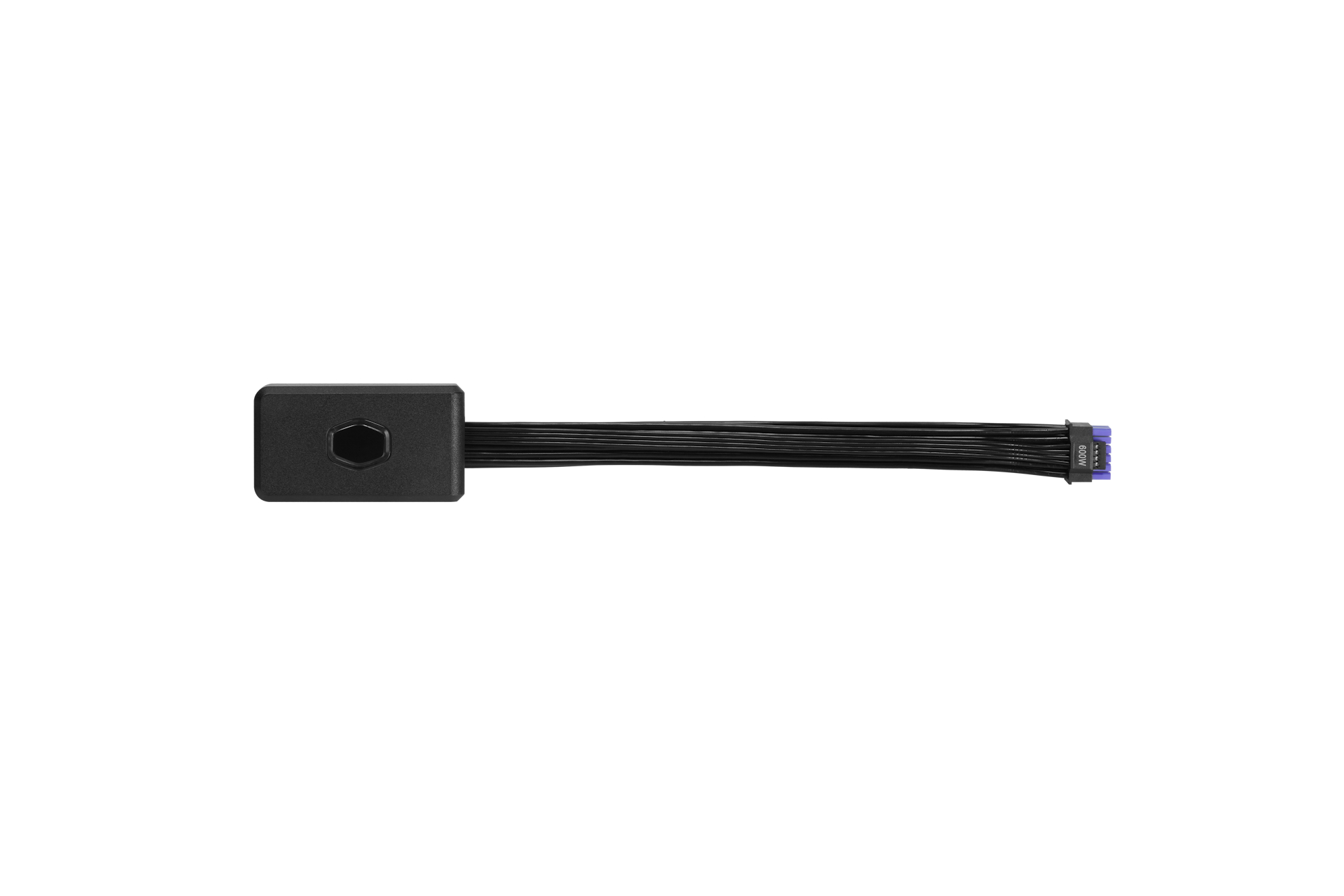
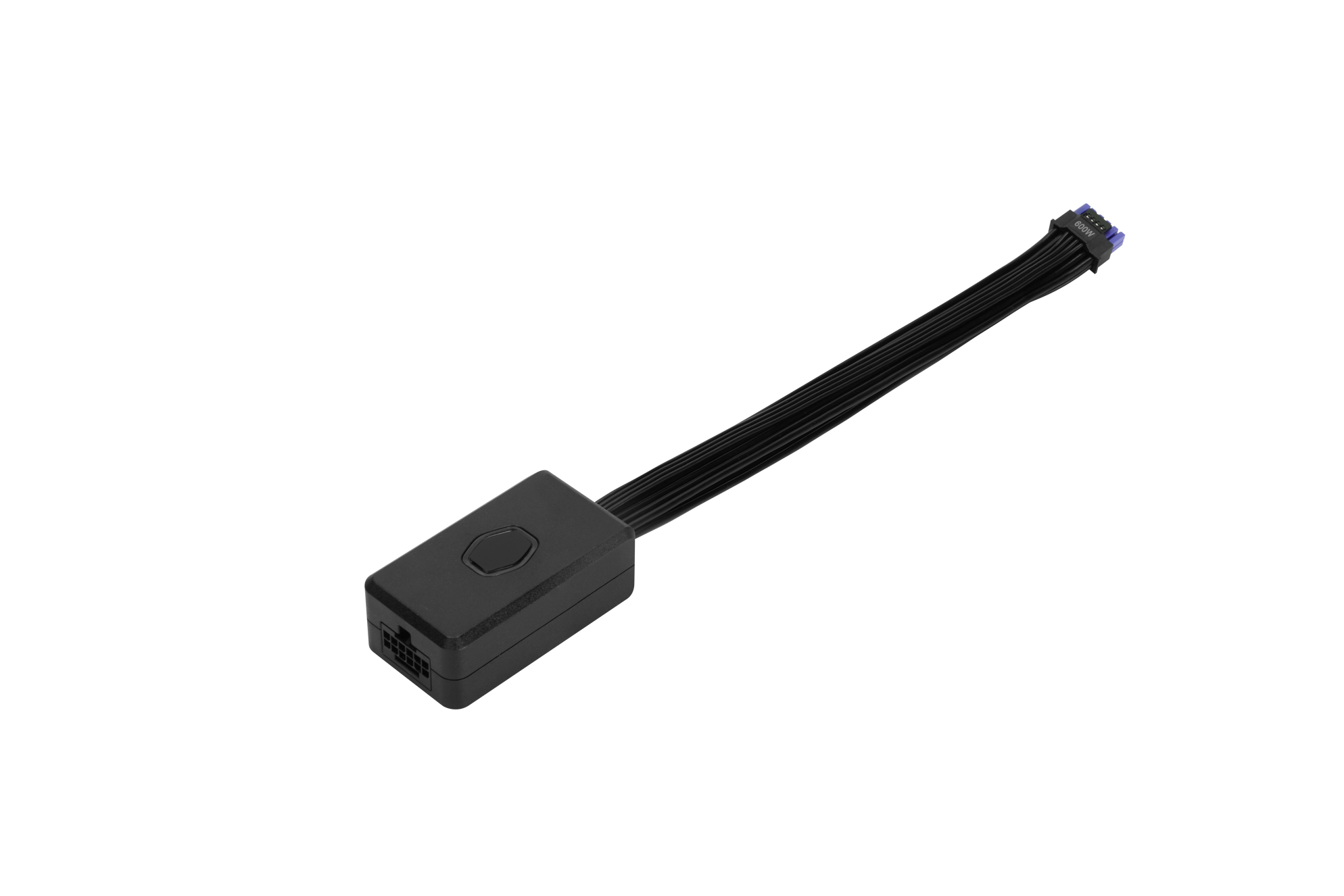
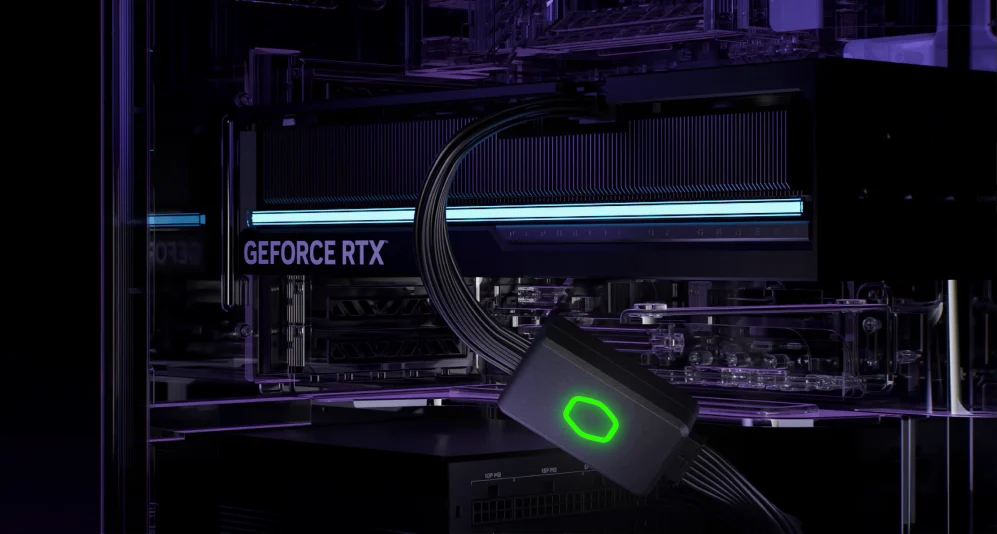
Cooler Master has launched the GPU Shield, a dedicated inline adapter designed to monitor 12V-2×6 power connectors on modern graphics cards and reduce electrical risks.

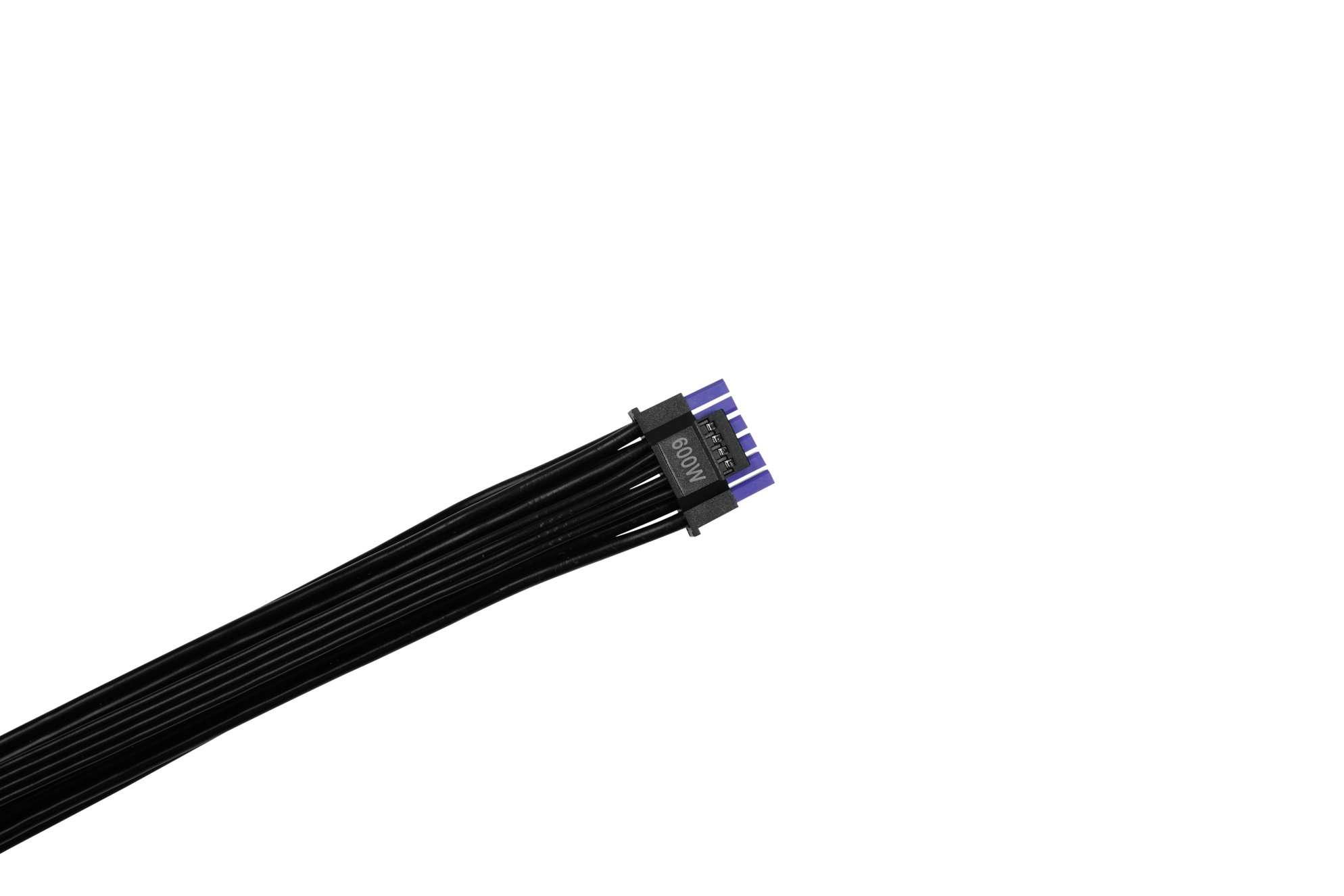
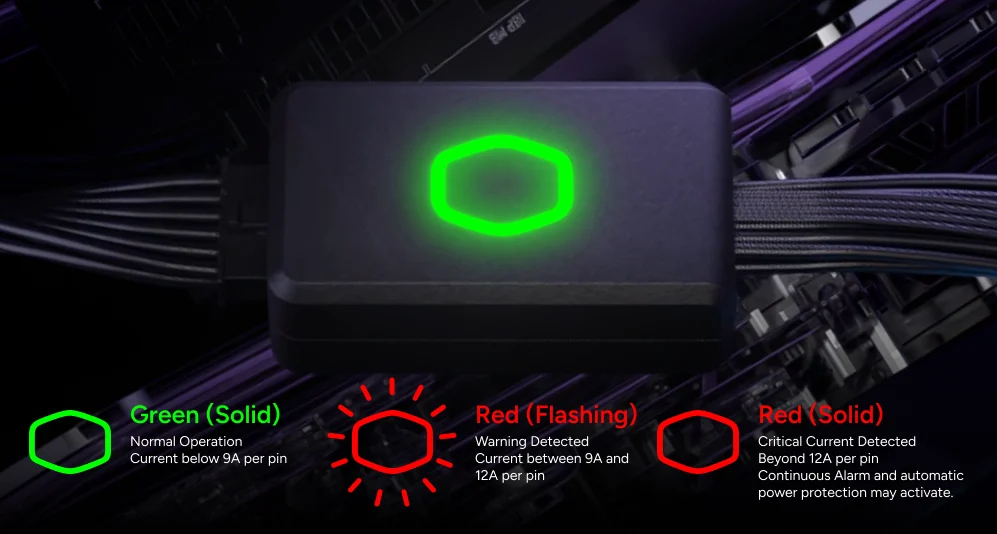
Placing itself between the PSU power cable and the GPU's 16-pin header, the adapter, brought to our attention by Uniko's Hardware (via VideoCardz), works with both 12V-2×6 and 12+4-pin connectors regardless of brands. Cooler Master states that the device individually monitors current across the connector pins. Visual warnings are provided via a multicoloured LED ring, alongside an audible alarm for when you can't see the LED. A two-tone connector design also lets users mechanically verify proper seating, while an active protection mechanism reduces system power draw if a major fault occurs.

Priced in China at 359 yuan (around £40), the initial release is already sold out. Cooler Master hasn't announced release dates or pricing for international markets yet. Also worth noting is that official listings show regional warranty differences, as the international product page details a 1-year warranty compared to a 3-year warranty advertised in China that includes compensation if a connector melts under valid usage conditions.

Discuss on our Facebook page, HERE.

KitGuru says: With 12V-2×6 connector issues remaining a concern for high-end GPU owners, Cooler Master's GPU Shield offers extra peace of mind.

The post Cooler Master launches GPU Shield to monitor 12V-2×6 power connectors first appeared on KitGuru.

ASRock introduces Radeon RX 9050 Challenger 8GB with dual-fan cooler

29 July 2026 at 08:00

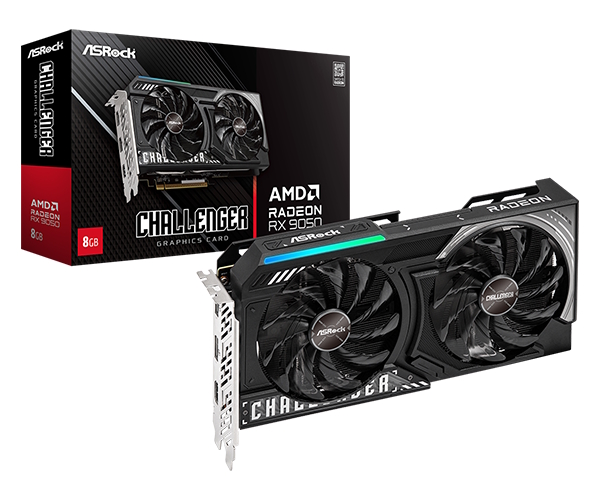
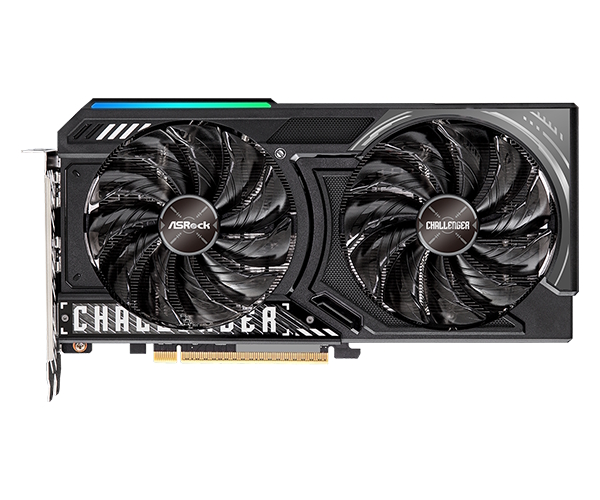
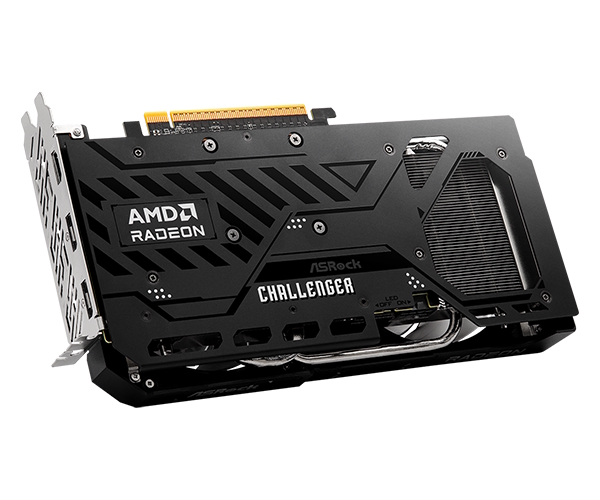
ASRock has launched the AMD Radeon RX 9050 Challenger 8GB graphics card. Based on AMD's latest RDNA 4 architecture, the new dual-fan graphics card arrives with 8GB of GDDR6 memory and is heading to system integrators and retail customers across LATAM and Asia Pacific.

Built on the RDNA 4 architecture, the AMD Radeon RX 9050 features up to 16 CUs, 16 ray accelerators based on 3rd Gen Raytracing hardware, and 32 AI accelerators. Supported software features include AMD HYPR-RX and AMD FSR technology, alongside modern hardware standards like DisplayPort 2.1a and PCI Express 5.0 compatibility. ASRock sets the Boost Clock on its Challenger model to up to 2600MHz, while the game clock is set to 1920MHz. That translates into 10.6TFLOPS of FP32 computing performance, which is just slightly above what you can expect from a PS5.

The 8GB of GDDR6 memory is clocked at 18Gbps over a 128-bit memory interface. Moreover, it has 32MB of Infinity Cache. ASRock recommends a 450W PSU for a system featuring its new card, but the card's rated TBP is only 92W.

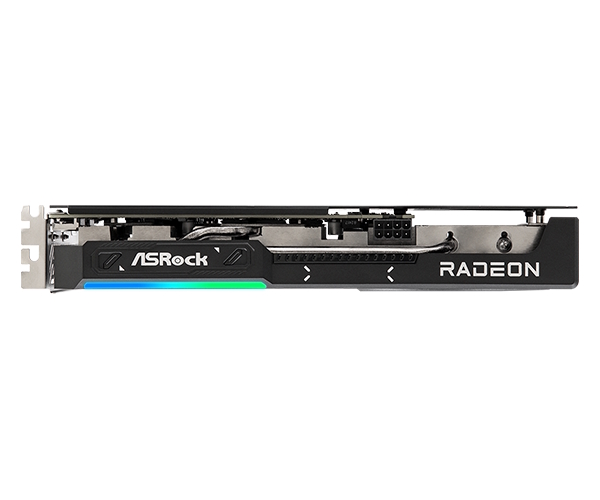
Cooling is handled by a dual-fan thermal solution incorporating ASRock's Striped Axial Fan design (with 0db operation) and Ultra-fit Heatpipes. Additional hardware features include a metal backplate for structural rigidity and integrated LED indicators.

KitGuru says: ASRock's new RX 9050 Challenger 8GB gives mainstream builders in LATAM and Asia Pacific an affordable entry point into AMD's latest RDNA 4 architecture. Do you think this card should also be available in other regions?

The post ASRock introduces Radeon RX 9050 Challenger 8GB with dual-fan cooler first appeared on KitGuru.

Nvidia RTX 50 Super GPUs reportedly delayed due to GDDR7 pricing

21 July 2026 at 16:30

There have been rumours about an RTX 50 Super launch for months now, but continued price rises across memory products have apparently derailed the planned launch. According to reports, a shortage of 3GB GDDR7 modules and increased pricing has forced Nvidia to delay RTX 50 Super. 

VideoCardz reports that while partners possess the chips for RTX 50 Super graphics cards, they can't proceed with manufacturing due to a lack of available memory, coupled with high pricing for the GDDR7 chips available. To put it in perspective, a 3GB GDDR7 chip is currently estimated to cost between $60 and $70. On the other hand, a 2GB GDDR7 chip reportedly costs about $20. 

The rumoured RTX 50 Super refresh was apparently planned with 3GB GDDR7 modules in mind, up from the standard 2GB chips found on regular RTX 50 cards. This upgrade shifts the RTX 5070 Super to 18GB of VRAM, while both the RTX 5070 Ti Super and RTX 5080 Super should feature 24GB. However, Nvidia is allegedly redirecting these specific 3GB components to its more profitable AI graphics cards, including RTX Pro 6000 Blackwell and Rubin CPX, where it's easier to mask the increased price of the 3GB GDDR7 modules.

According to the Seasonic Power Supply calculator, the RTX 50 Super GPUs may also have higher TGP targets than their non-Super counterparts. Apparently an RTX 5080 Super will draw as much as 415W, a 55W increase over the RTX 5080. The RTX 5070 Ti Super has been seen listed at 350W and the RTX 5070 Super is listed at 275W. The theory is that the increased power draw is tied to the denser memory configuration, as well as potential clock speed bumps.

KitGuru Says: Do you think we will eventually get an RTX 50 Super refresh, or will Nvidia jump right to RTX 60? 

The post Nvidia RTX 50 Super GPUs reportedly delayed due to GDDR7 pricing first appeared on KitGuru.

Nvidia is joining the trading card trend with the Trading Cards Series 1 collection

11 July 2026 at 11:00

Nvidia has announced its first series of GeForce Trading Cards, a free collection featuring 14 distinct designs celebrating major milestones in the company's PC gaming and graphics hardware history.

The Series 1 lineup features 14 card designs that highlight iconic GPUs, classic software tech demos, and notable games. Hardware milestones represented in the collection include the 1995 NV1 multimedia processor, the 1999 GeForce 256, and the programmable shader-capable GeForce 3. Later hardware generations, such as the GeForce 7800 GTX and the Pascal-based GeForce GTX 1080, also received dedicated cards alongside the limited-edition GeForce RTX 2080 Ti Cyberpunk 2077 Edition.

Nvidia is also highlighting its software history through cards featuring the classic Bubble, Chameleon, and Medusa tech demos. Long-running software partnerships from the “The Way It's Meant To Be Played” era are represented by Unreal Tournament 2004 and Borderlands. A checklist card completes the 14-piece set, helping collectors track their acquisitions.

Distribution of the physical cards will be handled through both digital and in-person channels. Fans can secure cards through Summer of RTX giveaways hosted on official GeForce social media channels. The company confirms it will also distribute the cards at its booths and partner booths during upcoming summer events, including Bilibili World 2026, QuakeCon 2026, and Gamescom 2026.

KitGuru says: It's a neat piece of nostalgia for long-time hardware collectors, though you'll have to be lucky to complete the collection.

The post Nvidia is joining the trading card trend with the Trading Cards Series 1 collection first appeared on KitGuru.

Team OGS breaks 4GHz barrier with Galax RTX 5090D HOF

2 July 2026 at 15:30

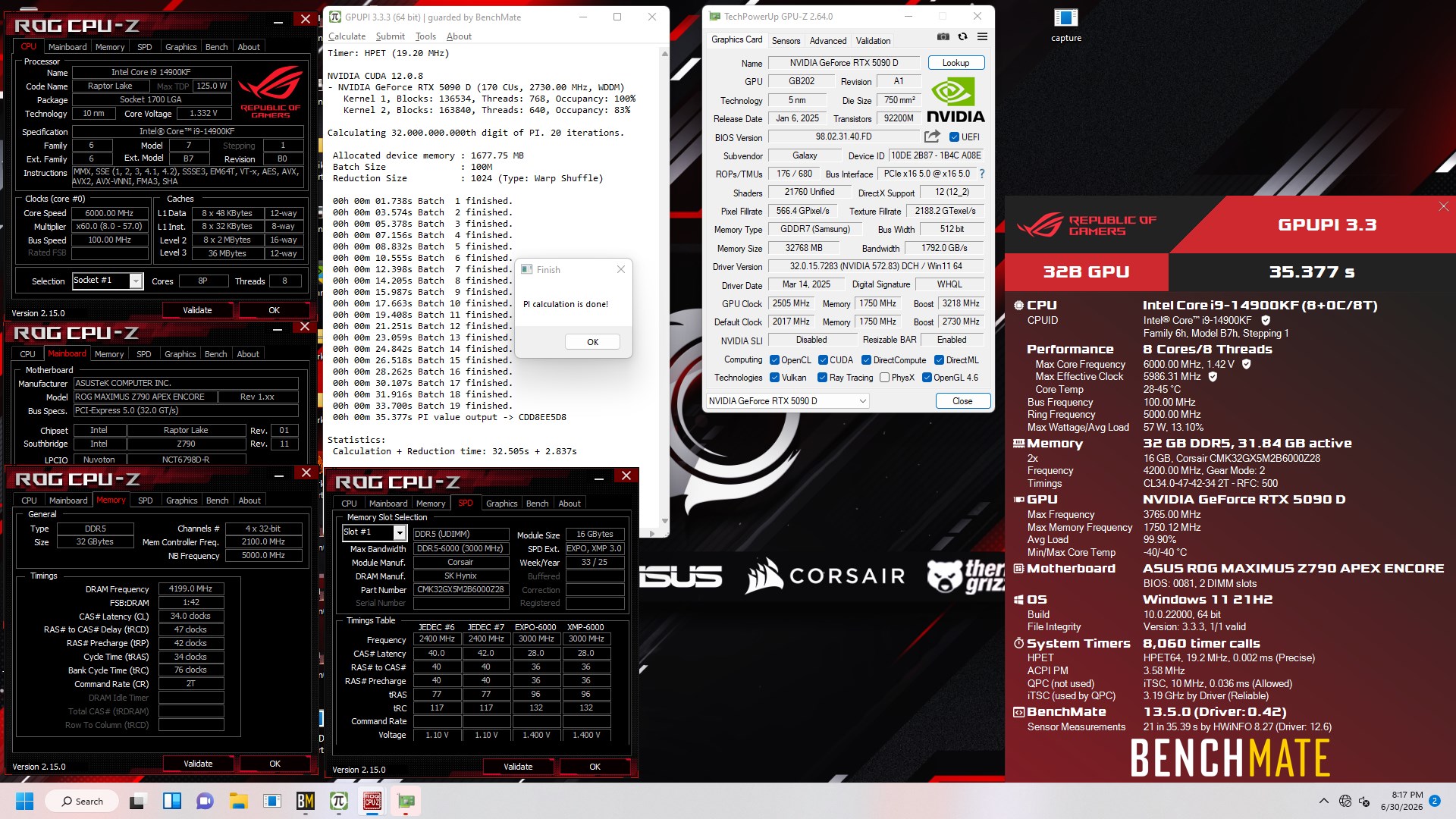
Team OGS has submitted a new HWBOT entry showcasing a Galax GeForce RTX 5090D HOF OC Lab Edition running at 4002MHz. This represents the first validated 4GHz core frequency milestone for an Nvidia Blackwell graphics card under extreme overclocking conditions.

Validation (via Wccftech) was achieved through the GPUPI v3.3 32B benchmark, with the run completing in 35 seconds and 377 milliseconds. According to the HWBOT submission, the graphics card used a GB202-based GPU core paired with 1860MHz memory clocks. This lightweight compute workload does not tax the GPU as much as modern 3D titles, allowing for extreme clocks.

Image credit: HWBOT

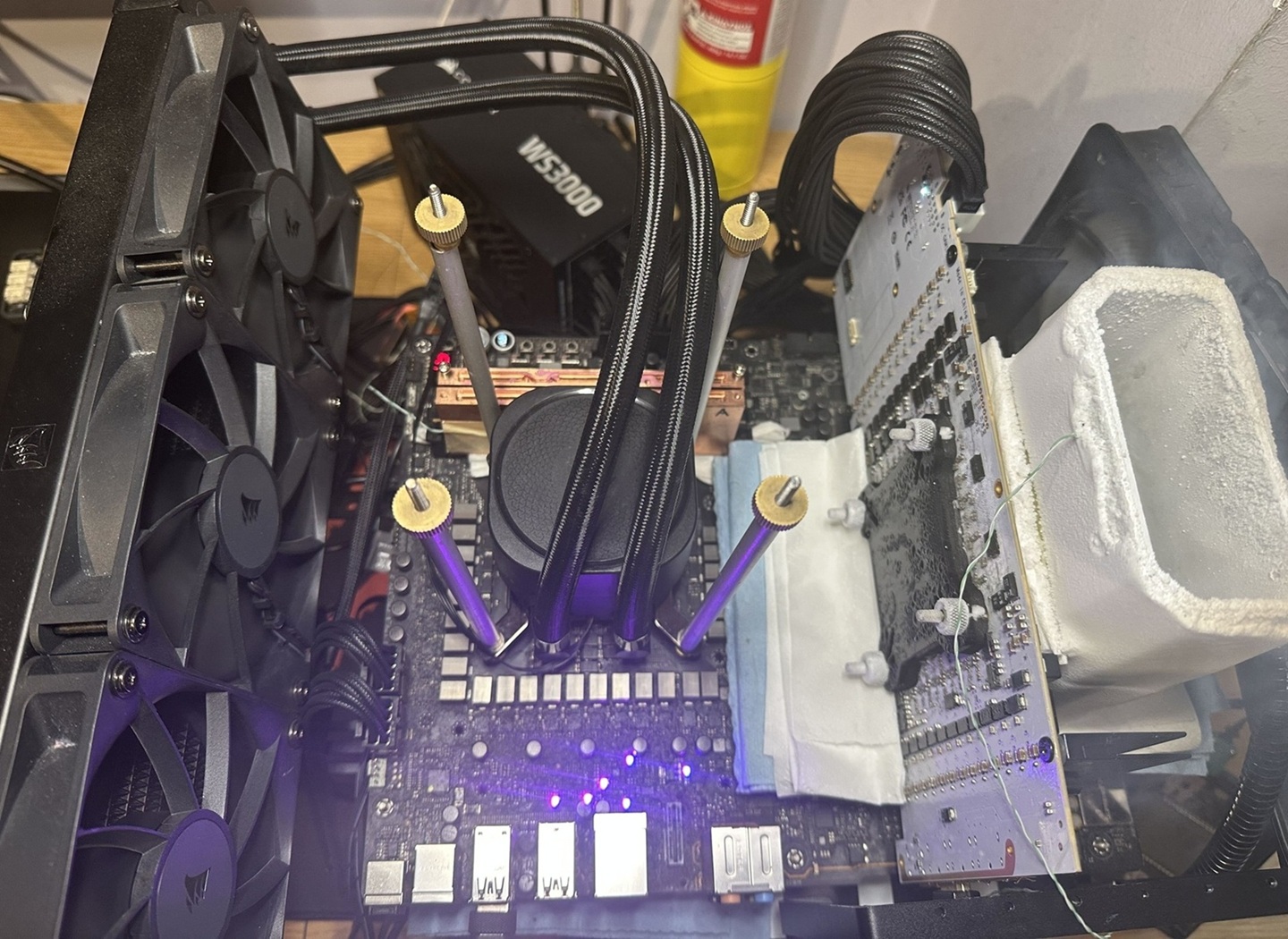
The overclocking setup relied on an Elmor External Clock Board set to 28.7MHz, overriding the standard internal reference clock. Liquid nitrogen cooling managed the thermal load, utilising a Bitspower Strata LN2 GPU Pot and Thermal Grizzly Kryonaut Extreme thermal paste. Other hardware consisted of an Intel Core i9-14900KF running at 6.0GHz, an Asus ROG Maximus Z790 Apex Encore motherboard, 32GB of Corsair Vengeance DDR5 memory, and a Corsair WS3000 power supply.

This submission specifically utilised the original Galax RTX 5090D HOF OC Lab Edition variant. The model maintains the original layout, distinguishing it from the newer V2 version, which has a cut-down 24GB configuration and a narrower 384-bit bus.

KitGuru says: Do you think overclockers will be able to push the Blackwell architecture much further than this?

The post Team OGS breaks 4GHz barrier with Galax RTX 5090D HOF first appeared on KitGuru.

Windows 11 demonstrated running on DDR1 motherboard with AGP graphics

29 June 2026 at 12:30

Windows 11 has been demonstrated running on a legacy DDR1 motherboard equipped with AGP graphics, bypassing modern hardware requirements. The system uses an early-2000s ASRock ConRoe865PE motherboard paired with an Intel Core 2 Quad Q6600 processor, demonstrating that Microsoft's latest operating system can still run on hardware from a vastly different era.

This unique setup, shared by Reddit user O_MORES (via Tom's Hardware), relies on the Intel i865PE chipset, which launched over two decades ago. While the board natively supports older memory and expansion standards, its LGA775 socket allows it to host a 65nm quad-core Q6600, offering significantly more processing power than a standard Pentium 4.

Windows 11 on a DDR1 motherboard, with AGP support enabled
byu/O_MORES inwindows

Graphics is handled by an ATI Radeon HD 4650 AGP card running with full AGP 8X support. The user achieved this by modifying older drivers, using either 64-bit Windows 7 drivers from 2012 or Windows 10 AGP drivers alongside a custom INF file. This configuration restores both 3D acceleration and H.264 hardware decoding, enabling the legacy system to run games like Half-Life 2 and Crysis.

The modded platform operates entirely without UEFI, relying solely on ACPI 1.1. Windows 11 IoT officially supports legacy BIOS systems, explaining why the OS functions here despite being far outside typical consumer support boundaries.

KitGuru says: Seeing Windows 11 function on a platform this old is an impressive feat of driver modification, even if it's completely impractical for daily use.

The post Windows 11 demonstrated running on DDR1 motherboard with AGP graphics first appeared on KitGuru.

Nvidia “Blackwell-Next” GPUs mentioned in Linux kernel patch

24 June 2026 at 08:00

A new Linux kernel patch for the NVGrace-GPU VFIO driver has revealed references to Nvidia's upcoming “Blackwell-Next” graphics architecture.

Spotted by Phoronix (via VideoCardz), this change adds a readiness check for the supposed new architecture via CXL (Compute Express Link) DVSEC-based (Designated Vendor Specific Extended Capability). Submitted as part of the VFIO subsystem work for the Linux 7.2 cycle, the update modifies how the driver determines if GPU memory is ready after a probe or reset.

The code links directly to the NVGrace-GPU driver, meaning these adjustments don't confirm a new consumer GPU generation. Rather, they seem to target enterprise hardware.

Nvidia officially announced Rubin as the successor of Blackwell back in 2025, which includes the Vera CPU and Rubin GPU. However, the company also announced Blackwell Ultra, leaving us uncertain about what Blackwell-Next actually refers to. In any case, it seems we won't have to wait much longer to clarify what's really coming after Blackwell.

KitGuru says: Do you think we will see Blackwell Next come to the consumer segment?

The post Nvidia “Blackwell-Next” GPUs mentioned in Linux kernel patch first appeared on KitGuru.

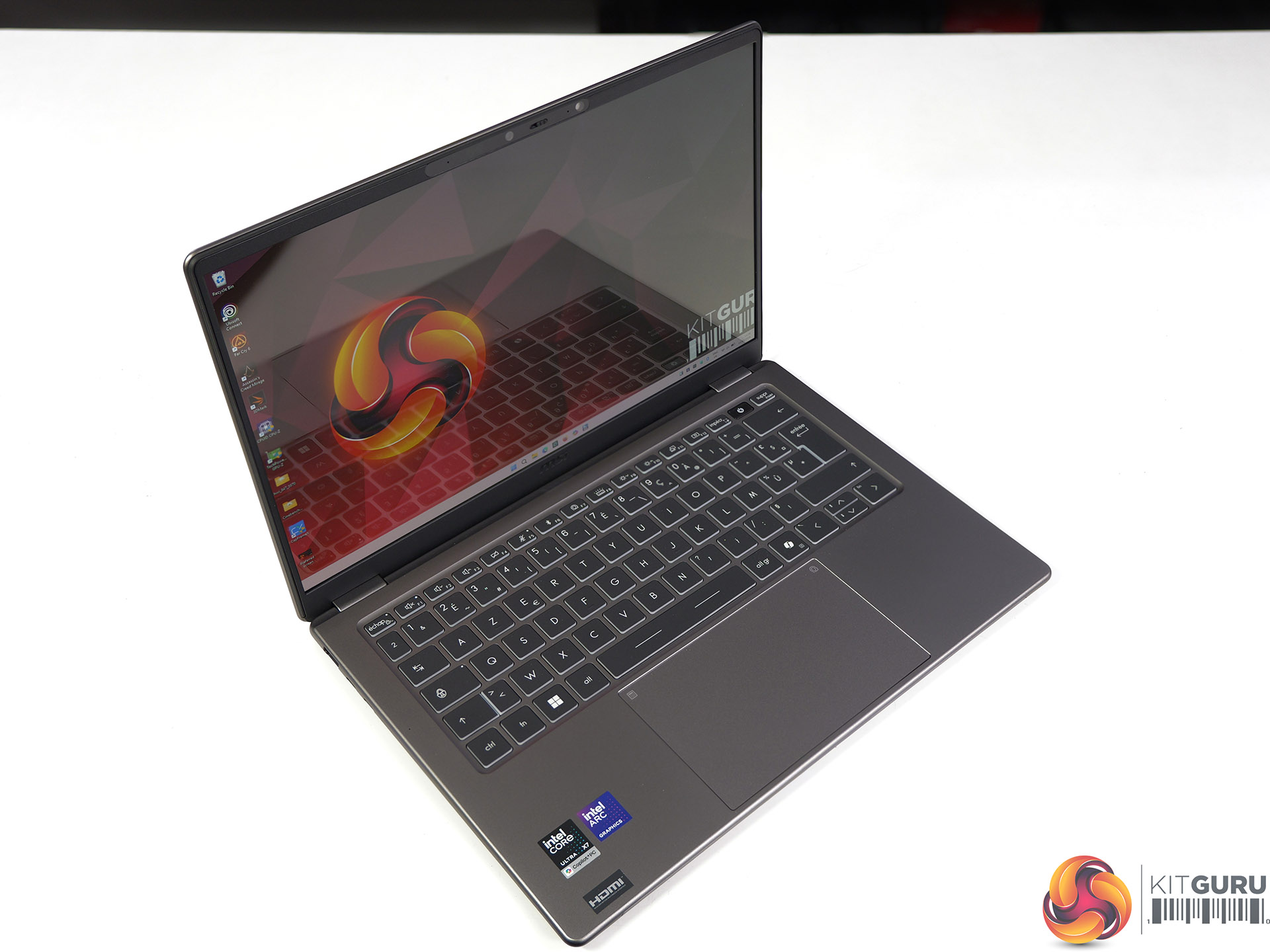
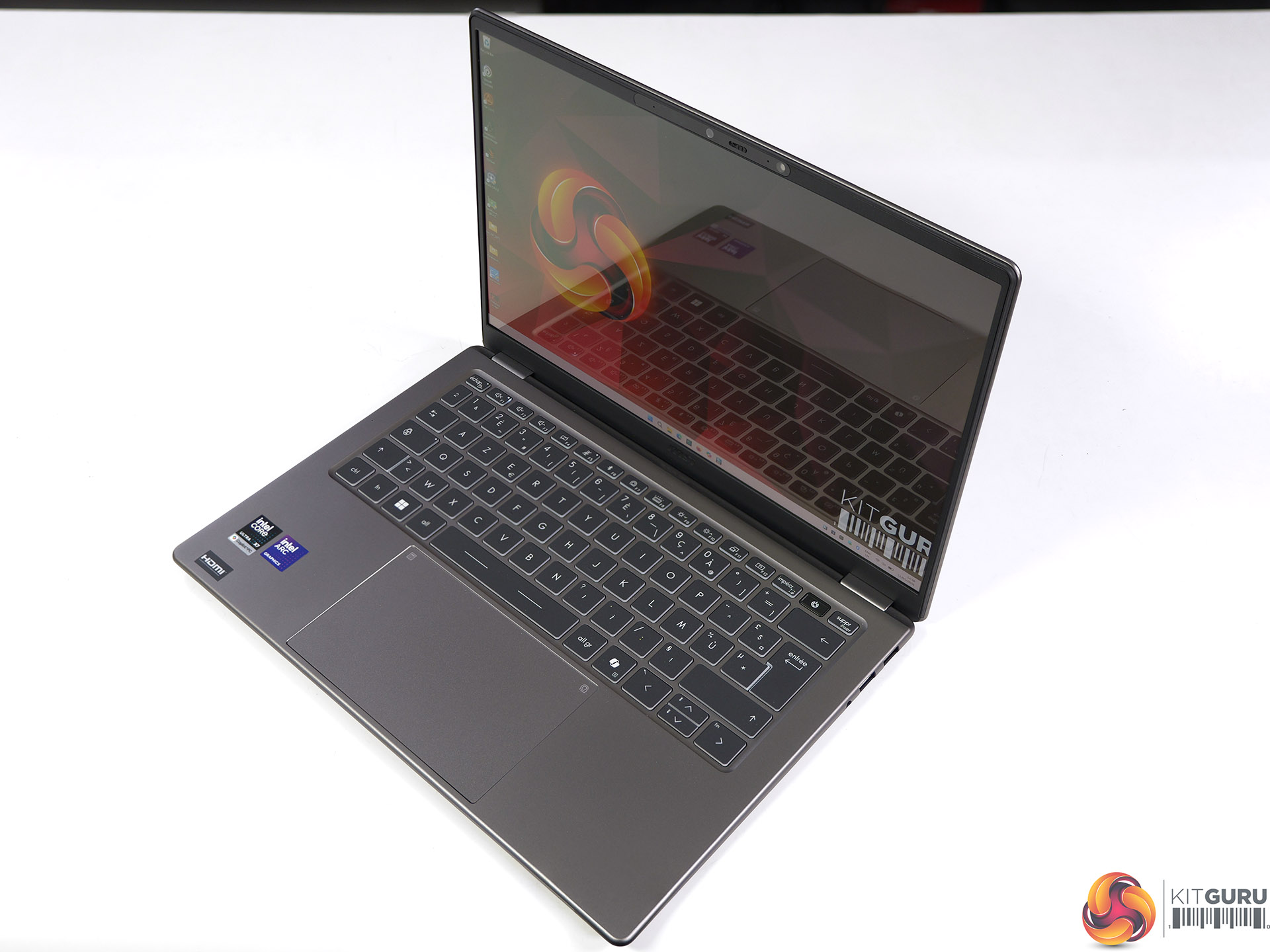
MSI Prestige 14 AI+ Review (Intel Panther Lake Core Ultra X7)

19 June 2026 at 09:00

KitGuru started strongly with Intel Panther Lake when we reviewed the 2026 version of Asus Zenbook Duo, however the price was rather steep at £2,500. Today we are reviewing an MSI Prestige that should offer most of the performance we saw in the Zenbook Duo while simultaneously saving £1,000 on the cost. That sounds amazing!

Time stamps

00:00 Start
00:42 Panther Lake recap
03:40 Some specs / connectivity / ports
05:49 Battery / Charger / Weight
06:01 Comparisons – port speeds
07:28 OLED panel
08:01 Geekbench 6
08:28 Cinebench 2026
08:59 Points Per Watt
09:12 7ZIP Benchmark
09:28 Aida 64 Memory Bandwidth
09:58 Assassins Creed Mirage
10:47 Cyberpunk 2077
11:34 PC Mark 10 Battery Test
12:09 Keyboard
12:32 Pricing
14:00 Closing Thoughts

Specification:

CPU Intel Core Ultra X7 358H, 16 cores (4 P-cores + 8 E-cores + 4 Low Power E-cores), 16 threads, up to 4.8GHz, 18MB cache, up to 50 NPU TOPS
Display 14-inch, 16:10, 1920 x 1200, OLED, glossy, non-touch
Graphics Intel Arc B390 GPU
Memory 32GB LPDDR5x DDR5-8533
Storage 1TB M.2 NVMe PCIe Gen4
Webcam IR FHD (1080p) webcam with HDR, 3DNR+, 3-mic array
Wireless Killer Wi-Fi 7 + Bluetooth v6
Audio 2x 2W Speaker, 2x 2W Woofer

I/O Ports
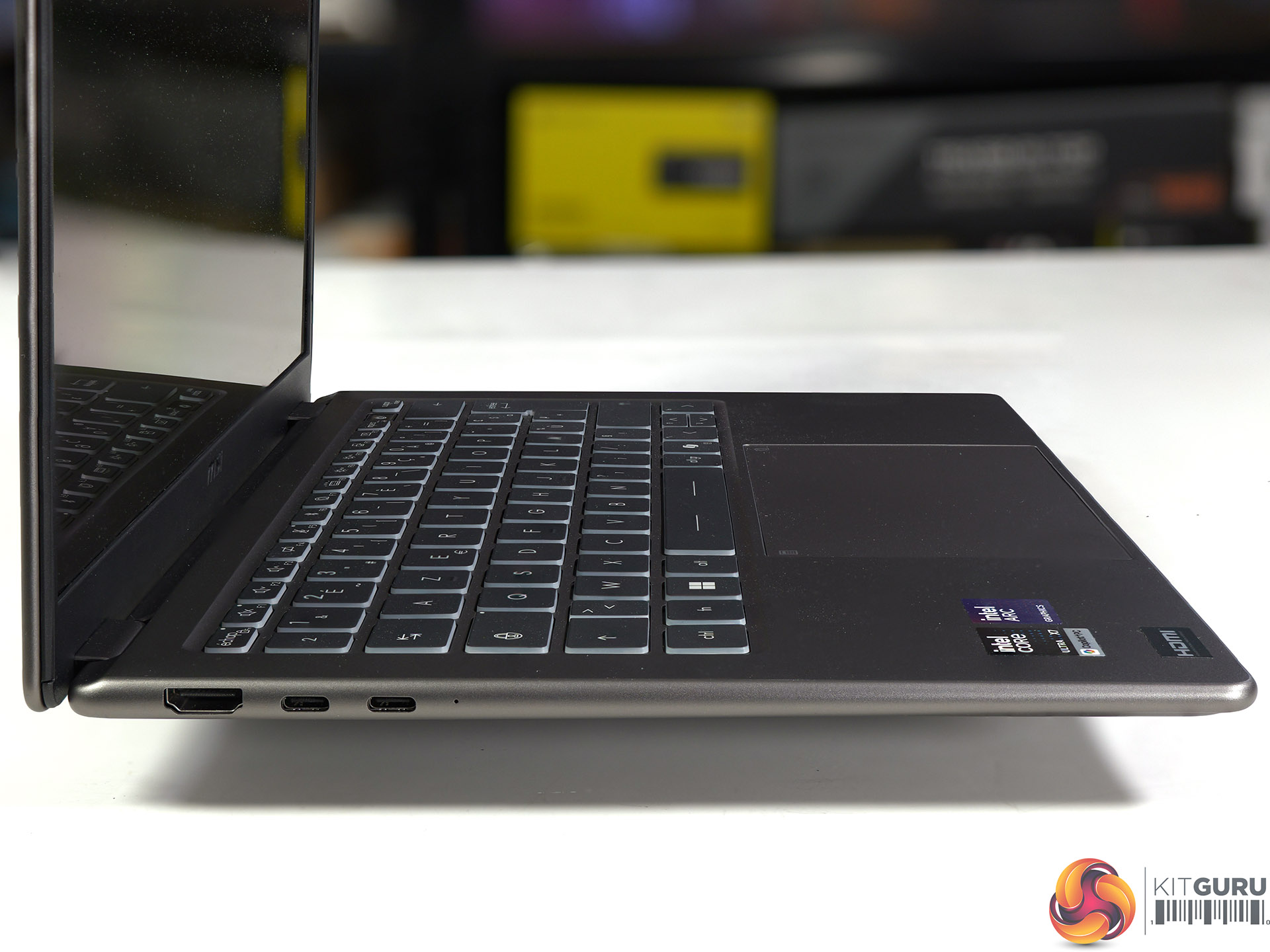
Left side: 2x Thunderbolt 4 USB-C with DisplayPort and 100W charging, HDMI 2.1
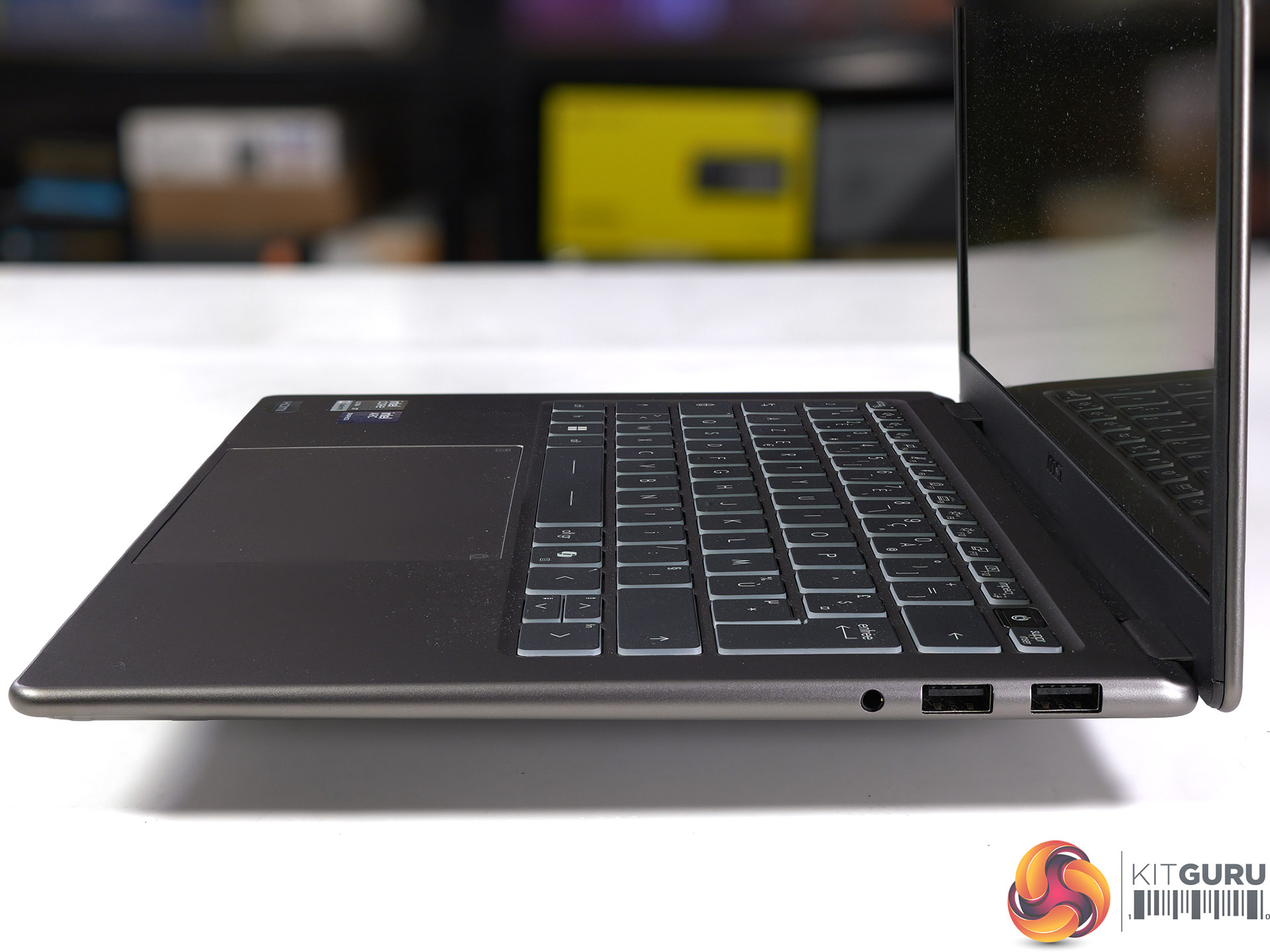
Right side: 2x USB-A 3.2 Gen2, 3.5mm headset jack

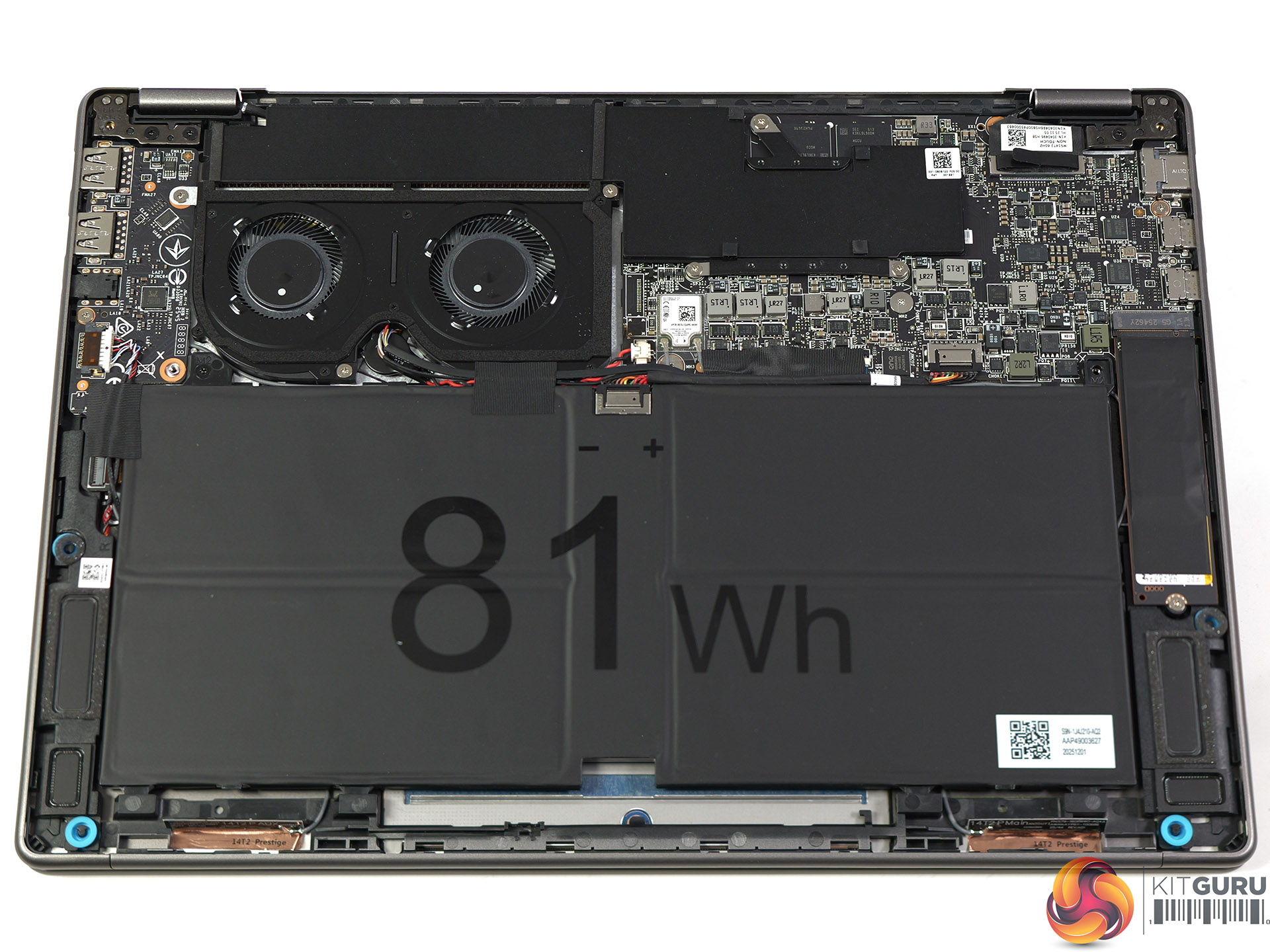
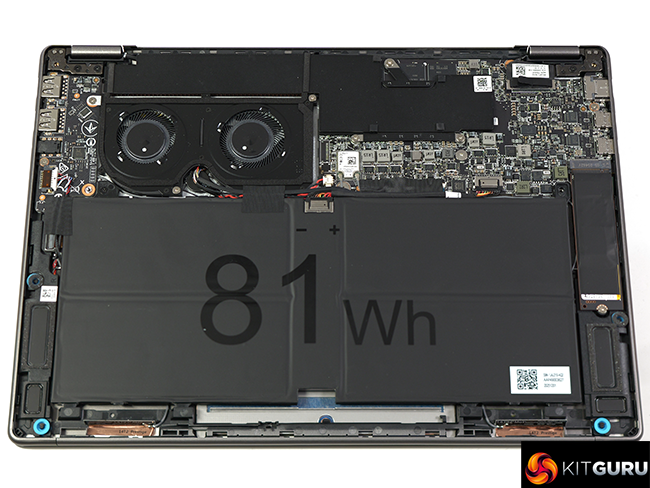
Battery 4-Cell 81Whr
Power adapter 65W PD adapter
Dimensions (WxDxH) 315.6mm x 221.9mm x 11.9-13.9 mm
Weight 1.3kg + 200g for power adapter
OS Windows 11 Pro

Performance and Testing

Geekbench 6 Multi Core

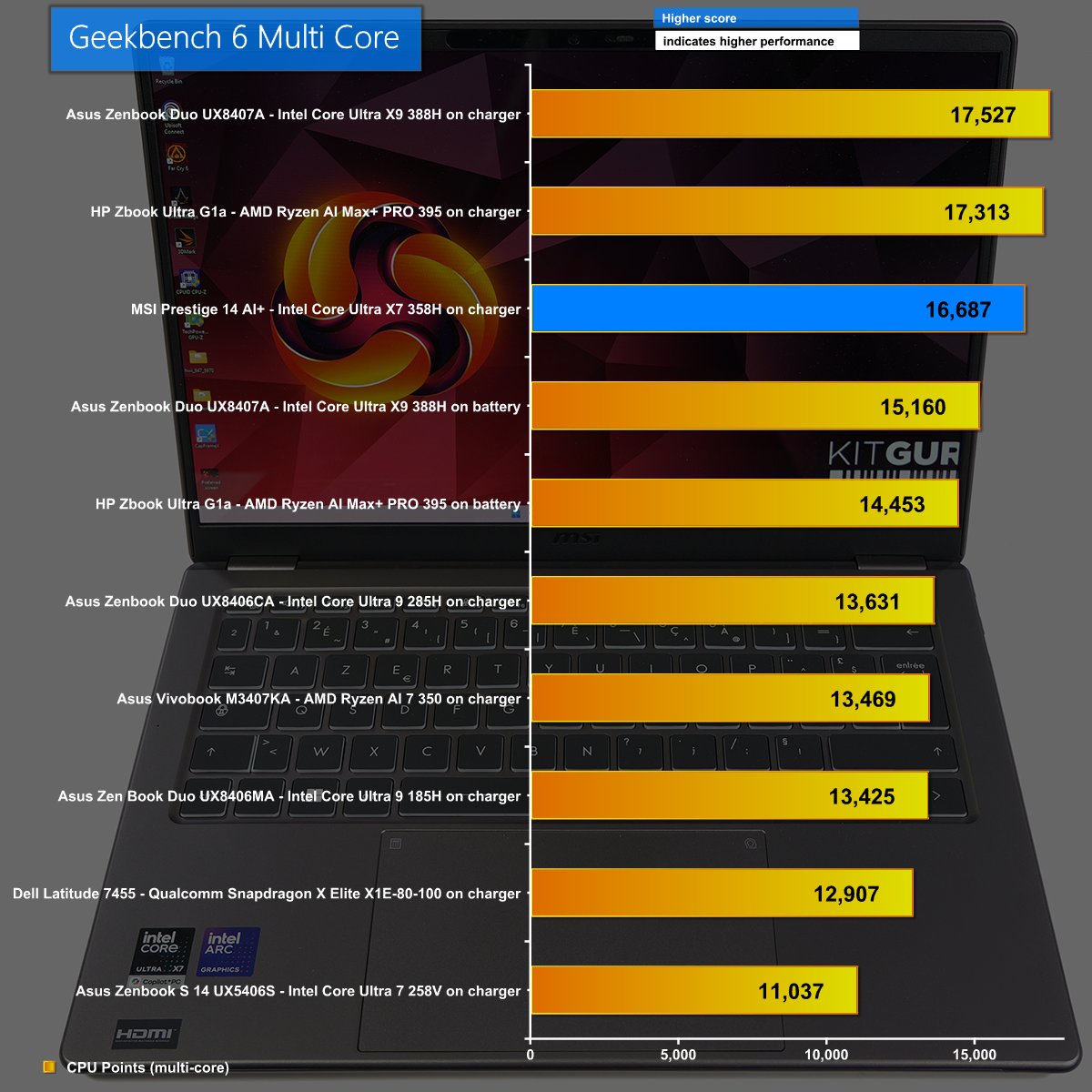
In Geekbench 6 Multi Core the MSI does a decent job and is only a few percent behind the new Zenbook Duo and hugely expensive HP Zbook Ultra G1a. This gives us confidence the Intel Core Ultra X7 358H has decent all-round performance.

Cinebench 2026 Multi Core

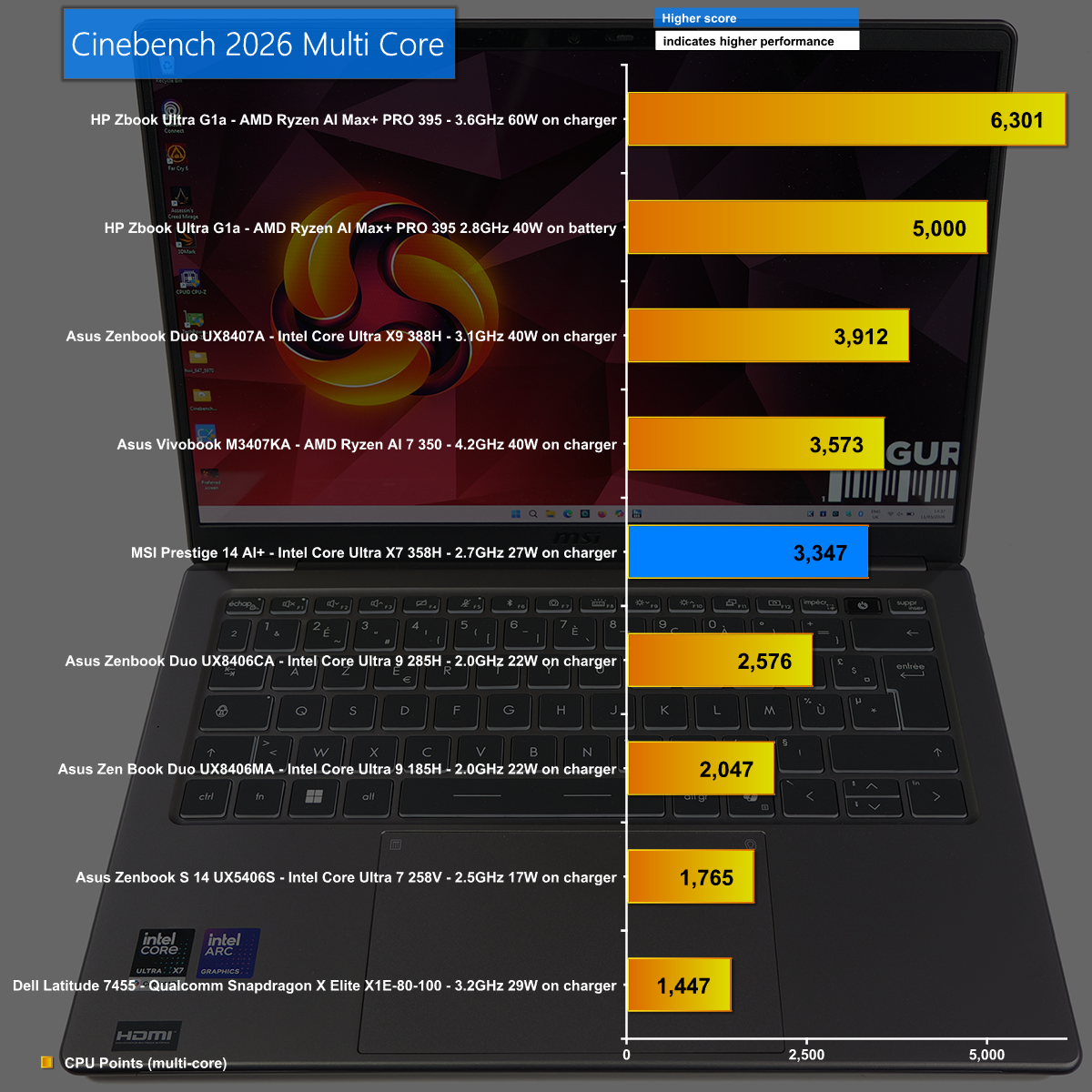
Cinebench 2026 Multi Core shows the difference between the Core Ultra X9 388H and Core Ultra X7 358H, which boils down to power draw and clock speed. The Core Ultra X7 in the MSI does a good job but the Core Ultra X9 is more impressive.

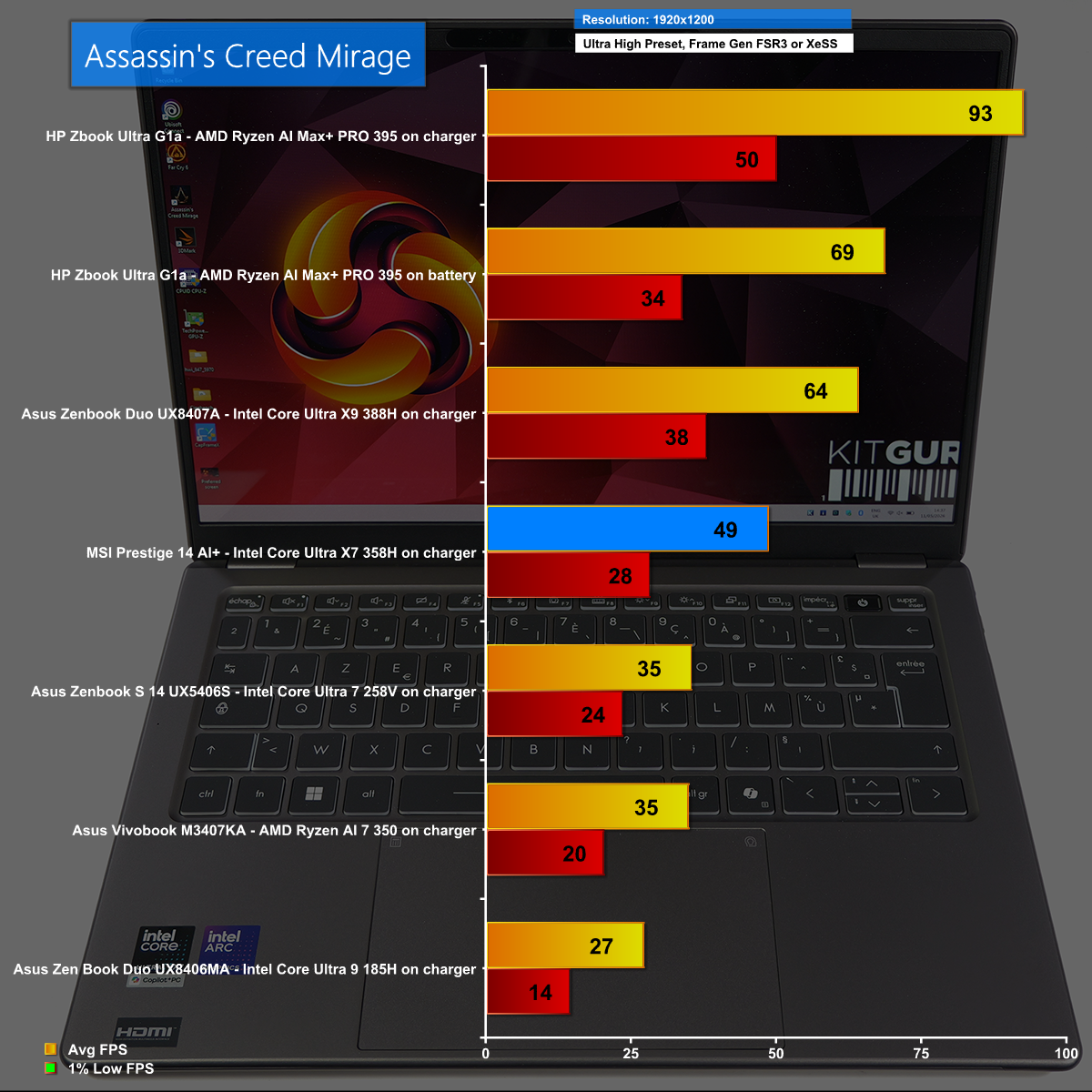
Assassin's Creed Mirage at 1,920×1,200 with XeSS Frame Generation

We show a few gaming graphs in our video but this one of Assassin's Creed Mirage at 1,920×1,200 with XeSS Frame Generation tells an important tale. The Asus Zenbook Duo with Core Ultra X9 sneaks past the 60fps mark to deliver a tolerable gaming experience while the MSI cannot quite make it to 50fps. When you consider these two laptops have the same number of CPU cores and the same graphics, we can see the importance of power and clock speed.

Battery Life

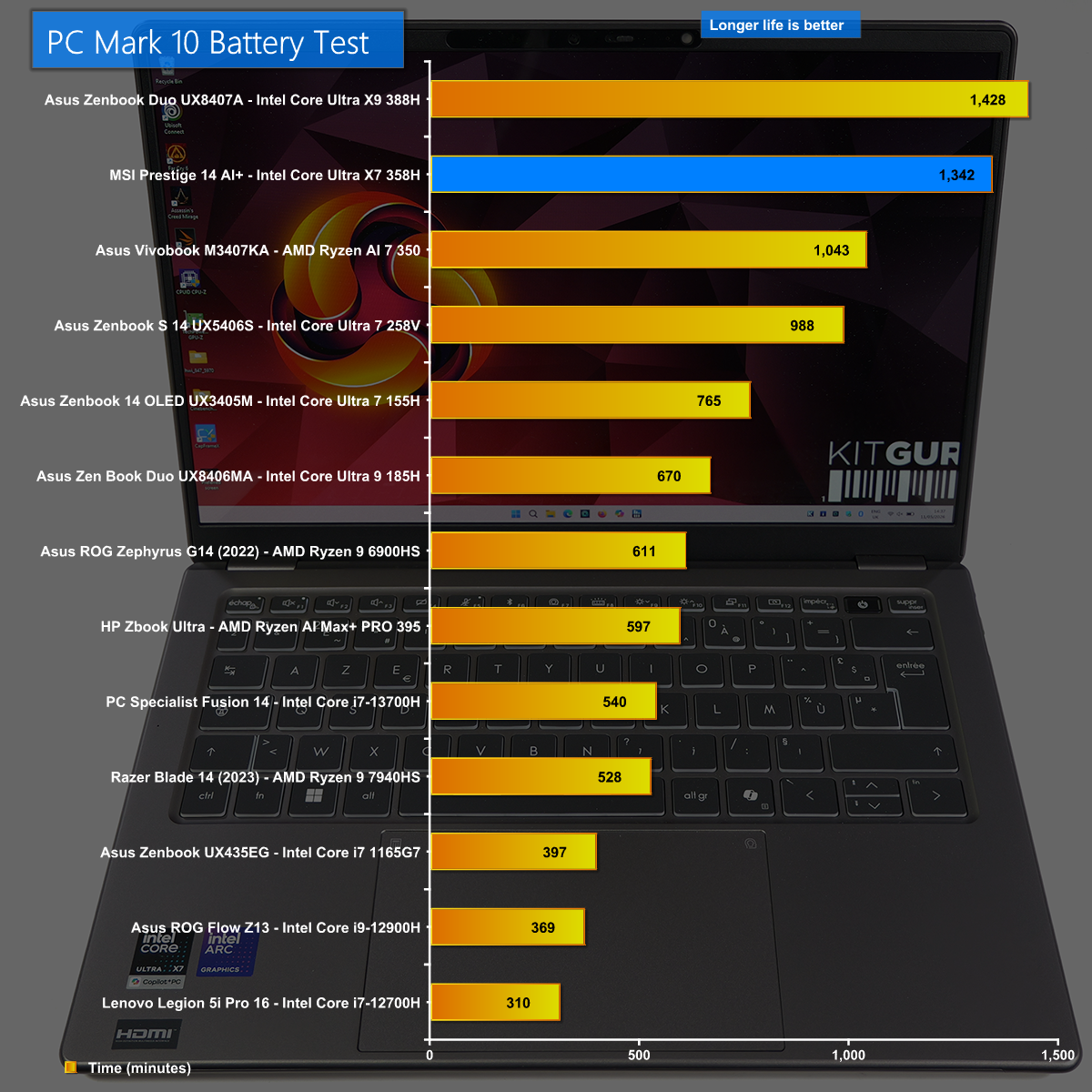
Intel has done a superb job with the battery life of their new Panther Lake laptop chips. The MSI impressed us hugely when the battery kept going and going, nearly matching the Zenbook Duo which comes equipped with two batteries.

Closing Thoughts

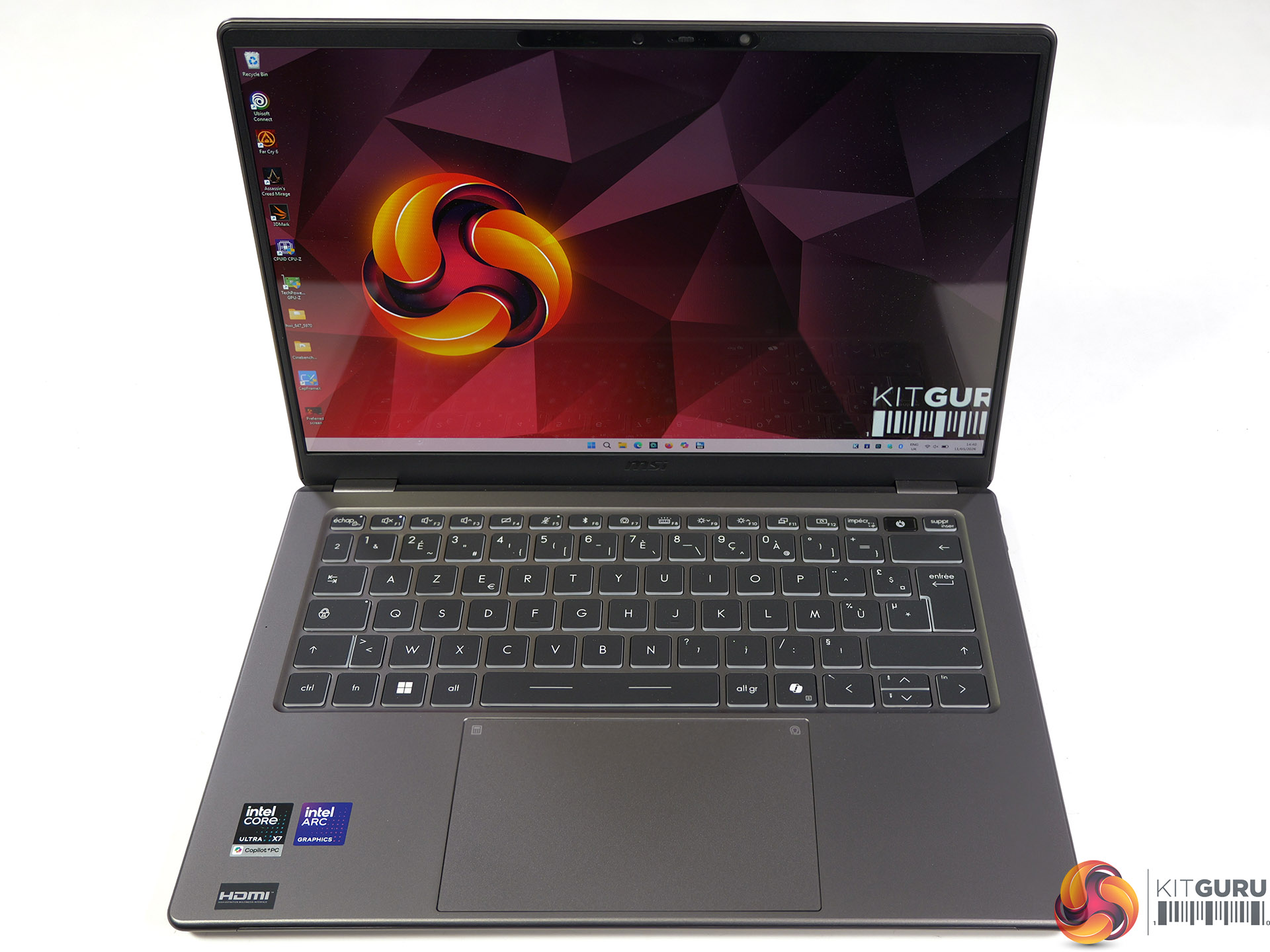
The MSI Prestige 14 AI+ is a conventional 14-inch laptop that is pleasingly thin and light. The main point of interest is the brand new Intel Core Ultra X7 358H processor with B390 graphics, and as we explain in our video this is very close to the top tier of Panther Lake silicon. It came as something of a surprise in our testing when we saw the impact of lower power draw and lower clock speeds that differentiate the Core Ultra X7 from Core Ultra X9.

One area of unalloyed good news is the battery life which runs for more than 22 hours of solid work. If you just want to watch videos we are confident it will last two days, this means you could take the laptop on a short holiday and leave the charger at home. The other features of the MSI Prestige 14 AI+ are all fine, which means our major gripe is that we expect this laptop will sell for more than £1,500.

We estimate the MSI Prestige 14 AI+ will sell for £1,550 inc VAT.

Pros

  • Excellent battery life.
  • Slender and lightweight chassis.
  • Decent performance and a healthy improvement over Core Ultra 200.

Cons

  • The OLED screen is adequate but unimpressive.
  • Ports and connectors are rather close together.
  • The price is fairly steep for a thin and light laptop.

KitGuru says: The MSI Prestige 14 AI+ is a decent everyday laptop that struggles when it comes to gaming.

The post MSI Prestige 14 AI+ Review (Intel Panther Lake Core Ultra X7) first appeared on KitGuru.

Intel reportedly planning new processors with integrated Nvidia GPUs

16 June 2026 at 16:00

Intel is reportedly planning a new line of processors featuring integrated graphics designed by Nvidia. According to a recent report, the company aims to introduce these chips in early 2028.
Erdi Özüağ's report (via VideoCardz) doesn't include any specific details on what the final processor will look like. Only that these CPUs are targeting a Q1 2028 release, with CES 2028 likely to be the stage for their introduction.
There are a few ways Intel could build this kind of chip today, as the company already crafts tile-based disaggregated processors. It's possible this hardware could end up as a derivative of Panther Lake or Nova Lake, combining Intel's Compute and SoC tiles with a custom Nvidia GPU tile. Unlike Intel's home-grown graphics, the Nvidia tile could also pack its own display engines and media accelerators.

In the same post, Erdi also notes that Apple is currently in advanced consultations with Intel. The tech giant is reportedly looking at using the Intel 18A foundry node to manufacture some of its upcoming Apple Silicon products.

KitGuru says: An Intel processor powered by Nvidia graphics would have sounded wild a decade ago, but given recent events (such as their partnership announced in 2025), it's entirely possible.

The post Intel reportedly planning new processors with integrated Nvidia GPUs first appeared on KitGuru.

RX 9070 XT and RX 9060 XT GPUs make gains in latest Steam Hardware Survey

14 June 2026 at 11:00

The May 2026 Steam Hardware Survey reveals that Radeon RX 9070 XT and 9060 XT graphics cards have finally been registered in the database, nearly a year after their launch.

As spotted by Videocardz, the latest survey data shows that the RX 9070 XT has reached a 1.33% market share, while the RX 9060 XT has reached 0.72%. This marks the first appearance of RDNA 4 GPUs in the Steam Hardware Survey, which runs every month, although the exact number of Steam users polled is never really known. Nvidia alternatives currently hold higher positions on the charts, with the GeForce RTX 5070 Ti slightly ahead at 1.73%. GPUs like the RTX 5070 and RTX 5060 Ti also continue to report monthly adoption gains.

The survey data also show that eight-core CPUs emerged as the fastest-growing segment, while six- and ten-core processors both dipped slightly. Still in this segment, AMD continues to increase its share against its competition, currently sitting at 45%.

Concurrently, a volatile pricing market has driven a resurgence in 16GB RAM systems over 32GB configurations, while SSDs larger than 1TB shrank by 1.23% as buyers moved back to smaller drives. Lastly, OS data show Windows rebounding by 0.38% against recent Linux gains, bringing the total market share to 94% Windows, 4% Linux, and 2% macOS. Though the up-and-coming CachyOS distro doubled its share to 0.5%, sitting just behind SteamOS at 0.9%.

KitGuru says: Are you currently running a GPU from AMD, Nvidia or Intel? 

The post RX 9070 XT and RX 9060 XT GPUs make gains in latest Steam Hardware Survey first appeared on KitGuru.

Jon Peddie Research report highlights sluggish Q1 for PC market

11 June 2026 at 14:00

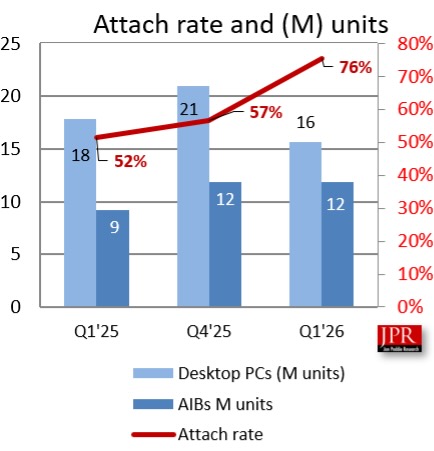
The latest market statistics from Jon Peddie Research for Q1 2026 show a decline in both GPU and CPU shipments. Rising component and memory prices significantly impacted the PC segment during this period, with discrete graphics card shipments falling to 11.8 million units and desktop CPU shipments to 15.7 million units.

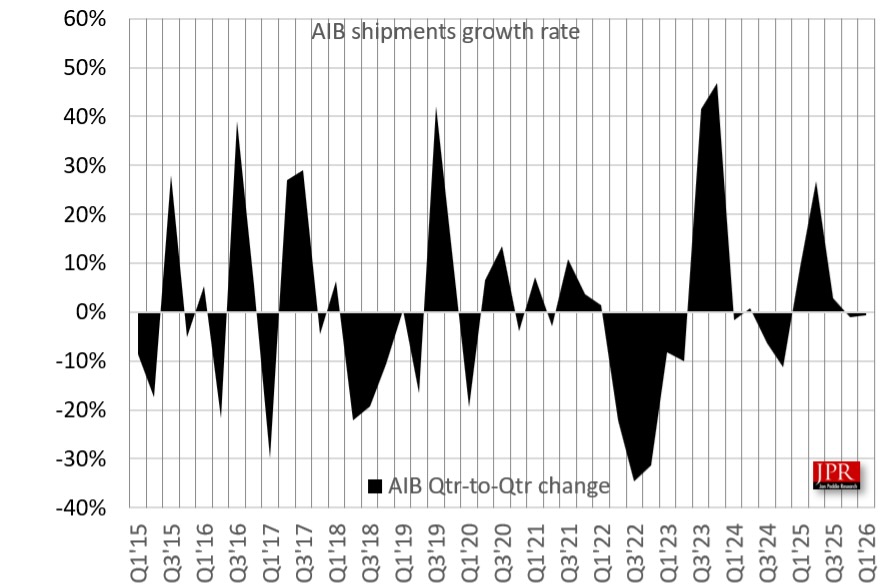
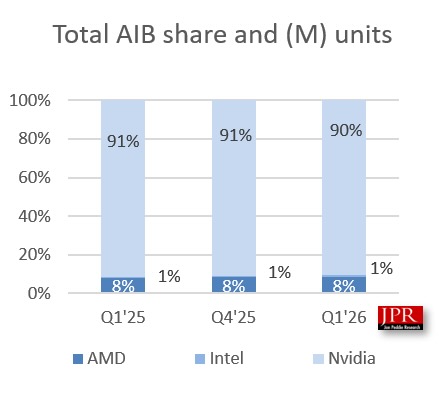
According to the report, add-in board (AIB) GPU shipments declined by 0.6% compared to the previous quarter. Nvidia managed to retain its lead despite a decline in shipments, while AMD sits in second place with an 8% share. Intel captured 1% of the market, securing a small uptick in shipments during the quarter. The overall attach rate for discrete GPUs in desktop PCs rose significantly to 76%, up 33.3% from the prior quarter. Jon Peddie Research estimates a compound annual growth rate of -3.3% from 2024 to 2029, with the installed base eventually reaching 183 million units.

None of the major GPU makers have launched new architectures yet this year. However, AMD did just introduce the RX 9070 GRE to the global market after a period of China exclusivity. Intel also released new ‘Pro' series graphics cards.

Desktop CPU shipments experienced a sharper downturn, down 24% quarter-on-quarter and 25% year-on-year. The report notes that price hikes and component shortages only began to hit in Q1 2026, suggesting the PC segment could face tougher quarters ahead.

KitGuru says: Rising costs of memory and components are clearly squeezing the desktop PC market. With next-gen architectures potentially pushed back to 2027 or 2028 due to supply constraints, the upcoming quarters could prove challenging for hardware vendors.

The post Jon Peddie Research report highlights sluggish Q1 for PC market first appeared on KitGuru.
❌
❌