Normal view

There are new articles available, click to refresh the page.
Before yesterdayMain stream

JBL Quantum Lineup Gets a Fresh Boost With Three New Gaming Headsets

By: Bahleem
26 August 2026 at 17:01

JBL is giving its gaming audio lineup a fresh update with three new models, the JBL Quantum 520 Wireless, JBL Quantum 520X Wireless, and JBL Quantum 120. The new headsets expand the existing Quantum family and give gamers more choices across wired and wireless setups.

The new JBL Quantum models are designed around immersive sound, comfortable builds, and easy customization. They join the JBL Quantum 650 Wireless, which sits higher in the refreshed lineup.

JBL Quantum Brings More Choices for Gamers

JBL is targeting different types of gamers with the updated Quantum range. Whether you play casually or spend hours in competitive multiplayer games, the company wants the new models to offer a suitable option without forcing everyone into the same price or feature set.

JBL Quantum series headsets 2
JBL Quantum series headsets 4
JBL Quantum series headsets 8
JBL Quantum series headsets 9

The JBL Quantum 520 and 520X are wireless headsets, while the JBL Quantum 120 gives users a wired option. The Quantum 520X is also Xbox certified, making it a more suitable choice for Xbox players who want wireless gaming without dealing with cables.

50 mm Drivers and Spatial Sound

The JBL Quantum 650, 520, 520X, and 120 all use 50 mm carbon dynamic drivers. JBL says these drivers are designed to deliver powerful sound while helping gamers pick up small audio details during gameplay.

The headsets also feature JBL Quantum Spatial Sound, which is designed to create a more immersive sense of direction. This can help players identify sounds such as footsteps, movement, and other audio cues coming from different parts of the game world.

For multiplayer games, each of these models comes with a detachable 6 mm cardioid boom microphone. Its focused pickup pattern is designed to keep the player’s voice clear during team communication.

Wireless Models Offer Up to 37 Hours

Battery life is another major part of the new JBL Quantum lineup.

The JBL Quantum 520 and Quantum 520X offer up to 37 hours of playtime, while the Quantum 650 Wireless can reach up to 45 hours. This should give players enough battery life for extended gaming sessions without constantly reaching for the charging cable.

JBL has also added a silicone headband and breathable fabric ear cushions to its wireless models. The company says these changes are aimed at improving comfort during longer sessions.

JBL Quantum 120 Keeps Things Wired

Not everyone wants a wireless headset, and JBL is keeping that audience in mind with the Quantum 120.

The JBL Quantum 120 uses a wired connection and focuses on a lightweight design while still offering the core audio features found across the range. It is aimed at gamers who want a simpler setup while keeping access to JBL’s gaming-focused sound features.

The updated lineup also brings new color choices, including Coral, Purple, Ice, and Black, depending on the model.

More Control With JBL QuantumENGINE

PC users can fine-tune their experience through JBL QuantumENGINE. The software allows users to adjust sound, microphone, and profile settings to match their preferences.

JBL has also designed the Quantum 650 Wireless with replaceable components. The microphone, ear cushions, earcup covers, and cable can be replaced, giving owners a way to maintain and personalize the headset over time.

JBL Quantum Lineup Is Now Available

The JBL Quantum 520, Quantum 520X, and Quantum 120 are now available through JBL’s website. With these three models joining the Quantum 650 Wireless, JBL now has a broader range of gaming headsets covering different gaming styles and connection preferences.

For gamers looking for wireless freedom, Xbox compatibility, or a straightforward wired option, the refreshed JBL Quantum family now offers more ways to build a gaming audio setup.
Corsair Vanguard Air 99 Wireless Review

24 August 2026 at 12:02

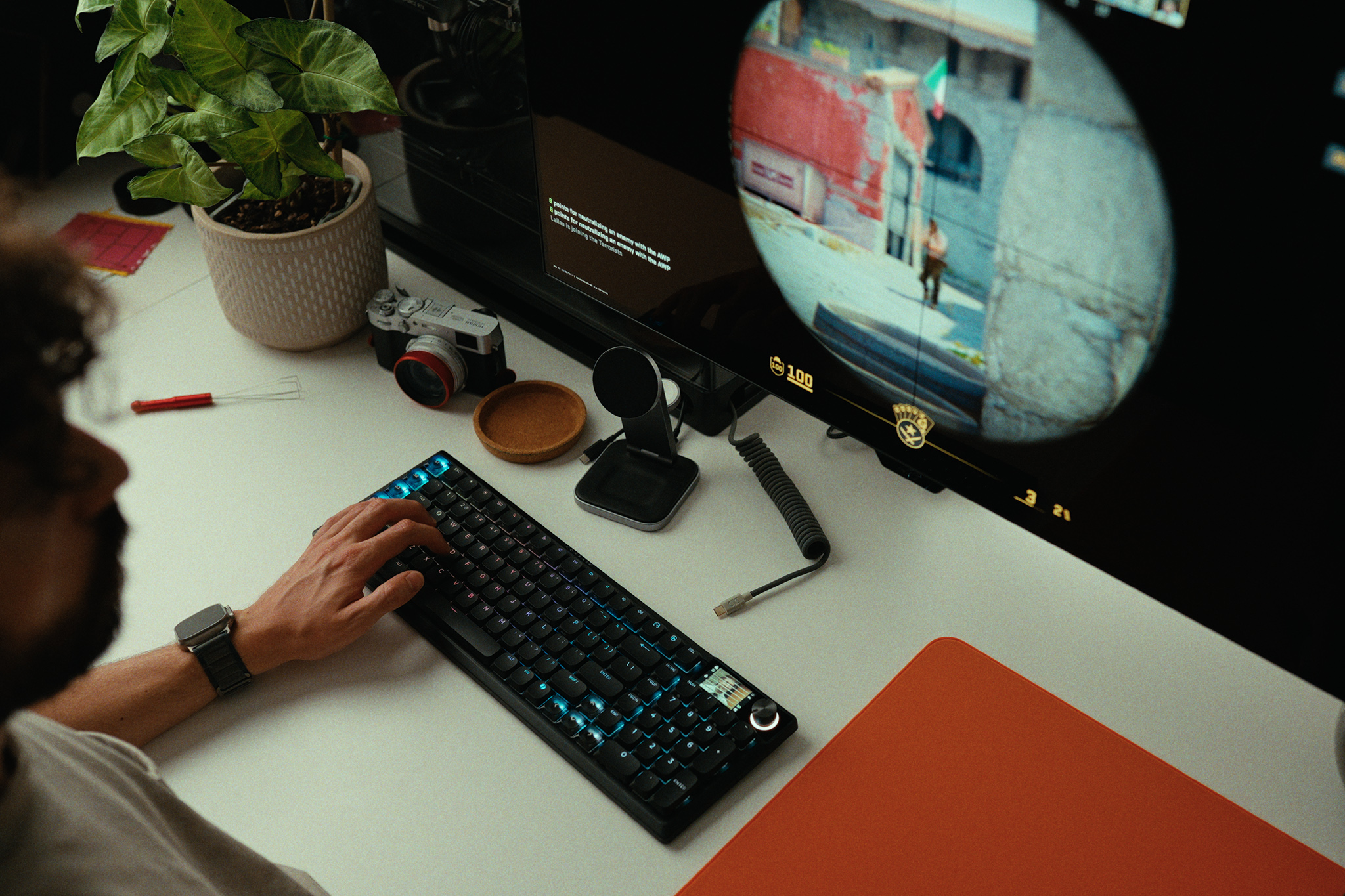
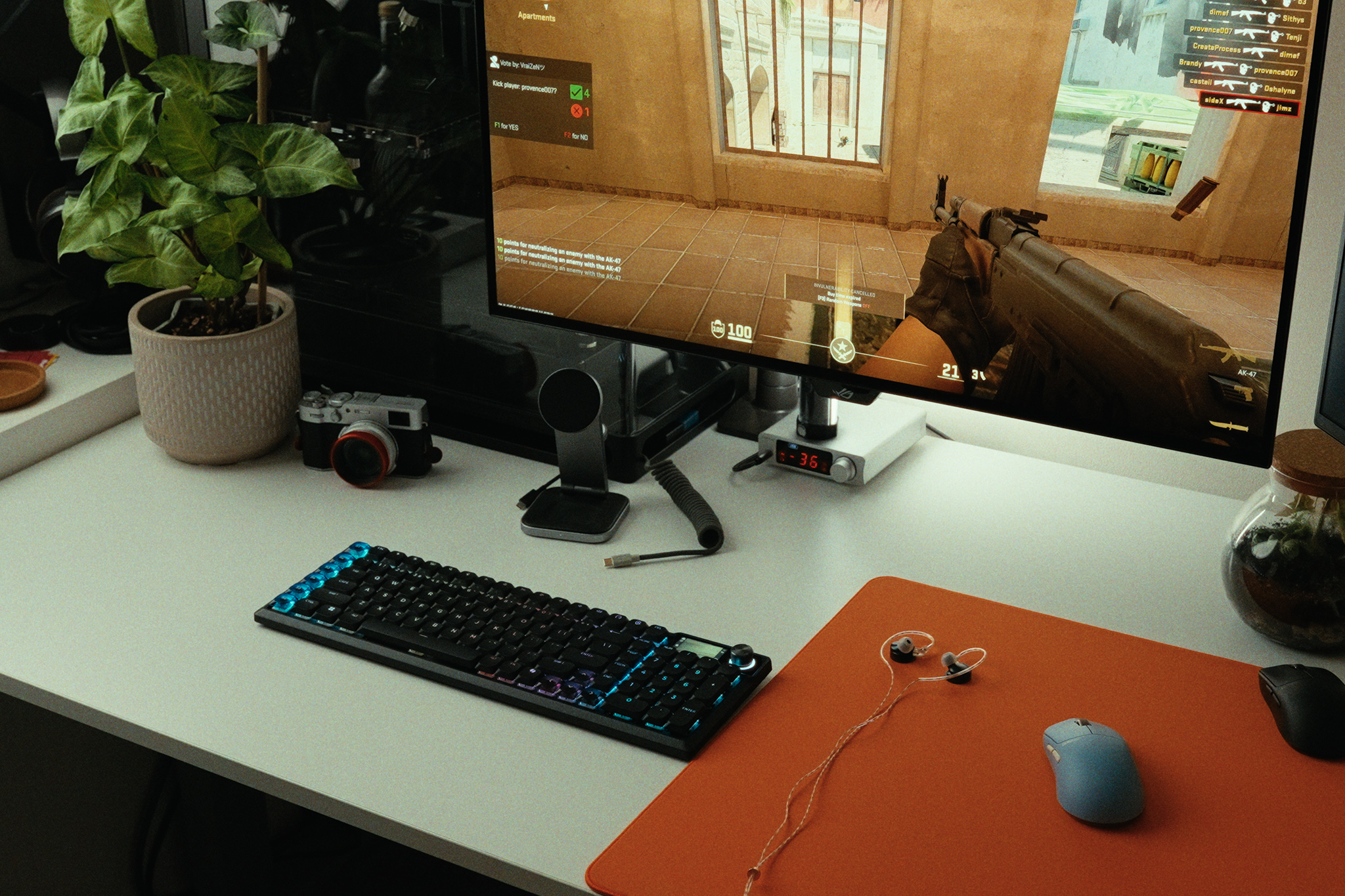
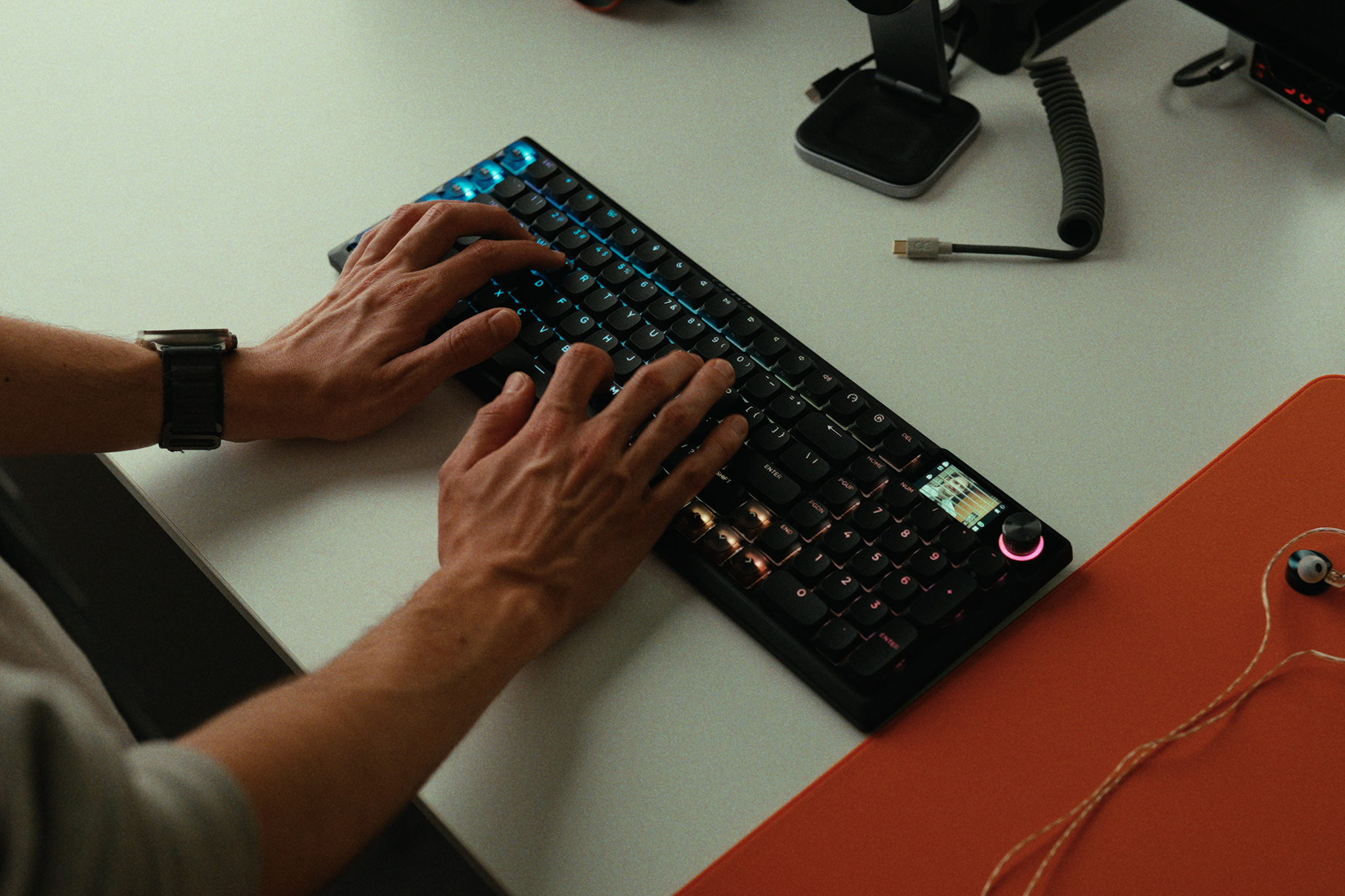
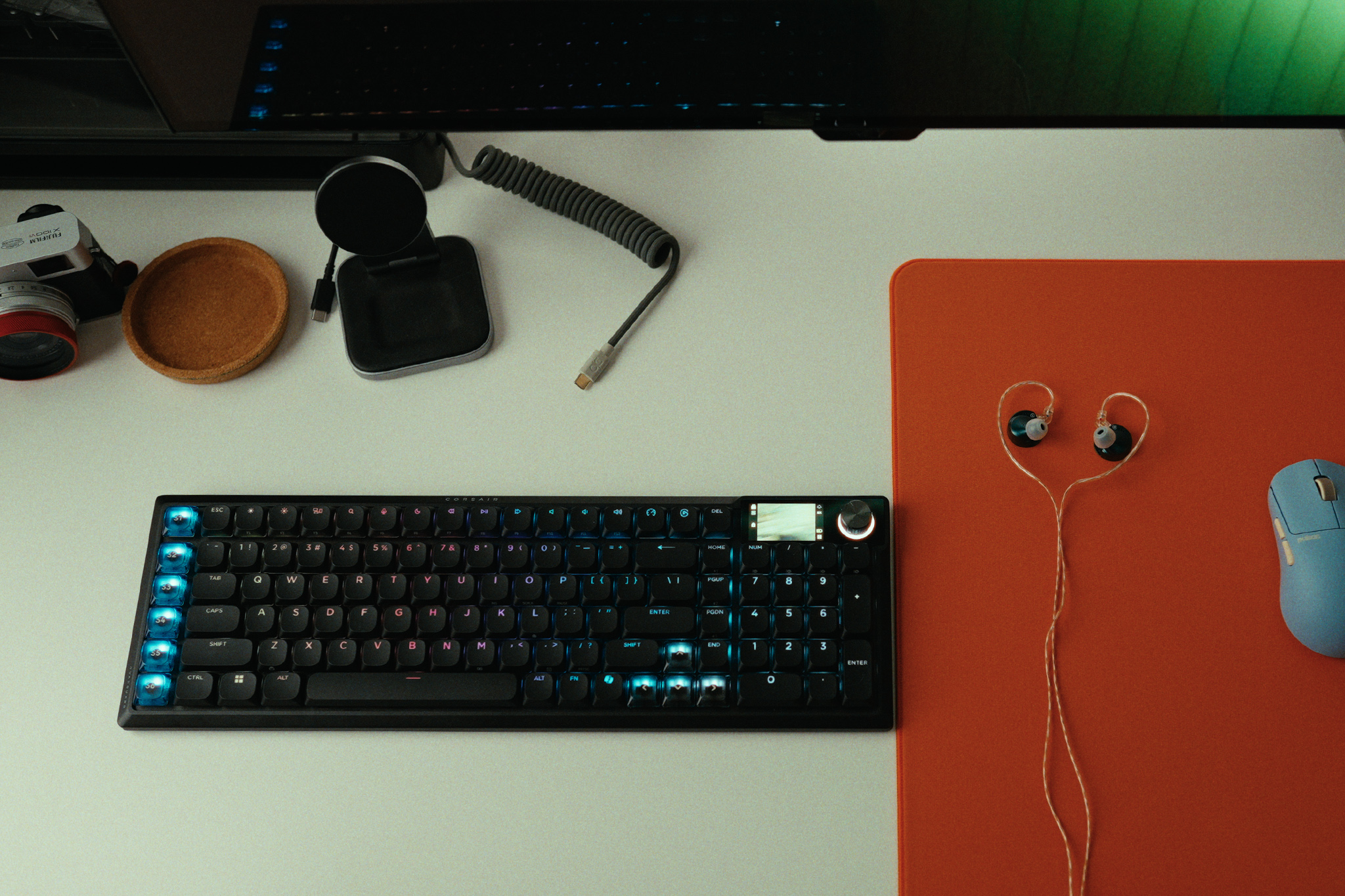
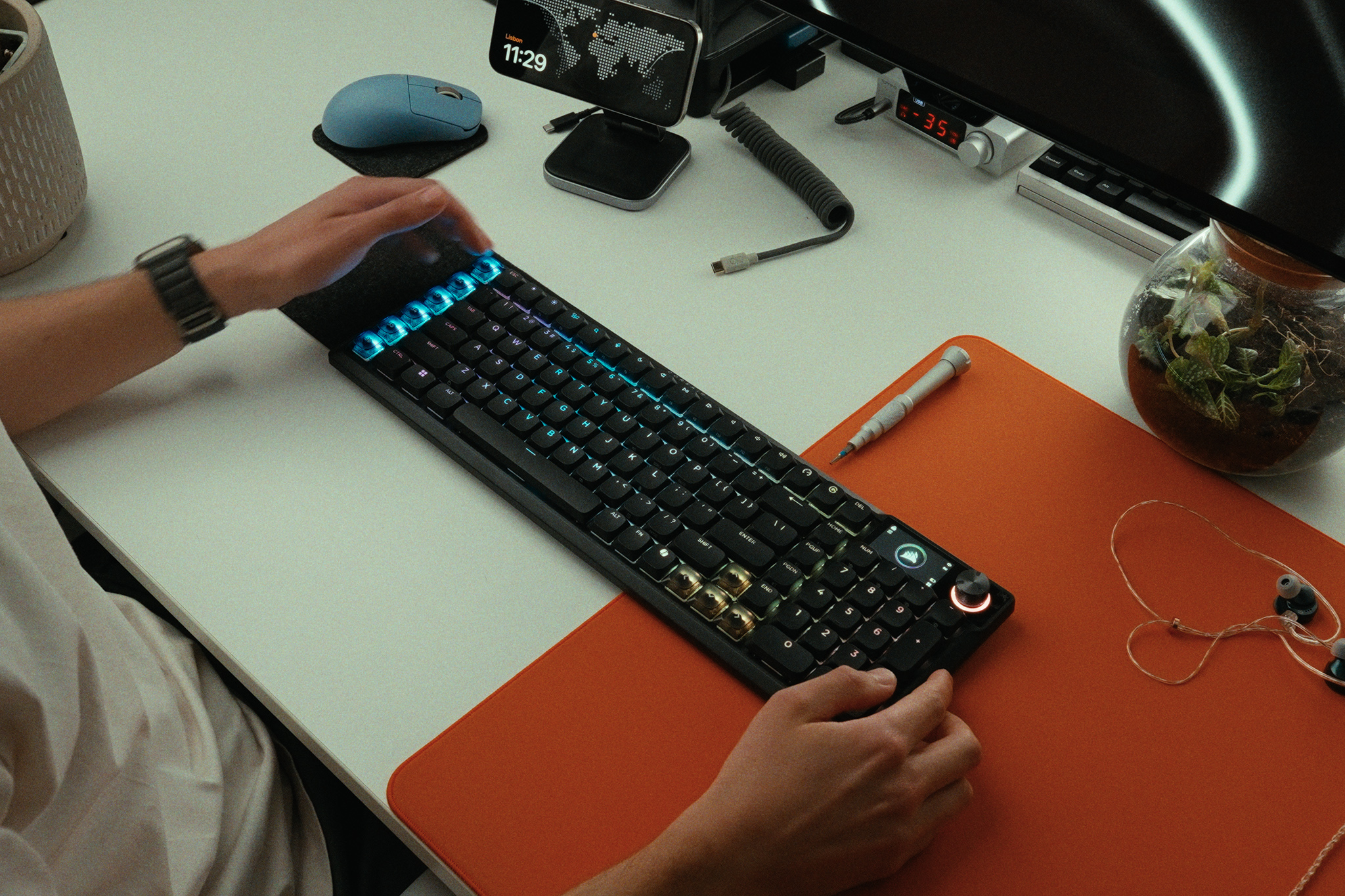
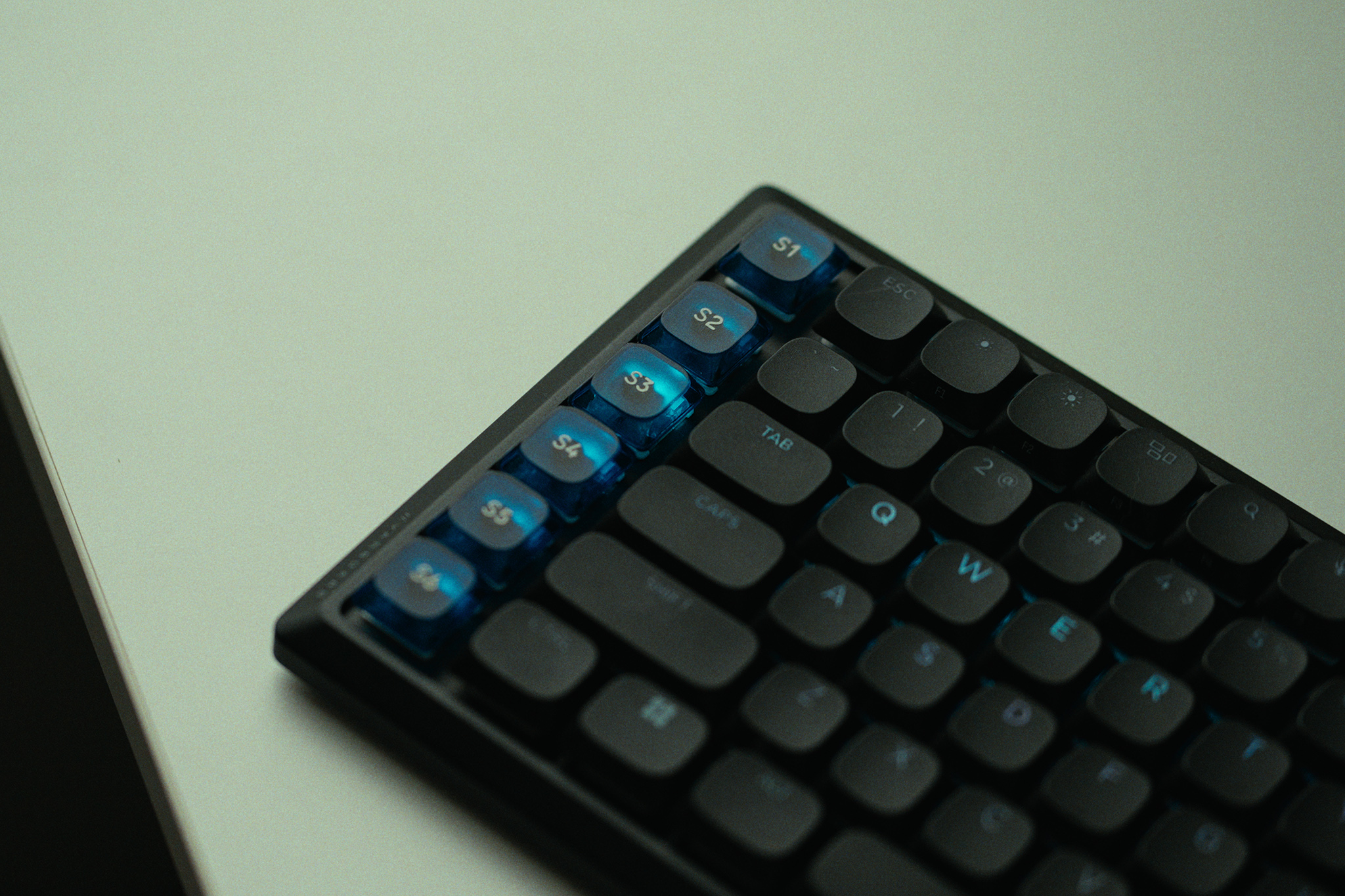
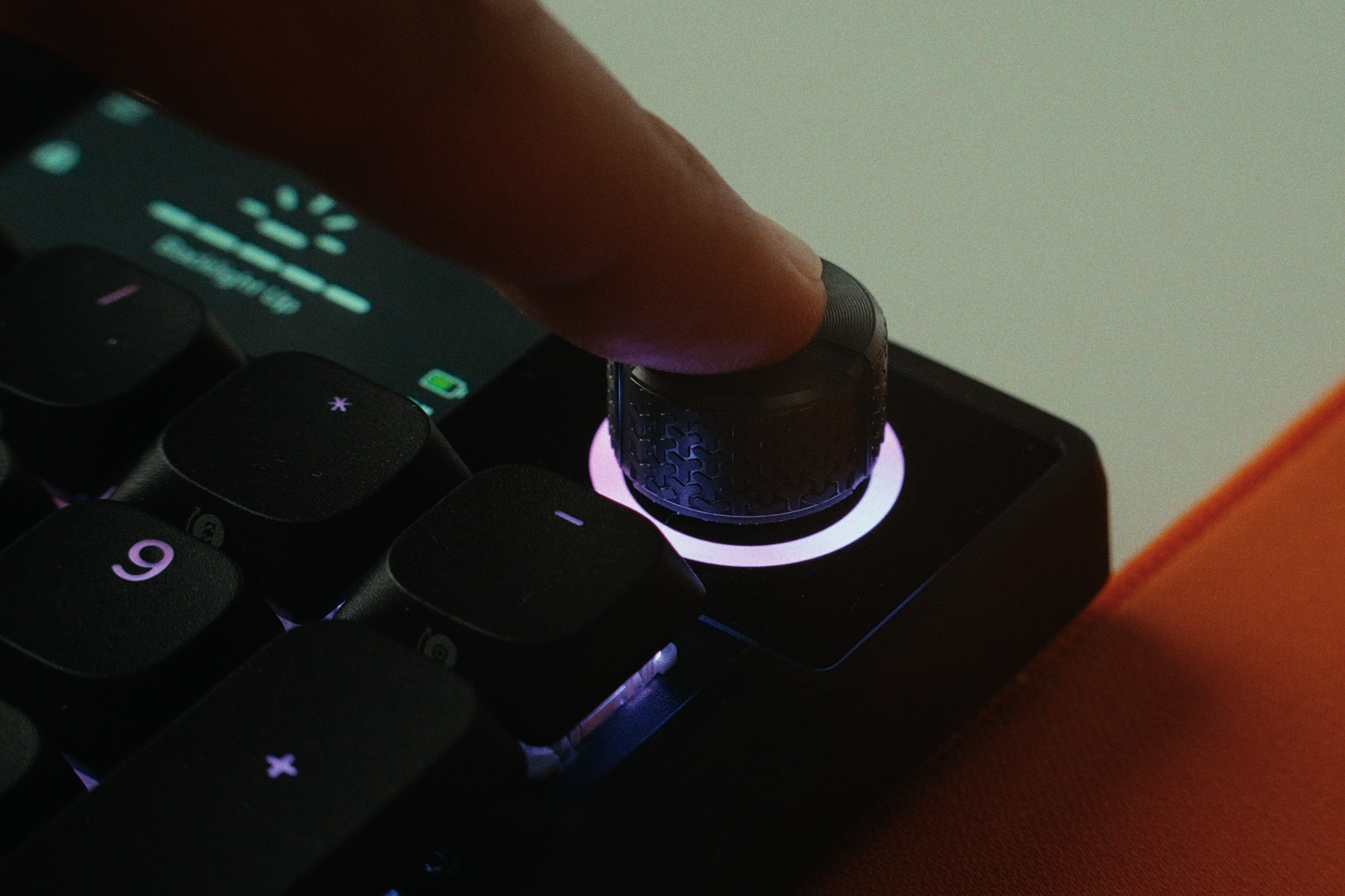
The Corsair Vanguard Air 99 Wireless is an ambitious attempt to pack almost every premium keyboard feature under the sun into one sleek, low-profile chassis. Retailing at a hefty £239 MSRP, it features smooth low profile optical switches, a bright integrated screen, per-key RGB, and an 8,000Hz polling rate. But by opting for optical switches over Hall Effect in the name of battery life, has Corsair actually delivered a coherent wireless experience, or is this keyboard crippled by frustrating compromises?

Timestamps:

00:00 Intro
01:01 Streamdeck functionality
02:34 Corsair web hub
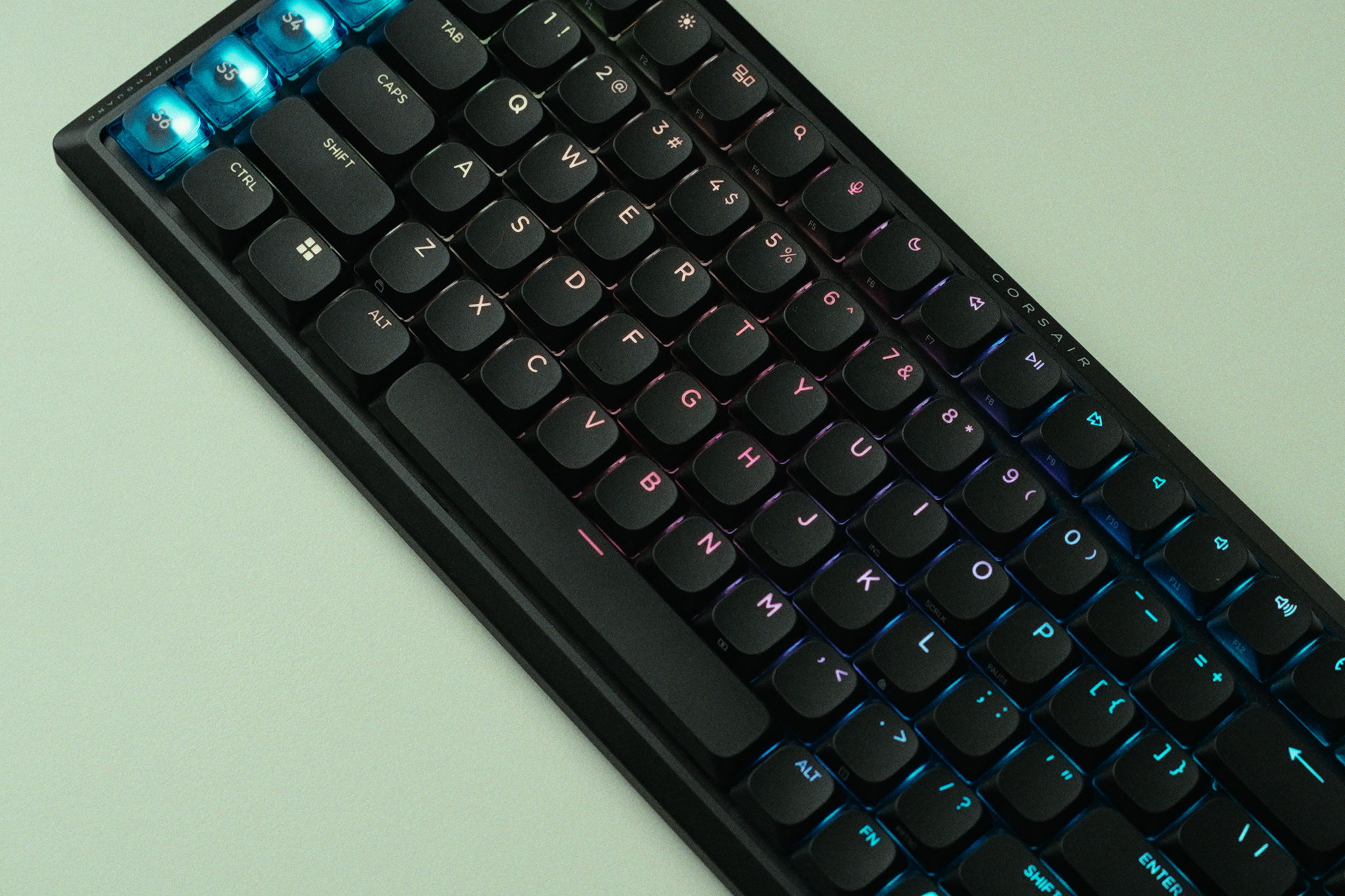
03:22 OPX low-profile switches + keycaps
04:31 Screen, rotary dial and RGB
05:46 Pricing discussion
06:42 A cascade of bad decisions…
09:04 Slow wireless reconnection
10:04 Actual keyboard experience
11:05 Rattly stabilisers…
11:46 Closing thoughts

Specifications:

  • Form Factor: 99% Layout (Low-Profile).
  • Switches: CORSAIR OPX Low-Profile Optical (1.5mm Actuation / 2.5mm Total Travel).
  • Connectivity: 2.4GHz Slipstream Wireless, Bluetooth, and USB Wired.
  • Polling Rate: Up to 8000Hz.
  • Features: LCD Screen, Rotary Encoder, dedicated macro keys.
  • Software: iCUE, CORSAIR Web Hub, and Elgato Stream Deck app.
  • Battery Life: Up to 57 hours without RGB and at 1000Hz

Closing Thoughts

The Corsair Vanguard Air 99 Wireless is a product in conflict with itself. On paper, it looks like a productivity and gaming powerhouse. Its integration into the Corsair and Elgato ecosystems is fantastic, allowing you to configure custom macro keycaps with remarkable ease. The OPX low-profile optical switches are smooth and snappy, offering a quick 1.5mm actuation that feels right at home if you prefer laptop-style keyboards. I also love Corsair's push toward the Web Hub, which gives you near feature parity without forcing you to keep the bulky iCUE desktop app running at all times.
However, the hardware compromises are baffling. I think Corsair skipped Hall Effect switches to save battery life, but then added a bright screen, per-key RGB, and an 8KHz polling rate. The result? The battery dies in roughly 10 hours of typical use if you use all of those features, and then takes a painfully slow three and a half hours to recharge. Because it dies so fast, you will likely leave it plugged in permanently, making the omission of true Rapid Trigger Hall Effect switches a massive missed opportunity for gamers. The software-based Snap Tap feature simply isn't a replacement for Rapid Trigger, and utilizing it can even get you kicked from competitive games like CS2.

Throw in intensely rattly stabilizers that constantly tick as you type, a slow 3 to 5 second wake-from-sleep delay, and a strange wireless interference with other wireless mice, and this keyboard becomes very hard to recommend. Even at its occasional discounted promotional price of £189, there are simply too many better, more focused alternatives on the market.

You can buy the Corsair Vanguard Air 99 Wireless for £239 HERE.

Pros:

  • Excellent Stream Deck integration with distinct, dedicated macro keycaps.
  • The screen and per-key RGB are bright and easily visible in daylight.
  • OPX optical switches are smooth and responsive right out of the box.
  • The Web Hub software is a great, lightweight alternative to iCUE.

Cons:

  • Terrible battery life and very slow charging (maxes out at just 7.1W).
  • Lacks Hall Effect switches (and genuine Rapid Trigger) at a premium gaming price point.
  • Stabilizers are intensely rattly, ruining the acoustic and typing experience.
  • Wireless dongle caused bizarre interference and lag with other high-end gaming mice.
  • Frustratingly slow to wake from sleep, often missing the first few keystrokes.

KitGuru says: The Corsair Vanguard Air 99 Wireless attempts to do it all, but terrible battery life, rattly stabilizers, and the lack of Hall Effect switches make it a confusing and overpriced package.

KitGuru Worth Considering Award

The post Corsair Vanguard Air 99 Wireless Review first appeared on KitGuru.

Beyerdynamic reveals MMX 100 and MMX 130 wireless headsets

21 August 2026 at 16:00

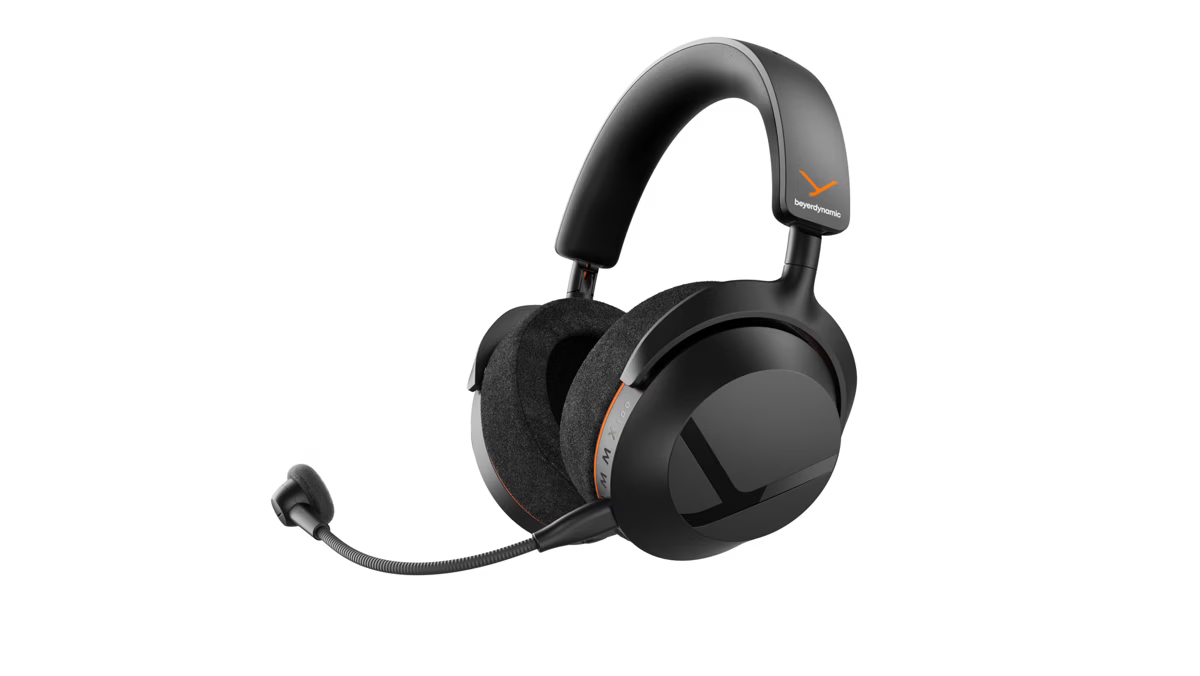
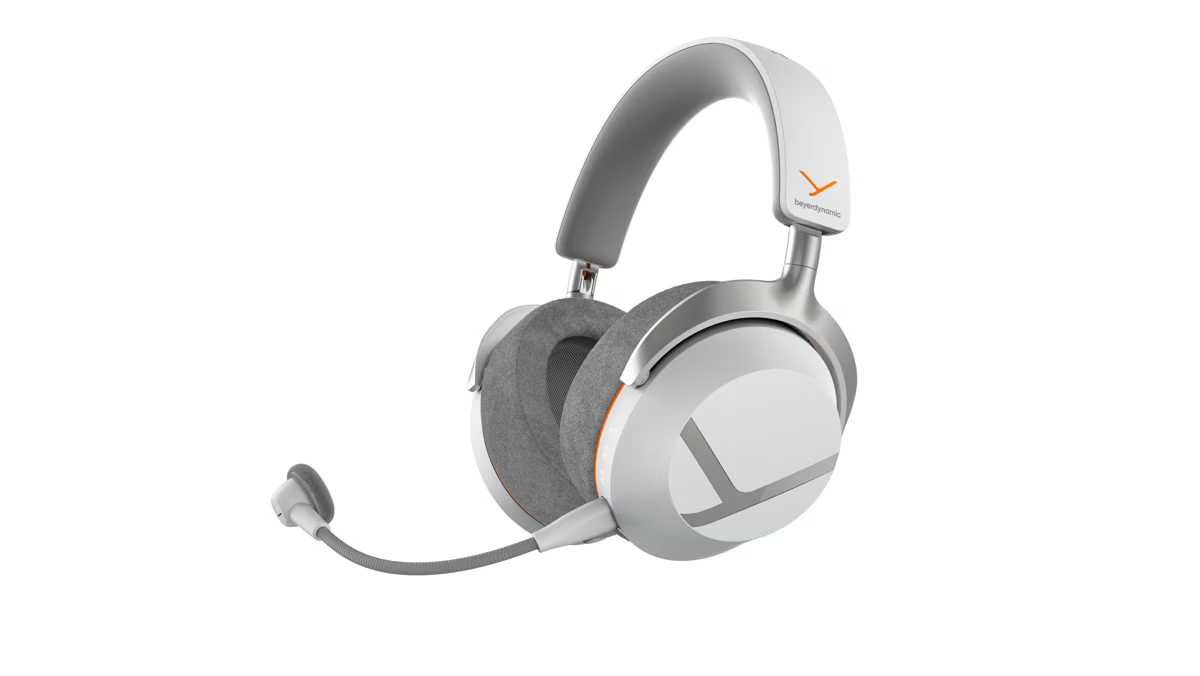
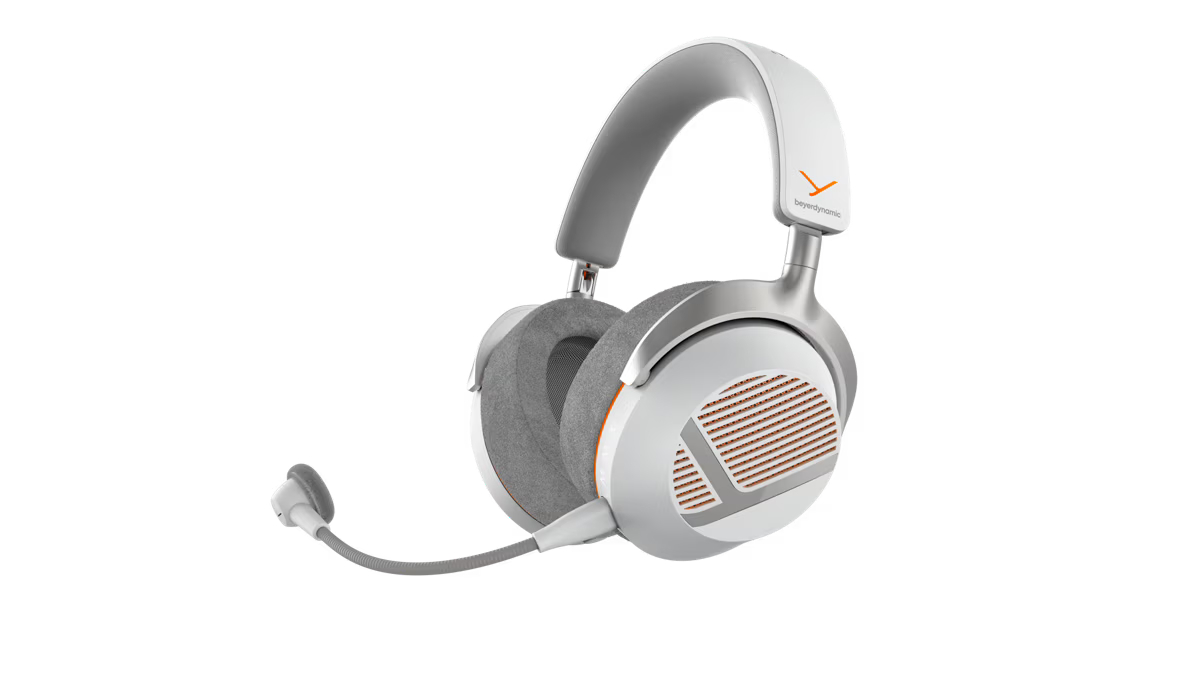
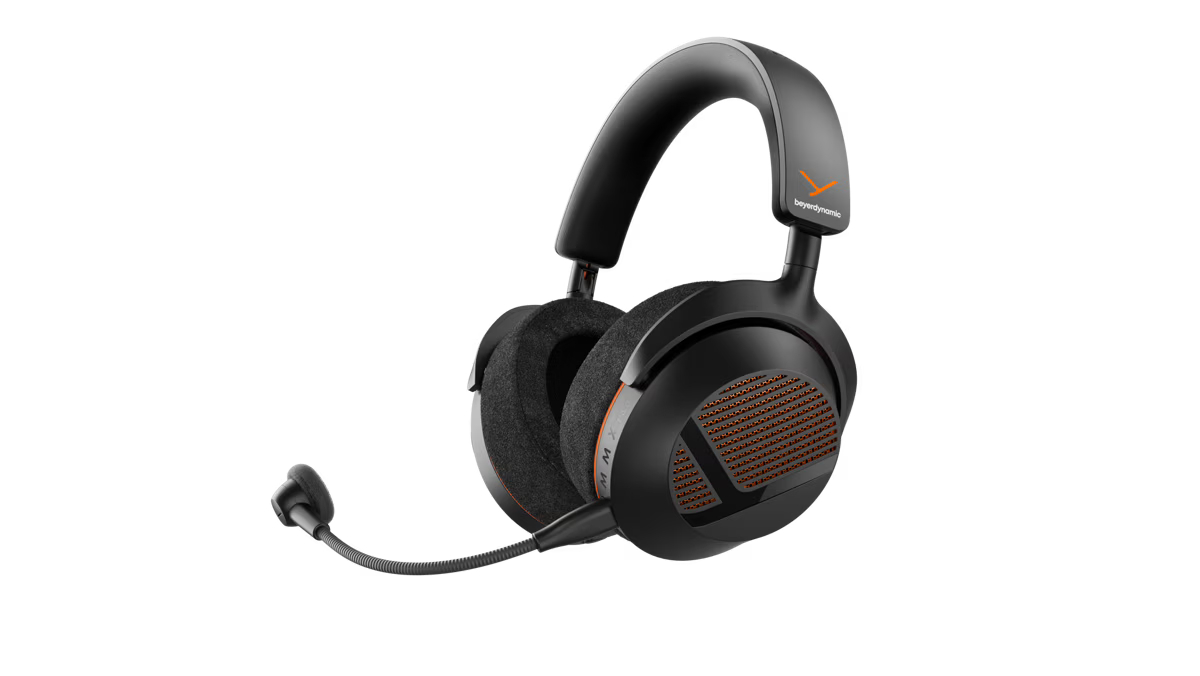
Beyerdynamic has announced two new wireless gaming headsets, the MMX 100 Wireless and MMX 130 Wireless, offering closed‑back and open‑back options for players who prefer different acoustic profiles.

The MMX 100 Wireless uses a closed‑back design and weighs 275g. It features a detachable Meta Voice microphone, Bluetooth 6.0 support, a low‑latency USB dongle and optional wired connectivity. The headset includes velour ear pads, metal hinges and a replaceable battery.

The MMX 130 Wireless is an open‑back alternative built around titanium‑coated 40mm drivers. It weighs 265g and also uses velour ear pads. Beyerdynamic says the open‑back layout provides a wider, more natural soundstage for games that benefit from greater spatial detail.

The MMX 100 Wireless will launch on the 1st of September in black and white colour options, priced at £89 in the UK and €99 in Europe. The MMX 130 Wireless follows in October, also in black and white, priced at £109 in the UK and €129 in Europe.

KitGuru says: Do you prefer open-back or closed-back headphones?

The post Beyerdynamic reveals MMX 100 and MMX 130 wireless headsets first appeared on KitGuru.

Corsair Nightsword V2 Wireless SD Mouse Review

6 August 2026 at 12:00

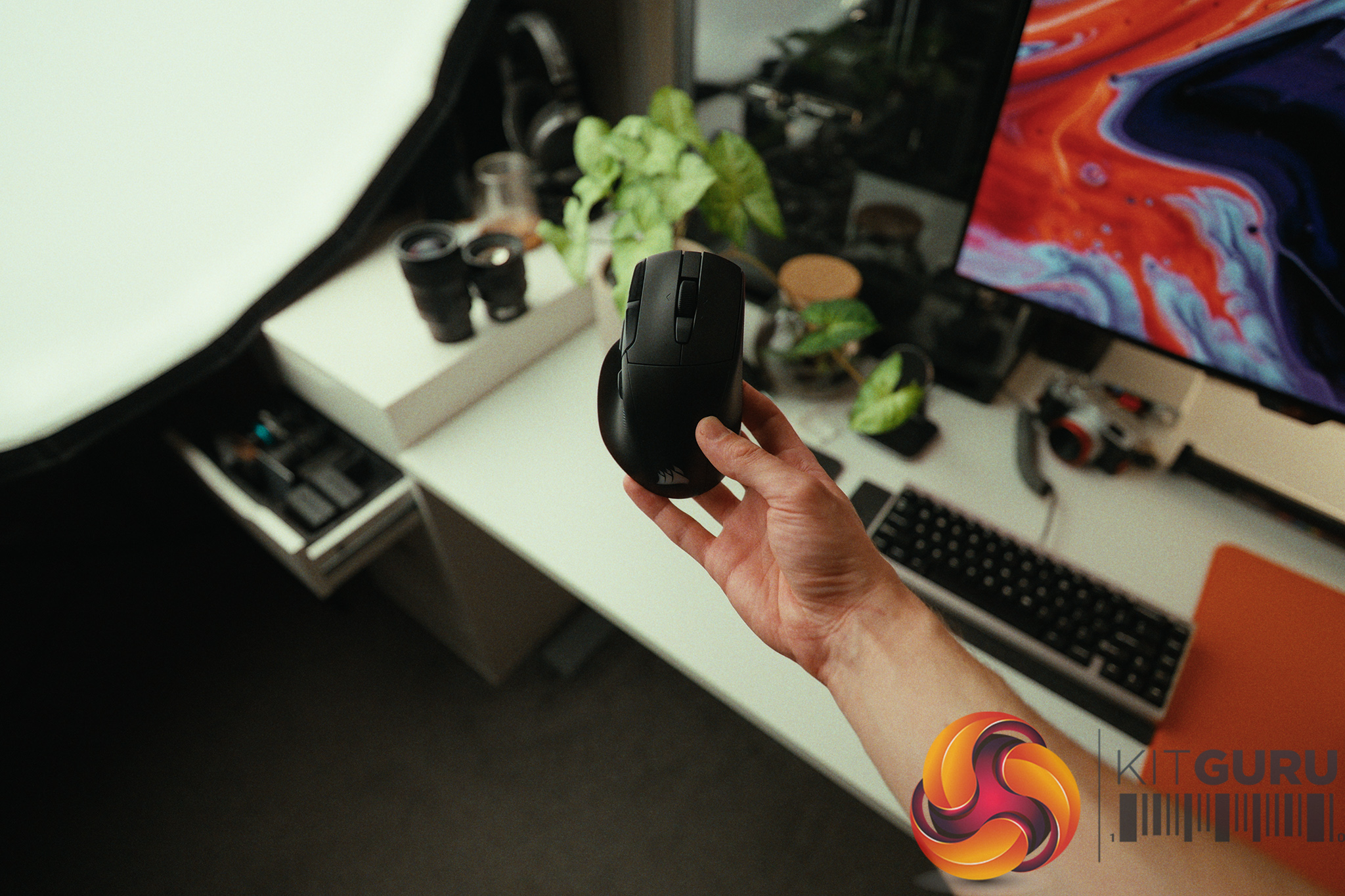
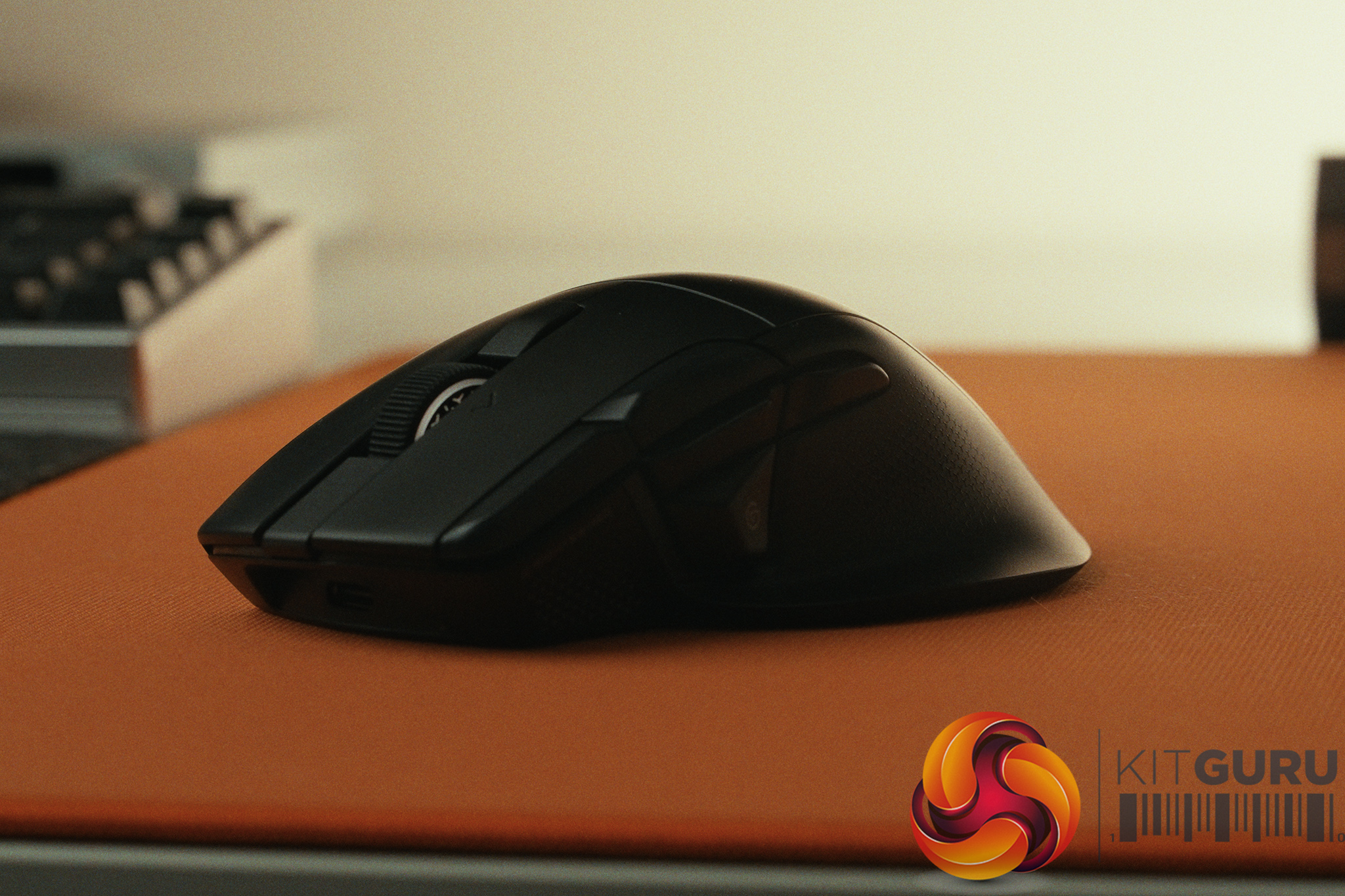
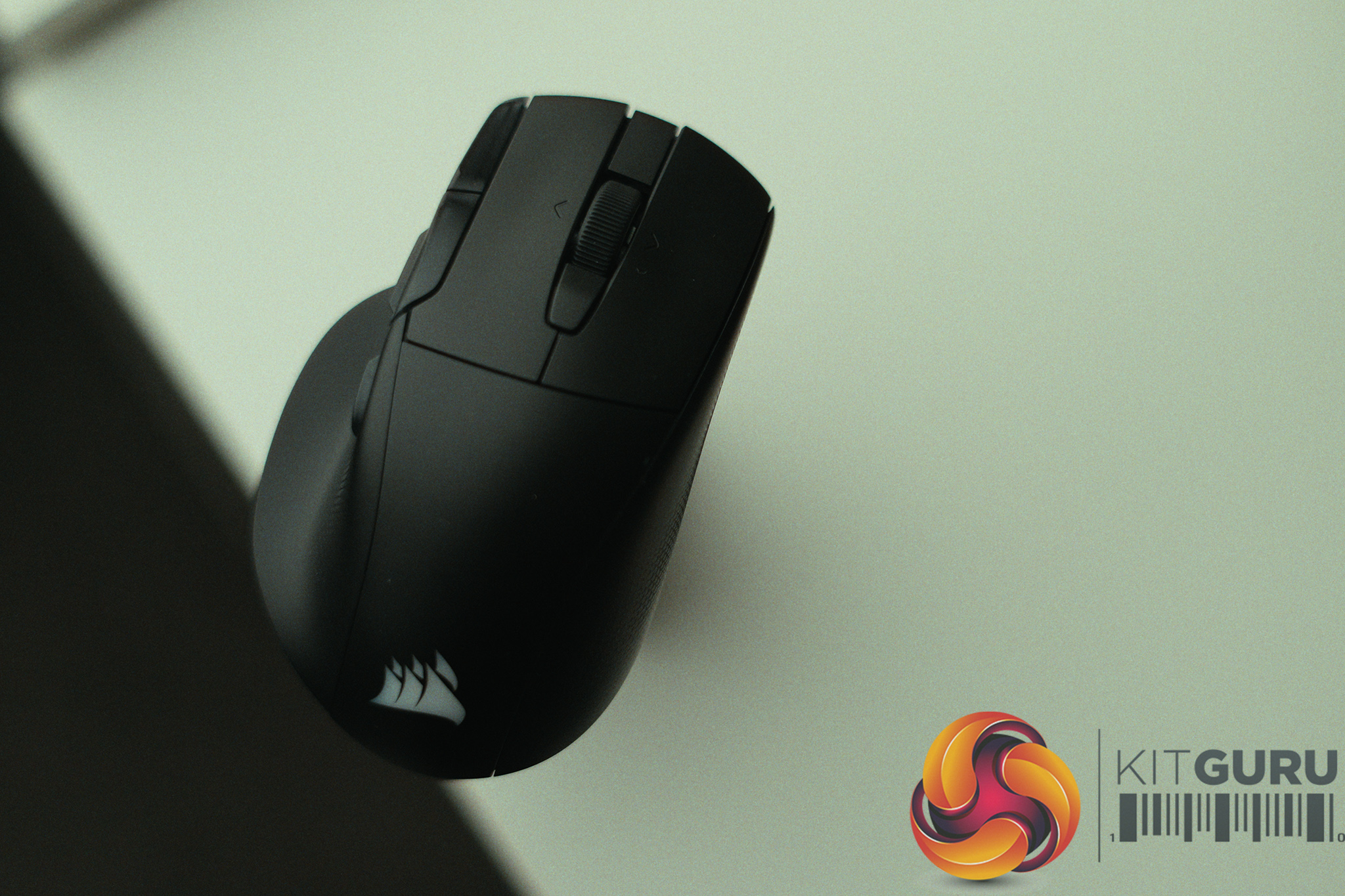
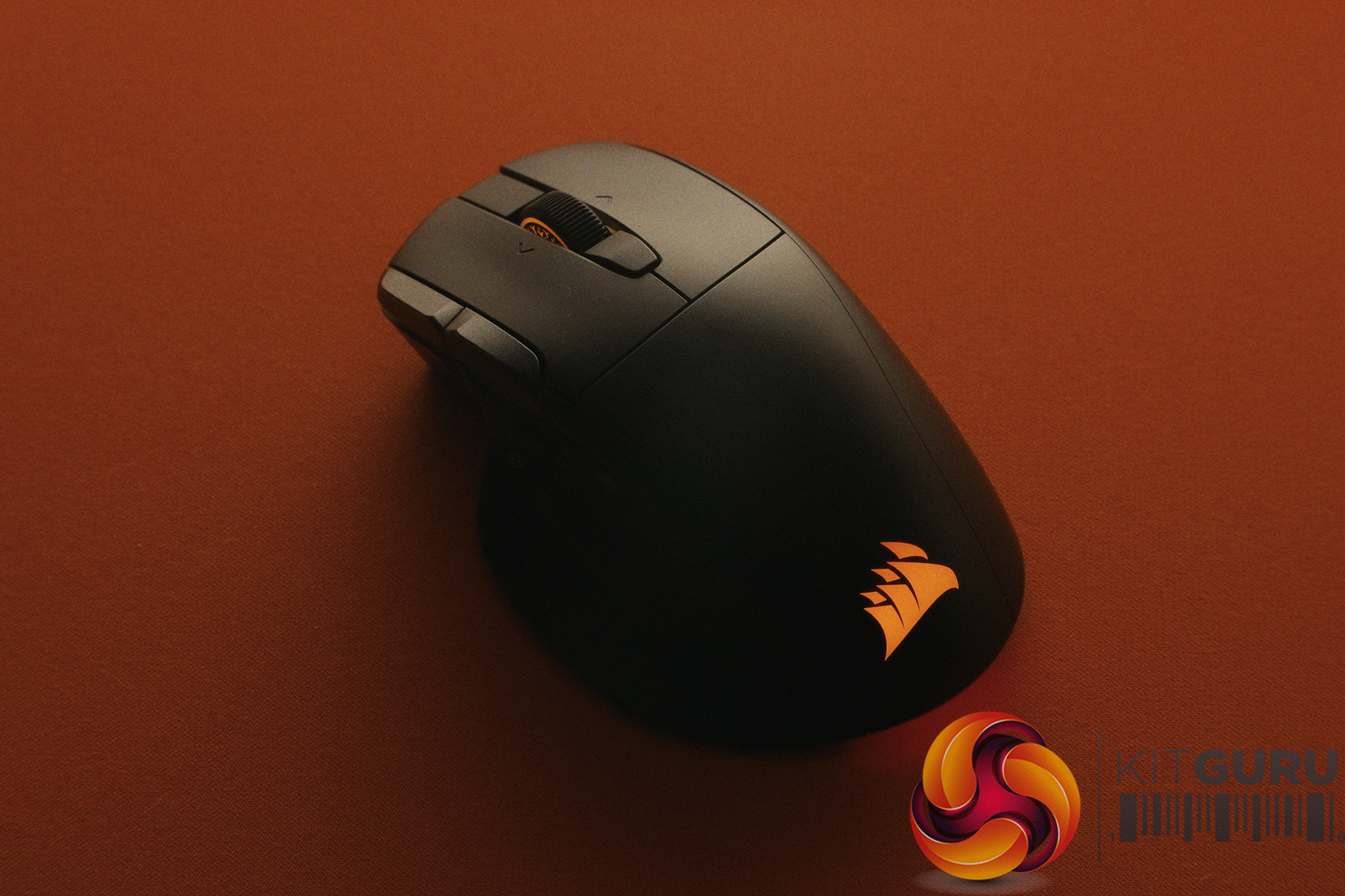
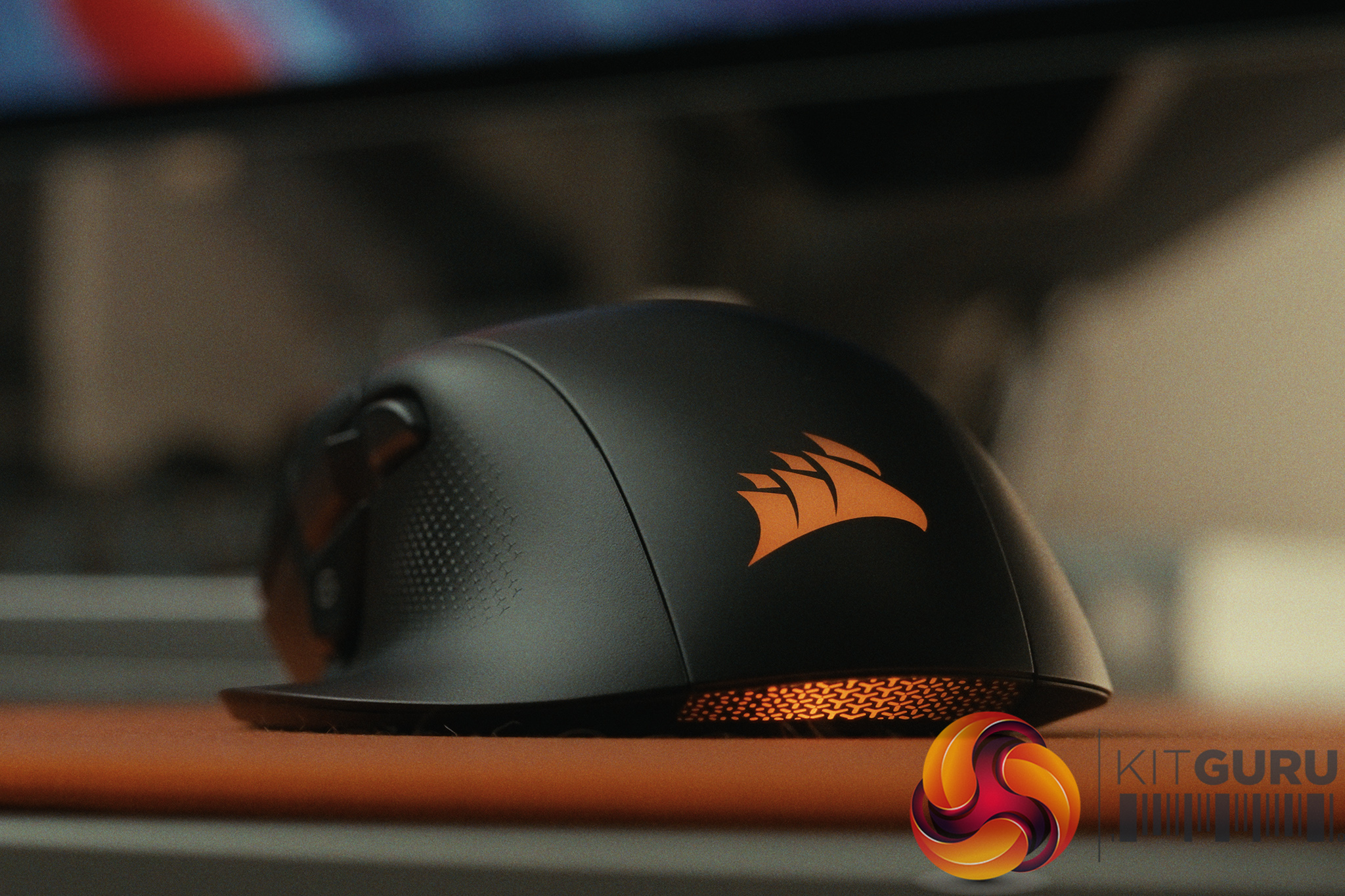
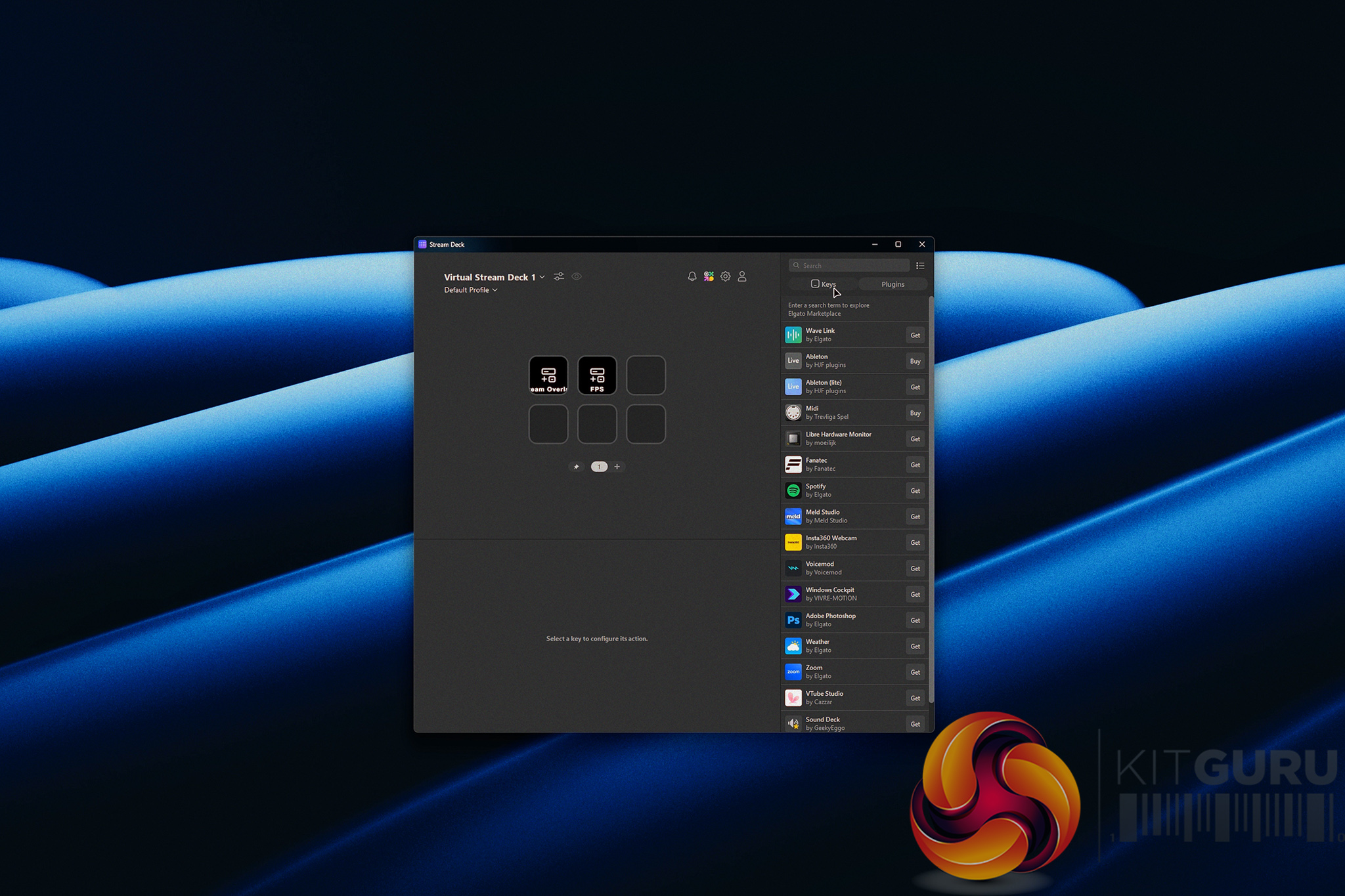
The Corsair Nightsword V2 Wireless SD enters the market at £119, attempting to bridge the gap between an ergonomic gaming mouse and a productivity powerhouse. Its standout feature is a dedicated Stream Deck button that summons a virtual Stream Deck directly to your screen, allowing for endless macro customization. But does cramming streamer-focused software features into a heavy, ergonomic shell make for a compelling daily driver, or does it compromise the fundamental gaming experience?

Timestamps:

00:00 Intro
00:59 Stream Deck button
02:10 Compromises for the button?
04:15 Spec discussion + wireless performance
05:23 Clicks + soundtest
07:18 Software – web hub
08:49 Battery life
09:34 Coating + textured sides
10:25 Closing thoughts
11:38 Post-edit Update!

Specifications:

  • Weight: 89g official specification (Weighed at 92g).
  • Connectivity: Wireless via USB Dongle (Extender included).
  • Polling Rate: Up to 8000Hz (1000Hz recommended).
  • Scroll Wheel: Smooth, tactile, with side-to-side scrolling.
  • Special Features: Dedicated Elgato virtual Stream Deck button.
  • Software: Configurable via Corsair Web UI or iCue desktop app.
  • Price: £119.

Closing Thoughts

The Corsair Nightsword V2 Wireless is a niche product that struggles to balance its unique software capabilities with its physical hardware. The integration of the virtual Stream Deck is interesting but only to a select few. Having a highly customizable macro pad pop up on your screen at the press of a conveniently located thumb button can be a productivity dream, however accommodating this feature seems to have compromised the core gaming experience. At 92 grams, it feels heavy and fatiguing for competitive play, completely lacking the agility found in modern more lightweight alternatives.

Furthermore, the fundamental physical interactions are a mixed bag. While the scroll wheel is fantastic and the side buttons feel great, the main clicks suffer from significant pre- and post-travel, making them feel hollow and sluggish. Add in a slippery rubberized side coating, and the £119 price tag becomes a little hard to justify.

If you value aim and agility, there are much better mice on the market; if you desperately need Elgato macros, you are likely better off buying a physical Stream Deck or leaving the macros and shortcuts to your keyboard.

You can buy the Corsair Nightsword V2 Wireless SD for £119 HERE.

Pros:

  • The Elgato button integration offers incredibly powerful, customizable virtual macros.
  • The scroll wheel is excellent, featuring smooth tactility and side-to-side scrolling.
  • Exceptional battery life that easily lasts over a week of heavy use.
  • Corsair is pushing towards a Web UI, eliminating the strict need to install iCue for basic functions.

Cons:

  • At 92g, it is too heavy and fatiguing for competitive gaming.
  • Main clicks feel hollow and sluggish with noticeable pre- and post-travel.
  • The side coating is slippery and provides poor grip with even a little sweat.
  • Sub-par dongle range requires the use of the included extender cable right next to the mouse for reliable performance.

KitGuru says: The Corsair Nightsword V2 Wireless offers clever Elgato Stream Deck integration, but its heavy weight, hollow clicks, and slippery coating make it a tough sell for serious gamers.

KitGuru Worth Considering Award

The post Corsair Nightsword V2 Wireless SD Mouse Review first appeared on KitGuru.

Glorious unveils GHS Wireless InfinitePlay headset with dual-battery system

24 July 2026 at 15:00

Glorious is expanding its presence in the headset market with the newly announced GHS Wireless InfinitePlay, a wireless gaming headset designed for continuous use via two hot-swappable 85+ hour battery packs and an internal backup battery.

To prevent the GHS Wireless InfinitePlay from disconnecting during swaps, the company incorporates its internal Guardian Battery System. This built-in battery keeps the headset powered for over 3 hours on its own, even when swapping the main packs. Audio performance is driven by custom-tuned 40mm angled drivers, which Glorious claims align with human ear positioning to improve spatial awareness and sound separation.

For communication, the headset features a detachable boom microphone with environmental noise cancelling, alongside an integrated earcup microphone for mobile calls. Connectivity covers 2.4GHz wireless for PC, PS5, PS4, and Nintendo Switch, while Bluetooth handles mobile audio. Users can switch between wireless modes using dedicated on-ear controls.

There are dials under the ear cup for master volume and game/chat balance control. Customisation is managed through the Glorious Core software, allowing users to adjust EQ settings, create personalised profiles, and save them directly to the onboard headset memory.

KitGuru says: The addition of a backup battery to avoid losing connection when swapping out the main battery is interesting. SteelSeries may want to consider something similar for their next Arctis wireless headset. 

The post Glorious unveils GHS Wireless InfinitePlay headset with dual-battery system first appeared on KitGuru.

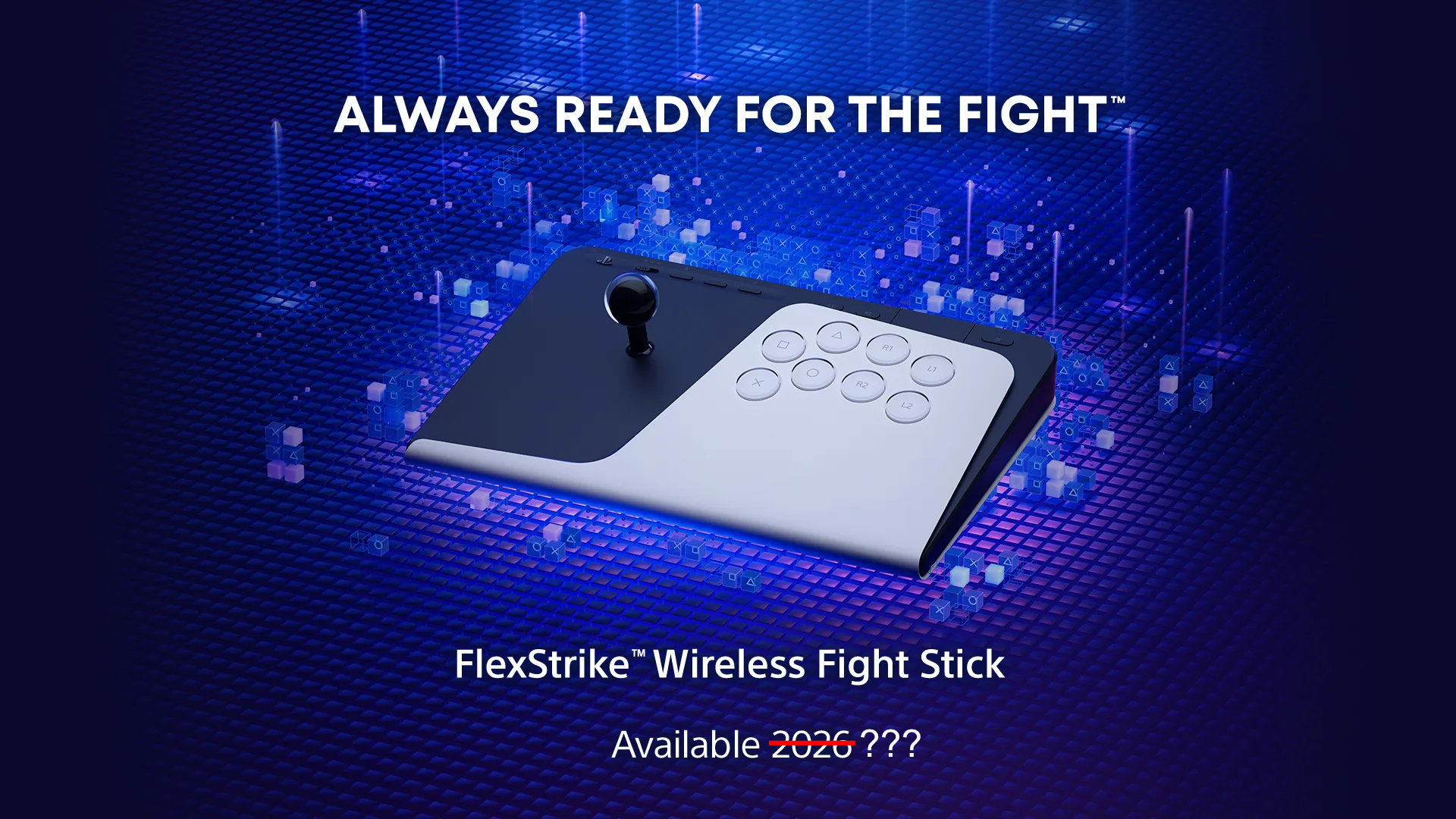
The ‘FlexStrike’ Fight Stick is no longer launching next month as Sony indefinitely delays its release

15 July 2026 at 09:00

A little over a year ago, Sony announced and unveiled ‘Project Defiant’ – later officially being known as the FlexStrike Wireless Fight Stick. Initially set to launch in under a month’s time, Sony has now turned around and made the surprising decision to delay the controller indefinitely, citing “unexpected production delays.”

Taking to the PlayStation Blog, the VP of Global Marketing at SIE – Isabelle Tomatis – offered an update on the current status of their FlexStrike wireless fight stick

According to the company, “Due to unexpected production delays, FlexStrike wireless fight stick will launch at a later date,” adding that “we will share an update soon.”

Sony is pushing out email updates to all those who pre-ordered the hardware with details on exactly what happens next.

Fight Stick Wireless

As mentioned, the FlexStrike was announced just over a year ago, with official pricing and pre-order details going live last month – making this sudden announcement quite unexpected.

Whenever it does eventually release, the FlexStrike should be a solid addition to PlayStation’s line-up of accessories, offering low-latency wireless gameplay alongside adjustable controls, a touchpad and everything else one would need (including a carry case).

Already a relatively expensive product (initially retailing for £179.99), hopefully this delay does not ultimately lead to a price increase.

KitGuru says: What do you think of the FlexStrike? Is it more form over function? Is a wireless fight stick necessary in your eyes? Let us know down below.

The post The ‘FlexStrike’ Fight Stick is no longer launching next month as Sony indefinitely delays its release first appeared on KitGuru.

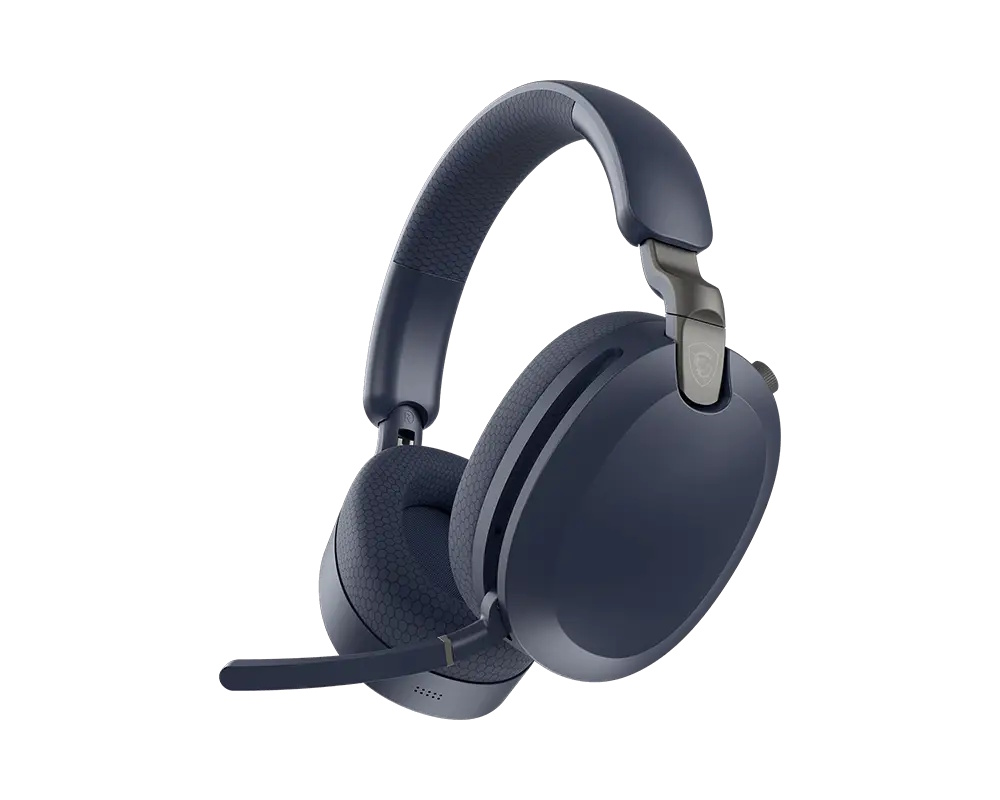
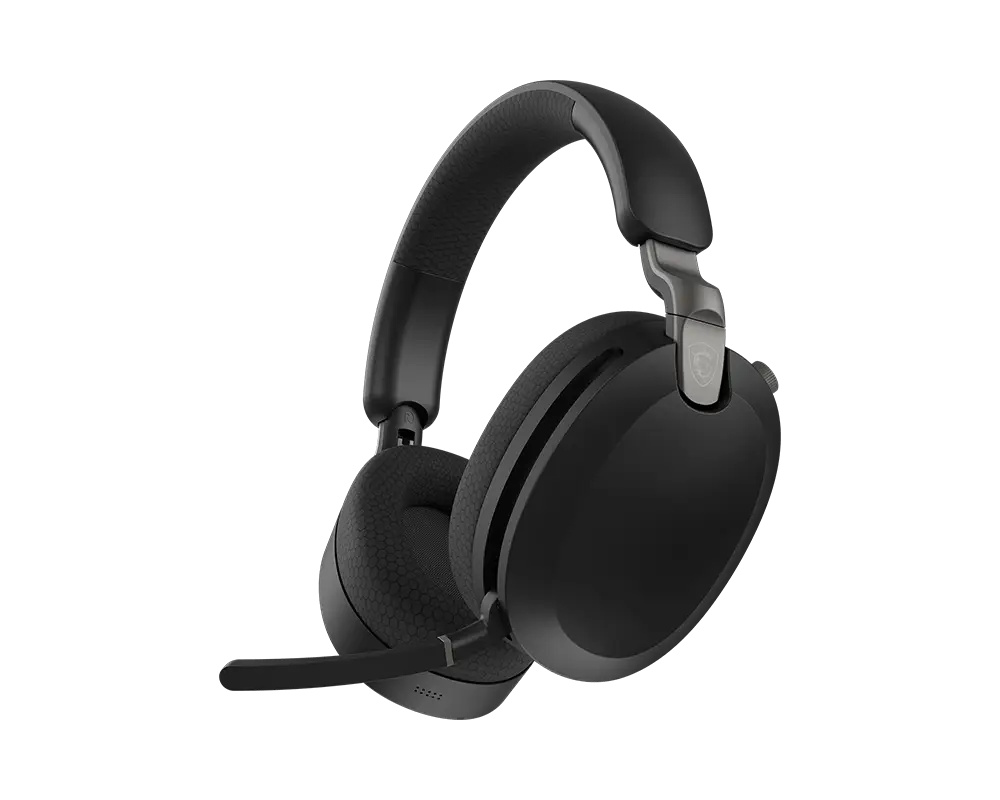
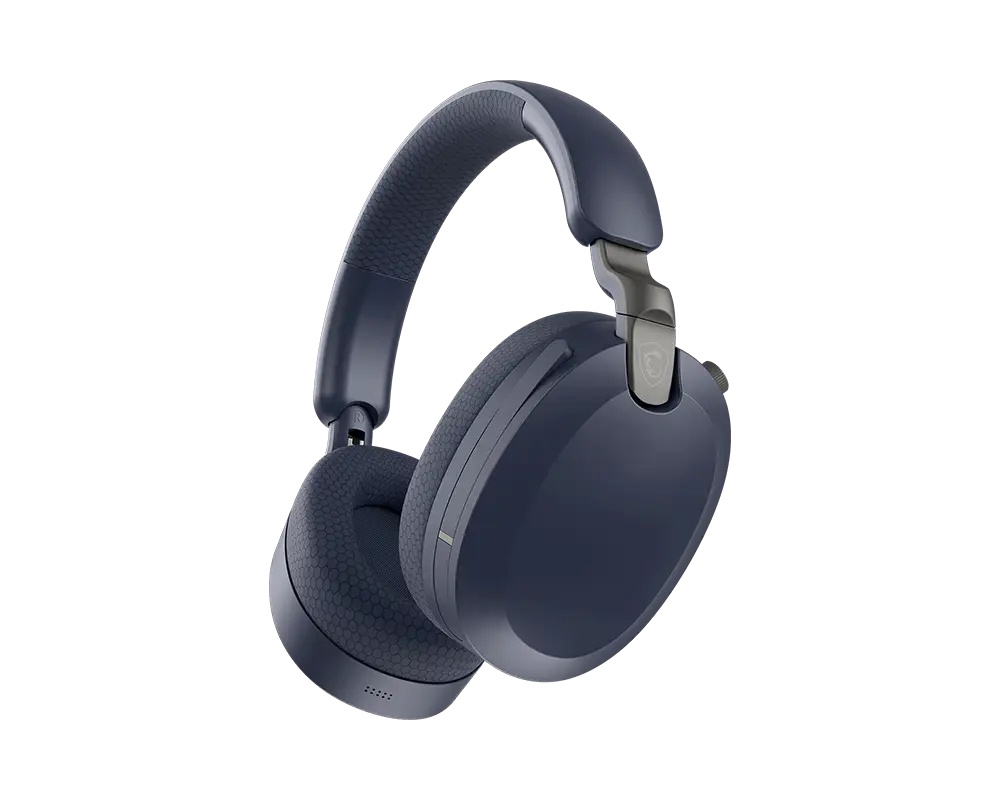
MSI announces Maestro 500 Wireless headset featuring ANC and tri-mode connectivity

18 June 2026 at 12:00

MSI has announced the launch of the Maestro 500 Wireless headset, a multi-mode audio solution designed for productivity, entertainment, and gaming. The new headset features active noise cancellation, high-resolution drivers, and extensive battery life, targeting multi-platform compatibility across PC, consoles, and mobile devices.

The Maestro 50 Wireless headset comes equipped with 40mm drivers that support a frequency response up to 40kHz. To handle noisy environments, MSI includes Active Noise Cancellation alongside a Transparency mode for situational awareness. Voice capture relies on a hidden microphone system featuring beamforming and Environmental Noise Cancellation (ENC) to isolate speech from background noise. Users can control the microphone with a flip-to-mute design that mutes audio when the mic is raised and unmutes it when lowered.

Connectivity options span low-latency 2.4GHz wireless, Bluetooth 5.4, and a 3.5mm wired connection. This allows the device to function seamlessly across PC, Mac, PlayStation, Nintendo Switch, and mobile platforms. Power is supplied by a 1000mAh battery, delivering up to 90 hours of playback time. Furthermore, fast charging provides roughly 6 hours of use from a 5-minute charge.

The design features swivelling earcups that fold inward, and the audio experience is enhanced by Nahimic for Headset software, which enables 3D sound technology and custom tuning. MSI states the headset will be available soon.

KitGuru says: Offering a combination of ANC, triple-mode connectivity, and a massive 90 hours of battery life, the Maestro 500 Wireless looks like a highly practical choice for everyday listening and gaming.

The post MSI announces Maestro 500 Wireless headset featuring ANC and tri-mode connectivity first appeared on KitGuru.

3rd-party PC app DSX gets native DualSense haptics support via Bluetooth

15 June 2026 at 12:00

While Sony’s relationship with PC recently has been somewhat in-flux, the console maker has been pushing to have its hardware integrate more smoothly with the platformespecially when it comes to the likes of the DualSense controller. Unfortunately, one the DualSense’s core features (its advanced haptics) has been highly limited; only working through a wired connection. Finally, doing what Sony themselves refuse to do, the 3rd-party tool DSX has now gotten native wireless DualSense haptic support…for a small price.

DSX is a great tool for those on PC who enjoy using a DualSense controller. Serving as a conversion layer of sorts, the software allows you to fully customise your controller while also offering a ton of cool additional features, including the ability to translate audio outputs directly into haptic feedback for added immersion.

Up until now, many of the more advanced haptic features required you to have your controller connected via a cable (similar to PlayStation’s own native DualSense support on PC, with some exceptions).

DSX DualSense

Following months of teasers however, the team at Paliverse have now unveiled DSX version 3.2. Currently in beta, this update brings with it ‘Virtual DualSense with Audio Support’ – “allowing games to send native DualSense audio and haptics through DSX over Bluetooth or USB.”

It is worth noting that creating a virtual DualSense (which is required in order to unlock more advanced haptic features) does necessitate a one-time purchase of DSX+. The base DSX itself is also a paid product, but for many the roughly £10 asking price between the two is more than worth it for the added versatility on offer.

I covered DSX in-depth back in 2024, and since then the software has only improved in terms of features, stability and UX. Even so, this latest update marks a major milestone for the software, and means that using a DualSense on PC is now in some ways superior to its native experience on PlayStation 5. The full patch notes can be found HERE.

Discuss on our Facebook page HERE.

KitGuru says: What do you think of DSX? Is it worth the asking price? Why do you think Sony themselves haven't made advanced haptics work wirelessly across-the-board on PC? Let us know down below.

The post 3rd-party PC app DSX gets native DualSense haptics support via Bluetooth first appeared on KitGuru.

Survey finds that UK and EU customers ‘mistrust’ routers from Russia and China

12 June 2026 at 13:30

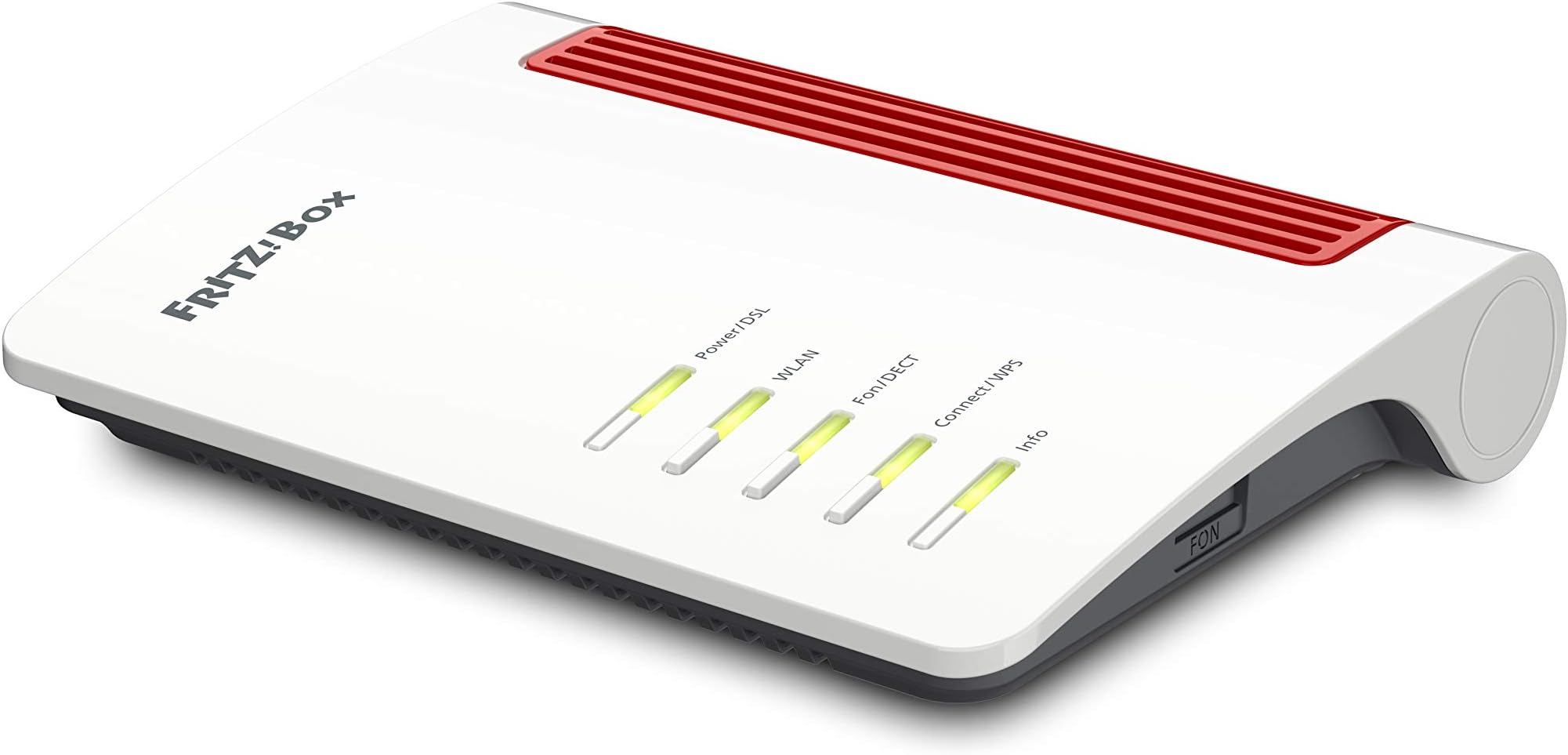
Towards the end of last year, Fritz! published the results of a survey showing that the majority of UK and EU-based customers would distrust WiFi routers made in China or Russia. Now in a follow-up survey, Fritz! has found that the majority of customers also aren't aware that many ISPs send customers re-badged Chinese routers.

YouGov conducted the survey, finding more than 16,000 participants across 14 European countries, including the UK. The results found that European customers have a “high level of mistrust of products from China, Russia and the USA”.

Looking at the UK-specific stats, the survey found that 59% would mistrust a router from China, while 70% would mistrust a router from Russia. However, only 11% would have low trust in a router from Europe.

However, the survey also found that most respondents were also unaware of exactly where the devices they own have come from, particularly when it came to ISP-supplied routers.

Only 14% knew that TP-Link is a Chinese brand, and 49% of respondents were unsure of where Netgear originates. Only a couple of brands like Starlink and Huawei were associated correctly often. Fritz! itself was only correctly identified by 26% of respondents in the UK.

More than half of respondents (55% to be exact) would prefer to see more devices ‘Made in Europe'. We expect that such labels will soon become a good part of the marketing for companies like Fritz! in the near future.

KitGuru Says: Do you use your ISP-provided router, or have you swapped it out for a third-party one?

The post Survey finds that UK and EU customers ‘mistrust’ routers from Russia and China first appeared on KitGuru.

Corsair partners with Skybound for Invincible VS controller and accessories

28 May 2026 at 09:00

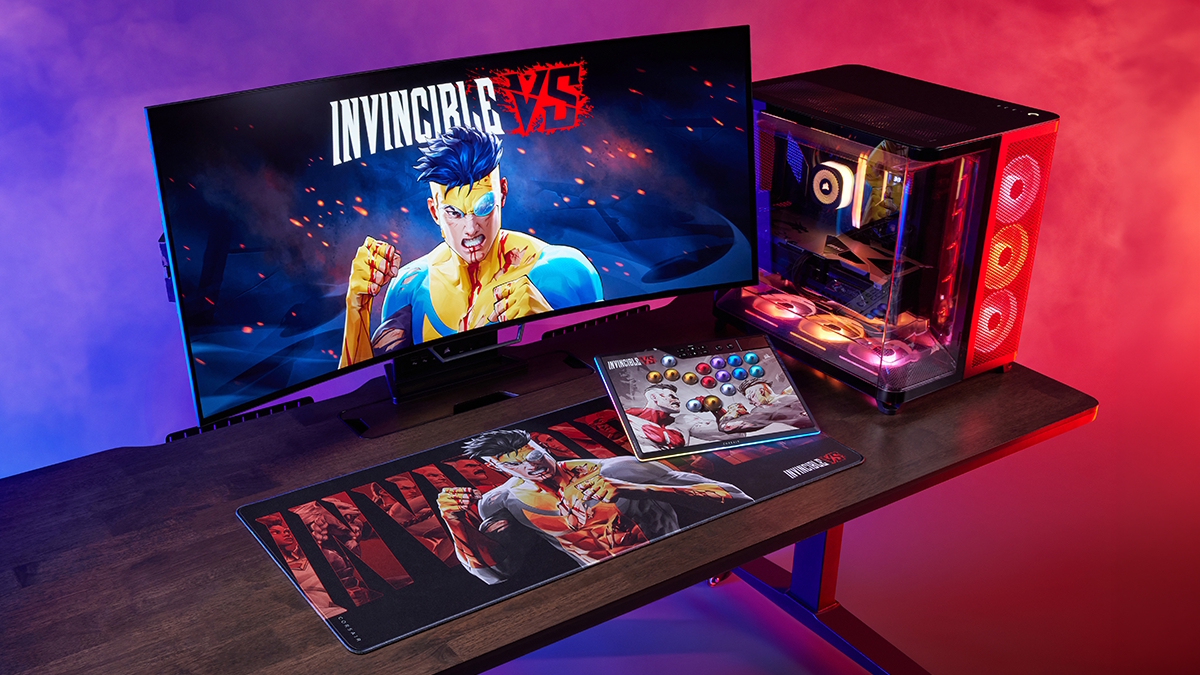
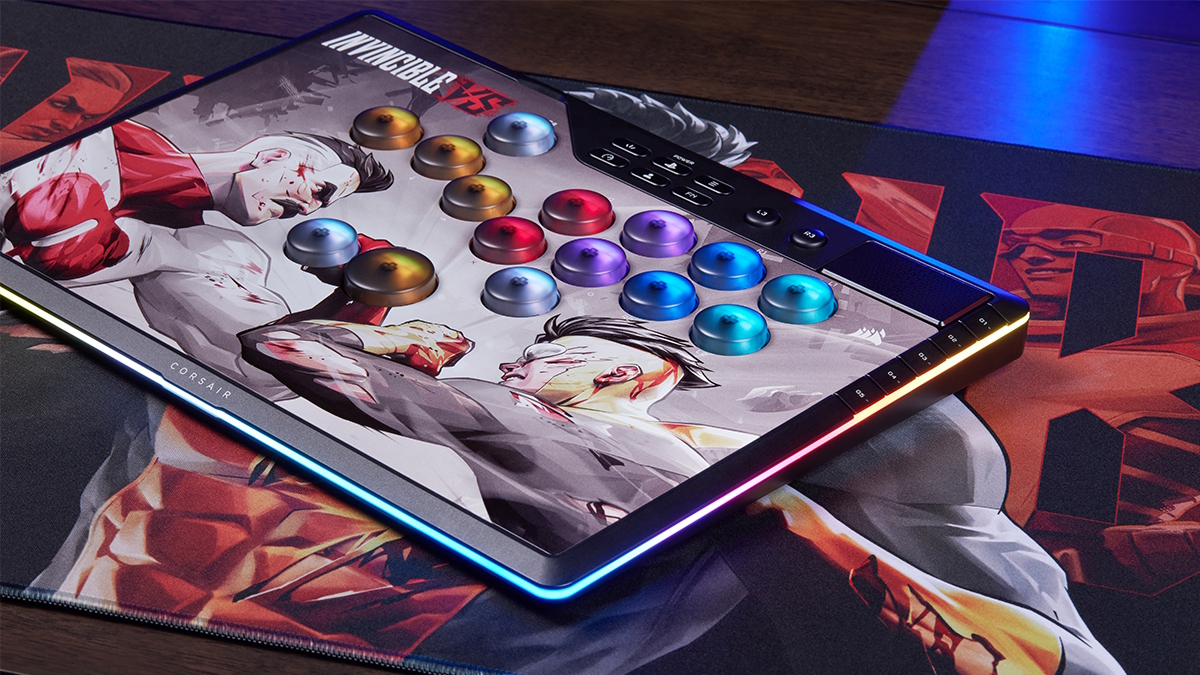
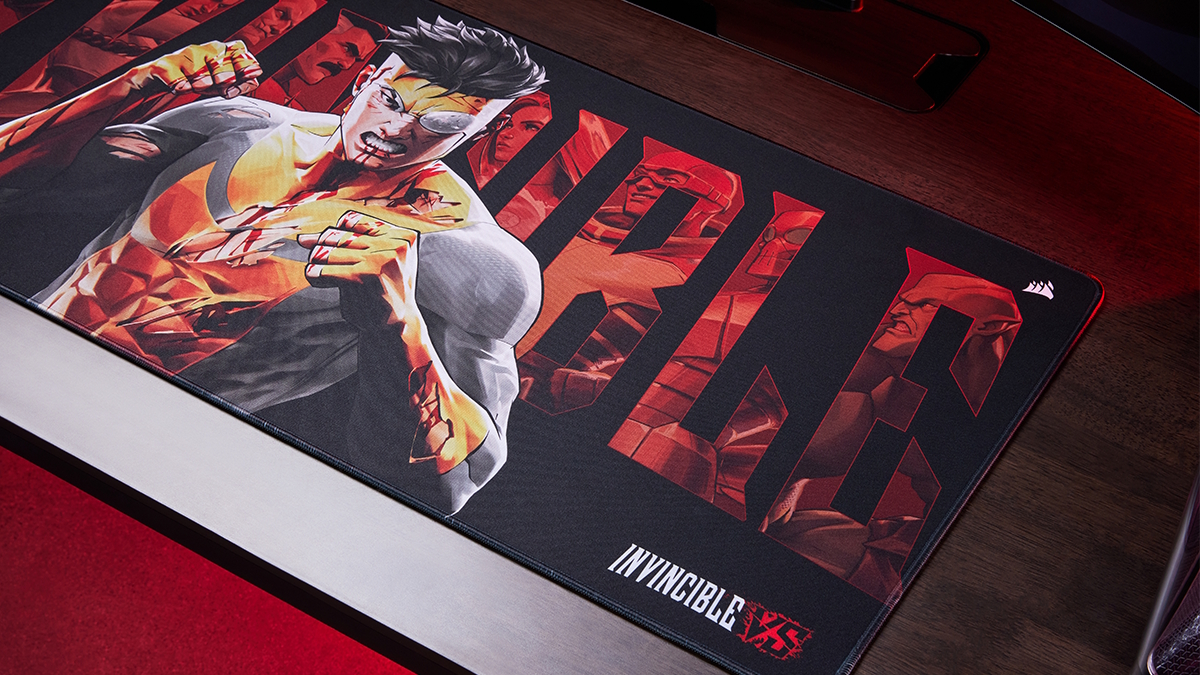
Corsair has announced a new collaboration with Skybound and Quarter Up for their fighting game Invincible VS. The limited-edition hardware rollout spans three specific products adorned with game-inspired artwork, including a proper fighting game controller, an XL sized mouse mat, as well as a faceplate.

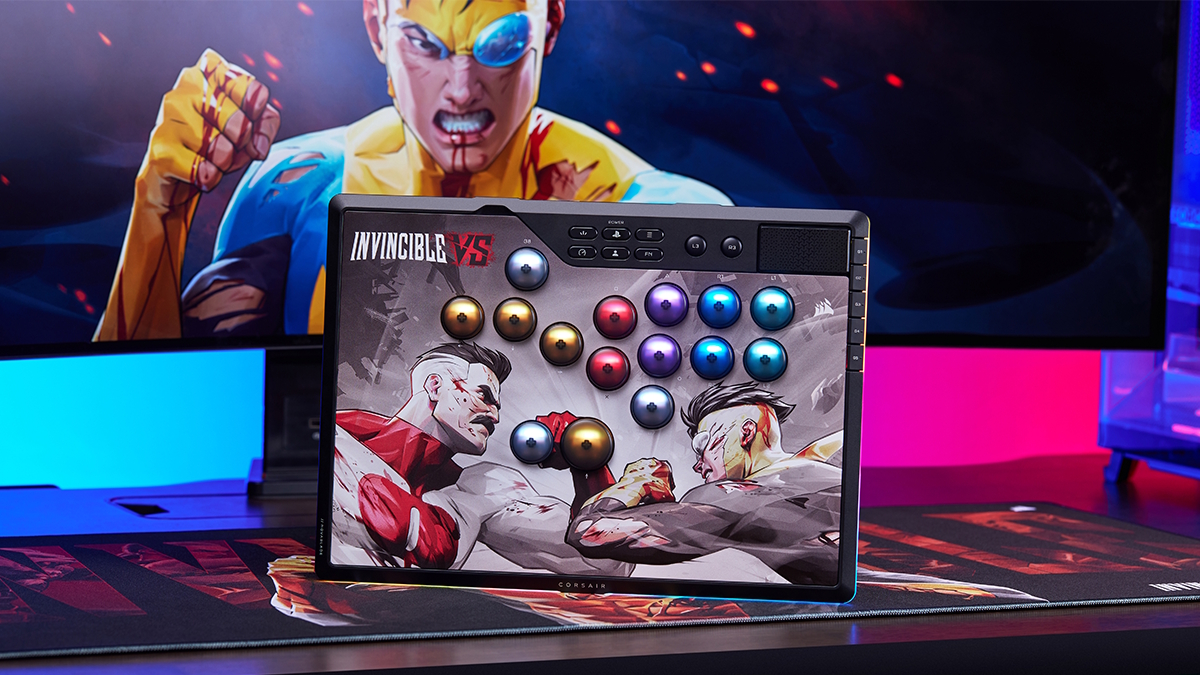
The headline product is the Novablade Pro Wireless Hall Effect leverless fighting game controller: Invincible VS Edition, which features a custom faceplate depicting Omni-Man and Invincible. The controller integrates fast-actuating Corsair MGX Hyperdrive Hall Effect magnetic switches, enabling adjustable actuation points and Rapid Trigger technology for accelerated key resets. It also incorporates FlashTap SOCD cleaning for tournament-legal input handling, which locks out secondary keys, and tri-mode connectivity, including 2.4GHz wireless, Bluetooth, and USB.

For those who already have a Novablade Pro, the manufacturer is offering the Novablade Pro x Invincible VS faceplate as a separate swappable mod kit. The final item in the collection is the MM300 2XL Anti-Fray Cloth Gaming Mouse Pad: Invincible VS Edition, a huge desk mat featuring anti-fray perimeter stitching, a non-slip rubber backing base, and custom graphics showing the character Mark alongside the main roster logo treatment.

Each of the three Invincible VS limited-edition products will be available to pre-order starting this week directly through the Corsair website.

KitGuru says: Are you a fan of Invincible? Would you fancy yourself some of Corsair's new themed gear?

The post Corsair partners with Skybound for Invincible VS controller and accessories first appeared on KitGuru.

Akko launches 40g Dash Master gaming mouse with PAW 3955 sensor

21 May 2026 at 10:30

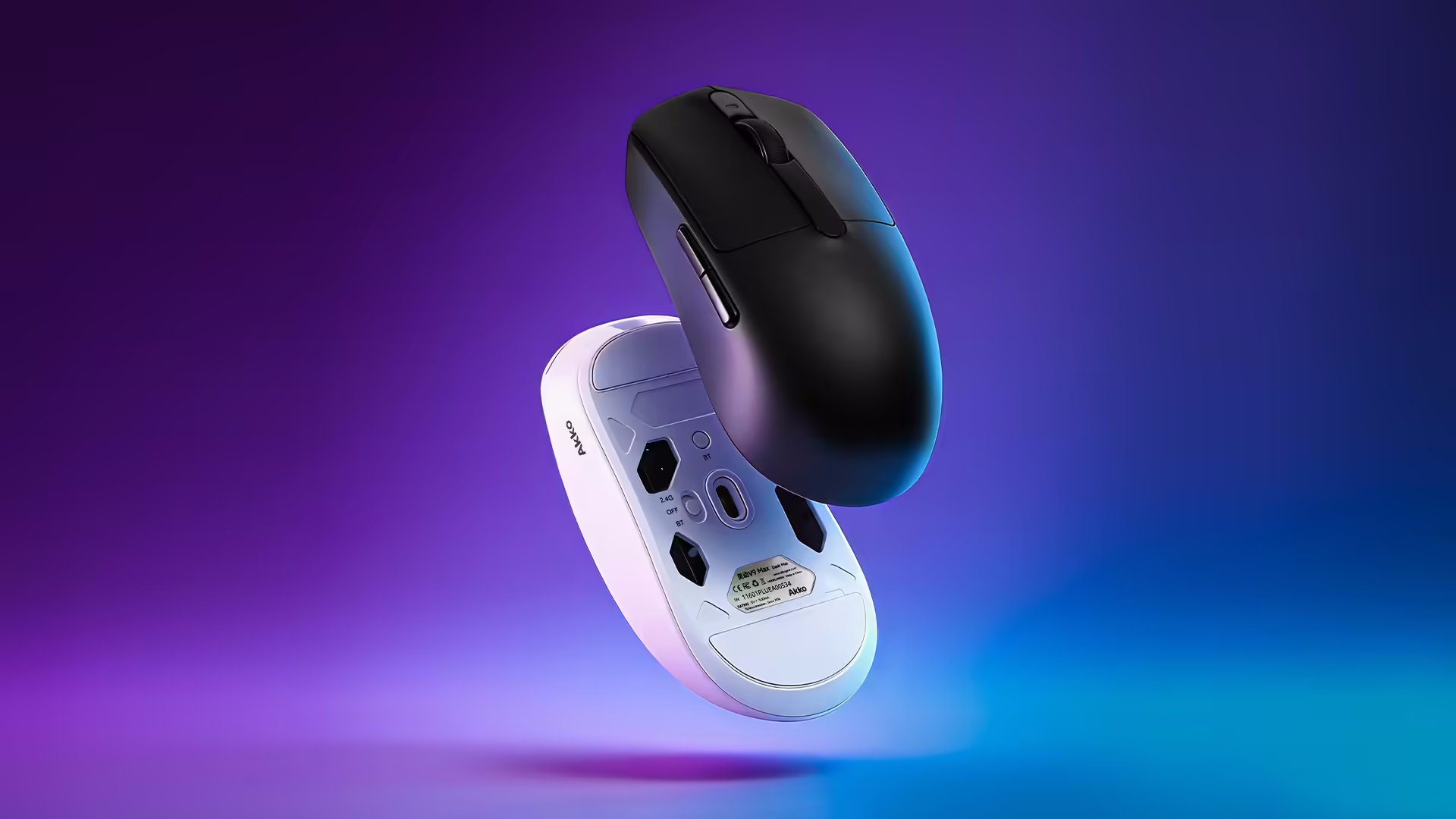
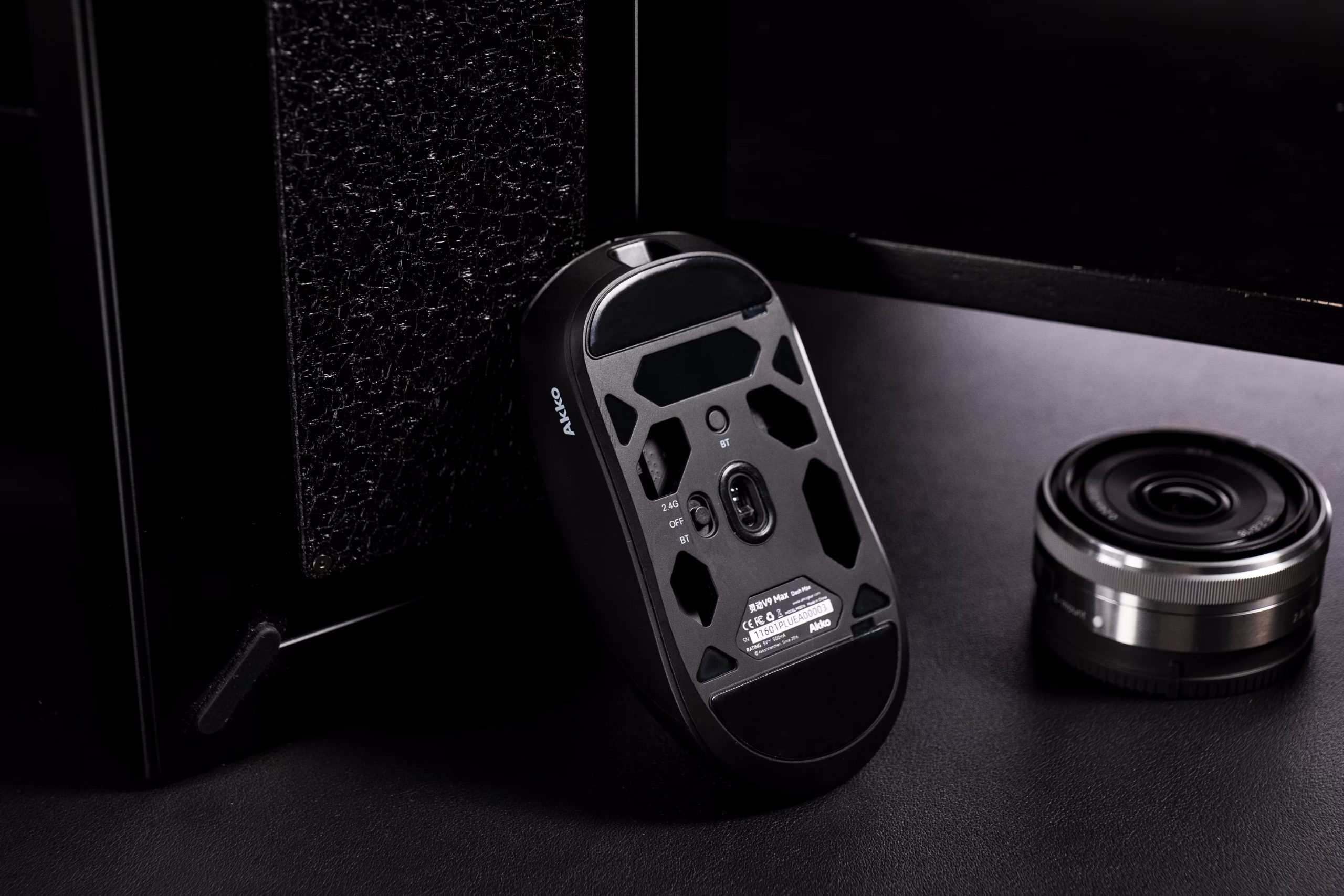
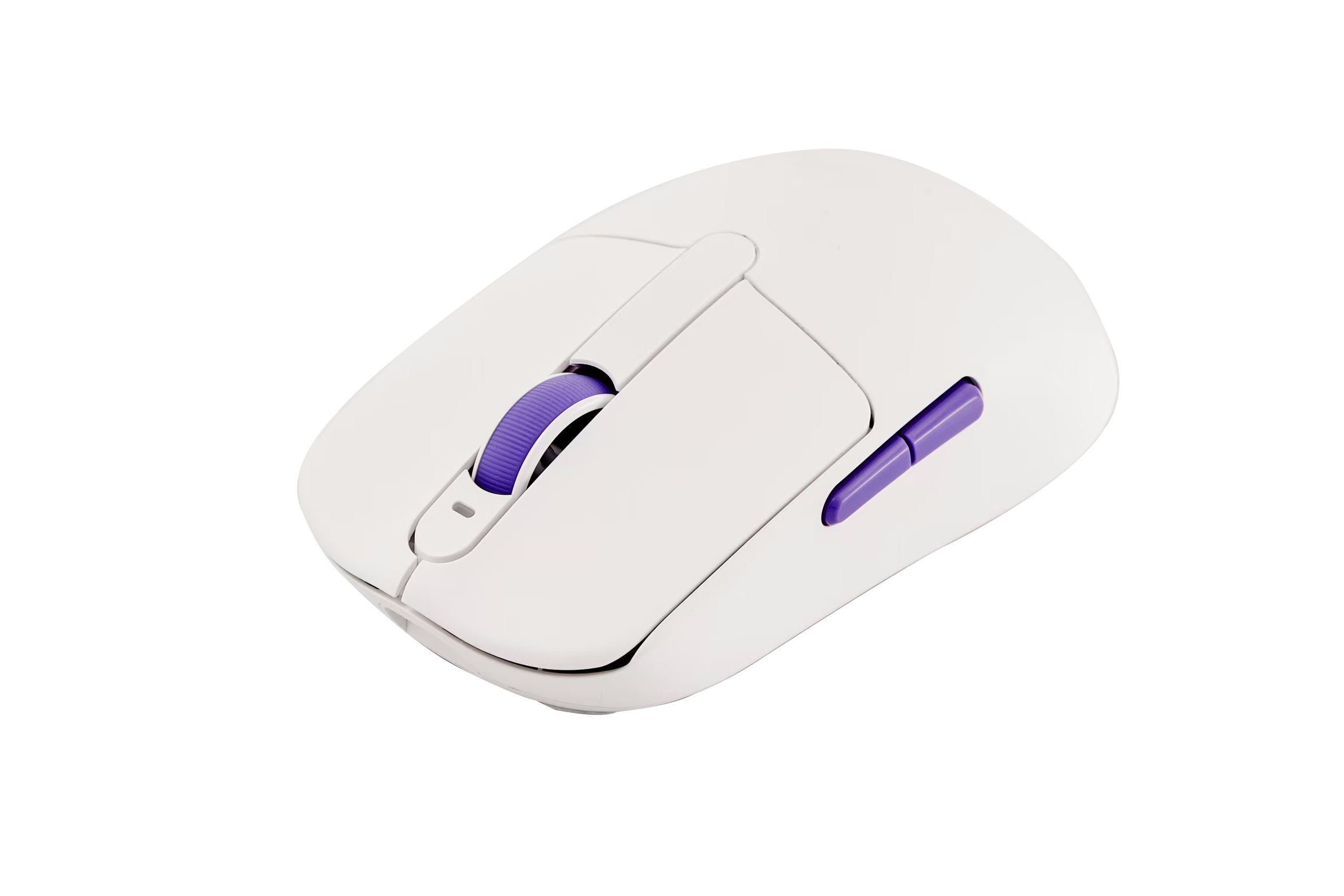
Akko has officially released the Dash Master, the latest flagship entry in its Dash lineup of wireless gaming mice. First previewed at CES in January, the mouse features an ultra-lightweight 40g design and pairs a next-generation PixArt sensor with dual-mode 8000Hz polling.

At the core of the Dash Master (via TechPowerUp) is the new PixArt PAW 3955 optical sensor, which delivers a native 40,000 DPI that can be driver-overclocked to a maximum sensitivity of 65,000 DPI. It supports 750 IPS tracking speeds and registration on clear glass surfaces at a 0.7mm lift-off distance. Processing routines are handled by a Nordic nRF54L15 chip, allowing the mouse to maintain an 8000Hz polling rate across both its wired USB-C and 2.4GHz wireless connections, as well as standard Bluetooth 5.0.

The combination of the updated sensor architecture and the 22nm efficiency of the Nordic MCU yields a claimed 30% to 50% reduction in power consumption compared to previous-generation Akko mice. Powering the mouse is a high-density 300 mAh rechargeable battery, which secures a projected runtime of up to 86 days over Bluetooth connectivity. For high-speed gameplay scenarios, continuous use is rated at 220 hours at a 1000Hz polling rate, dropping to roughly 28 hours in 8000Hz mode.

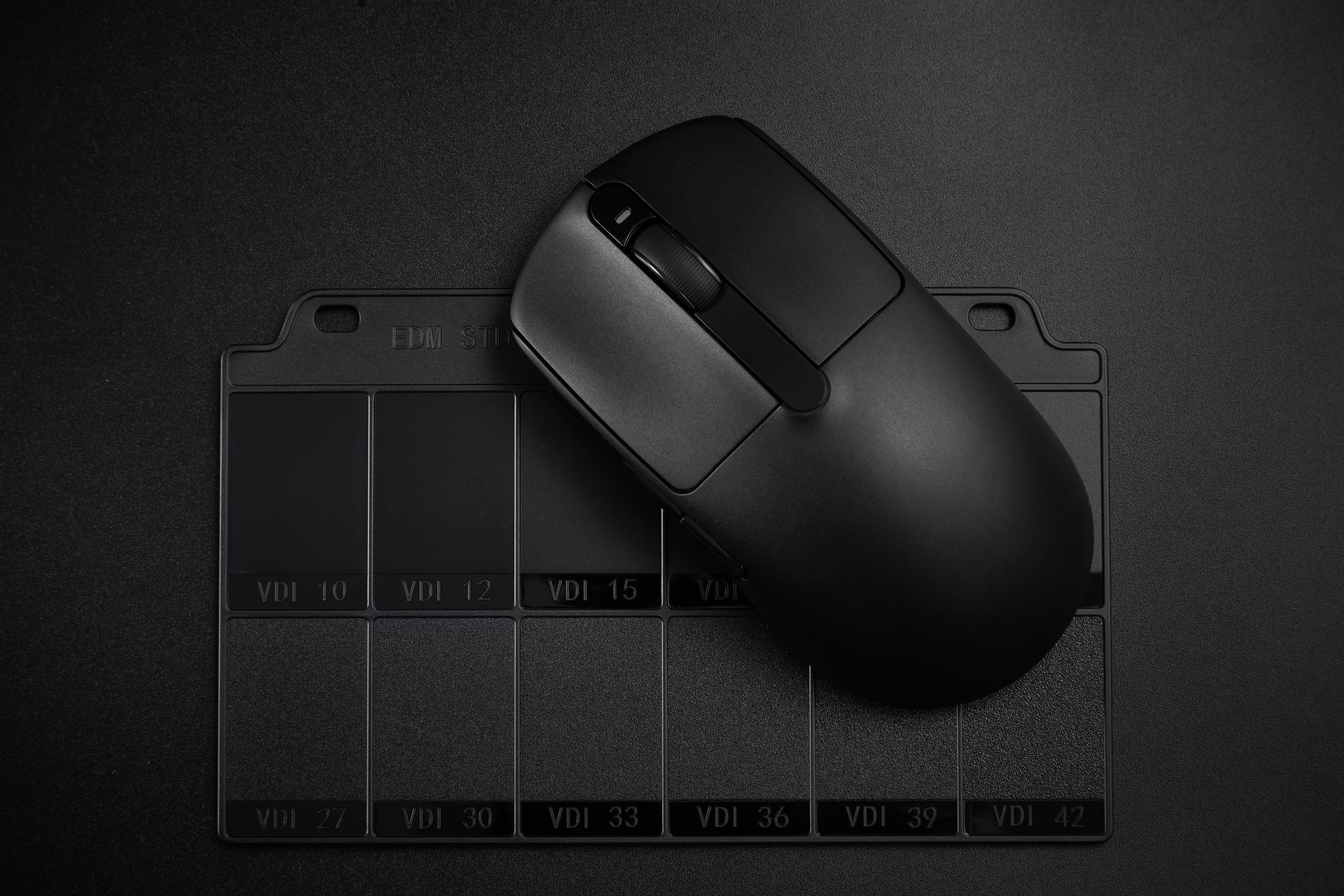
To improve physical durability, Akko has opted for an EDM satin polymer texture that resists shining or peeling over long-term use. For users who prefer a rubberised texture, precision-cut grip tape is supplied in the box. The mouse also features browser-based and standalone software support for custom lift-off distance tuning and ships with pre-installed PTFE feet, along with three extra sets of mixed-friction dot skates. The Dash Master has an MSRP of £51.79/$69.99/€50.99, but the current early-bird price includes a £7.40/$10.00/€8.50 discount.

KitGuru says: Long gone are the days when you had to spend over £100 for an 8K mouse. 

The post Akko launches 40g Dash Master gaming mouse with PAW 3955 sensor first appeared on KitGuru.

New Cherry Xtrfy K33 Compact features ‘mem-chanical’ switches

13 May 2026 at 17:00

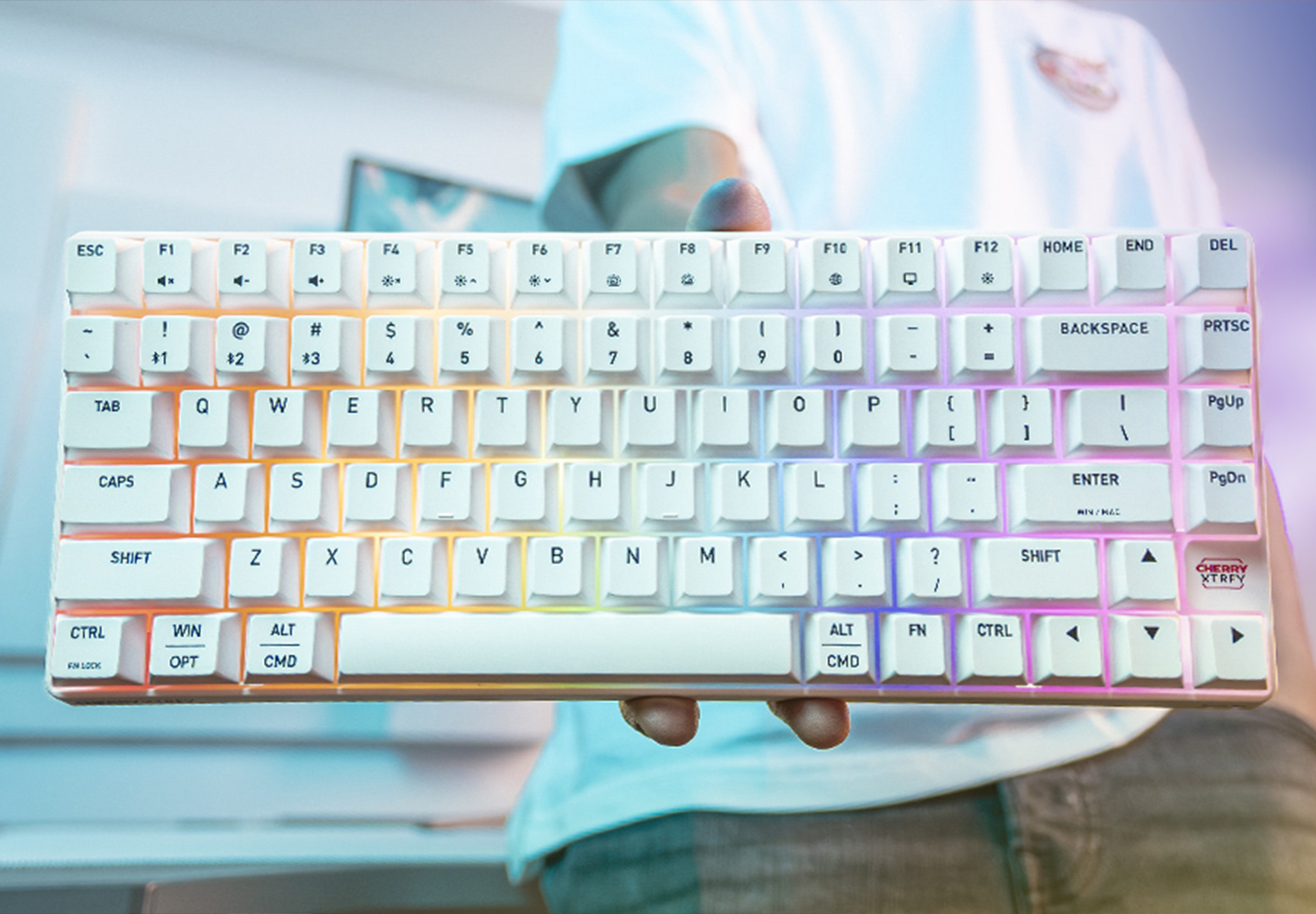
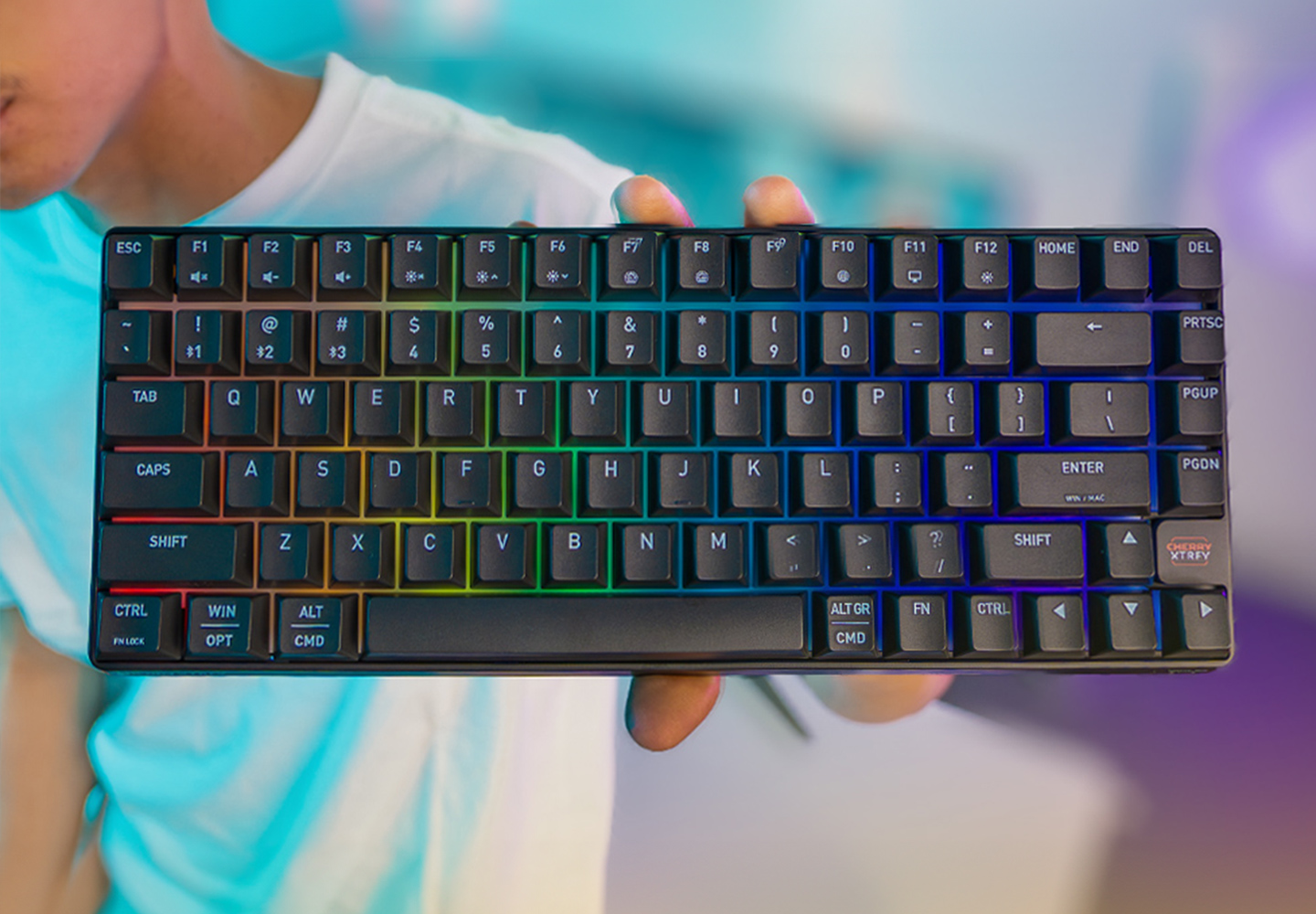
Cherry Xtrfy announced the K33 Compact Wireless, a 75% layout gaming keyboard designed as an accessible entry point for gamers. The keyboard features tri-mode connectivity and “Mem-chanical” switch technology, aiming to balance mechanical-like feedback with a membrane design.

The K33 Compact Wireless supports 2.4GHz wireless, Bluetooth, and USB wired connections, allowing for quick switching between multiple devices. It maintains a 1000Hz polling rate for low-latency input transmission across all connection modes. The 75% form factor is designed to save desk space while retaining essential keys, including dedicated media control shortcuts and an integrated Win/Mac toggle.

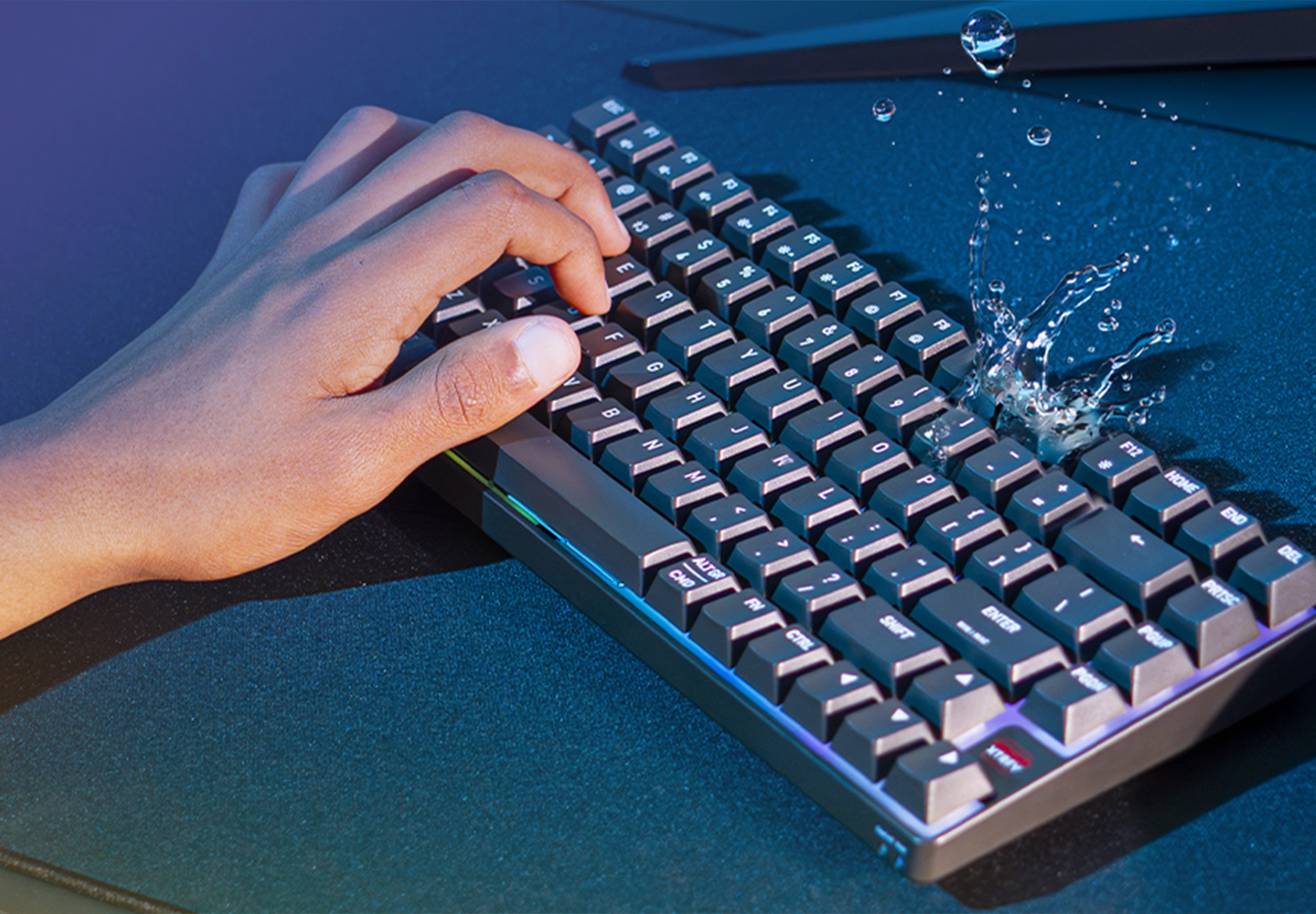
The keyboard has an IP54 rating, providing protection against dust and splashes of liquid. The 630g chassis houses “Mem-chanical” switches, which Cherry Xtrfy describes as offering quiet and precise tactile feedback. Visual customisation is provided via multimodal RGB lighting with seven dynamic effects, utilising a light guide panel to ensure even illumination across the keycaps.

The keyboard is built for stable, everyday use and integrates a light-guiding system to eliminate lighting hotspots. It is available now at a suggested retail price of €59.99.

KitGuru says: The K33 Compact Wireless is positioned as a flexible solution for users requiring a compact setup that can transition between gaming and mobile productivity. However, for its price, some users will likely prefer something of the same size with mechanical switches.

The post New Cherry Xtrfy K33 Compact features ‘mem-chanical’ switches first appeared on KitGuru.

Keychron launches Q11 Ultra with 8kHz polling

10 May 2026 at 13:00

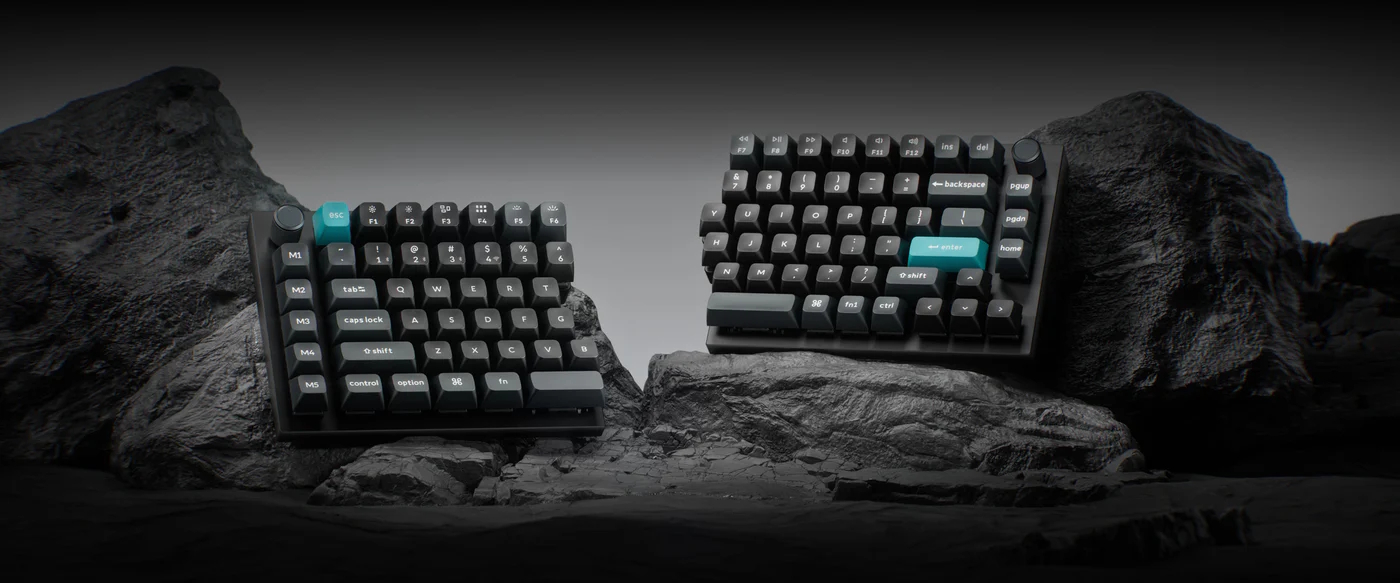
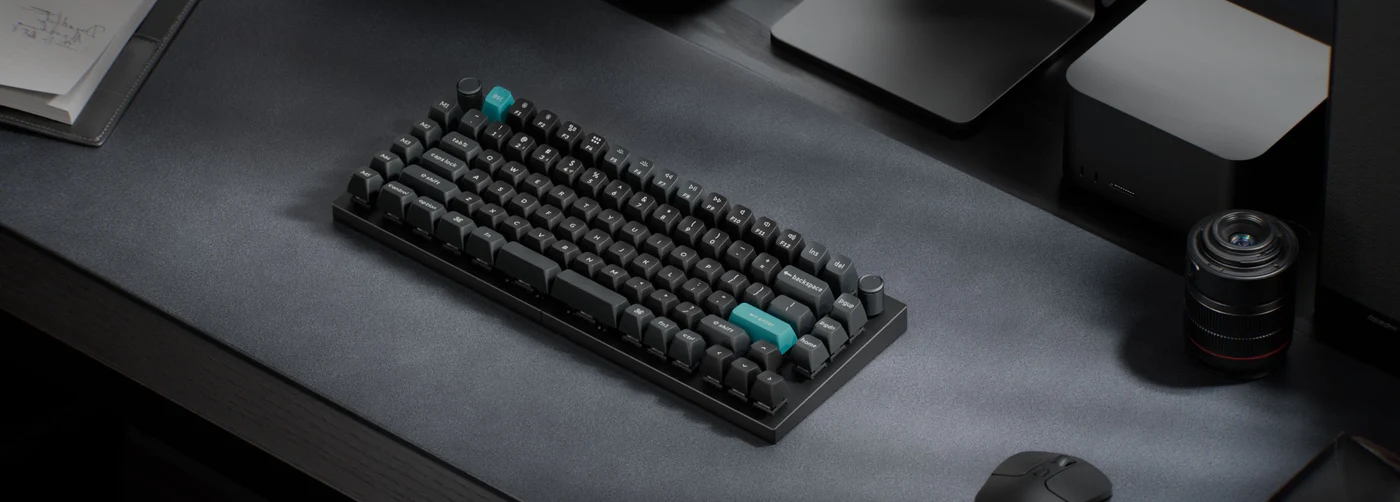
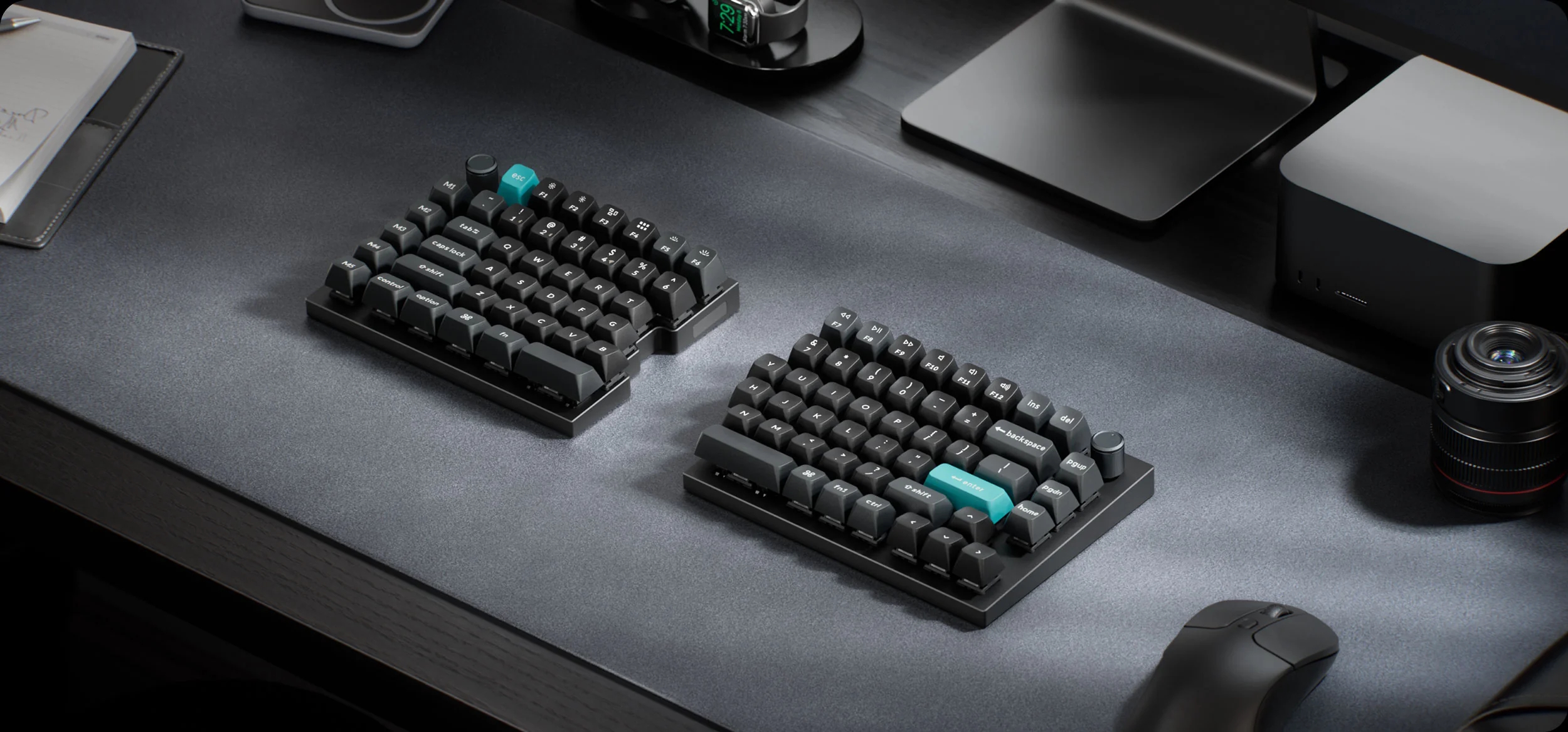
Keychron has announced the Q11 Ultra, an updated version of its 75% split mechanical keyboard. Unlike the original Q11, the Ultra model introduces wireless connectivity, eliminating both the cable to the PC and the interconnect cable between the two halves. 

The Q11 Ultra (via TechPowerUp) supports Bluetooth, 2.4 GHz wireless, and USB-C wired connections. When used in wired or 2.4GHz modes, the keyboard supports a polling rate of up to 8000Hz. Keychron claims the integrated dual batteries can deliver up to 300 hours of use on a single charge. The device maintains a row-staggered layout and includes a five-key macro column on the left, along with two programmable rotary knobs.

The chassis is constructed from CNC aluminium with an integrated top plate. It comes equipped with double-shot PBT keycaps in the KSA profile and is offered in a black colourway with blue accent keys. For the switches, the keyboard uses Keychron's Silk POM ones, available in Red (linear), Brown (tactile), or Banana (sharp tactile) variants. The PCB is hot-swappable and supports both 3-pin and 5-pin MX mechanical switches.

Customisation is handled via the Keychron Launcher web-based software, allowing for per-key south-facing RGB programming and macro remapping. While the Q11 Ultra features the brand's latest high-efficiency firmware, it does not include the decorative bottom panel found on other Ultra-series models. The keyboard is currently available for $239.99 on the Keychron online store.

Discuss on our Facebook page, HERE.

KitGuru says: Are you a fan of split-keyboard designs? If you were to try one, would you consider the new Keychron Q11 Ultra?

The post Keychron launches Q11 Ultra with 8kHz polling first appeared on KitGuru.

Mionix returns with handmade carbon fiber Avior Air flagship mouse

6 May 2026 at 09:30

Mionix has announced the Avior Air Carbon Fiber, a new limited-edition gaming mouse featuring a handmade carbon fibre shell and an eye-watering price.

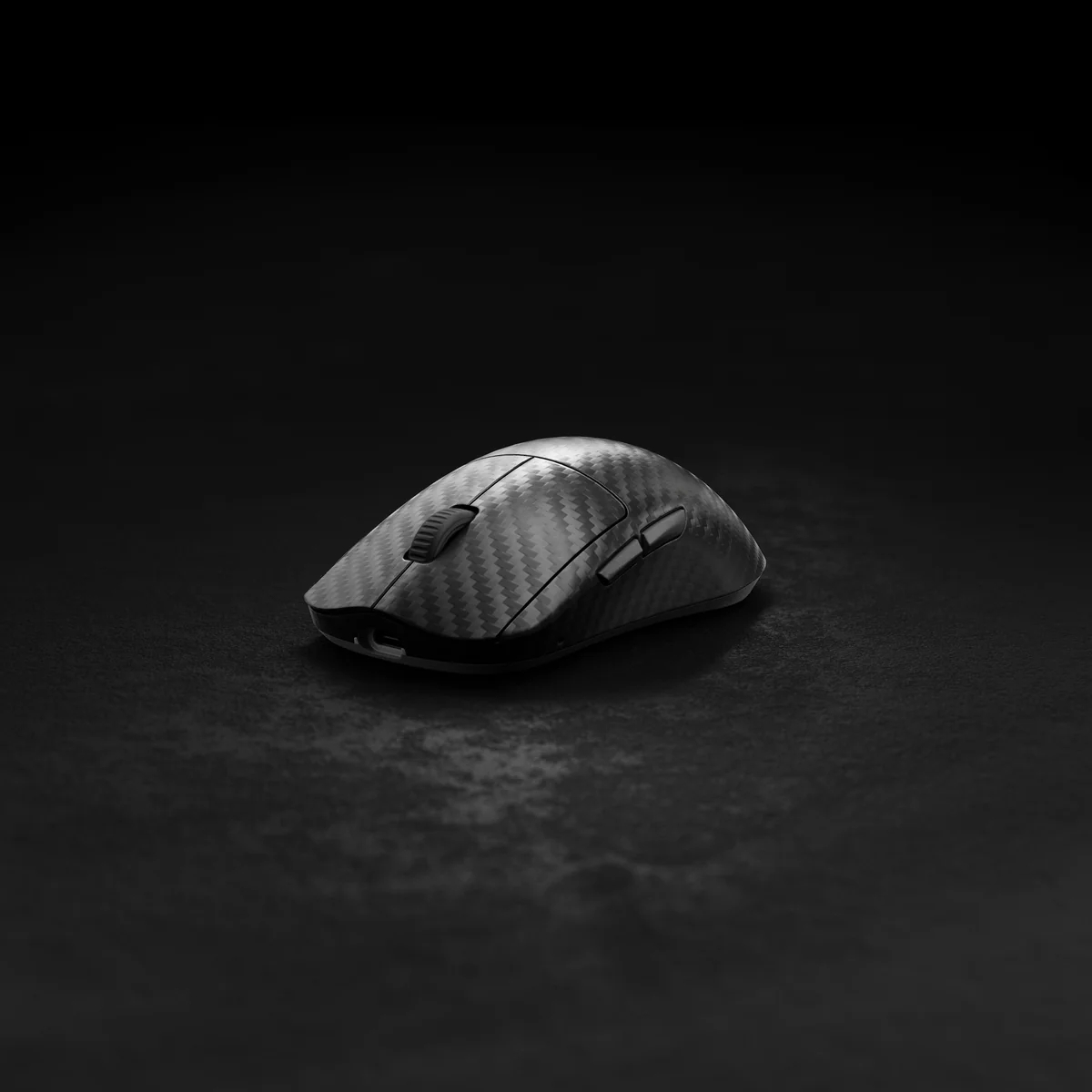
The Avior Air Carbon Fiber introduces a redesigned Avior body, shifting from a balanced hump to a rear-placed, back-loaded profile optimised for claw, fingertip, and hybrid grips. Each shell is constructed from heat-formed, CNC-trimmed woven carbon fibre. The design features separate left- and right-hand primary button panels to improve tactile consistency and removes all lighting to prioritise weight and battery life. Weighing 42 ± 2 g, the mouse uses Nordic Semiconductor's nRF54H20 chipset to support native 8K wireless polling.

Internal specifications include the PixArt PAW3950 optical sensor, which provides up to 30,000 DPI, 750 IPS tracking, and 50G acceleration. The mouse uses Raesha's optical-mechanical hybrid microswitches, rated for 100 million clicks, and a matching hybrid encoder. Its wireless platform enables polling rates up to 8000Hz, delivering a 0.125ms response time.

The mouse includes a “Dual Glide System”, shipping with both PTFE dot feet and full-size tempered glass skates. Software customisation is handled via the Mionix Galaxy Web Software, which includes the S.Q.A.T. surface analysis tool and onboard memory management. Pre-orders are now open, but with an MSRP of €299.99/$299.99, it's definitely not a mouse for everyone. However, Mionix is offering a 20% pre-order rebate through the end of May, reducing the price to €239.99/$239.99. Deliveries are scheduled for early August.

Discuss on our Facebook page, HERE.

KitGuru says: There are a lot of 8000Hz gaming mice hitting the market at this point. Have you tried one already? Or are you considering it for your next upgrade? 

The post Mionix returns with handmade carbon fiber Avior Air flagship mouse first appeared on KitGuru.

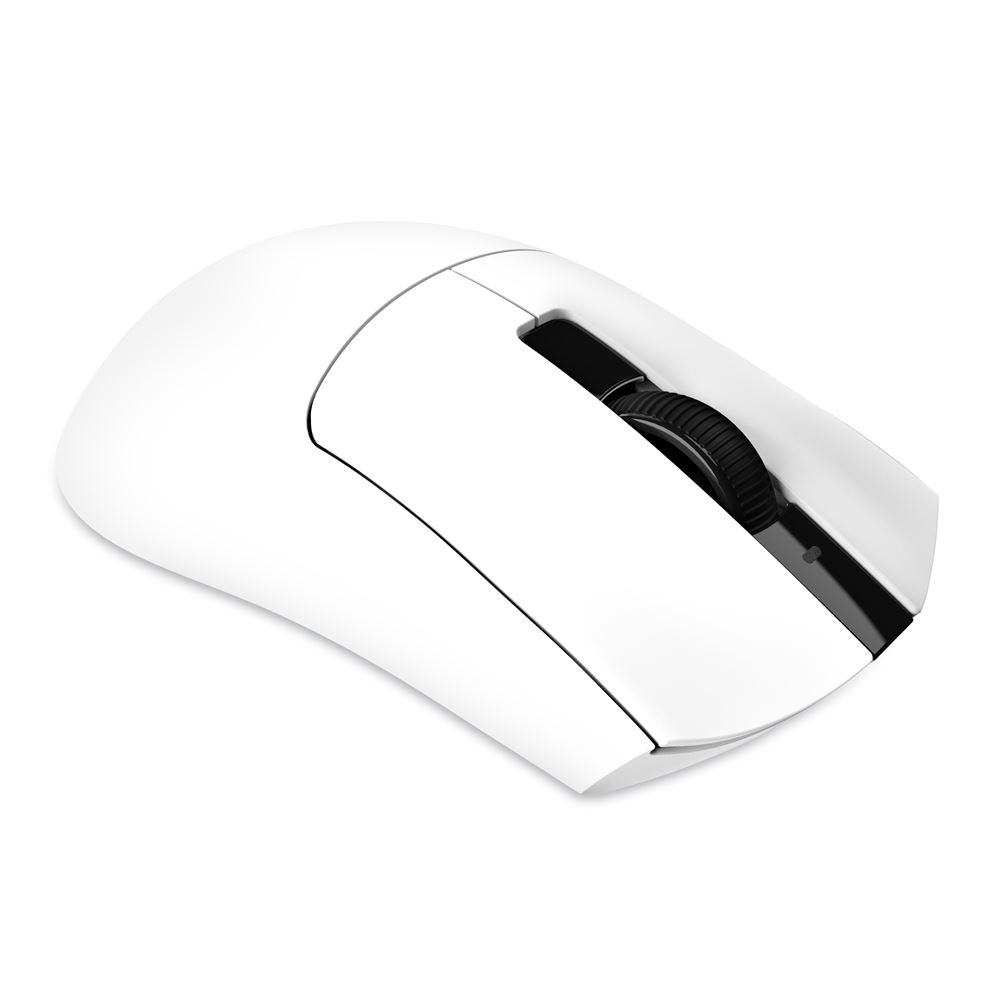
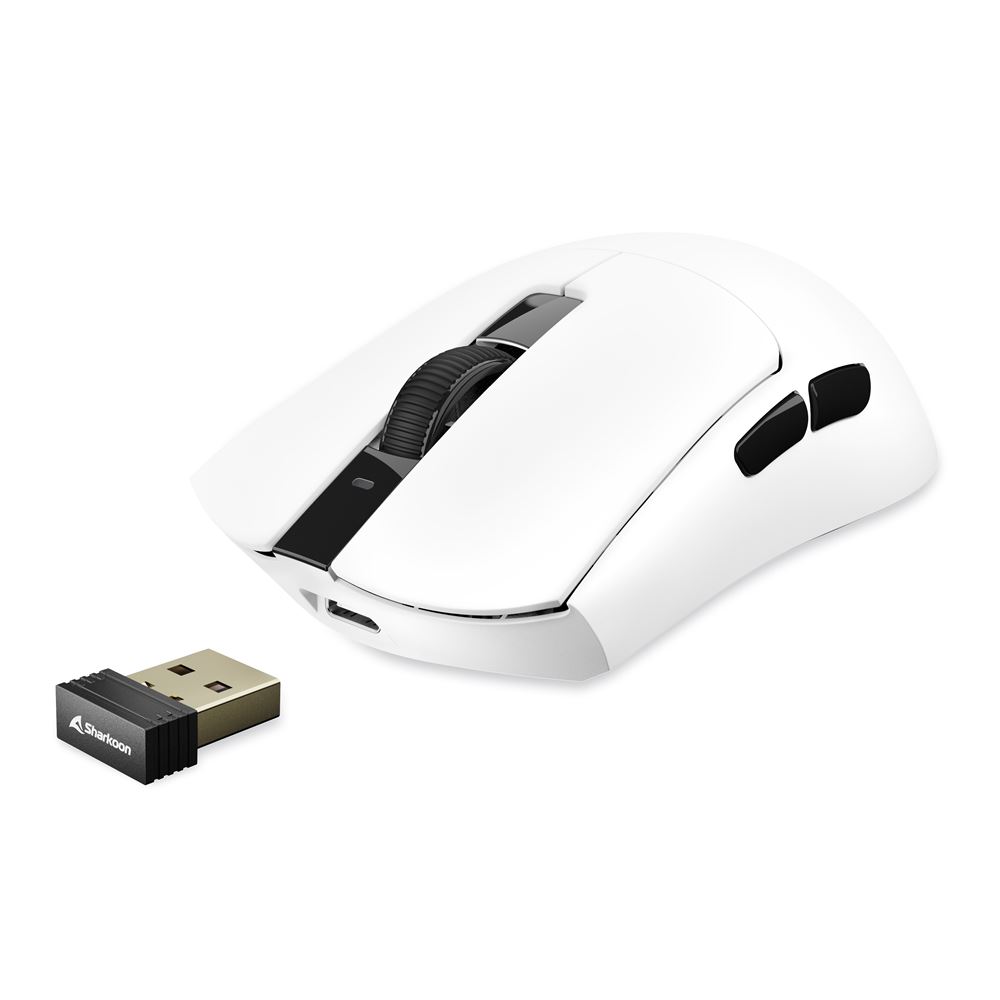
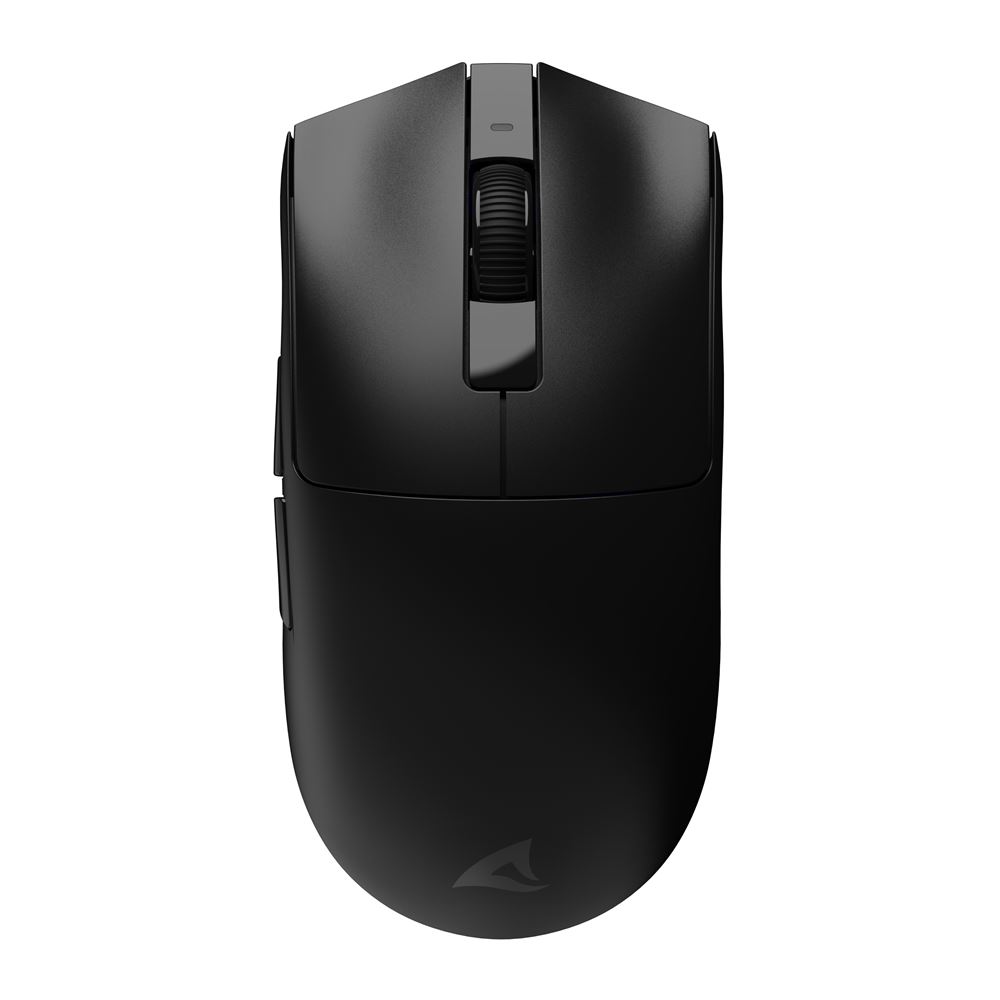
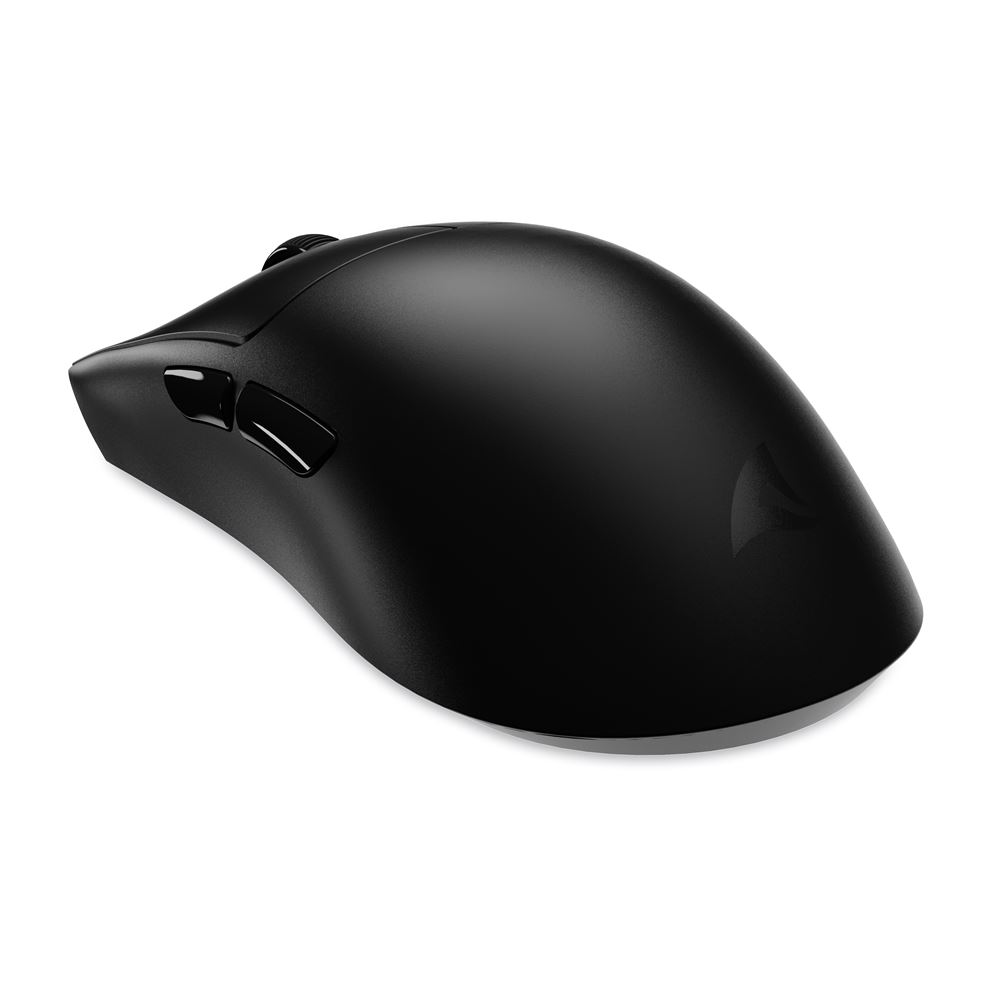
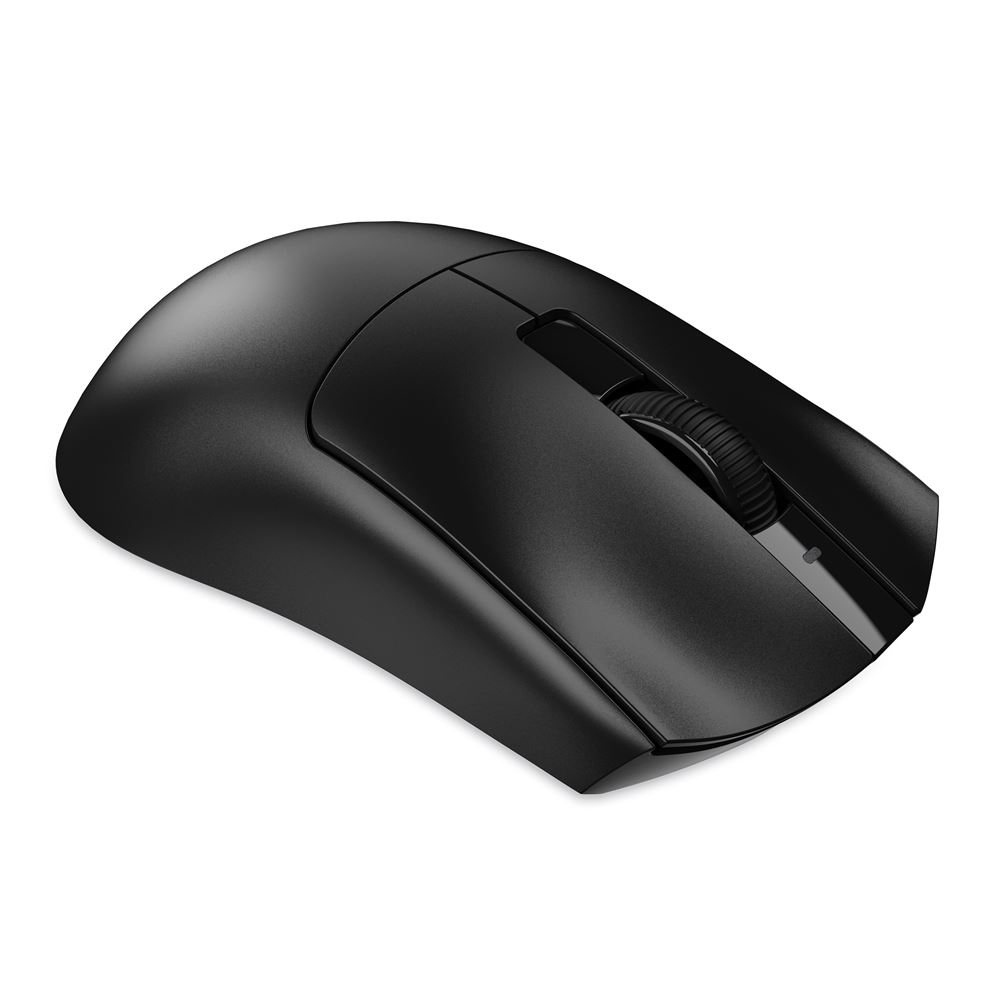
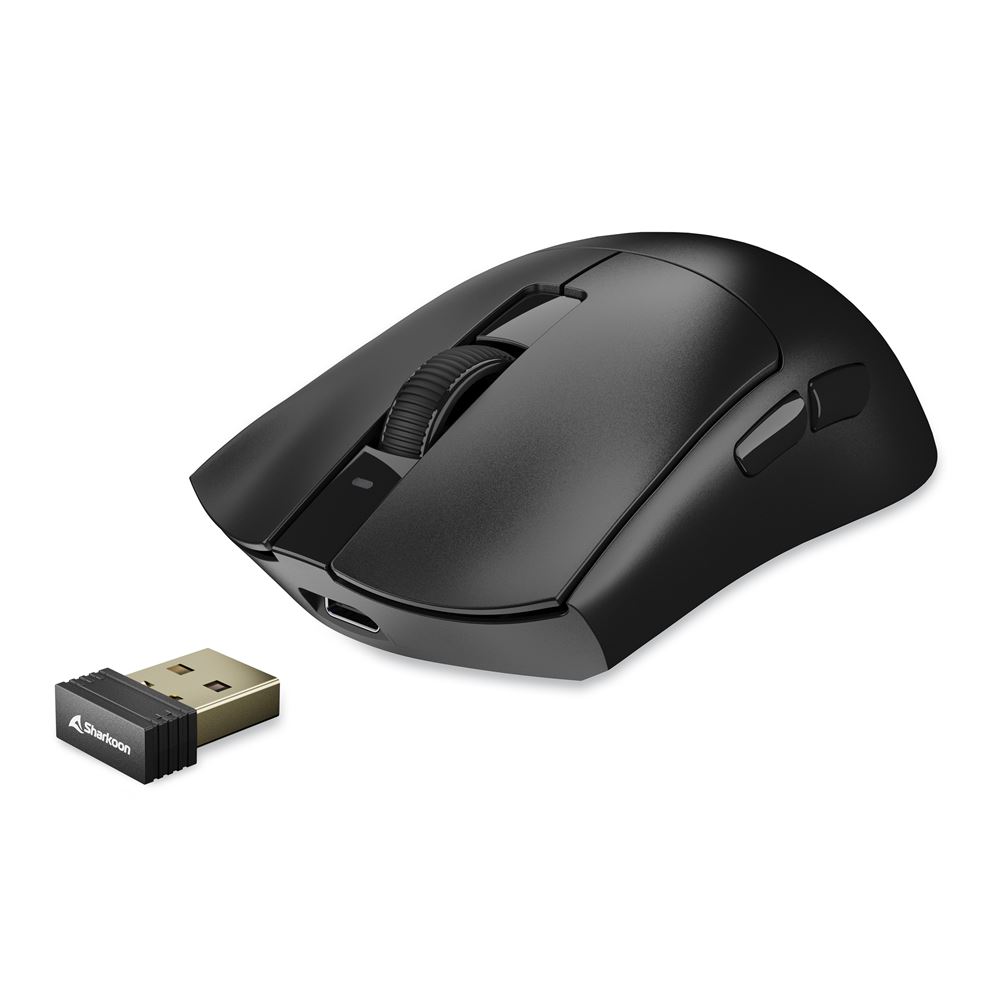
Sharkoon Fireglider mouse returns in a 50g wireless format

24 April 2026 at 16:00

Sharkoon is reviving the Fireglider, a mouse that debuted in 2009. However, the new Fireglider One is a complete departure from its laser-sensor ancestor, trading the heavy, flame-patterned aesthetic for a minimalist, ultra-lightweight design. Launching at a highly aggressive price point, this mouse positions itself as one of the most affordable high-performance wireless options on the market.

Despite its price, the Fireglider One (via Cowcotland) weighs under 50 grams, a feat achieved in part by using a smaller 300 mAh battery. Sharkoon claims this battery provides approximately 100 hours of usage via its 2.4 GHz wireless connection, which should satisfy most gamers without requiring a daily recharge. The mouse measures 127.5 x 64 x 40 mm, making it a full-sized symmetrical peripheral that avoids the “mini” footprint often found in ultra-light mice.

Under the hood, Sharkoon has opted for the PixArt PAW3311 optical sensor, offering up to 12,000 DPI and support for up to 35g of acceleration. The primary buttons feature Huano switches rated for 20 million clicks. Interestingly, while the mouse features 512KB of onboard memory for storing DPI profiles, it entirely foregoes dedicated configuration software. This “plug-and-play” approach means users switch between pre-set DPI levels via a button on the underside, keeping the experience simple and driver-free.

The hardware package is rounded out with a USB-C charging port and a storage compartment for the 2.4 GHz receiver. Sharkoon also includes a secondary set of PTFE feet within the package. Some European retailers already have it listed at around €30.

KitGuru says: By focusing on the essentials, the Fireglider One is a compelling choice for budget-conscious builders who want a simple gaming mouse.

The post Sharkoon Fireglider mouse returns in a 50g wireless format first appeared on KitGuru.

MSI expands the Versa 300 mouse lineup with 8000Hz variant

22 April 2026 at 16:00

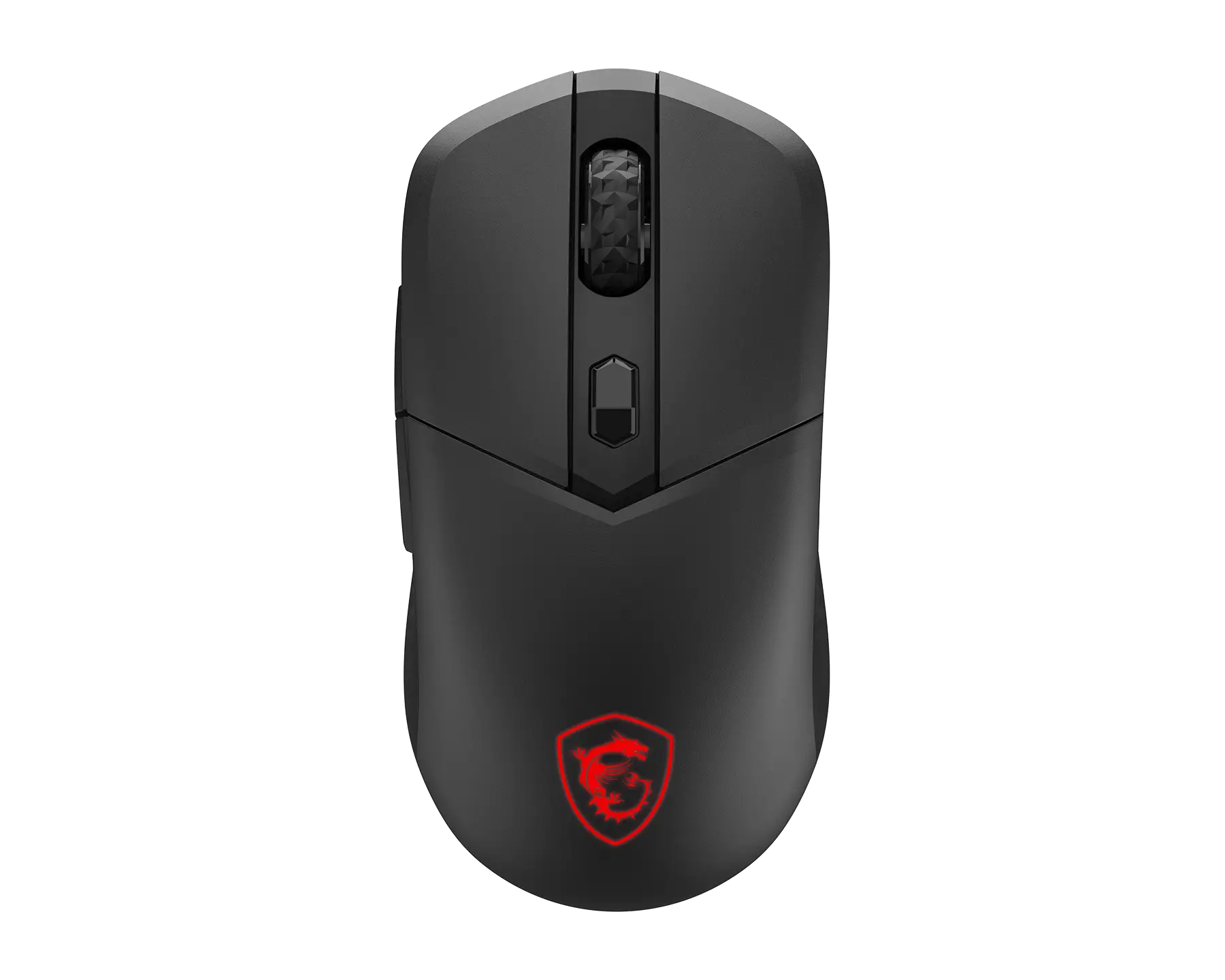
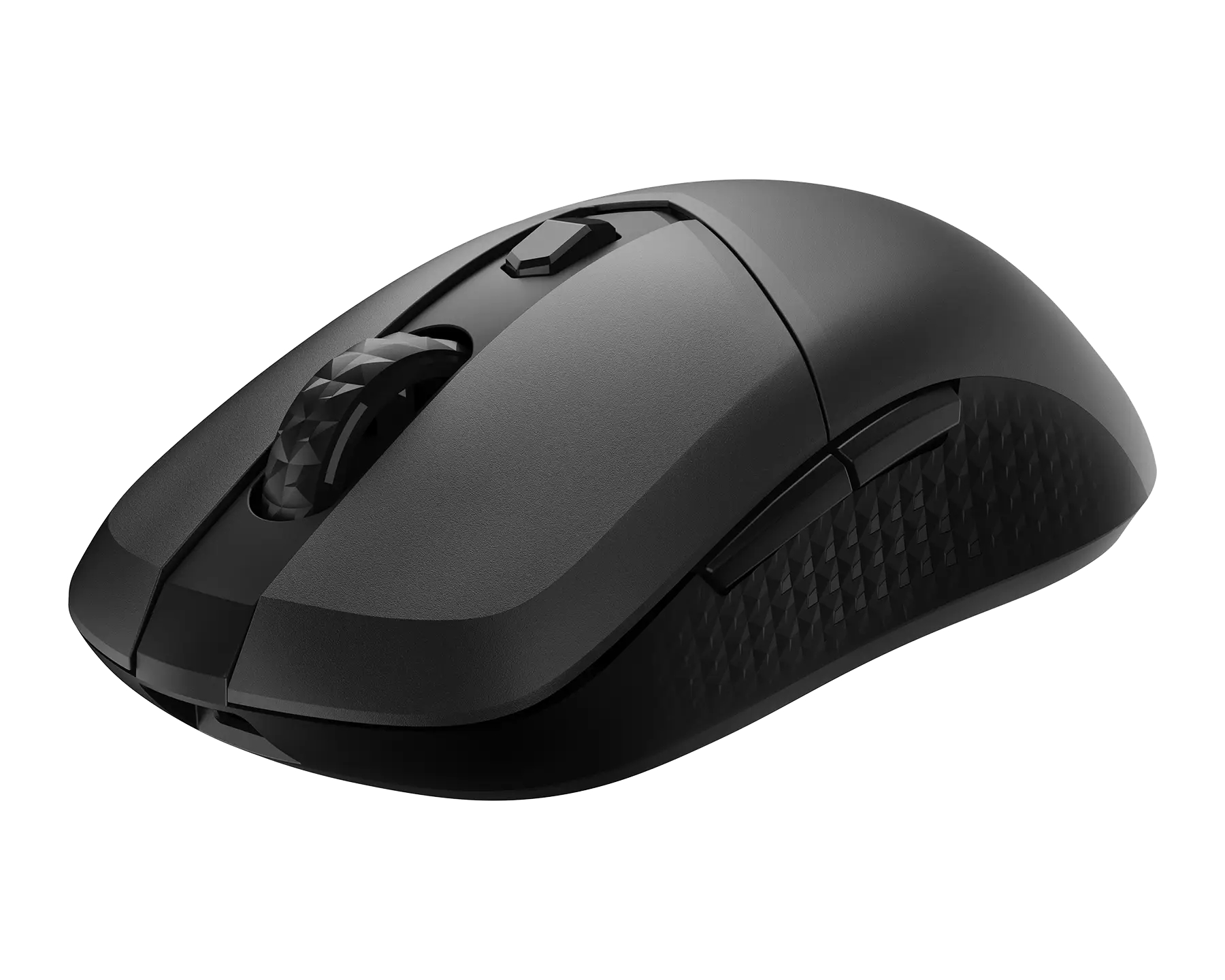
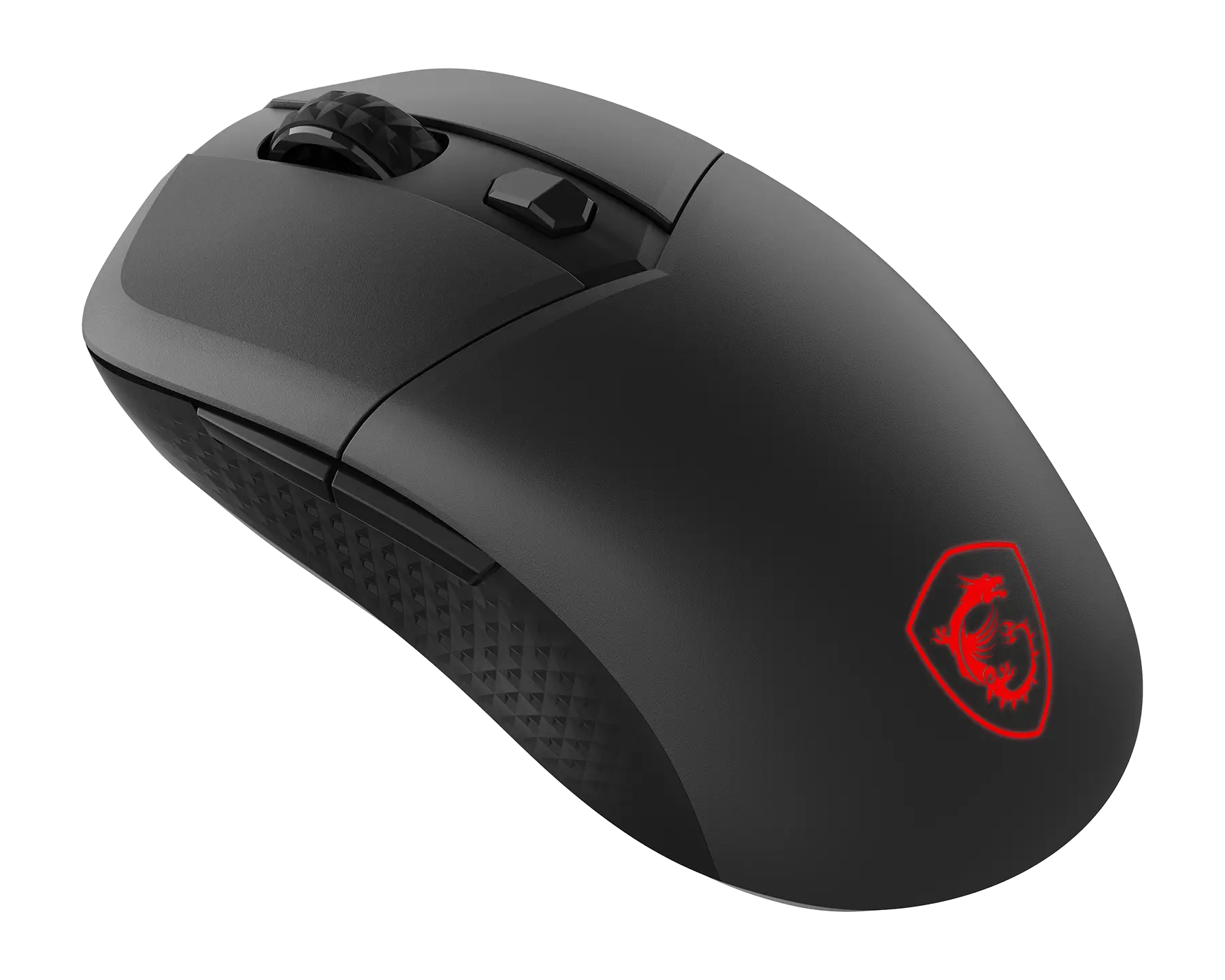
MSI has officially released the Versa 300 Wireless 8K, marking the brand's first foray into the 8K polling rate market. This mouse is built on a symmetrical chassis weighing just 66g, designed to balance competitive speed with ergonomic support for various grip styles.

The Versa 300 Wireless 8K mouse is available in both black and white and features the high-end PixArt PAW3395 optical sensor, which provides a maximum sensitivity of 26,000 DPI and a tracking speed of 650 IPS. By using an 8K polling rate, the device reduces input latency to just 0.125ms, providing a significant advantage in fast-paced titles. To ensure long-term durability, MSI has equipped the primary buttons with Omron switches rated for over 60 million clicks.

Connectivity is handled through a tri-mode system, allowing users to switch between the low-latency MSI Swiftspeed 2.4G wireless, Bluetooth 5.3, or a traditional USB-C wired connection. As for the battery life, it remains a strong point for the series, with the 8K model delivering up to 196 hours of playtime on a single charge when the RGB lighting is disabled.

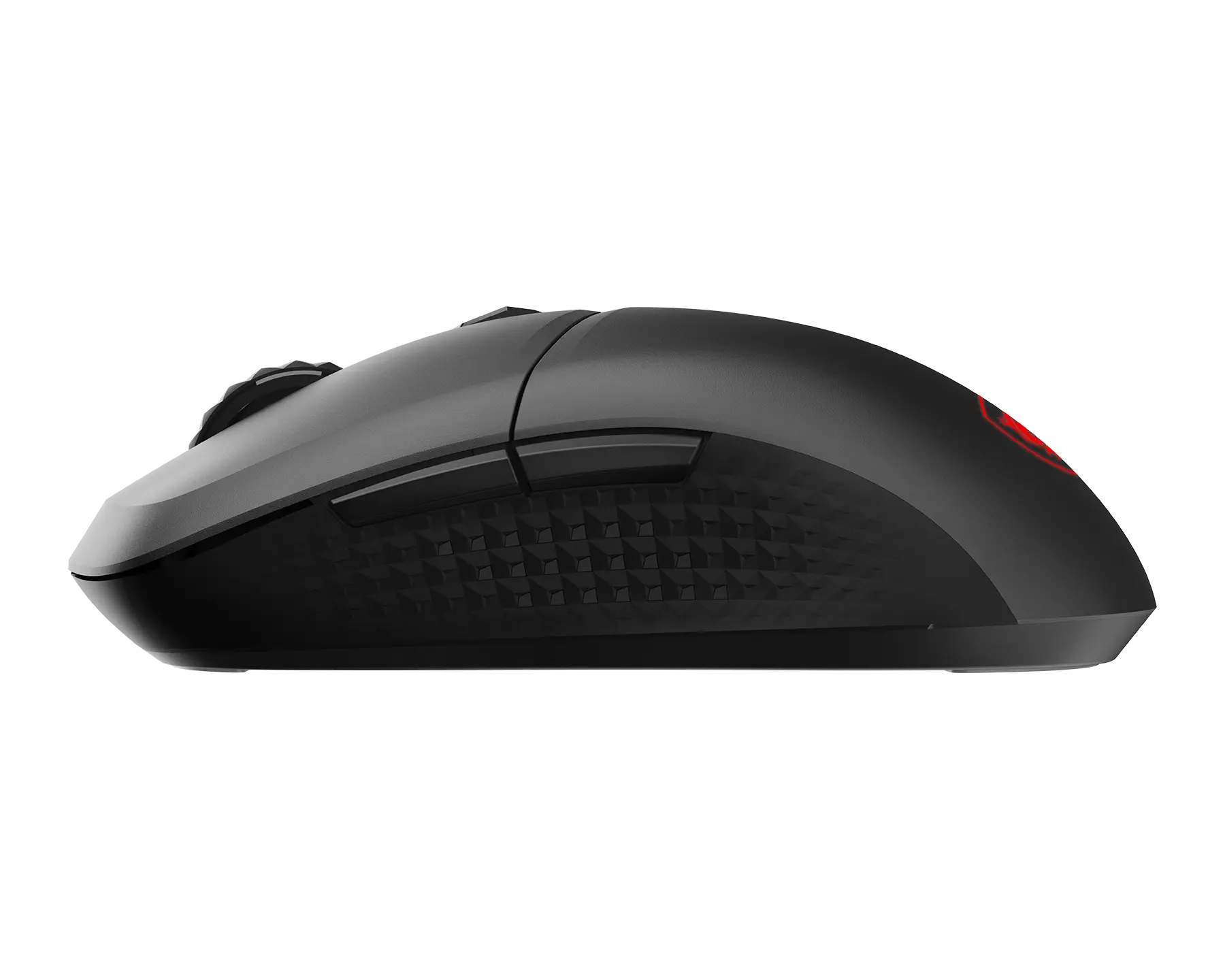
The physical design includes anti-slip diamond-patterned side grips to maintain control during movement. For software customisation, MSI has introduced Portal X. This browser-based interface lets users adjust lighting effects and button mappings directly in a web browser, without installing a full software suite. Traditionalists can still use the MSI Center software if they so wish.

Discuss on our Facebook page, HERE.

KitGuru says: It's nice to see the move toward browser-based configuration tools like the Portal X. Do you think we're finally seeing the end of bloated desktop software for gaming peripherals?

The post MSI expands the Versa 300 mouse lineup with 8000Hz variant first appeared on KitGuru.

Keychron introduces G4 and G5 symmetrical gaming mice with 8K polling rate

19 April 2026 at 13:00

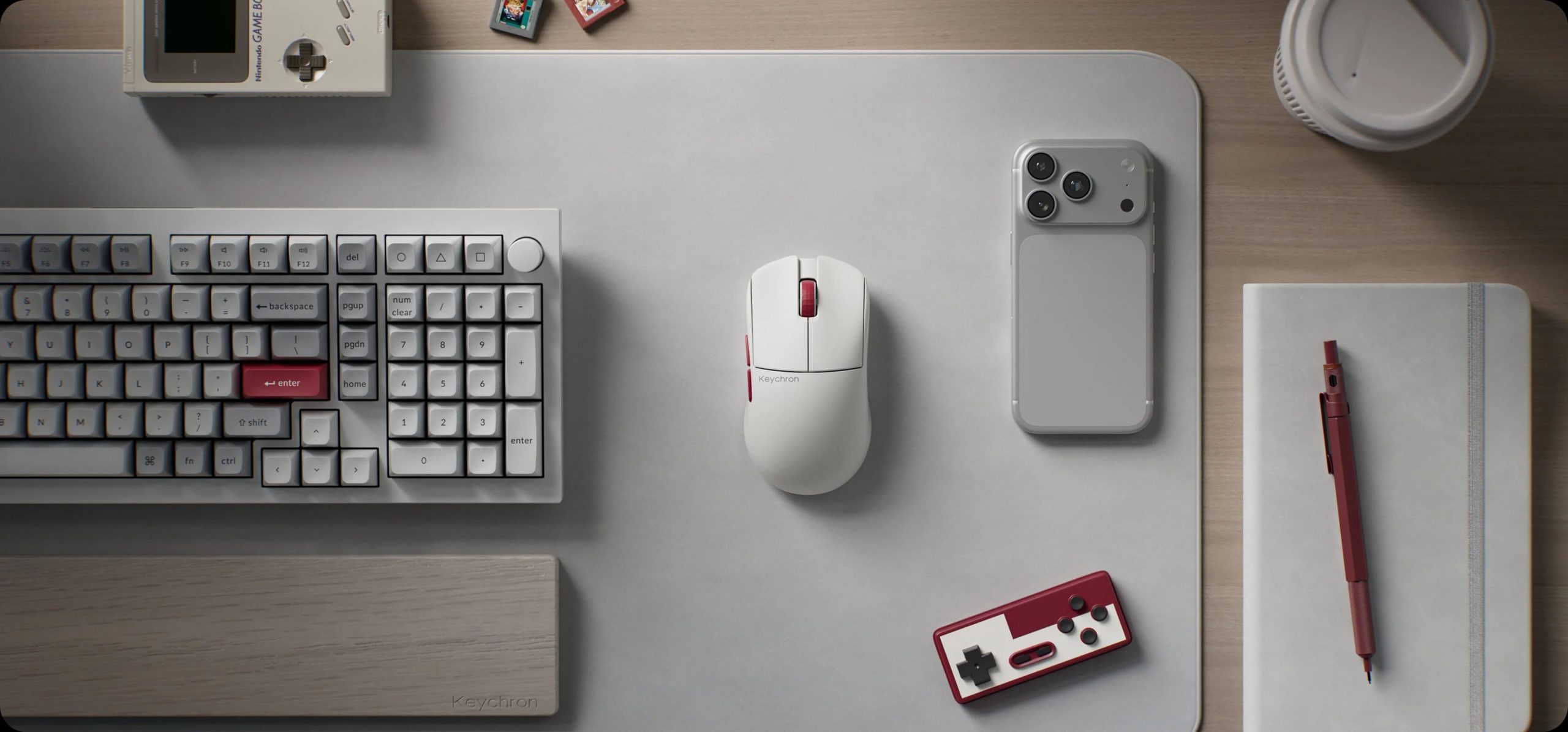
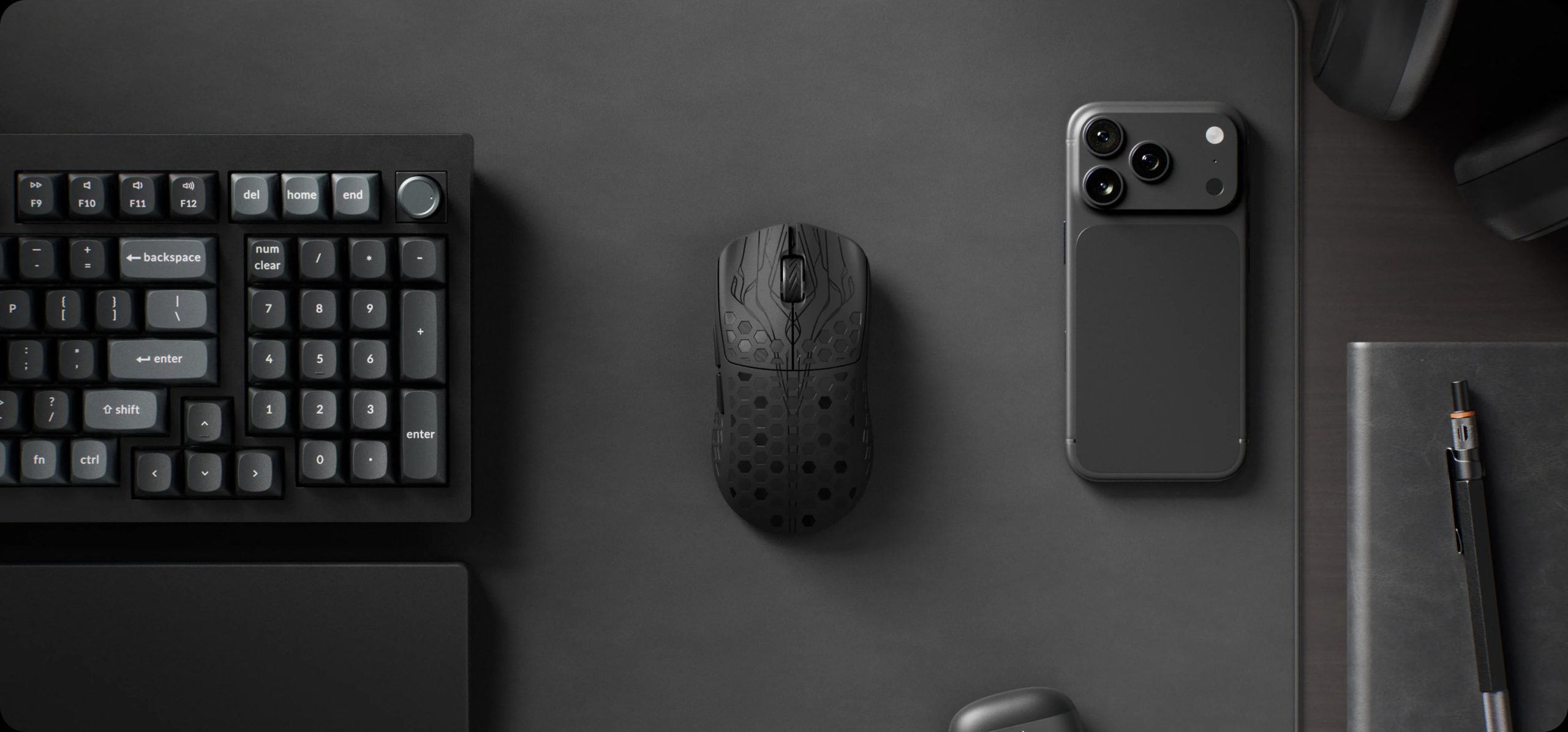
Keychron is expanding its wireless mouse line-up with the new G4 and G5 symmetrical gaming mice. Both models feature the PixArt PAW 3950 sensor and support polling rates up to 8kHz via 2.4GHz and wired connections. The G4 features an ABS shell and a retro aesthetic, while the G5 utilises carbon fibre to achieve a weight of 43g.

According to TechPowerUP, despite being smaller in physical dimensions, the G4 weighs 55g due to its ABS construction and retro off-white and reddish-brown colour scheme. The G5 features a larger frame but weighs just 43g thanks to its carbon fibre shell. Both mice share a symmetrical mid-hump design, though the G4 includes pixelated hardware toggles on its base.

Technical specifications confirmed by Keychron include the PixArt PAW 3950 sensor and tri-mode connectivity supporting 2.4GHz wireless, Bluetooth 5.3, and wired USB-C. For primary inputs, both models use Huano Transparent Yellow Shell White Dot switches, rated for 120 million clicks. The 8kHz polling rate is supported in both 2.4GHz and wired modes for reduced input latency.

Both mice are equipped with a 500mAh battery. For the G4, Keychron claims battery life of up to 130 hours in Bluetooth mode, 130 hours at 1kHz polling, and 36 hours at 4kHz polling. The G5 is rated for higher efficiency, delivering up to 162 hours in Bluetooth mode, 153 hours at 1kHz, and 38 hours at 4kHz. The G5 features a traditional dark aesthetic to contrast with the G4's retro styling. The Keychron G4 is available for $79.99, while the G5 is priced at $109.99.

Discuss on our Facebook page, HERE.

KitGuru says: Which new Keychron mouse do you prefer?

The post Keychron introduces G4 and G5 symmetrical gaming mice with 8K polling rate first appeared on KitGuru.

Turtle Beach Stealth Pro II introduced with dual 40-hour batteries

17 April 2026 at 14:30

Turtle Beach has announced the Stealth Pro II wireless multiplatform gaming headset, succeeding the original Stealth Pro. The flagship peripheral features 60mm Eclipse dual drivers and is certified for 24-bit/96kHz Hi-Res Wireless Audio. It is scheduled for release on May 17th, with pre-orders now open.

Available in black (PC and Xbox) and white (only Xbox), the Stealth Pro II headset uses a 2.4GHz ultra-low-latency connection and supports simultaneous Bluetooth for mobile devices. Turtle Beach confirms the inclusion of CrossPlay 2.0 technology, which allows users to switch between up to 4 platforms via a dedicated transmitter dock. The Xbox model supports Xbox Series X|S, Xbox One, PS5, PS4, and PC, while the PC version is compatible with PlayStation, PC, and mobile systems.

For audio, the Stealth Pro II comes with 60mm Eclipse dual drivers with dedicated woofers and tweeters and Dolby Atmos support for three-dimensional audio. For noise management, the Stealth Pro II features Active Noise Cancellation using four internal microphones. Voice capture is handled by a 9mm unidirectional boom microphone with AI noise reduction, supplemented by integrated beamforming microphones for use when the boom arm is detached.

Power is provided by two swappable 40-hour battery packs, for a total of 80 hours of runtime. The chassis is constructed from anodised aluminium and soft-touch materials, featuring memory foam ear cushions and a mesh fabric suspension headband. Software customisation is available through the Swarm II companion app, which offers a 10-band audio EQ and microphone sensitivity adjustments. The product includes a hard carrying case and is available now for £299.99/$349.99/€349.99.

KitGuru says: Planning on getting a new headset? What do you think of the new Turtle Beach Stealth Pro II?

The post Turtle Beach Stealth Pro II introduced with dual 40-hour batteries first appeared on KitGuru.

Keychron launches 44g G3 wireless gaming mouse

16 April 2026 at 16:00

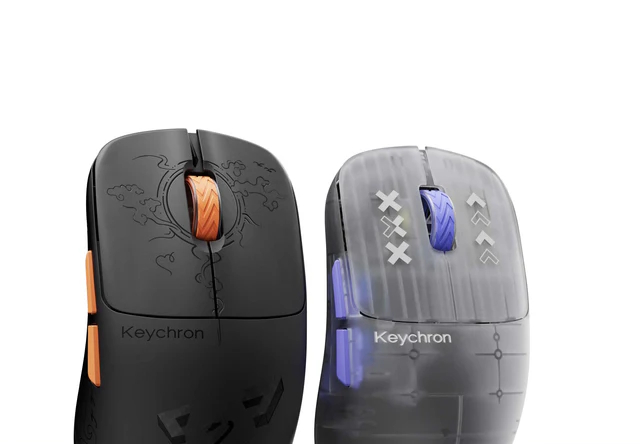
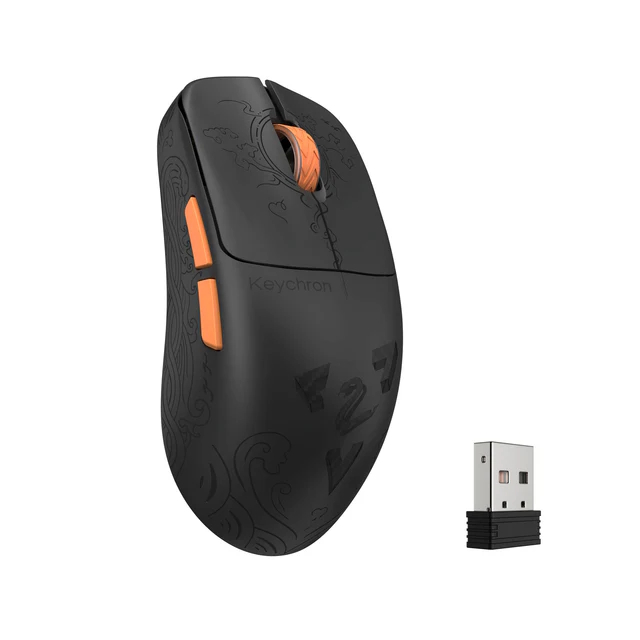
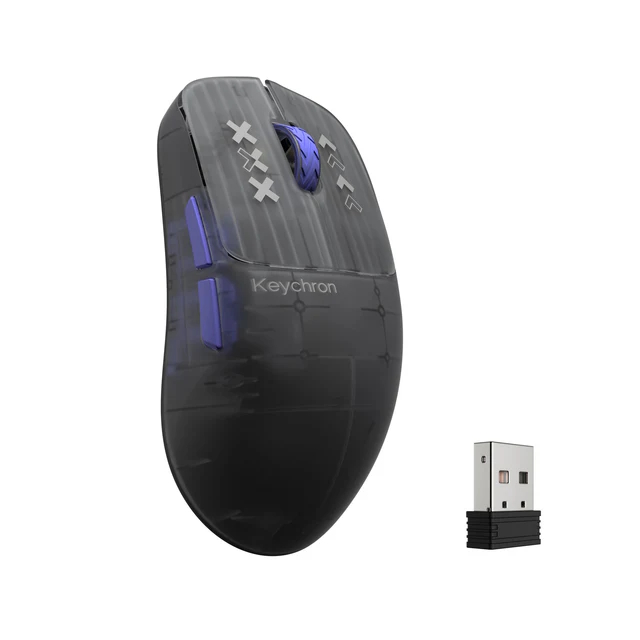
Keychron has launched the G3 wireless gaming mouse, a 44g ultra-lightweight peripheral featuring the PixArt PAW3950 sensor. The mouse is available in two material configurations: a cheaper translucent polycarbonate and a more expensive carbon fiber version. Both variants use identical internal hardware and support polling rates up to 8000Hz.

The G3 (via TechPowerUp) features a symmetrical chassis and Huano Transparent Shell White Dot mechanical switches, rated for 120 million clicks. Technical specifications for the PixArt 3950 sensor include a maximum sensitivity of 30,000 DPI, a tracking speed of 750IPS, and support for up to 50Gs of acceleration. Connectivity is provided via a tri-mode system supporting 2.4GHz wireless, Bluetooth 5.3, and USB-C wired.

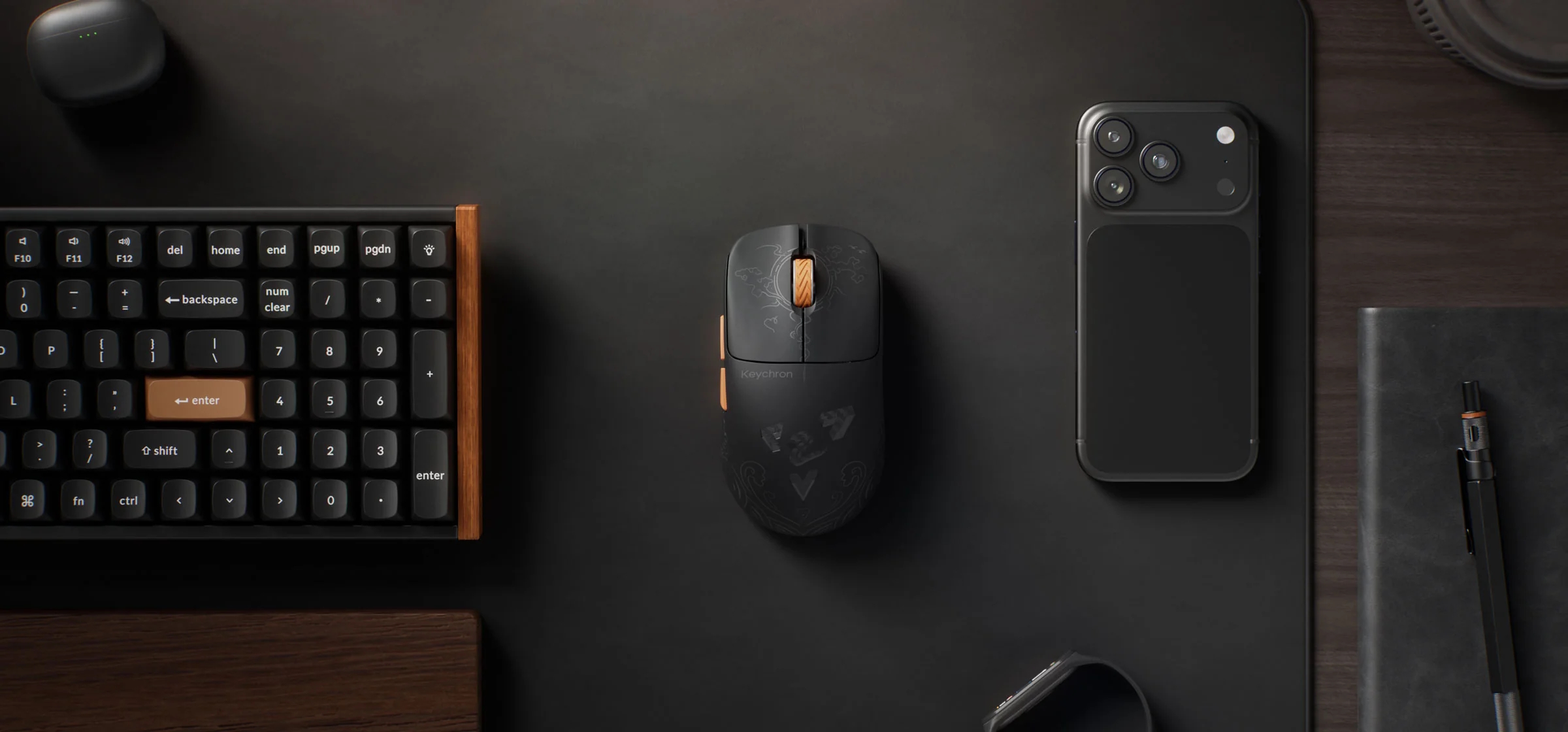
Power is supplied by a 500mAh battery, which Keychron claims provides up to 160 hours of operation in Bluetooth mode at a 125Hz polling rate. When using the 2.4GHz connection, battery life is rated at 140 hours at 1000Hz and 37 hours at the maximum 8000Hz setting. The carbon fibre model features a black finish with orange accents, while the translucent version combines with pastel purple ones.

The internal hardware includes a high-speed Nordic 52840 MCU to manage the 8K polling performance. While both models weigh 44g, the carbon fibre version uses a composite top shell paired with an ABS base to maintain structural rigidity. The two mouse variants are available now: the translucent version at $84.99 and the carbon fibre version at $109.99.

Discuss on our Facebook page, HERE.

KitGuru says: Of the two G3 mouse variants, which one do you like the most?

The post Keychron launches 44g G3 wireless gaming mouse first appeared on KitGuru.
❌
❌