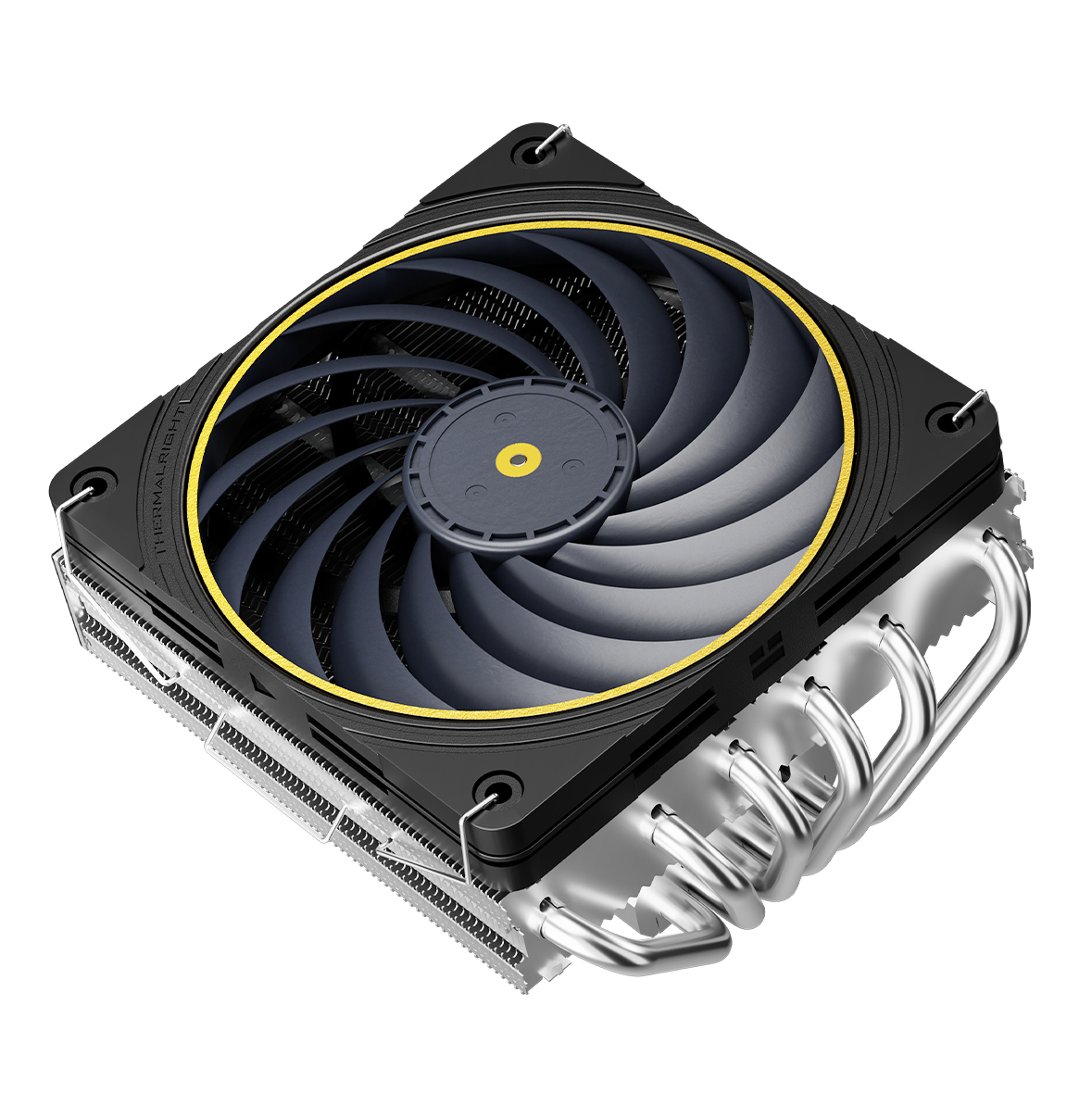
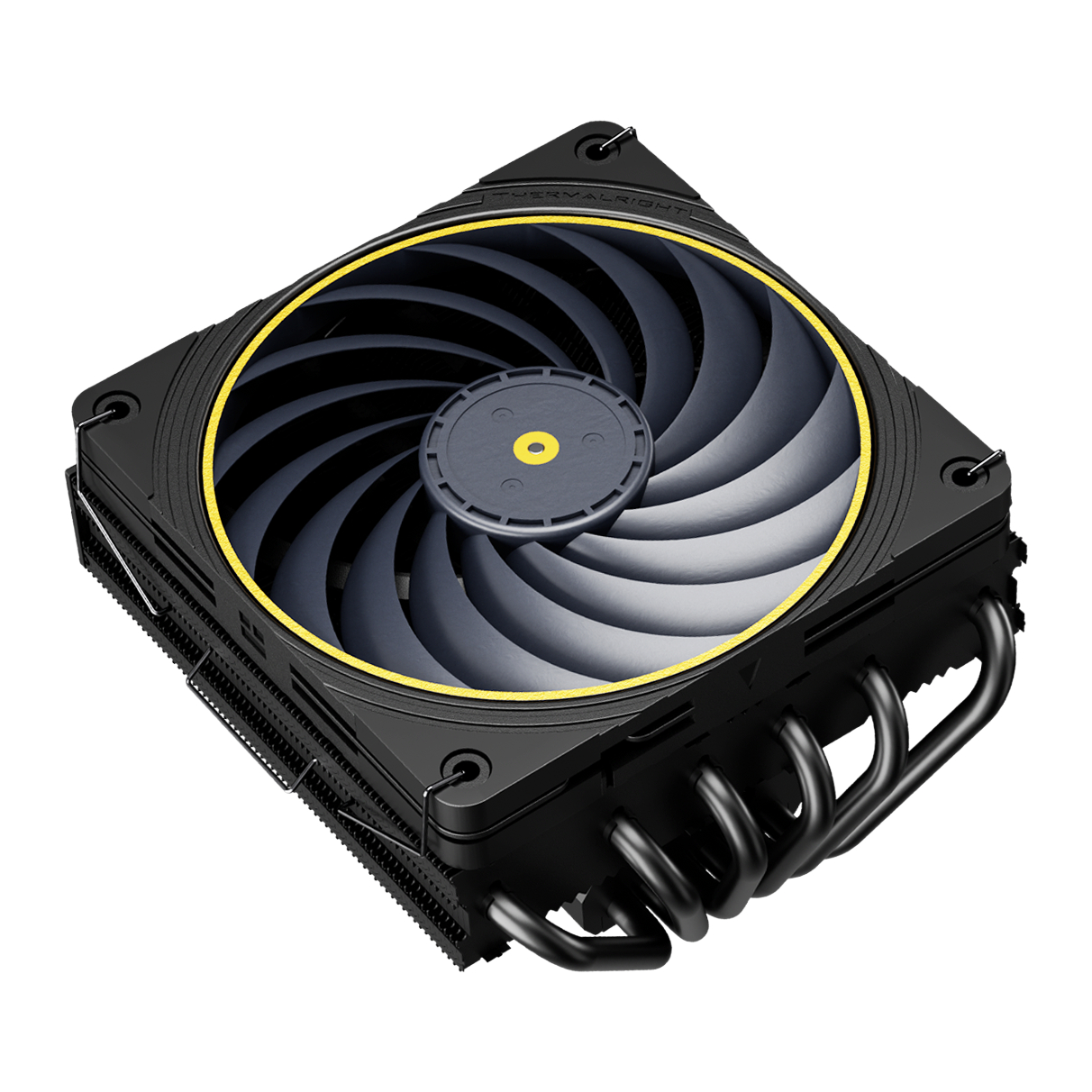
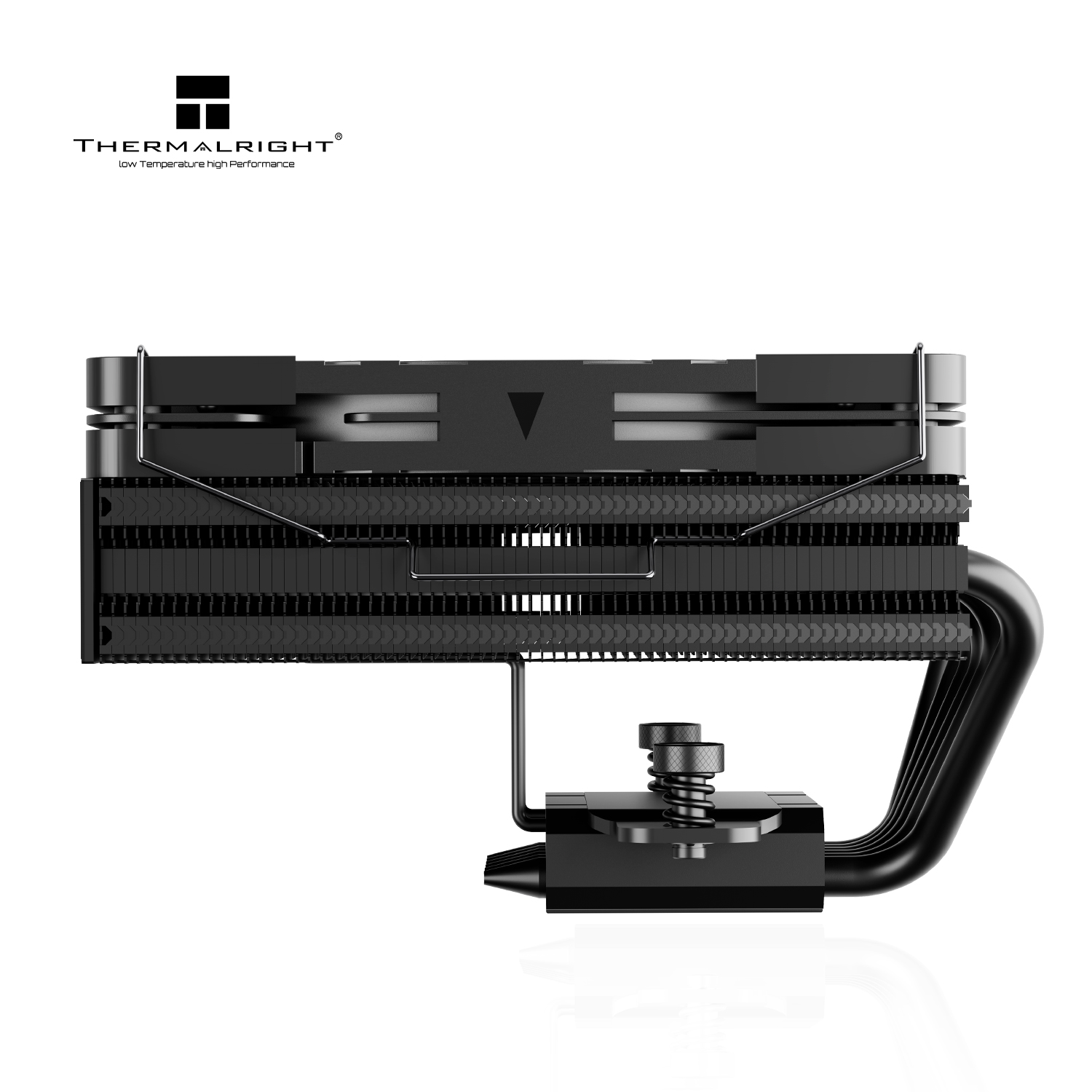
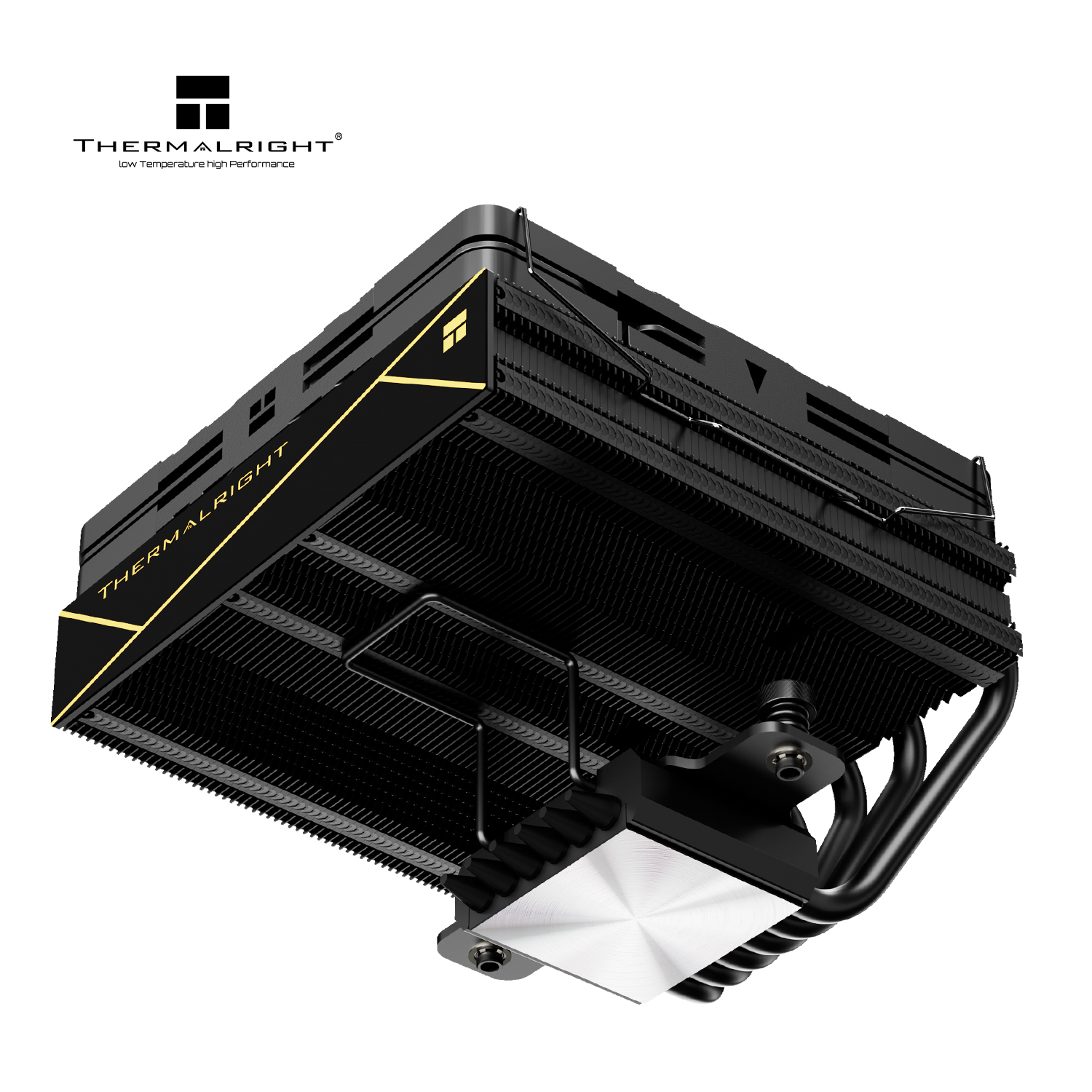
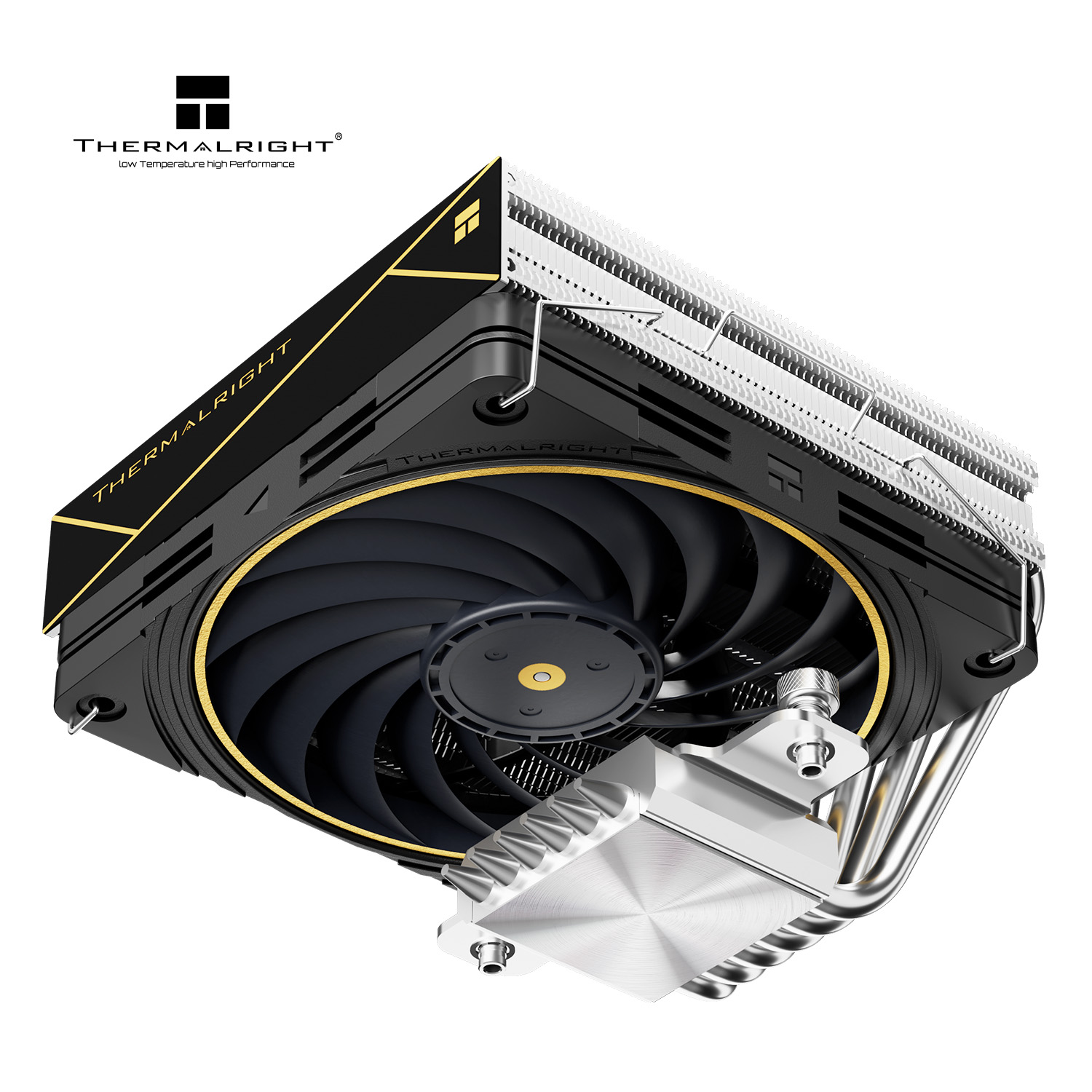
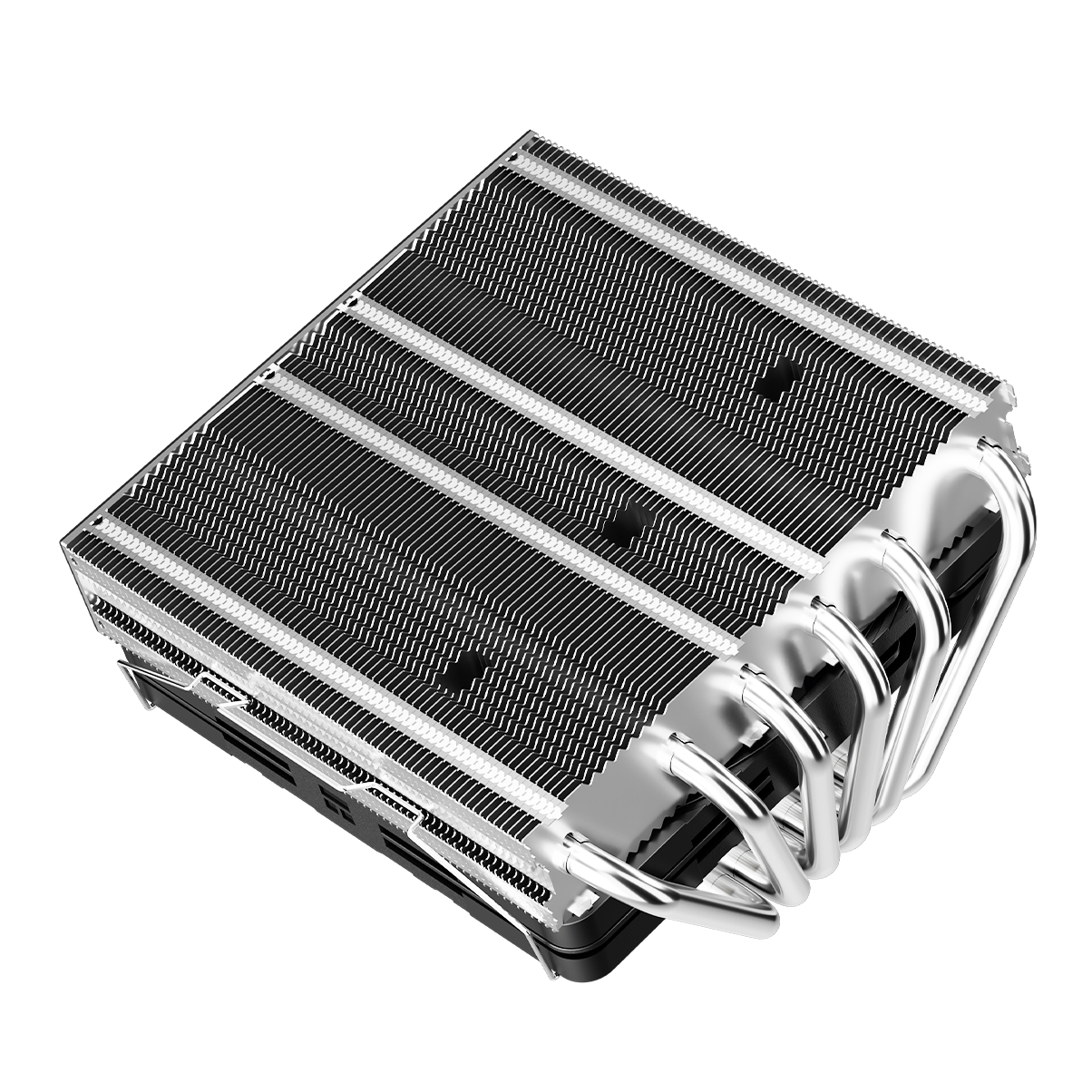
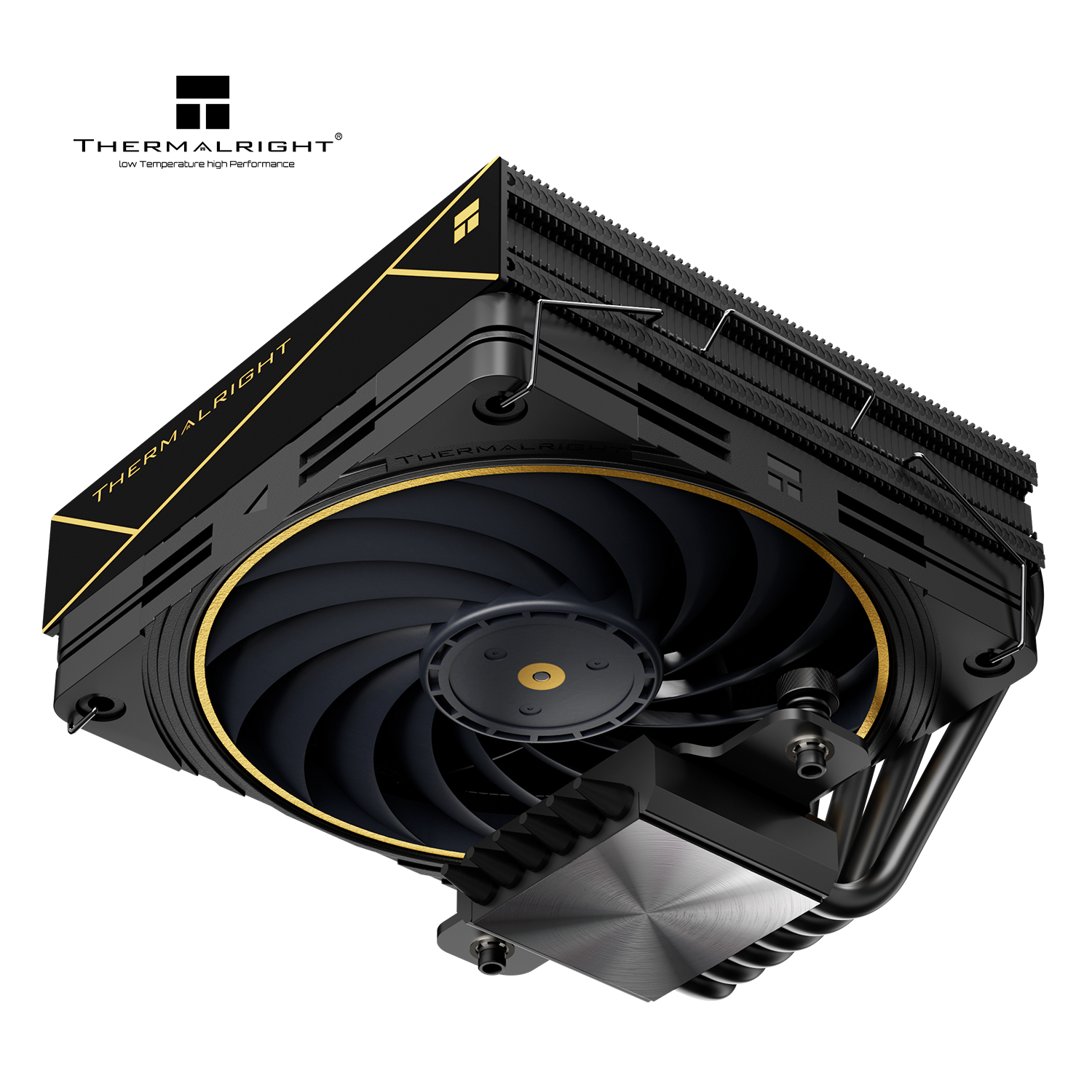
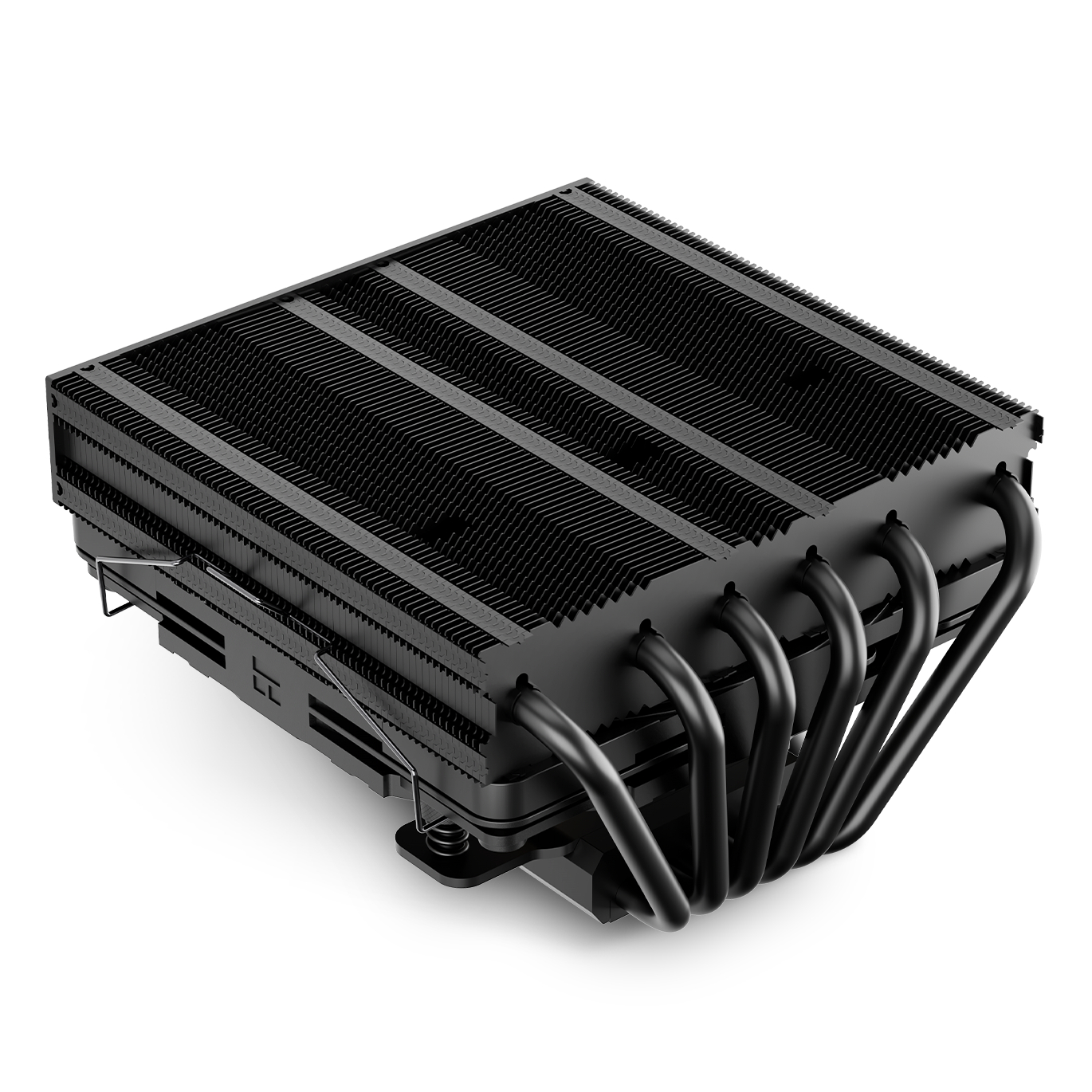
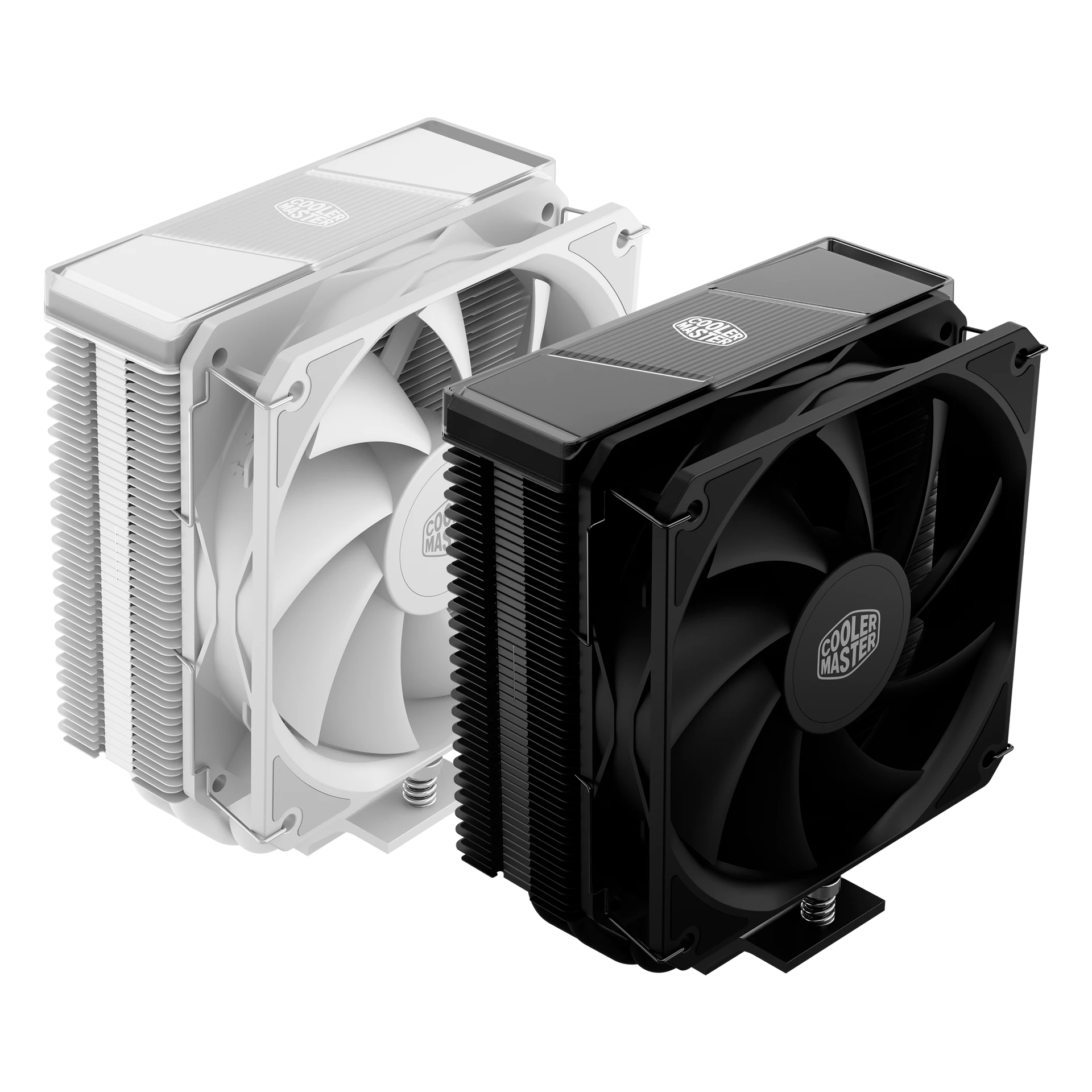
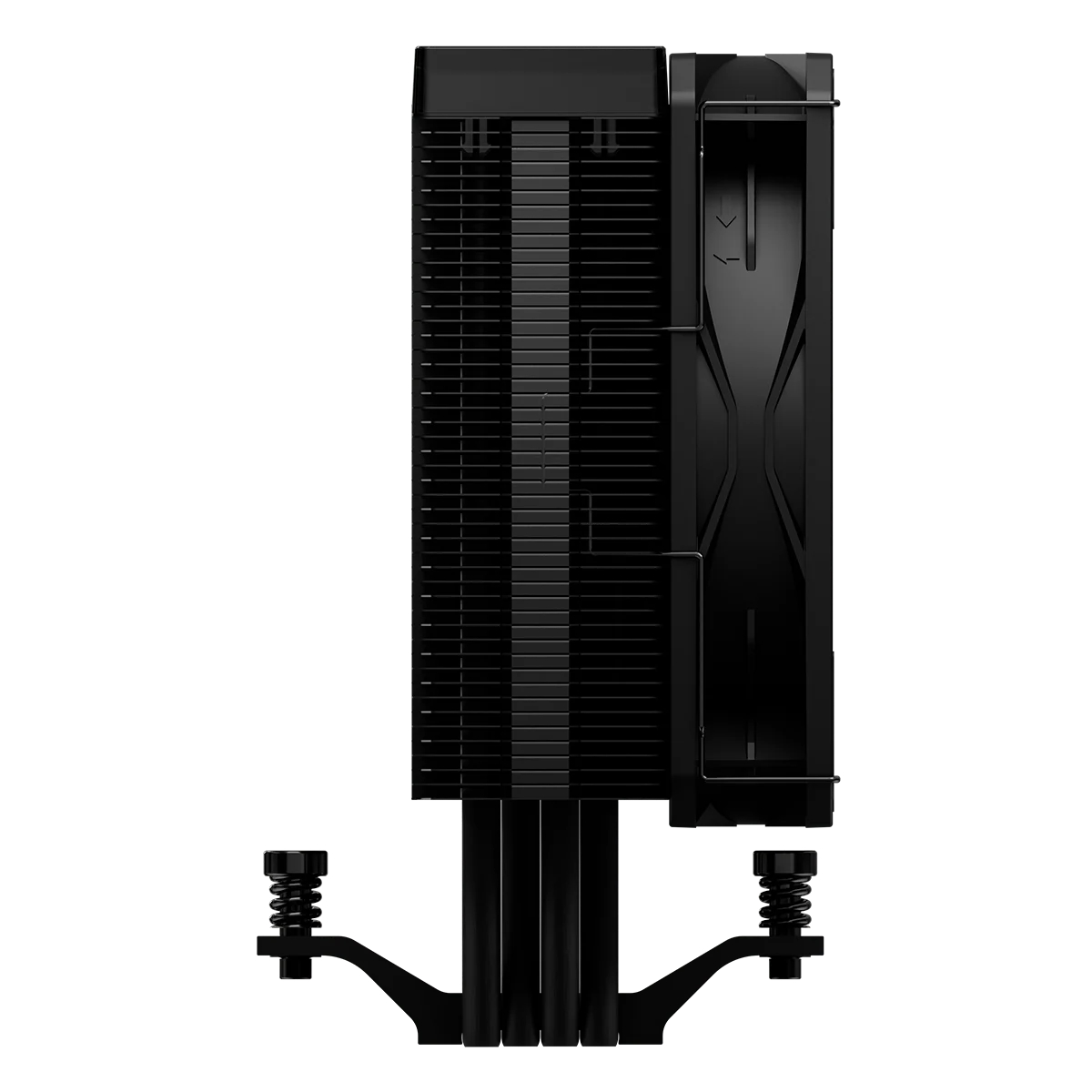
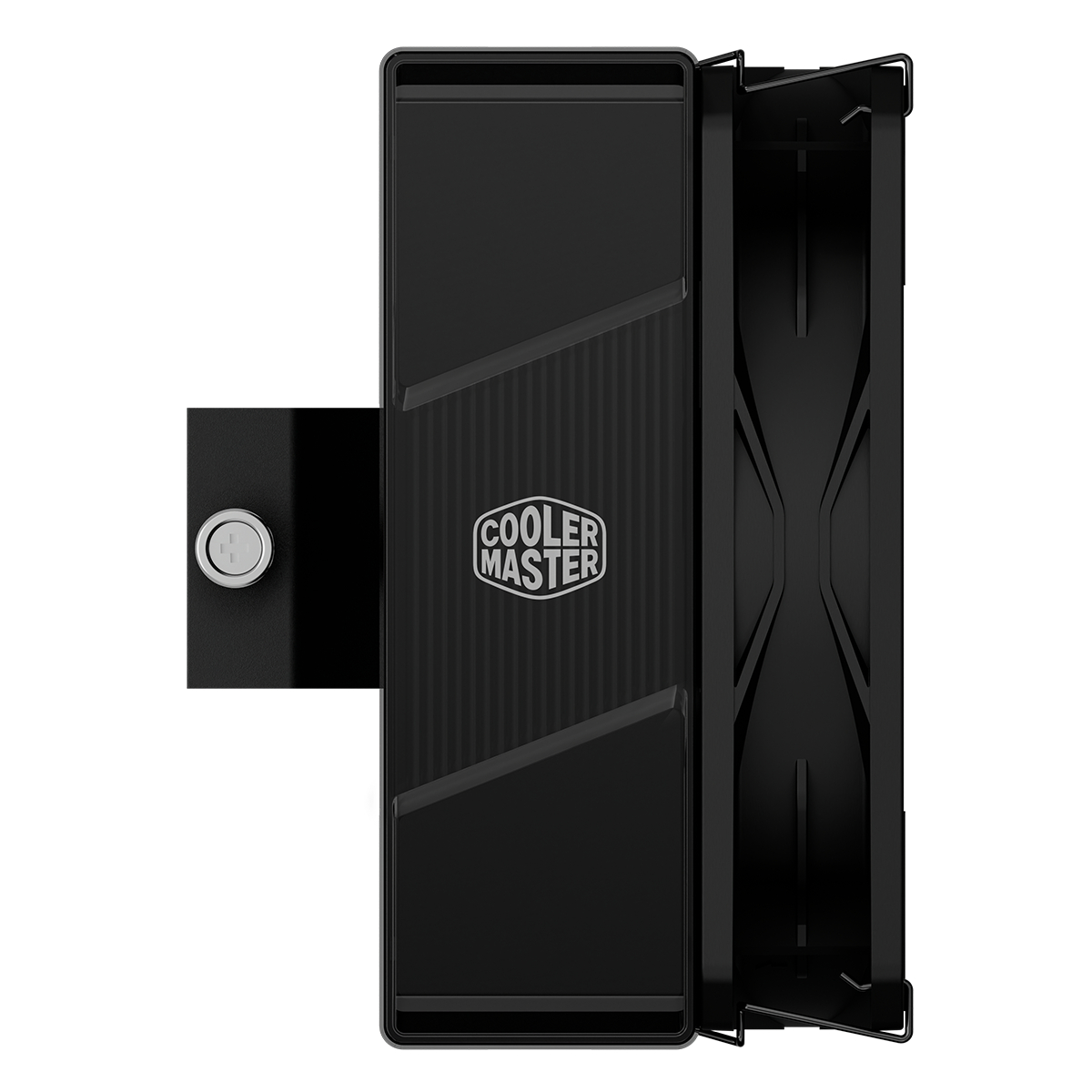
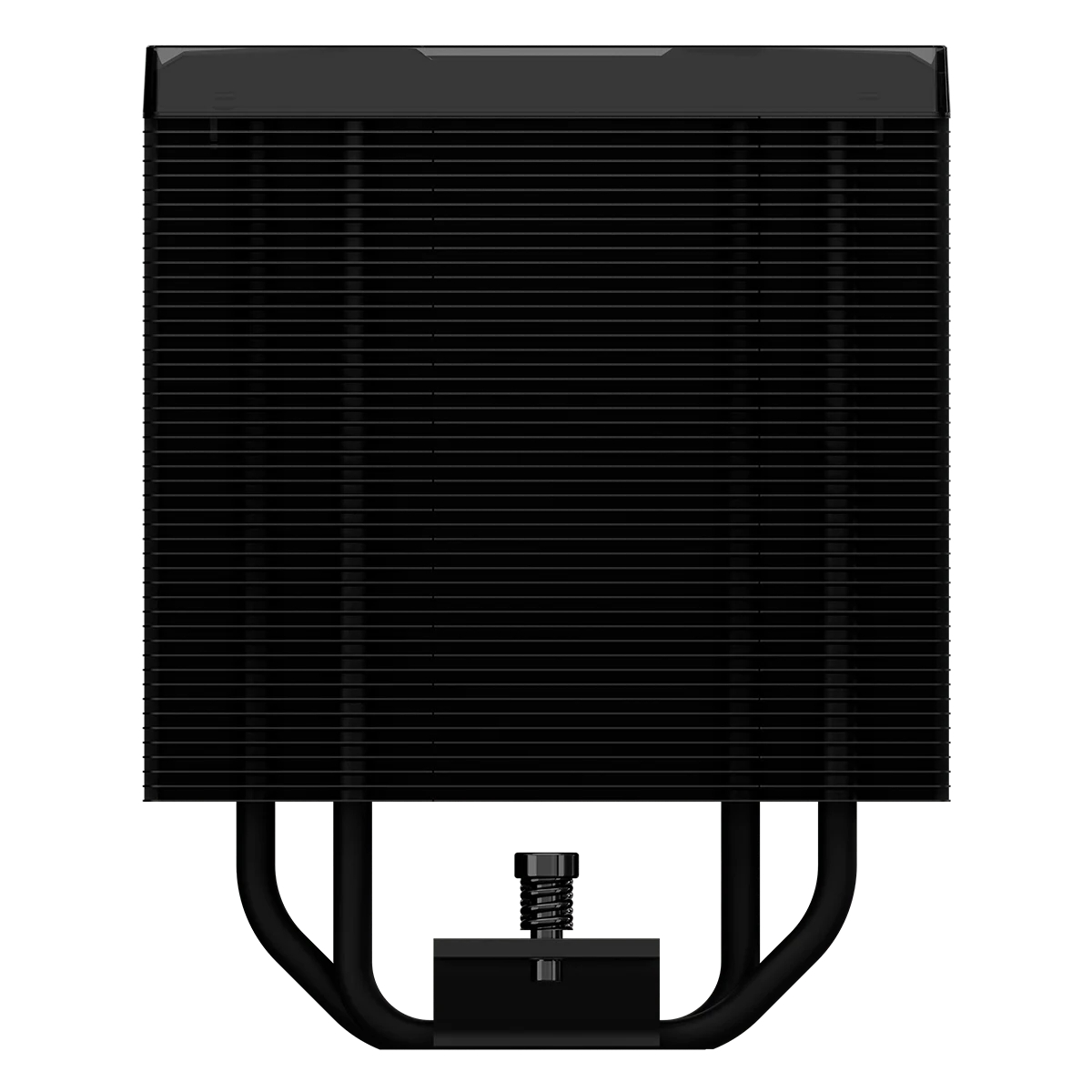
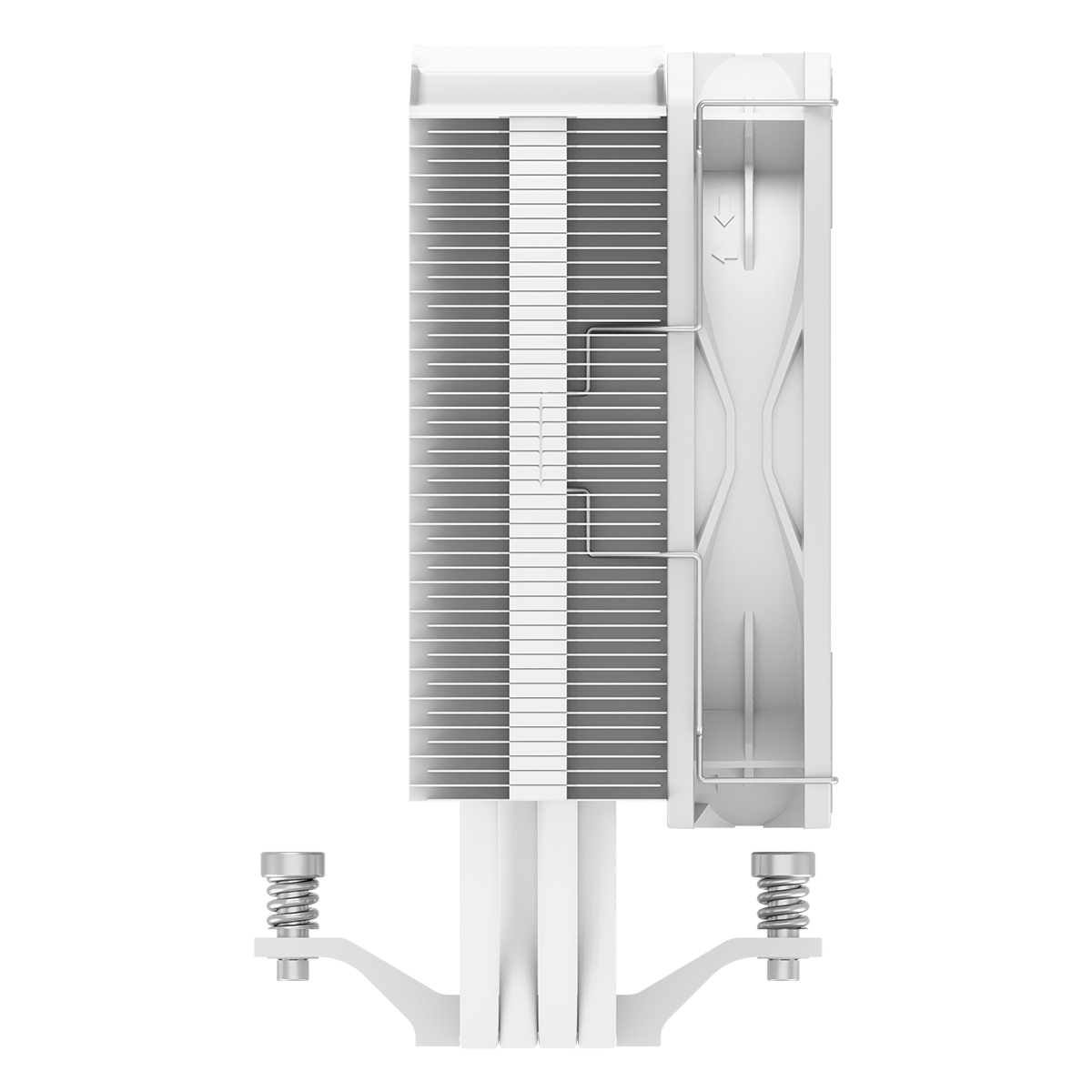
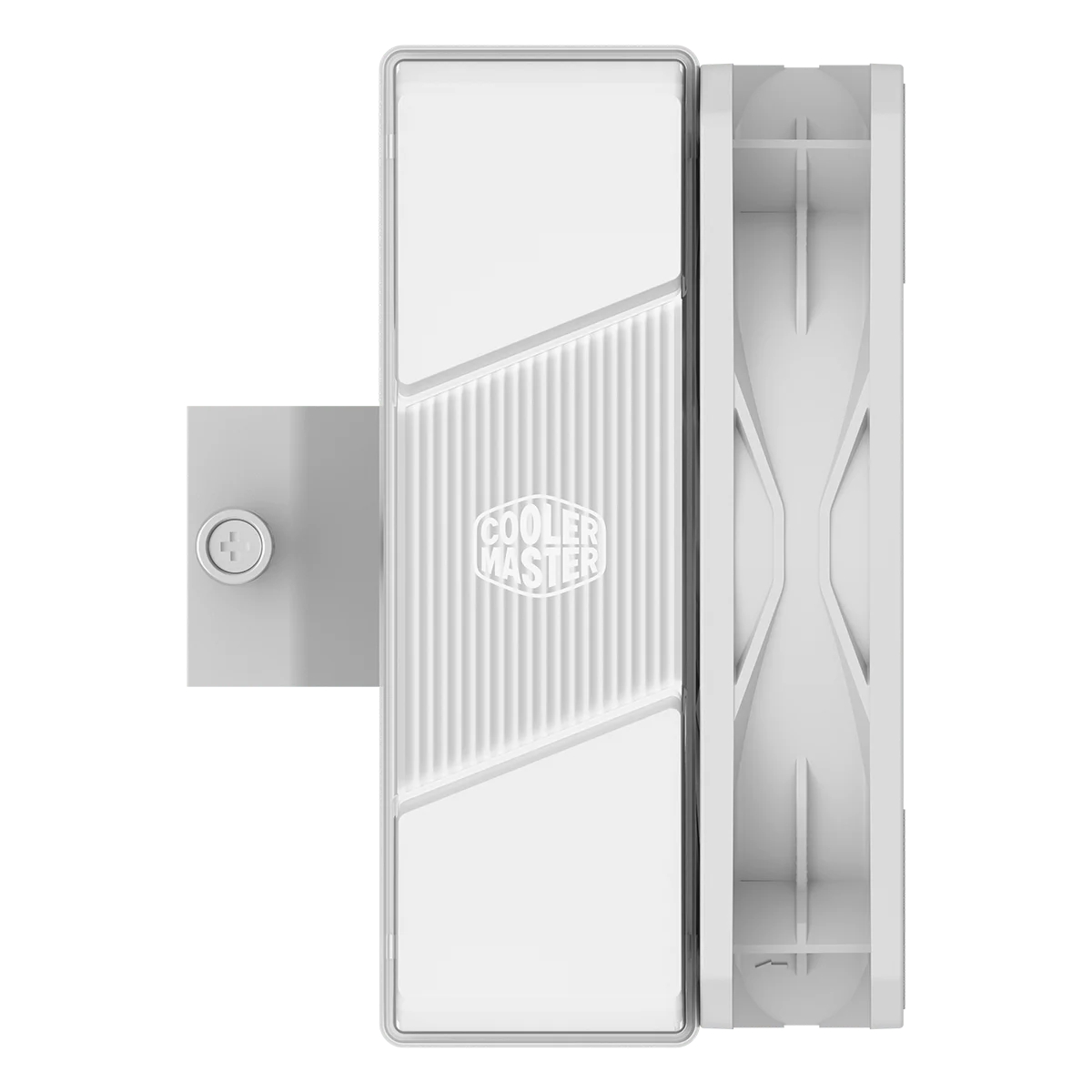
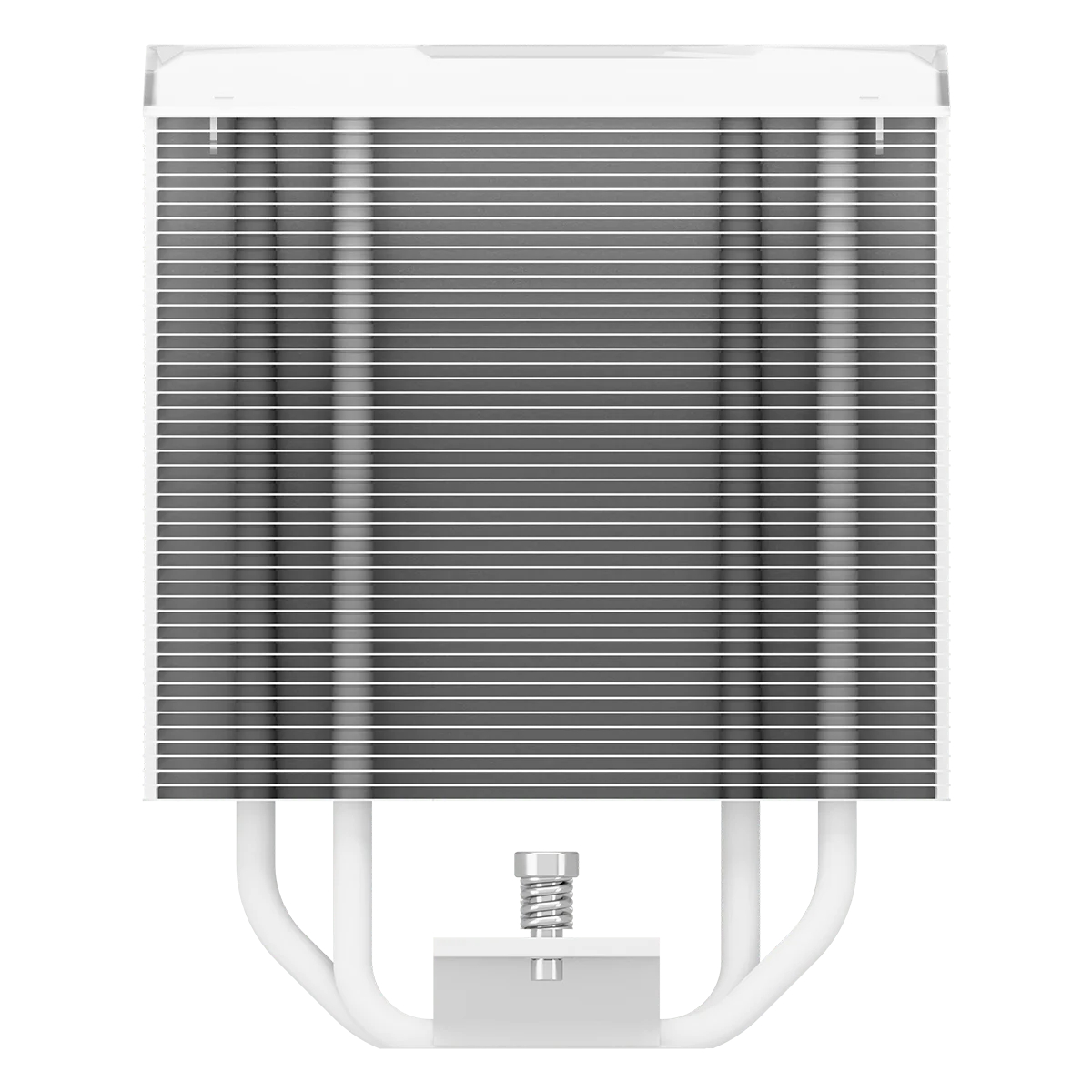
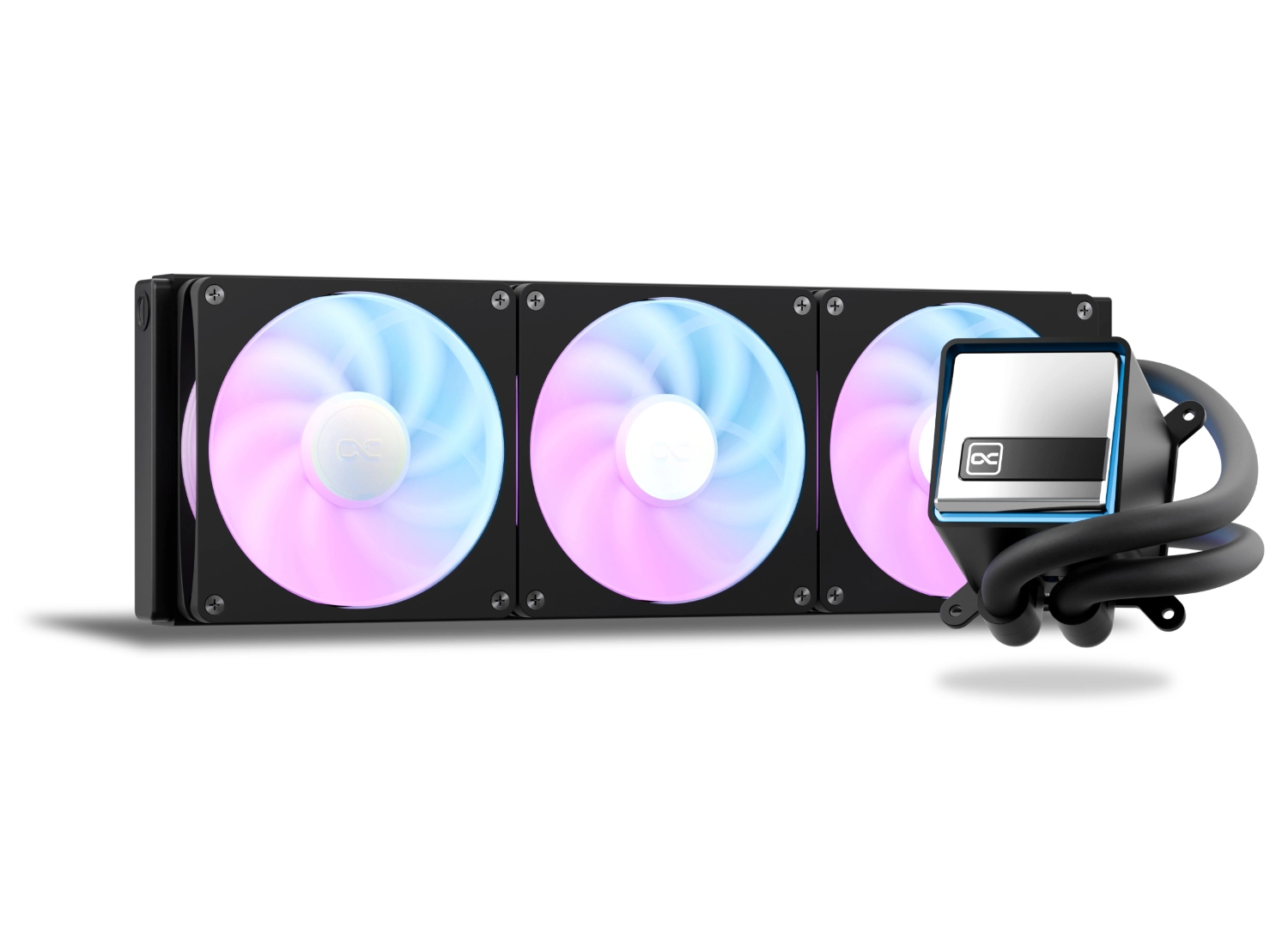
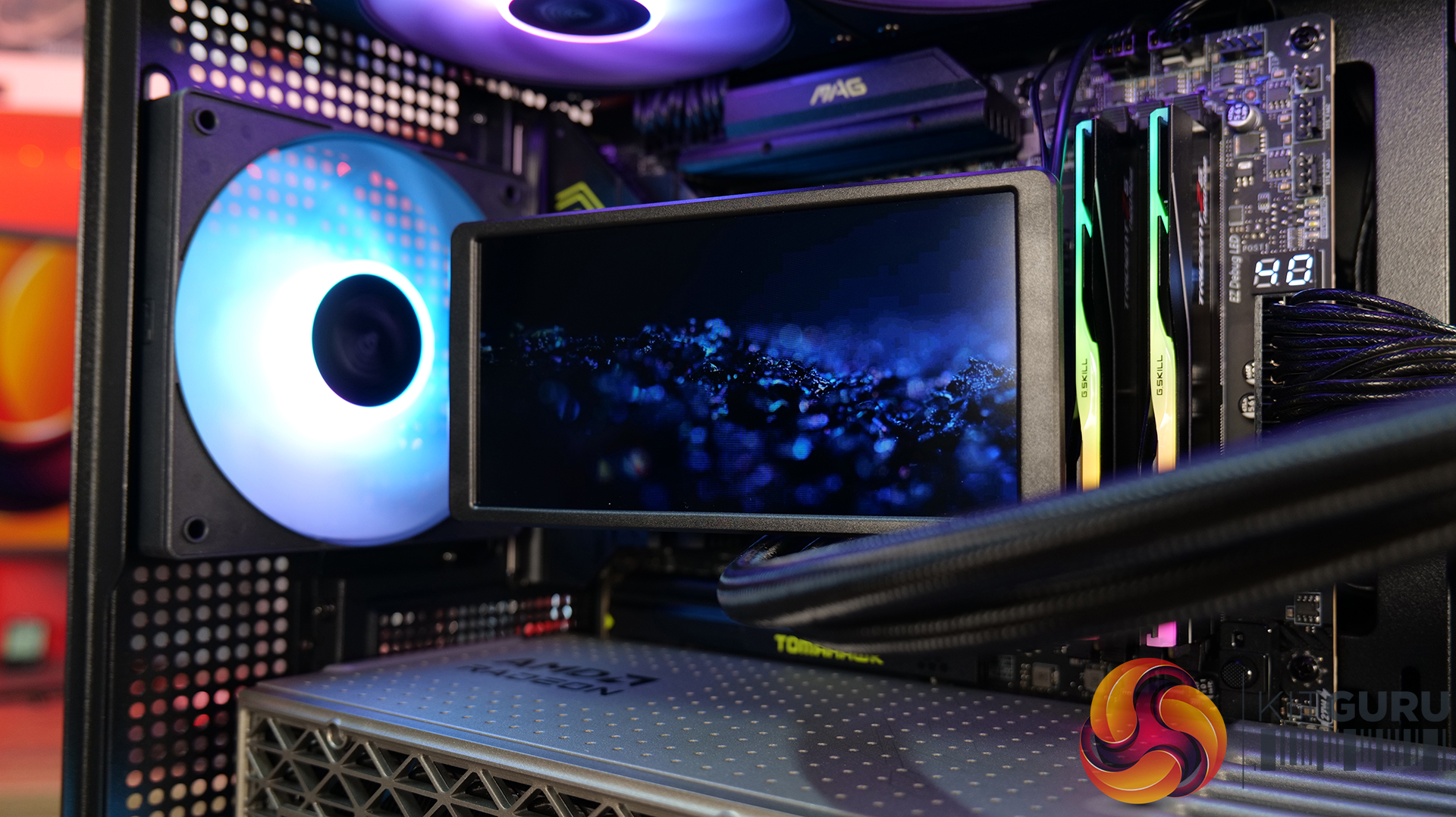
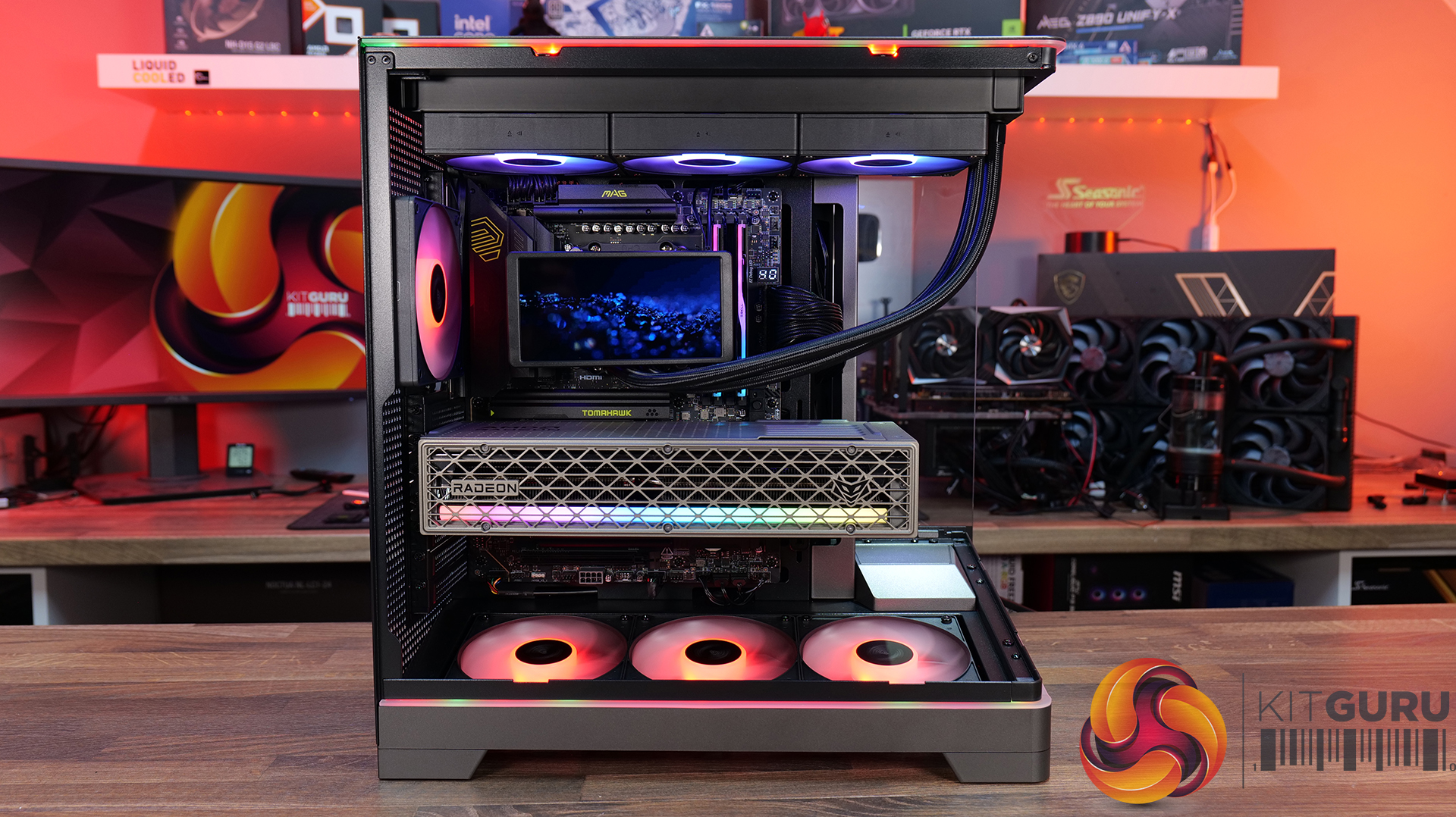
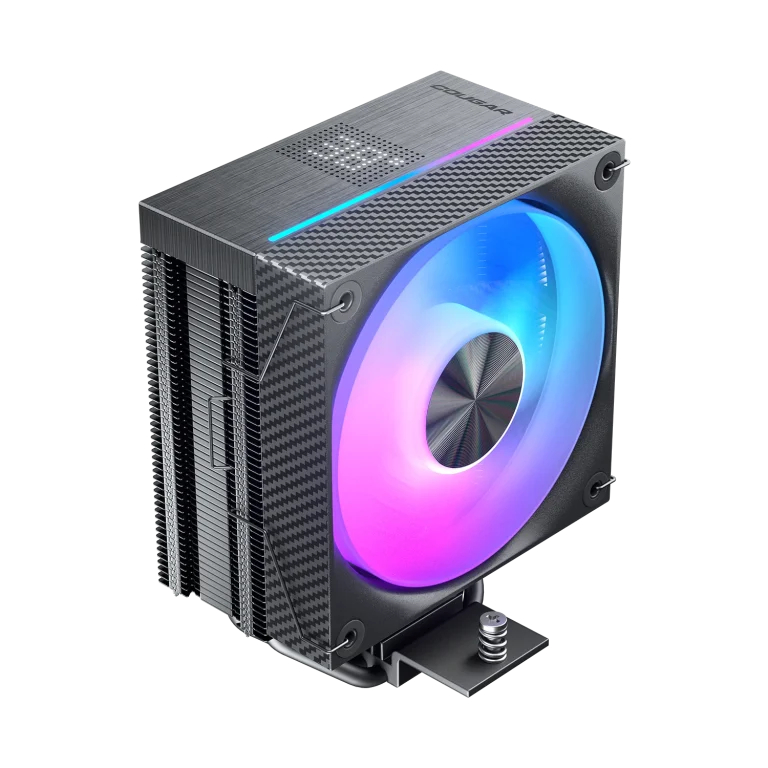
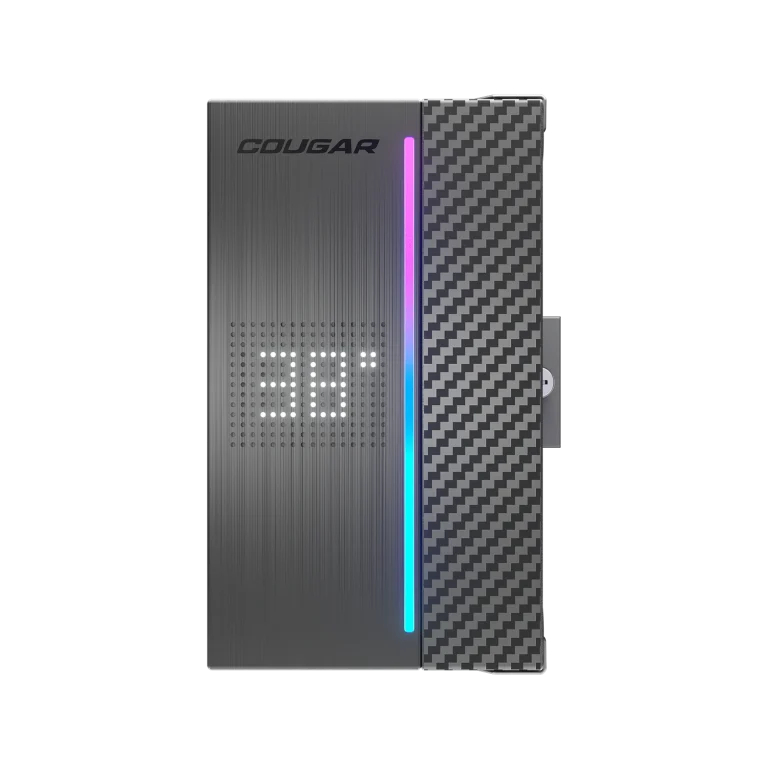
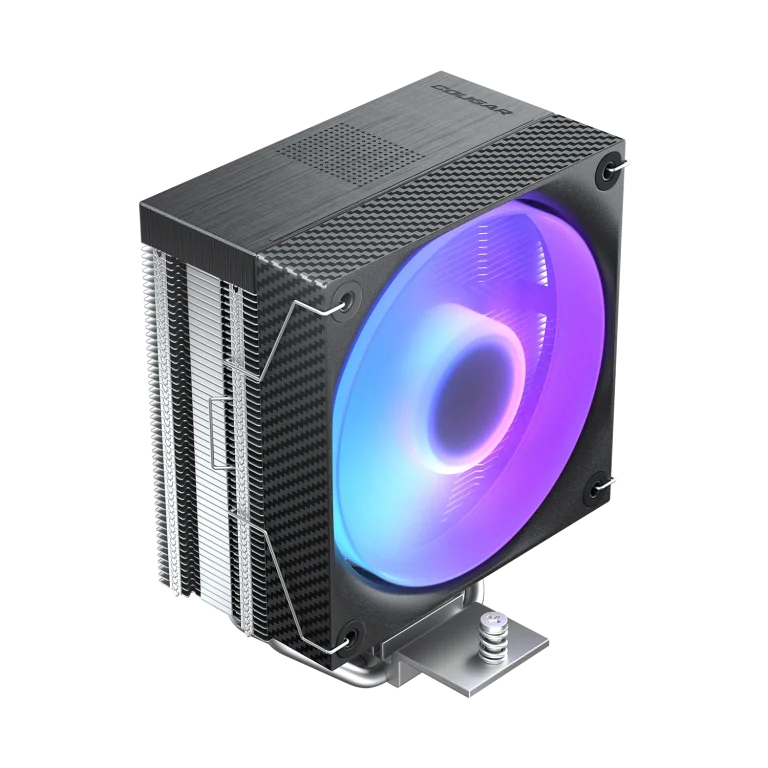
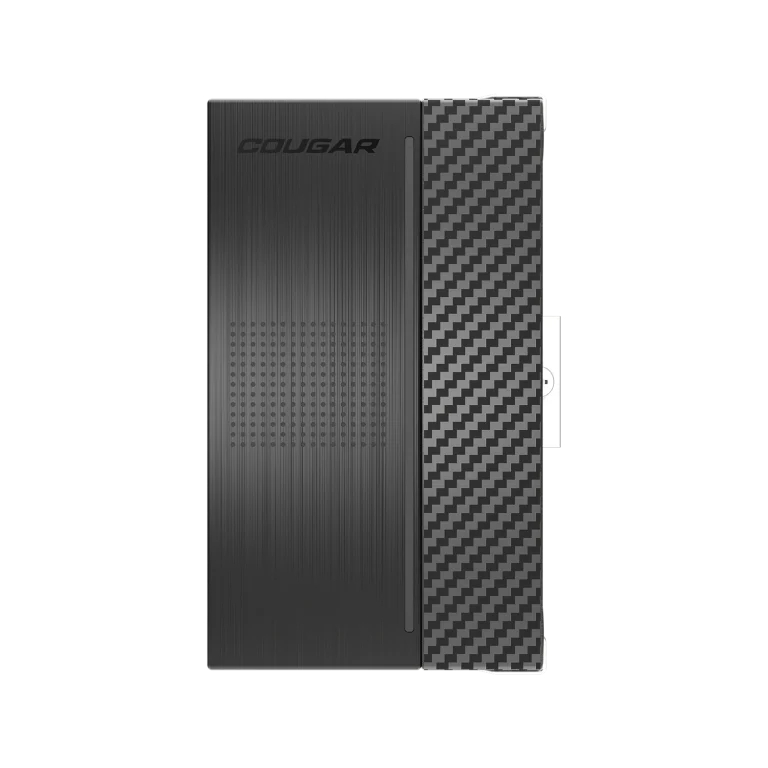
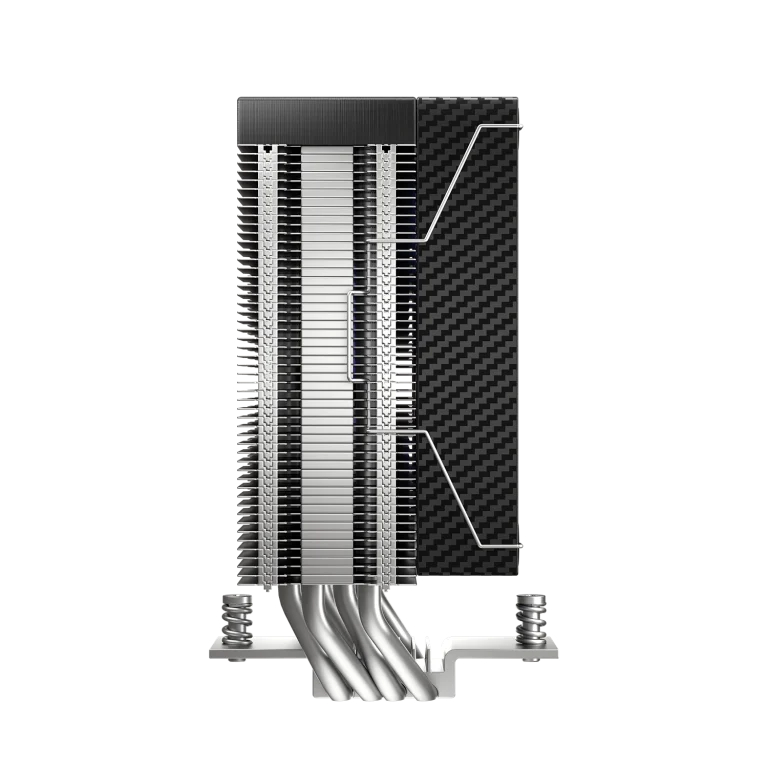
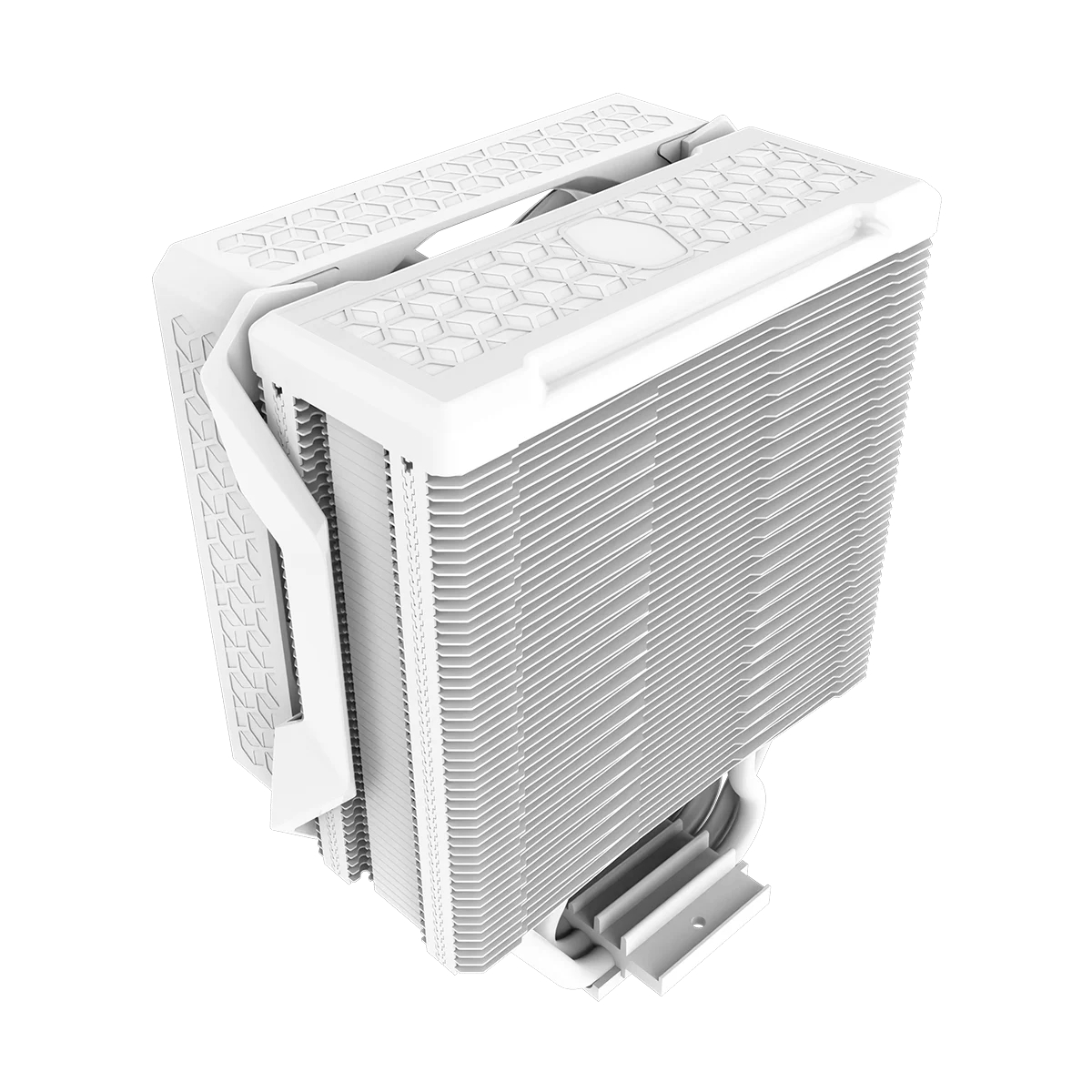
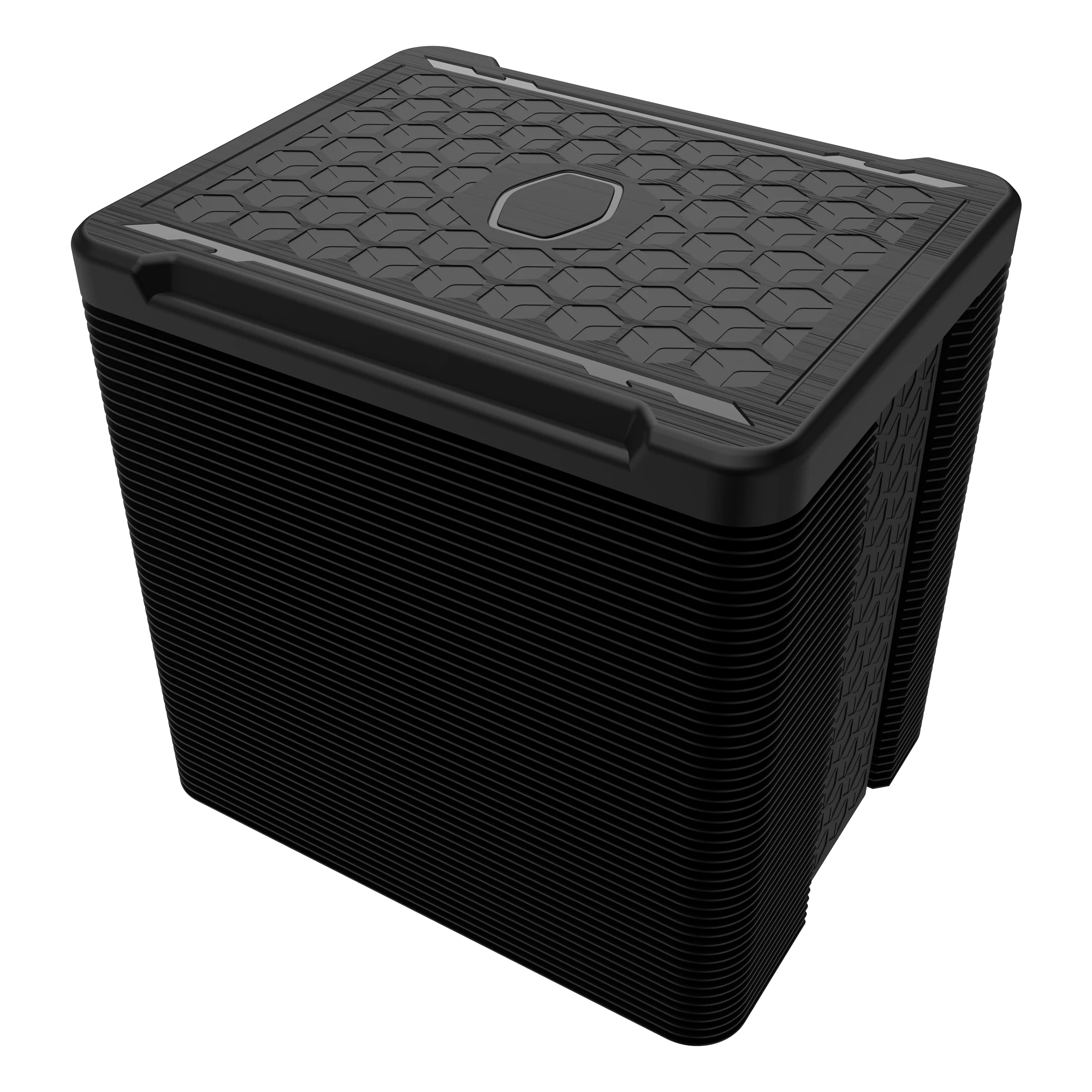
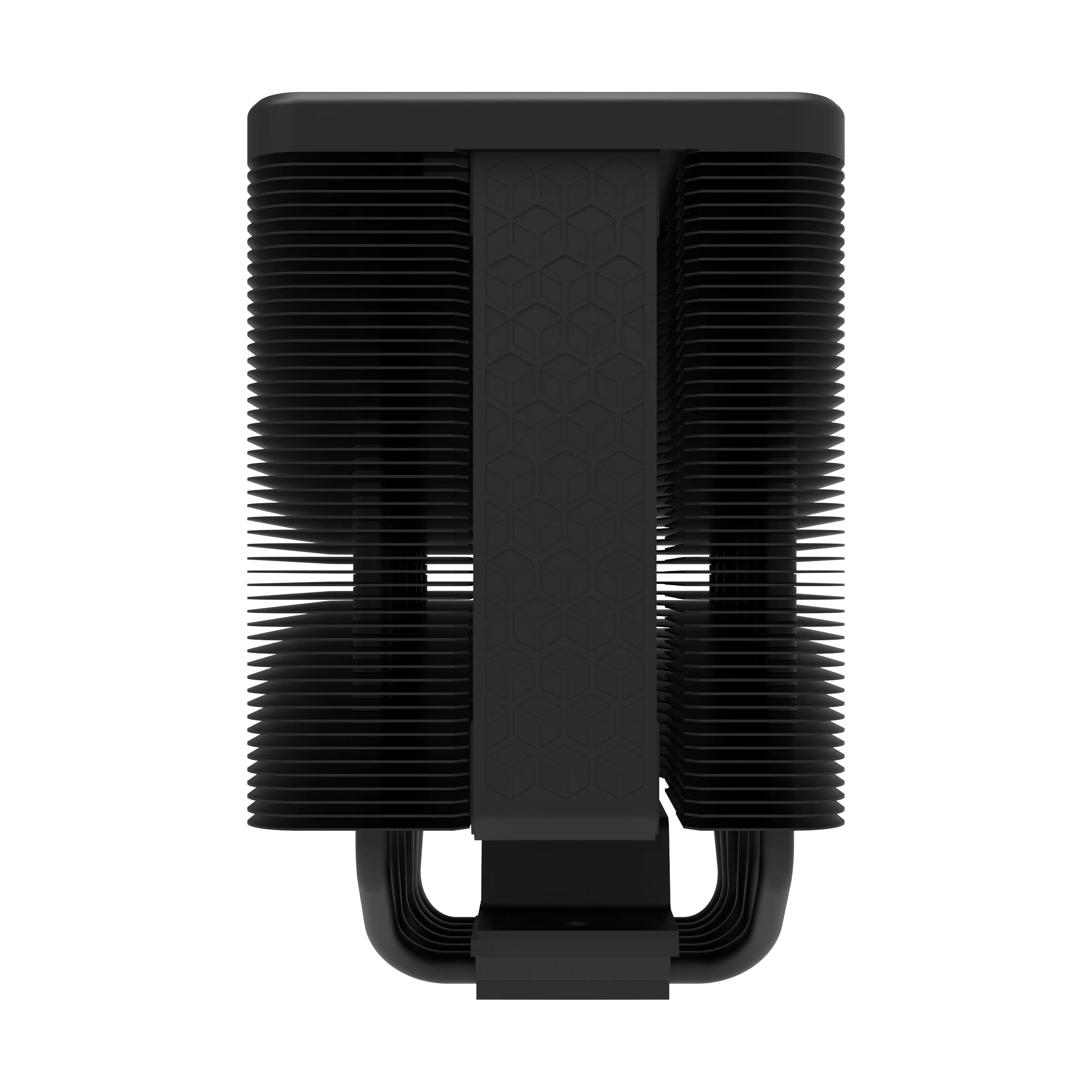
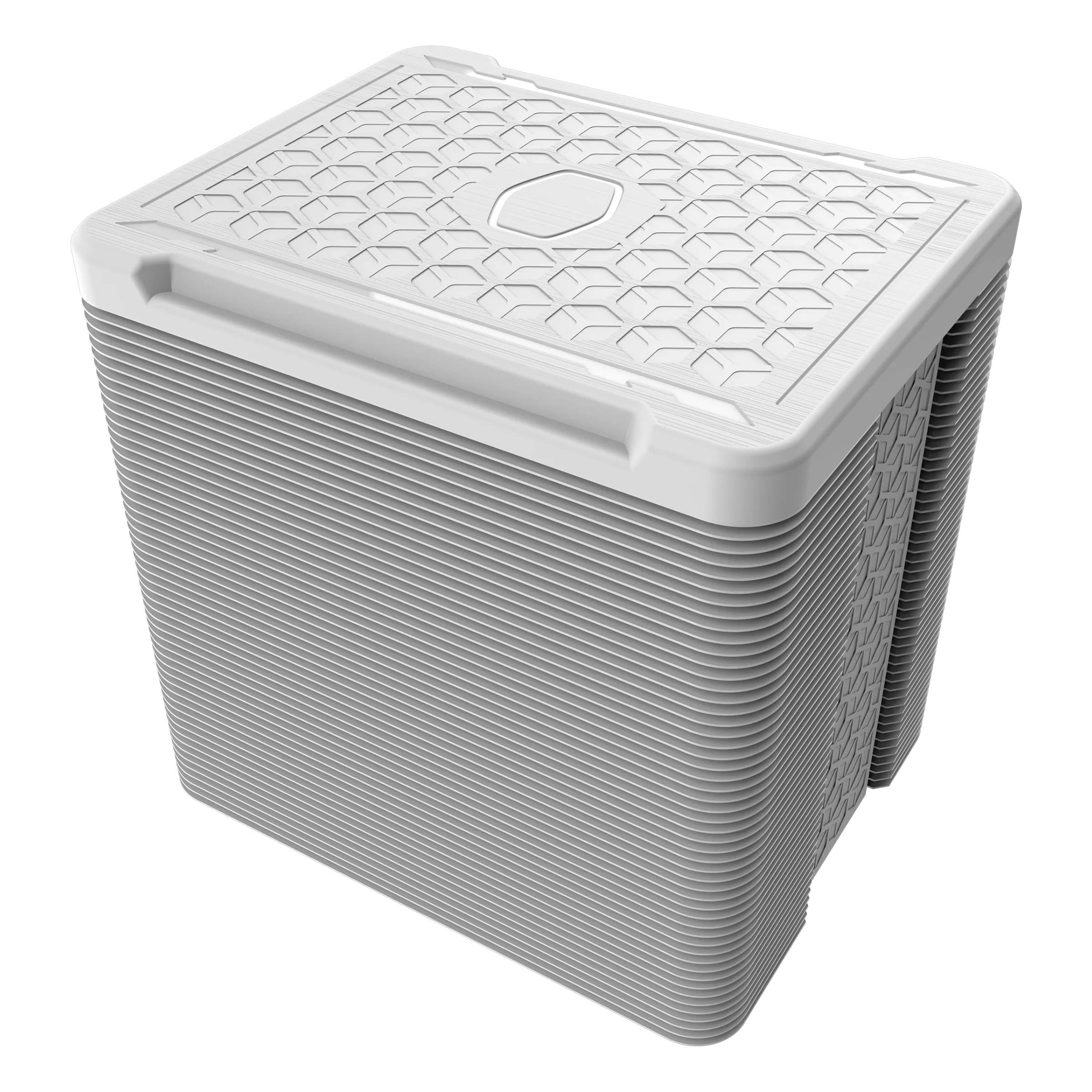
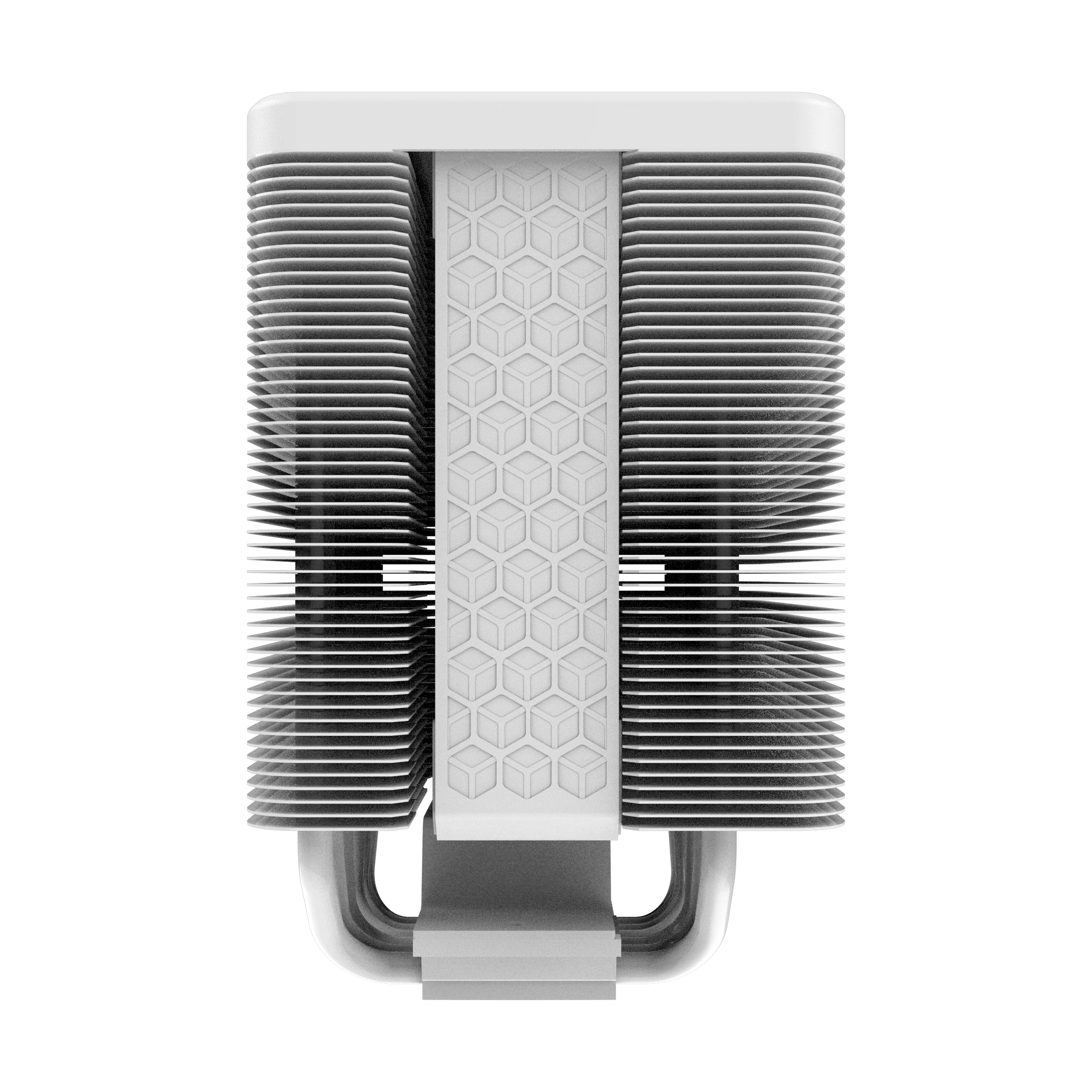
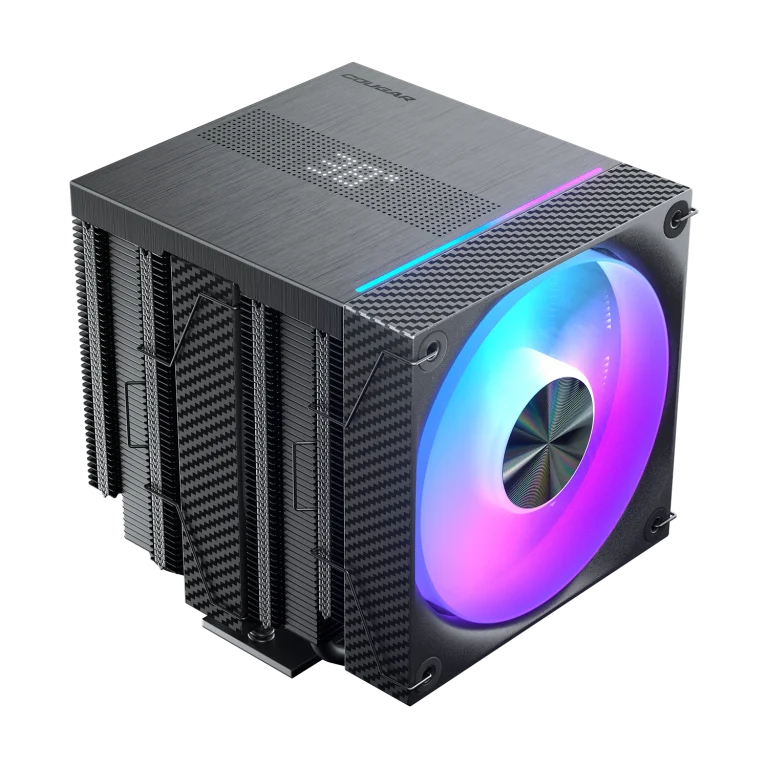
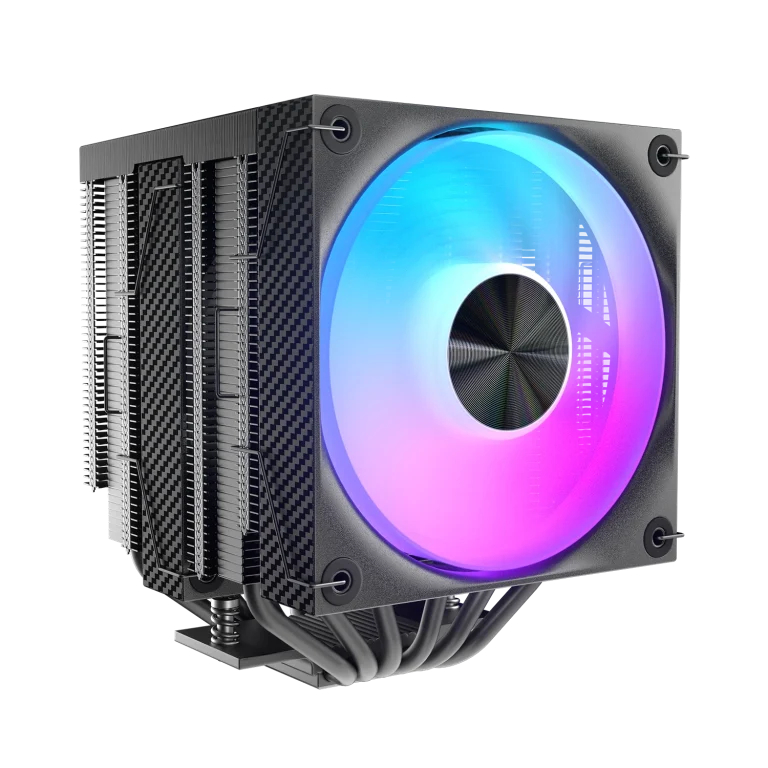
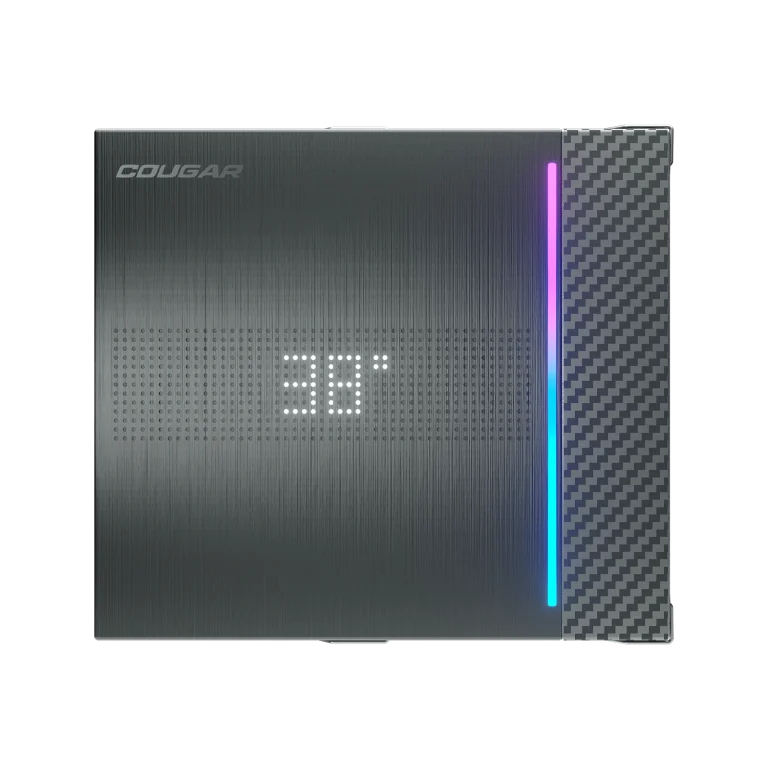
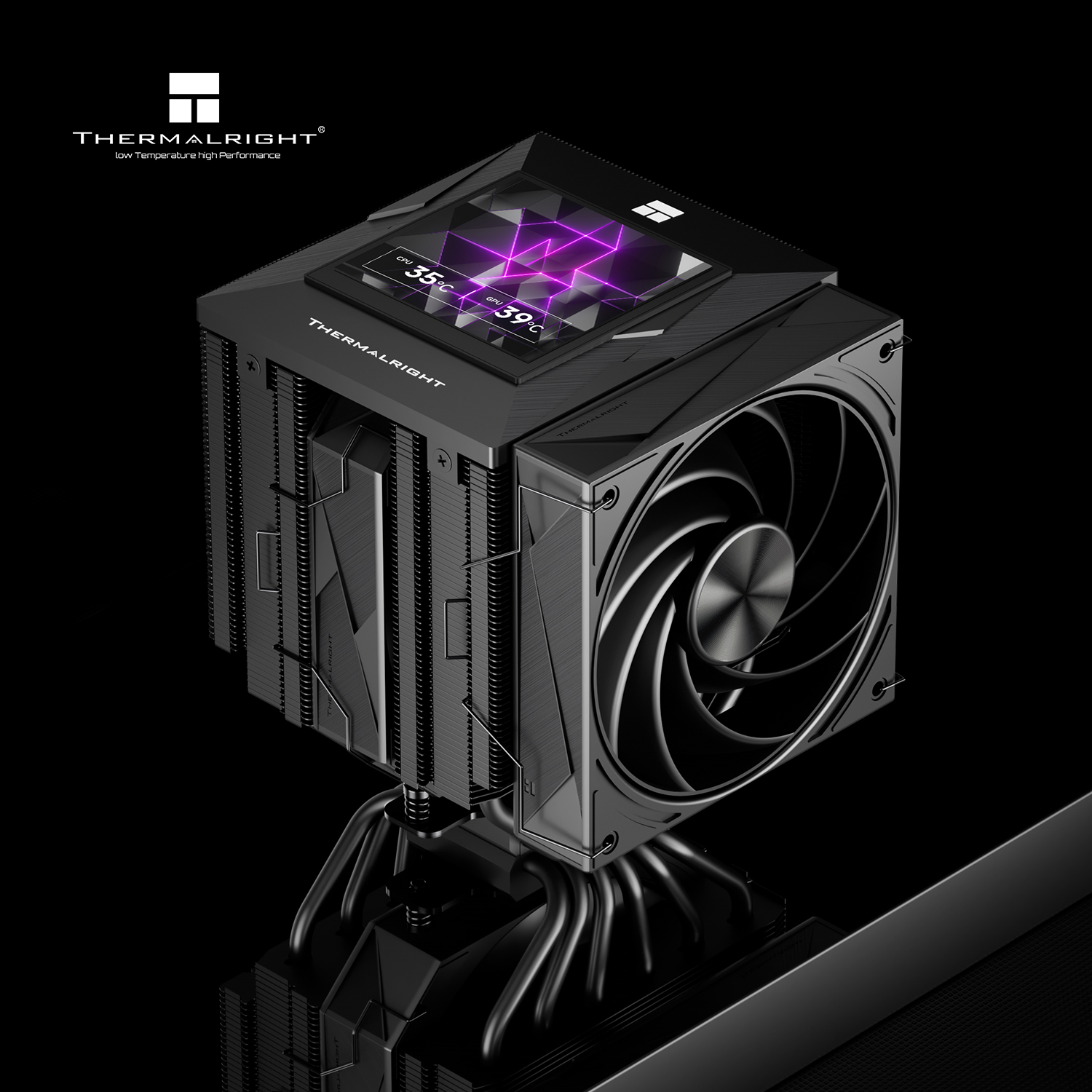
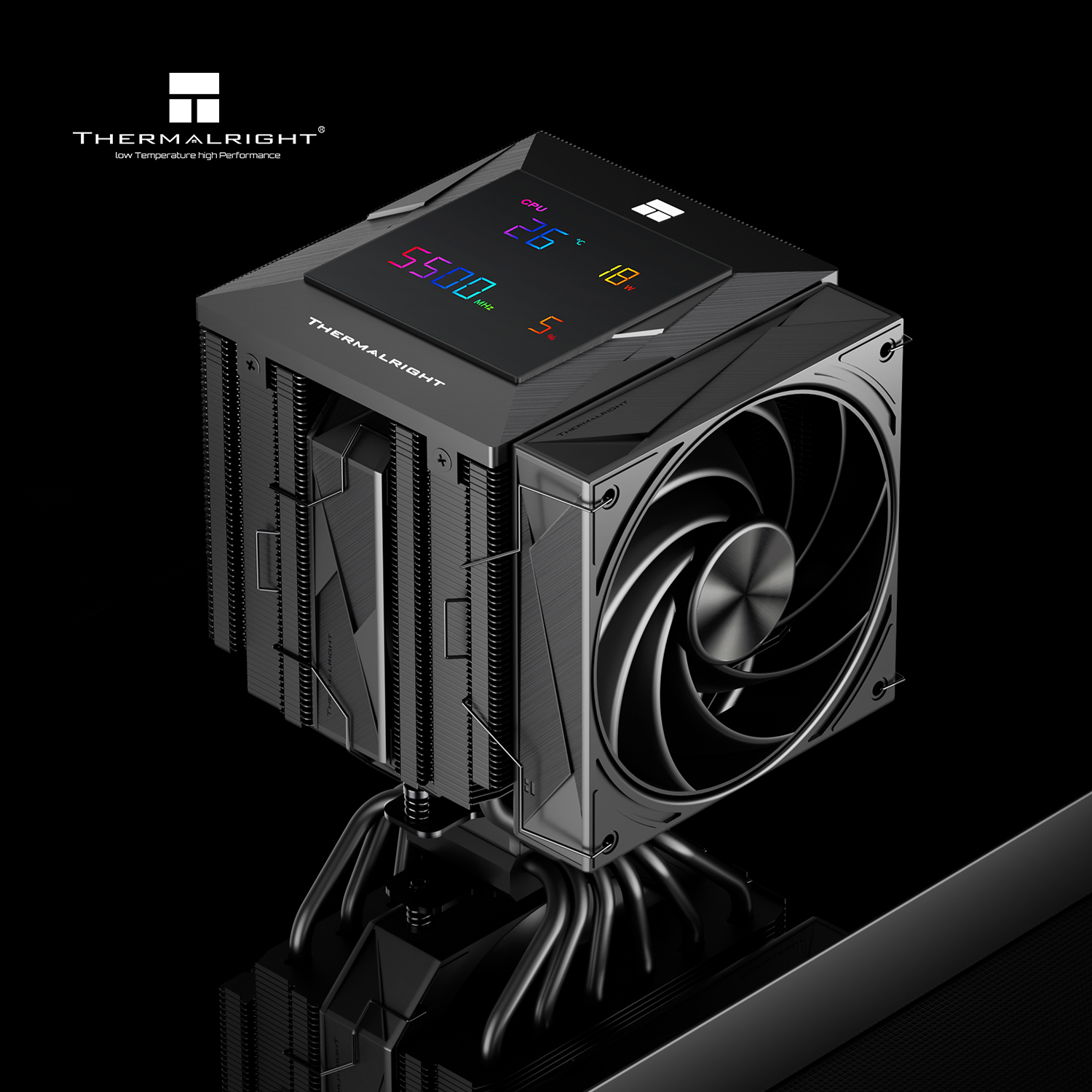
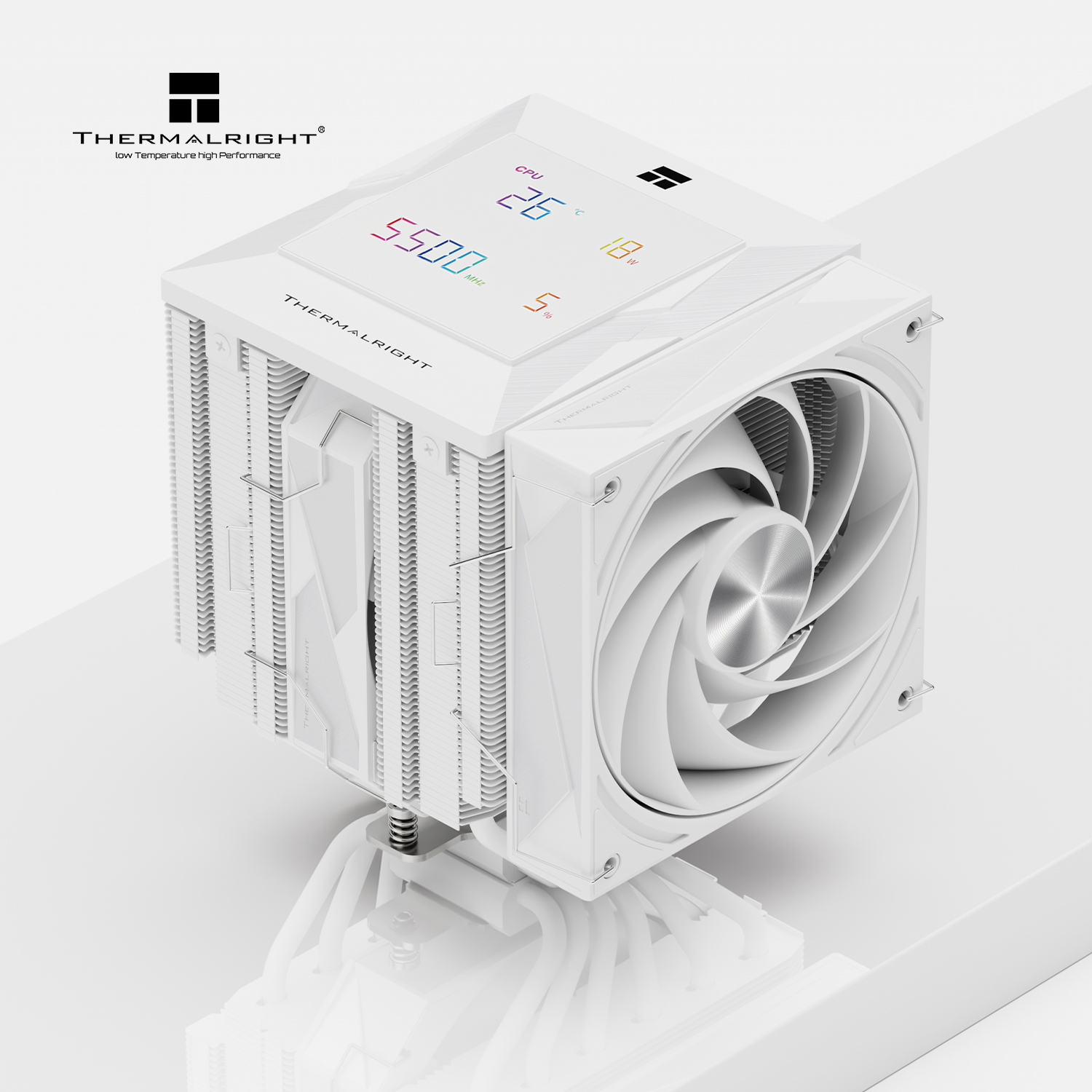
Thermalright has expanded its CPU cooling lineup with the introduction of the Royal Pretor 130 Vision and Royal Pretor 130 Digital dual-tower air coolers. Both models build upon the existing Royal Pretor 130 design by adding integrated top-mounted displays for real-time hardware monitoring and customisation.
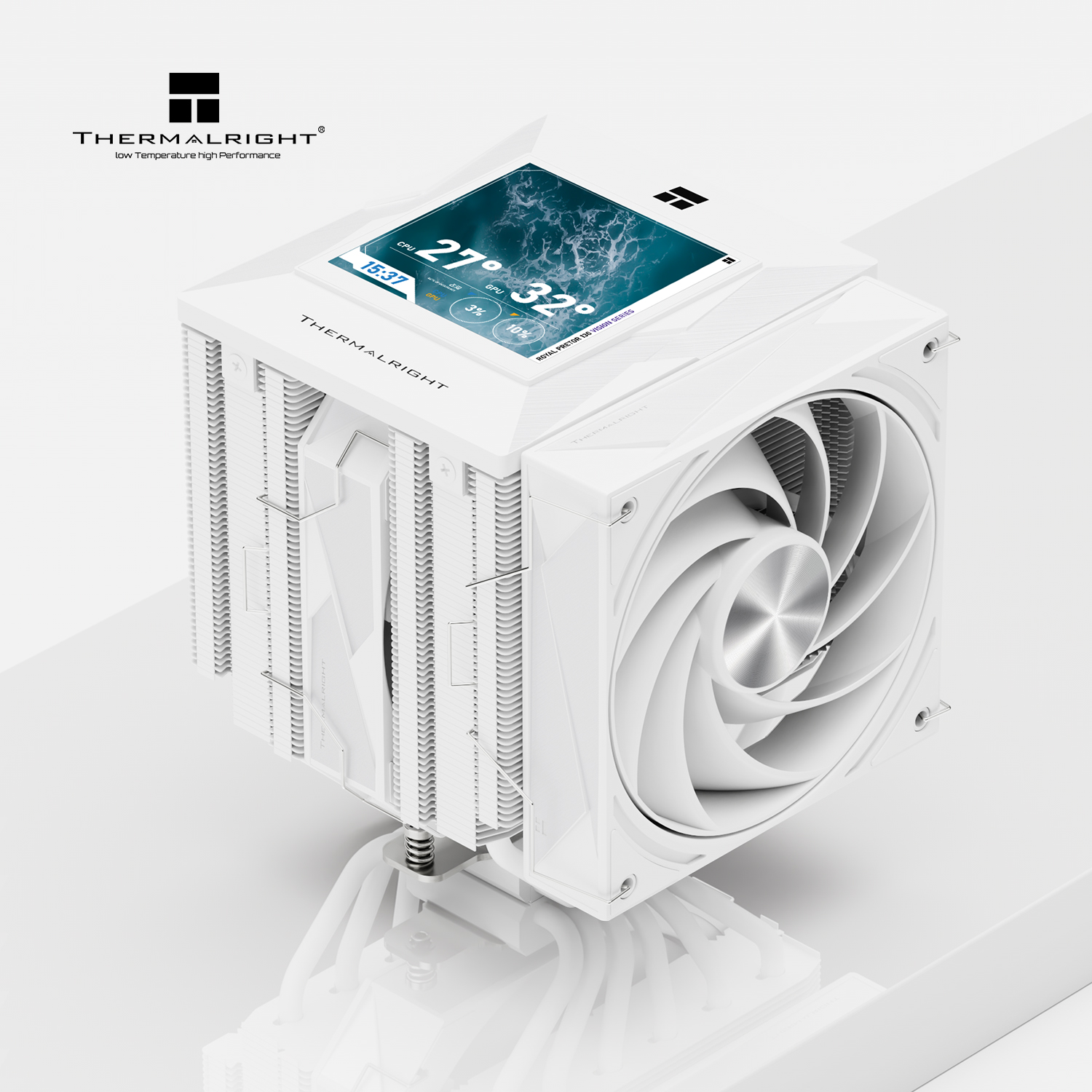
The flagship Royal Pretor 130 Vision features a 3.95-inch, 480×480 LCD screen mounted on top of the heatsink. Connected through an internal USB 2.0 header, the display works with Thermalright's software to show system metrics, custom images, wallpapers, GIFs, and animations. In contrast, the Royal Pretor 130 Digital uses a dedicated monitoring display that shows only real-time data, including CPU temperature, package power consumption (W), clock frequency (MHz), and memory usage percentage.
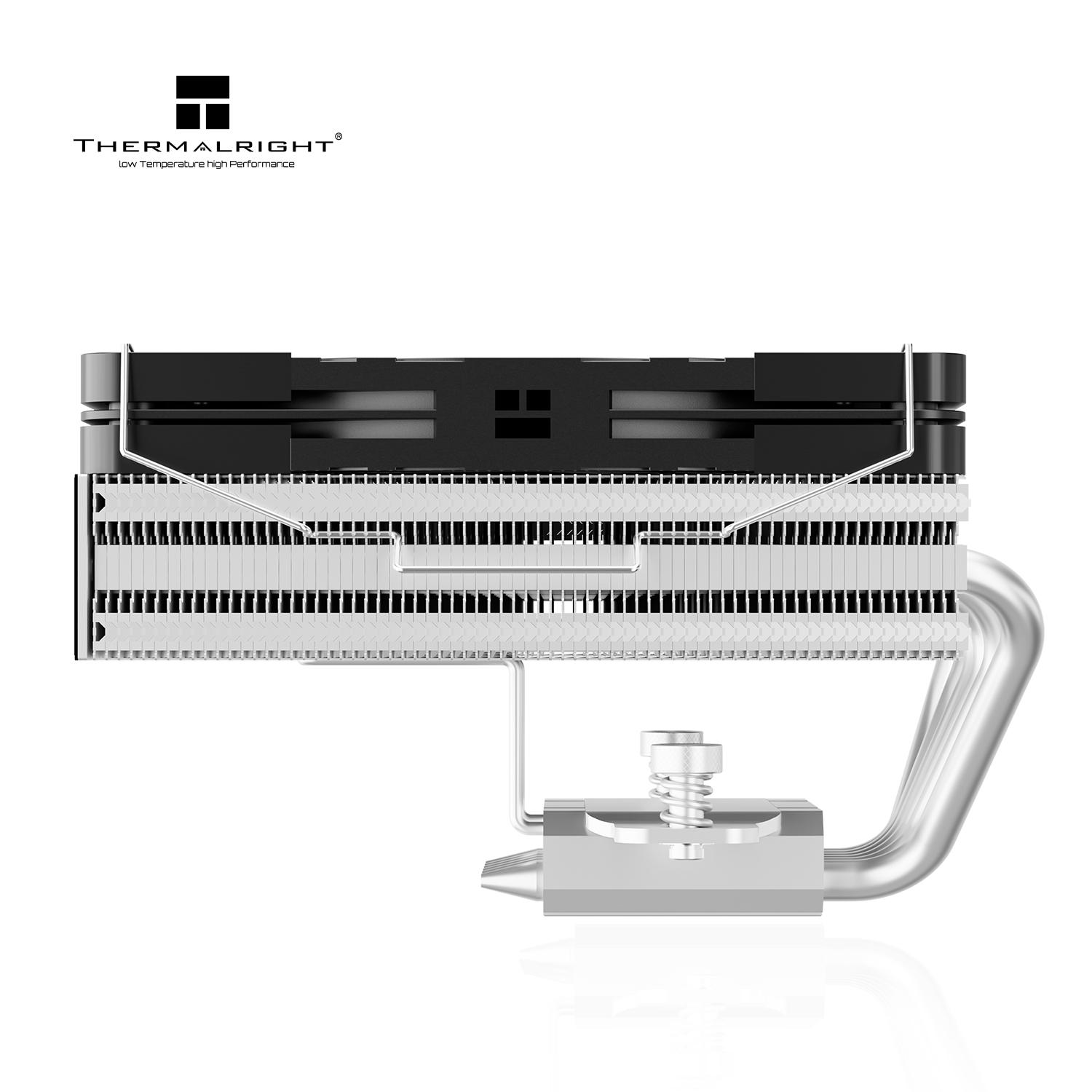
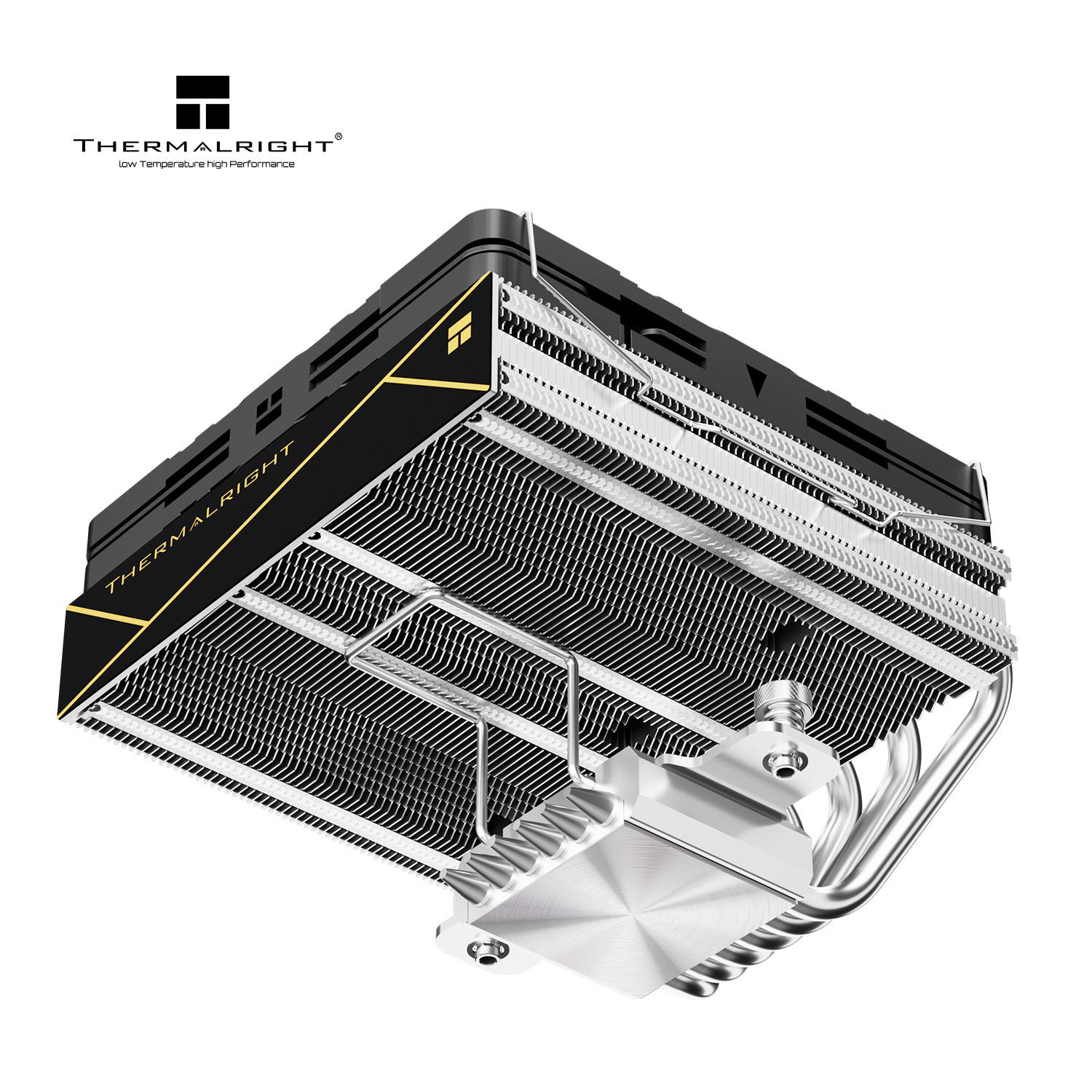
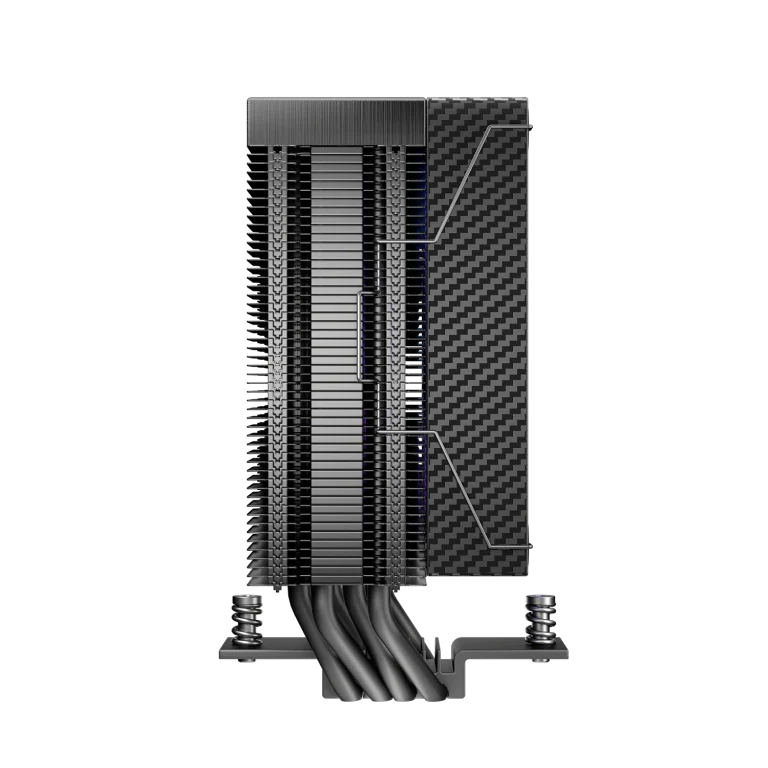
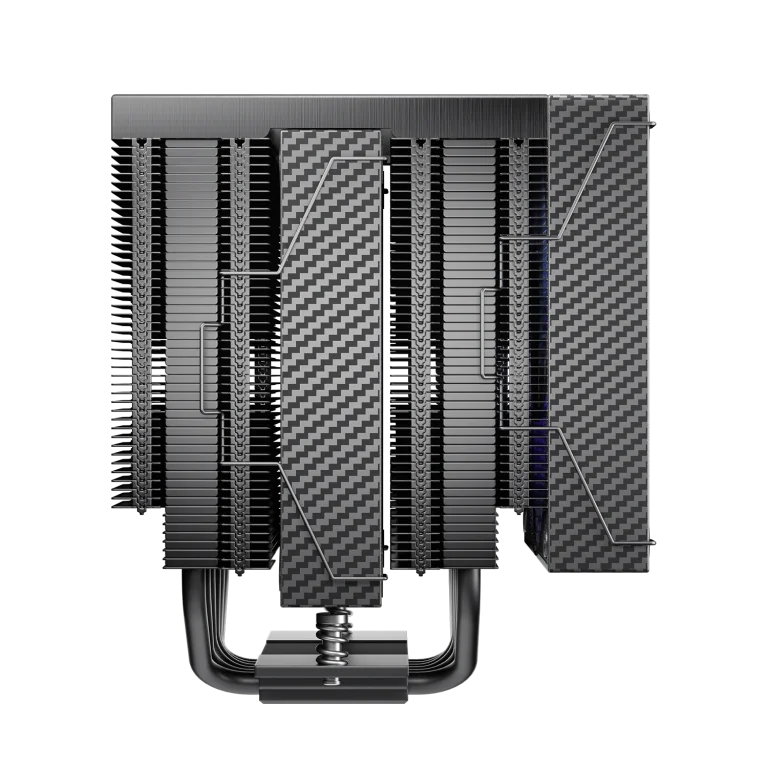
Both coolers share the same physical hardware, featuring a 130x140x165mm dual-tower heatsink with six 6mm nickel-plated copper heatpipes and a nickel-plated C1100 copper base. Airflow is handled by a 120mm TL-H12W-X28-R9 PWM fan rated up to 2400RPM and 98.2CFM, paired with a central 130mm TL-HD13W-X28 PWM fan rated up to 1750RPM and 81.88CFM. S-FDB V2 bearings are used on both fans.
Compatibility spans Intel LGA115X, 1200, 1700, 1851, 2011, and 2066 sockets, as well as AMD AM4 and AM5 platforms. Thermalright will offer both variants in black and white finishes, though official pricing and release dates remain unconfirmed.
KitGuru says: At this point, most AIO coolers have a display attached to them. The same trend is now taking over the air cooler market too.
Thermalright has introduced the new Royal Pretor 130 Vision, a premium air CPU cooler designed for gamers, PC enthusiasts, and users who want both strong cooling and a modern look. The new model combines a large dual tower heatsink with a built in color display that can show useful system information in real time.
The biggest highlight of the Royal Pretor 130 Vision is its 3.95 inch full color LCD screen. The display offers a sharp 480 × 480 resolution and connects through an internal USB 2.0 header. Using Thermalright’s software, users can monitor important system details such as CPU information, temperatures, and other hardware data. The screen can also be customized to show different content.
The cooler features a dual tower heatsink built with a nickel plated copper base and six copper heat pipes. This design helps move heat away from the processor quickly, allowing the cooler to handle high performance CPUs more efficiently. The complete cooler measures 130 × 140 × 165 mm, although Thermalright has not shared its official weight.
Cooling is handled by two high performance fans working together in a push pull setup. The front fan is a 130 mm TL HD13 X28 model with a maximum speed of 1,750 RPM. It delivers up to 81.88 CFM of airflow while keeping noise levels as low as 28.3 dBA. It also uses Thermalright’s second generation S FDB bearing for long lasting performance.
The second fan sits between the two heatsink towers. It is a 120 mm TL H12 X28 R9 fan that can reach speeds of up to 2,400 RPM. It provides up to 98.2 CFM of airflow with a maximum static pressure of 2.48 mm H₂O. Even at full speed, the fan produces a maximum noise level of 32.7 dBA.
At the time of announcement, Thermalright has not revealed the price or release date of the Royal Pretor 130 Vision. More details are expected to be shared in the coming weeks. For users looking for a powerful air cooler with a built in display, this new model appears to be a promising addition to Thermalright’s growing lineup.
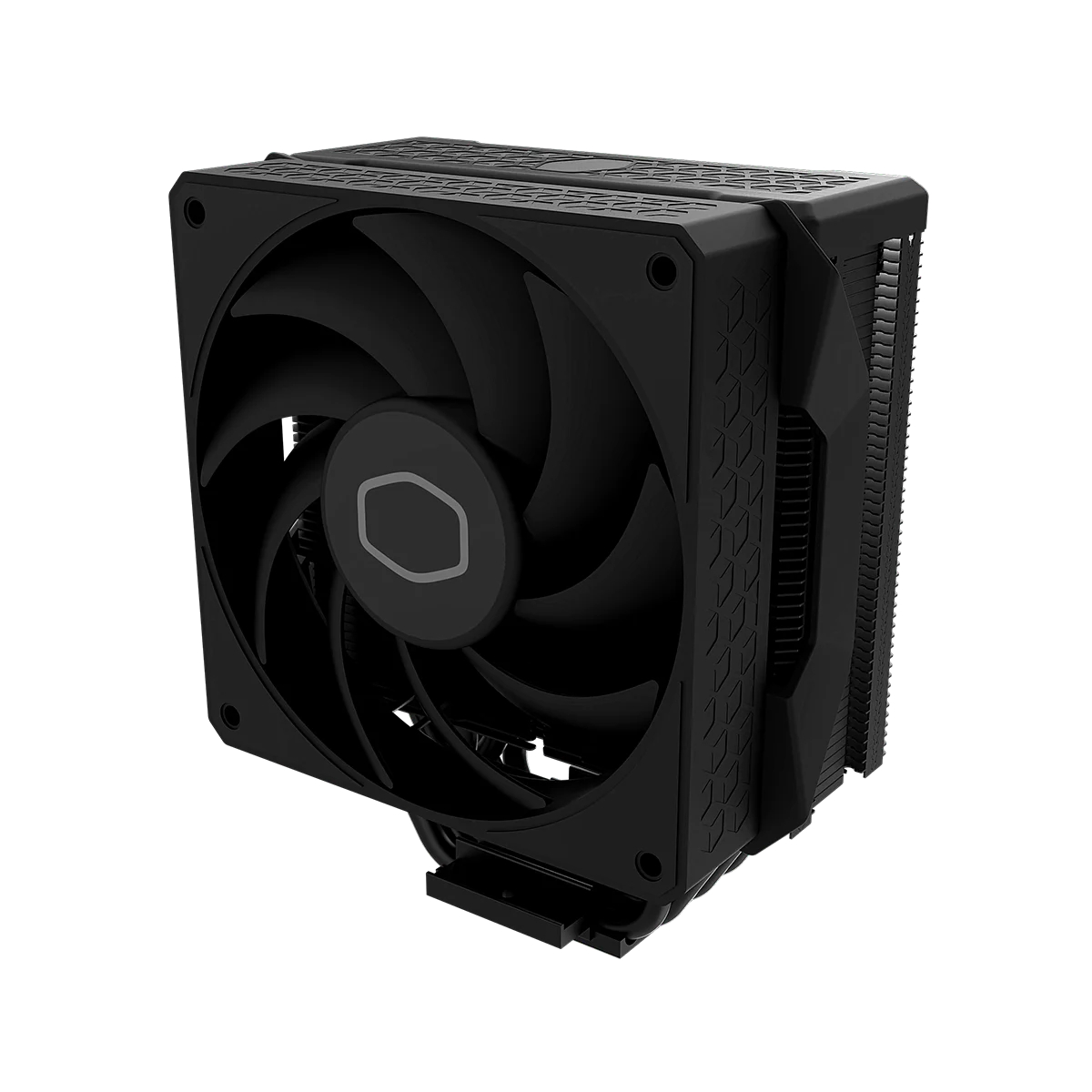
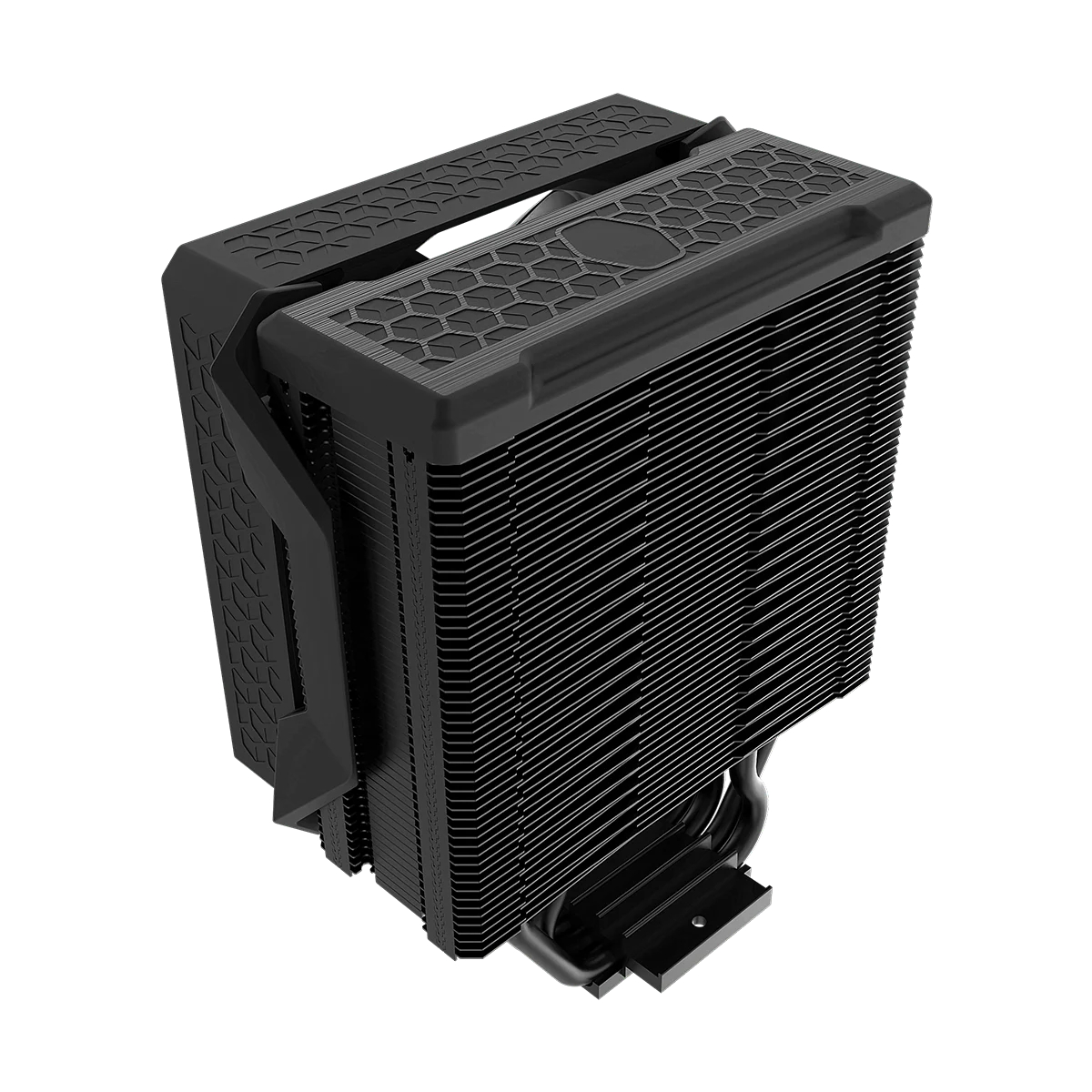
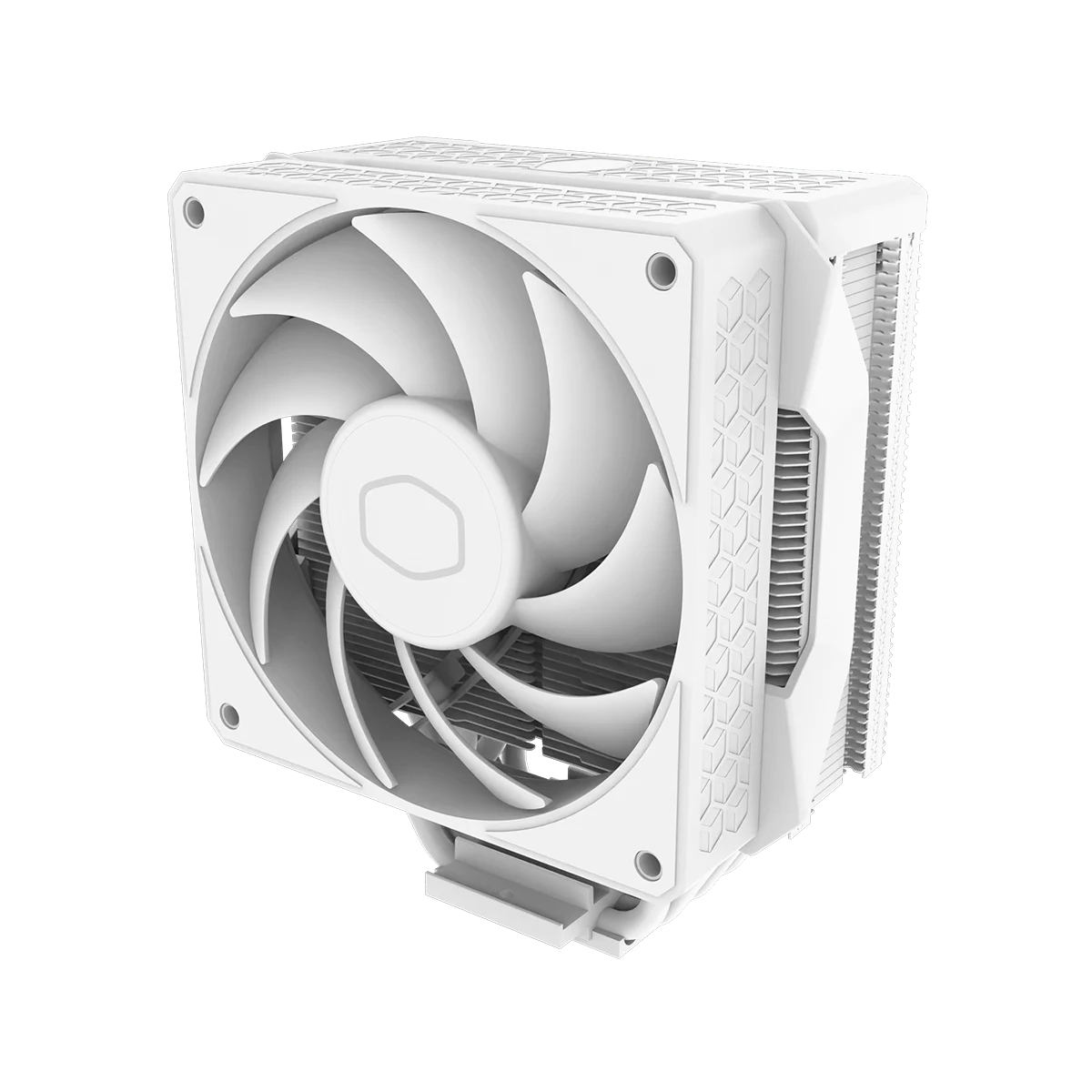
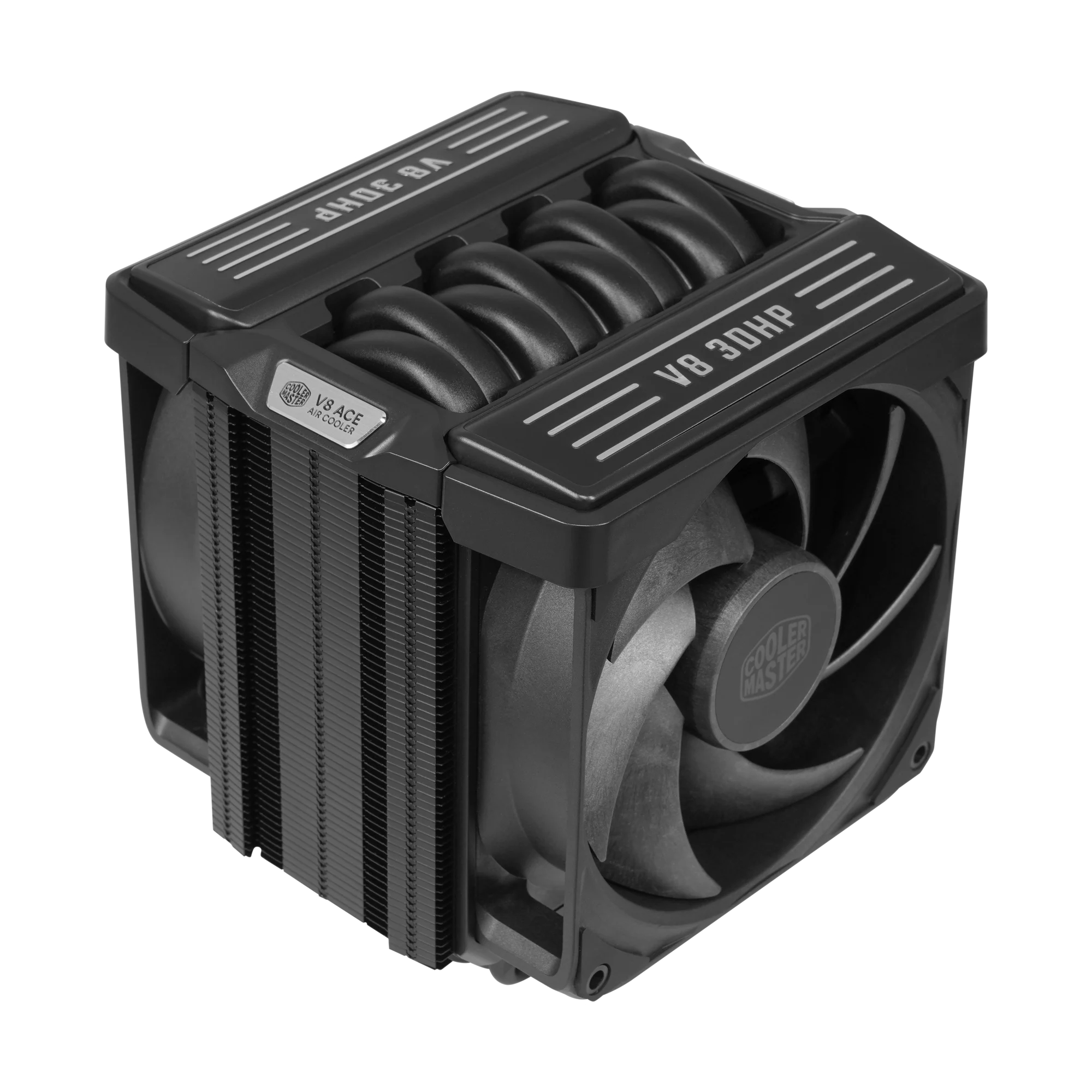
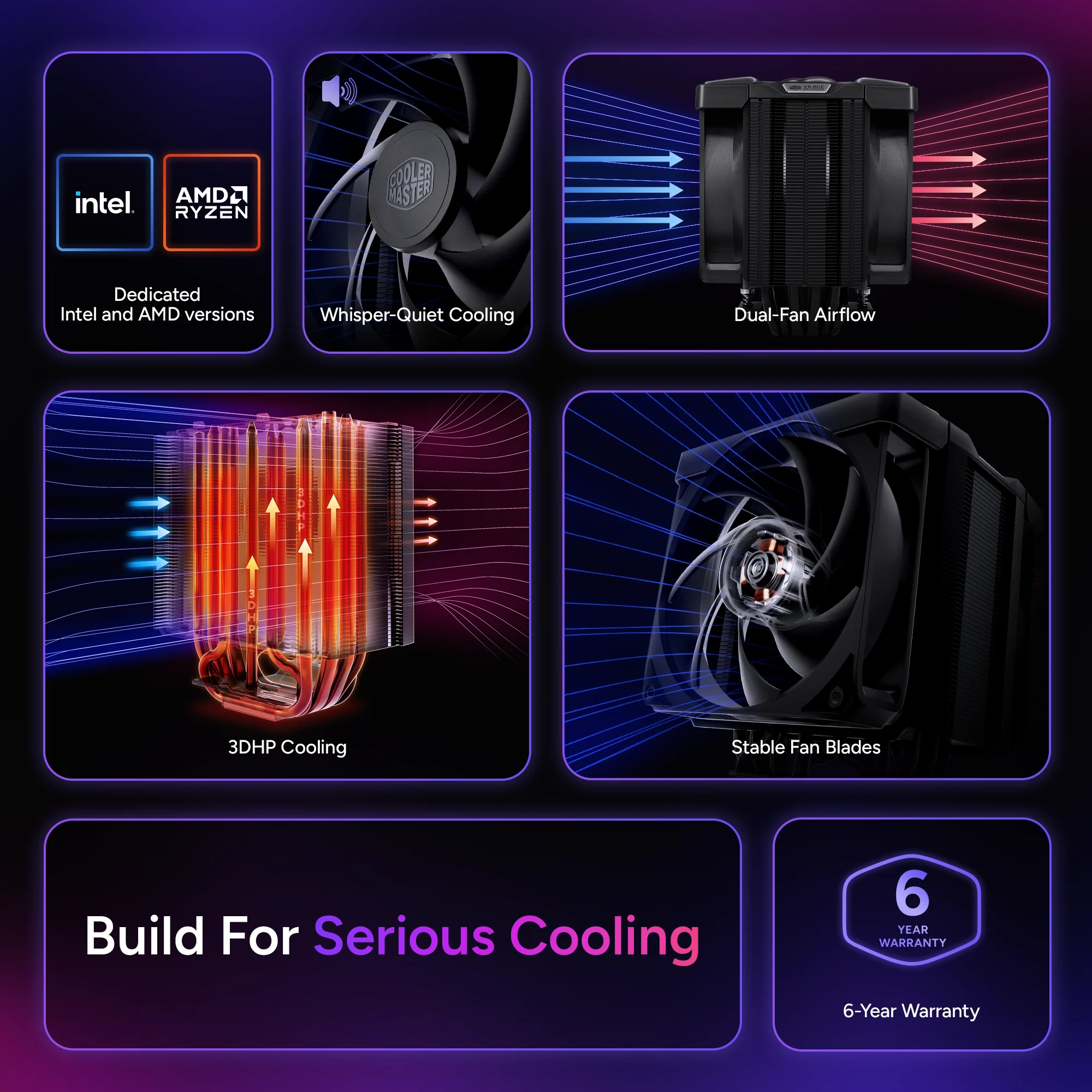
Cooler Master has launched the V8 ACE 3DHP, its flagship single-tower CPU air cooler utilizing patented 3D Heat Pipe technology. The cooler arrives in separate platform-optimised Intel and AMD versions and is available starting today in select regions.
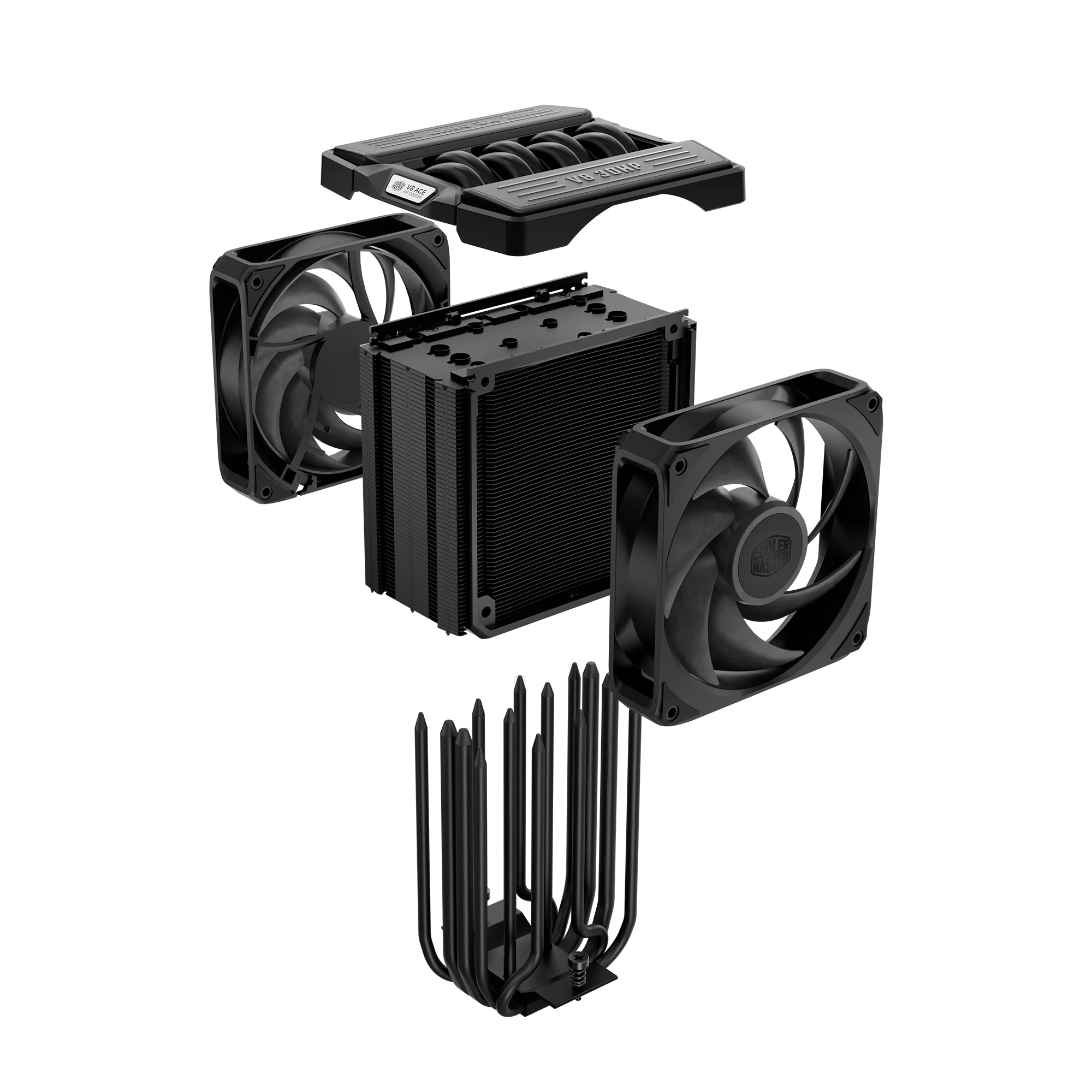
Independent hardware testing lab Cybenetics has validated the V8 ACE 3DHP cooler's performance, ranking it first among all single-tower air coolers in its database and second overall against larger dual-tower designs. To achieve this, Cooler Master employs a hybrid layout that combines two 3DHP elements with four conventional heat pipes. This design transfers heat from the CPU hotspot to the fin stack without increasing the cooler's physical footprint.
Airflow is managed by dual 120x30mm PWM LCP fans equipped with Loop Dynamic Bearings. A tool-free sliding fan mechanism simplifies installation and provides easier access to system memory. Visually, the cooler features a non-LED industrial design inspired by a V8 engine.
Platform-specific tuning distinguishes between Intel and AMD models to optimise contact pressure and fit. The Intel variant supports sockets spanning LGA1851, 1700, 1200, and 115x, while the AMD variant accommodates AM5 and AM4 sockets. Cooler Master bundles the hardware with a six-year warranty. The cooler is now available for $119.99/€109.90
KitGuru says: Cooler Master's focus on engineering a high-performing single-tower solution using 3D heat pipe technology gives builders a dual-tower performance alternative with better case and RAM clearance.
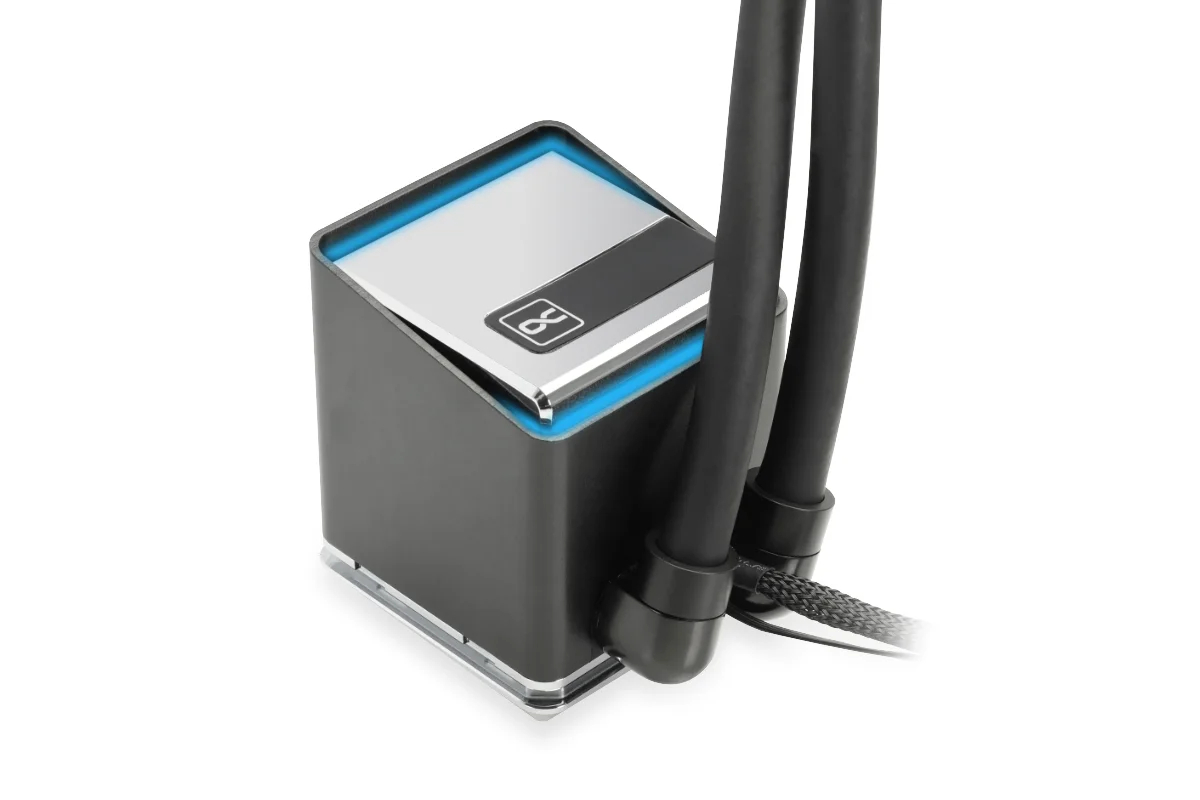
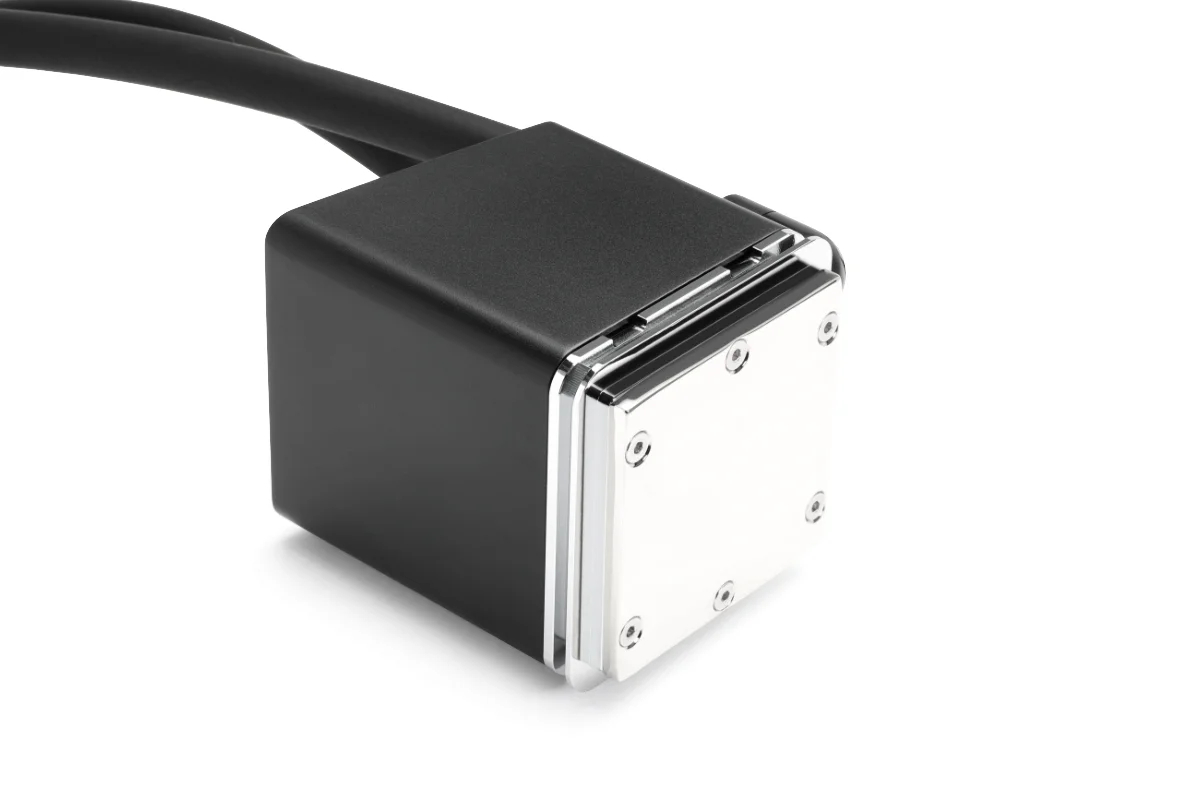
Chieftec has introduced the Iceberg Pro 360 series, a new lineup of 360mm all-in-one liquid CPU coolers featuring an integrated centrifugal VRM fan built directly into the pump housing.
The new series includes two distinct models: the Iceberg Pro 360 RGB and the Iceberg Pro 360 Dark. Both configurations deploy a 360mm aluminium radiator alongside an aerospace-inspired pump design. Chieftec aims to improve overall motherboard thermal performance by using the integrated pump fan to actively direct airflow over nearby VRMs, M.2 SSDs, and memory modules.
Cable management and installation are said to be streamlined with the company's Snap-On interlocking 120mm radiator fans, which spin up to 2200 RPM. Other performance figures for the fans include a rated airflow of 64.72 CFM and a rated air pressure of 3.06 mmH2O. The VRAM fan speed is rated at 500-2200RPM.
Illumination choices separate the two variants: the RGB model uses ARGB/PWM fans, while the Dark edition swaps them for non-illuminated PWM fans to achieve a clean, all-black look. Aside from the fans, both coolers share the same structural framework. Socket compatibility spans Intel LGA1851, LGA1700, LGA1200, and LGA115x, as well as AMD AM5 and AM4.
KitGuru says: Integrating a VRM fan into an AIO pump block isn't new, but it's proven to help reduce temperatures. Do you consider a VRM fan a plus when choosing AIOs, or is it something you just ignore?
Noctua has released an updated product roadmap outlining launch windows for hardware teased at Computex 2026. The updated roadmap shows that Noctua's new low-profile AM5 CPU cooler will be arriving next year, alongside new ‘Noctua Edition' power supplies from Seasonic.
According to VideoCardz, the upcoming low-profile AM5 cooler features a 70mm height design based on the NH-L12 series. Noctua utilises six 6mm copper heat pipes, dense aluminium fins, and a 120mm NF-A12x25 G2 fan to dissipate heat. Additionally, the configuration preserves 35mm of RAM height clearance for Mini-ITX motherboard compatibility. According to the company, this cooler is officially slated for a Q2 2027 release window.
Closer releases based on the roadmap include the NT-CP1 carbon nanotube thermal pad for AM4 and AM5 sockets, launching in Q3 of this year alongside the Pulsar Feinmann F01 Noctua Edition mouse. A Noctua Edition of Thermal Grizzly's WireView Pro II monitoring tool is also scheduled for Q3 2026.
Lastly, the roadmap shows a 140mm desk fan and a USB fan controller for Q1 2027 and slots the Seasonic Prime PX Noctua Edition and the next-generation Seasonic Prime TX Noctua Edition power supplies into Q2 2027. Next-generation workstation CPU coolers share the same Q2 2027 timeline.
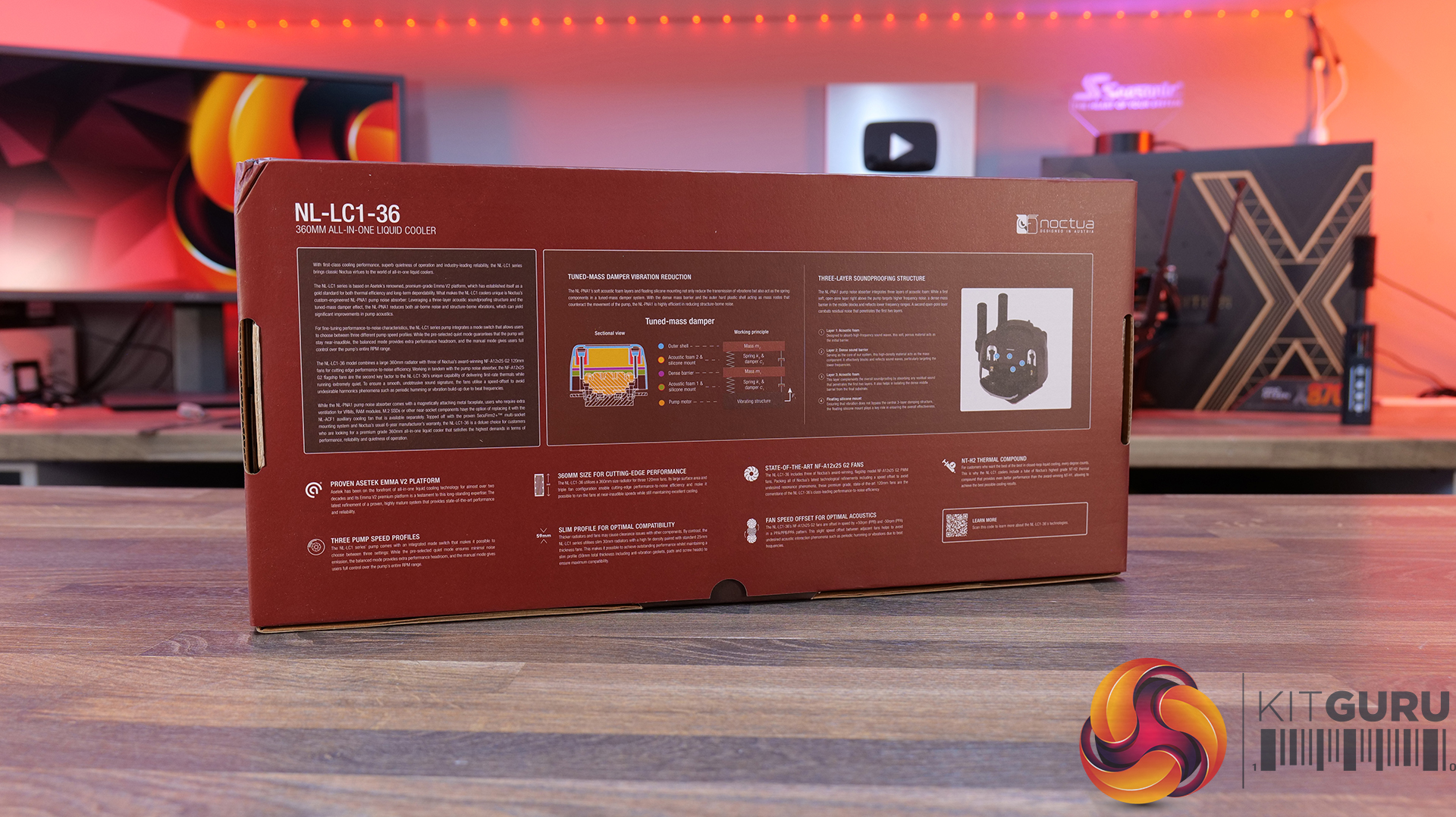
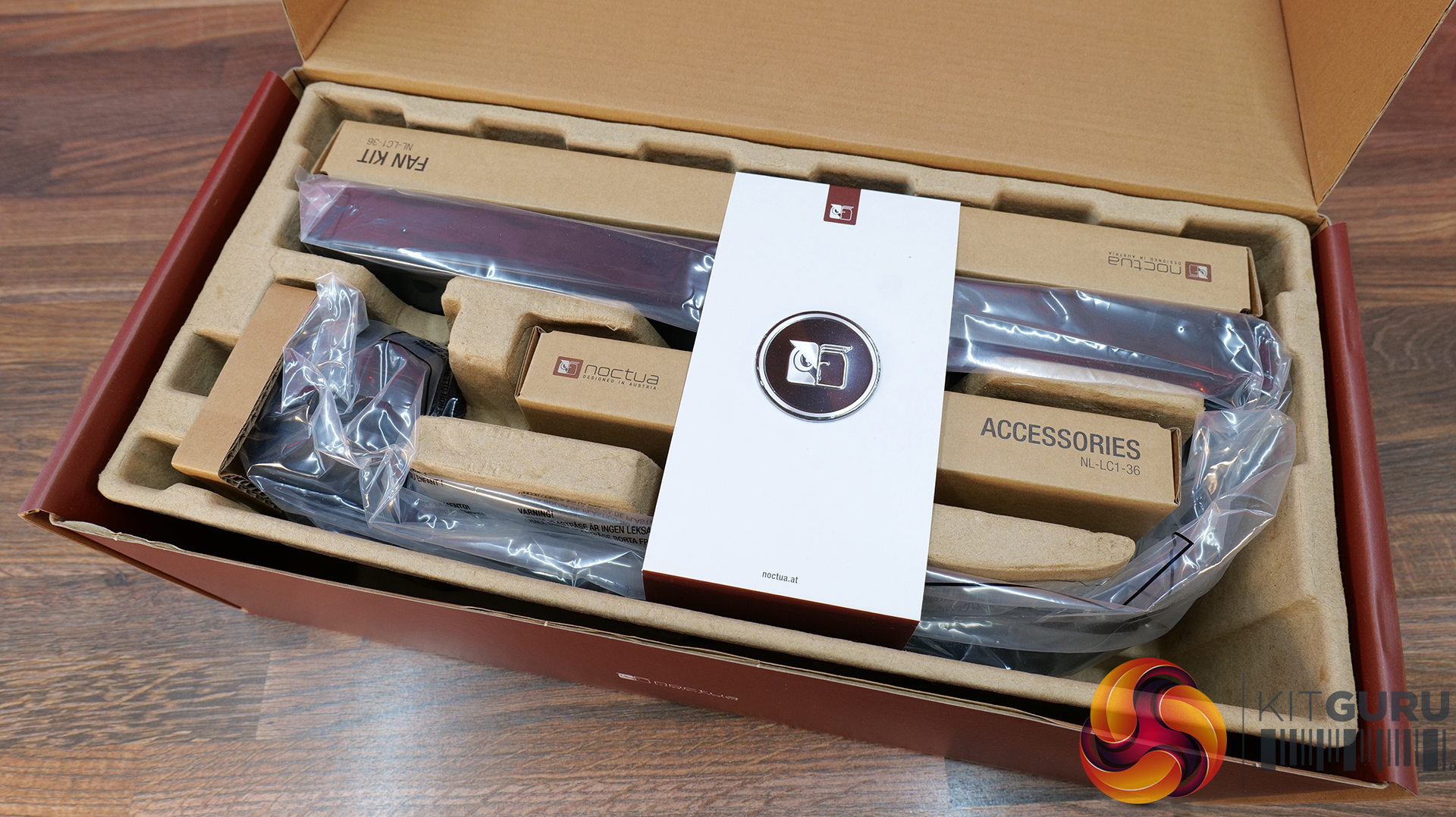
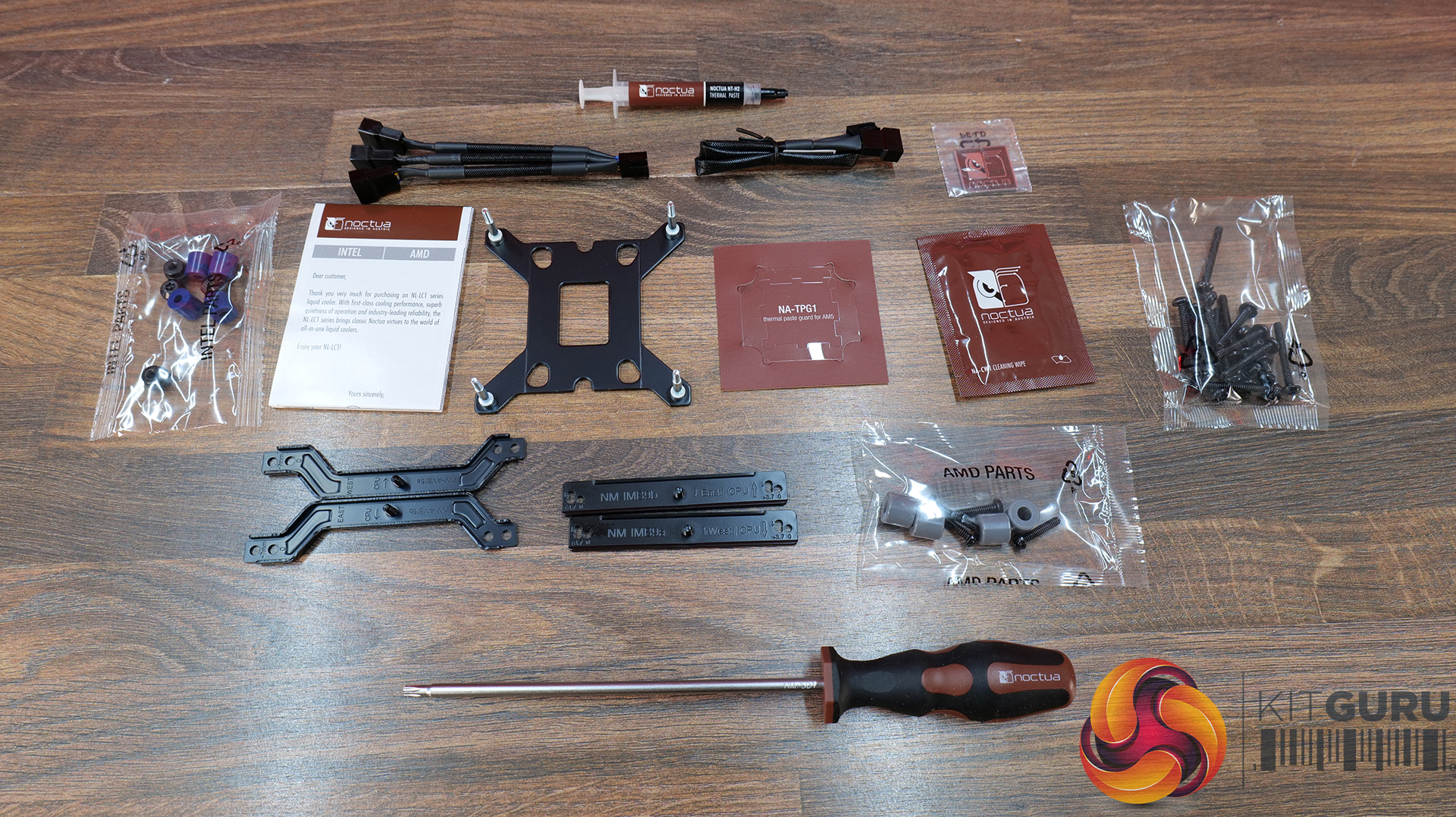
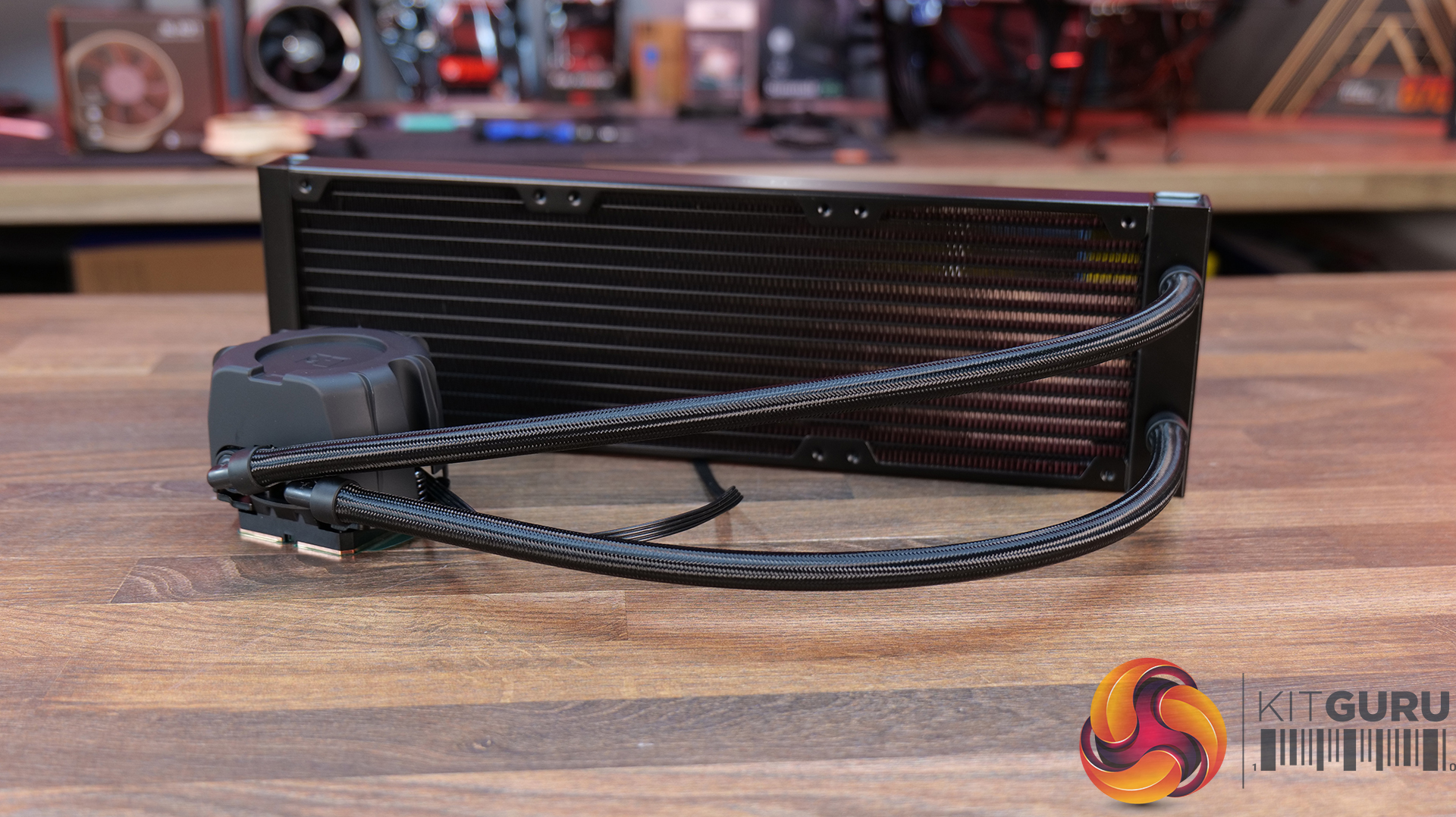
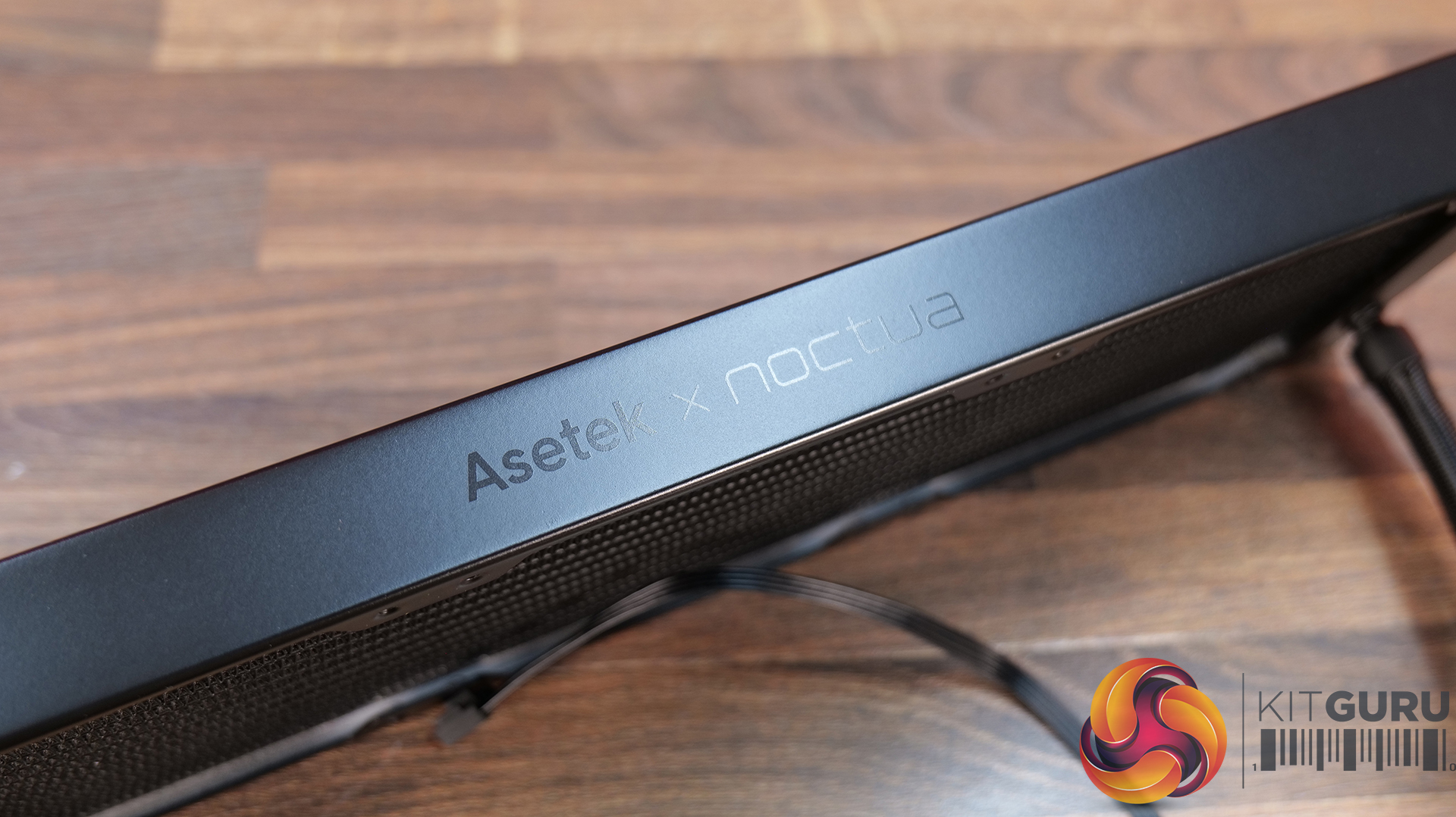
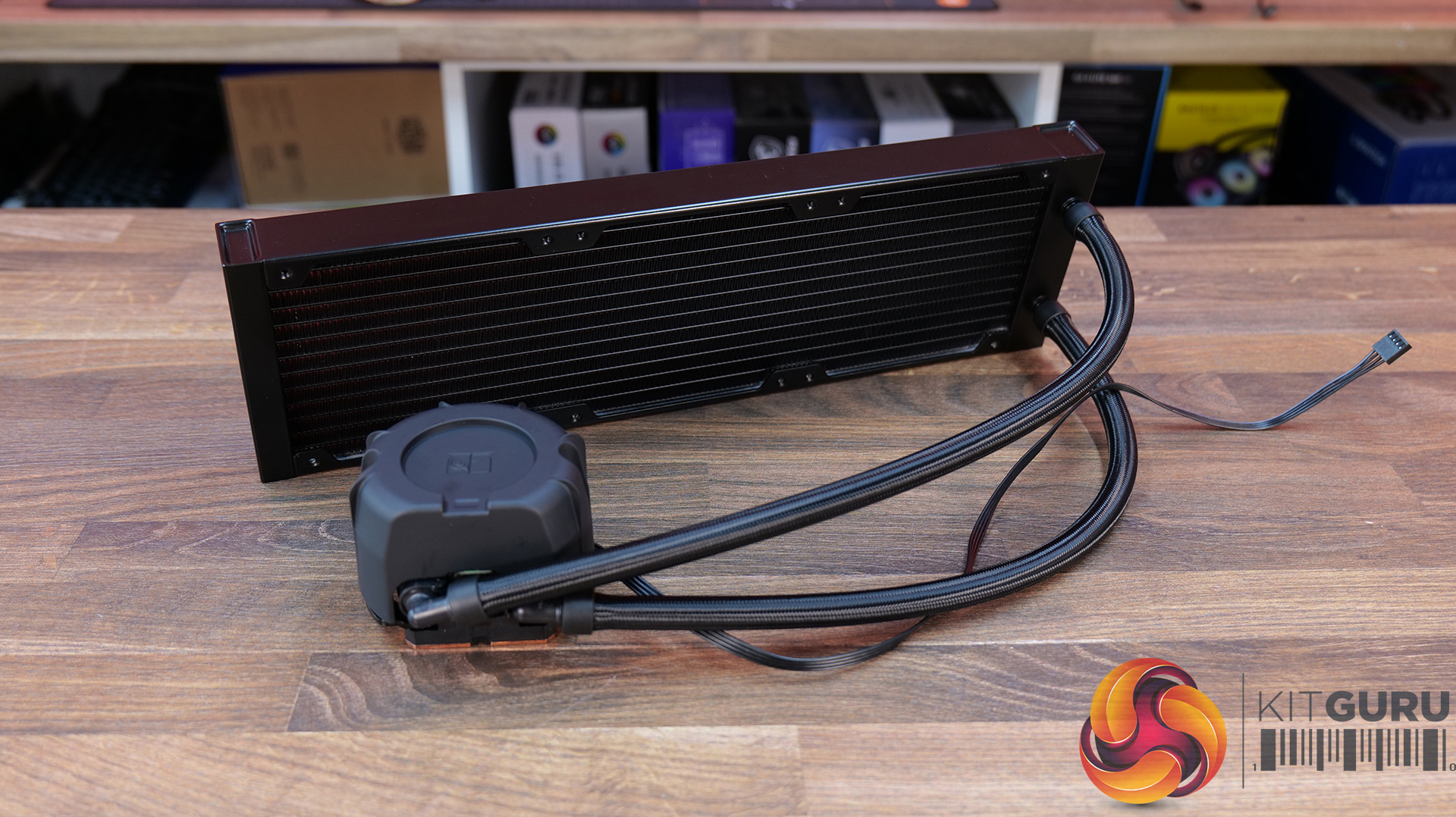
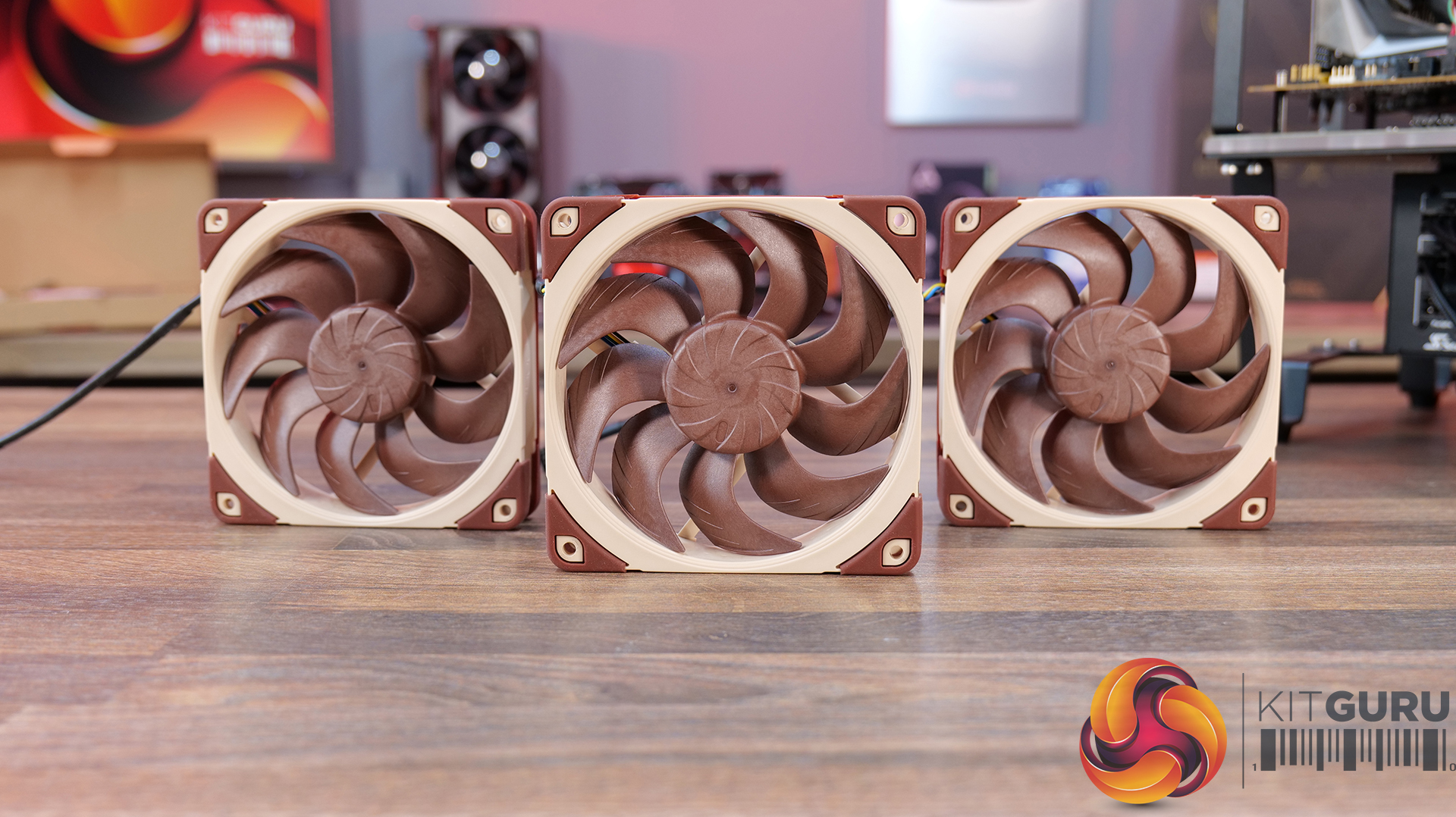
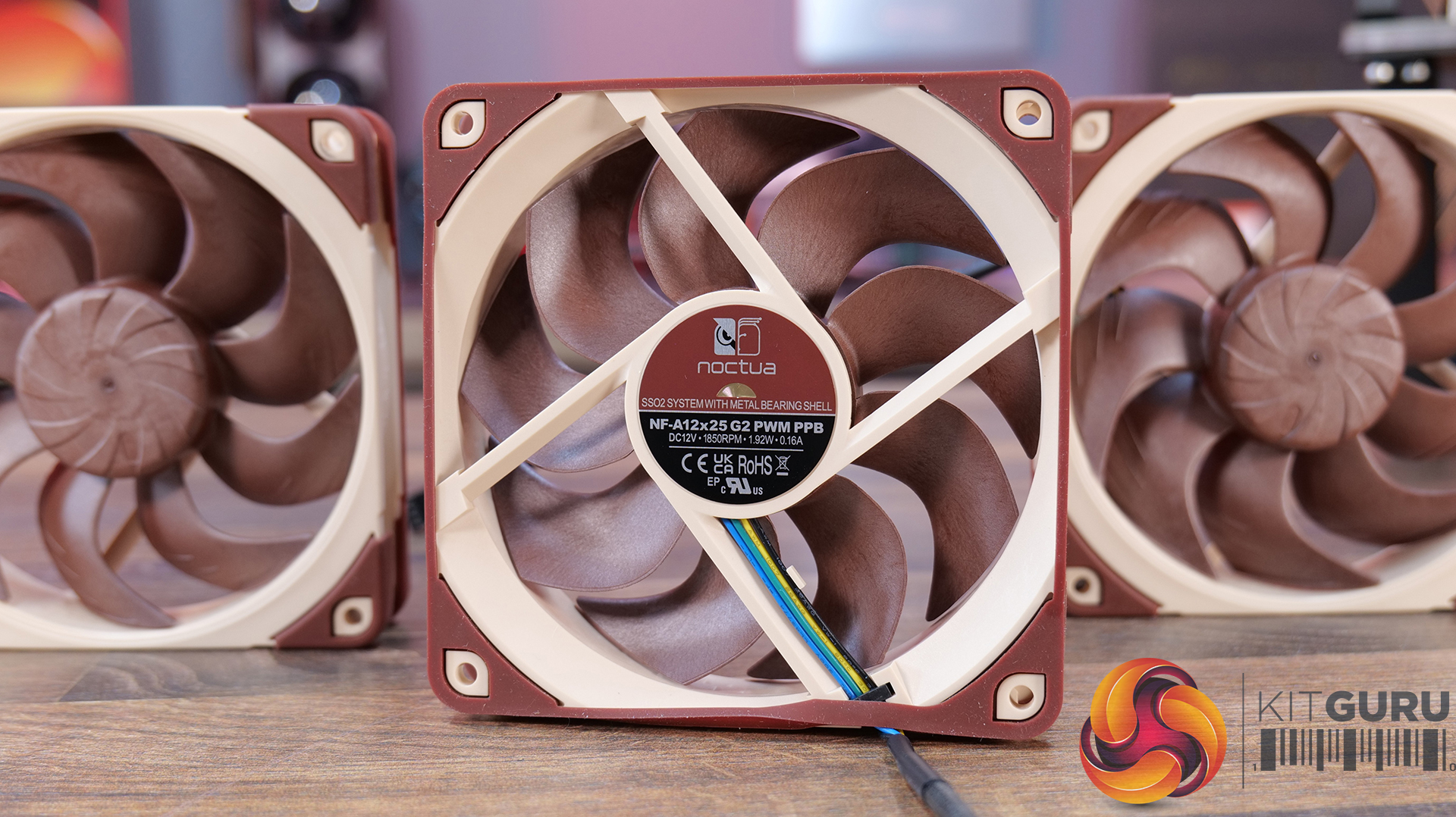
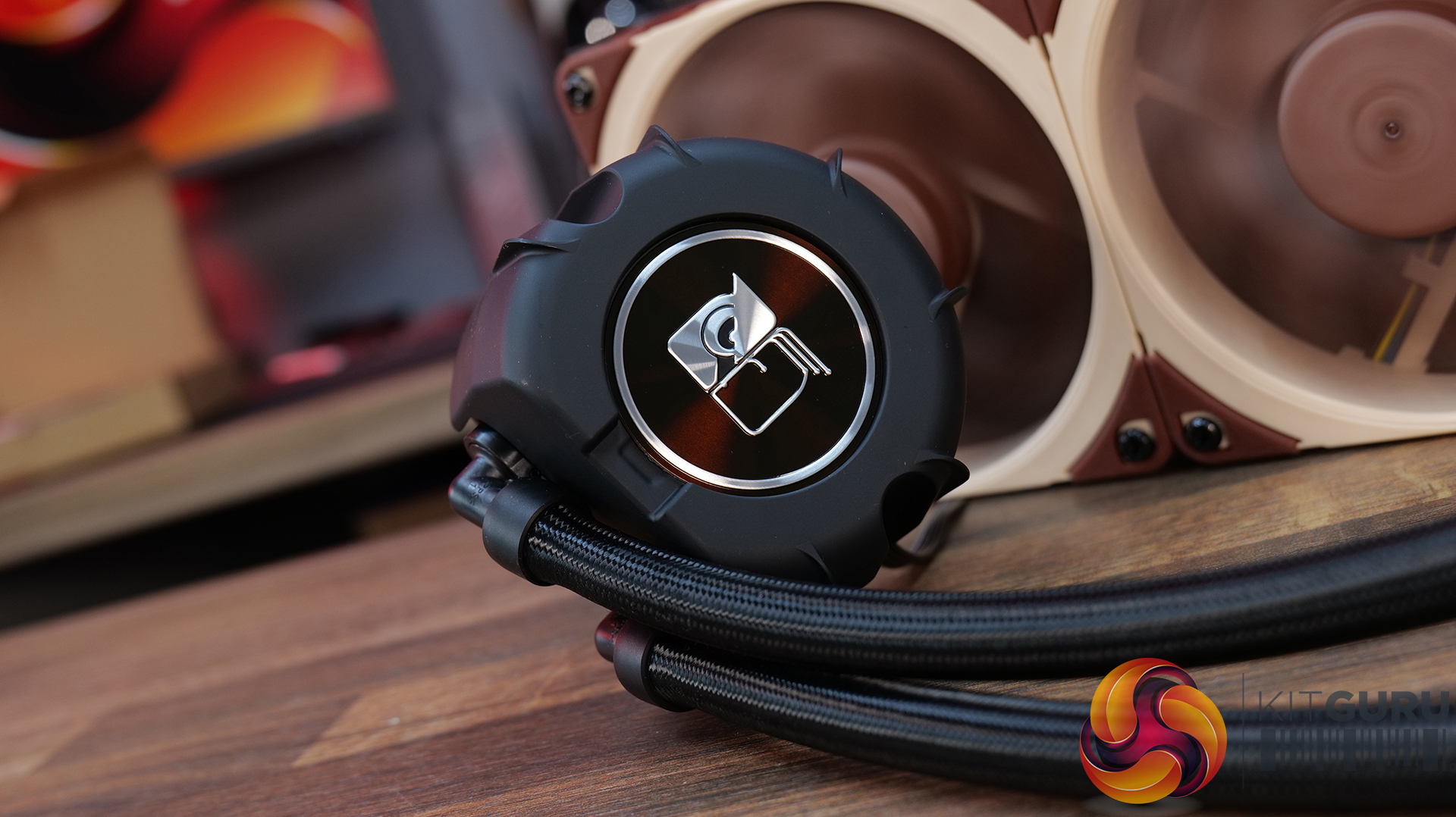
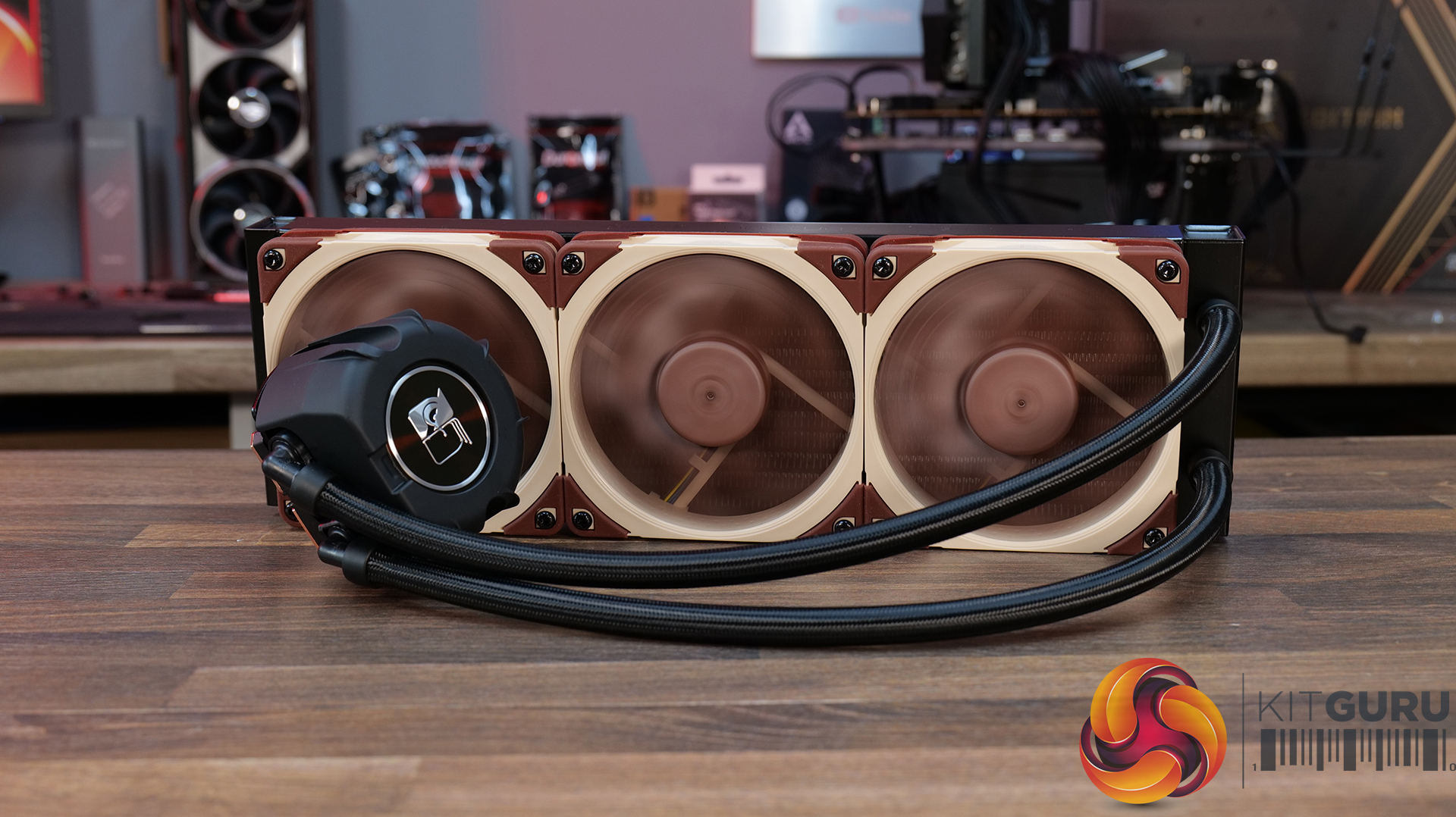
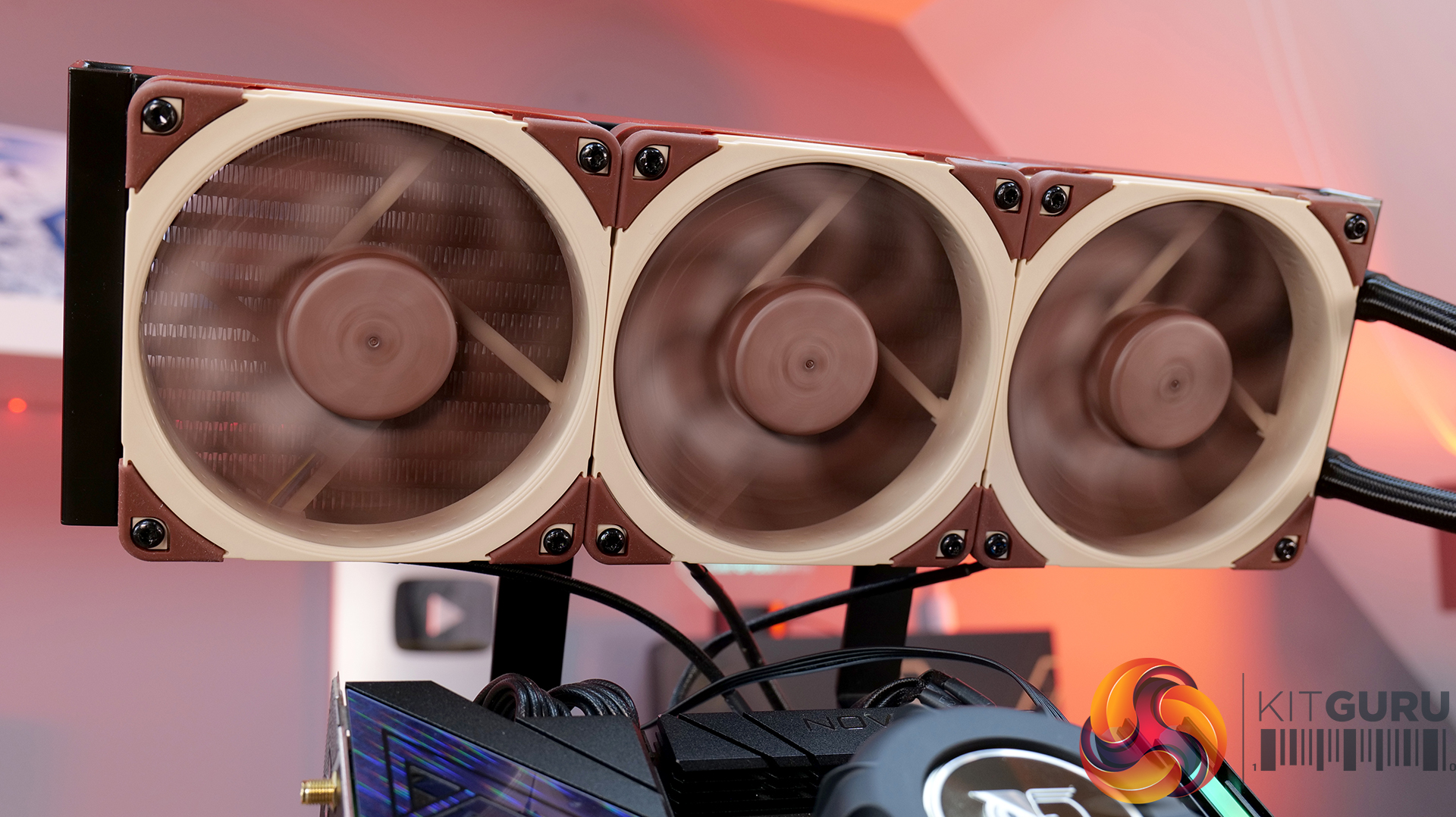
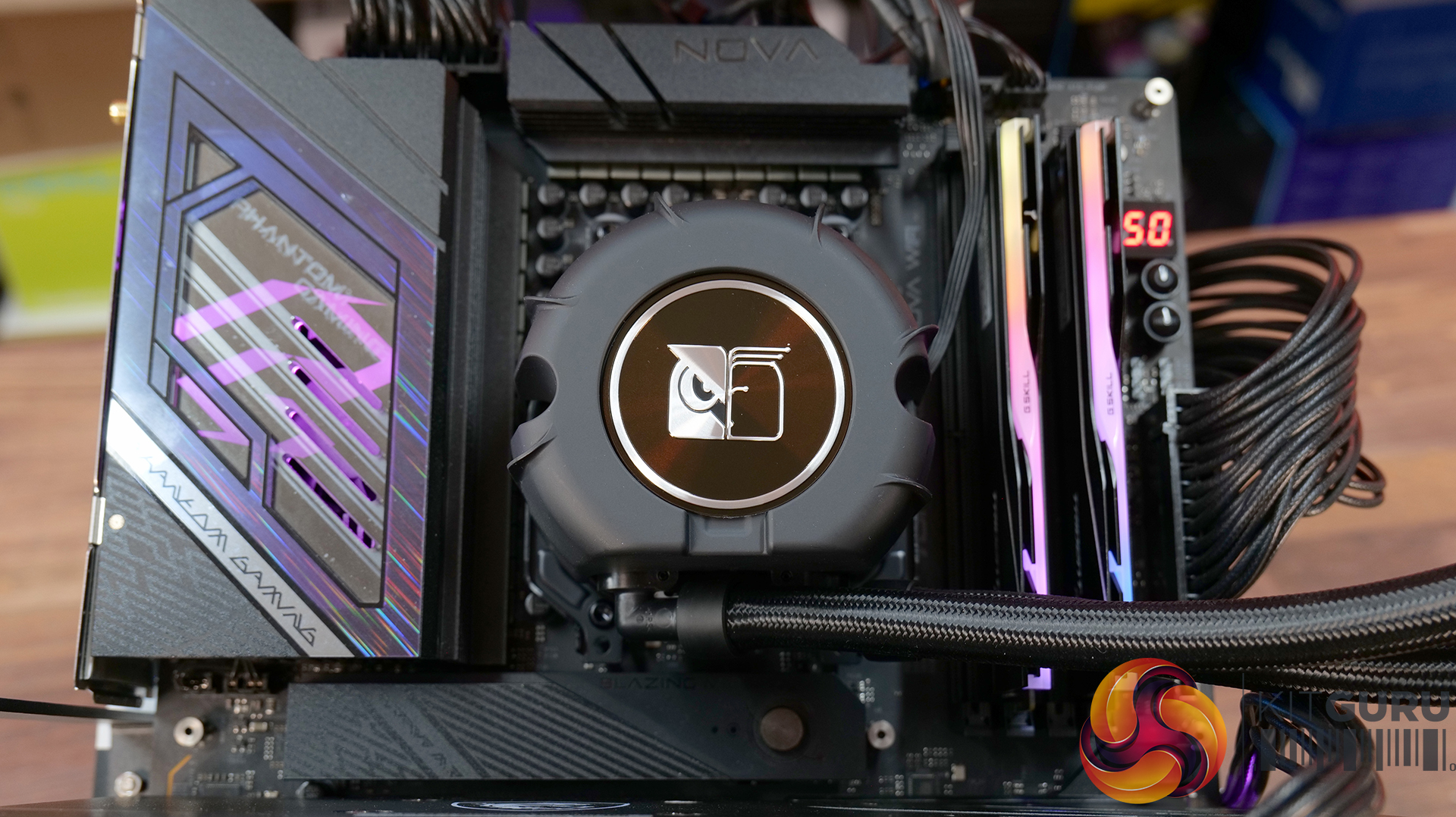
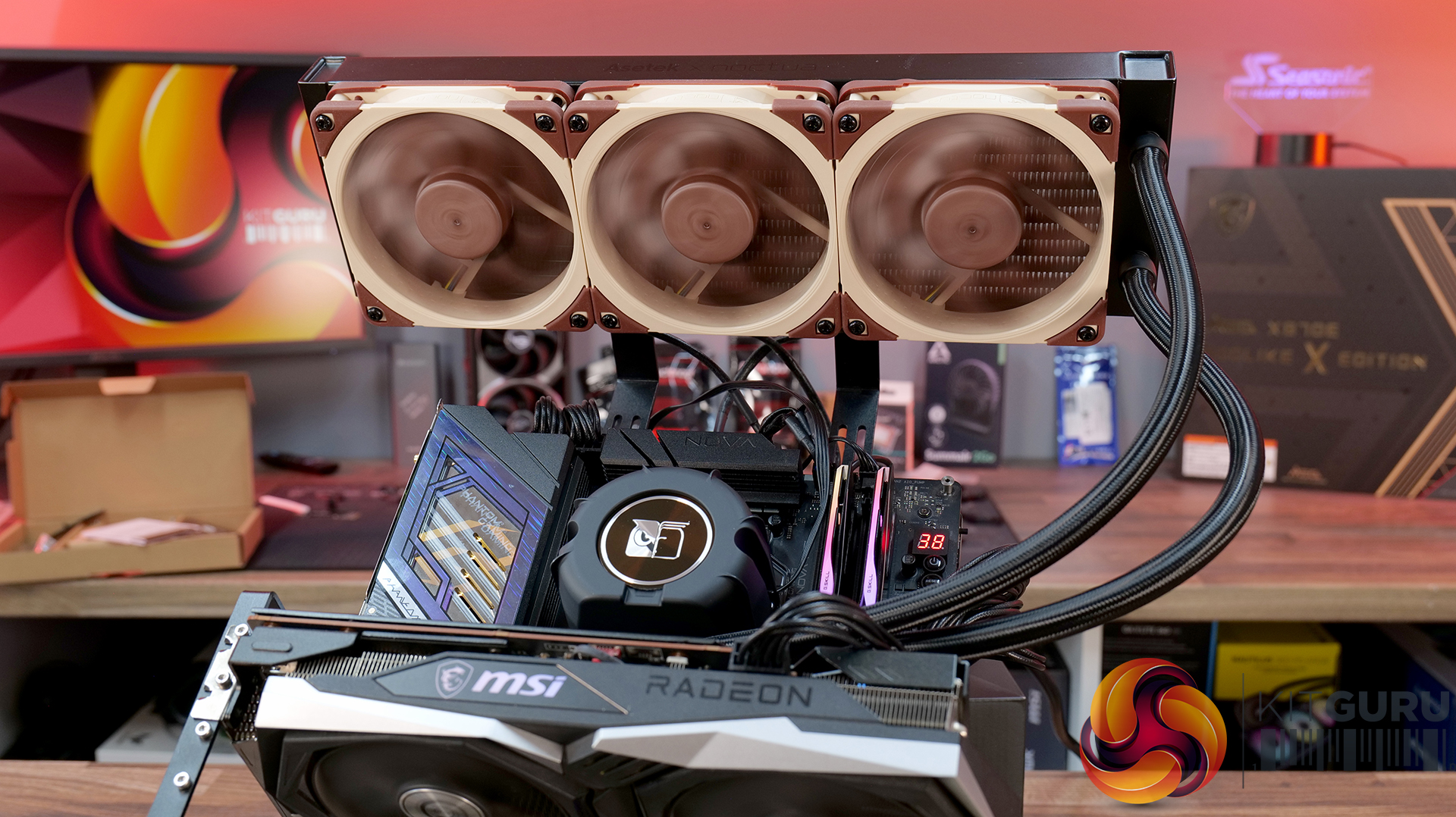
Today we're taking a look at something that has been a very long time coming – the NL-LC1-36, Noctua's first-ever all-in-one liquid CPU cooler. It's built around Asetek's EMMA V2 platform, paired with several Noctua-specific enhancements including NF-A12x25 G2 fans, a dedicated pump noise absorber, SecuFirm2+ mounting hardware and an optional auxiliary fan designed to improve airflow around nearby motherboard components. As expected, Noctua is aiming the focus on acoustics, reliability and attention to detail that made its air coolers so popular over the years, but now implementing that into liquid cooling. In this review, we'll be testing installation, build quality, acoustics and, of course, thermal performance to see how the NL-LC1-36 compares against the best 360mm AIO coolers currently on the market.
Timestamps:
00:00 Start
01:11 Versions and pricing
02:06 Product information
03:56 The Mode Switch / Sound Tests
04:56 Top Cover and fan accessory
06:12 Coldplate and fitment
06:50 James thoughts so far
07:12 The Fans / kit
09:07 Accessories
10:27 Setting up the test system
12:33 Noise Output
13:20 CPU Temperature – Manual OC, 100% fans
13:58 CPU Temperature – Manual OC, 40dBA
14:37 CPU Temp and Clocks – PBO
15:21 James Closing Thoughts
Features:
Based on Asetek’s Emma V2 Platform – Asetek’s flagship pump that uses a closed impeller design for improved efficiency and performance. Compared with its predecessor Emma V2 provides 58% higher flow rate, and 124% higher head pressure as well as offering a 40% reduction in energy consumption.
Equipped with Noctua NL-PNA1 Pump Noise Absorber – Improved pump acoustics by reducing SPL and shifting the pump's sound signature towards lower, less distracting noise frequency.
High Purity Copper Cold Plate – Manufactured from 99.95% CU110 copper with a large 32.5 x 22.5mm micro-skived fin array.
Noctua NF-A12/A14x25 G2 Fans Included – All Noctua NL-LC1 series AIO’s include Noctua NF-A12 or A14 X25 G2 fans
Specifications:
CPU Socket Compatibility: AMD AM5/AM4, Intel LGA1700/LGA1851
Radiator Material: Aluminium
Radiator Dimensions: 400x120x30mm
CPU Block/Pump Dimensions:
Pump Speed: 750~3400 RPM (±10 %) Max (Manual Mode)
Today we’re going big on AIO coolers – seven of them in fact! We’ve got new hardware from ASRock, Cooler Master, CPS PCCOOLER, DeepCool, Enermax and Sudokoo to look at, all featuring integrated pump-mounted displays and targeting a wide range of price points. In this multi-review, we’ll be looking at thermals, noise, build quality and value for money to find out which ones are genuinely impressive, and which ones are just flashy-looking screens with a pump attached.
ASROCK Challenger 360 Digital – CCL £88.99 black HERE – £95.99 White HERE.
Features
3-inch digital display with real-time monitoring — Challenger 360 Digital features an integrated pump-top display showing key system stats like CPU temperature, frequency and pump speed.
Next-gen pump design — With 3-phase, 6-slot, 4-pole motor and a dual-side inlet design and a precision copper cold plate for optimal coolant and efficient heat dissipation.
Streamlined installation — Pre-mounted fans, hidden cable routing and a universal mounting system, alongside features like ring-frame fan blades and 0dB fan stop support to balance airflow performance with quieter operation.
Specification:
CPU Socket Compatibility: AMD AM5, AM4 | Intel LGA1851, LGA1700
Radiator Material: Aluminium
Radiator Dimensions: 394 x 119.6 x 27 mm
CPU Block/Pump Dimensions: 85 x 84.1 x 53.5 mm
Pump Speed: 1200–3200 ±10% RPM
Cold Plate Material: Mico-Skived Copper
Pump Connector: 4-pin PWM
Fan Dimensions: 120 x 120 x 25.4 mm
Fan Speed: 0–2100 ±10% RPM
Air flow: 6 CFM
Air Pressure: 77 mmH₂O
Fan Noise: 31 dB(A)
Fan Connector: 4-pin PWM
LCD Screen: 3-inch segment LED display
Warranty: 6 years (AIO cooler module)
Pros:
The digital display is bright and easy to read data.
Reasonable noise at max fan speed.
Daisy-chained fans reduce cable clutter.
Cons:
Light bleed from the LEDs on the fans is not well diffused.
4-inch full-colour LCD — Equipped with a full-coverage display that shows real-time system stats, images or animations, all configurable through ASRock’s Polychrome Display software.
Next-gen cooling system with dual-inlet design — 3-phase, 6-slot, 4-pole pump, paired with a dual-side inlet cooling path for improved thermal efficiency and more consistent temperatures under load.
360° Halo ARGB fan system — Integrated halo lighting with a single-cable fan design, combining high airflow FDB fans with streamlined cable management for cleaner installs and synchronised lighting.
Specification:
CPU Socket Compatibility: AMD AM5, AM4 | Intel LGA1851, LGA1700
Warranty: 6 Years (AIO Cooler Module), 2 years (Display Module)
Pros:
Decent-looking screen with plenty of customisation options.
Solid cooling performance.
Single-frame fan looks neat with minimal wiring.
Cons:
CPU block is very tall.
Quite loud at max fan speed.
Requires several software apps to operate the screen, RGB and fan speed.
Rating: 7.5.
Cooler Master MasterLiquid Core Nex Digital 360 Black ARGB – OcUK £89.99 HERE.
Features
Hexagonal digital display with real-time system monitoring — MasterLiquid Core NEX Digital 360 features an integrated top-mounted screen capable of displaying CPU/GPU temperatures, usage, fan speeds and pump RPM via Cooler Master’s MasterCTRL software.
Refined dual chamber pump architecture — Featuring Cooler Master’s updated G9R dual chamber design with improved water pressure and optimised coolant flow for enhanced heat transfer efficiency.
Simplified all-in-one installation — Pre-installed fans, streamlined cabling, pre-applied thermal paste and pre-mounted brackets help reduce installation complexity while maintaining a cleaner overall system build.
LCD Screen: LED Digital Display, 50.1 x 54.4 mm, 120 cd/m²
Screen Connector: USB 2.0 9-Pin
Warranty: 5 Years
Pros:
Daisy-chained fans reduce wiring.
Quick and easy.
Clear and easy to read display.
Cons:
Very loud at max fan speed.
Average 40 dba thermal performance.
Some Cable clutter at the CPU block.
Rating: 7.
CPS PCCOOLER GT360M ARGB Display – £85.99 Amazon in black or white HERE.
Features
5-inch high-resolution LCD display — GT360M ARGB Display features a customisable IPS screen capable of showing real-time system monitoring data, animations, wallpapers and video playback through CPS control software support.
Next-generation ceramic bearing pump design — Equipped with a second-generation large chamber pump, ultra-fine micro water channels and an all-ceramic bearing structure designed to improve coolant flow, reduce operational noise and extend long-term durability.
Streamlined cable management and installation — Factory pre-installed fans, integrated hidden wiring and a quick-release mounting system help simplify the build process while maintaining a cleaner overall system appearance.
4-inch IPS LCD with modular customisation — SPARTACUS 360 features a 480×480 IPS display with 16.7 million colours, supports system monitoring layouts, GIFs, video playback and dynamic graph modes through DeepCreative software integration.
6th-generation pump with AI-tuned cooling control — Equipped with a 3-phase, 6-slot, 4-pole Gen 6 pump and DeepCreative AI algorithms that dynamically tune pump and fan speeds for quieter operation and up to 320W of heat dissipation performance.
Semi-integral blade fans with streamlined connectivity — High-performance 120mm fans use a reinforced semi-integral blade design for improved airflow stability and lower noise, while DeepCool’s single 10-pin connection design dramatically cuts cable clutter during installation.
Magnetic rotatable digital display with real-time monitoring — LIQMAX IV 360 features a magnetic pump-top status display that can be manually rotated for cleaner orientation while providing live CPU temperatures, fan speeds and system monitoring data.
Patented dual-chamber pump with Gen.2 Xtreme technology — ENERMAX pairs a larger 35% expanded copper base with its Gen.2 Xtreme Pump design, delivering a claimed 31% increase in coolant flow rate and cooling capacity rated up to 390W TDP.
Quiet high-performance cooling setup — PWM-controlled radiator fans and pump operation are tuned to balance airflow and acoustics, with 500–1800RPM fan speeds and low-noise operation designed to keep high-end systems under control.
Segmented pump display with real-time system monitoring — ENERGLO 360 features a pump top-mounted modular segmented screen on the that displays CPU temperature and system status in real time, without requiring external software.
High-performance PWM pump with wide speed control range — Equipped with a high-performance pump with a speed range of 2500–3400 RPM, designed for efficient thermal transfer while maintaining quiet operation.
360mm triple-fan cooling array with high airflow performance — Includes three 120mm PWM fans delivering up to 73.41 CFM airflow with strong static pressure, optimised for high-efficiency cooling at high-demand workloads.
We are primarily focusing on the performance of each cooler at 100% fan speed and also when locked to 40dBA noise output. We will focus on cooling performance using a manual overclock with all-core frequency and VCORE locked to 5.2GHz/1.3V (AMD) and 5.5GHz/1.3V (Intel) and Precision Boost Overdrive performance.
The test data is logged using HWINFO and the final 10 minutes of the data is calculated to find the average CPU temperature and CPU clock multiplier (AMD PBO Test) and then plotted in the charts.
For testing, we use a 30-minute looped run of Cinebench R23 and record the steady-state CPU temperature at the end of the test. This ensures that the CPU has had ample time to warm up and reach a steady state under all of the coolers.
The ambient is maintained at 19-21 degrees Celsius. Where there is variation beyond this temperature range, we add extra repeated tests to ensure consistency. However, this is well controlled now with A/C.
We also test each cooler with at least two fresh installs (typically three) to mitigate the likelihood of poor mounting spoiling results.
Ambient temperature and humidity are controlled via a mini split air conditioning system inside the test room. Ambient temperature is maintained between 19-20°C; temperature delta figures are shown in the charts (ambient temperature is deducted from the measured component temperature).
Test Results:
Acoustics
We will start by looking at noise output which gives us a good indication of thermal performance based on noise.
When looking at noise output with the fans and pump operating at max speed, there’s quite a wide spread between the coolers on test. The quietest is the ASRock Challenger 360 Digital at 47dBA, which puts it among the quieter coolers in our database overall. The Enermax Liqmax IV 360 also performs well at 48dBA, while the CPS PCCOOLER GT360M ARGB Display sits in the middle at 51dBA.
At the louder end of the chart are the ASRock Phantom Gaming 360 LCD and Cooler Master MasterLiquid Core Nex 360 ARGB both at 52dBA, which is noticeable but still quite typical for 360mm liquid coolers running flat out. The Sudokoo Energlo 360 comes in slightly higher at 53dBA, while the loudest cooler of this group is the DeepCool Spartacus 360 at 55dBA. That’s definitely getting loud enough to be quite distracting.
Thermal Performance: AMD Ryzen 9 9950X
With fans and pumps still running at max speed, thermal performance from the coolers on test is competitive, with only 2°C separating the best and worst results in this test. Leading the pack are the CPS PCCOOLER GT360M ARGB Display, DeepCool Spartacus 360 and Sudokoo Energlo 360, all at 59°C CPU over ambient under steady-state load, which places them among the top performing AIOs in our chart overall.
Just behind are the ASRock Challenger 360 Digital and Phantom Gaming 360 LCD, alongside the Cooler Master ML Core Nex 360 ARGB, with all three producing a 60°C delta result. While not chart-topping, the difference in real-world terms is small and well within the range you would expect from good 360mm liquid coolers. The Enermax Liqmax IV 360 Display trails slightly at 61°C, though again the margin is minimal.
At a noise-normalised level of 40dBA, the thermal results provide a clearer indication of efficiency once acoustics are taken into account. At the top we see the ASRock Challenger 360 Digital and Phantom Gaming 360 LCD, both with a 63°C delta, placing them in the top end of the chart. Just behind them is the Sudokoo Energlo 360 at 64°C over ambient, followed by the CPS PCCOOLER GT360M ARGB Display and the DeepCool Spartacus 360 at 65°C. suggesting similar efficiency once acoustics are equalised.
Further back is the Enermax Liqmax IV 360 at 66°C over ambient, while the Cooler Master MasterLiquid Core Nex 360 ARGB trails slightly further at 67°C. These results indicate both models lose efficiency when limited to a 40dBA noise target, relying more heavily on higher fan speeds to maintain thermal performance.
Switching to AMD PBO testing, the results reflect a more real-world scenario where we see how effectively coolers can maintain boost clocks under sustained load. The strongest results come from the ASRock Phantom Gaming 360 LCD, which posts a 52.5x clock multiplier and 63°C delta, placing it among the top-performing units in the PBO test. The ASRock Challenger 360 Digital follows with the same clock multiplier but just 1°C higher delta so basically producing the same CPU performance.
Just below is the Deepcool Spartacus with the same 52.5x clock multiplier at 65°C and the Sudokoo Energlo at 66°C delta, again with a 52.5 x multiplier. Further back with a clock multiplier of 52.4x are the Cooler Master ML Coer Nex Digital at 64°C delta, the CPS PCCOOLER GT360M at 64°C and the Enermax trails at 66 °C over ambient. While these results place them behind the best coolers, the clock multipliers are narrow enough that, under AMD PBO conditions, all of the tested 360mm AIOs deliver similar sustained boost behaviour.
KitGuru says: In terms of real-world performance, all of these coolers are quite closely matched. However, in terms of best value for money, I'd go with the ASRock Challenger 360 Digital as it combines good thermals, low max fan speed noise and a decent-looking screen at a reasonable price.
Asus has announced the launch of its ROG Strix LC IV series of AIO liquid CPU coolers, featuring the proprietary Asus AIO Q-Connector for cable-free installation.
According to Guru3D, the new generation of Asus AIO coolers brings design updates to streamline system assembly. The lineup includes the standard LC model, featuring 400mm tubing attached to the radiator with ball-joint fittings for easier orientation, and the SLC variant with shortened 250mm pipes centred along the radiator.
Both versions feature a 5.08-inch IPS display with a 720×720 resolution on the pump block. Users can display images, video, or real-time metrics using the new Asus InfoHub software application. Cable management is handled by Asus's AIO Q-Connector system, which uses a USB-C port under the screen to interface with Pogo pins, transferring power and data directly through contact points on select motherboards. Currently, compatible motherboards include the ROG Crosshair X870E Glacial, ROG Crosshair X870E Dark Hero, and ROG Strix X870E-E/A Gaming WIFI7 Neo.
Airflow is driven by three 120mm fans combined into a single unified frame to minimise cable clutter. These fans operate between 800RPM and 2500RPM, delivering up to 82.57CFM of airflow and 4.36mmH2O of static pressure through a combined PWM and RGB connection. The coolers are compatible with AMD AM4 and AM5 sockets, as well as Intel LGA1700 and LGA1851 platforms. Pricing for the series starts at around €220.
KitGuru says: The inclusion of a cable-free contact system and a unified fan frame shows Asus is now focusing on cleaner aesthetics. However, you'll need a compatible motherboard to take full advantage of these AIOs.
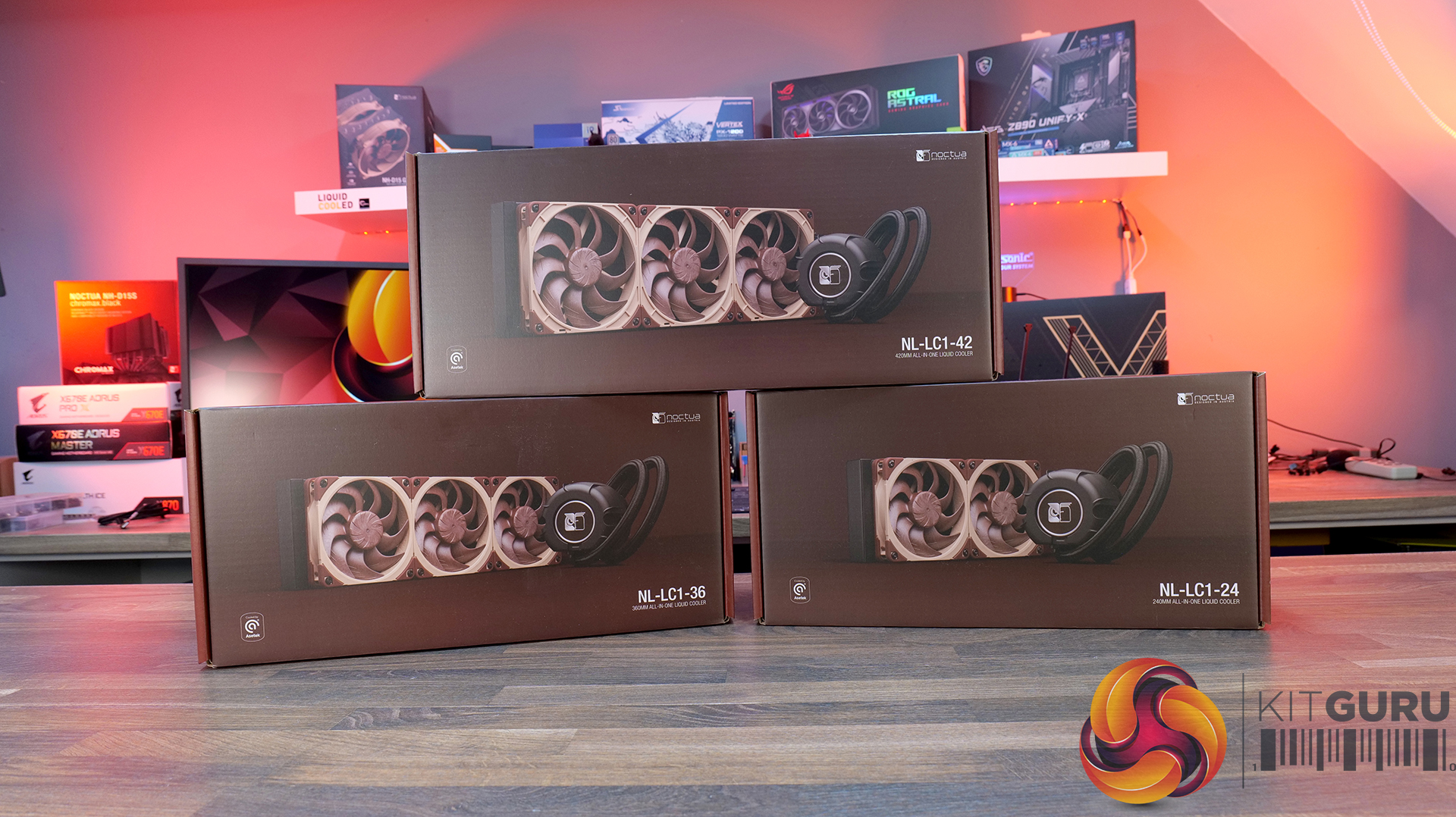
Noctua has introduced its first AIO liquid CPU coolers with the launch of the NL-LC1 series. Available in 240mm, 360mm, and 420mm form factors, the closed-loop coolers are built on Asetek's latest technology, along with custom acoustic optimisations from Noctua.
To address pump noise, Noctua integrates its custom NL-PNA1 pump noise absorber. This design uses a three-layer acoustic soundproofing structure and a tuned-mass damper effect to reduce airborne noise and structure-borne vibrations. Users can choose among three pump speed profiles via an integrated mode switch, including quiet, balanced, and manual control modes.
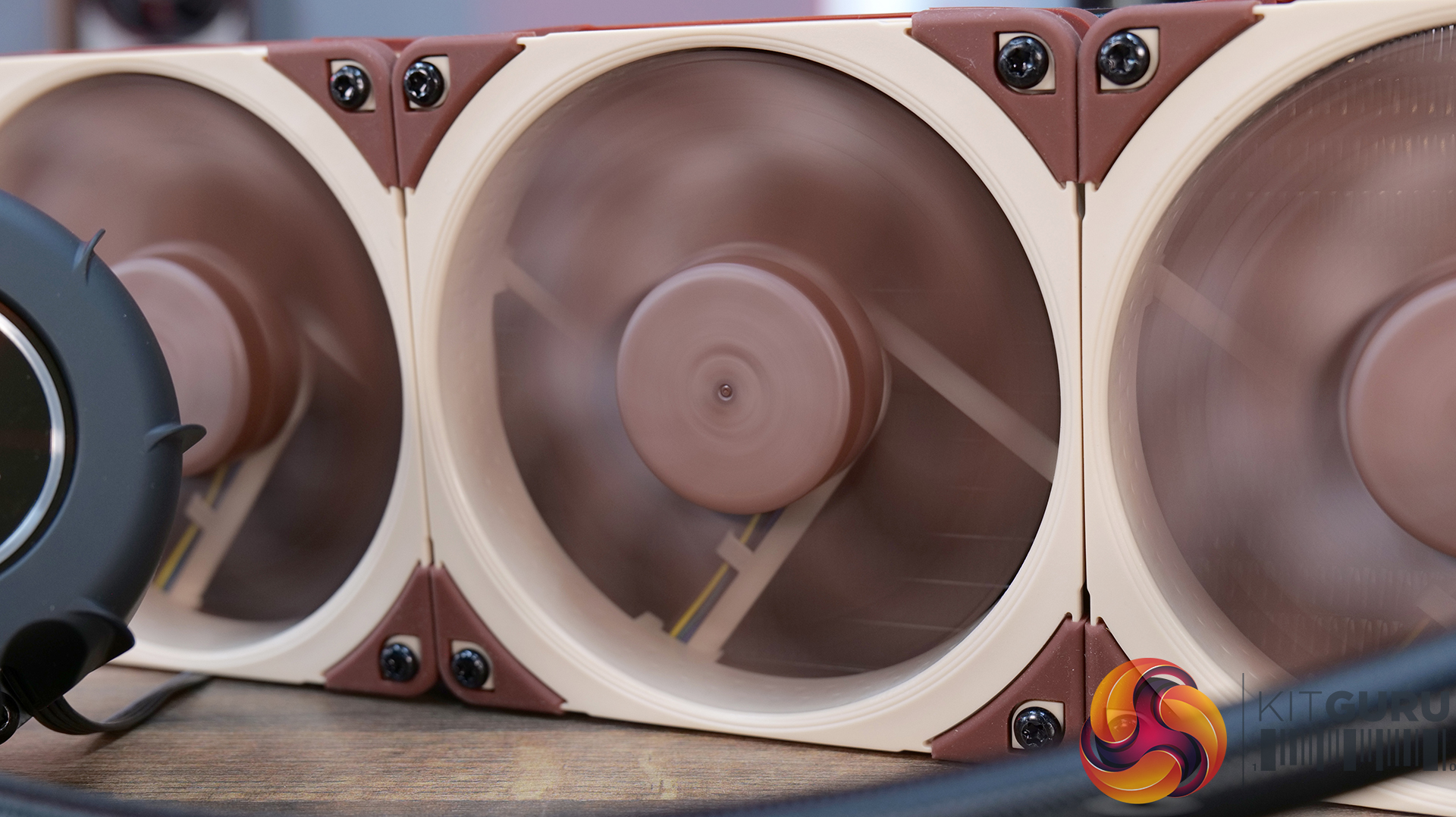
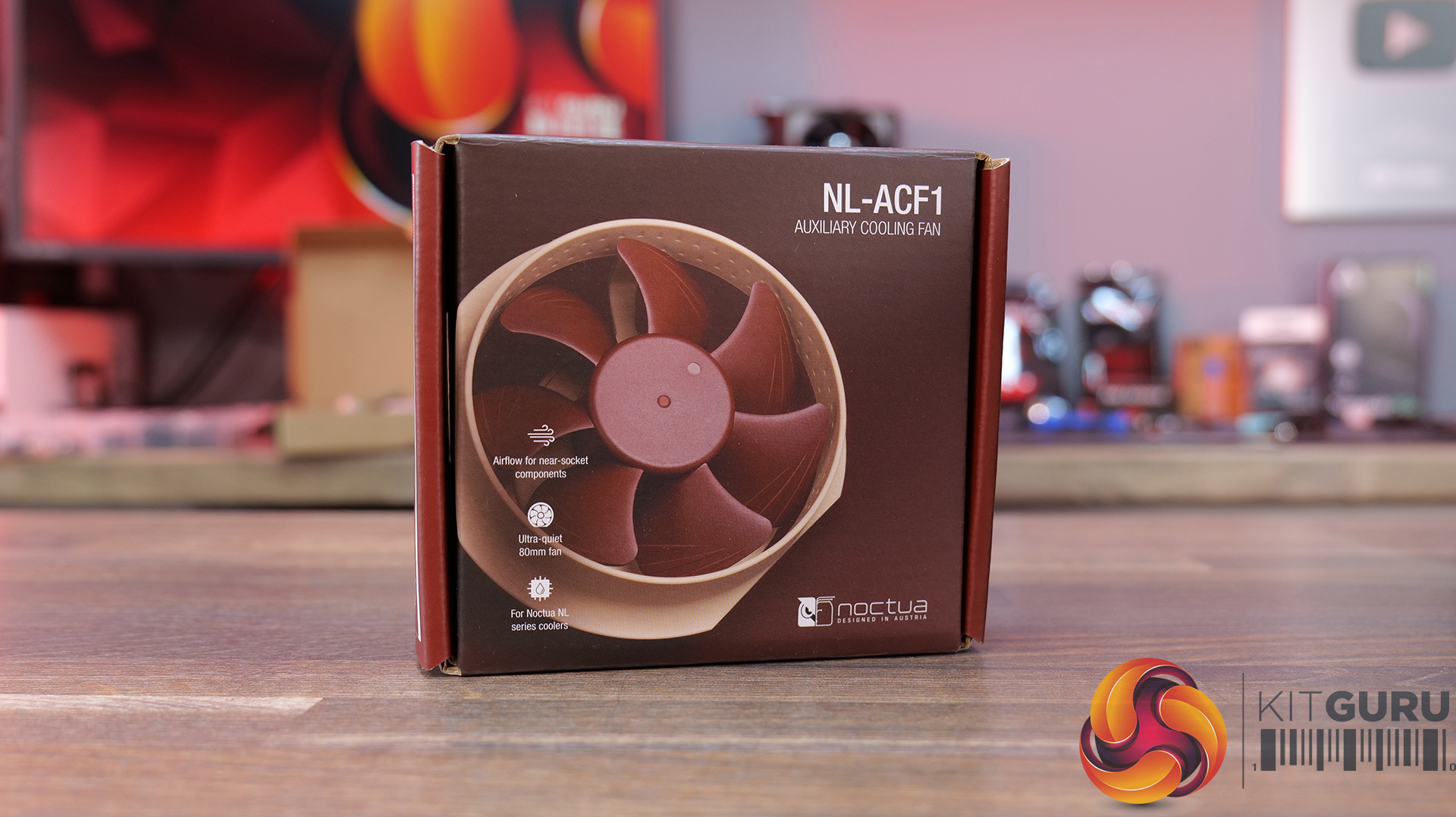
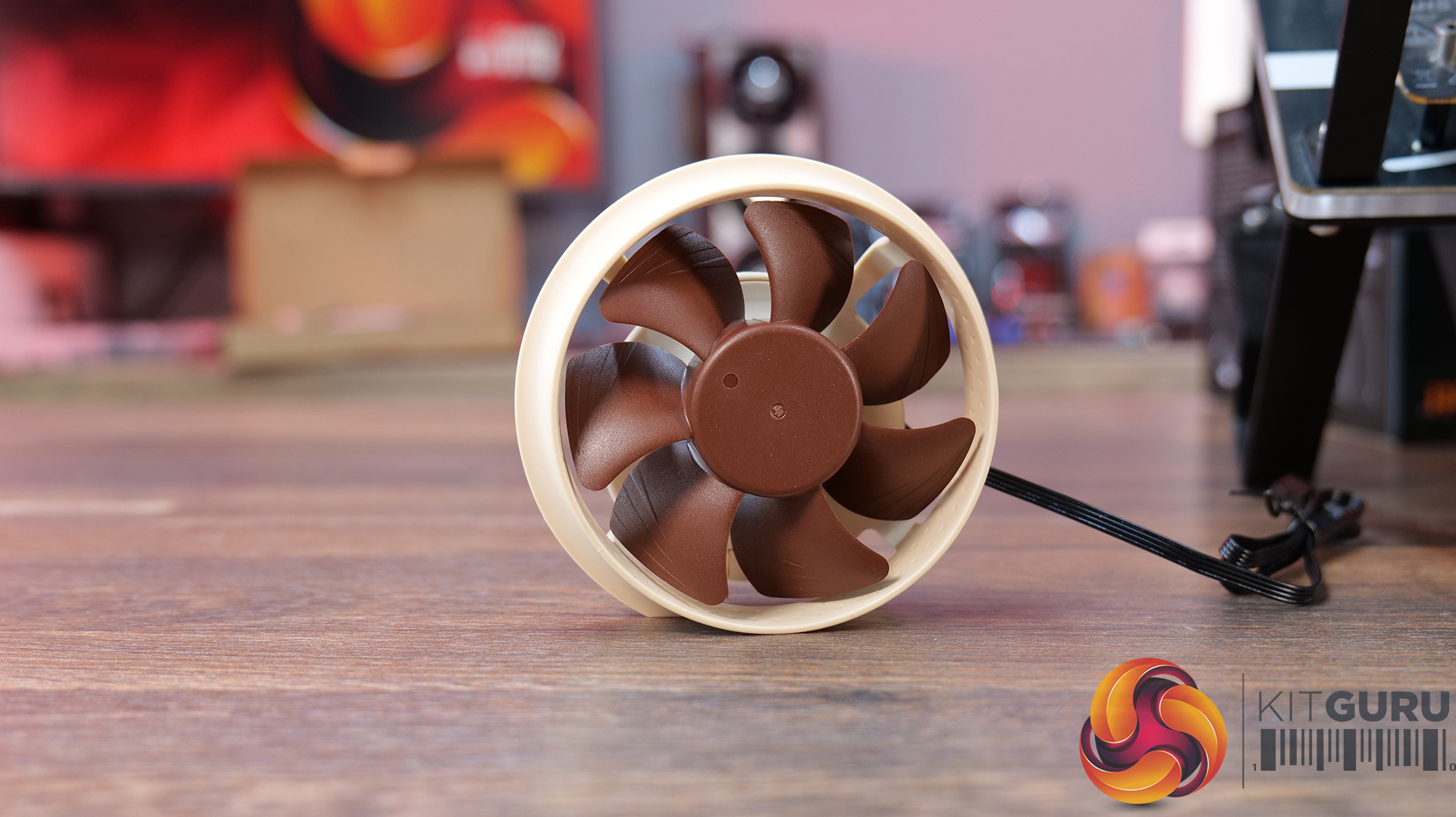
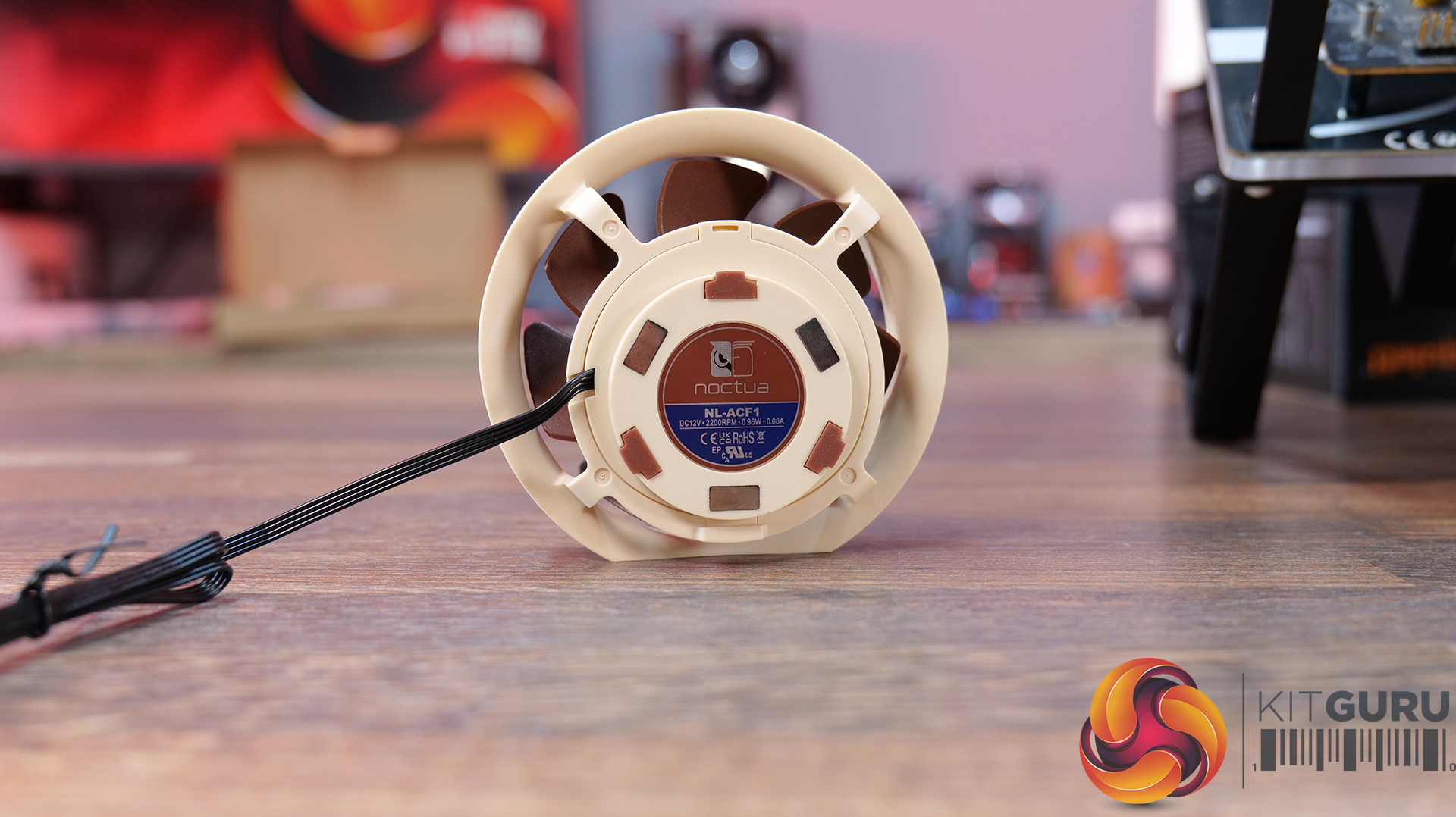
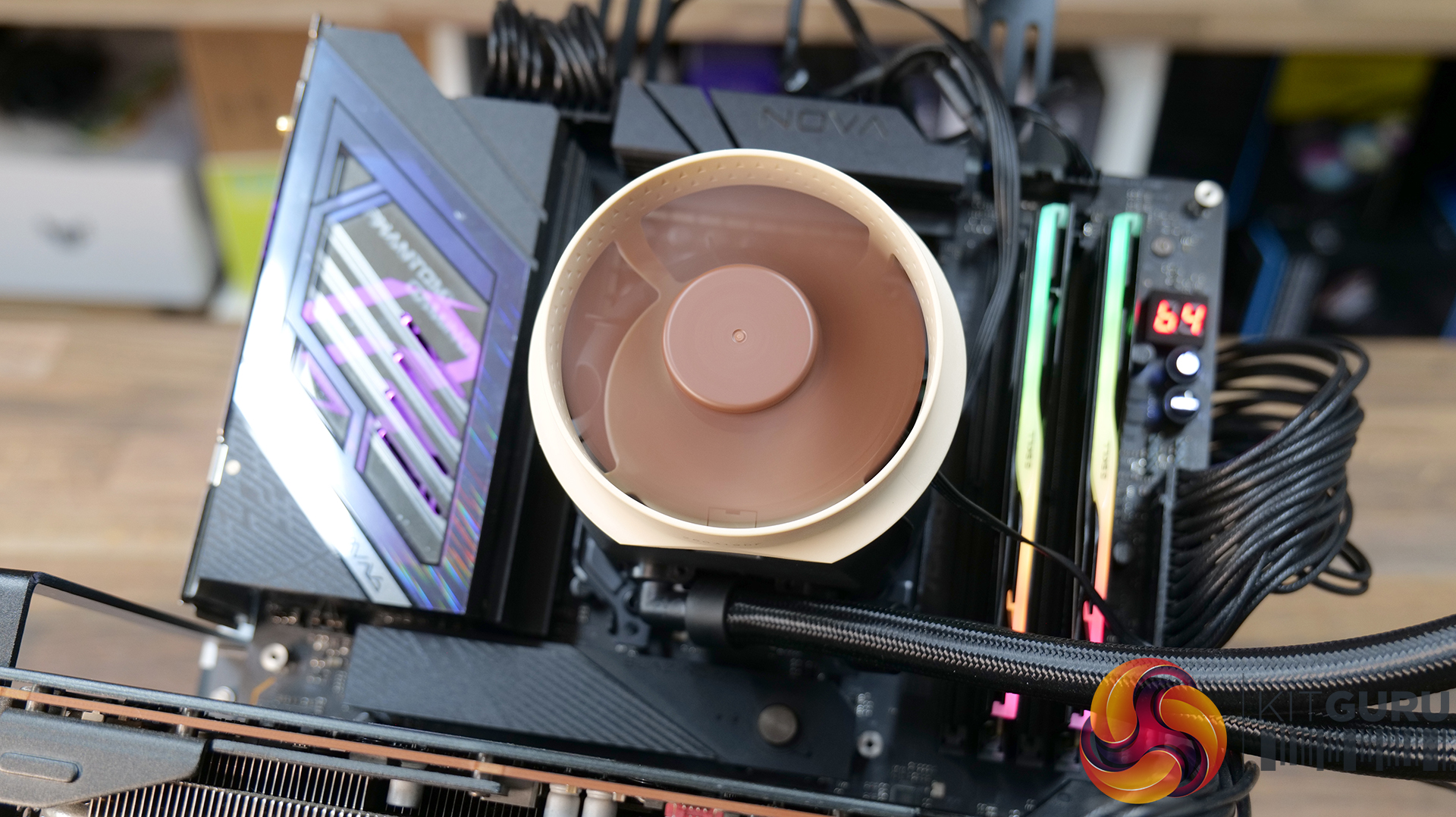
The series uses NF-A12x25 G2 and NF-A14x25 G2 fans depending on the radiator size. These fans use a specific speed offset to prevent undesirable harmonics, such as periodic humming. For users wanting extra VRM or RAM ventilation, the magnetically attaching faceplate can be replaced with an optional NL-ACF1 auxiliary cooling fan. Installation is handled through the SecuFirm2+ mounting system, which provides offset mounting choices.
Each package includes NT-H2 thermal paste and comes backed by a 6-year manufacturer's warranty. The series is now available, with the NL-LC1-24 priced at $219.90/€219.90, the NL-LC1-36 at $249.90/€249.90, and the NL-LC1-42 at $279.90/€279.90. The separate NL-ACF1 auxiliary fan costs $19.90/€19.90.
KitGuru says: Entering the liquid cooling market is a massive step for Noctua. Now we'll just have to wait and see how these perform in real world testing.
PCCooler Computex 2026 showcase featured a wide range of new products designed for AI workstations, servers, and gaming PCs. The company displayed large cases, advanced cooling solutions, custom water-cooling hardware, and high-wattage power supplies aimed at users who need serious performance.
One of the biggest attractions at the PCCooler Computex 2026 booth was the SR700 full-tower case. Built for enterprise and AI workloads, the massive chassis supports motherboard formats ranging from E-ATX to HPTX and SSI-EEB. It also offers enough space for graphics cards up to 46 cm long and CPU coolers up to 195 mm tall. The case supports dual power supplies and extensive radiator and fan configurations, making it suitable for multi-GPU AI systems.
Another highlight of the PCCooler Computex 2026 showcase was the TR620M X CPU cooler. Designed for professional platforms such as SP6, LGA4677, and LGA4710, the cooler features a dual-tower design with six 8 mm heat pipes and a centrally mounted 100 mm fan. Its design allows compatibility with 4U server chassis while maintaining strong cooling performance.
For tower workstations with more space available, PCCooler also introduced the TS700D CPU air cooler. The cooler supports the same large sockets but uses a taller design to improve heat dissipation for demanding workloads.
Liquid cooling played a major role in the PCCooler Computex 2026 lineup. The LR420S all-in-one liquid cooler features a large 420 mm radiator and dual pump blocks for high-end workstation processors. Alongside it, the LR480S offers an even larger 480 mm radiator for users who need maximum cooling capacity.
The company also displayed water blocks designed for GeForce RTX 5090 graphics cards. These single-slot solutions are intended for AI inference systems and large-scale computing environments where space efficiency and cooling performance are important. PCCooler also showcased cold-plate solutions for large server processors.
Gaming enthusiasts were not forgotten during the PCCooler Computex 2026 showcase. The GT360 AIO liquid cooler features a large 4-inch full-colour OLED display and support for mainstream AMD and Intel platforms. The DV360 offers similar specifications but replaces the standard display with a curved OLED screen for a more distinctive look.
Power delivery was another key focus. The new SU2500 power supply delivers up to 2500 W of power and includes four 12V-2×6 connectors along with support for up to four EPS connectors. The PSU is designed for AI workstations and multi-GPU systems that require reliable high-power operation.
Overall, the PCCooler Computex 2026 showcase demonstrated the company’s growing focus on AI computing, professional workstations, and enthusiast gaming hardware. From massive server-ready cases to powerful cooling solutions and high-capacity power supplies, PCCooler presented a strong lineup aimed at the next generation of high-performance PCs.
Sudokoo has announced that it will showcase its latest PC hardware lineup at Computex 2026, which will take place from June 2 to June 5 at the Taipei Nangang Exhibition Center. The company plans to introduce several new products designed to improve cooling performance, system airflow, and overall PC building experience.
One of the main highlights is the new SK700V VC MACH CPU cooler. It is the latest model in the SK700 series, which recently received both the 2026 iF Design Award and Red Dot Design Award. The cooler uses a Vapor Chamber base together with a thicker 30 mm MACH120 performance fan. According to Sudokoo, this combination can support up to 300 W TDP cooling performance, making it suitable for powerful gaming and workstation systems that generate high amounts of heat.
Sudokoo will also present the MACH820 air cooler. This compact single-tower cooler features a Vapor Chamber base and a large 140 x 38 mm fan built with LCP material. Despite its compact design, the cooler is rated for up to 320 W TDP cooling performance. It also offers full RAM clearance, making installation easier for users with taller memory modules. The cooler includes a unique hollow aluminium top cover that gives it a distinctive look.
Alongside its cooling products, Sudokoo is entering the PC case market with four new models. The new lineup includes LUMEN, SOLAR, STARLIGHT, and AURORA, available in both ATX and microATX formats. These cases are designed to offer improved airflow, flexible hardware support, and different visual styles to suit a variety of PC builds.
The company will also introduce MACH120 WH and MACH140 WH, its first white performance fans. These fans use LCP-reinforced blades and frames while keeping the performance-focused design of the MACH series. Sudokoo says the new white versions are aimed at users who want strong cooling performance while maintaining a clean and matching system appearance. The fans also feature customizable side panels for additional visual customization.
Visitors attending Computex 2026 will have the opportunity to see the full lineup in person and learn more about Sudokoo’s latest developments in cooling technology and PC hardware design.
SAMAat Computex 2026 is drawing attention with a fresh lineup of PC hardware designed for gamers, creators, and PC enthusiasts. The company will present its latest products at Booth I0118 in Hall 1 of the Taipei Nangang Exhibition Center from June 2 to June 5.
Among the biggest highlights is the new V80 case prototype. It features a dual-curved tempered glass front panel with a floating-style design and ambient lighting for a modern gaming setup. The case also includes a built-in 60 W fast charging port and a dedicated airflow duct to help improve GPU cooling during long gaming sessions.
SAMA is also showcasing the V70 case prototype. This model uses a front PSU layout that keeps the system looking clean while maintaining strong airflow performance. The design also gives the case a smoother and more premium appearance compared to traditional box-shaped designs.
For cooling solutions, SAMA introduced the Q80 liquid cooler with a dual-screen setup. The cooler supports interchangeable 4-inch and 6-inch IPS displays placed inside a metal-finish housing. Users can use one display for hardware monitoring and the second as a small desktop screen for custom content.
Another major product at the event is the Q40 AIO cooler. It comes with a motorized rotating outer ring that creates a real 3D motion effect around the pump block. The cooler also includes a built-in LCD screen that supports custom images and animations. SAMA pairs the cooler with three 28 mm thick fans featuring side-facing ARGB infinity mirror lighting.
The company is also expanding its power supply lineup with the P1650, P1350, P1200, P1000, G1000, and G850 models. These PSUs support Intel ATX 3.1 and PCIe 5.1 standards and feature fully modular cables for easier cable management. The lineup also uses quiet 140 mm FDB fans and offers efficiency ratings up to 80 Plus Titanium.
With new designs and modern features across multiple product categories, SAMA at Computex 2026 is showing the company’s strong focus on performance, cooling, and premium PC hardware design.
Einarex has officially introduced the Halox series, a new line of AIO liquid coolers with an unconventional open-structure pump design. Moving away from traditional solid, enclosed housings, the hardware leaves its internal pump block area hollow to establish distinct structural layers and visible depth inside the chassis.
According to the manufacturer, the open-pump-block architecture of the Einarex Halox series results in a lighter visual layout that suits panoramic and dual-chamber cases, where component visibility is more important. The RGB lighting setup is also integrated into this hollow space, diffusing light through the opening to produce a 3D illumination effect. The pump runs at a maximum speed of around 2800 RPM.
Thermal performance is tailored for high-performance CPUs. The radiator and fan assemblies are designed to fit into most PC cases, while maintaining balanced airflow and heat dissipation under sustained processing loads. For the fans, Einarex chose hydraulic-bearing units that spin up to 2600RPM, generating up to 82.9CFM of airflow and 40.7dBA of noise at maximum speeds.
The Einarex Halox AIO liquid coolers will be available in 240mm and 360mm radiator sizes, in both black and white colour options. As you would expect, these units are compatible with Intel LGA 1851/1700/1200/115/20xx sockets, as well as AMD AM4 and AM5 sockets.
GAMEMAX SIGMA 620 WH is designed for users who want both strong cooling and a unique visual touch in their PC build. For a long time, I have personally preferred air cooling because it is simple, reliable, and requires very little maintenance. But in recent years, many liquid coolers have become more attractive because they include small displays that show system information or custom images. Now, GAMEMAX has brought this idea to air cooling with the SIGMA 620 WH, which makes it stand out from many traditional tower coolers.
What makes this cooler interesting is the 2.8-inch customizable LCD screen placed on the top. It can show real-time system information or even display custom images and videos, which adds personality to the setup. At the same time, it still focuses on strong cooling performance with six 6 mm heatpipes, dual 120 mm fans, and support for CPUs up to 245W TDP. This combination allows it to handle powerful processors while also improving the overall look of the PC build.
Unboxing
The SIGMA 620 comes in a clean white box with a simple design. On the front, there is a large image of the cooler. It shows the single tower heatsink, white fans, and the LCD screen on top. The GAMEMAX logo is on the left, while the product name SIGMA 620 is printed on the right. A few icons at the bottom highlight features like PWM support, LCD display, ARGB lighting, and 245W TDP support.
The back of the box shows the main features of the cooler. It explains the 2.8-inch customizable LCD screen, dual-fan single-tower design, and six heatpipes. Small images also show the cooler and its parts.
One side of the box lists the full specifications, including dimensions, fan speed, airflow, noise level, and CPU compatibility. The other side is simple and shows product information in multiple languages along with the official website.
After opening the box, the first thing you see is the user guide placed on top. Under it, the cooler and accessories are packed safely inside a thick foam container. The mounting accessories are stored in a separate small box.
Inside the installation kit, GAMEMAX provides all the required mounting parts for both Intel and AMD platforms.
Inside the box, the following parts are included:
Radiator (tower heatsink)
Forward fan 120mm (A12-B)
Reverse fan 120mm (A12-A)
Universal mounting bracket
Intel backplate (LGA1851 / LGA1700)
Intel spacers (LGA1851 / LGA1700) ×4
AMD spacers (AM4 / AM5) ×4
Intel screws ×4
AMD screws ×4
Buckle strips / fan clips ×4
Thermal paste ×1
Small scraper ×1
Overall, the accessories are well organised and provide everything needed for installation.
GAMEMAX Sigma 620 specifications
Specification
Details
Model
SIGMA 620 WH
Cooler Type
Single Tower Air Cooler
Dimensions
120 × 114.2 × 158.8 mm
TDP Support
Up to 245W
Heatsink Material
Aluminium Fins
Number of Fins
48
Heatpipes
6 × 6mm Heatpipes
Heat Base
Soldered Copper Base
Display
2.8-inch LCD Screen
Fan Size
120 × 120 × 25 mm
Fan Quantity
2 Fans
Fan Type
Positive Blade + Reverse Blade
Bearing Type
Rifle Bearing
Fan Speed
800 – 1800 RPM ±10%
Lighting
ARGB (Motherboard Sync Supported)
Connector
4-pin PWM, 3-pin ARGB
CPU Compatibility
Intel LGA1851 / 1700 / 1200 / 115X
AMD AM5 / AM4
A closer look
Heatsink
The Sigma 620 uses a single tower heatsink design. The cooler measures 120 × 114.2 × 158.8 mm and has a net weight of 154 g. It is available in black and white, and our review unit comes in white. The whole heatsink, including the heatpipes, is finished in full white, which gives it a very clean look.
The heatsink includes 48 aluminium fins. At the center, it uses 6 superconducting composite heatpipes, each with a 6 mm diameter. These heatpipes run through the tower and connect to the base. The sides of the heatsink fins use a raised design, which allows the fan clips to fit securely into the fins for mounting the fans.
The cooler also includes an anti-insect intrusion design. The bottom panel uses an extended design that helps seal the hardware rack holes.
On the top cover, there is a 2.8-inch LCD monitor. This screen sits neatly on the top of the heatsink and adds a modern touch to the cooler.
Fans
The cooler includes two 120 mm fans, each measuring 120 × 120 × 25 mm. The main fan uses a regular blade design, while the secondary fan uses a reverse blade design.
Both fans use rifle bearings. The fan frame colour is white, and each fan has 9 blades. Each fan also includes 28 ARGB LEDs.
Both fans run at 12 V rated voltage with a 5 V start-up voltage. The rated current is 0.22 A for the main fan and 0.2 A for the secondary fan. The rated power is 2.64 W and 2.4 W.
The fan speed ranges from 800 to 1800 RPM ±10%. Maximum airflow is 71.66 CFM for the main fan and 70.71 CFM for the secondary fan. Maximum static pressure is 2.54 mmH₂O and 2.1 mmH₂O. The maximum noise level is 35.5 dBA and 42 dBA.
Both fans have a rated life of 30,000 hours. The connector includes 3-pin AURA ARGB and 4-pin PWM. Each fan also has soft rubber pads on the corners to reduce vibration. A thin ARGB light strip runs along the side of the fan frame, which remains visible and glows in a style similar to infinity fans.
Installation
The installation process of the Sigma 620 is simple and easy to follow. The steps are clearly explained in the user guide, so even new users can install it without confusion. One good thing is that the heatsink can be installed without attaching the fans first, which makes handling and mounting much easier.
The mounting system feels secure once installed, and the cooler sits firmly on the CPU. The included brackets and accessories make the process smooth for both Intel and AMD platforms.
Clearance
When it comes to RAM clearance, the space is quite tight. As seen in the images, the cooler sits very close to the RAM slots, leaving limited room on that side. If you are using RAM with tall heatsinks, you may face compatibility issues. Low-profile RAM would be a better fit in this case.
On the other hand, the clearance on the opposite side is much better. There is enough space around the motherboard area, so it does not cause any issues with other components. You can raise the fan position slightly to get more RAM clearance. However, this comes with a small trade-off, as the fan may cover the RGB lighting, which affects the overall look. Overall, the installation is easy, but the RAM height should be considered before installing this cooler.
Software
The software for the Sigma 620 is very basic, but it gets the job done. The interface is simple and easy to understand, so you don’t need much time to get used to it.
Most of the software is focused on CPU temperature monitoring and screen themes. You can view real-time system data like CPU usage, temperature, and other basic stats directly on the LCD screen.
There are a few pre-built themes available, which you can apply easily. These include system info layouts and simple visual designs. You can also adjust settings like brightness and screen rotation.
One useful feature is that you can create your own custom theme. You can add your own images or simple layouts to personalise the display according to your setup.
Here are a few examples of themes displayed on the Sigma 620 cooler screen.
Testing and thermal performance
We tested the GAMEMAX SIGMA 620 in the GAMEMAX Leader 2 case using an Intel Core i7-12700K with the MSI MPG Z790 CARBON MAX WIFI II motherboard. The room temperature during testing was 28°C. At idle, the CPU stayed around 39°C with low fan speed. The fans remained quiet, and noise was barely noticeable.
Under load, we ran a CPU-Z stress test. The CPU reached around 185W, and temperatures went up to 72°C. The cooler handled this load well. Fan speed increased smoothly, and noise stayed at a comfortable level. There was no thermal throttling, and the system remained stable. For a heavier test, we used the AIDA64 single FPU stress test. In this test, the CPU again stayed in the 180–190W range, and temperatures reached 85°C. This is on the higher side but still within safe limits. The cooler maintained stable performance without any issues.
Overall, the Sigma 620 performs well for a high-performance air cooler. It handles heavy loads without stability problems. The claimed 245W TDP support also seems reasonable based on these results, as it can manage around 190W+ comfortably.
Final thoughts
The GAMEMAX SIGMA 620 WH offers a good balance between performance and design. It stands out by adding a customizable LCD screen, which is not common in air coolers. This gives it a unique touch while still keeping the reliability of traditional air cooling.
The build quality is clean and consistent. The full white finish, including the heatsink and heatpipes, looks neat inside the case. The ARGB lighting and top display add extra visual appeal without feeling too much. In terms of performance, the cooler handled the i7-12700K well. It managed around 190–200W loads while keeping temperatures in a safe range. Fan noise is also controlled, staying quiet at idle and reasonable under load.
The software is simple and basic, but it works fine. It mainly focuses on CPU temperature monitoring and screen themes. You can choose from a few built-in themes or even create your own custom theme, which adds a bit of personalisation.
There are a few things to consider. RAM clearance is tight, especially with taller memory modules. You can adjust the fan position for more space, but it may cover the RGB lighting. The GAMEMAX Sigma 620 WH delivers stable performance and adds a unique feature with its LCD screen. Based on its overall performance and usability, I would give it the EnosTech Performance Award.
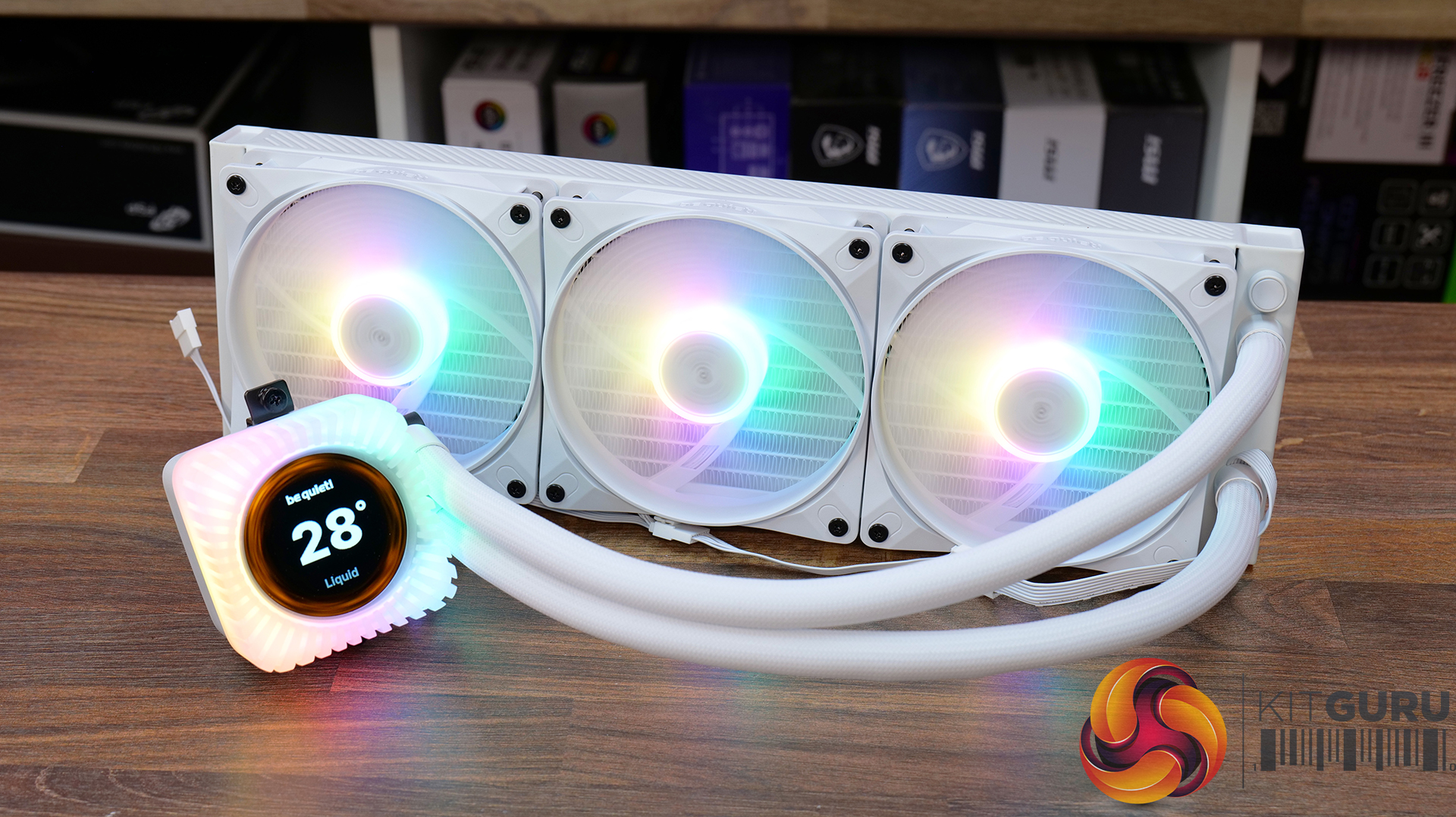
Today we’re taking a look at the Antec Vortex View 360, a premium 360mm AIO cooler built around Asetek’s latest 9th-generation pump design, featuring an integrated 5-inch 360-degree rotatable IPS display. On paper, Antec is targeting both strong thermal performance and a high level of visual customisation with the Vortex View 360. In this review, we’ll be testing installation, build quality, acoustics and, of course, thermal performance to see how it compares against other 360mm AIOs.
Timestamps:
00:00 Intro
00:44 Pricing and key details
01:42 Closer look – radiator
03:29 CPU block + screen!
07:00 Tranquil fans
08:19 Other accessories
09:09 Installation process
10:30 Screen software
11:41 Acoustics and thermals
13:48 Closing thoughts
Features:
Huge 5-inch IPS display — Vortex View 360 is equipped with a 1280 x 720 IPS panel that can be oriented through 360 degrees to suit your build, perfect for monitoring real-time system stats or custom visuals that show through your chassis side panel.
9th-Gen Asetek cooling platform with quieter pump — engineered for up to ~400 W TDP cooling power with reduced vibration and optimised acoustics, pairing performance with lower noise.
Integrated iUnity 2.0 — Users can fine-tune fan and pump curves, customise lighting zones and control what the display shows, all through Antec’s updated iUnity 2.0 software.
The most exciting part of reviewing PC hardware is looking at brand new products from a fresh new company. Levelplay debuted its cooling line at Computex 2024, so its products are very new to the market. Today we get our first look at one of the company's AIO coolers, the Combat Liquid 360 HUD, equipped with a 360mm radiator, RGB fans, and an LCD screen, or you could say… a Heads-Up Display!
Features:
Integrated 2.6″ circular display: Combat Liquid 360 HUD is equipped with a built-in HUD, providing real-time system info like CPU temperature, power draw, usage rate, and clock speeds directly on the pump cap mounted LCD.
Jet impingement pump technology: Levelplay AIOs use a high-velocity coolant flow pumped directly onto the cold plate to improve thermal transfer from the CPU.
Rigid All-in-one fan design: Three 120mm ARGB fans are encased in a unified frame design, pre-installed to the cooler for less cable clutter and maximum airflow.
Engineering designed to last: Durable metal brackets support installation on AMD and Intel desktop platforms while reinforced rubber tubing with braided sleeving allows for maximum flexibility, leak protection and a clean look.
Levelplay ships the Combat Liquid 360 HUD in a cardboard box with an image of the cooler and Combat logos on the front. On the back, some key features are listed with images. Inside the box, the contents are packed into a cardboard crate for protection during shipping. The cooler is wrapped in plastic, and the accessories are included separately in a smaller box.
The included fans are mounted in a single-frame design to reduce cable clutter and feature a PWM speed range of 800-2000 RPM. The opaque fan blades illuminate with ARGB lighting once the cooler is powered on, and a single cable connects from the centre, featuring standard 4-pin PWM and 3-pin ARGB connections.
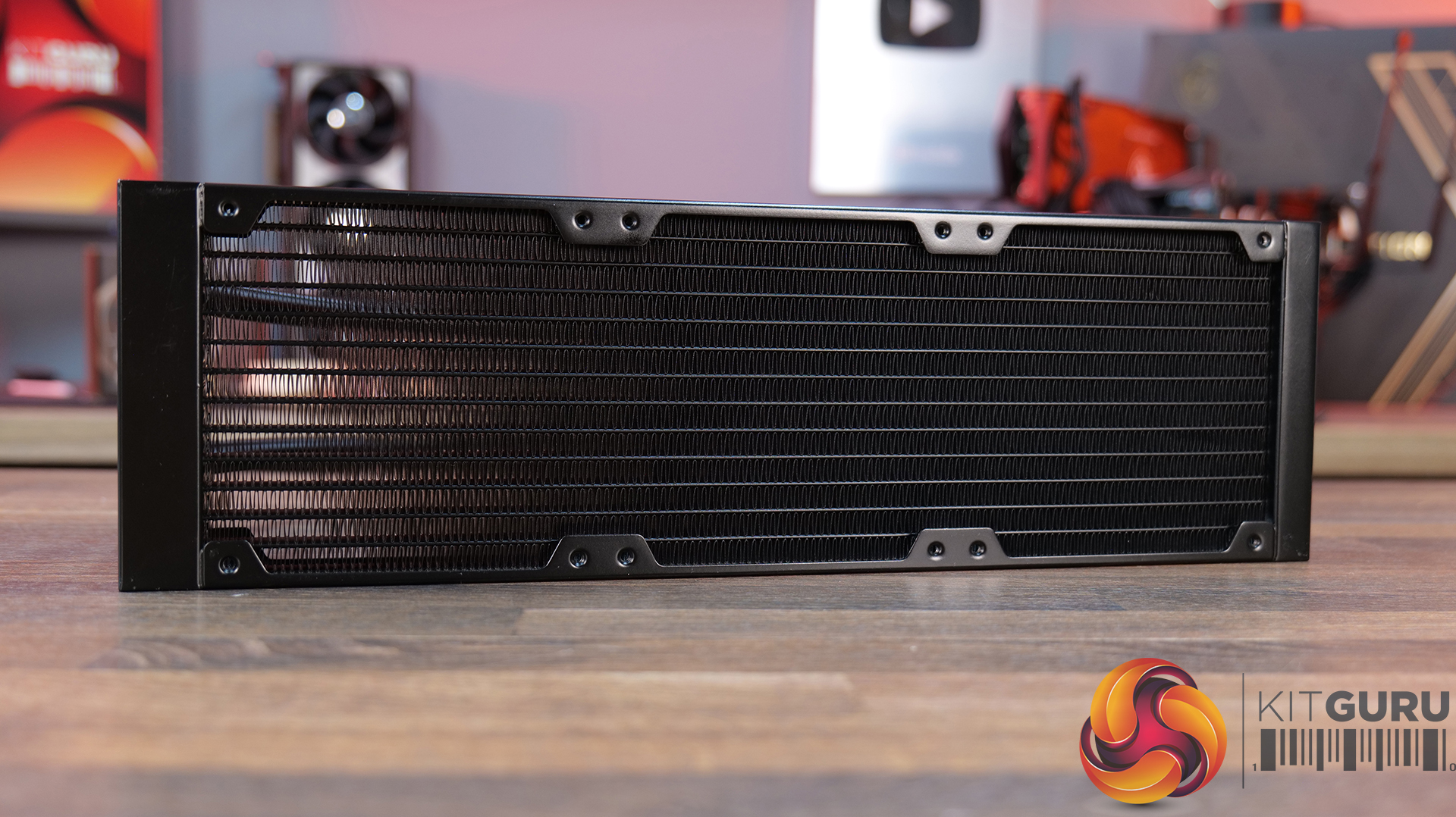
The Combat 360 HUD uses a standard 27mm thick aluminium radiator with 12 waterways and a dense fin pitch with fixed position tubing at the radiator tank. The radiator is coated with a slightly textured, satin black finish that appears high-quality. The tubing is fitted with premium-looking braided sleeving.
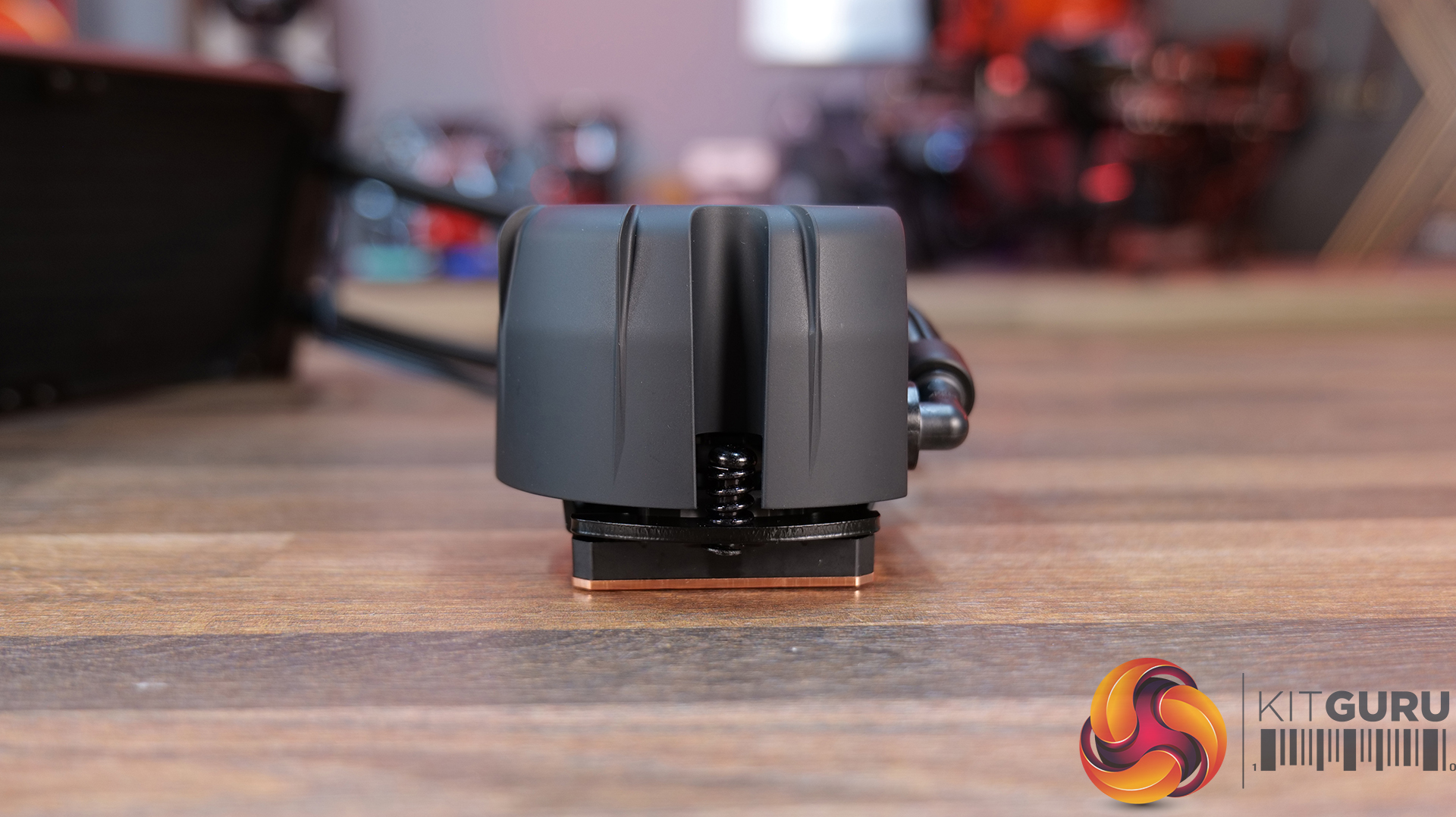
For an LCD-equipped pump, the Levelplay Combat Liquid 360 HUD is a compact unit, with dimensions of 89 x 80 x 64 mm with the screen housing installed. The screen housing is attached to the pump body magnetically and can be easily removed and rotated so that the display can always be mounted in the correct orientation.
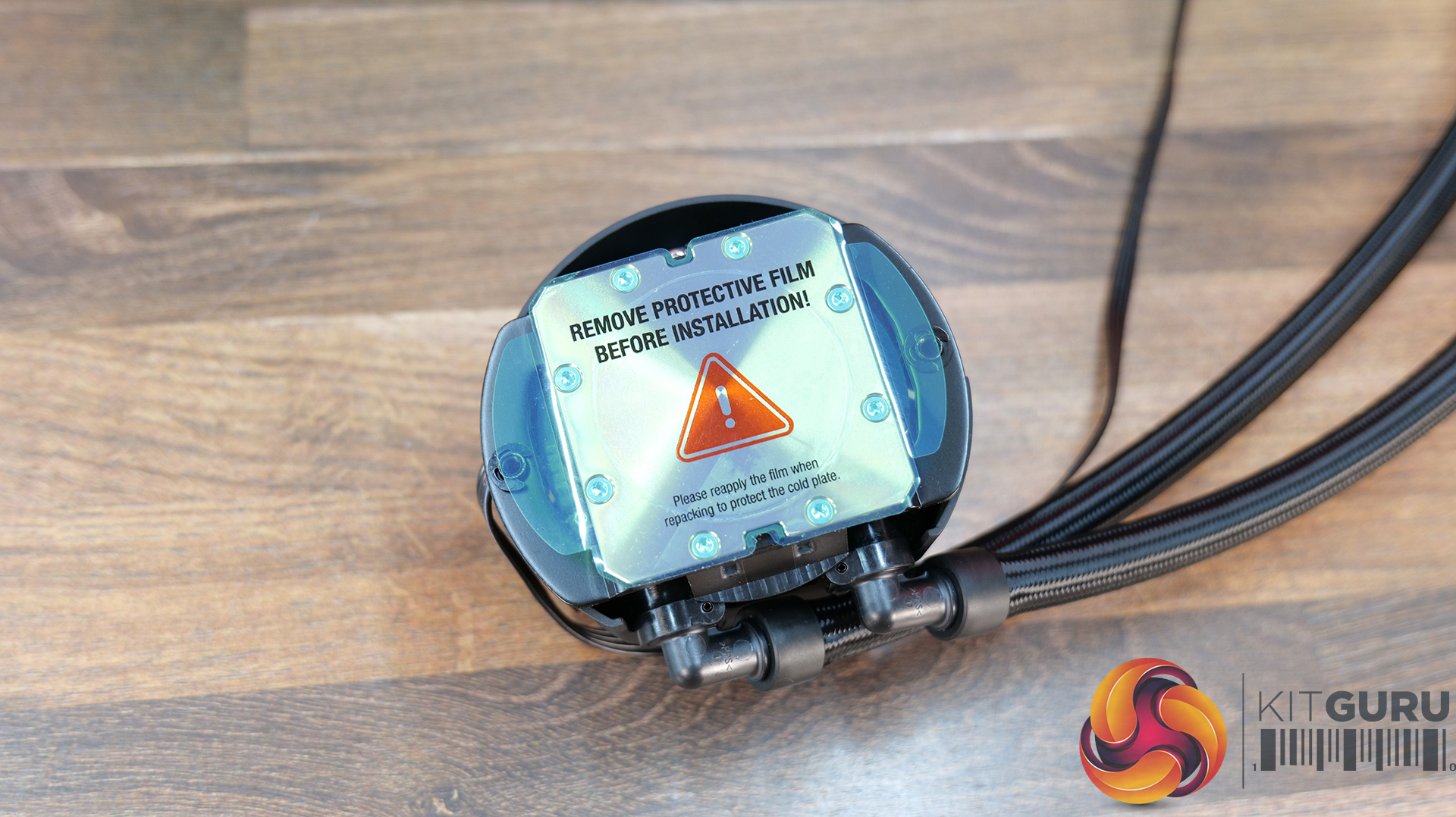
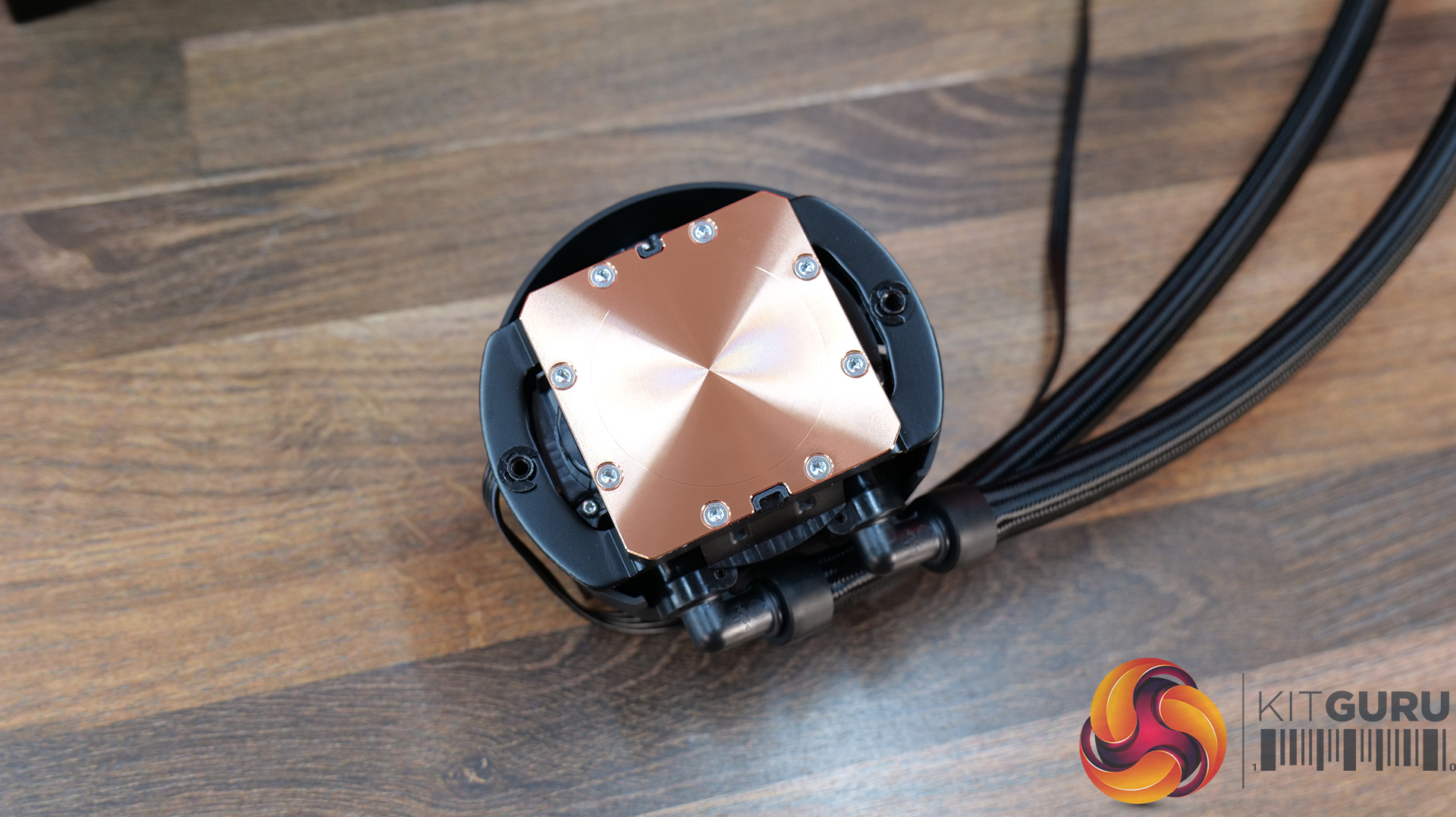
Tubing is flexible EPDM rubber connected to the CPU block on 90-degree rotary fittings. At the base of the CPU block, the cold plate is manufactured from micro-skived copper. Wiring to the pump is standard 4-pin PWM, and the LCD connects to the PC motherboard via a 9-pin USB header connection.
In terms of included accessories, all installation hardware for current AMD and Intel platforms is shipped with the cooler. There is also a small tube of thermal compound, as there isn't any pre-applied to the cold plate and a thermal paste spreading tool. A physical copy of the installation guide is included too, which I prefer to digital versions that seem to be more common these days.