Normal view

There are new articles available, click to refresh the page.
Before yesterdayMain stream

CrowdStrike and Google take down botnet used by hackers to target open source software developers

27 May 2026 at 16:59
Cybercriminals used the Glassworm botnet to infect open source software projects with malware, and in turn hack the developers and companies that use that software.

New Vulkan layer enables Nvidia Reflex and AMD Anti-Lag on any GPU

19 May 2026 at 08:00

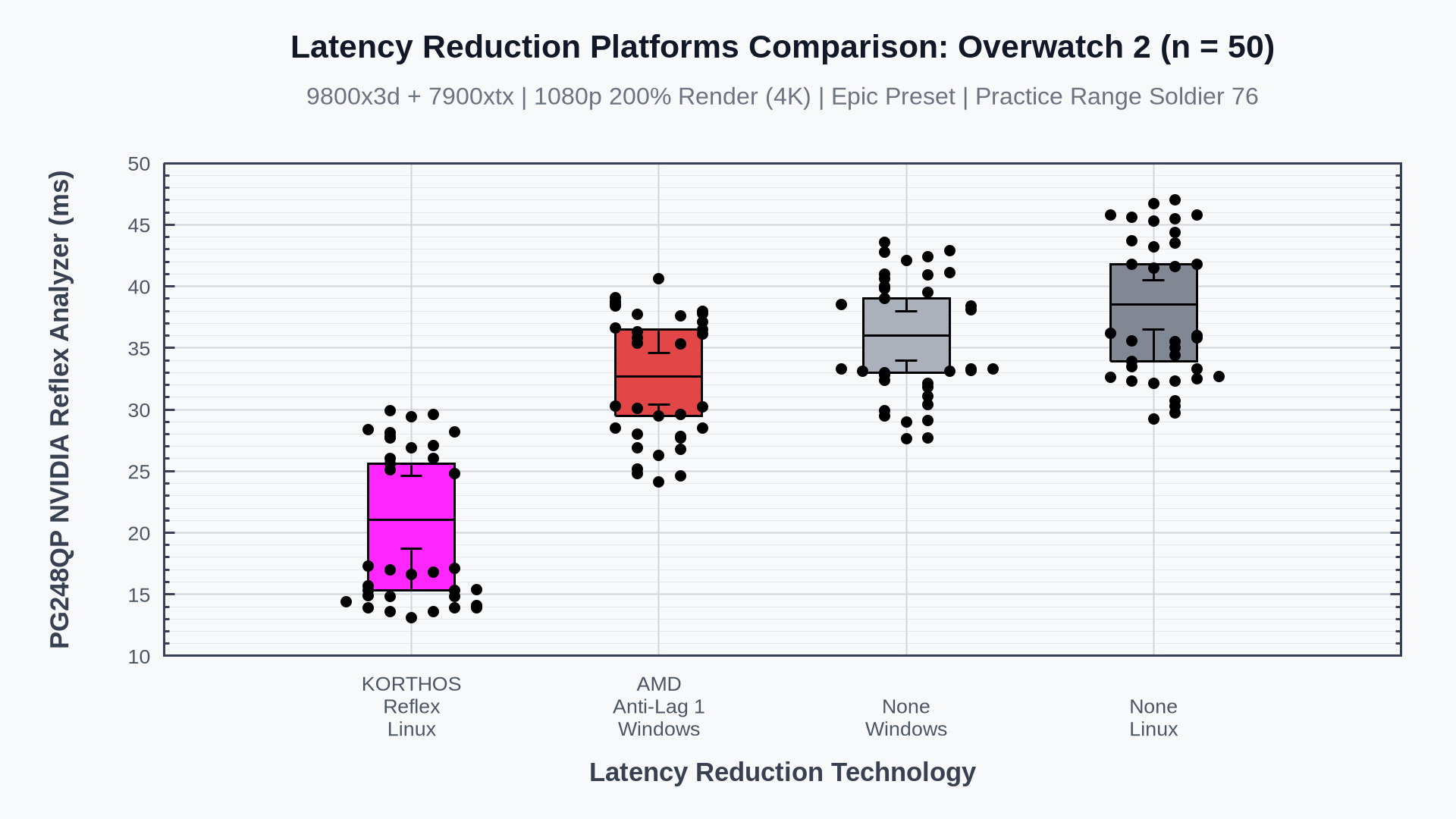
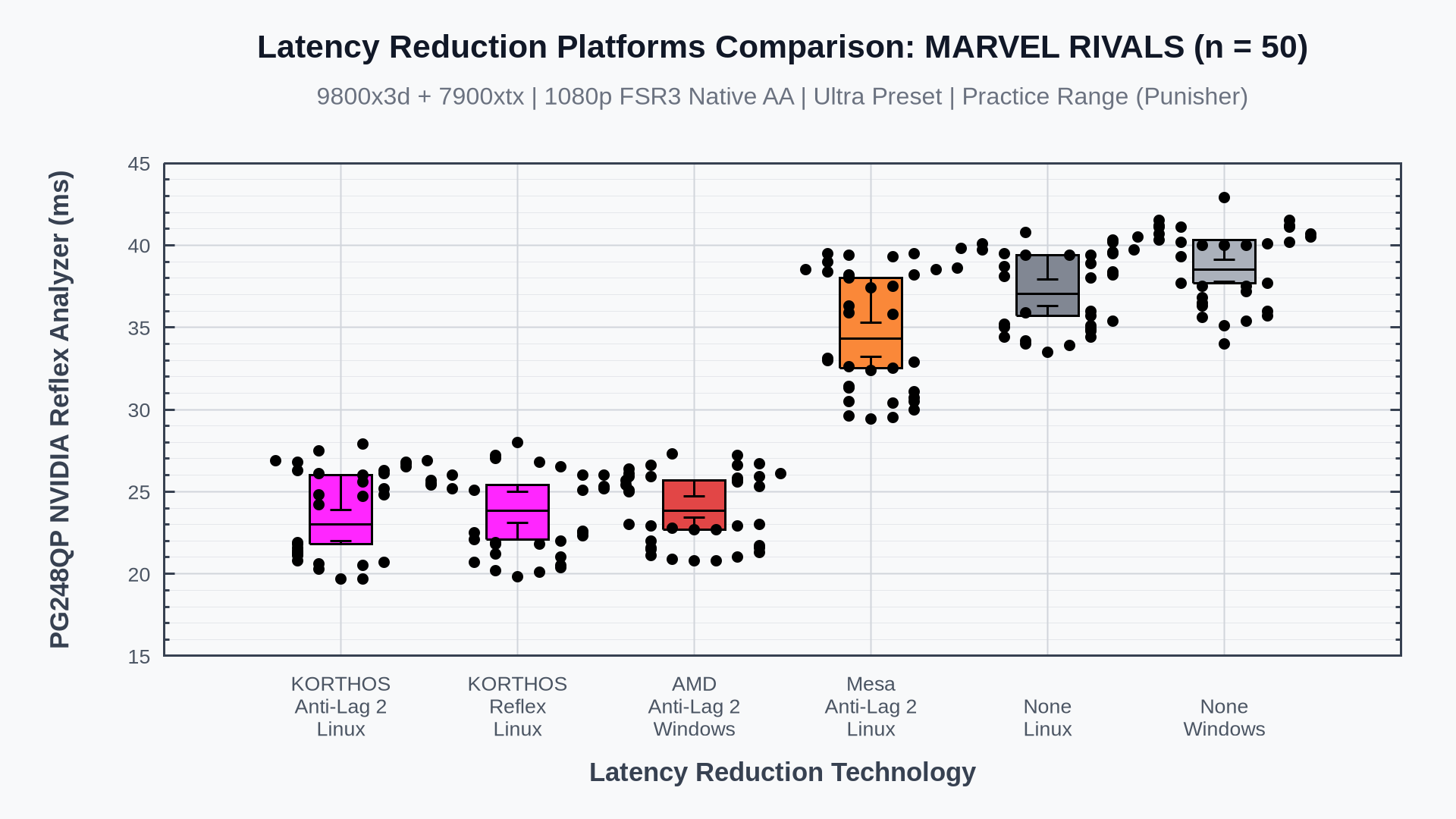
An open-source project called low_latency_layer has introduced hardware-agnostic support for Nvidia Reflex and AMD Anti-Lag 2 on Linux. Developed by Korthos Software, the C++23 implicit Vulkan layer implements the VK_NV_low_latency2 and VK_AMD_anti_lag device extensions, enabling Linux gamers to access these latency-optimisation technologies on all GPUs.

The software (via Noteboocheck) operates as a workaround for driver support, meaning it functions without requiring official graphics driver enablement from AMD, Nvidia, or Intel. This configuration allows users to run applications with Nvidia Reflex and AMD Anti-Lag on hardware platforms that lack native support. For example, an Intel GPU could use Reflex or Anti-Lag, or an AMD GPU could use Reflex.

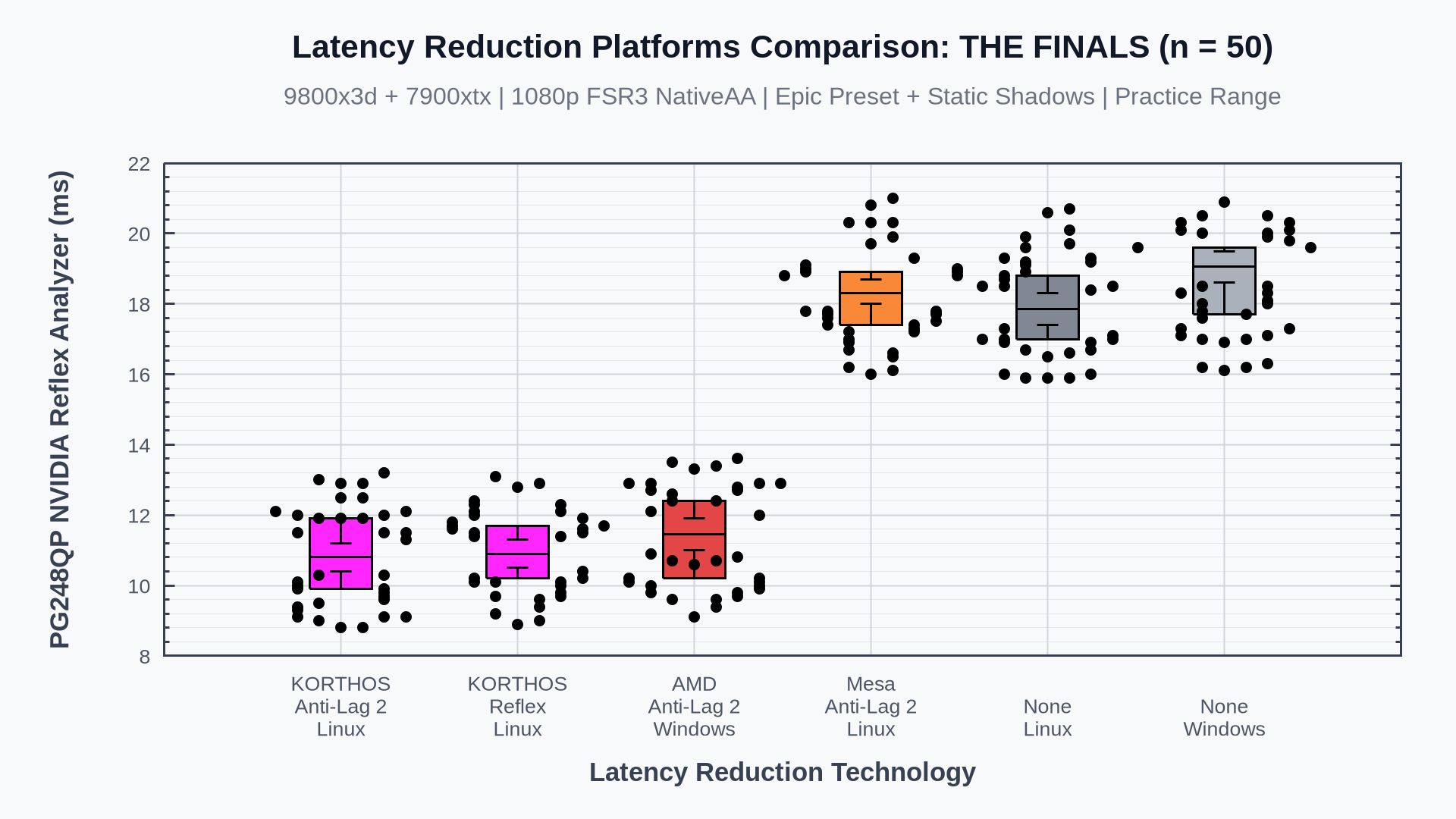
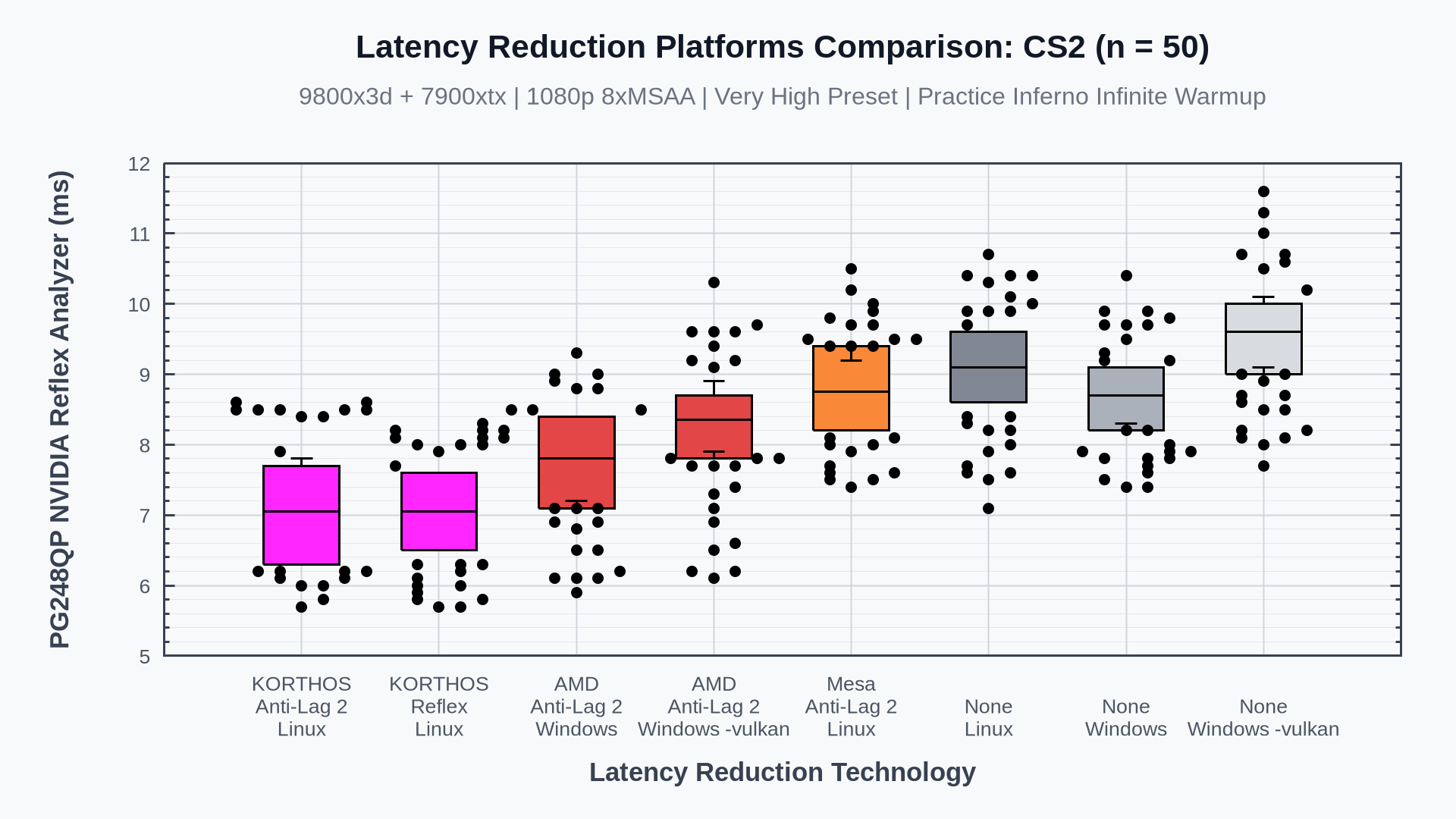
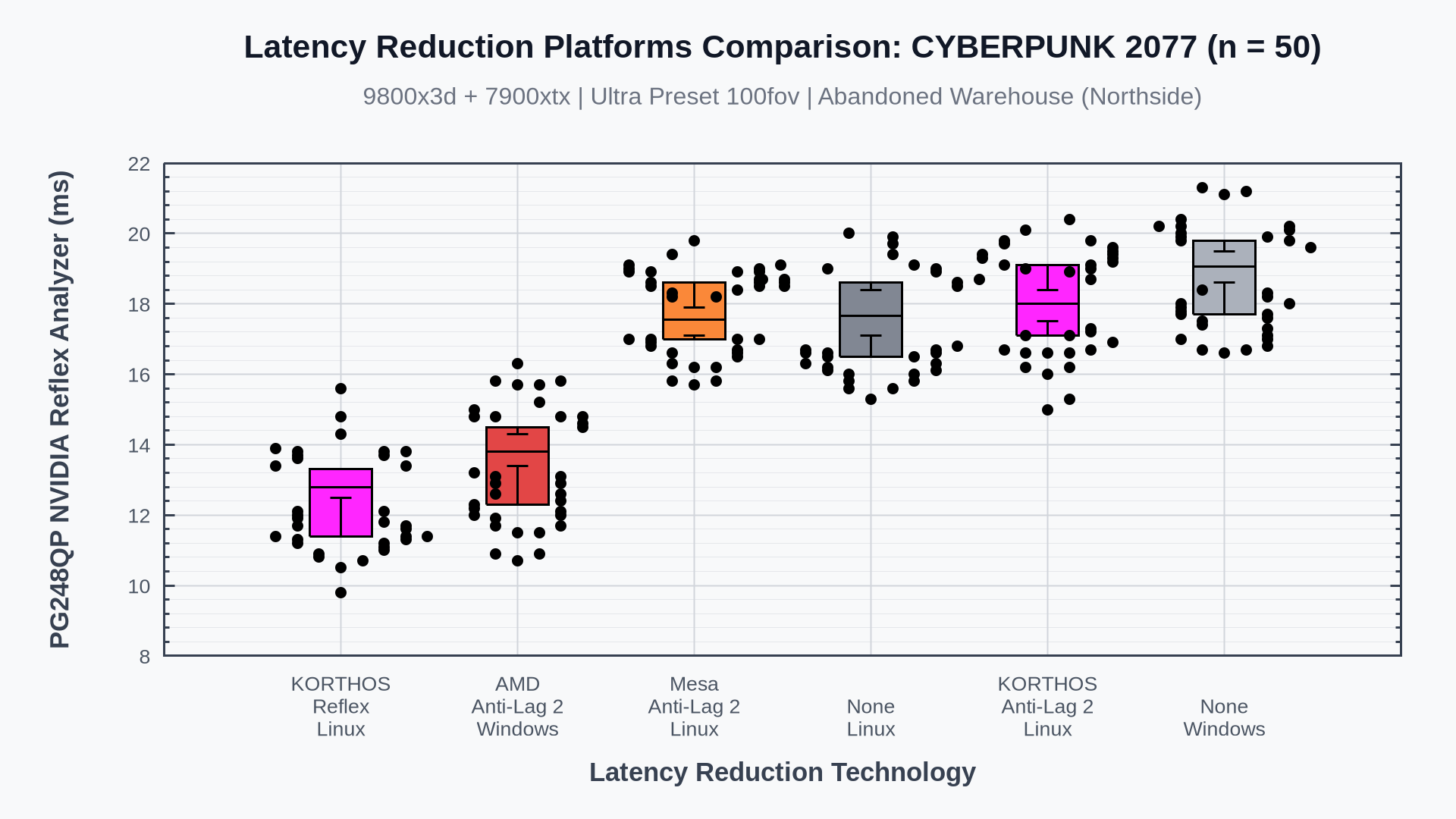
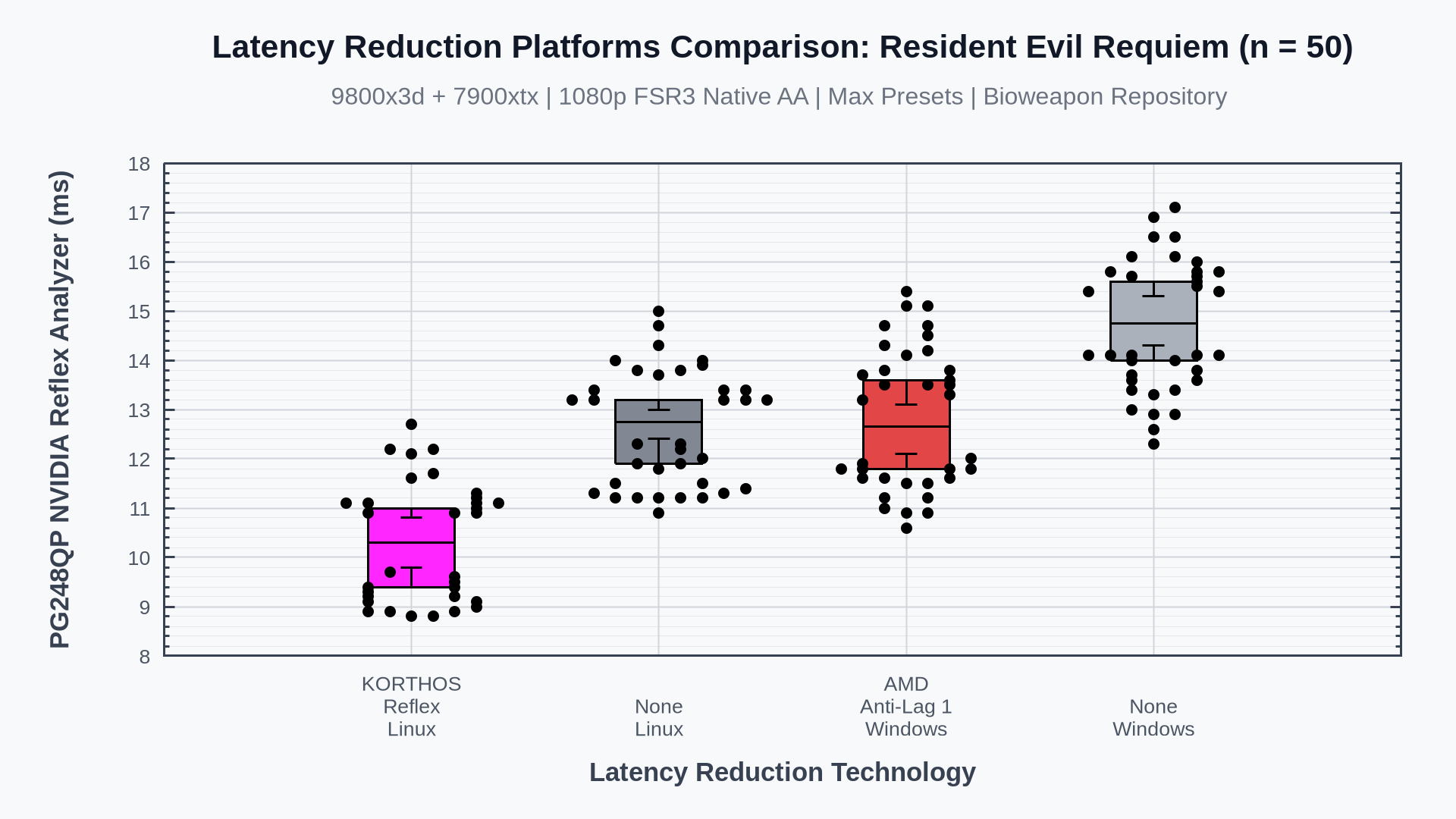
In official internal benchmarks, Korthos Software evaluated the layer using a test system equipped with an AMD Radeon RX 7900 XTX, an AMD Ryzen 7 9800X3D, and 64GB of system RAM. Testing was conducted across several titles, including The Finals, Counter-Strike 2, Cyberpunk 2077, Resident Evil Requiem, Marvel Rivals, and Overwatch 2. Data from these evaluations indicates that the layer delivers click-to-photon latency reductions of a few milliseconds, yielding performance comparable to native Windows implementations on identical hardware. In Counter-Strike 2, which runs as a Linux-native application, latency with Anti-Lag 2 was lower on Linux than under Windows.

Installation of low_latency_layer requires manual compilation from source, using dependencies such as CMake, Vulkan Headers, and the Vulkan Utility Libraries. For non-native games running via the Proton translation layer, users must enable NVAPI support. This requires configuring specific environment variables, such as PROTON_FORCE_NVAPI=1, LOW_LATENCY_LAYER_REFLEX=1, and LOW_LATENCY_LAYER_SPOOF_NVIDIA=1, as outlined in the project's GitHub documentation.

KitGuru says: Unfortunately, using this new layer on Linux isn't as simple as installing and being done with it. However, if you follow the guide on GitHub, you should be able to get it working pretty easily. 

The post New Vulkan layer enables Nvidia Reflex and AMD Anti-Lag on any GPU first appeared on KitGuru.

AMD submits HDMI 2.1 FRL patches for open-source Linux driver

4 May 2026 at 12:00

AMD has submitted a series of Linux kernel patches to the AMDGPU driver that introduce support for the HDMI 2.1 Fixed Rate Link (FRL) feature. The move follows years of rejection from the HDMI Forum regarding open-source implementations of the standard. This initial support enables higher bandwidth for Radeon GPUs on Linux, supporting resolutions such as 4K at 120Hz and 5K at 240Hz.

As noted by AMD Linux engineer Harry Wentland (via Phoronix), AMD had developed the code in 2024. Still, the HDMI Forum previously blocked its release, citing concerns about exposing proprietary intellectual property in open-source stacks. 

HDMI-2.1.jpg

The current patch set submitted by Wentland implements FRL signalling, replacing the legacy TMDS mechanism used in HDMI 2.0. While FRL support has passed representative compliance testing, other HDMI 2.1 features such as Display Stream Compression (DSC) and Variable Refresh Rate (VRR) are currently in testing and will be submitted in future updates.

The patches are now under review on the Linux kernel mailing list. If approved, the code is expected to be integrated into the Linux v7.2 kernel release. This implementation would allow Linux users to access the full 48Gbps bandwidth of the HDMI 2.1 standard without relying on closed-source firmware or third-party workarounds.

Discuss on our Facebook page, HERE.

KitGuru says: With the Steam Machine supposedly right around the corner, this update comes right on time, allowing the console to be on par with equivalent Windows systems.

The post AMD submits HDMI 2.1 FRL patches for open-source Linux driver first appeared on KitGuru.

Keychron releases 3D printing files for its keyboards and mice

10 April 2026 at 08:00

Keychron has published a GitHub repository containing CAD files for its hardware designs, effectively making its keyboards and mice open-source hardware. The collection provides the community with access to 3D models and 2D plate files, enabling users to produce or modify enclosures and internal components using 3D printing or CNC milling.

First reported by Noteboocheck, Keychron has published a GitHub repository with most of its hardware designs. These repositories include STEP and DXF files, which are compatible with CAD software such as FreeCAD, Fusion 360, SolidWorks, and AutoCAD. The available designs cover a comprehensive range of components, including keycaps, keyboard housings, buttons, plates, mouse shells, and stabiliser housings.

Access to the files is managed through the Keychron website. Users select a specific hardware model from a menu and complete a checkout process to receive the download links. Keychron states that while these files are publicly accessible, the license prohibits their use for commercial purposes.

Although there are already plenty of model files available for download, some newer releases, like the Q Ultra series, are not. However, it seems Keychron is still adding more models, so we might see the missing ones at a later date.

KitGuru says: Do you think other peripheral brands should make their hardware designs open source? Will you consider this the next time you buy a peripheral?

The post Keychron releases 3D printing files for its keyboards and mice first appeared on KitGuru.

Google’s Gemma 4 Model Can Now Be Deployed on NVIDIA’s RTX GPUs, Delivering Optimized Performance for a ‘Personalized’ Agentic AI Environment

2 April 2026 at 20:34

Logos of 'Gemma 4' and 'NVIDIA' are displayed side by side with a button labeled 'RTX AI Garage' at the bottom.

Google's newest open-source model, the Gemma 4, can now be deployed on NVIDIA's consumer-grade hardware, offering optimal performance for agentic AI workloads. NVIDIA Takes Open-Source Deployment With RTX GPUs to New Levels, With Google's Gemma 4 [Press Release]: Open models are driving a new wave of on-device AI, extending innovation beyond the cloud to everyday devices. As these models advance, their value increasingly depends on access to local, real-time context that can turn meaningful insights into action. Designed for this shift, Google’s latest additions to the Gemma 4 family introduce a class of small, fast and omni-capable models built for efficient local execution across a wide range of devices.   Google and NVIDIA have collaborated to optimize Gemma 4 for NVIDIA GPUs, enabling […]

Read full article at https://wccftech.com/google-gemma-4-model-can-now-be-deployed-on-nvidia-rtx-gpus/

❌
❌