❌

Normal view

There are new articles available, click to refresh the page.
Before yesterdayMain stream

Epic Games Launcher finally getting native Linux support

16 August 2026 at 11:30

Epic Games is developing a native Linux version of the Epic Games Launcher that will launch β€œsoon”, as revealed by an Epic employee during a Discord Q&A.

According to the screenshot shared by SteamDeckHQ, the employee did not provide a specific release timeline or detail the current state of development. Still, the confirmation marks official progress on Linux support from Epic Games. The company previously revealed plans in a job listing to expand Easy Anti-Cheat support on Linux, followed by an announcement that it was rebuilding its launcher framework to deliver 5x faster launch speeds.

Image credit: SteamDeckHQ

During the Discord Q&A, the employee noted that the upcoming Linux release will include platform-specific adaptations and features. Specifically, the staff member commented that β€œwe need to do more than simply have a build of the launcher that can run natively on Linux”. Further details regarding what these features will include have not yet been disclosed by Epic Games, but one would expect Proton-like compatibility tools to be included for Windows-only games.

Discuss on our Facebook page, HERE.

KitGuru says: A native Epic Games Launcher for Linux should make it considerably easier to access free weekly games and manage non-Steam titles for Steam Deck and Linux desktop users. Are you interested in getting Epic Games on your Linux-based devices?

The post Epic Games Launcher finally getting native Linux support first appeared on KitGuru.
Valve Raises Steam Machine’s Red LED Alert to 100Β°C, Ending False Overheat Warnings That Interrupted Gameplay

13 July 2026 at 15:06

The bottom section of a black PlayStation 4, showing USB ports, a power button, and a red light on a wooden surface.

The upcoming firmware update will increase the CPU and GPU temperature threshold to reduce false overheating alerts. Valve Raises Steam Machine Red LED Temperature Warning to 100Β°C for Both CPU and GPU in the Upcoming BIOS Update Some reports suggested that users were reportedly seeing the Steam Machine's red LED indicator while stress testing or playing demanding games. While the built-in feature exists to protect the device from overheating and thermal throttling, the current limit is way lower than the max operating temperature of the hardware. As per a user's report, the light bar on his Steam Machine turned red […]

Read full article at https://wccftech.com/valve-raises-steam-machines-red-led-alert-to-100c-ending-false-overheat-warnings-that-interrupted-gameplay/

Valve Says Red Line Of Death On Steam Machine Indicates Memory Training And Not GPU Failure; Confirms Flipped LED Bar On Steam Machine

8 July 2026 at 12:15

The bottom section of a black PlayStation 4, showing USB ports, a power button, and a red light on a wooden surface.

Apparently, it wasn't a GPU failure, but it was memory training on the Steam Machine, confirms Valve in a Reddit post. User Fixes his Steam Machine That Showed Red Line of Death by a Simple CMOS Clear; Valve Says the LED Code Bar is Flipped Due to Miscommunication A few days ago, a Redditor reported that his Steam Machine gave a Red Line of Death, indicating GPU failure as per Valve's guidelines. It was surprising since he ran the machine for merely 20 minutes, but couldn't understand what could cause such a quick GPU failure on a new machine. After […]

Read full article at https://wccftech.com/valve-says-red-line-of-death-on-steam-machine-indicates-memory-training-and-not-gpu-failure/

Early performance tests reveal significant throughput penalty for HUDIMM DDR5

21 April 2026 at 13:50

Intel, in partnership with various partners, has introduced the HUDIMM (Half-Unbuffered DIMM) standard to address the ongoing global memory shortage and rising hardware costs. This new specification aims to lower the barrier to entry for DDR5 platforms by simplifying the internal architecture of the memory modules. However, this new module type appears to have disadvantages, particularly in terms of performance.

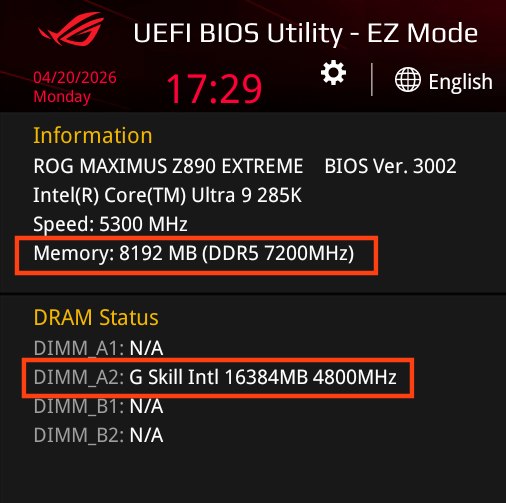
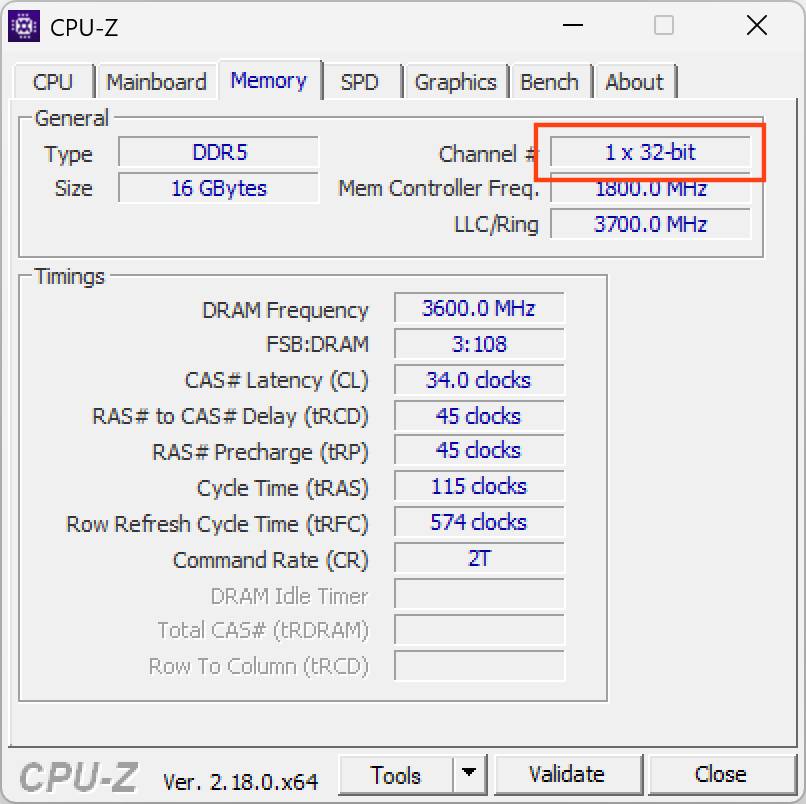
The core design of HUDIMM involves transitioning from the standard two 32-bit subchannels (forming a 64-bit-wide bus) found on traditional UDIMMs to a single 32-bit subchannel. By populating only half of the memory banks, manufacturers can produce modules using fewer DRAM chips, directly reducing production costs. Initial releases are expected in 8GB and 12GB capacities, targeted primarily at entry-level office systems and budget-conscious builds.

Image credit: HKEPC

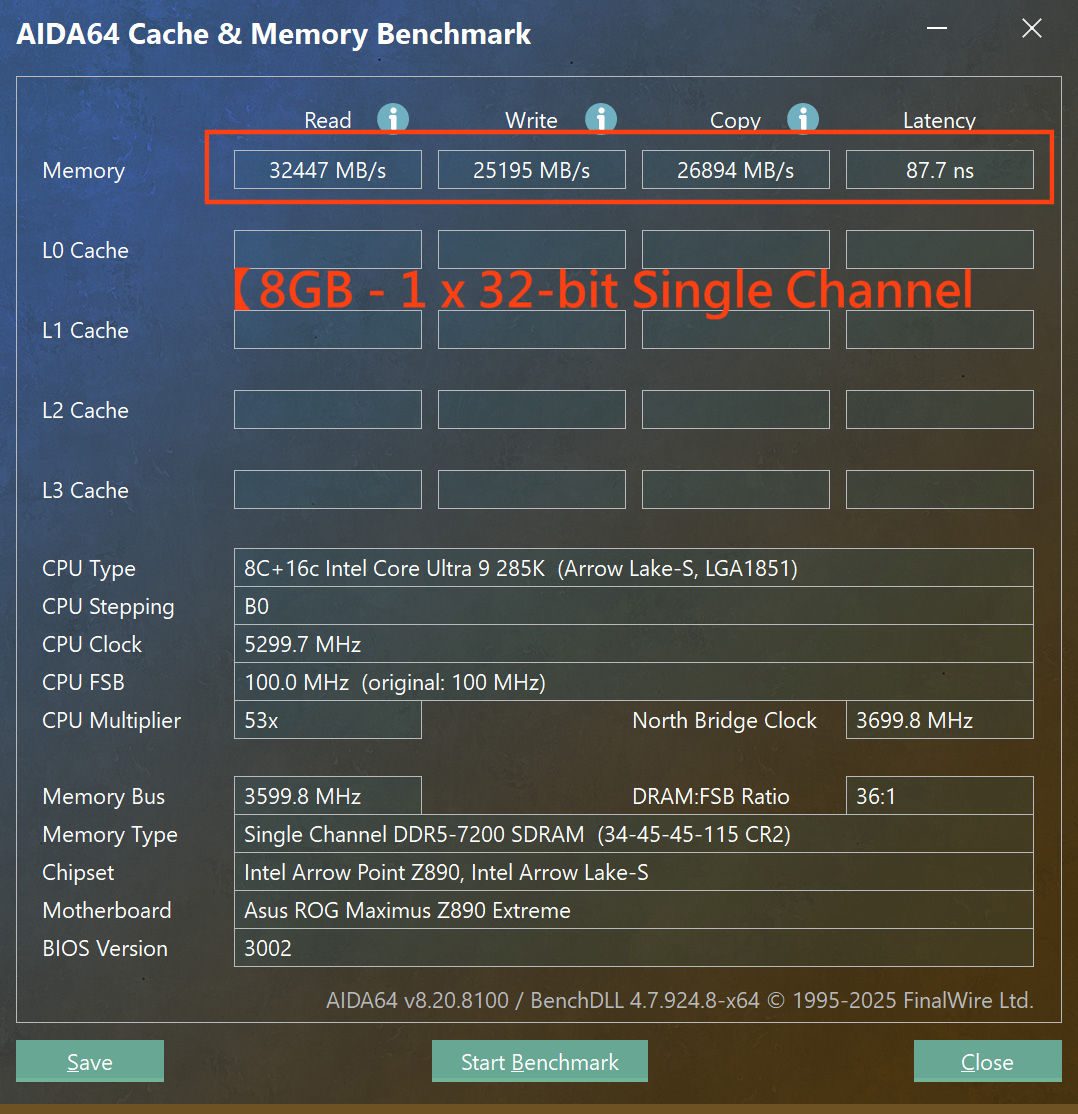
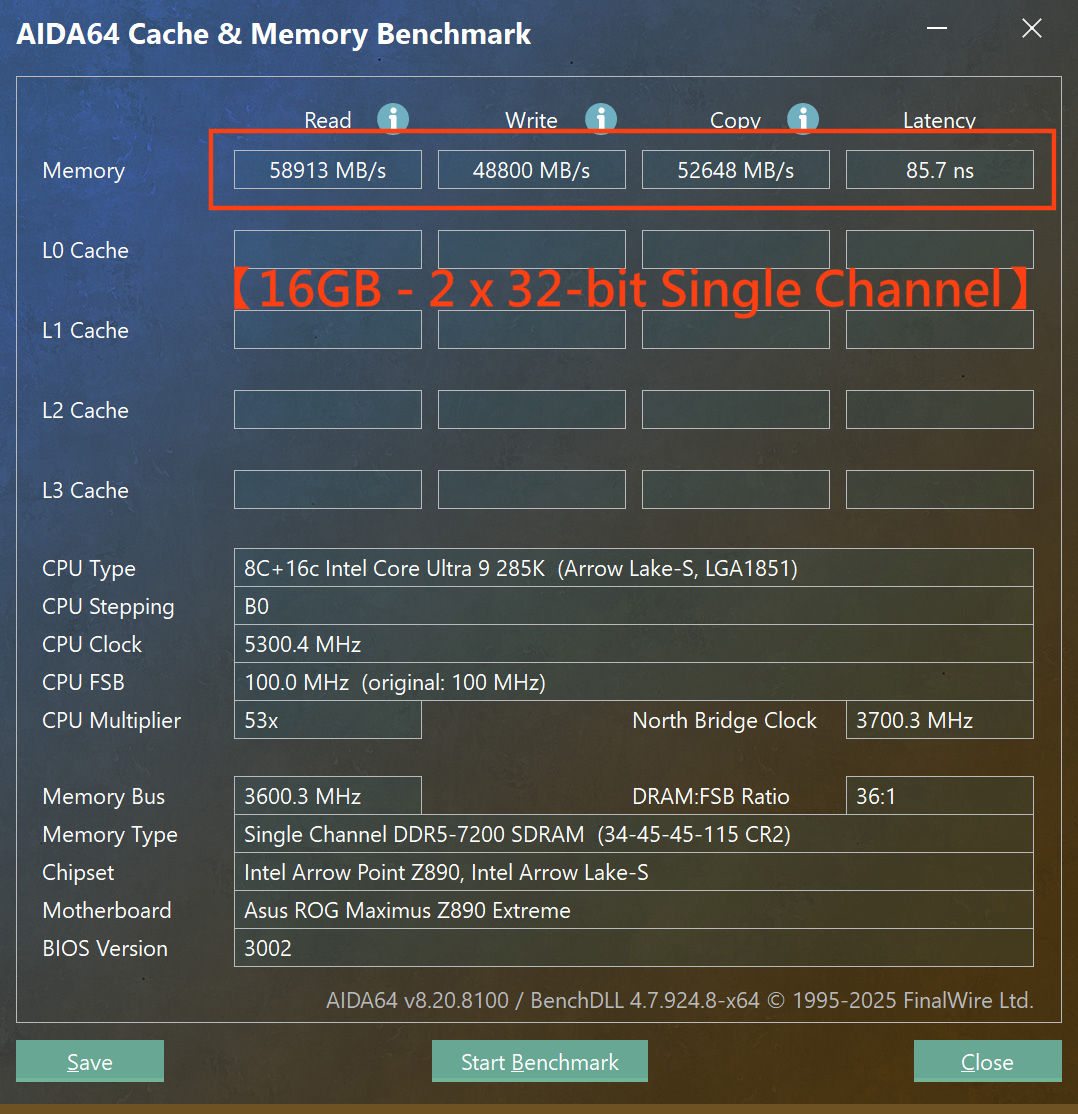
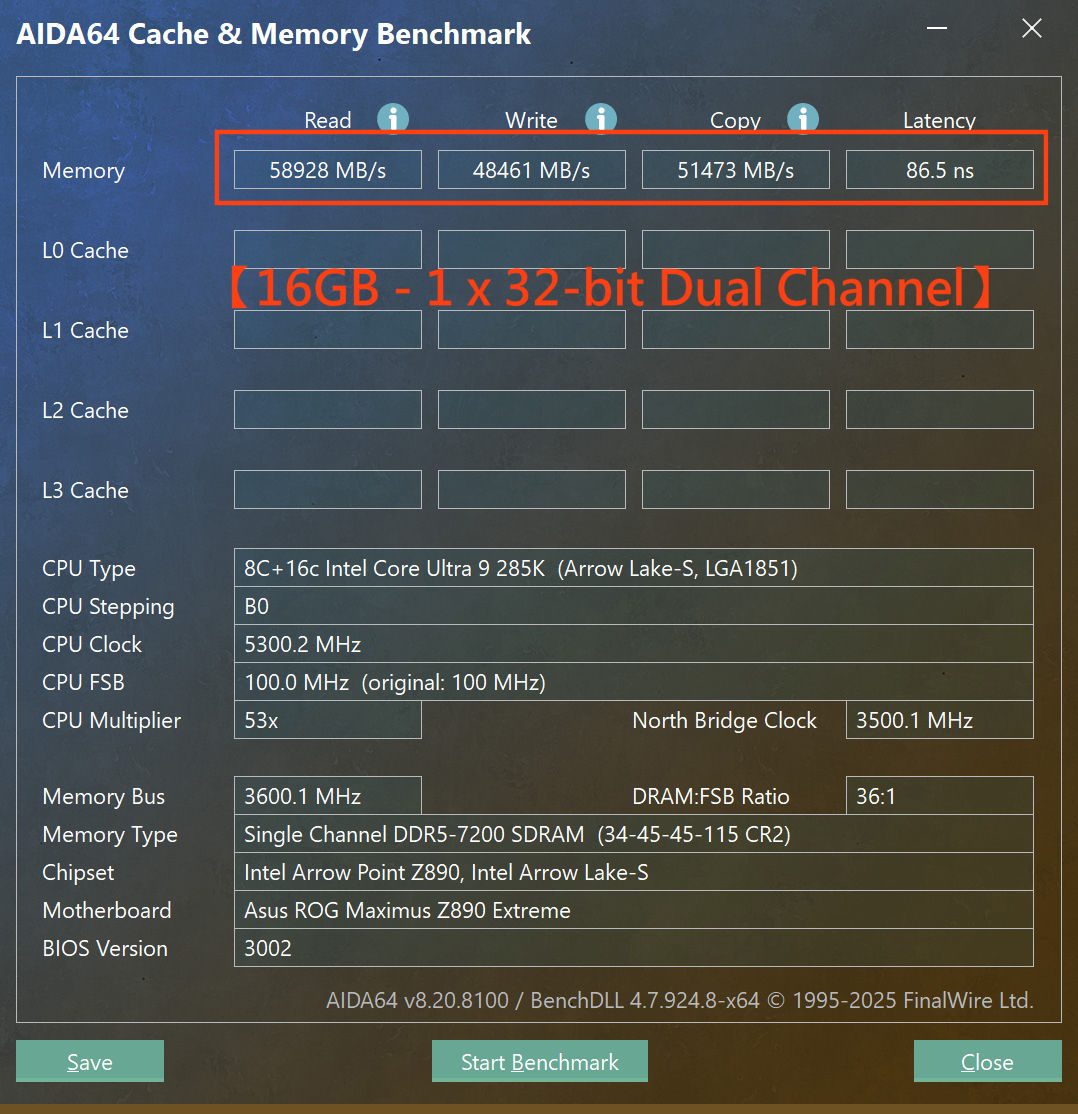
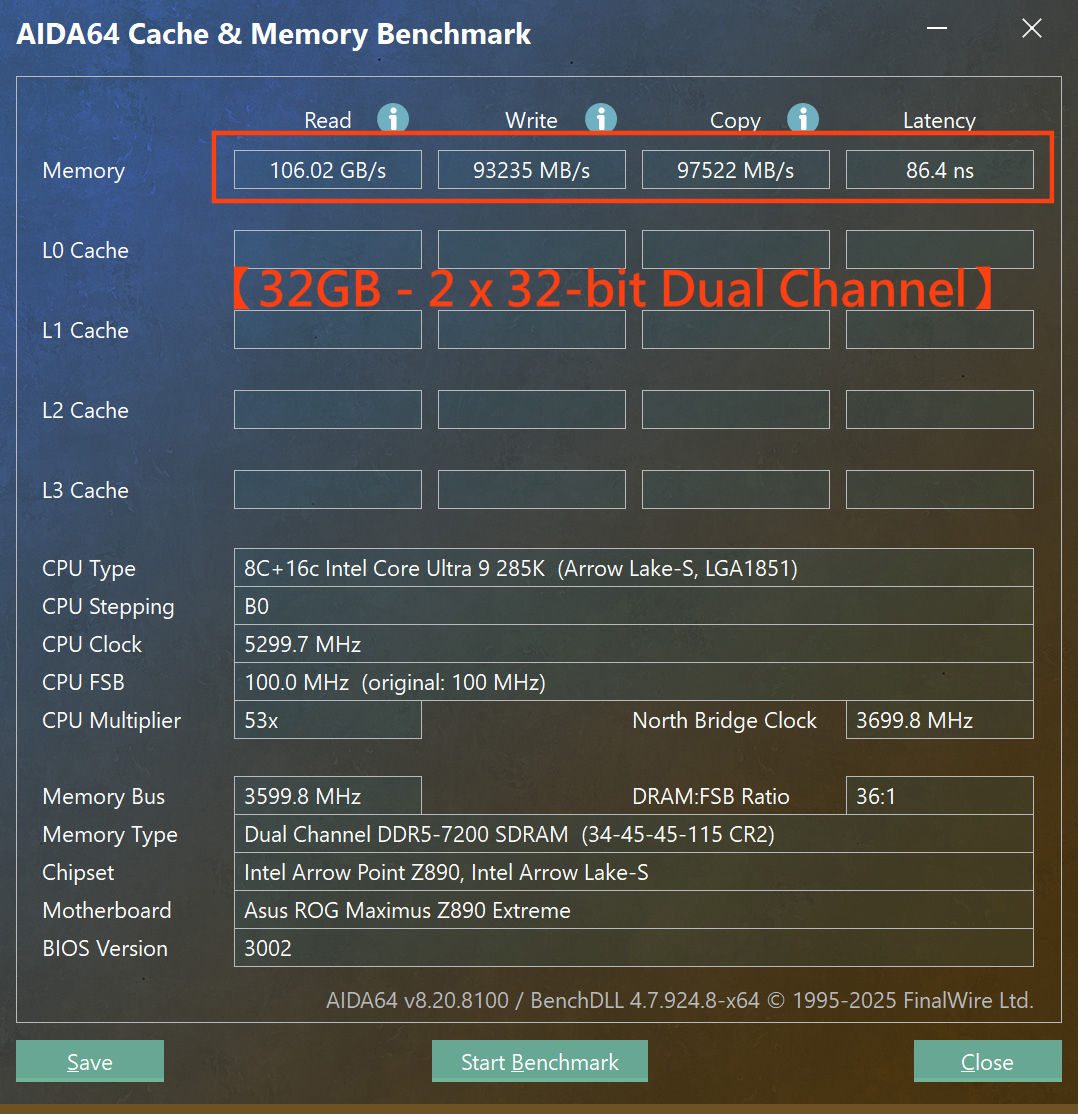
Despite the cost benefits, performance benchmarks conducted by HKEPC and Asus (via Wccftech) show a severe trade-off. The test was performed by selecting a standard UDIMM and converting it into a HUDIMM module by shielding half of the banks. The transition to a single 32-bit subchannel results in an approximate 45–50% loss in total bandwidth across read, write, and copy operations. While memory latency remained relatively stable at 85–87ns, the throughput of a dual-channel HUDIMM setup was roughly equivalent to that of a single standard UDIMM running in single-channel mode.

One redeeming feature is the support for asymmetrical dual-channel operation. This allows users to mix different module types, like HUDIMM and UDIMM, to achieve unique capacities while maintaining three active 32-bit subchannels. However, for users prioritising speed, the significant bandwidth reduction makes HUDIMM only a solution for systems where peak memory performance is secondary to overall cost efficiency.

Discuss on our Facebook page, HERE.

KitGuru says: Given the performance trade-offs (and without knowing the pricing of HUDIMMs), do you think budget builders will be willing to sacrifice half their bandwidth to get a modern platform running, or will they stick to older DDR4 systems?

The post Early performance tests reveal significant throughput penalty for HUDIMM DDR5 first appeared on KitGuru.

Amazon Luna to end third-party integration and library sharing support

13 April 2026 at 15:00

Amazon has announced it is ending support for third-party integrations on its Luna cloud gaming service. Effective immediately, users can no longer purchase Ubisoft+ or Jackbox Games subscriptions via the platform. The β€œBring Your Own Library” feature, which allows access to titles from EA, GOG, and Ubisoft storefronts, will also be discontinued on June 3rd.

Amazon will automatically cancel active subscriptions purchased through Luna at the end of the next billing cycle. Users who maintain a Ubisoft+ subscription directly through Ubisoft can continue to access the service via Luna until June 10th. Standalone games purchased through Ubisoft's platform also remain playable until June 10th.

Amazon confirmed it is not offering refunds for software purchases. However, users will retain access to these titles through their respective third-party accounts, such as the EA App, GOG Galaxy, or Ubisoft Connect. The company stated in an email to users that it is refocusing on a wider range of gaming experiences, including the GameNight party game format.

Discuss on our Facebook page, HERE.

KitGuru says: Are you an Amazon Luna subscriber? What do you think of these changes to the service?

The post Amazon Luna to end third-party integration and library sharing support first appeared on KitGuru.
New Windows 11 insider build brings native supports for 1000Hz monitors

15 March 2026 at 11:00

Microsoft is preparing its OS for the upcoming wave of 1000Hz monitors with the release of Insider builds 26100.8106 and 26200.8106. This update, documented under the cumulative package KB5079387, quietly removes a long-standing artificial ceiling within the Windows display stack that previously hindered the OS's ability to communicate with ultra-high refresh rate monitors.

While the patch notesΒ mention native support for 1000Hz displays, Blur Busters reports that the internal limit has actually been raised to a staggering 5000Hz. This ensures that Windows remains the primary platform for competitive gaming for years to come, even as panel manufacturers begin to experiment with five-digit refresh rates in laboratory settings.

The timing of this update is particularly relevant, as the industry has begun showing its first few dual-mode monitors with a 1000Hz mode. These panels often trade resolution for raw speed, such as the latest prototypes that can toggle between 4K at 240Hz and 720p at 1000Hz. By updating the stack now, Microsoft is ensuring that when these monitors hit the retail market this year, the OS will correctly report those four-digit refresh rates in the Advanced Display Settings without requiring third-party hacks or specialised drivers.

Besides increasing native refresh rate support, the latest preview builds introduce several refinements that improve the overall user experience. For laptop users, the update enhances power efficiency by allowing USB controllers to enter their lowest power state while the system is in sleep mode, provided a native USB4 monitor connection is in use. There is also an improvement to HDR reliability, specifically targeting monitors that utilise non-standard DisplayID 2.0 blocks, which previously caused inconsistent luminance tracking. Additionally, Microsoft has improved the accuracy of the WMI monitor APIs, allowing displays to report their exact physical screen size more precisely, which helps Windows automate complex multi-monitor scaling configurations.

Discuss on our Facebook page, HERE.

KitGuru says: Contrary to the β€œthe human eye can't see more than 60 fps” myth, the reality is that higher refresh rates drastically reduce persistence blur and input latency. By raising the bar to 5000Hz, Microsoft has effectively future-proofed the Windows for the next several generations of gaming monitors.Β 

The post New Windows 11 insider build brings native supports for 1000Hz monitors first appeared on KitGuru.
❌
❌