Normal view

There are new articles available, click to refresh the page.
Before yesterdayKitGuru

Valve warns Steam Machine and Steam Controller customer info leaked

10 August 2026 at 12:30

If you've recently ordered a Steam Machine or Steam Controller, and are based in Europe, then you may soon become the target of scam attempts. Valve has confirmed that its EU distribution partner was recently hit by a cyberattack, leading to customer information being stolen.

Valve confirmed that the breach at its European hardware distribution partner, CEVA Logistics, was hit by a cyberattack recently. The end result is that EU customers who ordered a Steam Machine or Steam Controller will have had their personal information leaked, including customer name, address, phone number and email address.
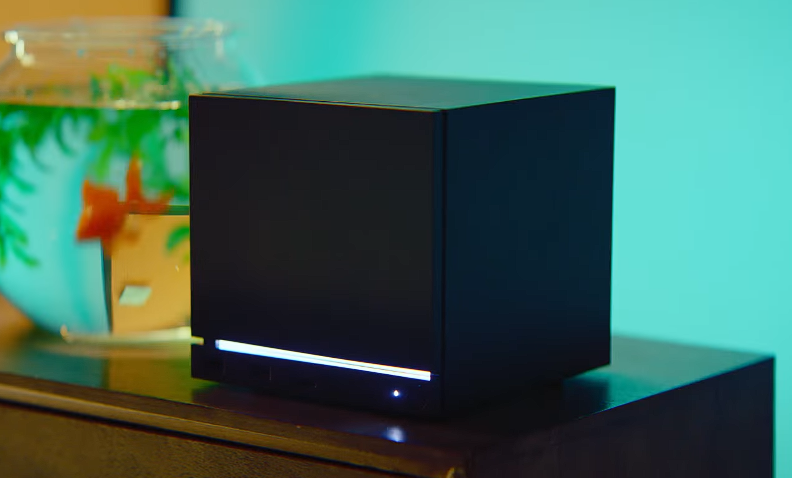
Due to this information now being out, it is likely that those impacted will see an uptick in attempted scam calls, emails and text messages. Anyone who ordered a Steam Machine or Steam Controller will now have to be more vigilant when answering calls or texts from unknown numbers, and you'll need to be extra safe when opening any emails, so avoid clicking links and be sure to double check that an email address is legitimate and not spoofed, particularly if the email asks for money or additional personal information.

While customers will need to be aware of all of this, Valve does say that user Steam accounts are safe, as CEVA “does not have access to your payment information, passwords, Steam Guard codes or other information”.

KitGuru Says: There is a good chance that things like your phone number and name were already leaked elsewhere. At this point, I don't think there is a phone number on earth that is truly safe from scam call or text attempts.

The post Valve warns Steam Machine and Steam Controller customer info leaked first appeared on KitGuru.


Asobi Remote Play app adds PS Plus cloud gaming to Steam Deck and Steam Machine

10 August 2026 at 09:00

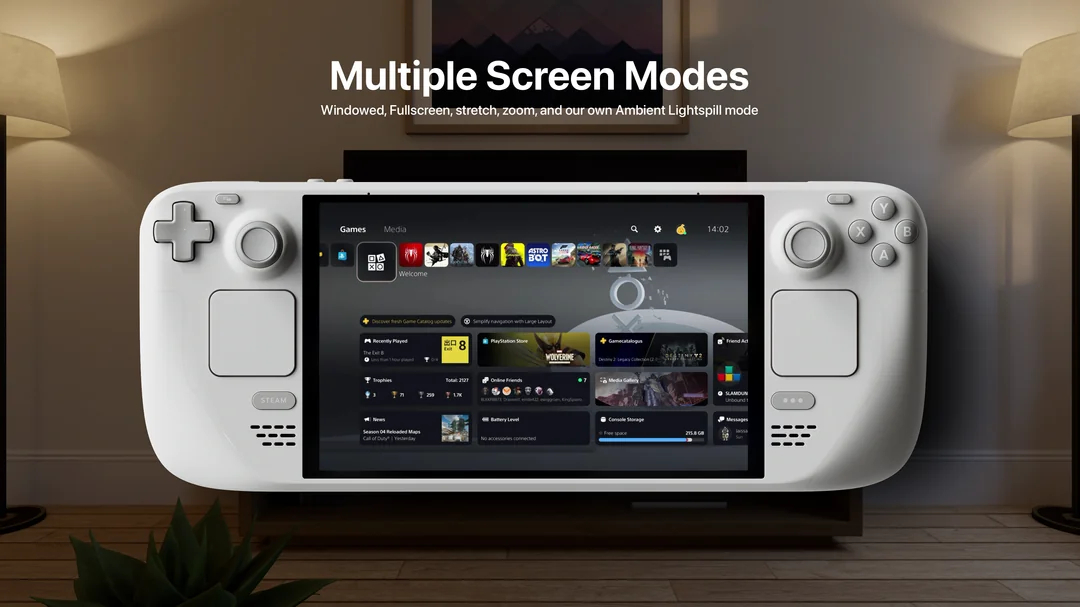
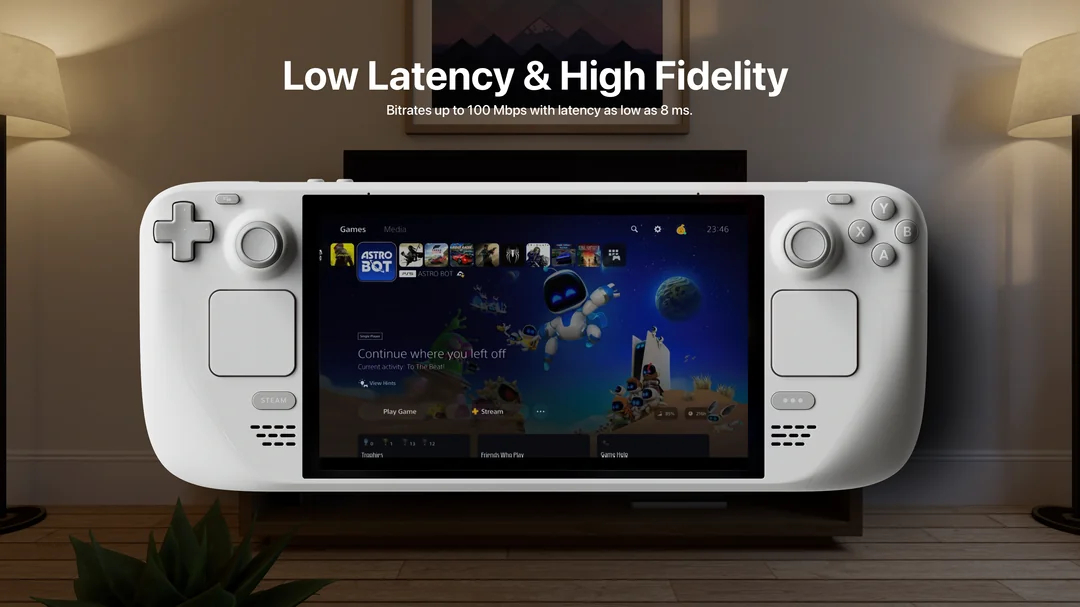
A third-party application called Asobi: Remote Play for Steam Deck, Steam Machine, and other Linux systems promises to bring PS Plus cloud gaming and PlayStation remote play to more devices. Developed by Inside Internet, the tool supports standard PS4 and PS5 Remote Play, along with PlayStation Plus cloud streaming, without requiring a local console connection.

Brought to our attention by Notebookcheck, Asobi pretty much turns the Steam Deck into a PlayStation Portal. Accessing cloud gaming through the app requires a PlayStation Network account alongside an active PlayStation Plus Premium subscription. Users can stream supported titles from the PlayStation Plus catalogue and select eligible digital PS5 games they already own.

Base functionality includes up to 1080p at 30fps in SDR with automatic bitrate adjustment. Upgrading to Asobi Premium adds 1080p at 60fps, HDR, manual bitrate control, low-latency modes, controller haptics, and upscaling to 4K. Output displays can reach up to 120fps on supported hardware, though streamed games do not render natively at that framerate.

During the ongoing playtest, all premium features are unlocked. Inside Internet lists the software as free with a separate Asobi Premium package, though pricing remains unannounced. While a Windows release is planned, current testing centres on Linux platforms.

KitGuru says: Being able to stream PS Plus cloud games directly to a Steam Deck without owning a PS5 console provides a neat workaround for handheld gamers. Will you be trying Asobi?

The post Asobi Remote Play app adds PS Plus cloud gaming to Steam Deck and Steam Machine first appeared on KitGuru.

Valve gives an update on Steam Machine waitlist and reservations

30 July 2026 at 16:34

Valve has shared new details on the reservation and waitlist system for the Steam Machine. The company now expects to clear the entire reservation queue by the end of 2026, meaning anyone who signed up before today should get their chance to purchase the system sometime between now and late December.

Valve began shipping the Steam Machine at the end of June and has been fulfilling orders daily. Reservation holders are being contacted in the order they were placed following the initial randomisation process. According to Valve, every existing reservation will be served before the end of the year, with purchase emails continuing to roll out steadily. The company also noted that each product and region has its own queue, which can move at different speeds depending on demand.

In some cases, Valve has already reached the end of a regional reservation queue and begun pulling names from the waitlist. A small number of users were mistakenly sent purchase emails immediately, skipping the step where Valve confirms that they have been moved into the reservation queue. Going forward, anyone transitioning from the waitlist will first receive a confirmation message, followed by a purchase email once their position in the queue comes up. Valve emphasised that waitlisted users are not being moved ahead of existing reservations.

For those currently holding a reservation, the expectation is clear. Everyone will receive a purchase email before the end of the year, and once that email arrives, buyers will have 72 hours to complete the order before their slot is passed to the next person. Waitlisted users may still be moved into reservations depending on the product they selected, and Valve will notify them if that happens.

KitGuru Says: Valve appears confident in its production ramp for the Steam Machine, with both reservation and waitlist movement accelerating. If you signed up before today, you should be in line to receive stock before the end of 2026.

The post Valve gives an update on Steam Machine waitlist and reservations first appeared on KitGuru.

Valve explains why the original Steam Machine failed

19 July 2026 at 09:00

The Steam Machine officially launched late last month, but this wasn't Valve's first attempt at bringing PC gaming to the living room. The Steam Machine project first began all the way back in 2015 but failed to gain any traction at the time. For the first time, Valve has spoken openly about why that first iteration of the Steam Machine failed. 

In an interview with Bloomberg's Jason Schreier, Valve's Pierre-Loup Griffais explained that while “working with partners is great”, Valve's first Steam Machine failed because they failed to release a good ‘reference' product. Something that would act as a “good example” of what a Steam Machine should offer.

Griffais also added that after the failure of the first Steam Machine, Valve learned that “people just need all their games to be able to have a good experience, you can't just have a subset of the catalog and say this is good”.

While Valve did have a prototype Steam Machine 1.0 back in 2015, it was never put up for sale. Instead, Valve relied on OEMs like Alienware, Zotac and others to make their own Steam Machine hardware, often with worse specs than what Valve had in mind. On top of that, the original SteamOS did not have Proton, the compatibility layer that now enables almost all Windows-based PC games to run on Linux. Steam Machine 1.0 barely had any game support as a result.

“We found out that the only way that this is going to work is if you don't have to do any porting”, Griffais explained. Nowadays thanks to Proton, game developers don't have to do much, if anything, to get a game running on SteamOS, although a bespoke graphics mode can be very helpful for getting newer titles running well on Steam Deck and Steam Machine. Some AAA games have chosen to offer this, including the likes of Cyberpunk 2077 and Spider-Man Remastered.

Valve has fixed those issues with the latest iteration of the Steam Machine, which offers a new base-line performance target, and a much more robust version of SteamOS with greater compatibility for your library of games. At this point, most titles, even unverified ones, will work on SteamOS, but there are some exceptions for certain multiplayer titles that require kernel-level anti-cheat, like GTA Online and Call of Duty.

Unfortunately, the new Steam Machine is in short supply and the waiting list for new stock is backed up to 2027. Due to ongoing issues sourcing memory and SSDs, it is unclear how often Valve will be able to replenish stock, or if it will be able to keep the price point consistent in the long-term.

KitGuru Says: Valve has finally turned SteamOS into a viable gaming platform. Are you considering switching to SteamOS for your next gaming system? 

The post Valve explains why the original Steam Machine failed first appeared on KitGuru.

Valve updates Steam Machine BIOS to adjust LED thermal warning thresholds

14 July 2026 at 13:30

Valve has confirmed it is developing a new BIOS update for the Steam Machine that changes how the system's integrated LED strip handles thermal warnings. The upcoming firmware will trigger a red light indicator only when internal components hit 100ºC, a 5/10ºC increase over the initial threshold.

According to Valve (via Tom's Hardware), the updated BIOS will cause the LED strip to turn red if the CPU or GPU reaches 100°C. Once this threshold is crossed, the system automatically initiates thermal throttling, reducing processor performance to protect overall hardware health. This updates a previous behavior where the “red line of death” (RLOD) mistakenly flagged system issues at lower temperatures.

Earlier reports indicated the red warning light appeared when the CPU reached 95°C and the GPU hit 90°C. Valve is adjusting these parameters because the silicon can safely handle higher heat loads. The system features a customised AMD processor with an expected TJMax of 105°C, at which point the machine automatically shuts down to prevent permanent damage.

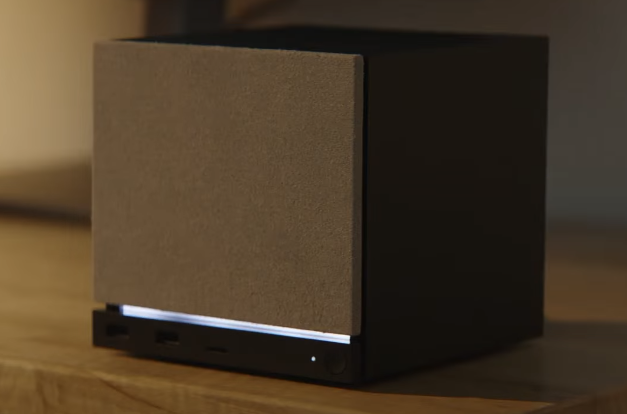
During standard operation, the LED bar remains blue. Internal cooling components, consisting of a dedicated heatsink and fan, provide sufficient dissipation under normal conditions. However, the company notes that restricted placement and high room temperatures can still lead to overheating.

KitGuru says: Do you have a Steam Machine? Have you witnessed the RLOD yourself?

The post Valve updates Steam Machine BIOS to adjust LED thermal warning thresholds first appeared on KitGuru.

Valve rolls out SteamOS and Steam Machine verification system

13 July 2026 at 07:53

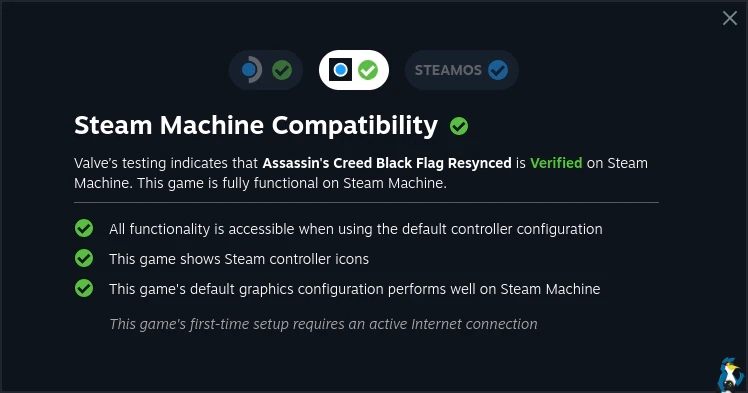
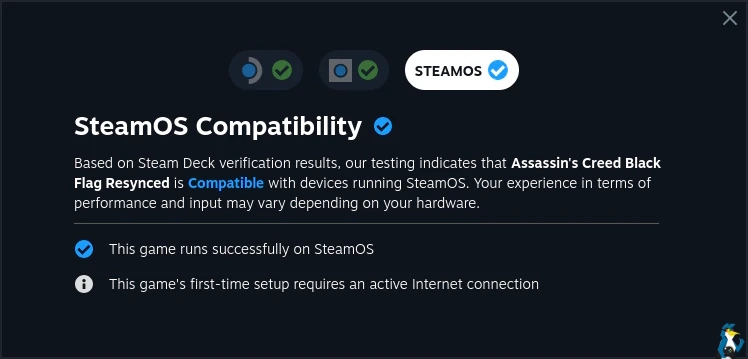
Valve has rolled out its official compatibility rating system for the Steam Machine and SteamOS, introducing a new user interface element within the Steam store.

Spotted by GamingOnLinux, this update is currently viewable on the Steam store and mobile app. Users can find the new ratings by visiting a game's Steam page, scrolling down to the “Steam Deck Compatibility” section, and clicking the “Learn more” button.

Image credit: GamingOnLinux

After pressing the button, an interface will pop up with three distinct tabs outlining specific requirements for the Steam Deck, Steam Machine, and SteamOS. The Steam Machine tab handles metrics for the Steam Machine Verified program, tracking performance and controller compatibility with default settings. Furthermore, the general SteamOS section indicates whether a game functions through the Proton compatibility layer or requires an active internet connection for initial setup and gameplay.

Hints of an upcoming “Steam Frame Verified” rating system have also appeared for certain titles, though Valve has not yet deployed a final store UI for it.

KItGuru says: Expanding the verification ecosystem to cover the Steam Machine ensures players know exactly how a game will perform before launching it.

The post Valve rolls out SteamOS and Steam Machine verification system first appeared on KitGuru.

Steam Machine gets Windows 11 driver support from Valve

8 July 2026 at 14:00

Valve has released an official Windows 11 driver package for the Steam Machine, allowing users to install Microsoft's operating system on the device. However, the company notes that the experience remains limited and currently lacks dual-boot support, meaning users must completely wipe SteamOS to install Windows.

Valve (via VideoCardz) confirms that concurrent support for both operating systems is still under development. Until this feature arrives, committing to a Windows installation means dedicating the entire storage drive to it. Furthermore, Valve clarifies that Windows setups fall outside its official technical support policy, meaning you are on your own if you hit any software conflicts or installation hiccups.

To get things up and running, the company published drivers covering AMD graphics and chipsets, Qualcomm Wi-Fi, Bluetooth, and the onboard SD card reader. There is a catch during the setup process, though. Because the wireless driver isn't active during the initial Windows installation wizard, you will need a wired Ethernet connection to complete the setup before you can update the wireless package.

KitGuru says: While it's good to see Valve providing the tools to turn the Steam Machine into a conventional Windows desktop, the lack of dual-boot support means most users will likely want to stick with SteamOS for the time being.

The post Steam Machine gets Windows 11 driver support from Valve first appeared on KitGuru.

Steam Machine owners can now 3D print a custom e-ink faceplate using Valve’s GitHub files

5 July 2026 at 13:00

Valve has officially released the complete project files and assembly documentation for its experimental Steam Machine e-ink faceplate. The open-source repository allows users with 3D printers to build, program, and install the customisable accessory from scratch.

The release (via Brad Lynch) follows the launch of the Steam Machine, which features a modular front panel design. While Valve originally showcased the e-ink faceplate last year as an experimental concept without a confirmed commercial release date, the company has now open-sourced the entire design. The GitLab repository contains 3D-printable CAD files for the chassis, a full list of required hardware components, and assembly guides in both PDF and video formats.

Building the accessory requires flashing firmware onto a supported ESP32 microcontroller board, as outlined in the documentation. For connectivity, the faceplate pairs with the console over Bluetooth to display real-time hardware statistics or custom images. Valve plans to release an official configuration app on Steam in the future. Until that utility arrives, users must compile their own AppImage by following the provided software guides.

Alternatively, if you would prefer to just buy the faceplate, brands like JSaux are planning to offer their own E-Ink based faceplates.

Discuss on our Facebook page, HERE.

KitGuru says: Open-sourcing experimental hardware concepts is an excellent move by Valve, allowing DIY enthusiasts to add functional customisation to their Steam Machines right at launch. 

The post Steam Machine owners can now 3D print a custom e-ink faceplate using Valve’s GitHub files first appeared on KitGuru.

Steam Machine has its own ‘red line of death’

3 July 2026 at 15:00

The first wave of Steam Machine units has now begun shipping out to early buyers. Unfortunately, one early adopter has already encountered a serious issue, revealing that the system has its own version of the Xbox 360's ‘red ring of death'.

The report comes from an early buyer posting on Reddit, who explained that their Steam Machine initially booted and worked normally. The failure occurred after attempting to install a Steam update, at which point the system stopped functioning and displayed the red error light. Apparently, this red light appears when there has been a ‘GPU failure'.

While one failure out of thousands of units isn’t particularly newsworthy on its own, it does confirm what happens when a Steam Machine does break. If you power on the device and see a red LED instead of the usual blue, you’ll likely need to send the unit back for repair or replacement.

The timing is unfortunate given Valve’s earlier struggles to secure components and assemble enough units for launch. Supply constraints delayed the Steam Machine’s release multiple times, and if replacement parts remain limited, servicing failed units could take longer than usual.

Discuss on our Facebook page, HERE.

KitGuru Says: Hardware failures are inevitable with any new device. Hopefully this turns out to just be an isolated case.

The post Steam Machine has its own ‘red line of death’ first appeared on KitGuru.

Valve expects to upgrade Steam Machine faster than the Steam Deck

30 June 2026 at 16:00

Valve has been cautious about releasing a successor to the Steam Deck, insisting that a new model won’t arrive until a meaningful performance jump is possible. However, when it comes to the Steam Machine, Valve appears to be taking a different approach. In a new interview, the company explained that the Steam Machine doesn’t need to follow the same long‑term hardware cadence as the Deck.

Speaking to PCGamer, Valve engineers Pierre‑Loup Griffais and Yazan Aldehayyat said the Steam Machine sits much closer to traditional gaming PCs, which naturally evolve across a wide range of CPU and GPU configurations. Because of that, Valve doesn’t feel the need to lock the Steam Machine to a fixed performance target for several years, the way it does with the Steam Deck.

“The Steam Deck, by its nature, needs a little bit more of a fixed performance target, whereas the Steam Machine is very much in line with gaming PCs,” Griffais explained. “I don’t think we’re thinking about [the Steam Machine] with quite as long of a timeframe as something like the Steam Deck.”

That doesn’t mean a Steam Machine 2 is right around the corner. Griffais clarified that Valve has no immediate plans for a new performance target and they no doubt will want to see if the RAM and SSD markets settle down before trying to launch a new hardware product. Aldehayyat also added that PC gamers are upgrading less frequently than they used to, which naturally extends the Steam Machine’s lifespan.

KitGuru Says: Valve is going to be working its way through the waiting list for the first Steam Machine for quite some time, so I doubt we'll see a Steam Machine 2 for a few years at least. 

The post Valve expects to upgrade Steam Machine faster than the Steam Deck first appeared on KitGuru.

Dbrand cancels Steam Machine Companion Cube, confirms it was ‘unlicensed’

30 June 2026 at 12:00

Dbrand has officially cancelled its Portal‑inspired Companion Cube case for the Steam Machine. The company opened pre‑orders earlier this month, but the listing was quickly taken down. Now, Dbrand has explained why, confirming that Valve requested the product’s removal and declined to grant a licence for its release.

In a detailed post shared on Reddit, Dbrand says the Companion Cube enclosure was developed without permission from Valve. While the company initially created a concept render when the Steam Machine was first announced in November 2025, interest quickly ballooned, prompting Dbrand to turn the idea into a full physical product, without actually securing the rights to use Portal imagery.

Over the following months, Dbrand invested heavily in the project, redesigning the enclosure multiple times and even renting a university campus to film the launch video.

The case launched on June 22nd and rapidly became Dbrand’s second‑fastest‑selling product ever. Shortly afterwards, Valve’s legal team contacted the company, stating that the Companion Cube is Valve intellectual property and requesting that all listings and promotional material be removed. Dbrand complied immediately and attempted to negotiate a proper licence, but Valve declined.

“Given our backwards approach of building first and asking permission later, it was a fair answer,” Dbrand wrote. The company says refunds for all orders will be issued by the end of the week.

KitGuru Says: Considering Valve's component supply situation, there is a high chance that the Companion Cube would have been more readily available to buy than an actual Steam Machine. 

The post Dbrand cancels Steam Machine Companion Cube, confirms it was ‘unlicensed’ first appeared on KitGuru.

Valve’s unreleased Steam Frame VR headset gets first game compatibility rating

30 June 2026 at 11:00

Valve's upcoming Steam Frame VR headset has seen its first compatibility rating surface, with Portal 2 receiving a ‘Playable' certification on the platform. The listing marks the first concrete indicator of software compatibility targets for the unreleased virtual reality device.

Spotted by Brad Lynch (via Notebook Check), the compatibility entry on SteamDB states that Portal 2 meets several core integration benchmarks for the unreleased headset hardware, rating the game as “Playable”. Functional elements include proper Steam Frame button glyphs, legible text rendering, and stable operation using default graphics configurations. However, the title's age prevents it from achieving a perfect verification tier.

Scoring notes from the system indicate that the 2011 title does not match the Steam Frame's native resolution. Furthermore, the entry cautions that players may experience degraded performance due to these resolution mismatches. While the Steam Controller has launched and the Steam Machine remains open for pre-orders, Valve hasn't shared official release details for the VR setup itself.

KitGuru says: It is interesting to see Valve setting up its compatibility layer ahead of the Steam Frame's launch. However, legacy titles might need updates to support the Frame's native resolution.

The post Valve’s unreleased Steam Frame VR headset gets first game compatibility rating first appeared on KitGuru.

Valve softens 4K performance claims after early Steam Machine benchmarks

29 June 2026 at 14:00

Valve has updated its marketing language for the Steam Machine ahead of launch, removing earlier claims that the system could deliver 4K gaming at 60FPS with FSR. The revised description now says the device supports “up to 4K gaming with FSR 4.1”, a more conservative phrasing that better reflects the hardware’s real‑world capabilities.

Originally, Valve promoted the Steam Machine as a compact PC capable of 4K/60FPS gameplay when paired with AMD’s upscaling technology. Based on the specifications, that always appeared optimistic for modern AAA titles. The updated wording brings expectations closer to what reviewers have observed.

In the first wave of reviews, the Steam Machine delivered strong results at 1080p but struggled to run AAA games at 4K without upscaling. With that in mind, the new marketing language makes that limitation more immediately clear to potential buyers.

The Steam Machine was originally spec'd out in 2023 and was intended to beat the hardware the majority of Steam users had based on Steam Hardware Survey results from the time. With that in mind, it should come as no surprise that Valve was also targeting 1080p, the most commonly used desktop resolution on Steam at the time.

KitGuru Says: It will be interesting to see how well AAA games run on the Steam Machine at 4K once FSR 4.1 support is enabled.

The post Valve softens 4K performance claims after early Steam Machine benchmarks first appeared on KitGuru.

LDLC’s Mini‑ITX PC STIM outperforms Steam Machine for less

26 June 2026 at 12:30

French retailer LDLC has taken aim at Valve’s recently launched Steam Machine by introducing its own compact gaming PC, the LDLC PC STIM, otherwise known as the ‘stim machine' priced at €999.

As reported by VideoCardz, the Mini‑ITX system is equipped with AMD’s new Radeon RX 9060 XT graphics card, giving it a substantial performance advantage over the custom CPU and GPU combo found in the Steam Machine. While Valve’s device focuses on an ultra‑small chassis and custom silicon, LDLC’s approach prioritises raw performance using standard components and a slightly larger, but still Mini-ITX enclosure to keep costs down.

LDLC’s marketing openly references Valve’s pricing, positioning the PC STIM as a better‑value alternative for buyers who don’t require the Steam Machine’s extremely compact footprint. Despite being larger, the Mini‑ITX build remains small, making it both desk and living-room friendly. The system is also backed by a 5-year warranty, and you can spend an extra €41 to have an expert build it for you before shipping. If you are experienced with building PCs, you can just save that money and put it together yourself when it arrives.

As the system is fully based on AMD hardware, it is also completely compatible with SteamOS, so you'll replicate most of the Steam Machine experience. However, you may have to install the OS yourself, and you won't be able to turn the system on via a controller out of the box. This sort of functionality can be replicated through clever Linux programming scripts, but you'll need a bit more technical knowledge to get it working.

Valve has previously explained that the Steam Machine’s higher‑than‑expected price is the result of supply constraints and rising component costs, particularly for memory and storage. The good news is though, you can put together a Steam Machine of your own, with the OS and all, for roughly the same price while also netting more performance, albeit while using more electricity.

KitGuru Says: The PC STIM won’t match the Steam Machine’s ultra‑compact design, but the trade-off is significantly more performance, while still being small enough to fit on a desk or under a TV.

The post LDLC’s Mini‑ITX PC STIM outperforms Steam Machine for less first appeared on KitGuru.

Next-gen PlayStation and Xbox consoles may be far more expensive than expected

25 June 2026 at 15:30

Valve’s new Steam Machine launched this month with a $1050 price tag, a figure that initially drew criticism but may not seem so insane by the time next-gen consoles roll out. Analysts now suggest that this pricing may be an early indication of where the next Xbox and PlayStation consoles are heading, as rising component costs continue to impact the hardware market.

As highlighted in VGC’s report, analysts from across the industry, including commentary originally published by GI.biz, warn that rising DRAM and NAND flash costs could push next‑generation consoles over the $1000 mark. Kantan Games CEO Dr. Serkan Toto described $1000 as the new “floor” for high‑end hardware built around modern memory and storage requirements.

Steam Machine’s pricing is being used as a reference point. As previously reported here at KitGuru, Valve struggled to secure “any components at any price” during development, contributing to the system’s unexpectedly high cost. With memory and SSD prices still climbing, analysts believe console makers will encounter similar pressures when designing their next‑gen systems.

Historically, consoles have been sold at a small loss, with platform holders recouping that money through first-party software sales and up to a 30% cut of third-party software sales. However, the market has shifted toward free‑to‑play and live‑service titles, reducing the certainty that hardware losses can be recovered through traditional game purchases. This makes aggressive hardware subsidisation less likely than in previous generations.

Right now, Microsoft has confirmed that it is working on Project Helix, the codename for the next Xbox. Sony is also currently working on the PlayStation 6, but we have no idea yet when either console will release. Prior reports suggested the PS6 could be delayed beyond 2028 due to component costs, but with Microsoft seems eager to move on from the Series X/S generation and is reportedly planning to launch sooner, perhaps as early as 2027.

KitGuru Says: If current component trends continue, next‑gen consoles may be far more expensive than players expect.

The post Next-gen PlayStation and Xbox consoles may be far more expensive than expected first appeared on KitGuru.

Valve confirms its working with both Intel and Nvidia on future SteamOS support

23 June 2026 at 16:30

Valve already alluded to ‘expanding support' for hardware beyond AMD on SteamOS in a blog post earlier this week, but now the company has also confirmed to The Verge that it is working directly with both Intel and Nvidia.

Speaking with The Verge, Valve's Pierre-Loup Griffais confirmed that Intel has “been doing a lot of hard work” getting its graphics stack up and running on SteamOS. However, an Intel spokesperson added that it didn't have “anything to share timeline-wise on SteamOS support”.

While it sounds like Intel is the closest to getting SteamOS support, Griffais also told the outlet that it is collaborating with Nvidia “very closely”, which is interesting, as for many years Nvidia has avoided the Linux gaming space. Valve itself also has a growing team working on Nvidia hardware to bring support to SteamOS.

While Valve is working with both Intel and Nvidia at this point, it does not expect to expand SteamOS support to their hardware this year, so we will have to wait and see.

KitGuru Says: Intel itself just got into the gaming handheld space, though so far, the first handhelds to use the new Arc G3 processor are Windows-based. That could change in the not-too-distant future. 

The post Valve confirms its working with both Intel and Nvidia on future SteamOS support first appeared on KitGuru.

Valve admits it struggled securing any components to build Steam Machine

23 June 2026 at 12:20

Valve has published a lengthy blog post offering new context behind yesterday’s Steam Machine price announcement. As it turns out, the company’s component situation has been far more difficult than expected, forcing both higher pricing and lower launch‑day stock.

According to Valve, the Steam Machine is built from components sourced globally, and the company believed it had a solid understanding of how those costs would trend when development began in 2023. “That understanding was born from the many years of data we all have about the evolution of PC hardware prices – primarily, that it tends to get cheaper over time as new technology arrives,” Valve writes. “Over the past year or so, that has changed quickly and significantly, most visibly for RAM and storage components.” With prices rising instead of falling, Valve says its “original goal for the price of Steam Machine is no longer viable”, adding that the final pricing reflects what it paid to secure components over the past six months.

Availability has also been hit hard. Valve explains that there were periods where it “couldn’t source some of our components at all, at any price”, directly limiting the number of units it could produce for launch.

A launch‑day Steam Machine analysis from Gamers Nexus estimates that the equivalent component cost for a DIY PC closely matching the system's specs would be around $979 with a 512GB SSD, just $71 under the $1050 cost of a base Steam Machine. However, the premium is much more evident for a 2TB system, where an equivalent DIY PC would cost you $1,139 while the Steam Machine 2TB is $1,350, a $211 difference.

If you would rather go DIY at this point, then Valve is also offering SteamOS 3.8 for free, so you can build your own Steam Machine with whatever components you can get. However, you will need an AMD CPU and GPU, as SteamOS does not yet have support for other other hardware platforms. Valve says it is “working on expanding” its hardware support in the future. The company is also currently working with AMD to bring improved FSR 4 upscaling features to Steam Machine.

KitGuru Says: Are you still thinking of getting a Steam Machine? It still looks like the base model is worth it based on current component prices, and you could always be on the lookout for a cheap SSD upgrade in the future.

The post Valve admits it struggled securing any components to build Steam Machine first appeared on KitGuru.

The Steam Machine prices are in and they are bad

22 June 2026 at 17:00

After months and months of guessing and secrecy, Valve has finally announced the launch pricing for its new Steam Machine gaming PC. As anticipated, due to changes in the RAM and SSD markets, these PCs are now far more expensive than they should be for their performance level. 

Just like the Steam Deck, the Steam Machine's price in 2026 will be eye-wateringly high. We've heard through leaks that Valve had originally been targeting much lower price points but due to changes in the RAM and SSD markets, it was forced to rethink its strategy. As a result, the base model 512GB Steam Machine will be $1049 without a controller, or $1,128 with a controller included.

The situation is even worse for the 2TB model, which is now going to cost $1350 without a controller, or $1428 with one included. These prices are almost double what was expected based on component prices when the Steam Machine was first announced in October 2025.

You can sign up to get on the reservation list for the Steam Machine now via Steam. You will get an email on the 25th of June letting you know if or when you can expect to order one.

A similar announcement for pricing and reservations of the Steam Frame VR headset is expected to happen before the end of the month.

KitGuru Says: The first benchmarks for the Steam Machine don't look too good either, so it appears that Valve's invasion of the living room is going to be dead on arrival once again. 

The post The Steam Machine prices are in and they are bad first appeared on KitGuru.

SteamOS 3.8 rolls out with Steam Machine support and BIOS fixes

19 June 2026 at 13:30

Valve has officially released SteamOS 3.8 following its beta testing period, bringing new features and platform updates to the Steam Deck and initial support for their upcoming desktop system.

The update introduces initial support for the Steam Machine and the ability to wake the device from sleep with a connected Steam Controller. Desktop mode now defaults to Wayland rather than X11, which Valve states addresses several performance drops previously seen when switching out of gaming mode. The new version also introduces better scaling on televisions, support for external HDR displays, and improved compatibility with VRR.

Both the LCD and OLED Steam Deck models are also receiving new BIOS updates in this rollout. Notably, the update adds preliminary support for device hibernation to the LCD version. For the OLED model, the charging LED now aligns with custom battery health limits. If a user sets their Deck to cap charging at 80%, the LED changes to green when it reaches that threshold rather than staying white. If you want to learn what else comes with SteamOS 3.8, you can take a look at the update notes below:

GENERAL

  • Updated Arch system base
  • Initial support for upcoming Steam Machine hardware
  • Added support for waking from sleep via connected Steam Controller
  • Substantially improved speed of future OS updates on high-speed connections
  • Improved support for screen casting in Game Mode (e.g. OBS/Discord)
  • Fixed dropdown menus not appearing in some games
  • Fixed excessive trackpad sensitivity on certain early Steam Deck LCD models
  • Improved support for games that attempt to open PDF files in external viewers
  • Fixed an issue where video output could become frozen while using Remote Play
  • Fixed a possible session crash when using Game Recording with certain “Maximum video height” settings
  • Fixed an issue affecting certain titles (such as “SpongeBob SquarePants: Titans of the Tide”) where the game window could have an incorrect position
  • Fixed closing certain titles (such as “STAR WARS Jedi: Survivor™” and Starfield) resulting in a session crash
  • Improved support for certain USB racing wheels and USB devices that boot in a non-standard mode
    • Frequently these are devices that appear as USB storage devices with a driver installer, and must be switched to their normal mode by the OS
  • Steam Deck controller firmware updates now display update progress on the splash screen
  • Fixes issue on specific Steam Deck revisions where firmware updates could render the left controller inoperative for that session
  • Numerous stability and security updates

DISPLAY/PERFORMANCE

  • Updated graphics driver with performance and stability fixes
  • Added preliminary support for HDMI VRR for devices with native HDMI output
  • Fixed an issue where “Allow Tearing” wouldn't have the intended effect in certain configurations
  • Improved VRR frame pacing
  • Fixed FSR badge remaining off in the performance overlay, even if it was actually active
  • Fixed a case where per-app performance settings would intermittently fail to apply when launching a game
  • Added missing graphics features needed for titles such as “Crimson Desert”
  • Fixed an issue on certain TCL TVs where the display may remain blank using the Steam Deck Dock when VRR is enabled (requires a Dock firmware update)

BLUETOOTH/WIFI

  • Fixed a case where WiFi performance could become degraded until the device was put to sleep or manually reconnected
  • Re-re-enable Bluetooth Wake for Steam Deck LCD
    • Fix for more spurious wake issues that were present in earlier attempts

AUDIO

  • Detect HDMI channel count and expose surround configuration if available
  • Add a setting to allow using Bluetooth headset mics (Bluetooth playback quality will be worse while capture is active)
  • Restore internal audio device on reboot if set to “Off” in desktop mode
  • Increase suspend timeout for HDMI devices so initial audio isn't cut off after a few seconds of inactivity
  • Fixed a bug with switching input devices when a wired headset is plugged in
  • Fixed an issue where audio underruns could be experienced after sleep/resume
  • Fixed a bug on Steam Deck OLED where rebooting would occasionally cause a loss of speaker output until rebooted again
  • Fixed a case where FPS limits would fail to apply when downscaling games from a higher resolution

ACESSIBILITY

  • Added an option to force mono audio output

DESKTOP MODE

  • KDE Plasma updated to version 6.4.3 from 6.2.5, and now uses wayland by default
  • Fixes several cases of reduced performance in Desktop Mode compared to Game Mode
  • Improved support for rotated displays
  • Better scale factor out of the box on TVs
  • Adds support for external HDR displays
  • Adds support for VRR displays
  • Adds support per-display scale factor
  • Keyboard layout and language are now obeying Game Mode settings
  • Improved windowing behavior for games running in Proton
  • Fixed a bug in Desktop Mode causing previously open applications to not be remembered when using the ‘Return to Gaming Mode' shortcut to logout
  • Fixes for experimental nested desktop mode
  • Fixed Desktop Mode night color settings inappropriately remaining active when switching back to Game Mode

SYSTEM FIRMWARE

  • Includes Steam Deck LCD BIOS v133
  • Security updates
  • Added “Memory Power Down” setup option
  • Preliminary support for hibernation
  • Includes Steam Deck OLED BIOS v114
  • Security updates
  • Charging LED now changes color when charge limit is reached, rather than only at 100%

NON-DECK

  • Improved compatibility with recent Intel and AMD platforms
  • Greatly improved video memory management on discrete GPU platforms
  • Fixed a compatibility issue with the SteamOS chainloader that could cause a boot failure on some desktop systems with recent UEFI firmware
  • Power button short and long presses now supported across a wide variety of devices
  • Improved controller support for OneXPlayer F1 series, GPD Win 5, GPD Win Mini, Anbernic Win600, OrangePi NEO, and Lenovo Legion Go
  • Added controller support for OneXPlayer X1 series and Lenovo Legion Go 2
  • Added system and controller firmware update support for the Lenovo Legion Go 2
  • Added preliminary charge limiting support for Legion Go, Legion Go S, and Legion Go 2 – currently only accessible in Desktop Mode
  • Added controller RGB LED color settings for the Lenovo Legion Go 2
  • Added controller, TDP control, and speaker audio support for the ASUS ROG Xbox Ally series
  • Reduced handheld controller input latency from 5-8ms to 100-500us
  • Night mode, color vibrance, and color temperature sliders in Steam now work on Z2E and later AMD APUs
  • Seamless boot fixes for Z2E and later AMD APUs
  • Automatically handle internally rotated display for some third-party handhelds
  • Improved motion control support for handhelds with BMI260 IMUs
  • SD card reliability improvements for some third-party handhelds, including ASUS ROG Xbox Ally, Legion Go 1, Legion Go S, Legion Go 2, and MSI Claw
  • Fixed washed out colors for Zotac and OneXPlayer handhelds with OLED
  • Fixed some GPU hangs on Phoenix APU devices (Tales of Arise, Octopath Traveler II)
  • Fixed ASUS ROG Ally power consumption from fingerprint reader while shut down
  • Fixed trackpad losing functionality after sleep/resume on the Legion Go
  • Fixed spurious wake-ups when using a Logitech Bolt receiver
  • Add controller support for MSI Claw devices (A1M, 7 AI+ A2VM, 8 AI+ A2VM, A8 BZ2EM)
  • Add controller support for OneXPlayer APEX and X1 series.
  • Improved gyro response for devices that use AccelGyro3D (Legion Go 1, Claw A1M)
  • Fixed a system crash on international Asus ROG Xbox Ally models
  • Fix Bluetooth not working on some Intel handhelds
  • Add initial firmware for upcoming Intel handhelds

DEVELOPER

  • Desktop Mode now uses Wayland by default
  • X11 support may still be selected via Steam developer settings, or via `steamosctl`
  • Updated Linux kernel to 6.16
  • Steam now uses steamos-manager to query available desktop sessions and trigger desktop session switching
  • Added support for setting the desktop password in developer settings
  • Initial support for running as a Virtual Machine guest (virtio guest drivers)
  • Added support for third-party devices to trigger the SteamOS boot menu via EFI variable
  • Added `custom-update` verb to `atomupd-manager` for easier testing of specific builds
  • System reports now include more audio debug information
  • Initial support for LAVD CPU scheduler via `steamosctl set-cpu-scheduler lavd`

KitGuru says: Seeing Steam Machine being mentioned in the patch notes suggests the launch shouldn't be far off. When are you expecting Valve to launch the system?

The post SteamOS 3.8 rolls out with Steam Machine support and BIOS fixes first appeared on KitGuru.
❌
❌