$1060 For The Steam Frame VR Headset Seems Depressingly Inexpensive
The Steam Frame has arrived, if you are Ars Technica, otherwise all you can do is register to get in line for an opportunity to buy one sometime down the road. The…
Security through obscurity has been a thorn in the side of security professionals everywhere; some programmers believe that the code they used or even the programming language itself is so rarely used…
Originally aired on September 2nd - but it would seem that I didn't post it. Catching up!
Just like the headline says: Packard Bell is back! DLSS 5 is both fascinating and horrifying…
Framework has great news for anyone who ordered a Framework Laptop 13 Pro, as you can request a bit of a refund from Framework and there are also a limited number still…
Exceleram’s VP of Product, Steffen Eisenstein, has shared a detailed breakdown of the ongoing RAM shortage, warning that the industry is still only at the beginning of the crisis. According to Eisenstein, the AI boom has pushed memory inventories to their limits, and securing DRAM has become harder than ever.
Eisenstein says the situation began far earlier than many realised. “For us as a RAM manufacturer, the crisis began as early as the fourth quarter of 2025,” he explains. “In October last year, we saw DRAM prices rise sharply for the first time, the price jumps at the time were already extreme.” As partners recognised the looming shortage, Exceleram saw larger orders and depleted inventories while new DRAM became increasingly expensive.
Even for long‑standing manufacturers, the current environment is unusual. “It has never been this difficult to secure DRAM,” Eisenstein says. Major suppliers saw record stock‑market gains, and in December 2025, Micron officially withdrew from the consumer RAM and SSD market. Meanwhile, medium‑sized companies struggled to keep PC assembly profitable. “High RAM prices are making cost calculations difficult,” he notes, with some partners abandoning the segment entirely.
By early 2026, analysts and media outlets were openly referring to a “memory crisis”. Exceleram’s inventories were empty, production costs were high, and demand collapsed. “We even canceled our Computex booth because under these circumstances, it did not make sense to find new resellers,” Eisenstein says. Supply delays followed, and while production continued for existing partners, sales dropped sharply.
Demand began to recover slightly in Q2 and Q3, but the underlying issues remained. Eisenstein recalls a conversation with a journalist who told him: “People have accepted that RAM has become more expensive and is not going to get cheaper again.” Even so, he warns that high prices have led to lower demand and tighter competition, with margins far smaller than they appear.
The most concerning development, according to Eisenstein, is that the crisis is still escalating. “In some cases, we have not received any offers for the chips we need for weeks,” he writes, adding that supply security is deteriorating to the point where it is slowing down the development of new consumer hardware. “That is the uncomfortable truth: The RAM crisis is far from over. It may have only just begun.”
KitGuru Says: Anyone who was hoping for the PC hardware market to bounce back in 2027 may end up being disappointed. If Exceleram are right on this, then things could continue to get worse until new production lines open up to increase capacity, but this is a process that takes a lot of time and money.
The post Exceleram warns RAM shortage is still escalating first appeared on KitGuru.GOG has started up yet another project to remind you just how awesome they are. Their new Printable Big Box program gives you the chance to download a GLB file which…
LG TVs are making the news again, and like the last time it's not good news. Gamers Nexus have been doing a yeoman's job at reporting the ridiculously invasive proclivities your LG…
It seems counterintuitive to want to bring Rust close to metal but that is exactly what the next revolution in GPU processing will entail. AMD has posted a rather lucrative job…
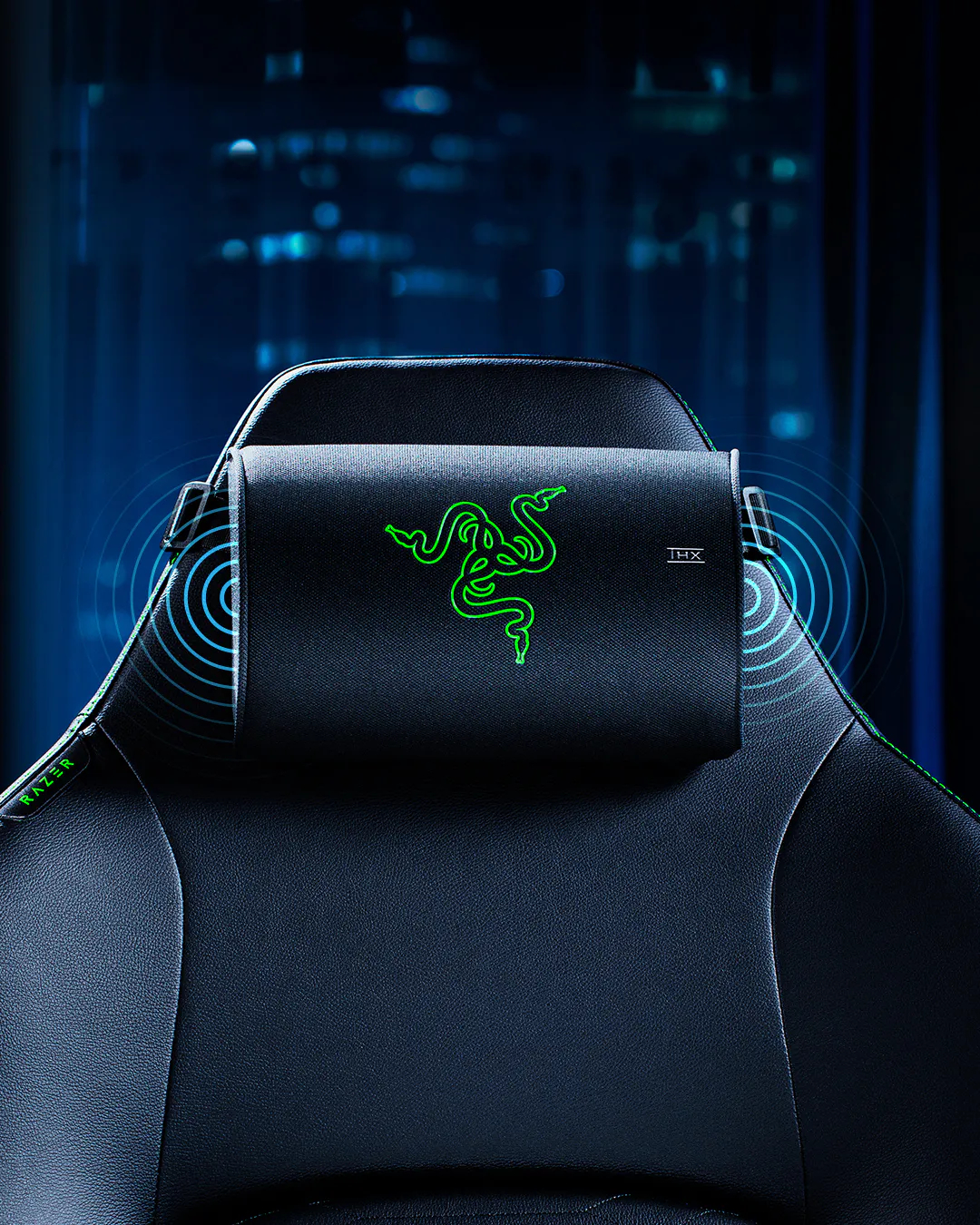
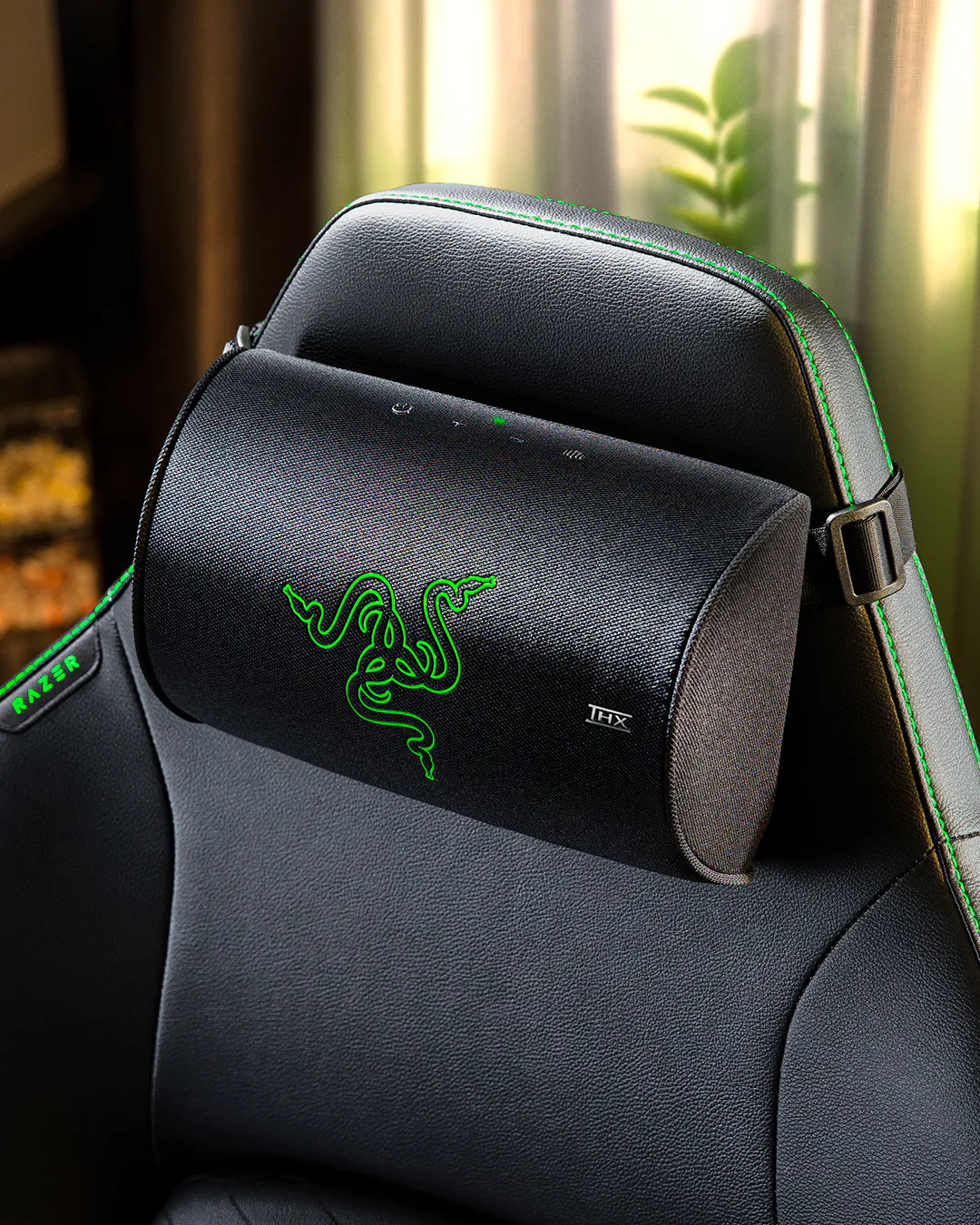
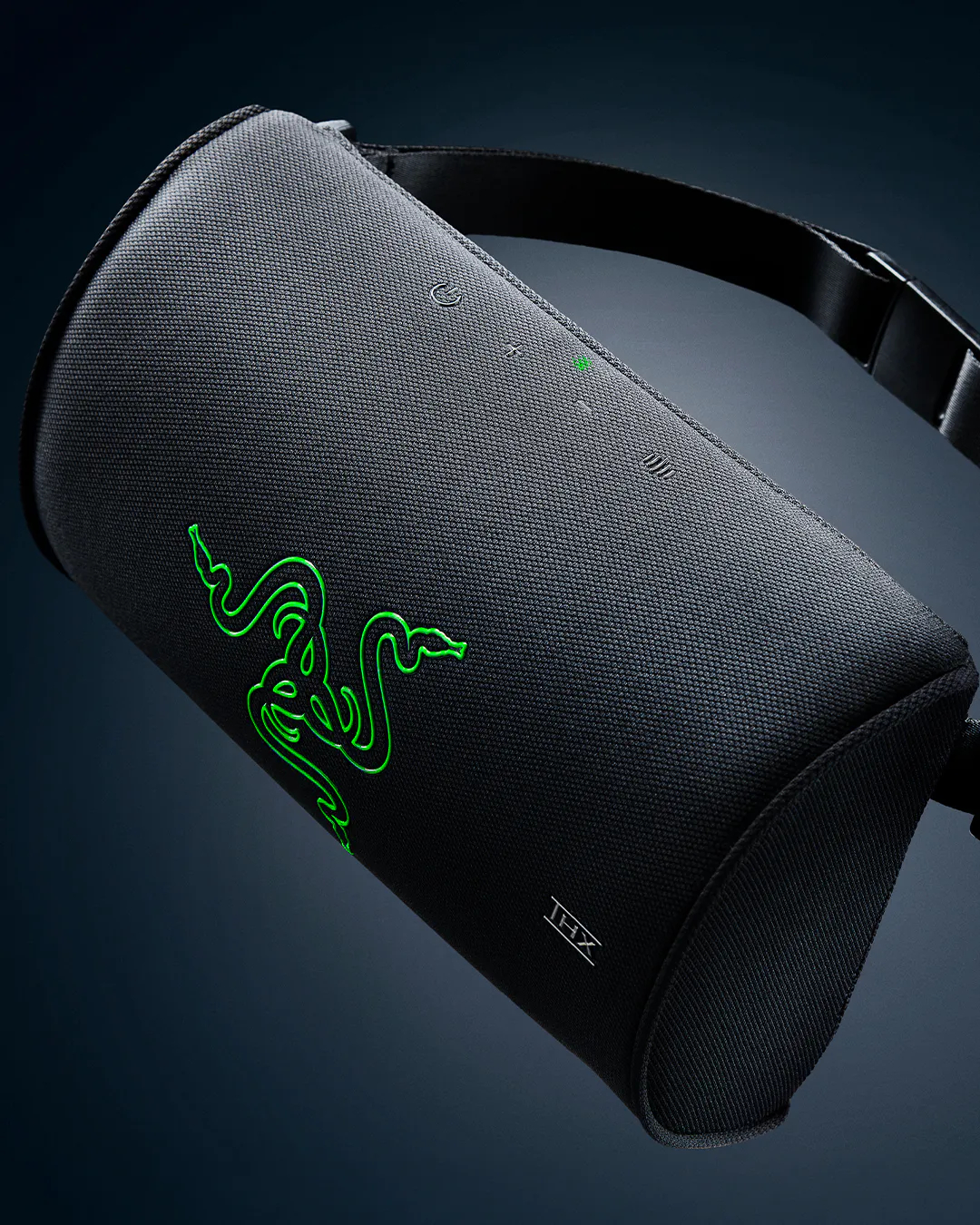
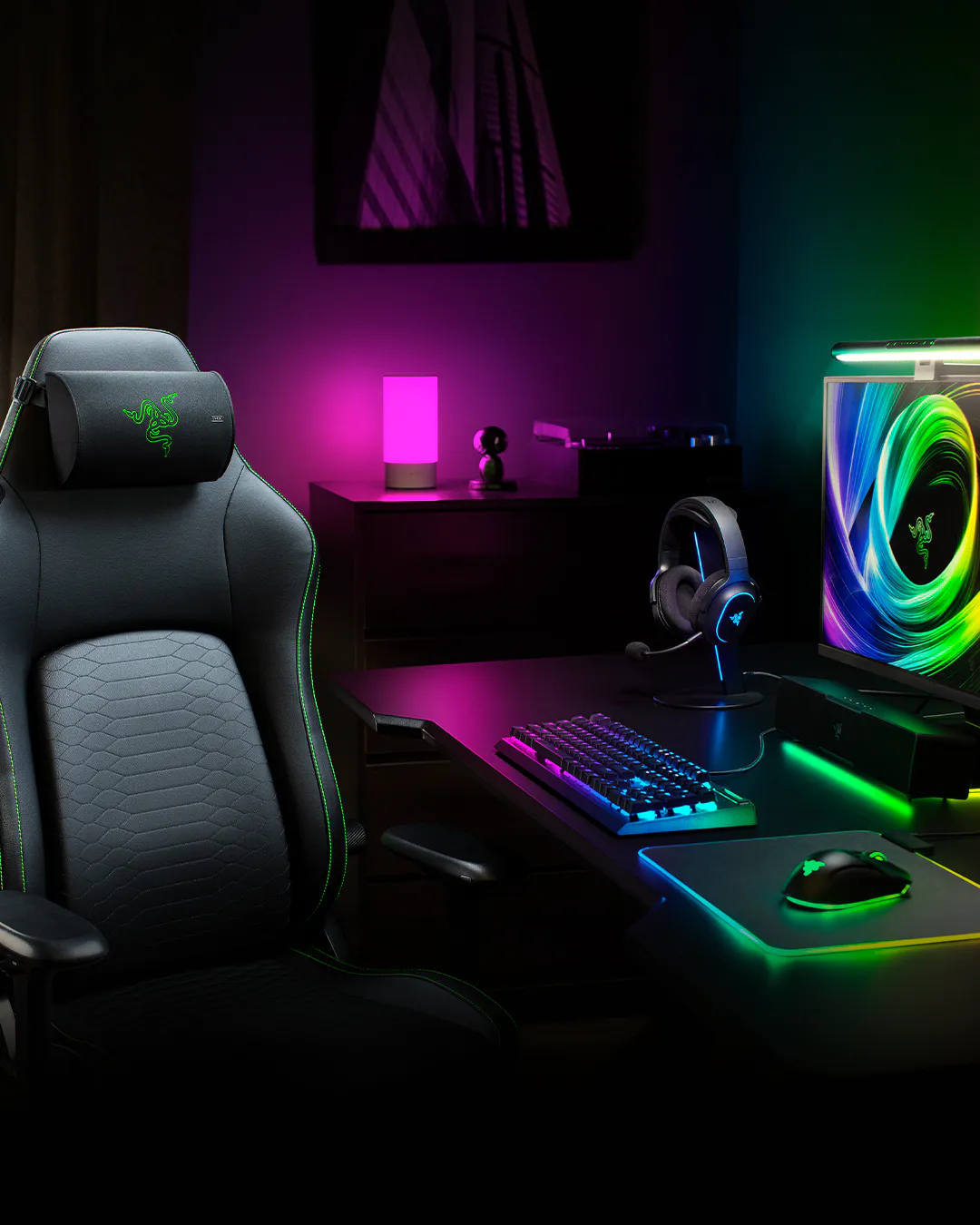
Razer has introduced the Clio X, a wireless speaker head cushion designed to bring rear‑channel audio to most high‑back gaming and office chairs. First shown at PAX West 2026, the accessory combines THX Spatial Audio with Razer HyperSpeed 2.4GHz wireless to deliver headset‑free virtual surround sound.
The Clio X uses a near‑field speaker design with two 38mm full‑range drivers and 55mm passive radiators, angled toward the user to provide focused rear audio. THX Spatial Audio supports acoustic‑widening modes to create a broader, more natural soundstage for games, films and music, offering additional depth without requiring anything worn on the head.
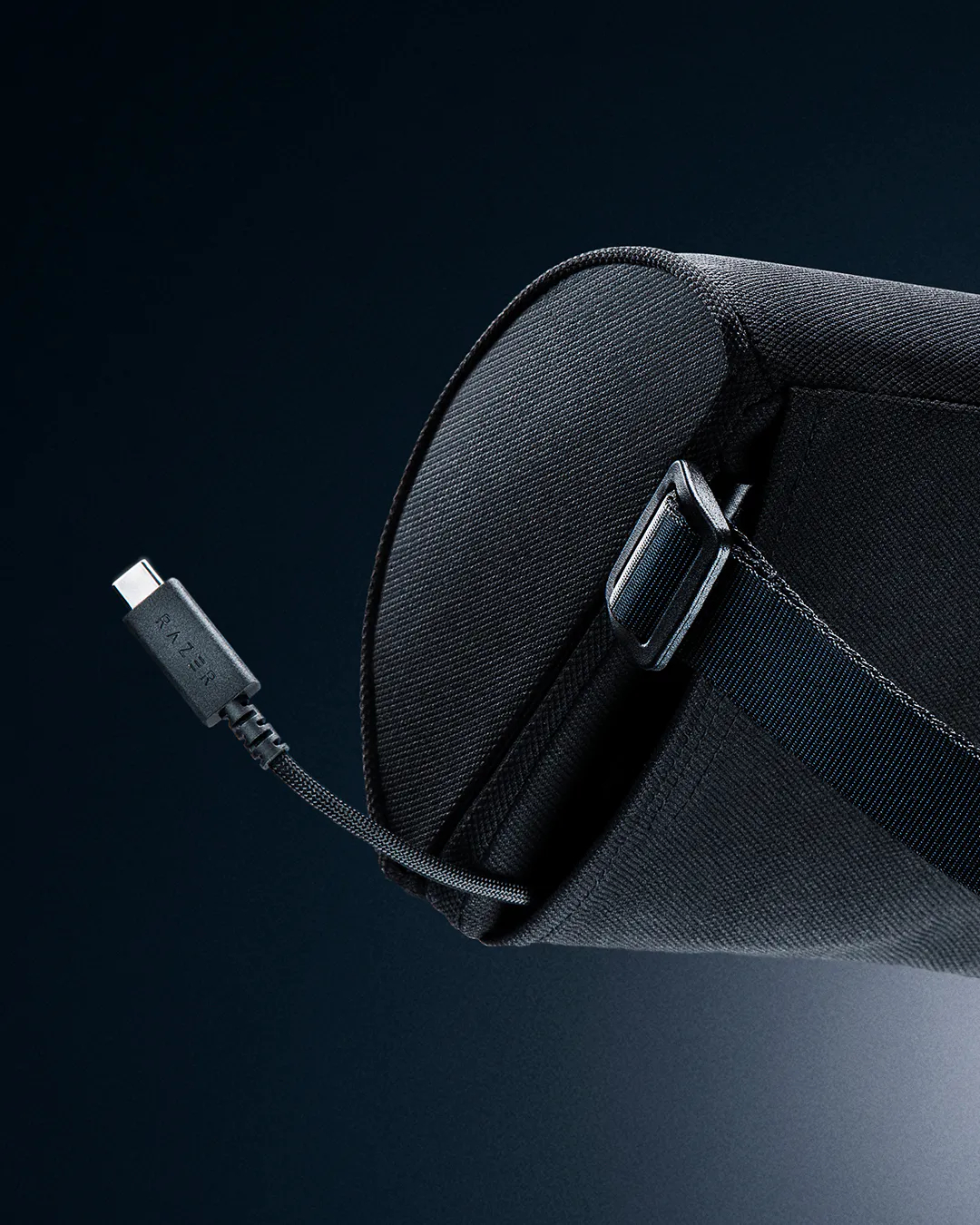
Razer’s HyperSpeed 2.4GHz wireless handles low‑latency audio transmission, freeing the cushion from PC or console cabling. The Clio X can be powered by any USB‑C PD 2.0 power bank (sold separately), with Razer quoting up to 40 hours of use depending on capacity and usage. A built‑in USB‑C cable is stored inside a rear pouch for those who prefer a wired setup or need direct power. The cushion itself uses plush foam and an adjustable 30–65cm nylon strap, allowing it to fit most high‑back gaming and office chairs.
The Clio X can operate as a standalone speaker for headset‑free gaming, or it can be paired in Surround Mode with a soundbar or 2.0/2.1 speaker system to act as dedicated rear channels.
The Razer Clio X is available now for £109.99 / $109.99 / €109.99.
KitGuru Says: If you have a soundbar already, this could be a handy addition to create a true surround sound effect, rather than relying purely on virtual surround technology.
The post Razer is launching a wireless chair speaker cushion with THX Spatial Audio first appeared on KitGuru.There is a brand new Audacity out today with a whole new look thanks to an interface that has been completely rebuilt with Qt, a new .au4 extension and a variety of…
Nvidia is making another major acquisition. This week, the company announced plans to acquire the Hugging Face platform, which has gone on to be used by millions of AI projects around the world.
The deal will see Nvidia buying Hugging Face for a price of $12,930,300,000. Currently, Hugging Face is home to millions of AI models, hundreds of thousands of datasets and more than one-million apps. The platform has over 18 million registered developers, and is used by more than 200,000 companies.
After the acquisition, Nvidia says Hugging Face will remain an open platform for the AI ecosystem. Developers will still choose the models they want, the frameworks they want, the clouds and inference service providers they want and the computing platforms they want. NVIDIA compute will not be required to build on or deploy through Hugging Face.
Nvidia is already one of Hugging Face’s largest contributors, with more than 500 models and over 250 datasets published on the platform. The company says the acquisition will allow Hugging Face to operate at greater scale, improving reliability, safety and model evaluation while maintaining the open ecosystem that has made the service widely adopted across the AI community.
KitGuru Says: Do you think this will be a good acquisition for Hugging Face, or would you prefer to see them kept independent?
The post Nvidia to acquire Hugging Face for $12.9B first appeared on KitGuru.There is a monstrous leak of Steam games on BitTorrent which seems to encompass everything Steam had in it's Steam2 content distribution system. That spans 2003 through 2013, when Steam switched to…
The past few years have introduced a new problem for PC enthusiasts, one which has nothing to do with AI for a change. As the power requirements and performance of our GPUs…
Two years ago Kent took a look at Fractal's original Refine gaming chair, and his conclusion that "for productivity work, gaming, or any other activity where the user is sitting upright…
Fritz! returned to IFA this year with a major refresh of its router lineup. Alongside a redesigned flagship model, the company is expanding its fiber, 5G and Wi‑Fi 7 offerings, while also rolling out new smart home devices and a substantial FRITZ!OS update.
The headline product is the Fritz!Box DSL/Fiber 7‑90, a new all‑in‑one router that supports both DSL and fiber (GPON/AON), includes tri‑band Wi‑Fi 7 rated up to 12.2 Gbit/s, multi‑gigabit LAN/WAN, and integrates DECT and Zigbee for smart home control.
The 7‑90 is joined by several new models across Fritz!’s wider portfolio. For fiber users, the Fritz!Box 5630 XGS arrives as a compact XGS‑PON router capable of up to 10 Gbit/s, sitting alongside existing GPON/AON options like the 5690 Pro and 5690. On the mobile side, the new Fritz!Box 6835 5G offers dual‑band Wi‑Fi 7, 5G speeds up to 2 Gbit/s, eSIM support and USB‑C power.
Mesh Wi‑Fi also gets an upgrade with the Fritz!Repeater 6700 Pro, a quad‑band Wi‑Fi 7 repeater capable of delivering up to 18 Gbit/s across 6 GHz, dual 5 GHz radios and 2.4 GHz. It includes both 10‑Gbit/s and 2.5‑Gbit/s LAN ports for wired backhaul or high‑speed device connections.
Fritz! is also expanding its smart home lineup. The Fritz!Smart Energy 201 smart plug launches in October with energy monitoring and Matter compatibility via the Fritz!Box 5690 Pro. The new Fritz!Smart Thermo 303 radiator controller follows shortly after, offering adaptive heating, open‑window detection and integration with existing Fritz! systems.
All of this ties into FRITZ!OS 8.50, which introduces DNS filtering, improved traffic prioritisation, expanded failover options and a new “Simple Mode” for Fritz!Fon. The MyFRITZ!App also gains diagnostic tools, optimisation tips and easier access to support features.
The post Fritz! announces updated Wi‑Fi 7 lineup at IFA 2026 first appeared on KitGuru.The Logitech G Pro X2 Superstrike gaming mouse was advertised as having a mere 30ms latency on it's buttons thanks to the new HITS technology, and KitGuru decided to grab on for…
Over at It's FOSS is news of a new way to run a variety of Linux kernels on a single machine, natively. There's no need for a hypervisor or licensed VM software,…
Get the fanciest Ryzen 9 without a lid, Intel appears to be looping back on their naming CPUs and Arc squeaks out more performance (sometimes), CoPilot assists in "hacking" itself, your Twitch…
The UK is taking the issue of unsolicited spam calls seriously, certainly more so that Elderly Aids Ltd who sell a service to block such calls. The problem is that the UK…