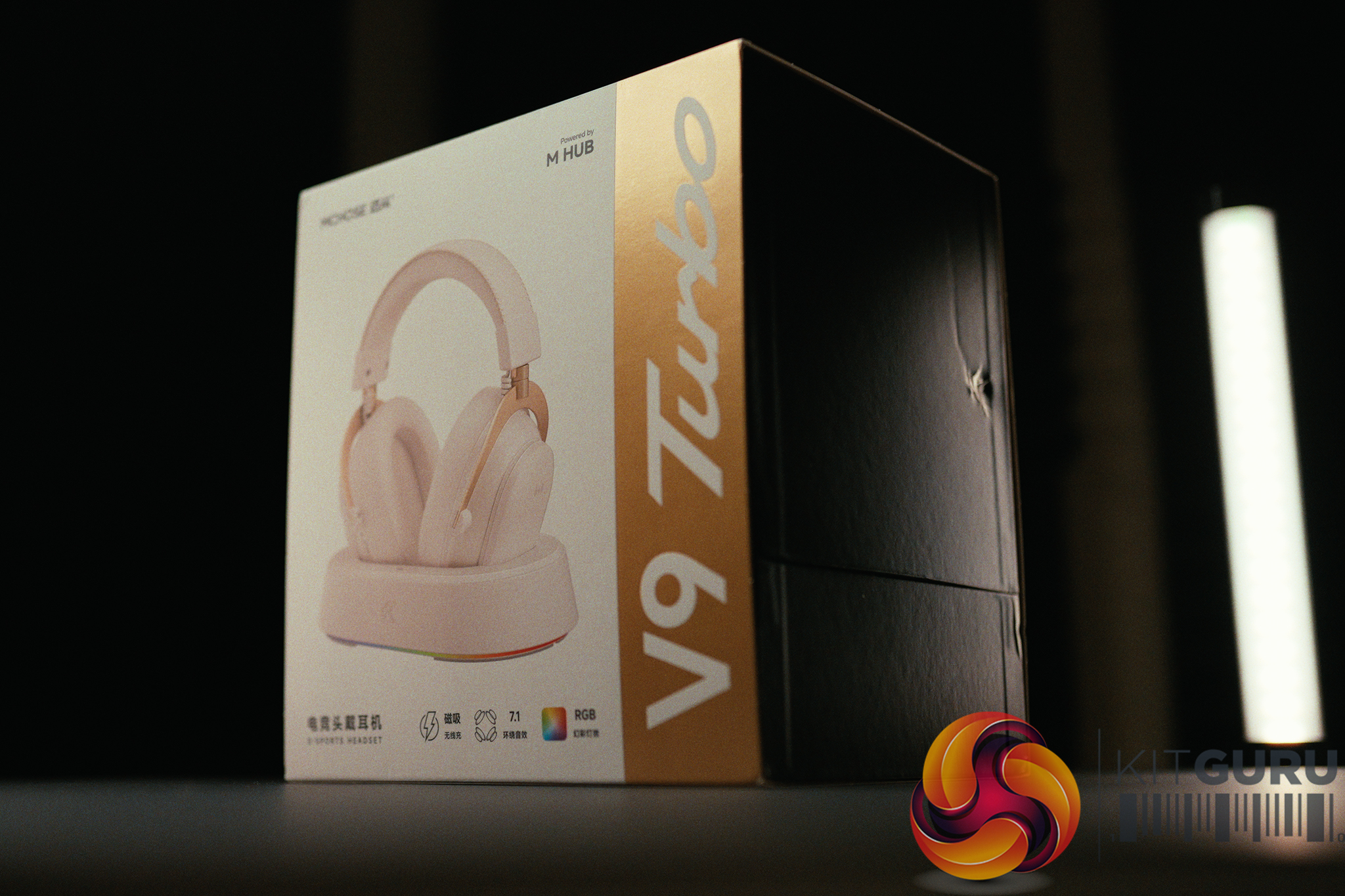
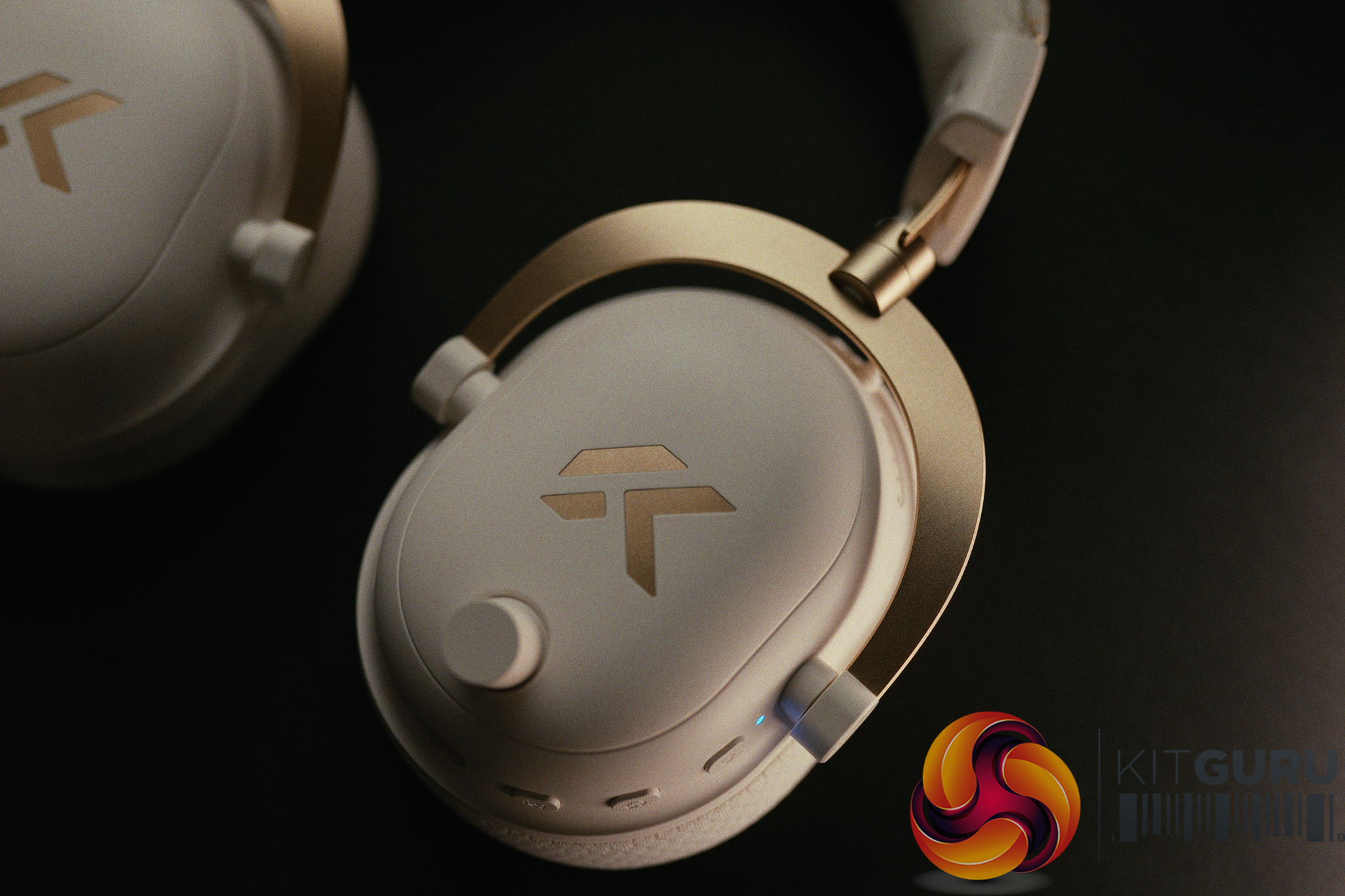
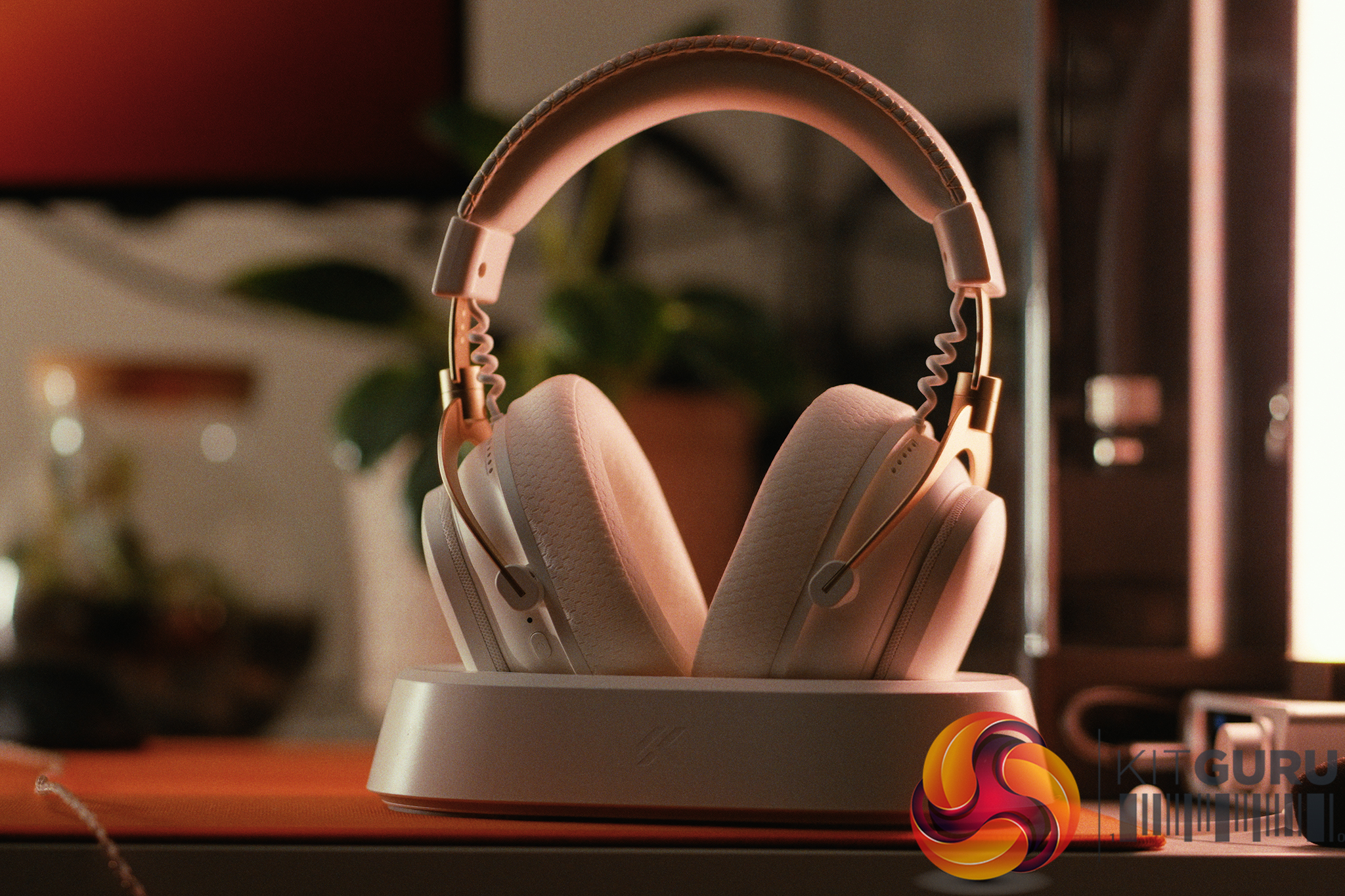
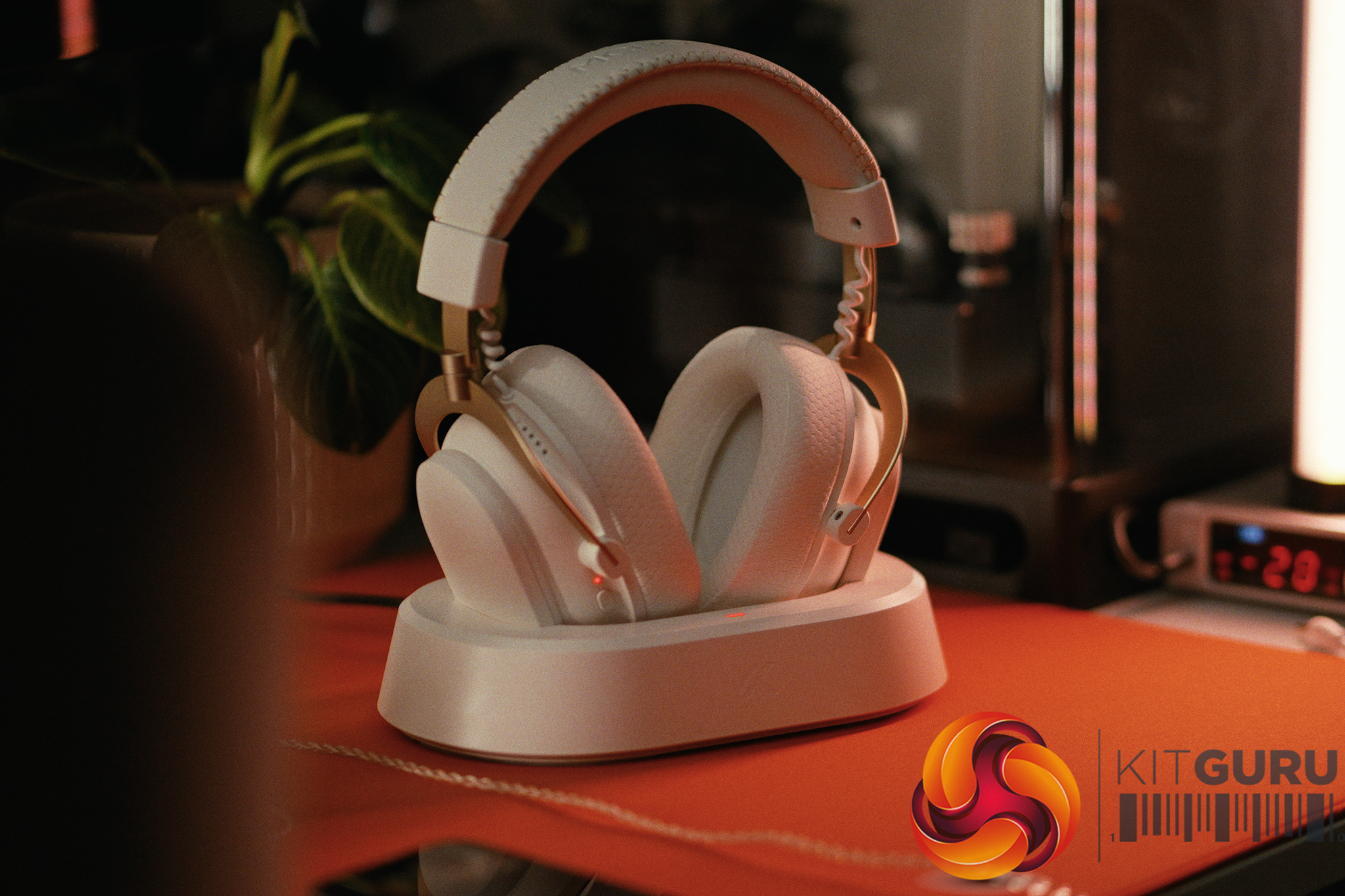
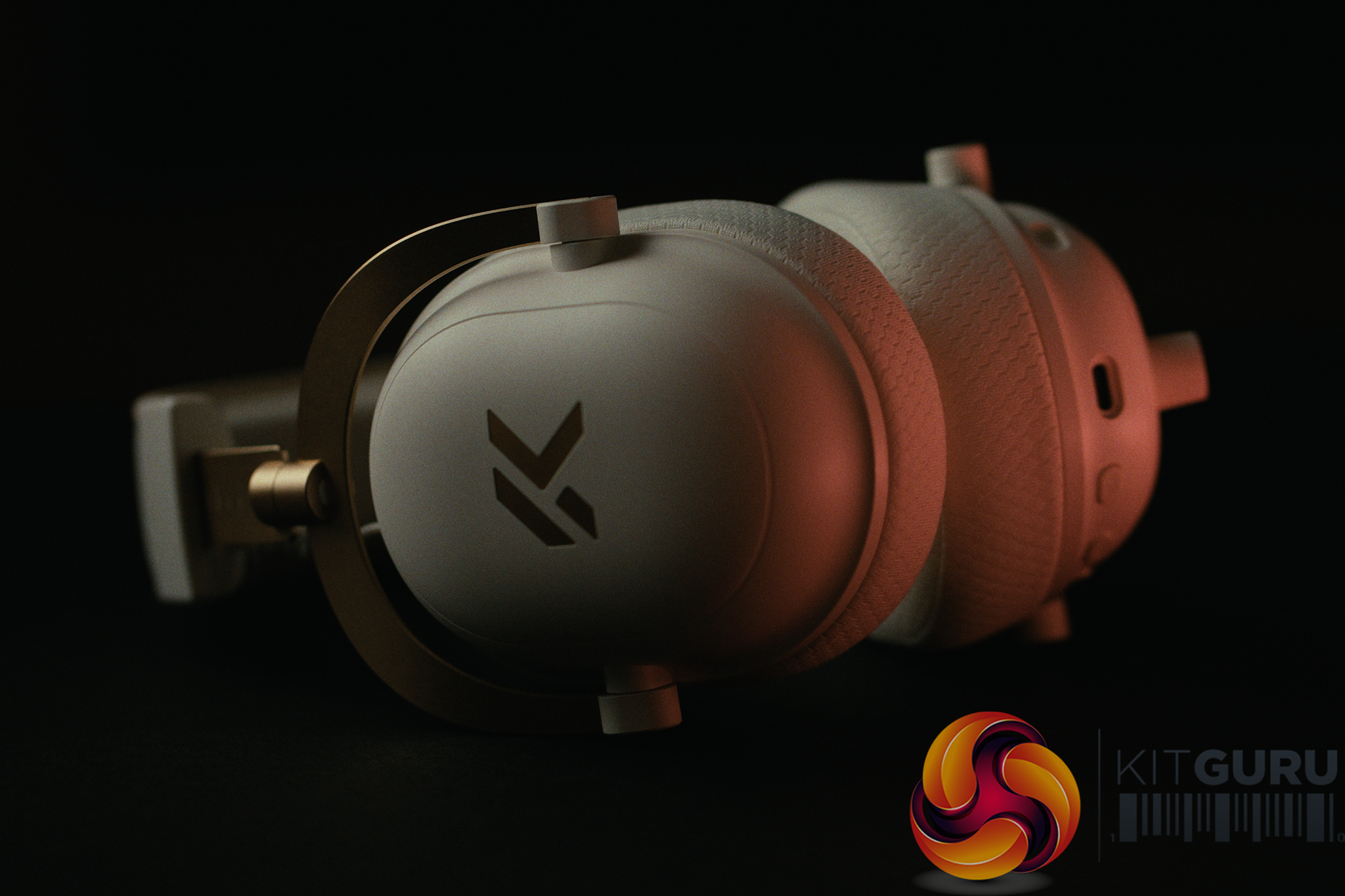
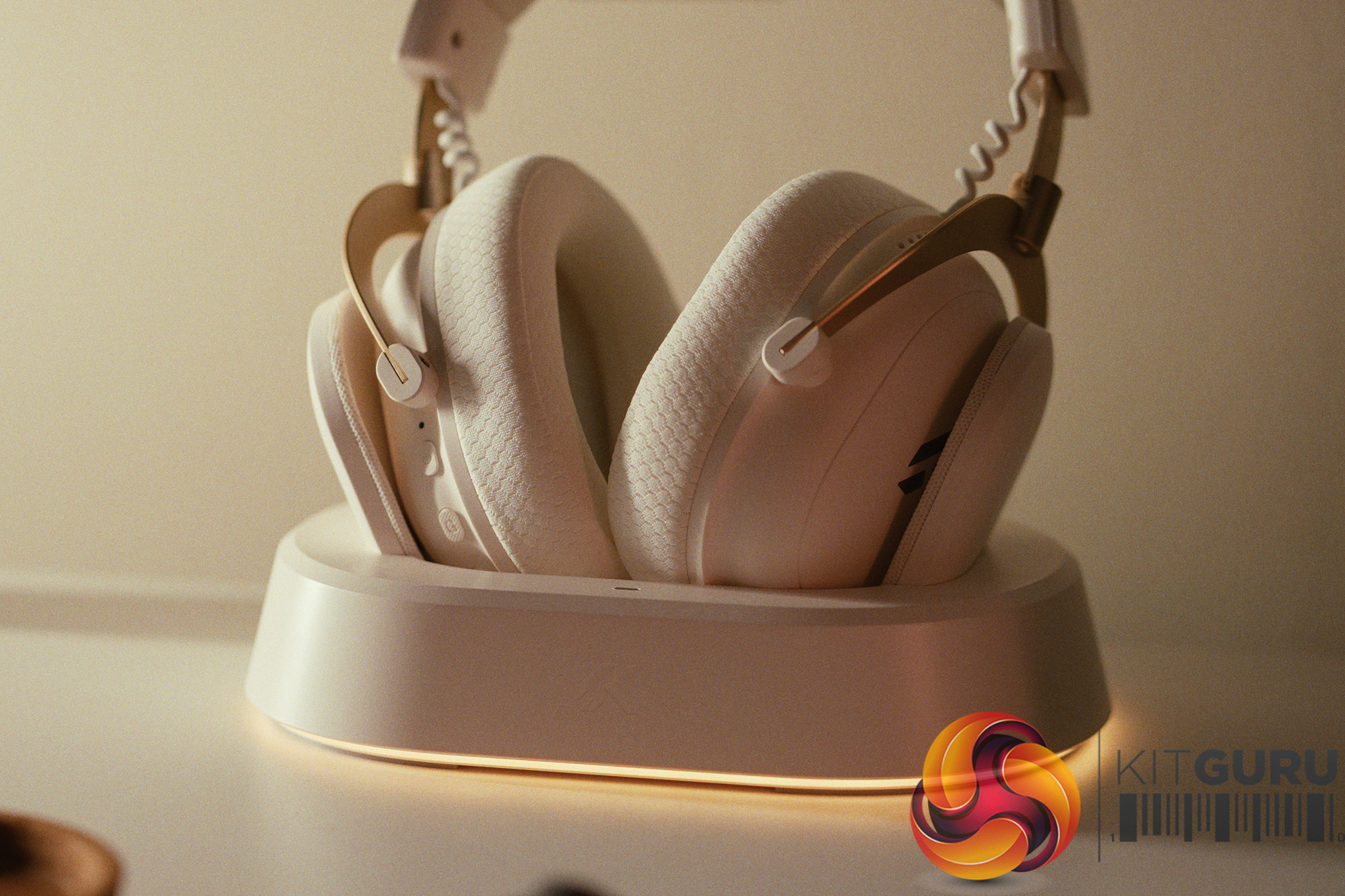
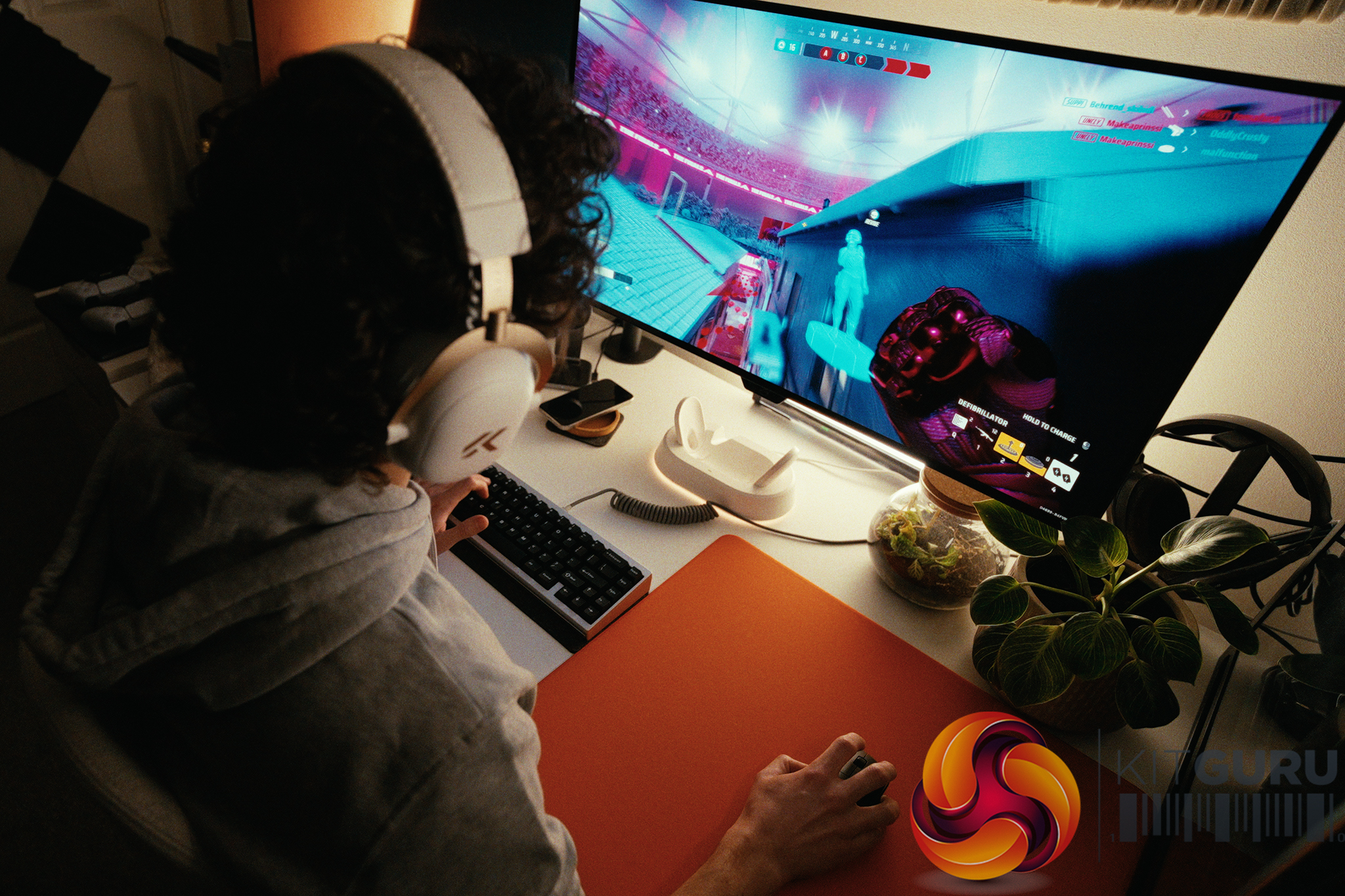
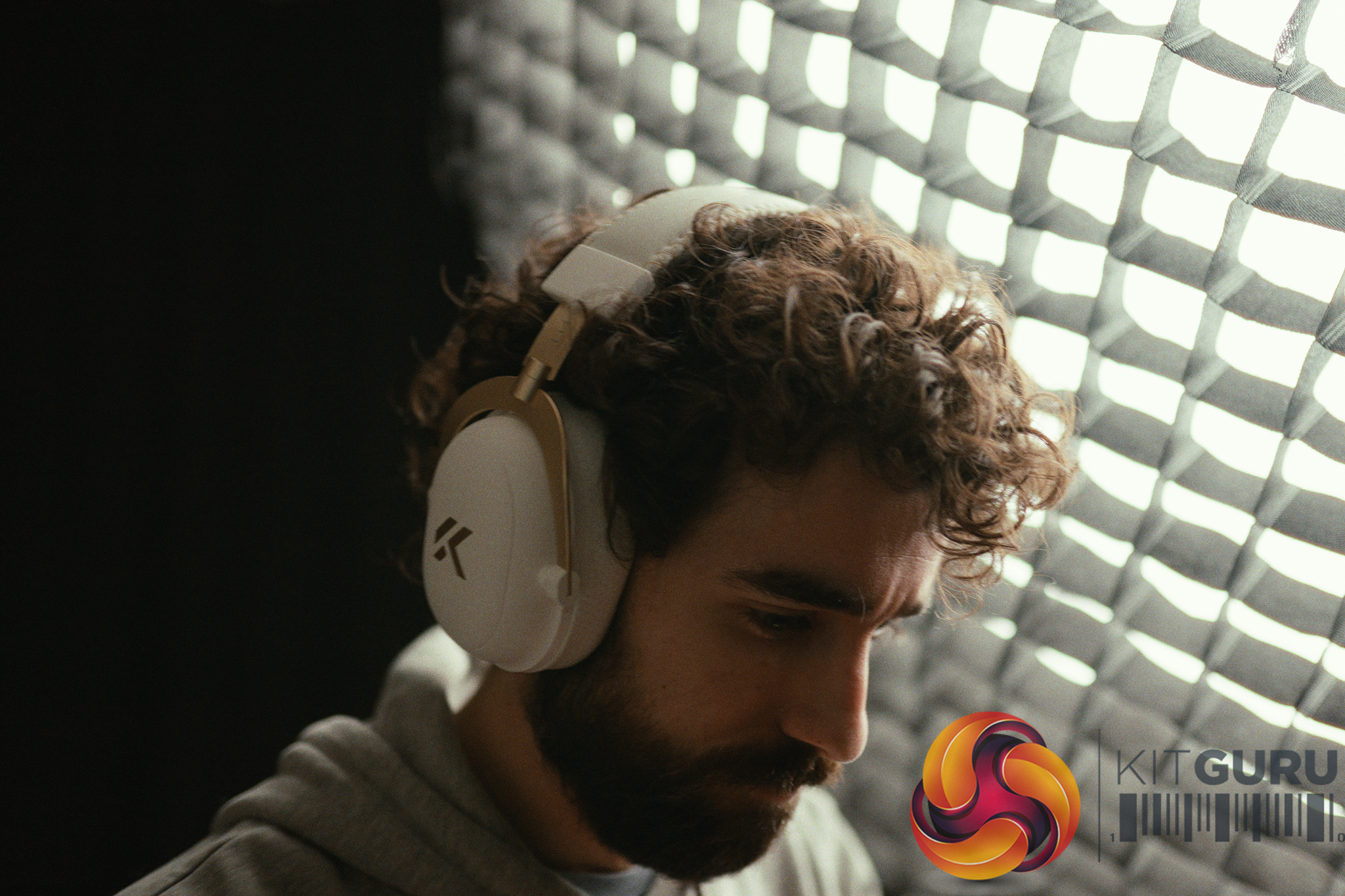
The Mchose V9 Turbo enters the highly competitive £100 wireless gaming headset market with some bold hardware features. Boasting a clever magnetic charging dock, seamless 2.4GHz and Bluetooth connectivity, and a battery that refuses to die, it looks like a fantastic all-in-one package on paper. But can it deliver a balanced experience, or will it compromise where it matters most?
Timestamps:
00:00 Intro
00:59 Build Quality, Materials and Controls
02:07 Weight and Shape
02:42 Charging on the Dock
03:07 Battery Life
04:13 Dock and RGB
04:38 The App and files
05:40 Firmware update for English
06:06 Virtual Surround
06:59 AI Noise reduction
08:19 Equaliser settings and audio
10:05 Gamer 1 Profile and tweaks
11:41 Gaming Audio Experience
13:38 Carlos' closing thoughts

Specifications:
- Driver Type & Size: 60mm Composite Diaphragm Driver.
- Connection Modes: Wireless 2.4GHz / BT Wireless / Wireless Type-C / Wired.
- Battery: 2000mAh.
- Weight: Approx. 320g (excluding microphone) 330g (with microphone)
- Charging Base: RGB Magnetic Charging Base Station.
- Ear Cushions: Ice-Cooling Protein Leather (Replacement fabric ear cups included).
- Microphone: Detachable AI Noise-Canceling Microphone with 360° Voice Pickup.
- Software & Features: MCHOSE M HUB (7.1 Virtual Surround Sound, Custom EQ Modes, Battery Display).
- Compatible Platforms: PC / Laptop / PS5 / PS4 / Switch / Mobile / Tablet.
Closing Thoughts
The Mchose V9 Turbo is a headset that gets the physical hardware incredibly right, but stumbles on the execution of what makes a headphone great. On the positive side, the magnetic charging dock is brilliant – simply dropping the headphones into place via the volume knob cutout is effortless. Comfort is great, especially when using the included fabric pads, and the battery life is pretty solid.
There is definitely a software bug that makes the battery report a solid 100% life remaining even after 75 hours of active use, but with the convenient charging station I see no use-case where battery will be a concern. The 2.4GHz wireless latency is also spot-on for gaming which is always a must for any wireless headsets.
Unfortunately, the audio experience lets it down. The sound profile feels small, thin, and shouty, severely lacking in low-end energy and sporting recessed mid-frequencies. It is a fatiguing listen for both music and gaming. Even with tools like Equalizer APO, you are fighting against the built-in DSP, making it hard to find an enjoyable tuning, let alone if you just stick with the built-in equalizer on the Mchose app.
The microphone is equally only OK, delivering a muffled, highly compressed sound that easily picks up keyboard noise, requiring noise reduction that further makes it muffled and compressed.
I also spotted some software quirks that could be easily addressed, such as stealthy background processes even when closed, a max 45-minute auto-power-off timer that given the convenient dock setup could have offered a off setting, and a blinding green LED on the dongle.
For £100, I would personally prefer moving to a £20-30 set of IEMs and an external USB microphone on a boom arm, but if you need flawless wireless and are ok with compromising on sound quality, these are worth considering.
You can buy the Mchose V9 Turbo for around £100 HERE.
Pros:
- Brilliant magnetic charging dock makes top-ups effortless.
- Strong battery life that lasts for weeks.
- Excellent 2.4GHz wireless performance with consistently low latency.
- Comfortable fit, especially with the included fabric earpads.
Cons:
- Audio is thin and a little fatiguing thanks to poor mid/low-end energy.
- Muffled, highly compressed microphone with unimpressive clarity.
- Some annoying software quirks (always on bright green dongle LED, background running processes, battery percentage reporting is broken).
KitGuru says: The Mchose V9 Turbo nails the wireless experience, but it is ultimately let down by fatiguing audio and an only OK microphone.
The post
Mchose V9 Turbo Wireless Headphones Review first appeared on
KitGuru.

 Login
Login