❌

Normal view

There are new articles available, click to refresh the page.
Before yesterdayMain stream

Antec Flux Rear Case Review

11 September 2026 at 09:00

Antec gave the Flux Rear an unusual name, however there is solid thinking behind the decision. F-LUX is an abbreviation of Flow Luxury and the major feature of this case are the five PWM fans that come with the package. The three 140mm PWM ARGB fans are easy to spot, but the two 120mm PWM Reverse fans in the power supply shroud are less obvious.

Timestamps

00:00 Introduction
00:53 A look inside / Cooling support
03:27 Flip side / Cable Management
04:16 Building a Test PC
06:05 Smoke Air Flow Testing
06:46 Testing Methodology
07:02 Noise and Temperature Testing
08:17 Closing Thoughts

Main features

  • Flow Luxury: F-LUX Platform, abbreviation of Flow Luxury, features ultra case structure design for excellent airflow and 5 fans included, delivering enhanced GPU cooling performance.
  • Flux Airflow: Multi-directional vent design, featuring extensive air intakes at the bottom, power supply chamber and lower sides, along with top vents and large-area mesh at the front, creating a dedicated Antec Flux airflow channel.
  • Pre-Installed 5 x High-Performance PWM Fans: 3x 140mm PWM ARGB, 2x 120mm PWM Reverse
  • Flux Vertical Cooling: Designed with a front-mounted PSU chamber, this layout opens up space for improved airflow at the bottom of the case, enhancing heat dissipation around the graphics card.
  • Flux Horizontal Cooling: Air intake via the front mesh provides a smooth venting channel throughout the case.
  • Optimised Chassis Design: The recessed front design enhances airflow while minimising noise for better thermal and acoustic performance.
  • Supports 360mm water cooling at the top
  • Supports 140mm rear fan installation with radiator thickness ≀ 55mm.
  • Supports 120mm rear fan installation with radiator thickness between 55–70mm.

Specification:

  • Motherboard support: ATX, Micro-ATX, Mini-ITX (including rear connection)
  • Power supply support: ATX.
  • Expansion slots: 7.
  • Included fans: 2x 140mm front, 1x 140mm rear, 2x 120mm PSU shroud.
  • Fan mounts: 2x 140mm front, 3x 120mm/2x 140mm roof, 1x 120mm/140mm rear, 2x 120mm PSU shroud.
  • Radiator mounts: 280mm/360mm roof, 120mm rear.
  • 5.25-inch optical drive bays: None.
  • Internal drive bays: 1x 3.5-inch and 2x 2.5-inch.
  • Front I/O ports: 2x USB 3.0 Type-A, 1x USB 3.2 Gen 2 Type-C, audio.
  • Dimensions: 460mm H x 460mm D x 240mm W.

Testing

To put this case through its cooling paces we will be using a test system consisting of an AMD Ryzen 7 9850X3D, Palit RTX 5080 and an SSD. This system allows us to produce a substantial amount of heat and effectively test the Antec Flux Rear's cooling capabilities.

Test System:

  • Processor: AMD Ryzen 7 9850X3D
  • CPU Cooler: Montech HyperFlow ARGB 360
  • Motherboard: Gigabyte X870E Aorus Master X3D Ice
  • Memory: 32GB G.Skill Trident Z5 NeoX RGB DDR5-6000
  • Graphics card: Palit RTX 5080 Gamerock OC 16GB
  • Power supply: Deepcool PN1200M Gold
  • SSD: Crucial T700 Gen5 M.2 NVMe
  • OS: Windows 11

Cooling Performance

Cooling Performance Overview

The Antec Flux Rear did a decent job in our testing but it got noticeably louder as the fan speed increased. We found the best approach was to leave the fans running at a slow speed which meant the case performed well without causing any annoyance.

Closing Thoughts

It is relatively easy to review a case that is either excellent or appalling, but much tougher to deliver a verdict on a case that is fairly average. The Antec Flux Rear falls into that category as it has a reasonable specification and does a decent job but fails to leave a lasting impression.

We welcome the fact that the Flux Rear is supplied with five fans so all you need is a CPU cooler to complete the job. If Antec could have done something – anything – to make the Flux Rear memorable it would perhaps have scored higher but instead we feel it is likely to be forgotten.

You can buy the Antec Flux Rear for Β£85 HERE.

Pros:

  • Tool-free design makes the build easy.
  • Airflow is effective.
  • Decent access for cables.

Cons:

  • Build quality is marginal.
  • A PWM fan hub would sweeten the deal.

KitGuru says: Antec Flux Rear does a reasonable job at a reasonable price.

The post Antec Flux Rear Case Review first appeared on KitGuru.

Endorfy Fishtank 6000 Corona Case Review

6 July 2026 at 11:44

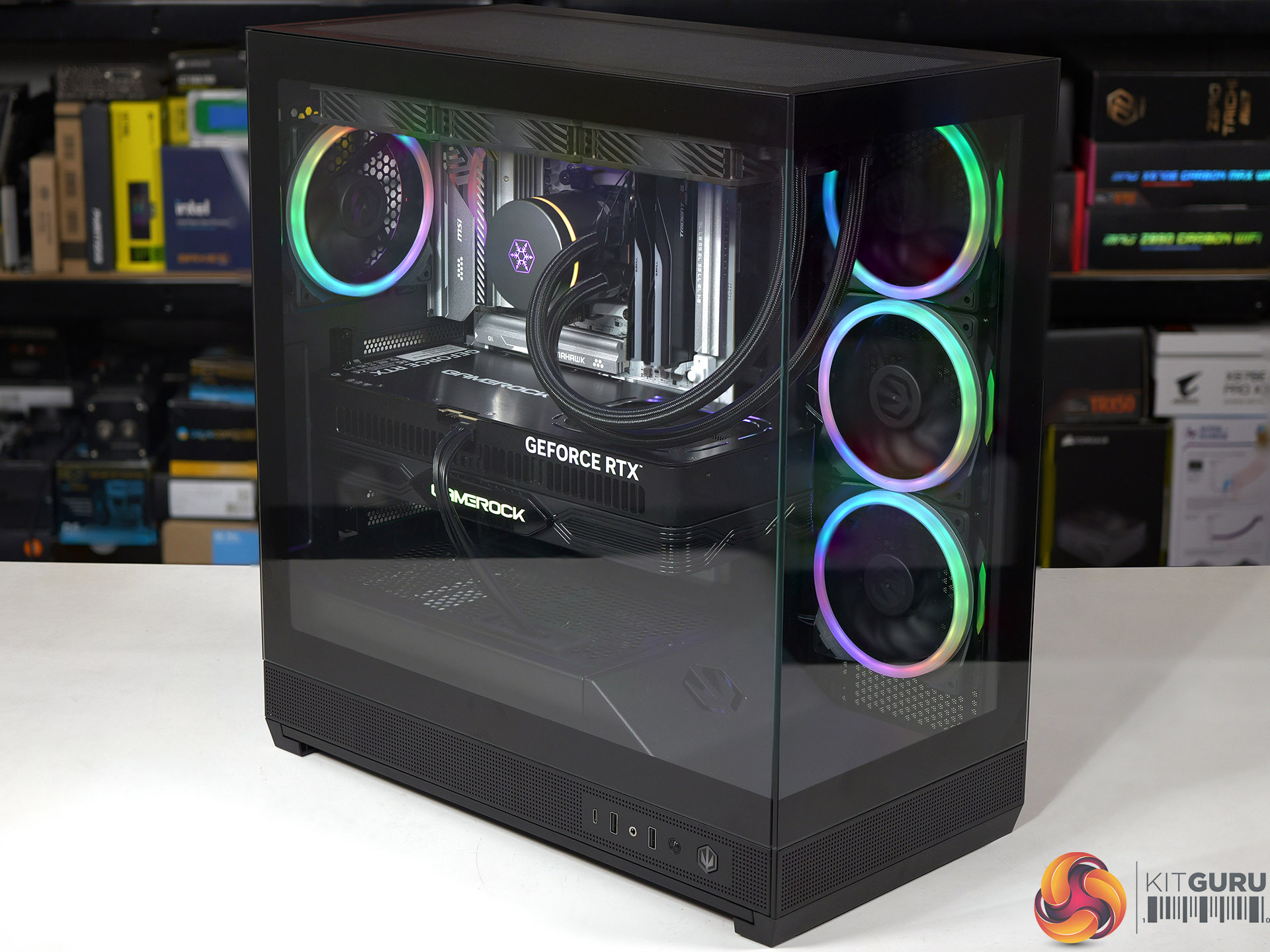
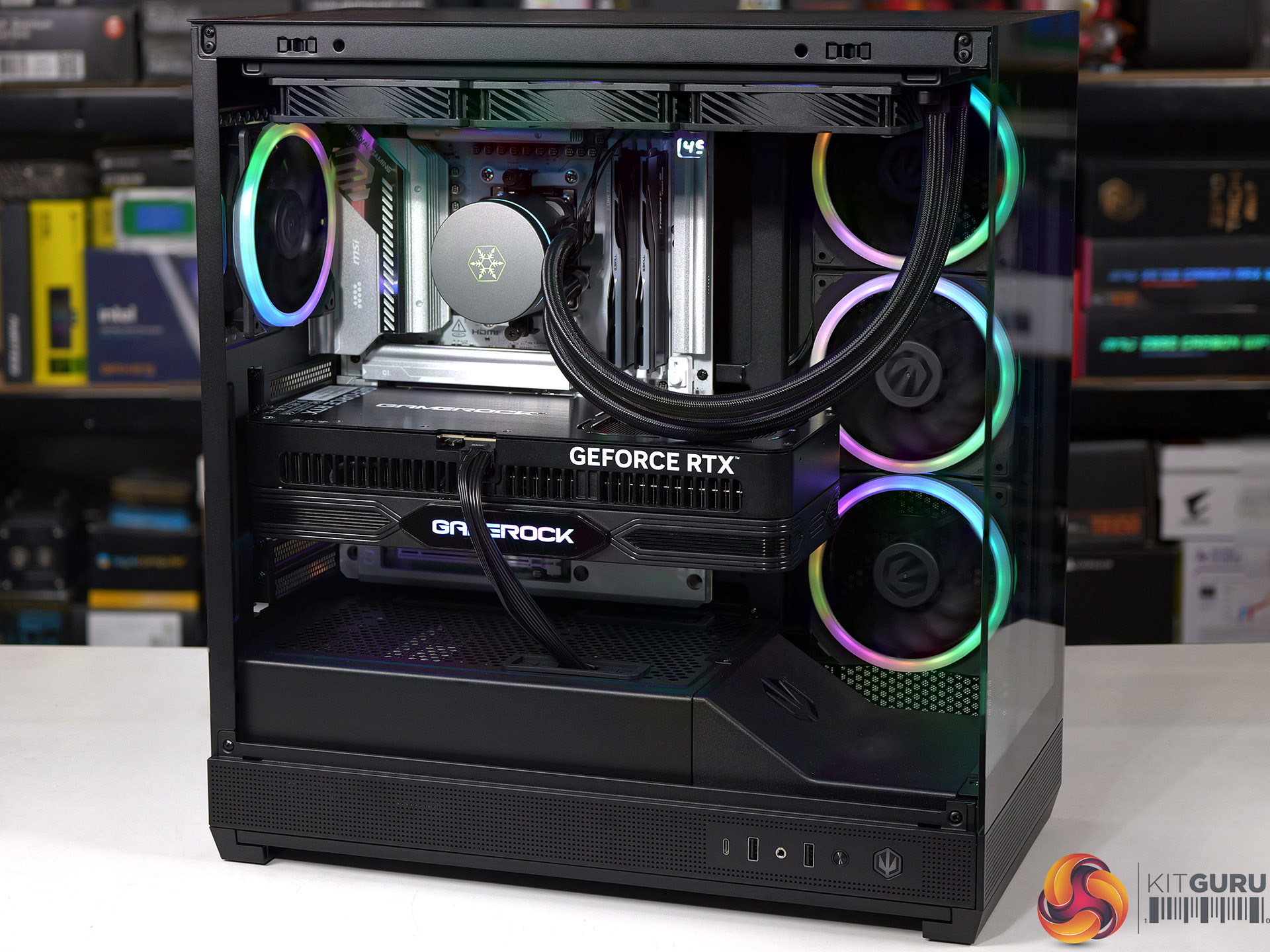
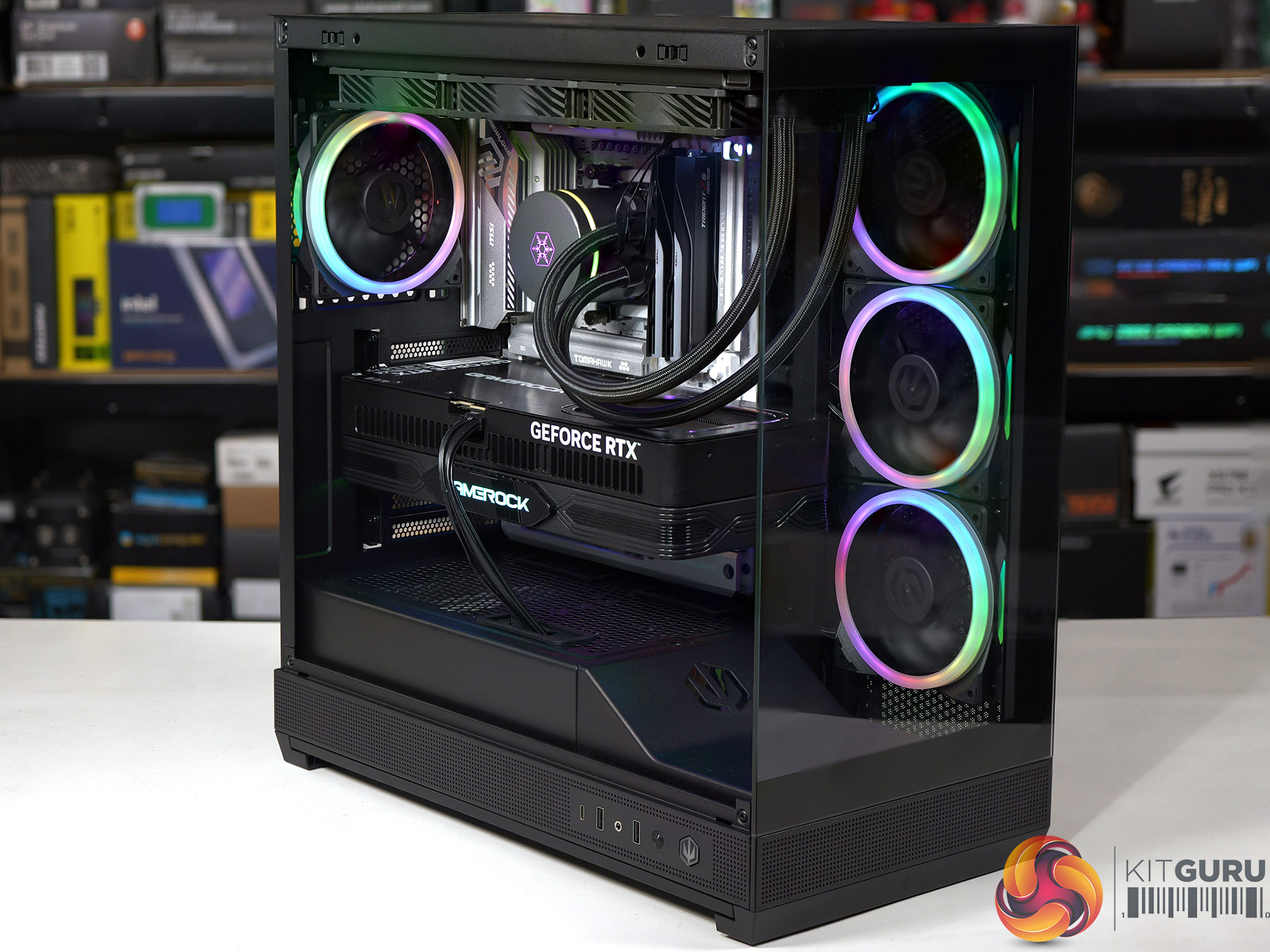
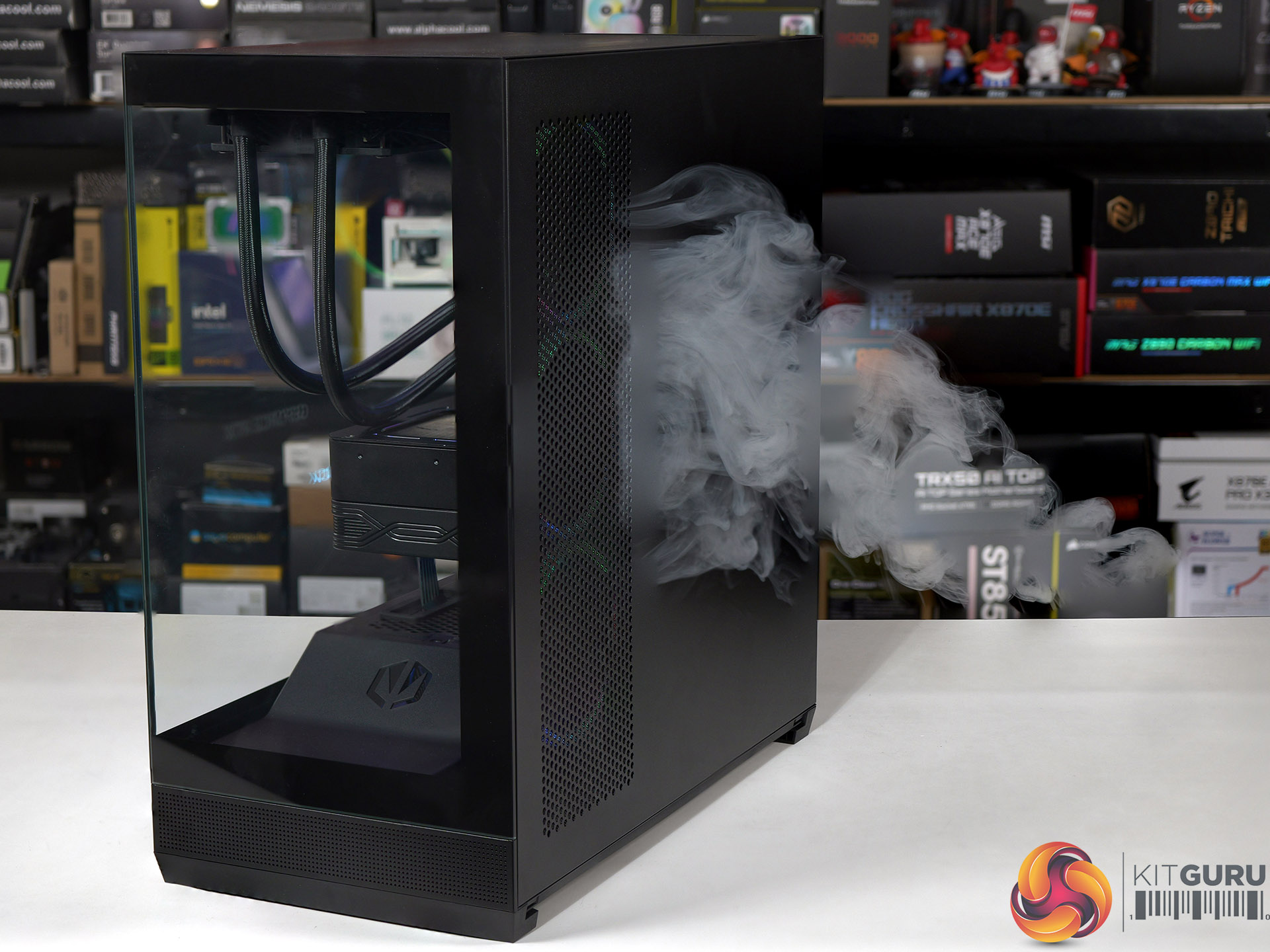
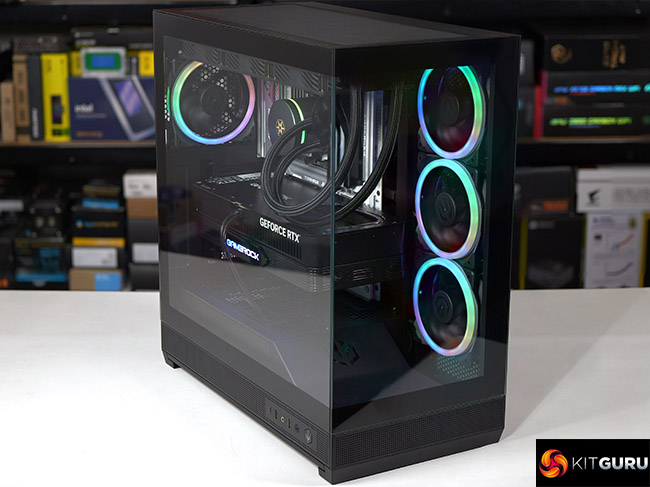
Endorfy showed us their prototype Fishtank 6000 case at Computex 2025 and asked whether we had any suggestions for a name for their new case. We had a good look, studied the glass at the front and side, admired the ARGB lighting and suggested they stuck with the development name of β€˜Fishtank’. That’s the story, love it or hate it, KitGuru is responsible for the name…

Timestamps
00:00 Intro
00:51 Pricing and key info
01:21 Pulling off the panels…
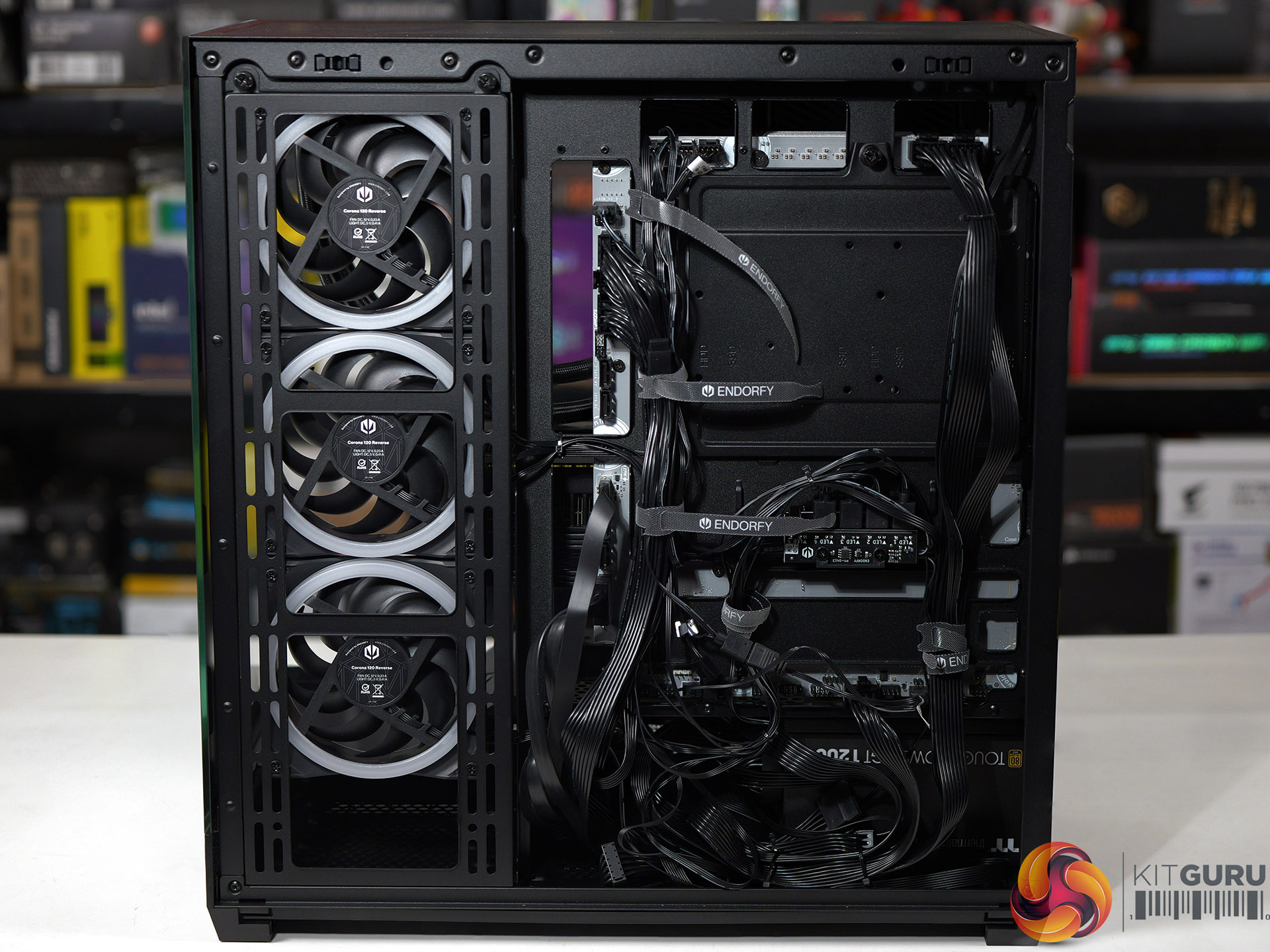
02:26 Mobo tray area
03:29 Test system hardware
04:04 PSU installation and an issue…
04:52 Time for the AIO + GPU
05:52 Smoke tests
06:35 Testing: thermals and noise
08:21 Leo’s closing thoughts
10:02 Pros and cons

Main features

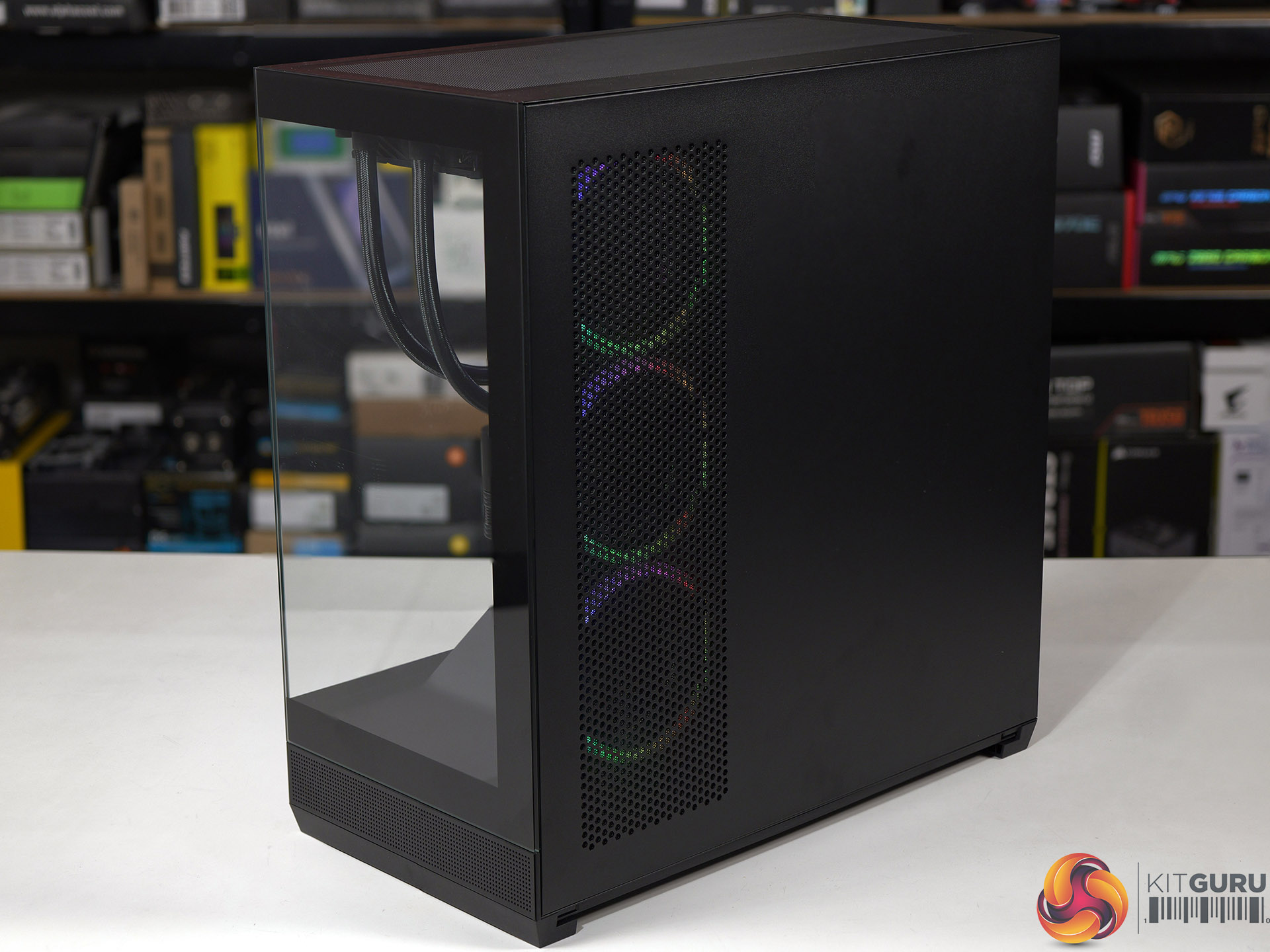
  • Tower form factor with dual glass panel design
  • Tempered glass
  • Up to 4 PWM ARGB fans included
  • Good air and water cooling compatibility
  • Built-in PWM splitter and ARGB controller
  • USB Type-C connector
  • Support for vertical GPU mounts
  • Removable side AIO/fan mounting bracket

Specification:

  • Motherboard support: E-ATX (up to 280mm), ATX, Micro-ATX, Mini-ITX.
  • Power supply support: ATX.
  • Expansion slots: 7.
  • Included fans: 3x 120mm Endorfy Corona Reverse side intake, 1x 120mm Endorfy Corona rear exhaust.
  • Fan mounts: 3x 120mm/140mm side, 3x 120mm/140mm roof, 2x 120mm PSU shroud, 1x 120mm/140mm rear.
  • Radiator mounts: 280mm/360mm side, 360mm roof, 120mm rear.
  • 5.25-inch optical drive bays: None.
  • Internal drive bays: 1x 3.5-inch/2.5-inch, 1x 2.5-inch, 1x 3.5-inch.
  • Front I/O ports: 2x USB 3.0 type-A, 1x USB 3.1 type-C, audio.
  • Dimensions: 487mm H x 473mm D x 240mm W.

Testing

To put this case through its cooling paces we will be using a test system consisting of an AMD Ryzen 7 9850X3D, Palit RTX 5080 and an SSD. This system allows us to produce a substantial amount of heat and effectively test the Endorfy Fishtank 6000 Coronaβ€˜s cooling capabilities.

Test System:

  • Processor: AMD Ryzen 7 9850X3D
  • CPU Cooler: SilverStone IceMyst 360
  • Motherboard: MSI MAG X870E Tomahawk Max WiFi PZ
  • Memory: 32GB G.Skill Trident Z5 Neo RGB DDR5-6000
  • Graphics card: Palit GeForce RTX 5080 GameRock 16GB
  • Power supply: Thermaltake ToughPower GT 1200W Gold
  • SSD: Crucial T700 Pro M.2 NVMe
  • OS: Windows 11

Cooling Performance

Cooling Performance Overview

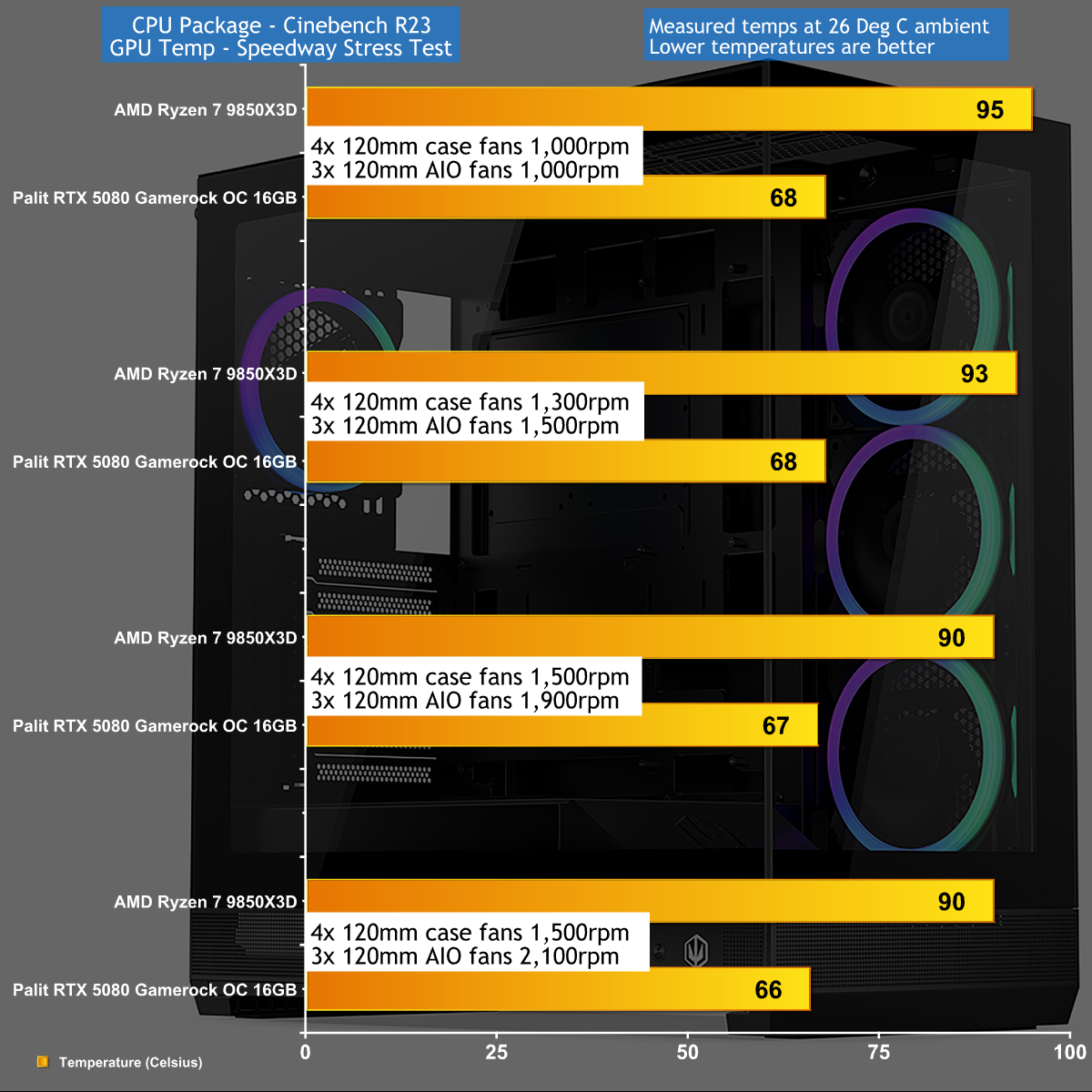
We tested in high ambient temperatures which stressed the Endorfy Fishtank 6000 Corona rather harshly. Even so we were disappointed how high we had to crank the fans to keep our Ryzen 7 CPU cool as we were dealing with a PC that was both hot and noisy. As we show in our video the airflow doesn't work very well and we are confident Endorfy could have achieved better results if they had tweaked the design.

Closing Thoughts

The main components of the Endorfy Fishtank 6000 Corona are absolutely fine. You can easily build a full-sized gaming PC in this case without any need for fiddling around or fighting cables around nasty corners.

It is also worth noting that Endorfy includes four 120mm Corona case fans that look very pleasant and which minimise your need to buy extra hardware.

The downside of the Fishtank 6000 is that the market is awash with similar PC cases with glass on two sides and ARGB fans in the side position. This means you need a very good reason to choose this particular case over the competition, and Endorfy hasn't delivered on that crucial point.

You can buy the Endorfy Fishtank 6000 Corona for Β£140 HERE.

Pros:

  • Plenty of room inside the case to build your PC.
  • Included ARGB fans give a decent light show.
  • Tidy styling and a smart appearance.

Cons:

  • Air flow and cooling seem to be hurt by the power supply housing.
  • Top fan rack is not removable.
  • We were unable to connect the front panel audio to our MSI Project Zero motherboard.
  • UK price is rather high.

KitGuru says: The Endorfy Fishtank 6000 Corona does a reasonable job but is nothing special.

The post Endorfy Fishtank 6000 Corona Case Review first appeared on KitGuru.
❌
❌