Normal view

There are new articles available, click to refresh the page.
Yesterday — 16 September 2026Main stream

iPhone 18 Pro (Max): Was macht eine variable Blende und wie ändert das Fotos?

16 September 2026 at 16:00

iPhone 18 Pro und iPhone 18 Pro Max bekommen erstmals eine mechanisch variable Blende in der Hauptkamera. Apple verspricht damit bessere Aufnahmen bei wenig Licht, mehr Kontrolle über die Schärfentiefe und zusätzliche Möglichkeiten bei Foto und Video. Aber was bedeutet das bei einer kleinen Smartphone-Kamera tatsächlich?

iPhone Duo im Hands-on: Die beste erste Generation faltbares Smartphone

16 September 2026 at 13:00

Apple bietet mit dem iPhone Duo sein erstes faltbares Smartphone an. Andere Unter­nehmen sind da schon weiter, etwa Samsung mit der bereits achten Generation. Doch gleich im ersten Anlauf macht Apple mit dem Duo sehr viel richtig und verdeutlicht im Hands-on, wie wichtig es ist, dass Hard- und Software im selben Haus entstehen.

Before yesterdayMain stream

Blindtest 2026: Leser wählen die beste Smart­phone-Kamera im Blindtest (Update)

8 September 2026 at 10:00

Die ComputerBase-Community wird zum Ende des Sommers auch dieses Jahr wieder darum gebeten, im Blindtest von neun teilnehmenden und anonymisierten Smartphones die favorisierte Aufnahme aus 15 Motiven zu wählen, um die „beste Smartphone-Kamera 2026“ zu küren. Die Abstimmungsphase für die 135 Fotos hat eine Laufzeit von 13 Tagen.

Audio-Technica announces ATH-AL5NC open-back wireless headphones with 75 hour battery life

11 September 2026 at 15:00

Audio-Technica has announced the ATH-AL5NC open-back wireless headphones, combining an open-back driver design with Bluetooth connectivity. Available now, the 240g headset features 53mm dynamic drivers, up to 75 hours of continuous battery life, and high-resolution LDAC support.

The 53mm dynamic drivers deliver high-resolution 24-bit/96kHz audio via LDAC, AAC, and SBC codecs. Open-back housings assist airflow to reduce heat accumulation, paired with a lightweight 240g frame to lower clamping pressure. The battery delivers up to 75 hours of continuous playback, while a 15-minute quick charge provides up to eight hours of listening time. Dual-device connection is managed through multipoint Bluetooth pairing, and an integrated microphone accommodates calls and gaming communication.

Software customisation relies on the Audio-Technica Connect app, giving users access to adjustable EQ settings, codec toggles, low-latency gaming modes, and a headphone locator. An integrated Soundscape function provides ambient nature audio and masking noise, alongside “Noise Reduction” and “Sound Leakage Reduction” modes. For wired configurations, Audio-Technica includes a carrying pouch and a 1.2m cable equipped with a 3.5mm stereo mini-plug and inline microphone controls.

The Audio-Technica ATH-AL5NC open-back wireless headphones are now available for $279.

KitGuru says: Although they're an interesting set, the lack of 2.4G wireless connectivity means they aren't really suitable for wireless gaming. Fortunately, you can plug in the cable to solve that.

The post Audio-Technica announces ATH-AL5NC open-back wireless headphones with 75 hour battery life first appeared on KitGuru.

Blindtest 2026: Leser wählen die beste Smart­phone-Kamera im Blindtest

8 September 2026 at 10:00

Die ComputerBase-Community wird zum Ende des Sommers auch dieses Jahr wieder darum gebeten, im Blindtest von neun teilnehmenden und anonymisierten Smartphones die favorisierte Aufnahme aus 15 Motiven zu wählen, um die „beste Smartphone-Kamera 2026“ zu küren. Die Abstimmungsphase für die 135 Fotos hat eine Laufzeit von 13 Tagen.

Superior Active Noise Cancellation And Battery Life Await You With Sony’s WH-1000XM5 Wireless Headphones, Now A Whopping 50% Off On Amazon; Available For $198

31 August 2026 at 20:39

Sony's WH-1000XM5 wireless headphones are now 50 percent off on Amazon

Sony’s WH wireless headphones family has set the benchmark for listening to premium audio, with Amazon routinely offering salivating discounts from time to time. If you want to save 50 percent off the original price on the WH-1000XM5, the online retailer has dropped these to just $198, making it one of the rarest deals you’ll ever come across. Best of all, the offer is applicable to all four colors, but only if you hurry. With up to 30 hours of runtime with Active Noise Cancellation enabled, you’ll never want to leave home without Sony’s WH-1000XM5 The WH-1000XM5 are engineered to […]

Read full article at https://wccftech.com/sony-wh-1000xm5-wireless-headphones-50-percent-off-amazon-deal/

Google clamps down on Android app RAM usage amid AI memory crisis — developers have until February 2027 to adapt to new memory-optimizing rules

28 August 2026 at 11:00

Because of the unprecedented memory shortage, Google has introduced stricter guidelines for how Android applications manage and use device memory. These new rules ensure applications perform smoothly across a wider range of devices, especially those with lower memory capacities. Developers now have until February 2027 to optimize their applications to reduce the memory footprint.

Smartphone manufacturers are managing the limited supply and rising costs of memory and storage components in different ways. Some are reducing the memory or storage included in their smartphones, while others are passing the additional costs directly on to consumers. Before the global memory shortage, it was not uncommon to find entry-level smartphones equipped with 6GB to 8GB of memory. However, many manufacturers have dialed memory down to 4GB, which will ultimately significantly impact device performance.

Google’s new memory limits are meant to help guarantee a smooth experience on smartphones with limited memory. If an application exceeds the predefined memory thresholds, the Android operating system will intervene by slowing down the application or forcibly closing it to prevent slowdowns or crashes. Google has called on developers to optimize three crucial areas: dynamic memory usage (anonymous RSS + swap), bitmap memory usage, and DEX code.

Dynamic memory usage refers to the temporary memory that an application consumes while it is running. Developers need to implement smarter memory management so memory is freed when it is no longer needed. This can be when the user is no longer interacting with the application or when it moves to the background.

Bitmap memory usage is another key area that developers must focus on. Bitmaps are common resources for displaying vibrant images, but they consume far more memory than displaying text. When overdone, excessive bitmap memory usage can easily eat up a device's memory. Google recommends that developers use bitmaps responsibly and use better image handling protocols.

Google also highlights code optimization. During development, applications often accumulate redundant or unused code. Sometimes developers ship applications with more code than what is actually needed. Unnecessary code just increases the memory footprint. Under the new guidelines, developers must clean and shrink the application's code by at least 25% with tools such as R8 before publishing the application on the Google Play Store.

Just as computer enthusiasts are reluctant to buy new hardware, smartphone users are in the same boat when it comes to upgrading their devices. This has prompted companies to take a more proactive approach to supporting customers by improving the experience on hardware they already own.

For example, Microsoft has committed to optimizing Windows 11 to run smoothly on devices with 8GB of memory so users are not pressured to upgrade their memory. Google has also taken steps with the new policy to enforce better memory management practices among Android application developers.

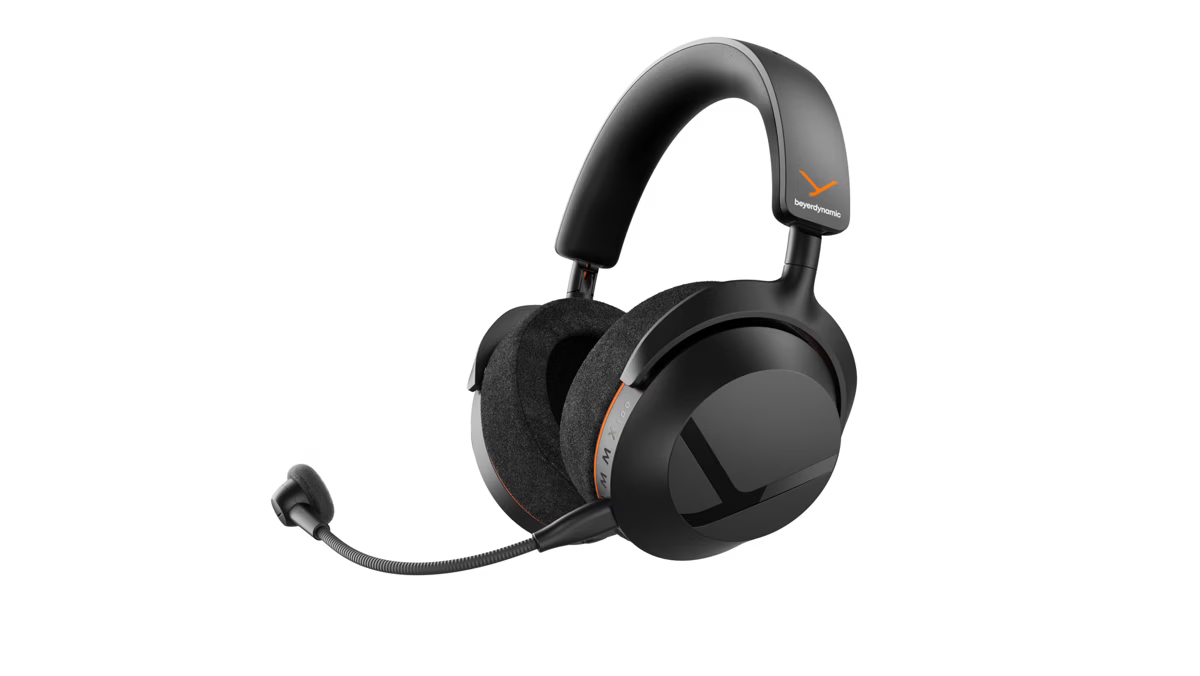
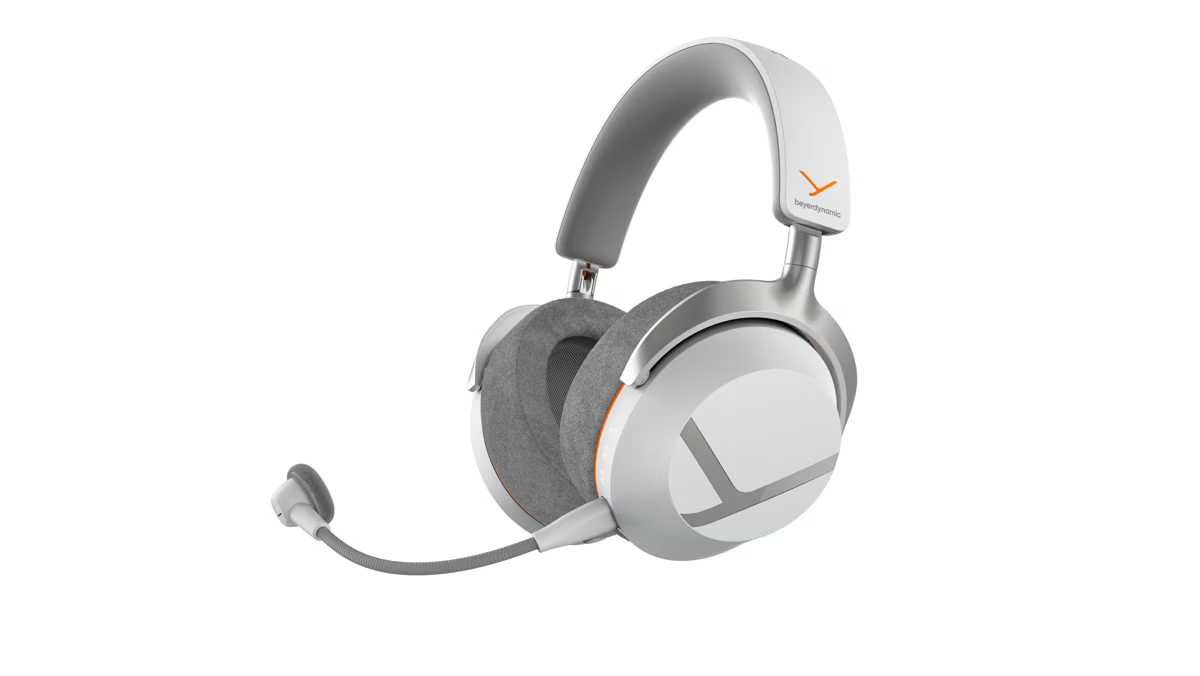
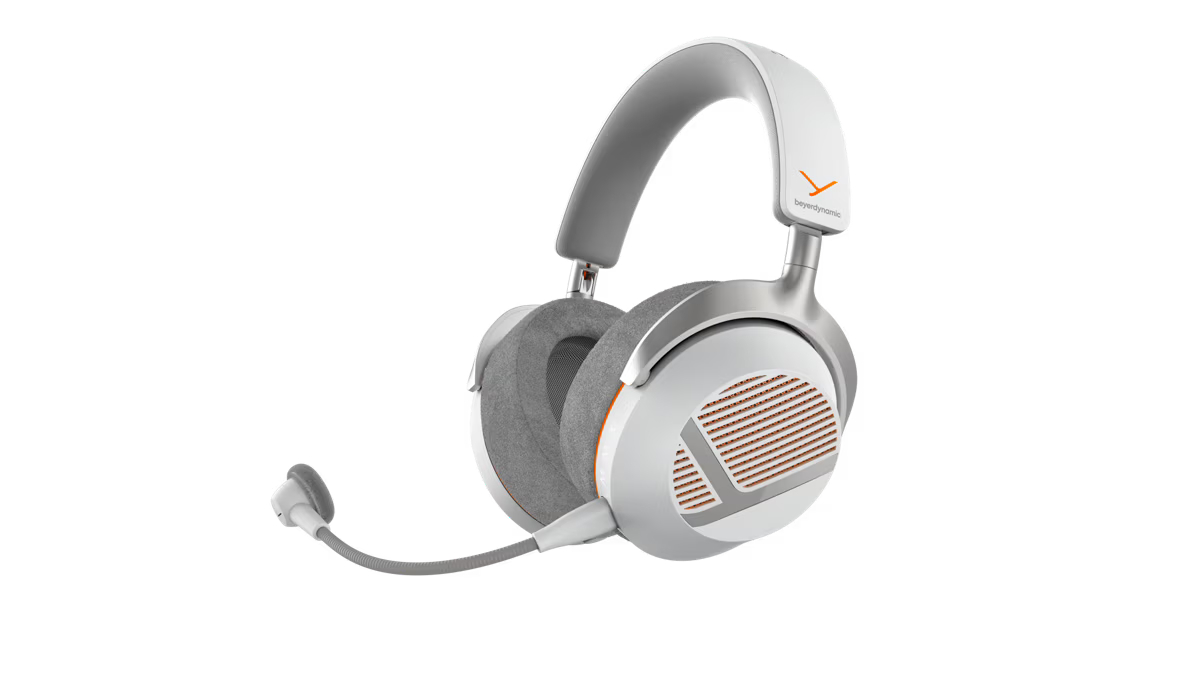
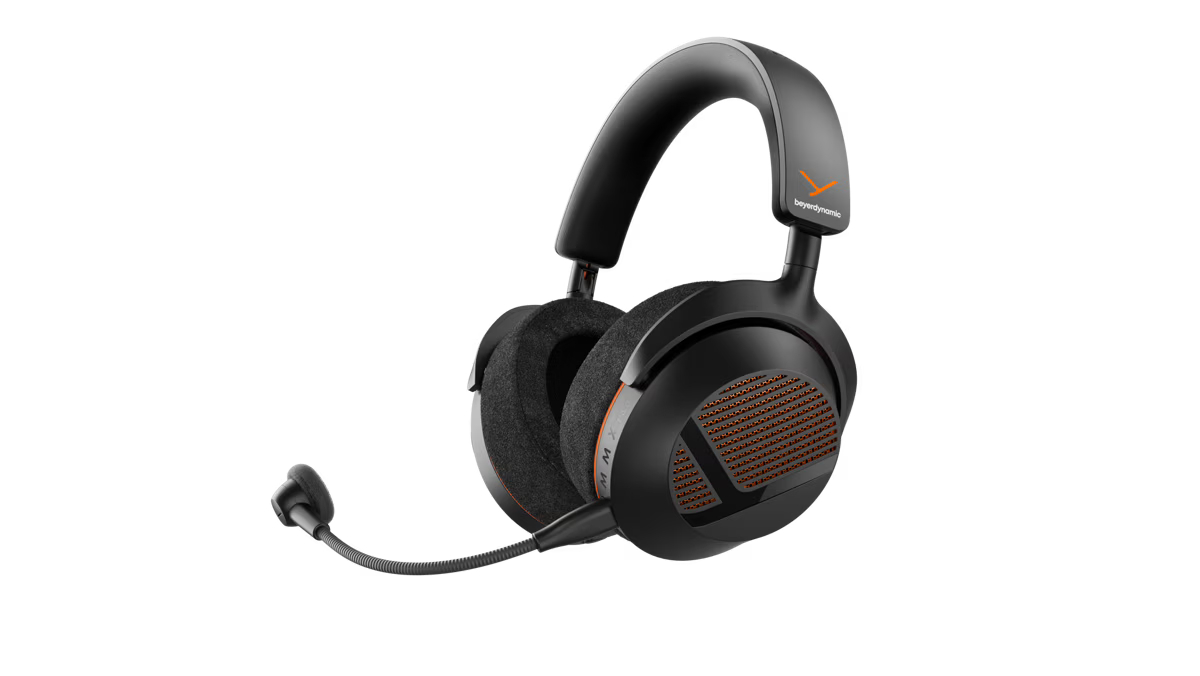
Beyerdynamic reveals MMX 100 and MMX 130 wireless headsets

21 August 2026 at 16:00

Beyerdynamic has announced two new wireless gaming headsets, the MMX 100 Wireless and MMX 130 Wireless, offering closed‑back and open‑back options for players who prefer different acoustic profiles.

The MMX 100 Wireless uses a closed‑back design and weighs 275g. It features a detachable Meta Voice microphone, Bluetooth 6.0 support, a low‑latency USB dongle and optional wired connectivity. The headset includes velour ear pads, metal hinges and a replaceable battery.

The MMX 130 Wireless is an open‑back alternative built around titanium‑coated 40mm drivers. It weighs 265g and also uses velour ear pads. Beyerdynamic says the open‑back layout provides a wider, more natural soundstage for games that benefit from greater spatial detail.

The MMX 100 Wireless will launch on the 1st of September in black and white colour options, priced at £89 in the UK and €99 in Europe. The MMX 130 Wireless follows in October, also in black and white, priced at £109 in the UK and €129 in Europe.

KitGuru says: Do you prefer open-back or closed-back headphones?

The post Beyerdynamic reveals MMX 100 and MMX 130 wireless headsets first appeared on KitGuru.

Google to stop making Pixel devices in China, report claims — India and Vietnam prime candidates for manufacturing shift owing to Beijing-Washington tensions

In recent years, the largest electronics manufacturing services (EMS) and original design manufacturers (ODMs) have gradually ceased their expansion in China and built production capacities elsewhere across Asia. Now, it is time for their clients to follow. Google intends to relocate production of all Pixel smartphones, smartwatches, and wireless earbuds from China beginning in 2027 as it continues to diversify its supply chain amid tensions between China and the U.S., reports Nikkei.

Google's EMS and ODM partners — such as Compal, Foxconn, and Pegatron — have significantly expanded manufacturing capacity in India and Vietnam in the past several years, although China still accounts for a meaningful portion of their production capacity. In a bid to reduce reliance on China, Google reportedly shifted production of some of its high-end Pixel smartphones to Vietnam this year and remained satisfied with the outcome. Since building premium handsets is considerably more complicated than assembling smartwatches or wireless earbuds, the progress with Pixel phones reportedly gave Google confidence that it could shift the rest of the lineup out of China in 2027. If the plan materializes, Google will become the second global smartphone brand after Samsung to relocate smartphone production from China to other countries.

Vietnam is particularly attractive for Google because Samsung has already established an extensive smartphone manufacturing ecosystem in the country that Google can tap into.

Google also has considerably fewer reasons than Apple to preserve its Chinese manufacturing footprint because Pixel smartphones are by far not as popular as iPhones and they are also not sold in China. Google expects Pixel smartphone shipments to grow by 8% – 10% from approximately 12 million units last year, which is an order of magnitude lower compared to iPhone sales per annum.

Despite rising component costs, Google's strategy for Pixel this year is reportedly focused on maintaining unit shipment growth. A supplier working with Google and Xiaomi reportedly told Nikkei that Google is among the few smartphone vendors that have not reduced their shipment forecasts this year, which is not particularly surprising as its unit sales are modest. Yet, it remains to be seen whether the company can both relocate production and increase output of handsets at the same time.

Consumer electronics brands like Apple and Google are shifting production away from China primarily due to escalating China – U.S. geopolitical tensions, which result in punitive tariffs, export controls, and the risk of sudden disruptions. As an added bonus, adding production capacities in countries like India and Vietnam automatically improves supply-chain resilience and reduces over-reliance on a single country. Rising labor and regulatory costs in China, combined with attractive incentives and growing manufacturing ecosystems in places like India and Vietnam, further encourage diversification. Meanwhile, companies like Foxconn or Pegatron do not abandon their China operations and continue to build products not meant for the U.S. market there.

Pixel 11 Pro im Test: Das beste Google-Smartphone mit dem skurrilsten Chip

19 August 2026 at 16:10

Das Pixel 11 Pro demonstriert die Android- und Gemini-Funktionen direkt von Google. Es zeigt aber auch, dass viele Neuheiten nur Software-Updates sind. Dessen ungeachtet sammelt das Smartphone Pluspunkte für Bildschirm, Kamera, Haptik und leicht verbesserte Akkulaufzeiten. Der Tensor G6 sorgte im Test für viele Fragezeichen.

Pixel 11 (Pro) im Hands-on: Kamera-Upgrade, Tensor G6 und eine RGB-LED für Gemini

12 August 2026 at 14:00

Google erneuert die Pixel-Smartphones mit dem Pixel 11, Pixel 11 Pro, Pixel 11 Pro XL und Pixel 11 Pro Fold um gleich vier Geräte, deren gemeinsame Upgrades Bereiche wie Kamera, Tensor G6 und mehr KI-Funktionen mit Google Gemini umfassen. Exklusiv für die Pro-Modelle ist die „HiLight“ getaufte neue RGB-LED für Gemini und Anrufe.

FOSSiBOT F116 Pro Mini Rugged Smartphone Review

INTRODUCTION


fossibot f116 pro review a


    Smartphones have become the center of our daily workflow, entertainment, and communication, but not all phones are built for the same environments. Regular consumer devices focus on sleek lines, thin bodies, and bright displays, while rugged smartphones prioritize durability, impact resistance, and long‑term reliability in harsh conditions. They’re the tools you reach for when the job site is dusty, the weather is unpredictable, or your weekend plans involve more rocks and mud than cafés and offices. Screen size plays a surprisingly big role in how these devices fit into your life. Small screens keep the phone compact, pocket‑friendly, and easy to operate with one hand, ideal for quick tasks, navigation, or situations where mobility matters. Large screens, on the other hand, offer more room for multitasking, media consumption, and detailed on‑site work like reading plans, reviewing photos, or operating specialized apps. Rugged phones often, but not always, lean toward the larger end of the spectrum, giving users a more versatile workspace even outdoors. And that brings us to FOSSiBOT's latest entry, the F116 Pro which I've been using for almost 2 months now.


    FOSSiBOT (Shenzhen Qichang Intelligent Technology Co., Ltd.) created by an innovative team of engineers. FOSSiBOT focus on research and development of portable, efficient, green, clean, natural environmental protection and sustainable renewable energy. In Autumn of 2022, we released our first flagship model F2400, using the latest dual inverter technology, fashionable appearance design, the improvement of the function details, meet the demand of all of your portable solar power.


    FOSSiBOT's F116 Pro is a compact rugged smartphone built around a 4.0‑inch QHD IPS-TFT Incell display (540x1172p, 120Hz, 323ppi, 500cd/m2) designed for comfortable one‑handed use, yet it packs hardware normally found in much larger devices. It runs on the MediaTek Dimensity 7300 5G octa‑core processor paired with 12GB RAM (expandable up to 36GB - virtual) and 256GB storage (plus up to 1TB), delivering fast performance and global 5G connectivity. The camera setup includes a 48MP OIS action camera with a 152.6° ultra‑wide field of view (SONY IMX586), a 50MP main camera (SK Hynix Hi-5021Q), and a 32MP selfie camera (GalaxyCore GC32E1), giving it unusually strong imaging capabilities for a rugged device. Power comes from a 3700mAh lithium-polymer battery, tuned for reliable daily use rather than bulk endurance. The F116 Pro also features Bluetooth v5.4 and WiFi6 connectivity, dual-5G support, fingerprint censor and an RGB rear ambient light. The body is fully ruggedized with IP68, IP69K, and MIL‑STD‑810H certifications, and it features a built‑in 1/4‑inch screw mount for attaching accessories, a rare addition that makes it ideal for action capture, industrial work, or outdoor setups. It ships with Android 16, offering a modern, fast software experience, and comes in orange, gray, and green color options.


SPECIFICATIONS AND FEATURES


PACKAGING AND CONTENTS


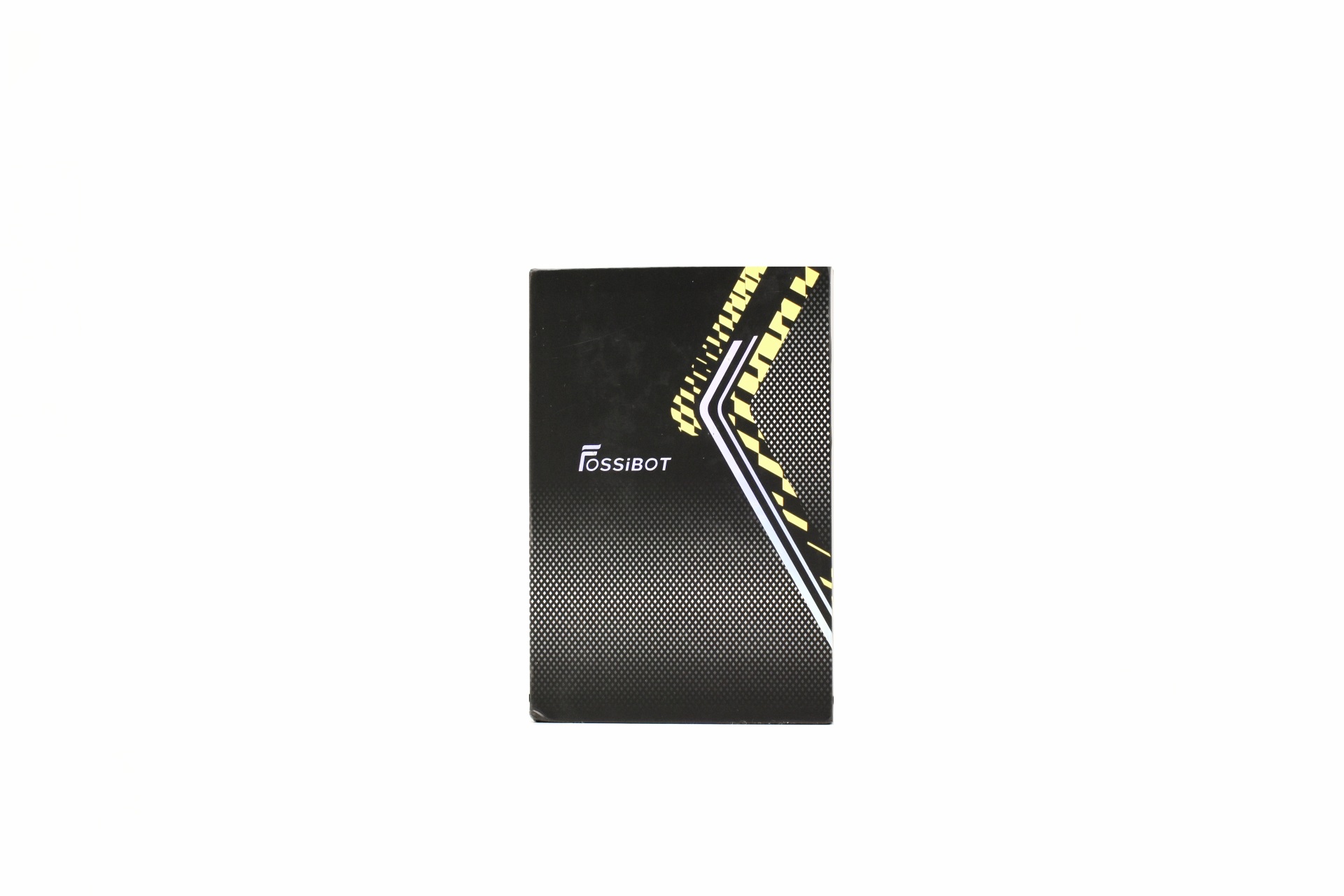
FOSSiBOT ships the F116 Pro inside a small box the front of which only has their logo.


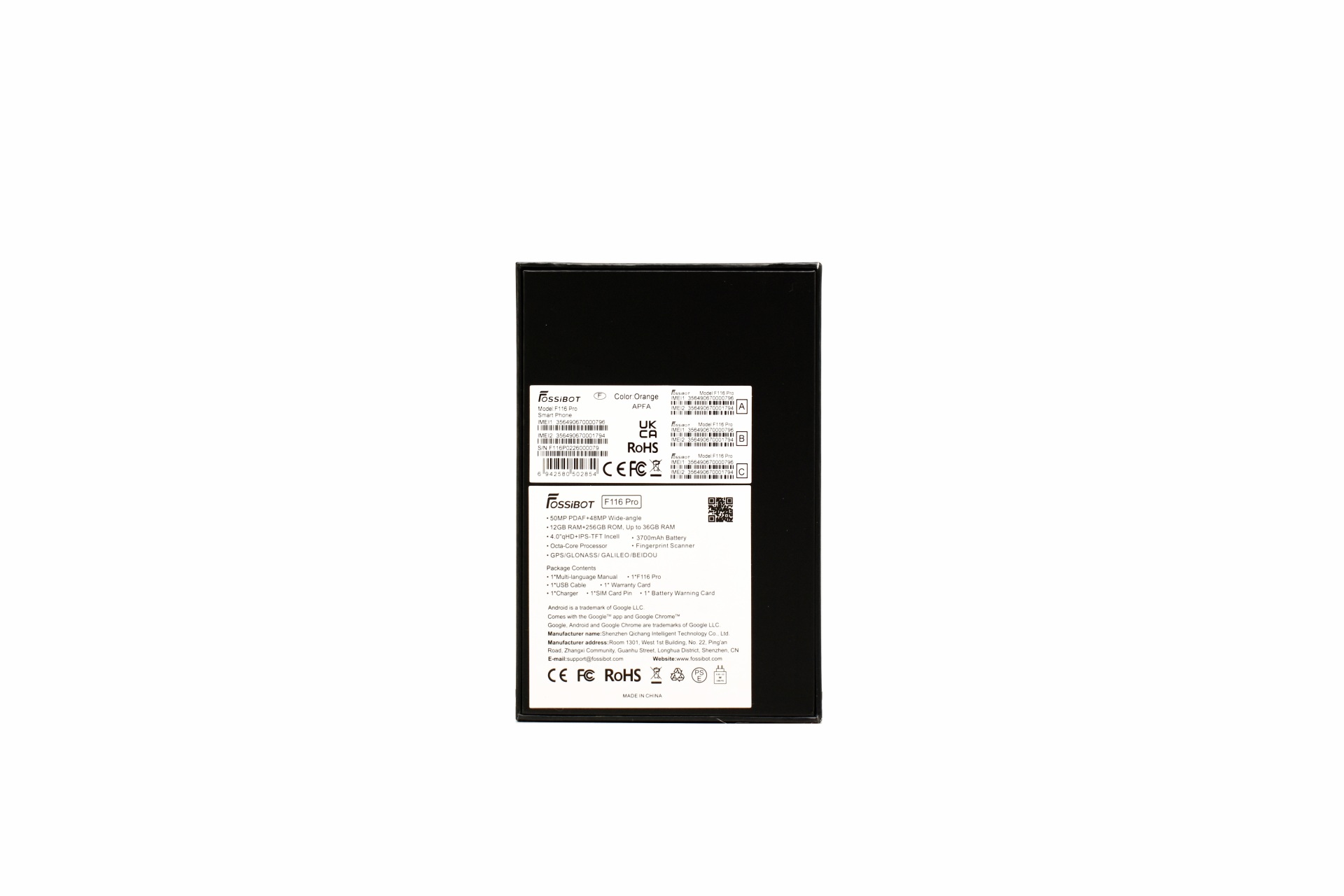
At the rear we find two stickers, one with the serial numbers, IMEI's and barcodes and one with the product's specifications.


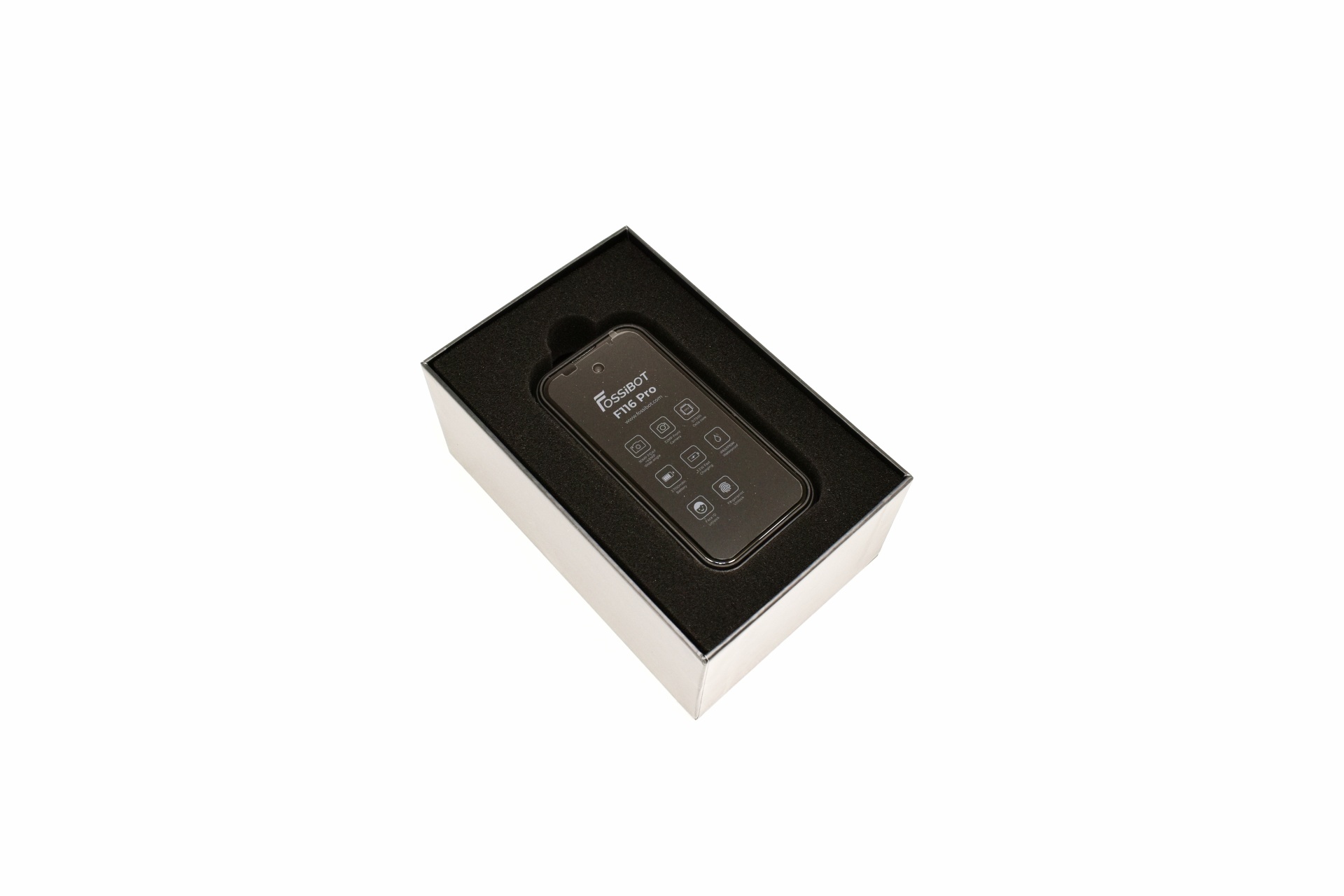
Inside the box the F116 Pro is placed inside a formed piece of foam.


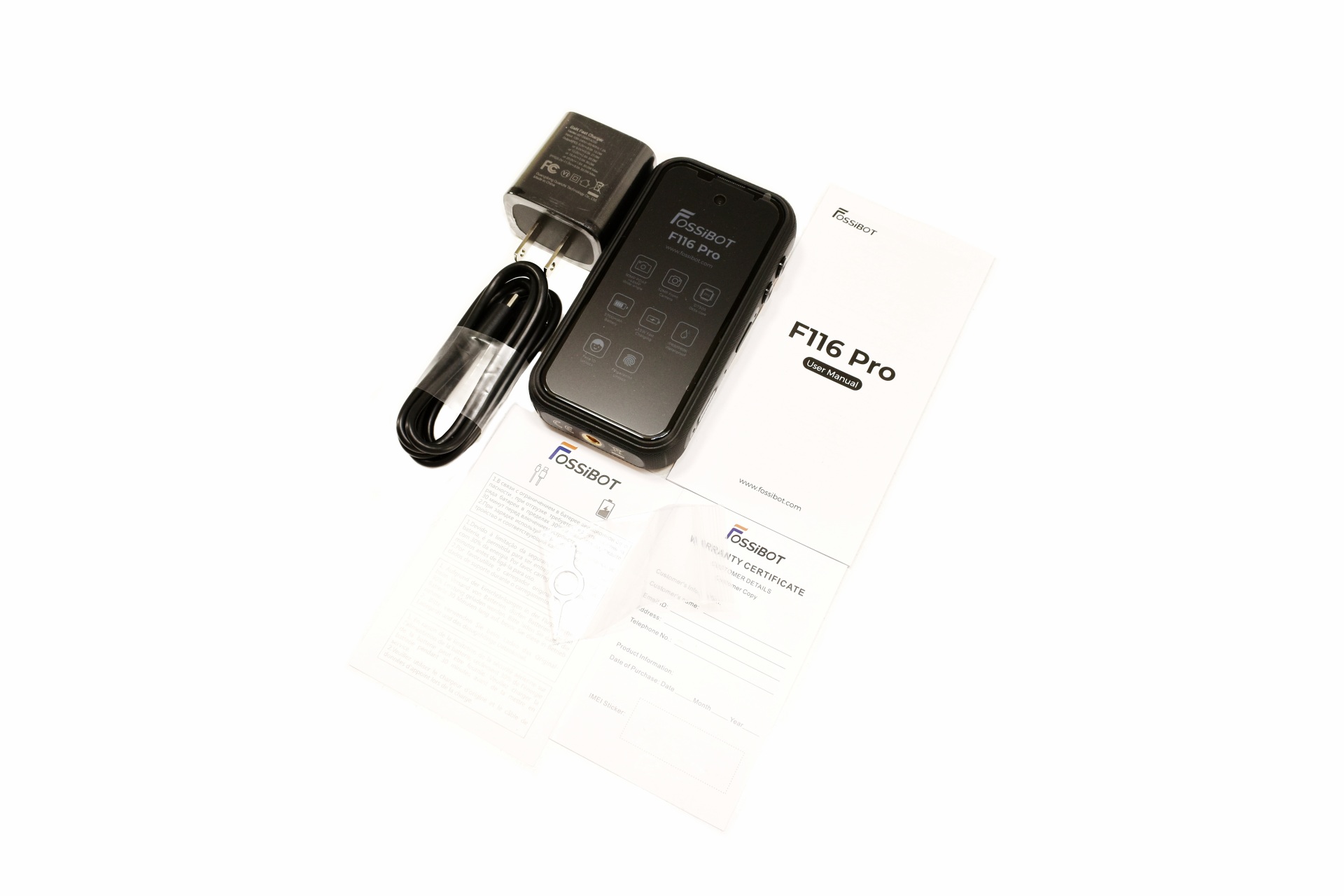
Along with the F116 Pro inside the box you'll find a charger (region specific), USB-C cable, SIM card pin, battery warning card, warranty certificate and the user manual.


THE F116 PRO


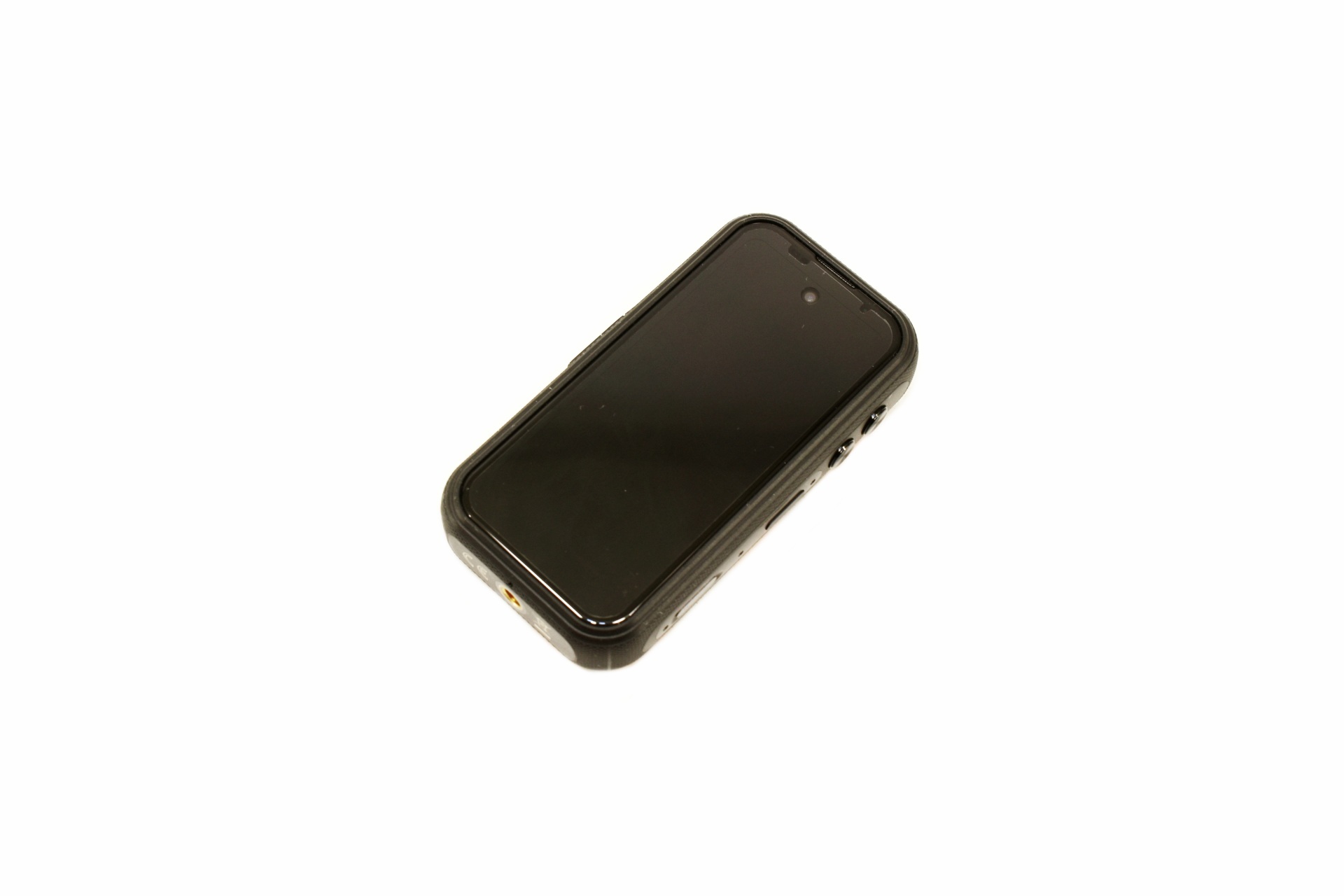
The body of the F116 Pro is made of metal, plastic and TPU (primarily), weighs around 210g and measures 114.5mm in length, 59.6mm in width and 23mm in thickness/height.


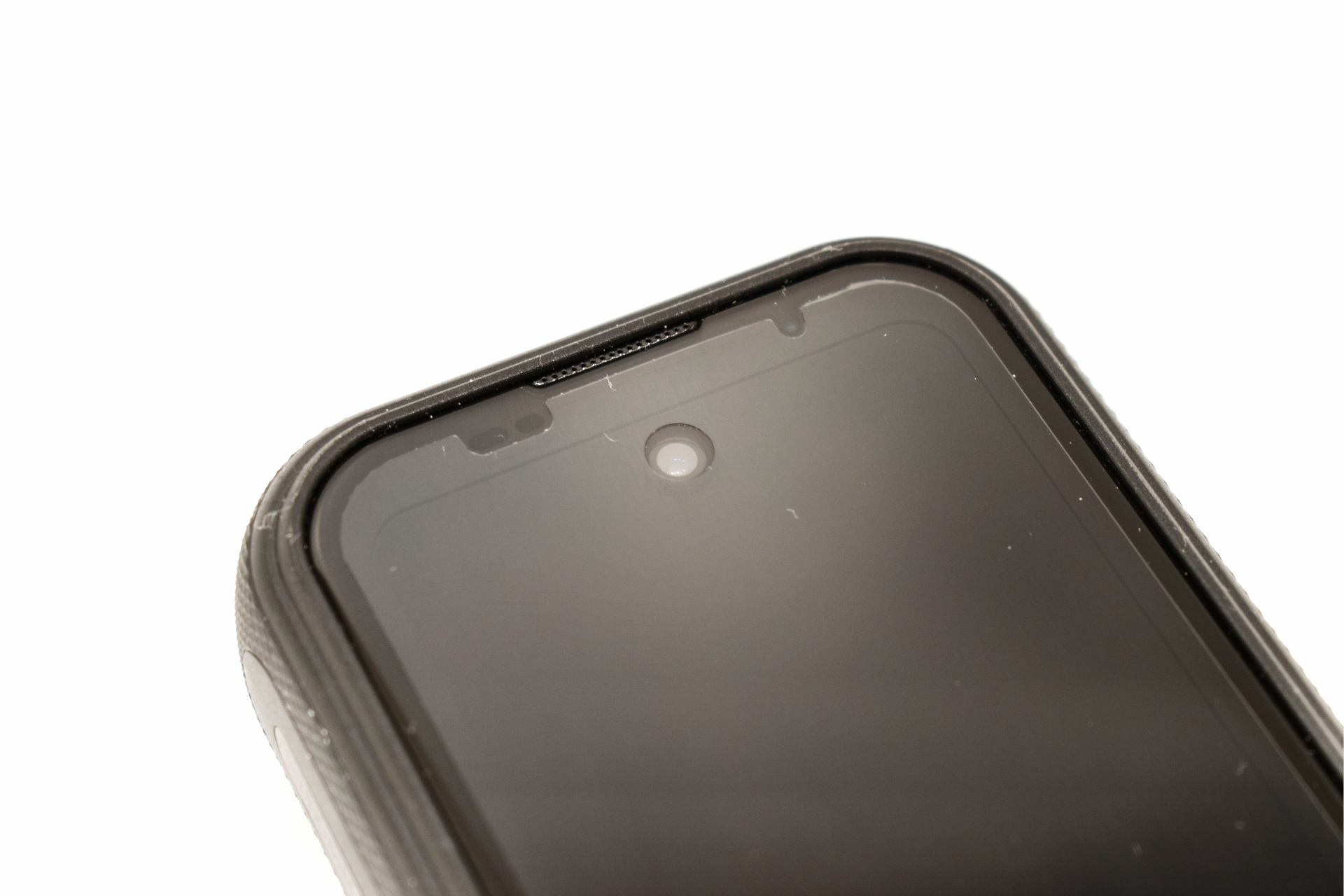
FOSSiBOT ships the F116 Pro with a pre-installed film over the 2.5D glass screen (the selfie camera shown here is the GC32E1 32MP model by GalaxyCore).


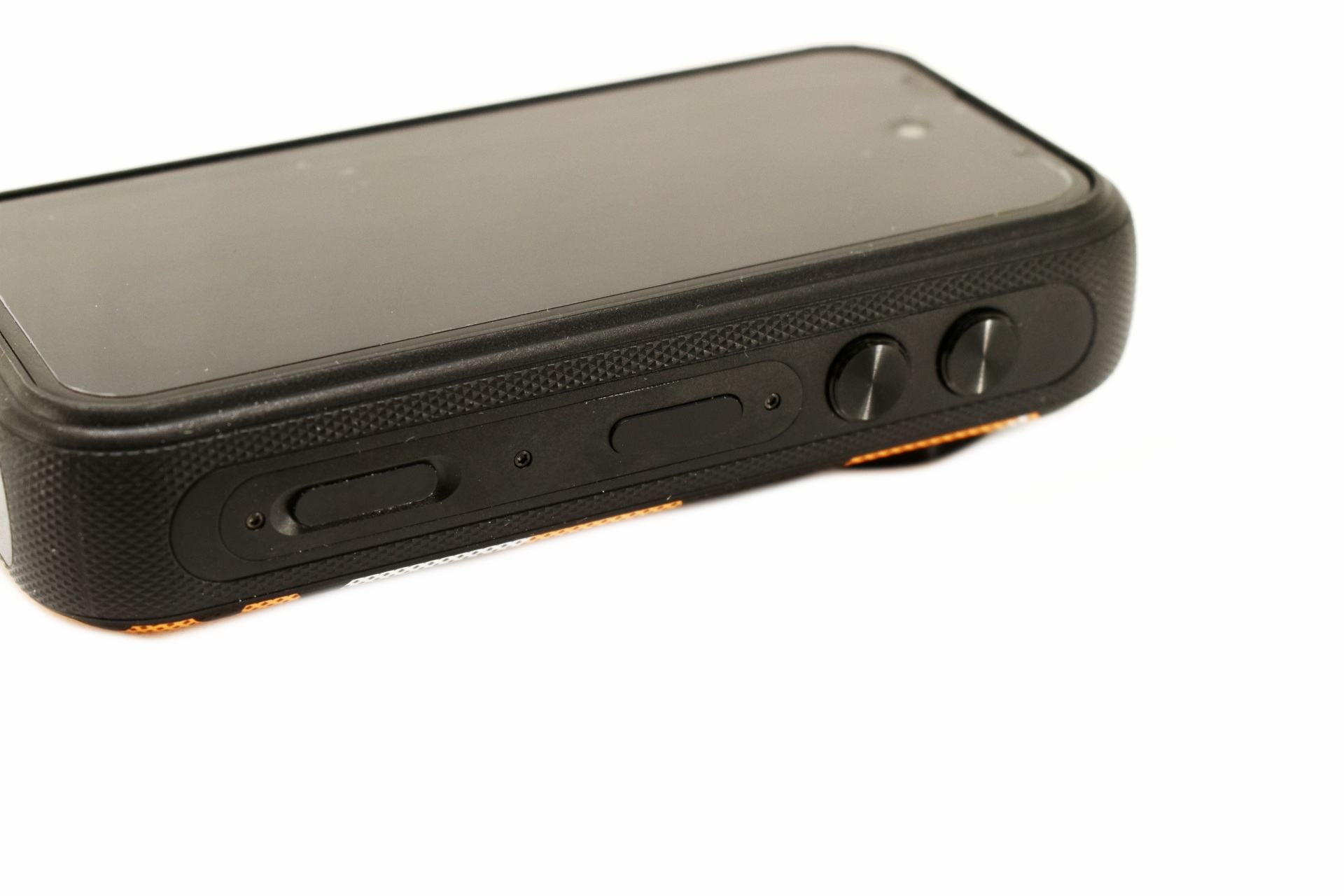
On the right side of the F116 Pro we find the volume up/down buttons, lock screen/Gemini button and the camera button.


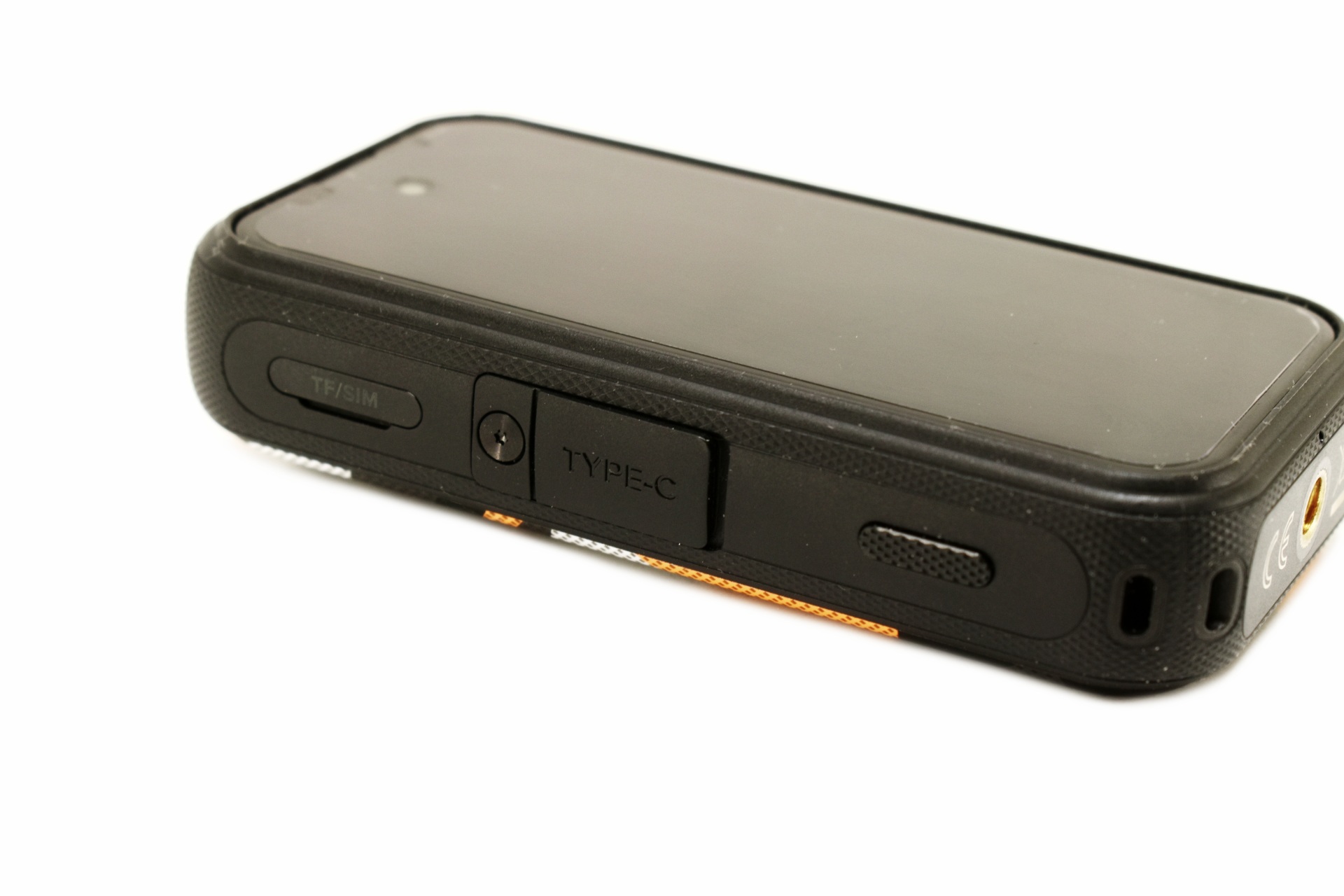
Moving to the left side we find the dual 5G SIM and MicroSD card slot, USB-C charging/data port begin a water tight cover and a fully customizable action button (textured).


There's even a lanyard mount on the lower left corner as seen above.


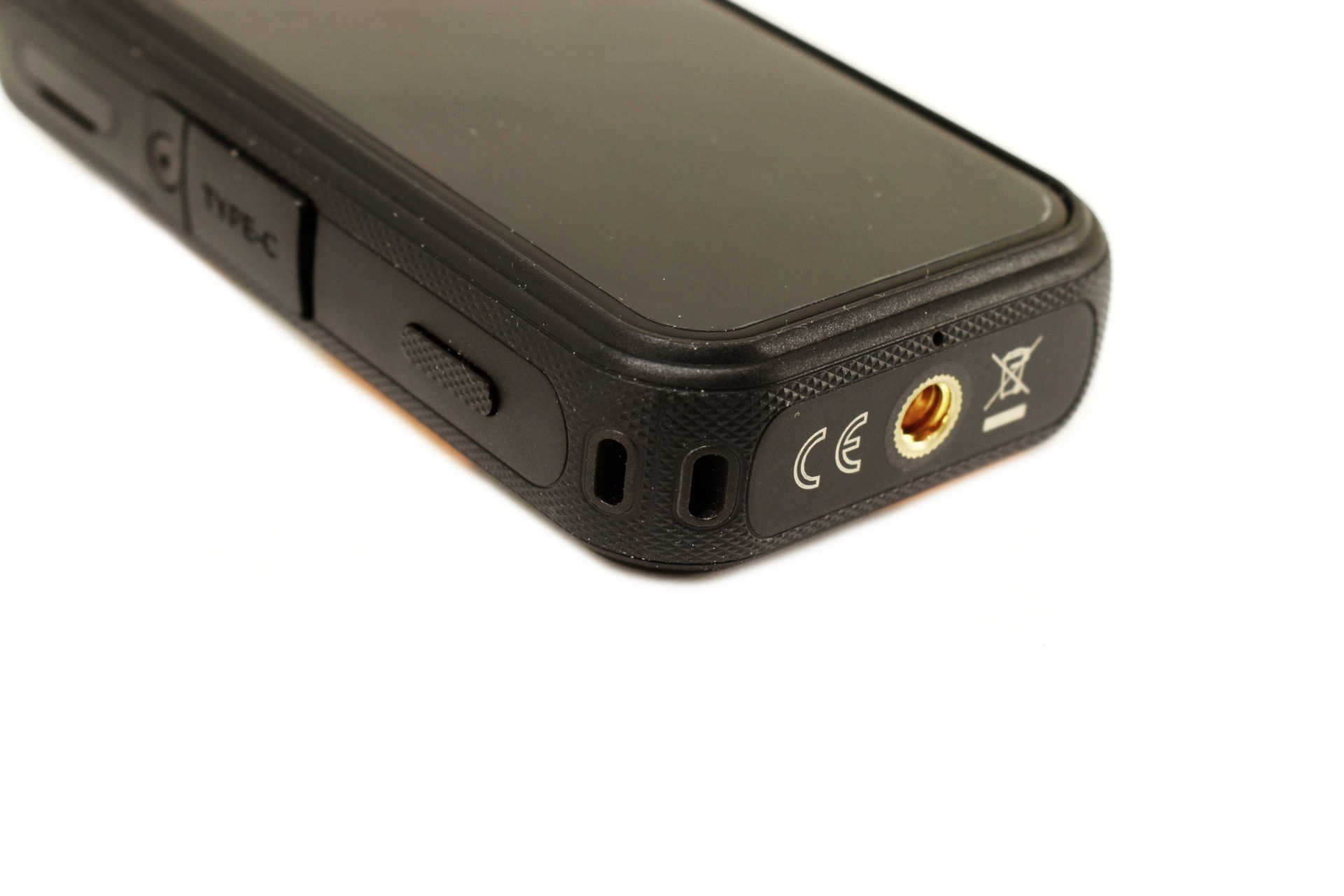
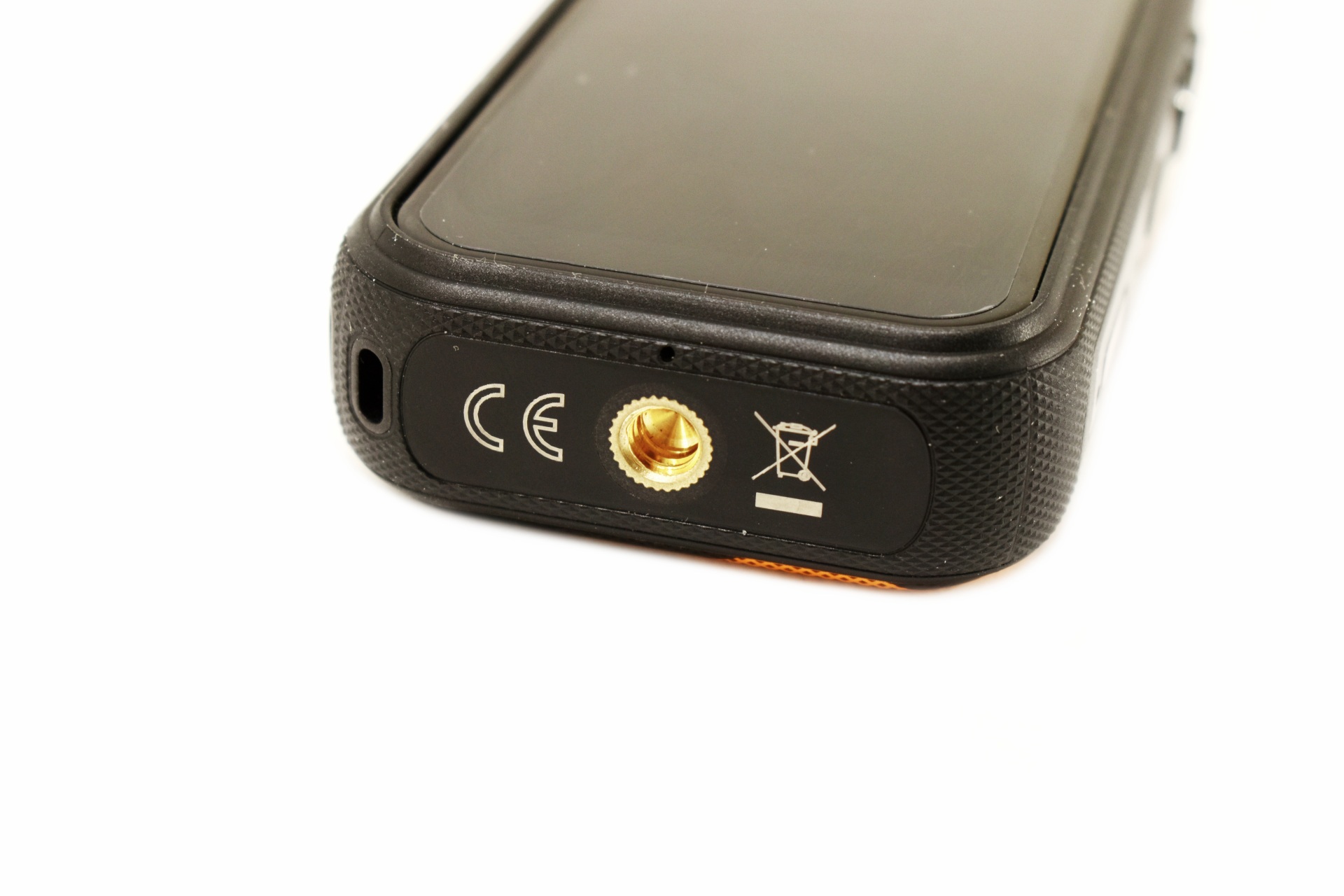
The 1/4" screw mount located at the base of the F116 Pro allows it to be used as a typical action camera.


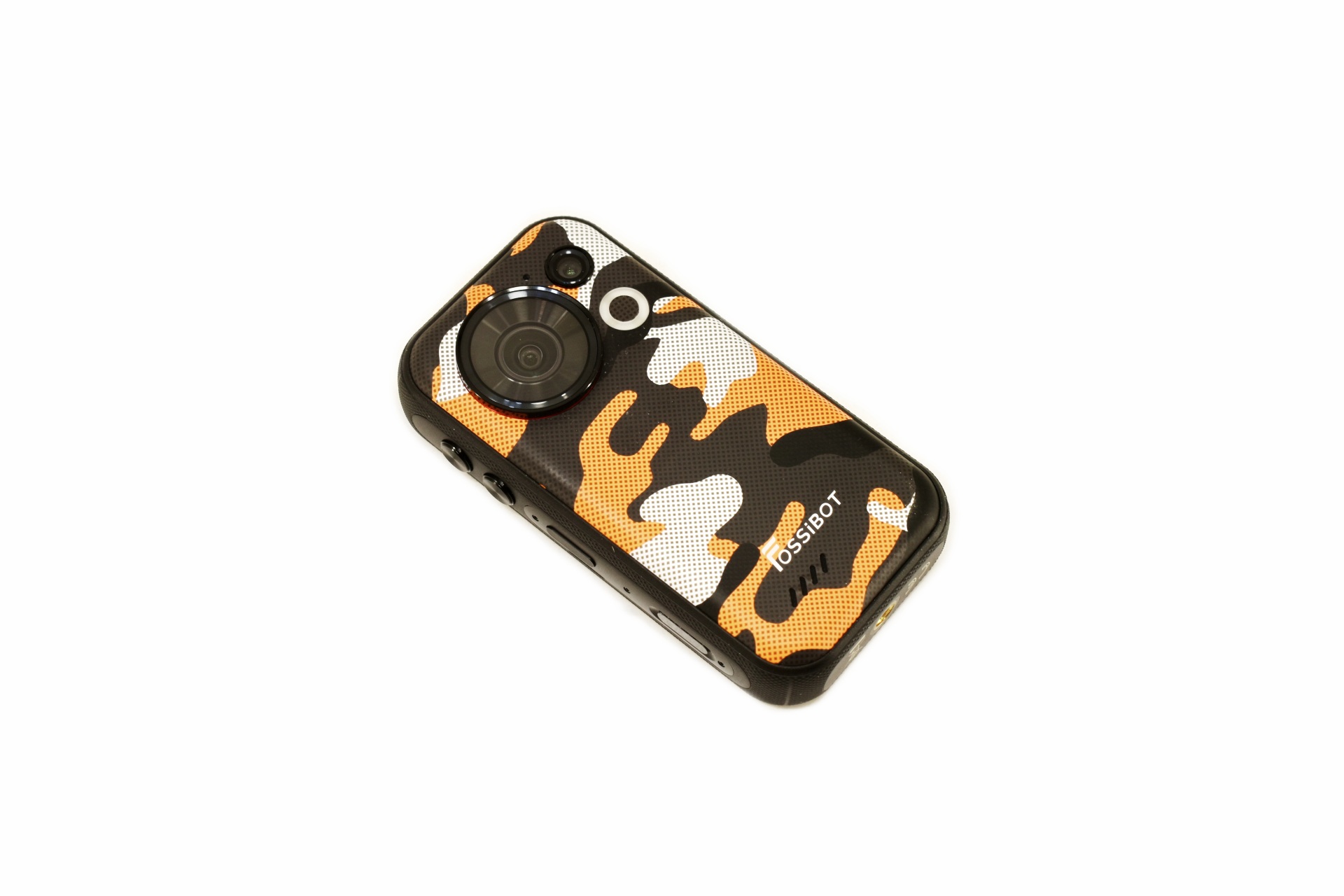
Turning the F116 Pro over we see a colored textured back.


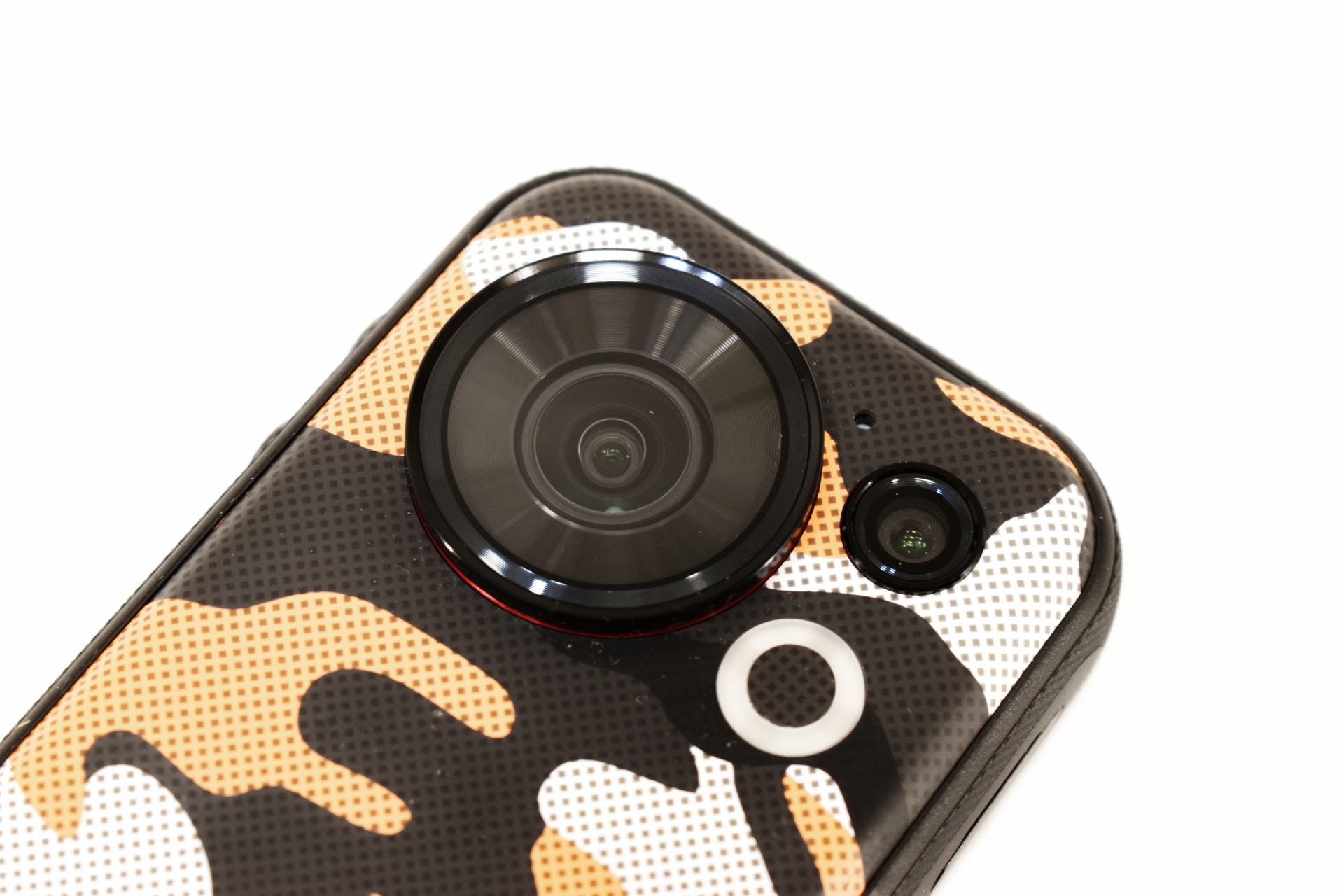
Of course, we also find the 48MP 152.6° ultra‑wide camera (SONY IMX586), 50MP main camera (SK Hynix Hi-5021Q) and the RGB ambient ring.


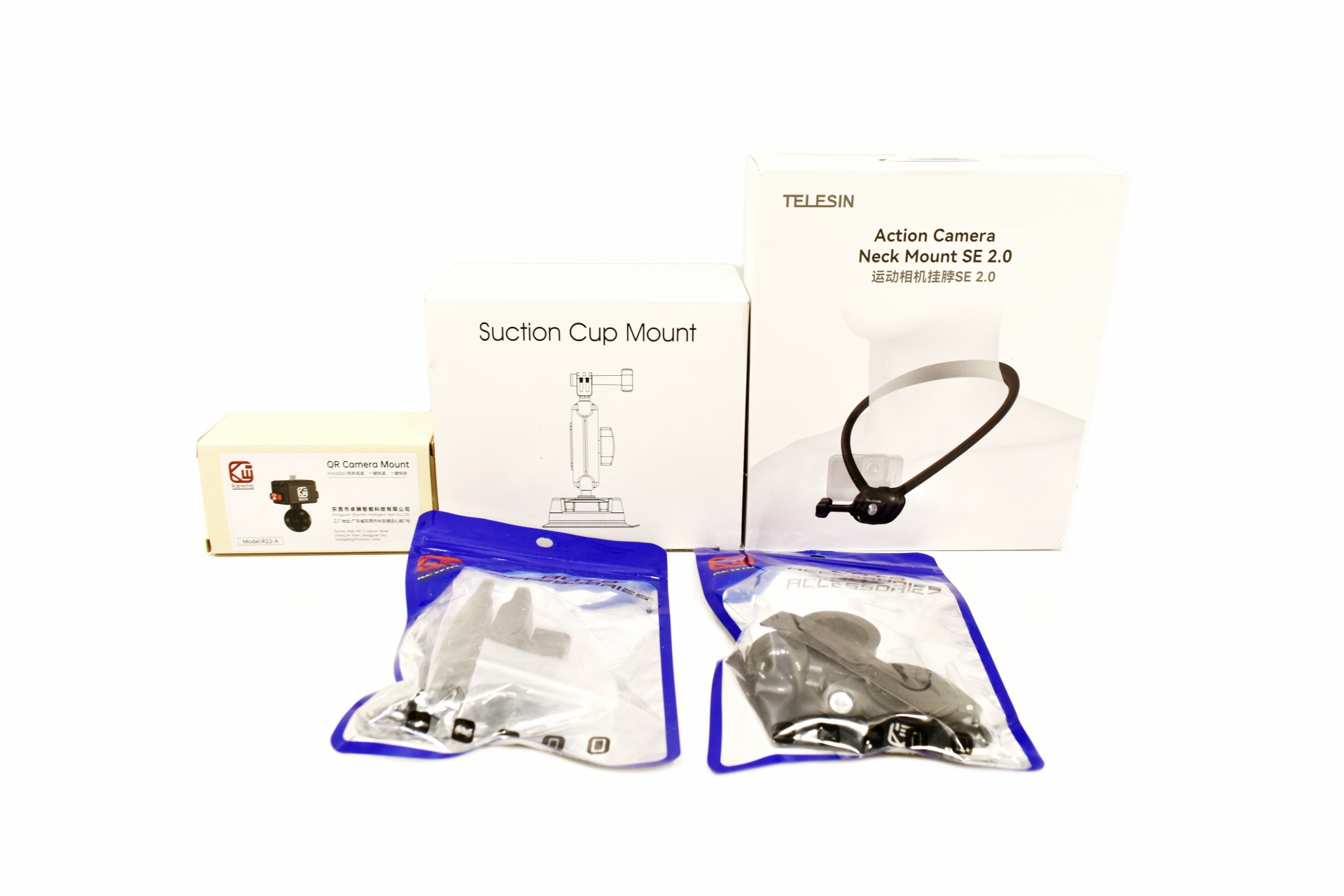
Above you can see all the mounts (suction, neck, QR, bicycle/bike) available by FOSSiBOT for the F116 Pro.


OS


I was surprised to see that the F116 Pro doesn't come with that many unwanted apps (only had to remove 3).


Instead, the OS has some features I haven't seen a lot in the past (if at all) starting with memory expansion.


The 120Hz IPS screen can be also be set at auto, 60Hz and 90Hz (this isn't something new but for a rugged phone this is the 2nd time I've seen it).


Gloves mode is very useful for people who work in specific industries (even bikers and low-temperature areas).


DuraSpeed is yet another useful feature FOSSiBOT smartphones come with which however I recommend turning off if you need on-time alerts from applications like Viber or Teams.


Call recording is a feature that has gone missing lately from many smartphones (even apps have been removed from play store) so this can also come in handy.


MAIN CAMERA


48mp dayt

Camera quality is very good during the day with "normal" stills set at 4000x2992p and 48MP stills set at 8000x6000p (the F116 Pro is so small that your fingers may get in the way, just like mine did).


photo zoom dayt48mp zoom dayt

Digital zoom on either mode is not great, as expected really.


photo nightt48mp nightt

Low light capabilities may not impress (50MP above, 48MP ultra-wide bellow) but they're actually quite good.


f116pro vid

As for 4K video recording this comes with a bitrate just shy of 52.000kbps (video is also available in YouTube and TikTok).


TESTING METHODOLOGY


    Since some of you requested more benchmarks, I have decided to use the following apps to review the performance of smartphones, GeekBench 6, GeekBench AI, 3D Mark, GFXBench, Passmark and AI Benchmark. All tests will be repeated a total of 6 times and the average numbers will be then recorded in the charts. Unfortunately, due to certain brand policies it seems that some of these benchmarks can't be run on every smartphone out there so whenever that's the case those results will obviously not be included in the review.


    For all of you wondering just how smartphones do regarding mobile data (4G/5G and above) I will be using the SpeedTest app from the same location (roof) and with the same SIM card (Vodafone) for all models. This may not be an 100% accurate test (many variables), but it should be a good indicator of mobile data performance.


    Finally, since some of you requested it, I’ll be using an 65W fast charger with the smartphones I test to see just how fast they can go to 80% and 100% (could use an even higher wattage charger but for most people 65W is the way to go).


TEST RESULTS – GEEKBENCH 6 / GEEKBENCH AI / AI BENCHMARK


aibenchmark


TEST RESULTS – 3D MARK / SPEEDTEST / BATTERY


3dmark

battery


CONCLUSION


fossibot f116 pro review b


    The F116 Pro by FOSSiBOT is a compact rugged smartphone that punches above its size. With the Dimensity 7300, 12GB RAM, 256GB storage, and 5G, it stays fast and responsive while its daytime camera performance (especially the 48MP ultra-wide one) is genuinely good for a rugged device. The 4‑inch 120Hz screen is crisp, the ear speaker delivers clear call quality, battery can easily last for 4-5 days (depends on use) and the rugged certifications make it a dependable field companion. What really elevates it, though, is how naturally it fits into an action‑camera workflow, the built‑in 1/4" mount point works seamlessly with QR mounts, suction mounts, neck mounts, and other action‑camera accessories (most of which are also available from FOSSiBOT), letting you use the phone as a stabilized POV recorder, a compact vlogging unit, or a mounted work‑site camera. Combined with the three-color options, it becomes a versatile tool that adapts to filming, documenting, and on‑site tasks. Its limitations are tied directly to its size. The screen is relatively small, making typing uncomfortable (especially if your fingers are large/thick, which eventually leads to mistakes), fonts feel cramped, and enlarging them only reduces usable space and makes the interface harder to navigate. It’s a device that excels in portability and toughness, but sacrifices typing comfort and UI readability. Where it shines most is as a secondary rugged phone. Even if you already have a main smartphone, the FOSSiBOT F116 Pro works beautifully as a dedicated action‑camera unit, a work‑site recorder, or a mount‑ready companion you can attach anywhere without worrying about damage. It’s tough, fast, and mount‑friendly, a compact device that earns its place next to your primary phone.


    The FOSSiBOT F116 Pro currently retails for USD369.99 inside the USA (Amazon.com) and for 457.45Euros inside the EU (Amazon.de) and so it’s priced quite higher that what I had expected, especially on this side of the Atlantic. Cost aside however this is a compact rugged smartphone that will probably outlast regular models with ease. Yes, it may not be the fastest smartphone out there and the small screen is something that needs getting used to but overall, it delivers as advertised and that’s why it gets the Golden Award.

PROS


- Very Good Build Quality (Rugged)
- Mediatek Dimensity 7300 (Overall Performance)
- 4” IPS Incell 120Hz Screen
- IP68, IP69K, and MIL‑STD‑810H Certified
- 12GB RAM (Expandable To 36GB Virtual)
- 256GB Storage (+1TB Via MicroSD)
- 32MP Front / 50MP Primary Rear Camera / 48MP OIS 152.6°
- 3700mAh Battery
- Available OS Features
- Available Colors (Grey Black / Orange Black / Green Black)


CONS


- Night Camera Performance
- Price (For Some)
- Small Screen (For Some)


FOSSiBOT F116 Pro Mini Rugged Smartphone Review

INTRODUCTION


fossibot f116 pro review a


    Smartphones have become the center of our daily workflow, entertainment, and communication, but not all phones are built for the same environments. Regular consumer devices focus on sleek lines, thin bodies, and bright displays, while rugged smartphones prioritize durability, impact resistance, and long‑term reliability in harsh conditions. They’re the tools you reach for when the job site is dusty, the weather is unpredictable, or your weekend plans involve more rocks and mud than cafés and offices. Screen size plays a surprisingly big role in how these devices fit into your life. Small screens keep the phone compact, pocket‑friendly, and easy to operate with one hand, ideal for quick tasks, navigation, or situations where mobility matters. Large screens, on the other hand, offer more room for multitasking, media consumption, and detailed on‑site work like reading plans, reviewing photos, or operating specialized apps. Rugged phones often, but not always, lean toward the larger end of the spectrum, giving users a more versatile workspace even outdoors. And that brings us to FOSSiBOT's latest entry, the F116 Pro which I've been using for almost 2 months now.


    FOSSiBOT (Shenzhen Qichang Intelligent Technology Co., Ltd.) created by an innovative team of engineers. FOSSiBOT focus on research and development of portable, efficient, green, clean, natural environmental protection and sustainable renewable energy. In Autumn of 2022, we released our first flagship model F2400, using the latest dual inverter technology, fashionable appearance design, the improvement of the function details, meet the demand of all of your portable solar power.


    FOSSiBOT's F116 Pro is a compact rugged smartphone built around a 4.0‑inch QHD IPS-TFT Incell display (540x1172p, 120Hz, 323ppi, 500cd/m2) designed for comfortable one‑handed use, yet it packs hardware normally found in much larger devices. It runs on the MediaTek Dimensity 7300 5G octa‑core processor paired with 12GB RAM (expandable up to 36GB - virtual) and 256GB storage (plus up to 1TB), delivering fast performance and global 5G connectivity. The camera setup includes a 48MP OIS action camera with a 152.6° ultra‑wide field of view (SONY IMX586), a 50MP main camera (SK Hynix Hi-5021Q), and a 32MP selfie camera (GalaxyCore GC32E1), giving it unusually strong imaging capabilities for a rugged device. Power comes from a 3700mAh lithium-polymer battery, tuned for reliable daily use rather than bulk endurance. The F116 Pro also features Bluetooth v5.4 and WiFi6 connectivity, dual-5G support, fingerprint censor and an RGB rear ambient light. The body is fully ruggedized with IP68, IP69K, and MIL‑STD‑810H certifications, and it features a built‑in 1/4‑inch screw mount for attaching accessories, a rare addition that makes it ideal for action capture, industrial work, or outdoor setups. It ships with Android 16, offering a modern, fast software experience, and comes in orange, gray, and green color options.


SPECIFICATIONS AND FEATURES


PACKAGING AND CONTENTS


FOSSiBOT ships the F116 Pro inside a small box the front of which only has their logo.


At the rear we find two stickers, one with the serial numbers, IMEI's and barcodes and one with the product's specifications.


Inside the box the F116 Pro is placed inside a formed piece of foam.


Along with the F116 Pro inside the box you'll find a charger (region specific), USB-C cable, SIM card pin, battery warning card, warranty certificate and the user manual.


THE F116 PRO


The body of the F116 Pro is made of metal, plastic and TPU (primarily), weighs around 210g and measures 114.5mm in length, 59.6mm in width and 23mm in thickness/height.


FOSSiBOT ships the F116 Pro with a pre-installed film over the 2.5D glass screen (the selfie camera shown here is the GC32E1 32MP model by GalaxyCore).


On the right side of the F116 Pro we find the volume up/down buttons, lock screen/Gemini button and the camera button.


Moving to the left side we find the dual 5G SIM and MicroSD card slot, USB-C charging/data port begin a water tight cover and a fully customizable action button (textured).


There's even a lanyard mount on the lower left corner as seen above.


The 1/4" screw mount located at the base of the F116 Pro allows it to be used as a typical action camera.


Turning the F116 Pro over we see a colored textured back.


Of course, we also find the 48MP 152.6° ultra‑wide camera (SONY IMX586), 50MP main camera (SK Hynix Hi-5021Q) and the RGB ambient ring.


Above you can see all the mounts (suction, neck, QR, bicycle/bike) available by FOSSiBOT for the F116 Pro.


OS


I was surprised to see that the F116 Pro doesn't come with that many unwanted apps (only had to remove 3).


Instead, the OS has some features I haven't seen a lot in the past (if at all) starting with memory expansion.


The 120Hz IPS screen can be also be set at auto, 60Hz and 90Hz (this isn't something new but for a rugged phone this is the 2nd time I've seen it).


Gloves mode is very useful for people who work in specific industries (even bikers and low-temperature areas).


DuraSpeed is yet another useful feature FOSSiBOT smartphones come with which however I recommend turning off if you need on-time alerts from applications like Viber or Teams.


Call recording is a feature that has gone missing lately from many smartphones (even apps have been removed from play store) so this can also come in handy.


MAIN CAMERA


48mp dayt

Camera quality is very good during the day with "normal" stills set at 4000x2992p and 48MP stills set at 8000x6000p (the F116 Pro is so small that your fingers may get in the way, just like mine did).


photo zoom dayt48mp zoom dayt

Digital zoom on either mode is not great, as expected really.


photo nightt48mp nightt

Low light capabilities may not impress (50MP above, 48MP ultra-wide bellow) but they're actually quite good.


f116pro vid

As for 4K video recording this comes with a bitrate just shy of 52.000kbps (video is also available in YouTube and TikTok).


TESTING METHODOLOGY


    Since some of you requested more benchmarks, I have decided to use the following apps to review the performance of smartphones, GeekBench 6, GeekBench AI, 3D Mark, GFXBench, Passmark and AI Benchmark. All tests will be repeated a total of 6 times and the average numbers will be then recorded in the charts. Unfortunately, due to certain brand policies it seems that some of these benchmarks can't be run on every smartphone out there so whenever that's the case those results will obviously not be included in the review.


    For all of you wondering just how smartphones do regarding mobile data (4G/5G and above) I will be using the SpeedTest app from the same location (roof) and with the same SIM card (Vodafone) for all models. This may not be an 100% accurate test (many variables), but it should be a good indicator of mobile data performance.


    Finally, since some of you requested it, I’ll be using an 65W fast charger with the smartphones I test to see just how fast they can go to 80% and 100% (could use an even higher wattage charger but for most people 65W is the way to go).


TEST RESULTS – GEEKBENCH 6 / GEEKBENCH AI / AI BENCHMARK


aibenchmark


TEST RESULTS – 3D MARK / SPEEDTEST / BATTERY


3dmark

battery


CONCLUSION


fossibot f116 pro review b


    The F116 Pro by FOSSiBOT is a compact rugged smartphone that punches above its size. With the Dimensity 7300, 12GB RAM, 256GB storage, and 5G, it stays fast and responsive while its daytime camera performance (especially the 48MP ultra-wide one) is genuinely good for a rugged device. The 4‑inch 120Hz screen is crisp, the ear speaker delivers clear call quality, battery can easily last for 4-5 days (depends on use) and the rugged certifications make it a dependable field companion. What really elevates it, though, is how naturally it fits into an action‑camera workflow, the built‑in 1/4" mount point works seamlessly with QR mounts, suction mounts, neck mounts, and other action‑camera accessories (most of which are also available from FOSSiBOT), letting you use the phone as a stabilized POV recorder, a compact vlogging unit, or a mounted work‑site camera. Combined with the three-color options, it becomes a versatile tool that adapts to filming, documenting, and on‑site tasks. Its limitations are tied directly to its size. The screen is relatively small, making typing uncomfortable (especially if your fingers are large/thick, which eventually leads to mistakes), fonts feel cramped, and enlarging them only reduces usable space and makes the interface harder to navigate. It’s a device that excels in portability and toughness, but sacrifices typing comfort and UI readability. Where it shines most is as a secondary rugged phone. Even if you already have a main smartphone, the FOSSiBOT F116 Pro works beautifully as a dedicated action‑camera unit, a work‑site recorder, or a mount‑ready companion you can attach anywhere without worrying about damage. It’s tough, fast, and mount‑friendly, a compact device that earns its place next to your primary phone.


    The FOSSiBOT F116 Pro currently retails for USD369.99 inside the USA (Amazon.com) and for 457.45Euros inside the EU (Amazon.de) and so it’s priced quite higher that what I had expected, especially on this side of the Atlantic. Cost aside however this is a compact rugged smartphone that will probably outlast regular models with ease. Yes, it may not be the fastest smartphone out there and the small screen is something that needs getting used to but overall, it delivers as advertised and that’s why it gets the Golden Award.

PROS


- Very Good Build Quality (Rugged)
- Mediatek Dimensity 7300 (Overall Performance)
- 4” IPS Incell 120Hz Screen
- IP68, IP69K, and MIL‑STD‑810H Certified
- 12GB RAM (Expandable To 36GB Virtual)
- 256GB Storage (+1TB Via MicroSD)
- 32MP Front / 50MP Primary Rear Camera / 48MP OIS 152.6°
- 3700mAh Battery
- Available OS Features
- Available Colors (Grey Black / Orange Black / Green Black)


CONS


- Night Camera Performance
- Price (For Some)
- Small Screen (For Some)


FOSSiBOT F116 Pro Mini Rugged Smartphone Review

INTRODUCTION


fossibot f116 pro review a


    Smartphones have become the center of our daily workflow, entertainment, and communication, but not all phones are built for the same environments. Regular consumer devices focus on sleek lines, thin bodies, and bright displays, while rugged smartphones prioritize durability, impact resistance, and long‑term reliability in harsh conditions. They’re the tools you reach for when the job site is dusty, the weather is unpredictable, or your weekend plans involve more rocks and mud than cafés and offices. Screen size plays a surprisingly big role in how these devices fit into your life. Small screens keep the phone compact, pocket‑friendly, and easy to operate with one hand, ideal for quick tasks, navigation, or situations where mobility matters. Large screens, on the other hand, offer more room for multitasking, media consumption, and detailed on‑site work like reading plans, reviewing photos, or operating specialized apps. Rugged phones often, but not always, lean toward the larger end of the spectrum, giving users a more versatile workspace even outdoors. And that brings us to FOSSiBOT's latest entry, the F116 Pro which I've been using for almost 2 months now.


    FOSSiBOT (Shenzhen Qichang Intelligent Technology Co., Ltd.) created by an innovative team of engineers. FOSSiBOT focus on research and development of portable, efficient, green, clean, natural environmental protection and sustainable renewable energy. In Autumn of 2022, we released our first flagship model F2400, using the latest dual inverter technology, fashionable appearance design, the improvement of the function details, meet the demand of all of your portable solar power.


    FOSSiBOT's F116 Pro is a compact rugged smartphone built around a 4.0‑inch QHD IPS-TFT Incell display (540x1172p, 120Hz, 323ppi, 500cd/m2) designed for comfortable one‑handed use, yet it packs hardware normally found in much larger devices. It runs on the MediaTek Dimensity 7300 5G octa‑core processor paired with 12GB RAM (expandable up to 36GB - virtual) and 256GB storage (plus up to 1TB), delivering fast performance and global 5G connectivity. The camera setup includes a 48MP OIS action camera with a 152.6° ultra‑wide field of view (SONY IMX586), a 50MP main camera (SK Hynix Hi-5021Q), and a 32MP selfie camera (GalaxyCore GC32E1), giving it unusually strong imaging capabilities for a rugged device. Power comes from a 3700mAh lithium-polymer battery, tuned for reliable daily use rather than bulk endurance. The F116 Pro also features Bluetooth v5.4 and WiFi6 connectivity, dual-5G support, fingerprint censor and an RGB rear ambient light. The body is fully ruggedized with IP68, IP69K, and MIL‑STD‑810H certifications, and it features a built‑in 1/4‑inch screw mount for attaching accessories, a rare addition that makes it ideal for action capture, industrial work, or outdoor setups. It ships with Android 16, offering a modern, fast software experience, and comes in orange, gray, and green color options.


SPECIFICATIONS AND FEATURES


PACKAGING AND CONTENTS


FOSSiBOT ships the F116 Pro inside a small box the front of which only has their logo.


At the rear we find two stickers, one with the serial numbers, IMEI's and barcodes and one with the product's specifications.


Inside the box the F116 Pro is placed inside a formed piece of foam.


Along with the F116 Pro inside the box you'll find a charger (region specific), USB-C cable, SIM card pin, battery warning card, warranty certificate and the user manual.


THE F116 PRO


The body of the F116 Pro is made of metal, plastic and TPU (primarily), weighs around 210g and measures 114.5mm in length, 59.6mm in width and 23mm in thickness/height.


FOSSiBOT ships the F116 Pro with a pre-installed film over the 2.5D glass screen (the selfie camera shown here is the GC32E1 32MP model by GalaxyCore).


On the right side of the F116 Pro we find the volume up/down buttons, lock screen/Gemini button and the camera button.


Moving to the left side we find the dual 5G SIM and MicroSD card slot, USB-C charging/data port begin a water tight cover and a fully customizable action button (textured).


There's even a lanyard mount on the lower left corner as seen above.


The 1/4" screw mount located at the base of the F116 Pro allows it to be used as a typical action camera.


Turning the F116 Pro over we see a colored textured back.


Of course, we also find the 48MP 152.6° ultra‑wide camera (SONY IMX586), 50MP main camera (SK Hynix Hi-5021Q) and the RGB ambient ring.


Above you can see all the mounts (suction, neck, QR, bicycle/bike) available by FOSSiBOT for the F116 Pro.


OS


I was surprised to see that the F116 Pro doesn't come with that many unwanted apps (only had to remove 3).


Instead, the OS has some features I haven't seen a lot in the past (if at all) starting with memory expansion.


The 120Hz IPS screen can be also be set at auto, 60Hz and 90Hz (this isn't something new but for a rugged phone this is the 2nd time I've seen it).


Gloves mode is very useful for people who work in specific industries (even bikers and low-temperature areas).


DuraSpeed is yet another useful feature FOSSiBOT smartphones come with which however I recommend turning off if you need on-time alerts from applications like Viber or Teams.


Call recording is a feature that has gone missing lately from many smartphones (even apps have been removed from play store) so this can also come in handy.


MAIN CAMERA


48mp dayt

Camera quality is very good during the day with "normal" stills set at 4000x2992p and 48MP stills set at 8000x6000p (the F116 Pro is so small that your fingers may get in the way, just like mine did).


photo zoom dayt48mp zoom dayt

Digital zoom on either mode is not great, as expected really.


photo nightt48mp nightt

Low light capabilities may not impress (50MP above, 48MP ultra-wide bellow) but they're actually quite good.


f116pro vid

As for 4K video recording this comes with a bitrate just shy of 52.000kbps (video is also available in YouTube and TikTok).


TESTING METHODOLOGY


    Since some of you requested more benchmarks, I have decided to use the following apps to review the performance of smartphones, GeekBench 6, GeekBench AI, 3D Mark, GFXBench, Passmark and AI Benchmark. All tests will be repeated a total of 6 times and the average numbers will be then recorded in the charts. Unfortunately, due to certain brand policies it seems that some of these benchmarks can't be run on every smartphone out there so whenever that's the case those results will obviously not be included in the review.


    For all of you wondering just how smartphones do regarding mobile data (4G/5G and above) I will be using the SpeedTest app from the same location (roof) and with the same SIM card (Vodafone) for all models. This may not be an 100% accurate test (many variables), but it should be a good indicator of mobile data performance.


    Finally, since some of you requested it, I’ll be using an 65W fast charger with the smartphones I test to see just how fast they can go to 80% and 100% (could use an even higher wattage charger but for most people 65W is the way to go).


TEST RESULTS – GEEKBENCH 6 / GEEKBENCH AI / AI BENCHMARK


aibenchmark


TEST RESULTS – 3D MARK / SPEEDTEST / BATTERY


3dmark

battery


CONCLUSION


fossibot f116 pro review b


    The F116 Pro by FOSSiBOT is a compact rugged smartphone that punches above its size. With the Dimensity 7300, 12GB RAM, 256GB storage, and 5G, it stays fast and responsive while its daytime camera performance (especially the 48MP ultra-wide one) is genuinely good for a rugged device. The 4‑inch 120Hz screen is crisp, the ear speaker delivers clear call quality, battery can easily last for 4-5 days (depends on use) and the rugged certifications make it a dependable field companion. What really elevates it, though, is how naturally it fits into an action‑camera workflow, the built‑in 1/4" mount point works seamlessly with QR mounts, suction mounts, neck mounts, and other action‑camera accessories (most of which are also available from FOSSiBOT), letting you use the phone as a stabilized POV recorder, a compact vlogging unit, or a mounted work‑site camera. Combined with the three-color options, it becomes a versatile tool that adapts to filming, documenting, and on‑site tasks. Its limitations are tied directly to its size. The screen is relatively small, making typing uncomfortable (especially if your fingers are large/thick, which eventually leads to mistakes), fonts feel cramped, and enlarging them only reduces usable space and makes the interface harder to navigate. It’s a device that excels in portability and toughness, but sacrifices typing comfort and UI readability. Where it shines most is as a secondary rugged phone. Even if you already have a main smartphone, the FOSSiBOT F116 Pro works beautifully as a dedicated action‑camera unit, a work‑site recorder, or a mount‑ready companion you can attach anywhere without worrying about damage. It’s tough, fast, and mount‑friendly, a compact device that earns its place next to your primary phone.


    The FOSSiBOT F116 Pro currently retails for USD369.99 inside the USA (Amazon.com) and for 457.45Euros inside the EU (Amazon.de) and so it’s priced quite higher that what I had expected, especially on this side of the Atlantic. Cost aside however this is a compact rugged smartphone that will probably outlast regular models with ease. Yes, it may not be the fastest smartphone out there and the small screen is something that needs getting used to but overall, it delivers as advertised and that’s why it gets the Golden Award.

PROS


- Very Good Build Quality (Rugged)
- Mediatek Dimensity 7300 (Overall Performance)
- 4” IPS Incell 120Hz Screen
- IP68, IP69K, and MIL‑STD‑810H Certified
- 12GB RAM (Expandable To 36GB Virtual)
- 256GB Storage (+1TB Via MicroSD)
- 32MP Front / 50MP Primary Rear Camera / 48MP OIS 152.6°
- 3700mAh Battery
- Available OS Features
- Available Colors (Grey Black / Orange Black / Green Black)


CONS


- Night Camera Performance
- Price (For Some)
- Small Screen (For Some)


Epomaker gets into audio with the GX1 open-back wireless headset

9 August 2026 at 11:00

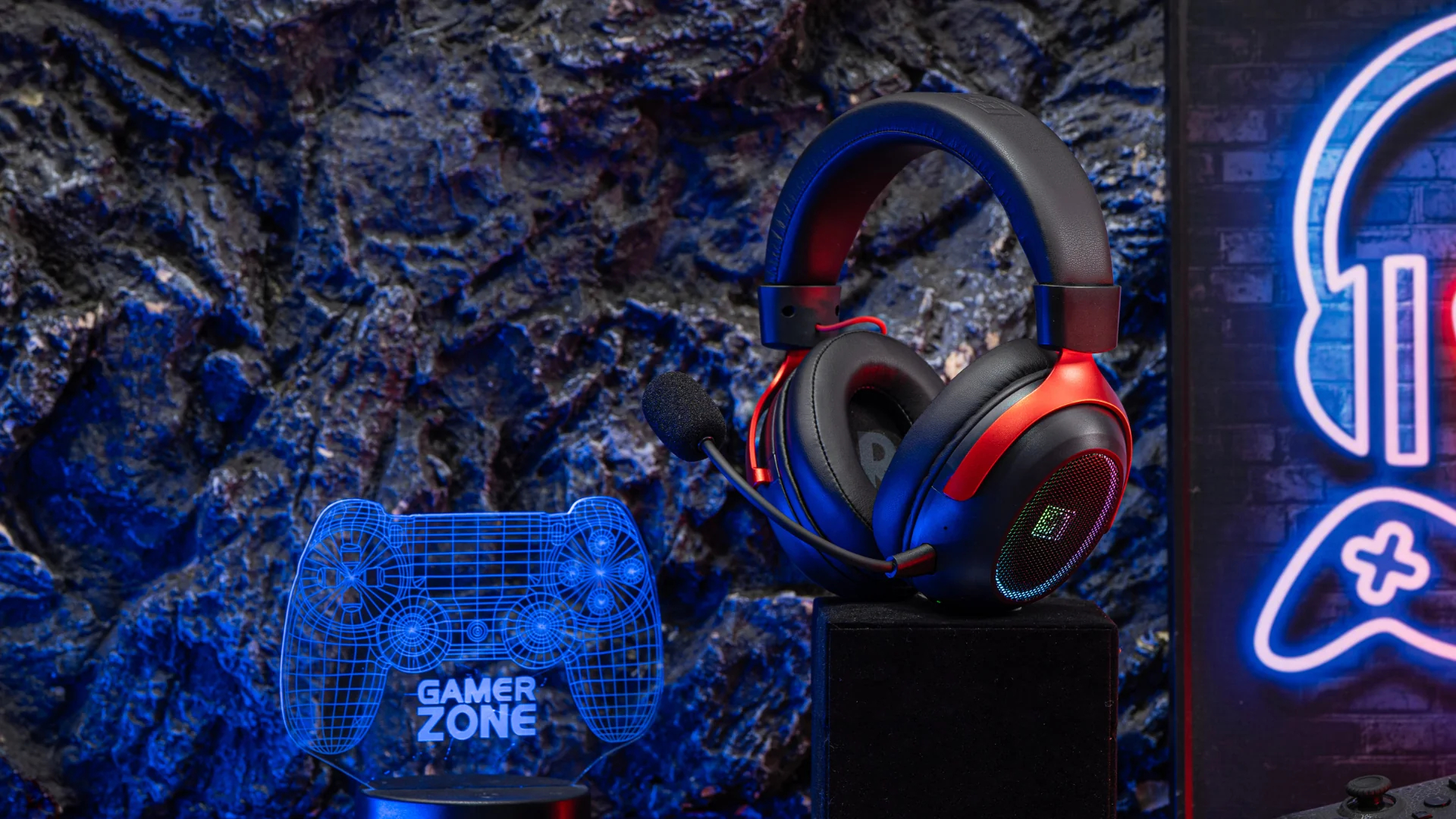
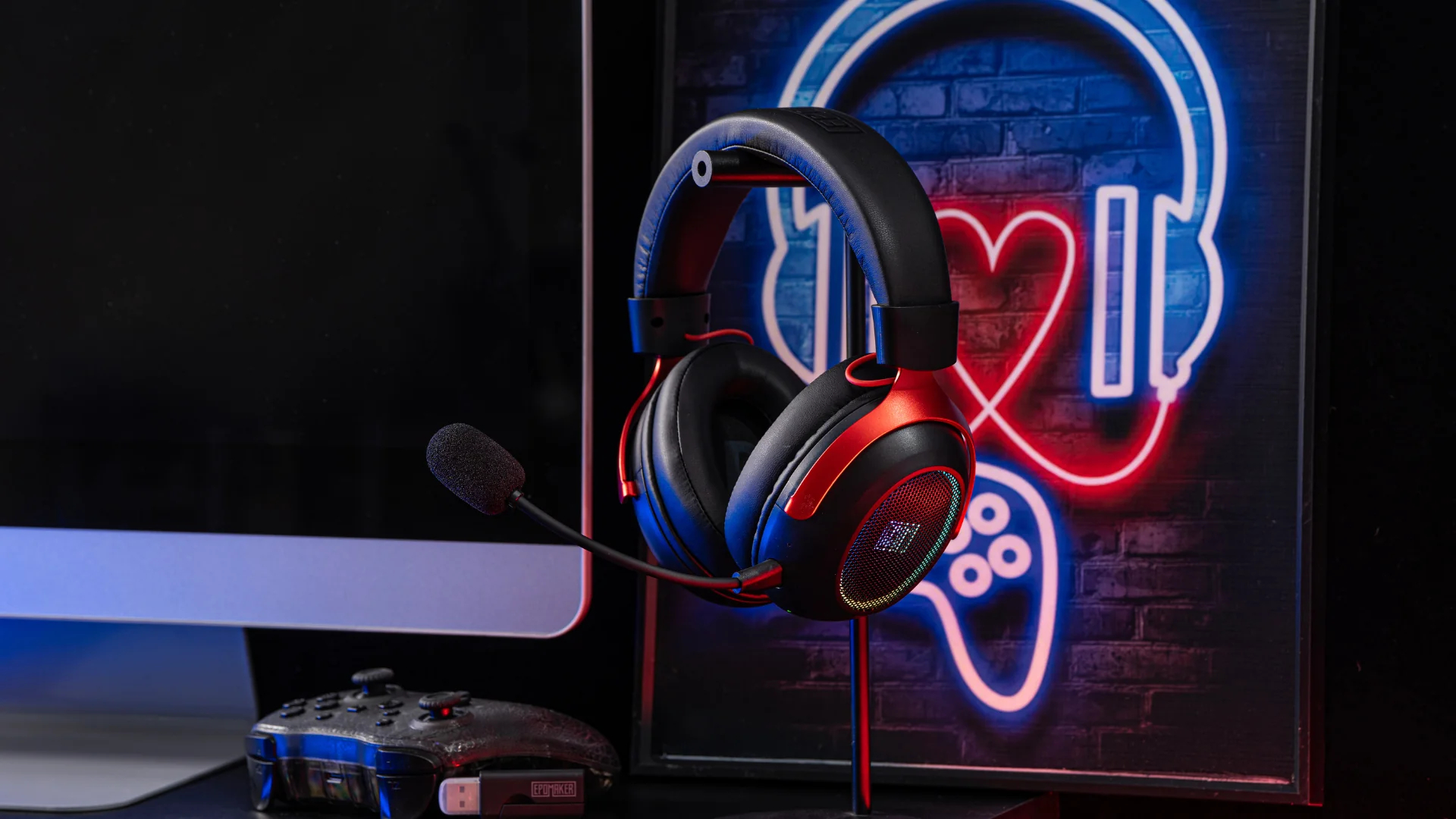
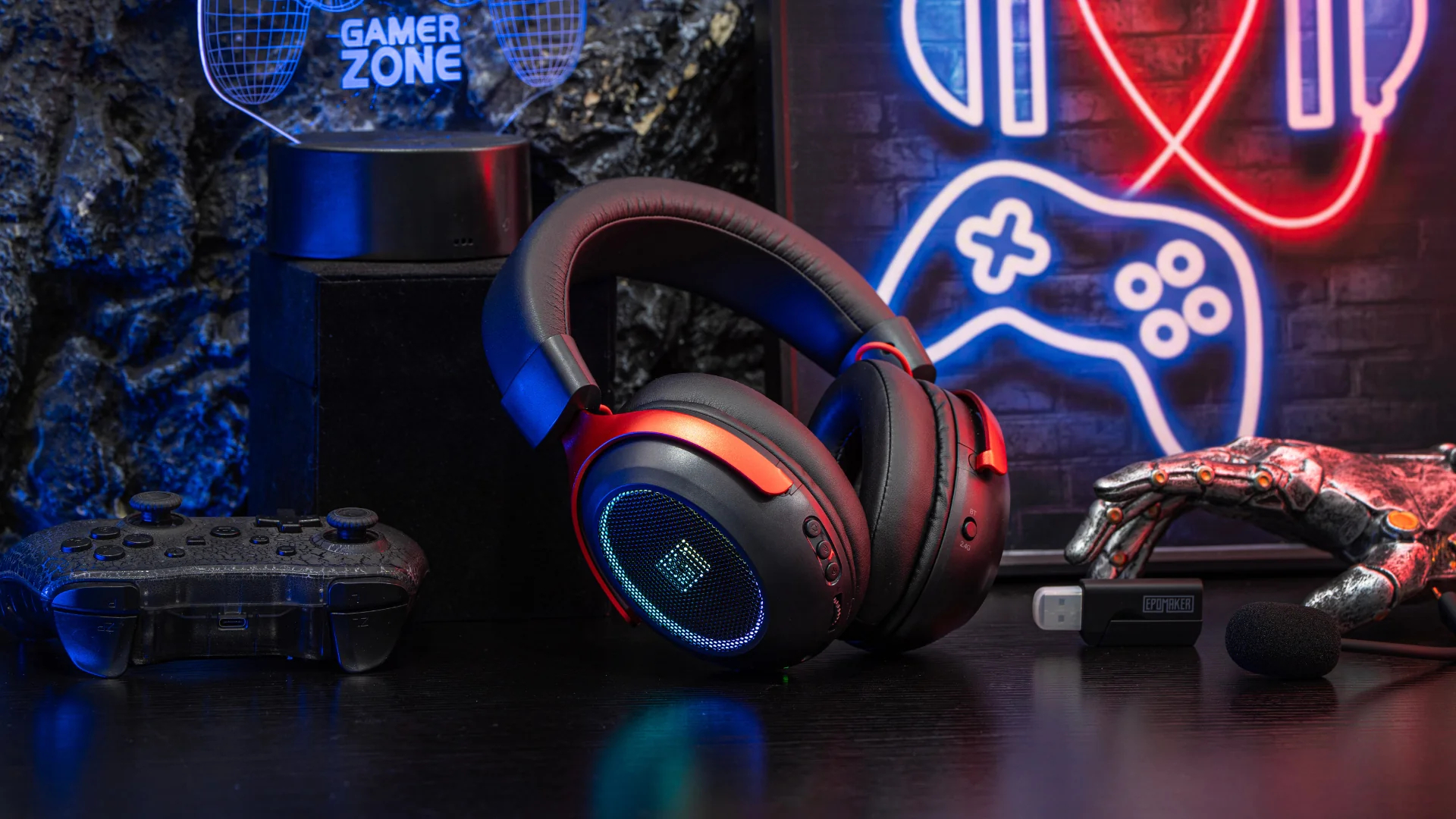
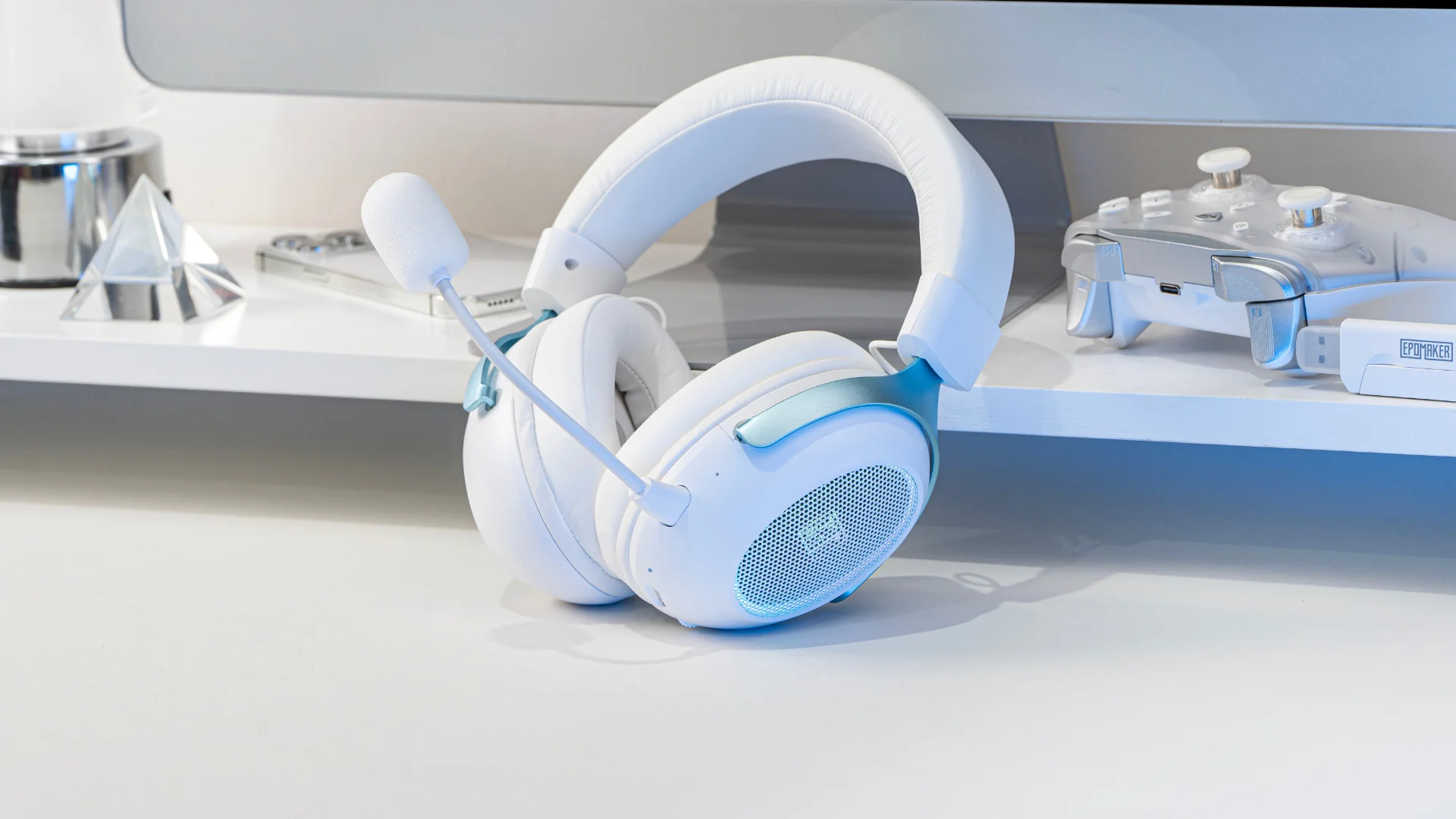
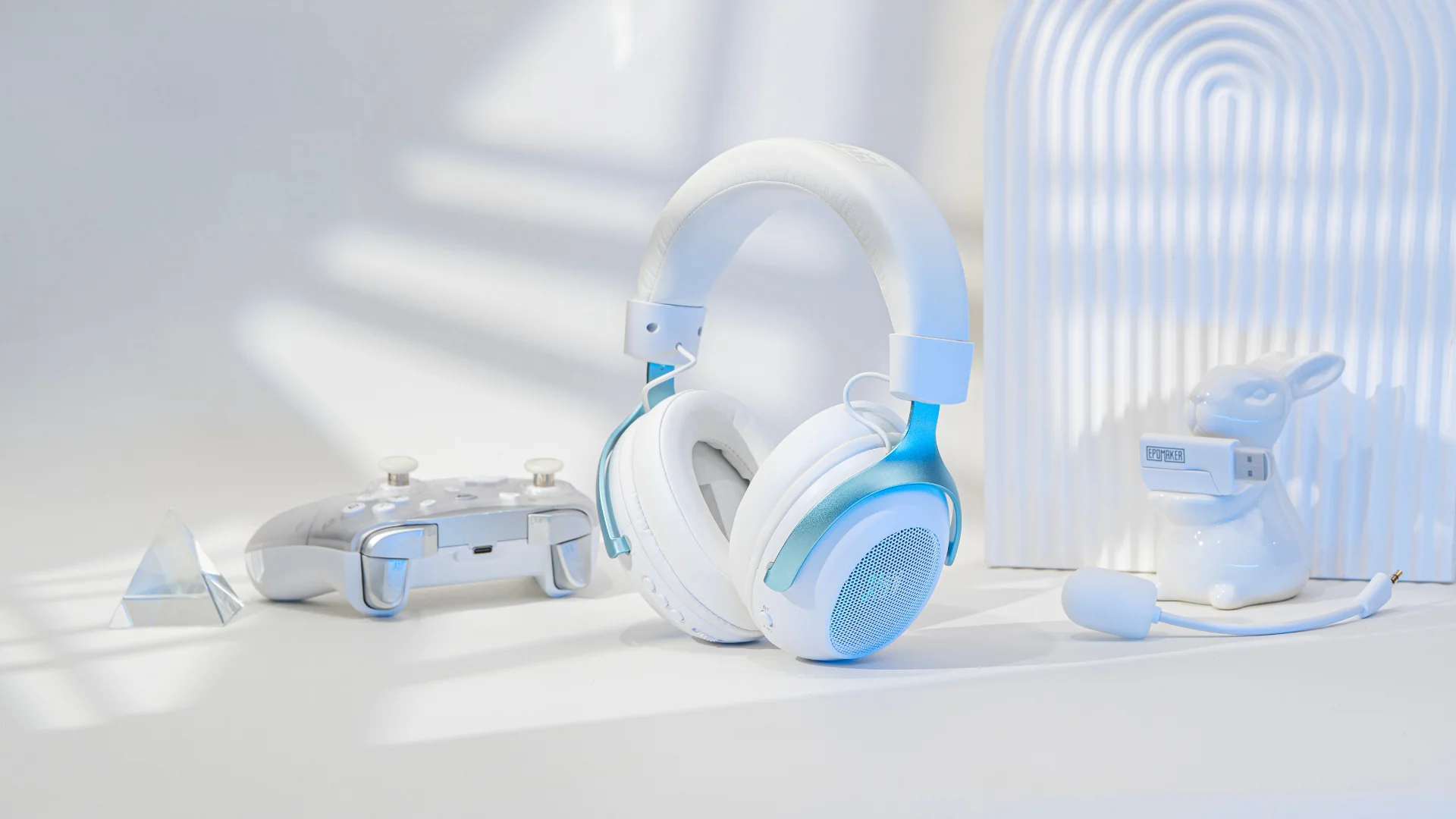
Epomaker has officially launched its first audio product, the GX1 wireless gaming headset. Available now, the open-back headset features tri-mode connectivity, 50mm dynamic drivers, 7.1 surround sound support, and a dual-microphone design with environmental noise cancellation.

The GX1 uses an open-back earcup design, something that isn't that common in the gaming headset space. However, this design allows the headset to deliver a more natural soundstage, which, alongside 7.1 surround sound, can create a more immersive experience on paper. On the other hand, sound sealing with an open-back headset is usually not that good, meaning you'll probably hear everything around you, and if the volume is high enough, those around you may also hear the sound coming from the headset.

Sound is handled by 50mm dynamic drivers tuned for balanced output across games, music, and voice calls. For communication, the headset packs a dual-microphone setup combining an integrated mic with a detachable boom microphone that uses ENC noise reduction.

Connectivity covers 2.4GHz wireless, Bluetooth, and wired options, with support for charging while in use. Built around a lightweight frame, the over-ear design features soft cushions and an adjustable headband built to accommodate users wearing glasses. Epomaker offers the headset in black, white, and pink colourways, with availability spanning its official store, Amazon, and AliExpress starting at $49.99.

KitGuru says: Epomaker expanding into gaming audio with an affordable $49.99 open-back wireless headset could make for an interesting entry-level option, assuming you're playing in a relatively quiet space.

The post Epomaker gets into audio with the GX1 open-back wireless headset first appeared on KitGuru.

Samsung Galaxy Z Fold 8 im Test: Das perfekte digitale Foto­al­bum für die Hosentasche

3 August 2026 at 10:00

Samsung beschreitet mit dem Galaxy Z Fold 8 einen neuen Weg: den des kleineren, breiteren Foldables im Reisepassformat. Das sorgt für ein kompaktes Smartphone im Alltag, das sich auf Wunsch zum perfekten digitalen Fotoalbum wandeln kann. Das Galaxy Z Fold 8 überzeugt im Test, es bleibt aber weiterhin ein ziemlich teurer Spaß.

‘No one’s making a phone like this’: Light’s co-founders on building for the anti-smartphone generation

29 July 2026 at 14:00
With the Light Phone, Kaiwei Tang and Joe Hollier have spent over a decade exploring the value of simplicity in our relationship to technology, partnering along the way with players like Andrew Yang, Kendrick Lamar, and Pete Davidson. Now, with a new flip phone and a growing wave of “attention activists” pushing back against Big Tech, they think the rest of […]

On-Device AI In Smartphones Is A Blatant Lie Due To Packaging & DRAM Limitations, But SK hynix’s Newest Architecture Breakthrough Could Change That

24 July 2026 at 08:29

SK hynix working on a new DRAM architecture to bring the real on-device AI to smartphones

At the silicon front, companies like Apple, Qualcomm, MediaTek, and Samsung have progressed tremendously in making their SoCs incredibly powerful for on-device AI, but their advancements will continue to remain stunted due to packaging and DRAM limitations. While one of these aspects has been addressed, a new report states that SK hynix is working on the second obstacle through the development of 3D-stacked DRAM-on-logic architecture on mobile phones. SK hynix is recruiting engineers to accelerate the development of 3D-stacked DRAM-on-logic architecture, removing on-device AI limitations on smartphones This next-generation memory stacks directly on top of a semiconductor chip and will […]

Read full article at https://wccftech.com/sk-hynix-working-on-dram-breakthrough-to-bring-real-on-device-ai-to-smartphones/

❌
❌