❌

Normal view

There are new articles available, click to refresh the page.
Before yesterdayMain stream

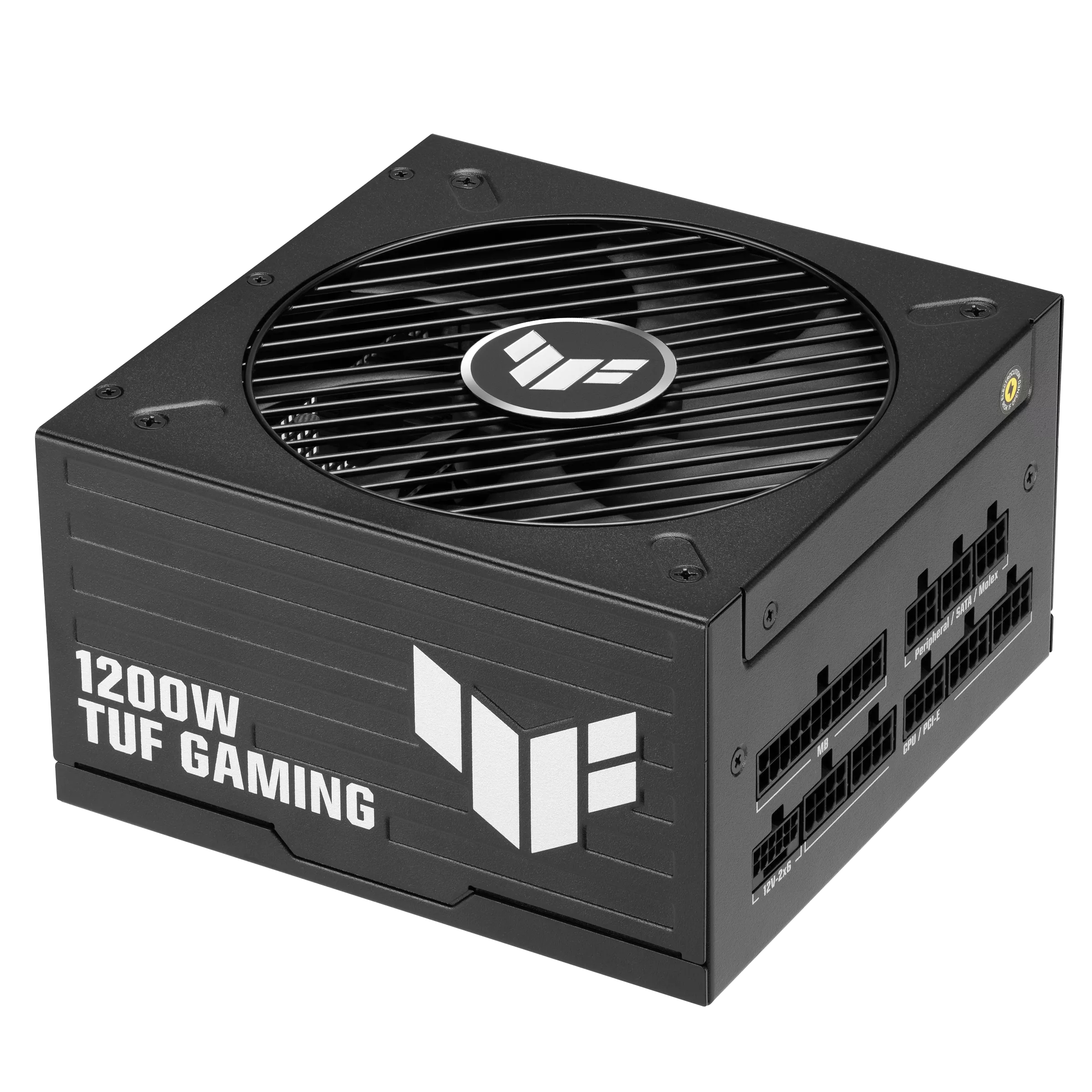
Asus unveils TUF Gaming Platinum PSUs featuring GaN MOSFETs

22 April 2026 at 14:30

Asus is upgrading its TUF Gaming power supply lineup with the introduction of the Platinum Series, available in 850W, 1000W, and 1200W capacities. By achieving 80 Plus Platinum certification, these units offer a significant efficiency boost over previous generations.Β 

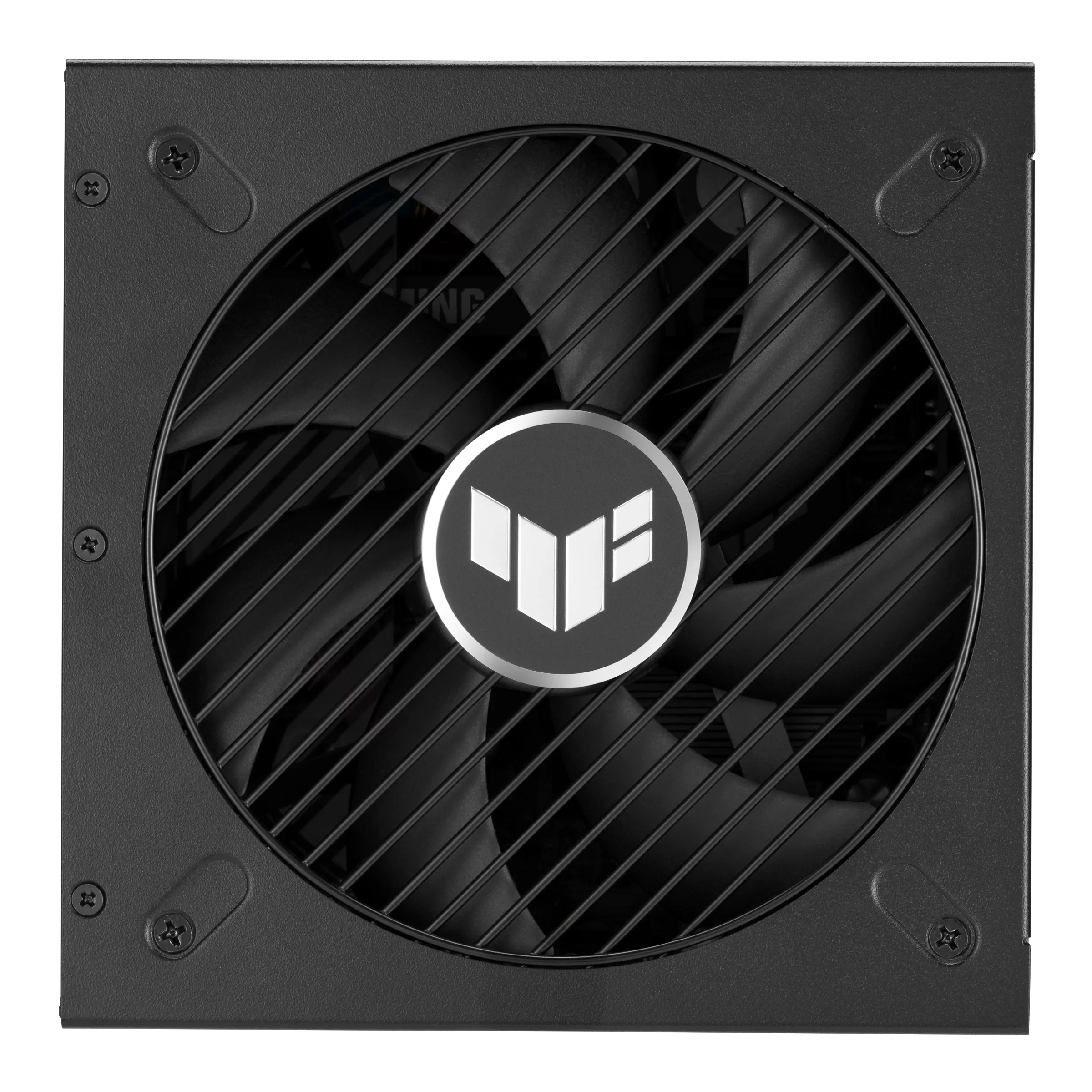
According to Vortez, these units (850W, 1000W, and 1200W) share the same 8-year warranty as the recently unveiled TUF Gold Evo models. Unlike the ROG Strix or Thor models, the 135mm dual-ball-bearing fan in the TUF Platinum does not feature a 0 RPM mode, ensuring the components, including the TUF 5K metallic capacitors, stay cool even at low loads. Also, a standout technical inclusion is the use of GaN (gallium nitride) MOSFETs, a material typically reserved for server-grade hardware, which reduces heat and improves switching efficiency.
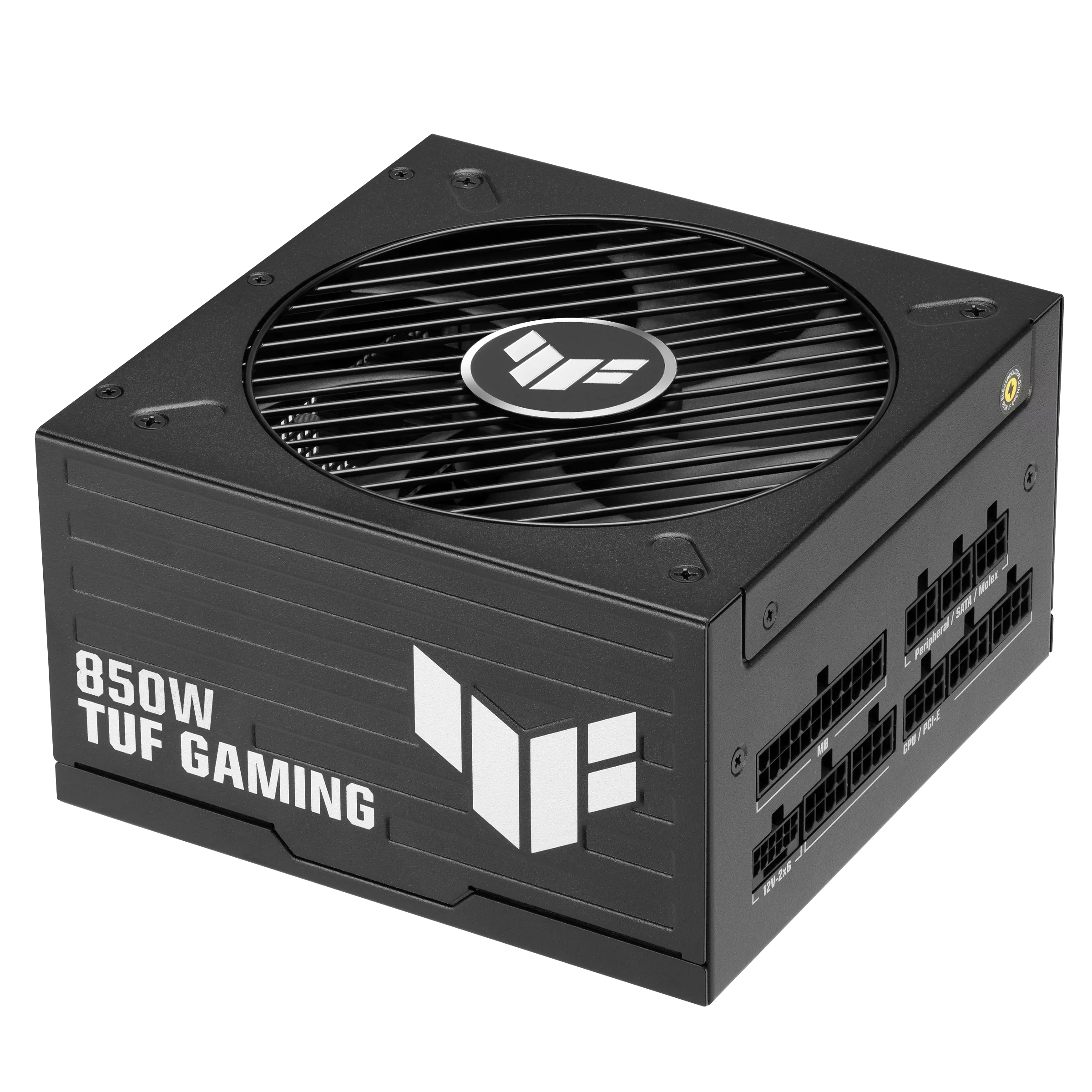
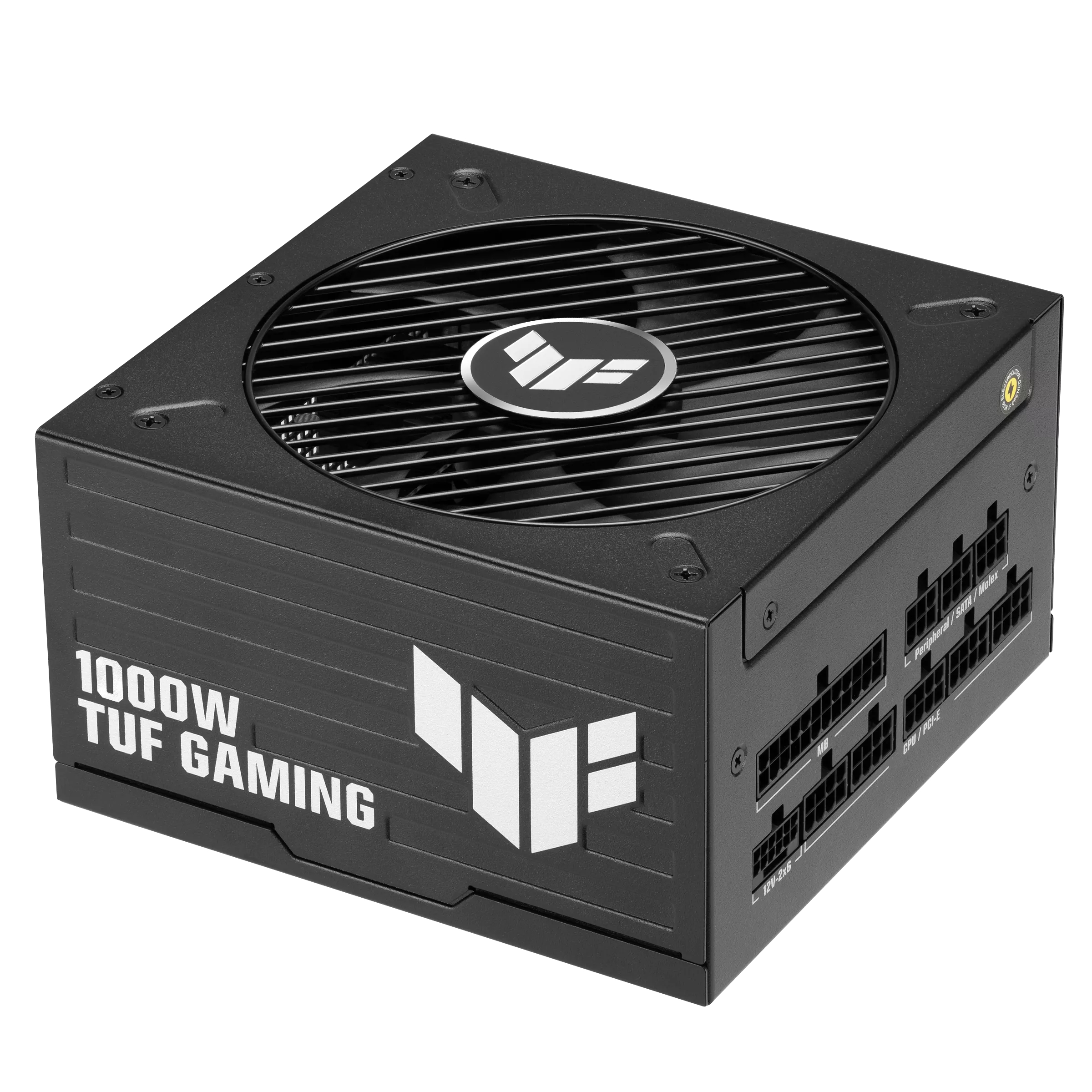
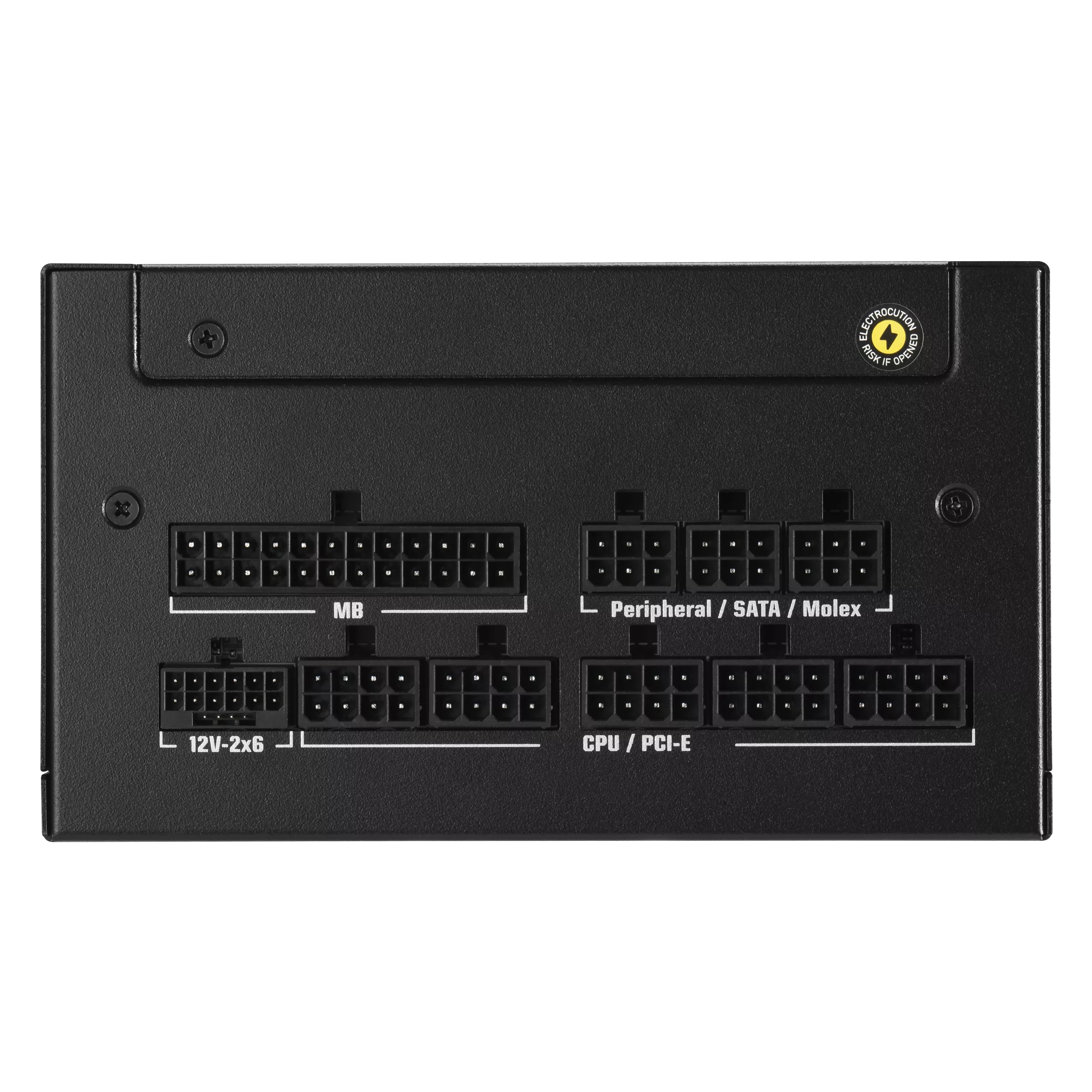
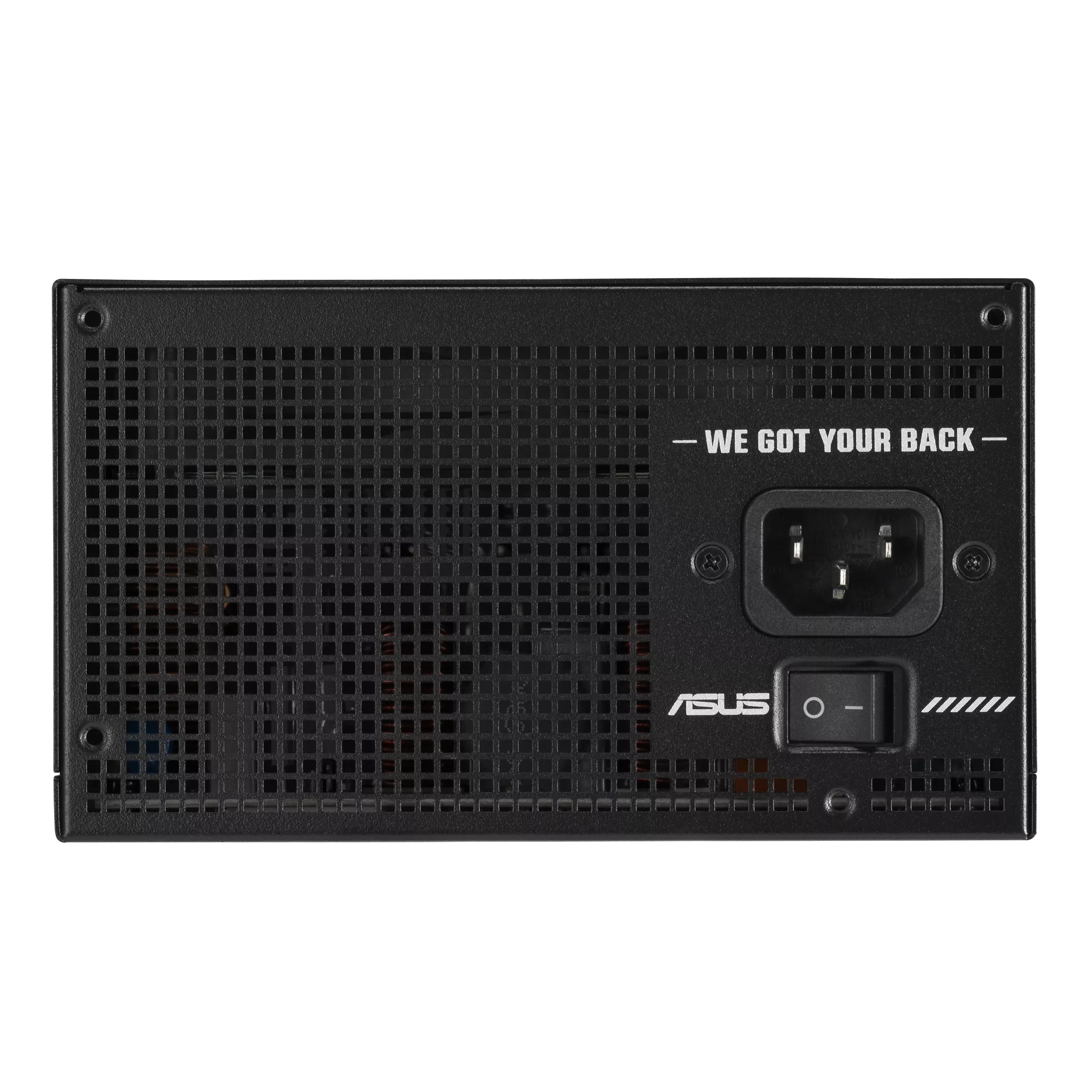
The series is fully compatible with ATX 3.1 and PCIe 5.1 standards. The modular cables feature a premium embossed sheathing that allows for easier routing and tighter bends than standard flat cables. Across all three wattage tiers, the connector count remains consistent, including a 24-pin ATX, two 8-pin (4+4) EPS, three 8-pin (6+2) PCI-E, a 16-pin 12V-2Γ—6, six SATA, and three Molex.

The PSU casing measures 150mm in depth, making it compatible with most modern mid-tower cases while maintaining a subtle, matte aesthetic. The classic yellow accents that once defined the TUF brand have been replaced by a more refined, monochromatic look, with only an embossed logo to mark its lineage.

Discuss on our Facebook page, HERE.

KitGuru says: The pricing of these units isn't known, but one can assume they'll be more expensive than the respective Gold (Evo) models but cheaper than the ROG Thor PSUs with the same wattage capacity.

The post Asus unveils TUF Gaming Platinum PSUs featuring GaN MOSFETs first appeared on KitGuru.

ASML machines could yield 50% more chips by 2030

24 February 2026 at 08:00

ASML has reportedly achieved a critical breakthrough in its EUV lithography technology, boosting the power of its light source to 1000W. This leap from the current 600W standard is projected to increase per-machine chip output by 50% by the end of the decade, enabling foundries to process approximately 330 wafers per hour, up from the 220-wafer limit of today's systems.

Generating EUV light remains one of the most complex engineering feats in modern manufacturing. In ASML's laser-produced plasma (LPP) system, microscopic droplets of molten tin are fired through a vacuum and struck by a COβ‚‚ laser. According to Reuters, to achieve the 1,000W threshold, ASML implemented two significant architectural changes: droplet acceleration, which enables the system to fire roughly 100,000 droplets per second (twice the current rate), and two-pulse laser shaping, which usesΒ two smaller laser bursts instead of the single pulse currently in use.

ASML's roadmap suggests this is just the beginning, with internal targets already set for 1500W and, eventually, 2000W. Assuming the same ratio, that would triple the current production rate.

By scaling the power of the 13.5 nm light beam, ASML aims to directly lower the cost-per-chip for advanced AI and logic processors while extending the economic viability of the sub-2 nm era.

KitGuru says: The β€œphoton bottleneck” has long been the primary limiter for EUV economics. By hitting the 1000W mark, ASML is effectively telling the world that it can keep Moore's Law alive through raw power scaling. For companies like TSMC, a 50% increase in wafer production without expanding their footprint is certainly welcome news.

The post ASML machines could yield 50% more chips by 2030 first appeared on KitGuru.
❌
❌