❌

Normal view

There are new articles available, click to refresh the page.
Before yesterdayMain stream

Geekom GeekBook M16 Review

14 August 2026 at 10:05

The Geekom GeekBook M16 enters the market as a larger, budget-focused 16-inch companion to the X14 Pro we reviewed earlier this year. Sitting roughly $200 cheaper, it retains the powerful 16-core Intel Core Ultra 9 185H processor but makes significant cuts to the display, memory, and storage to hit its price point. On paper, it looks like a calculated compromise for those wanting top-tier CPU power on a tighter budget. But do these cost-saving measures result in a cohesive, balanced machine, or is the M16 crippled by its own spec sheet?

Timestamps:

00:00 Intro
00:52 M16 vs X14 Pro
02:02 The screen
03:08 Battery life
05:03 RAM + Storage situation
07:24 Keyboard + trackpad (need improvement)
09:50 Other design elements
12:33 The thermal paste issue…
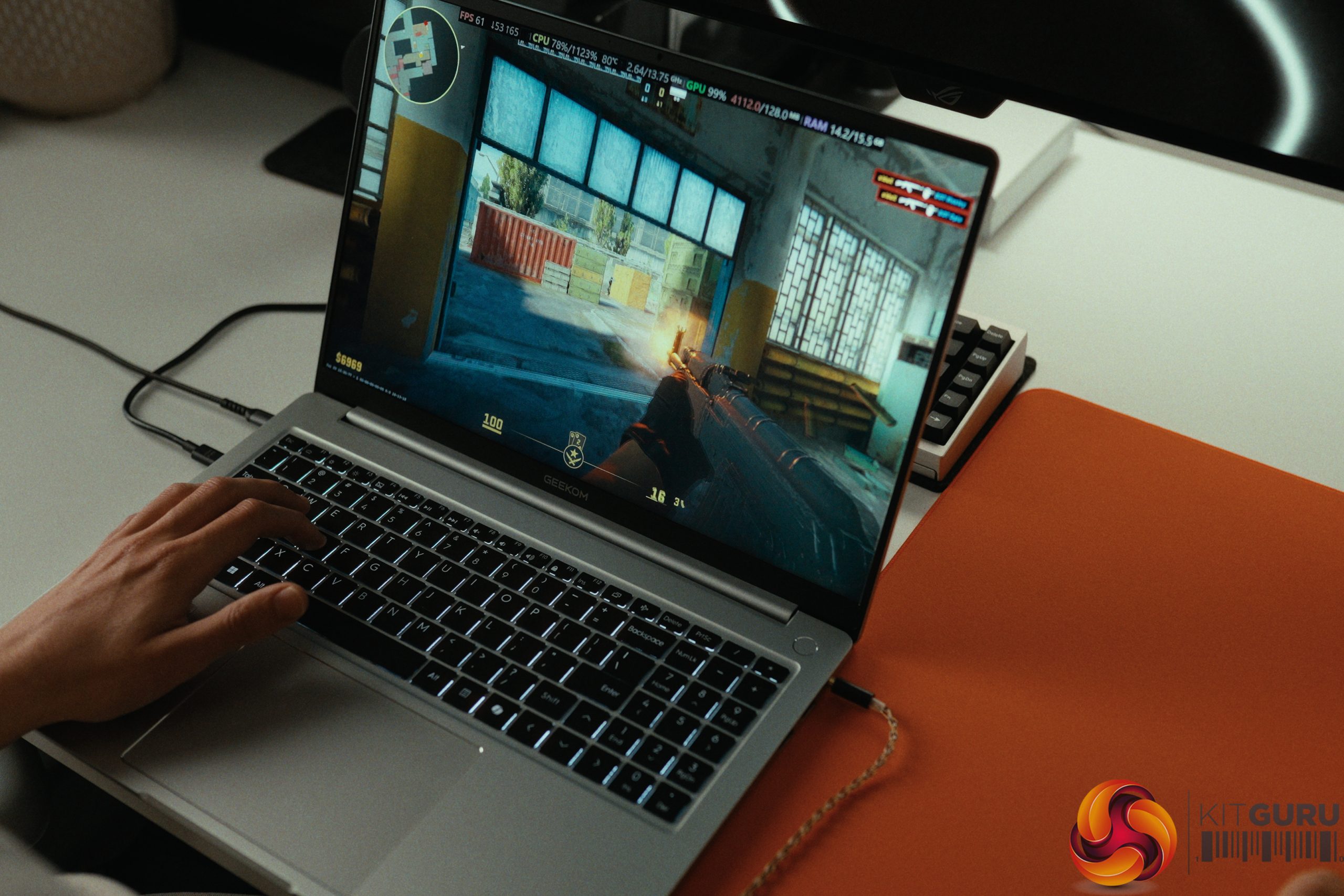
15:04 Gaming performance
16:21 Closing thoughts
Specifications:

  • Processor: Intel Core Ultra 9 185H (16 Cores, 22 Threads, 45W limit).
  • Display: 16-inch IPS, 1920Γ—1200, 60Hz, 318 nits (No VRR).
  • Memory: 16GB LPDDR5 6400MHz (Soldered).
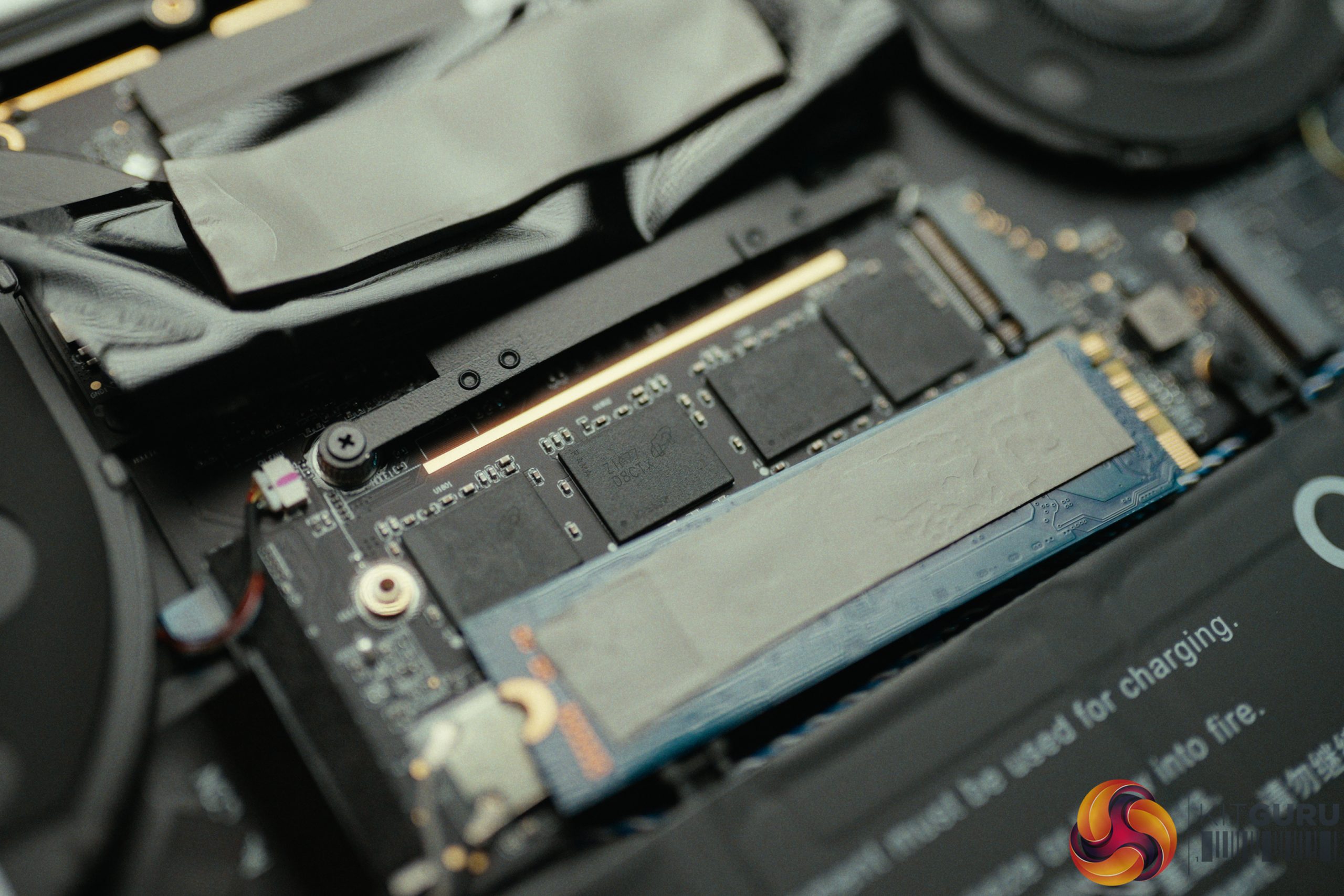
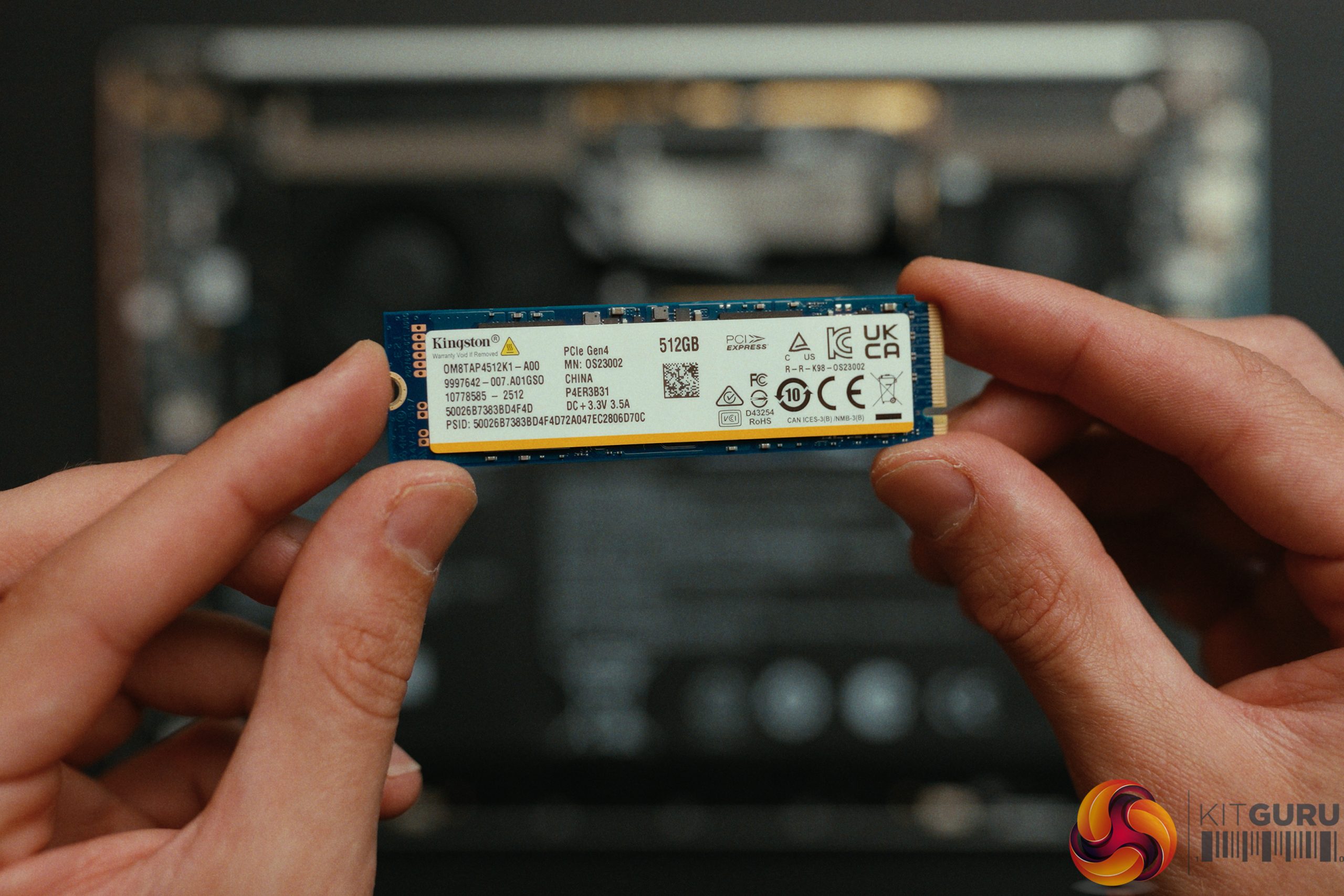
  • Storage: 512GB Kingston QLC PCIe SSD (No DRAM cache).
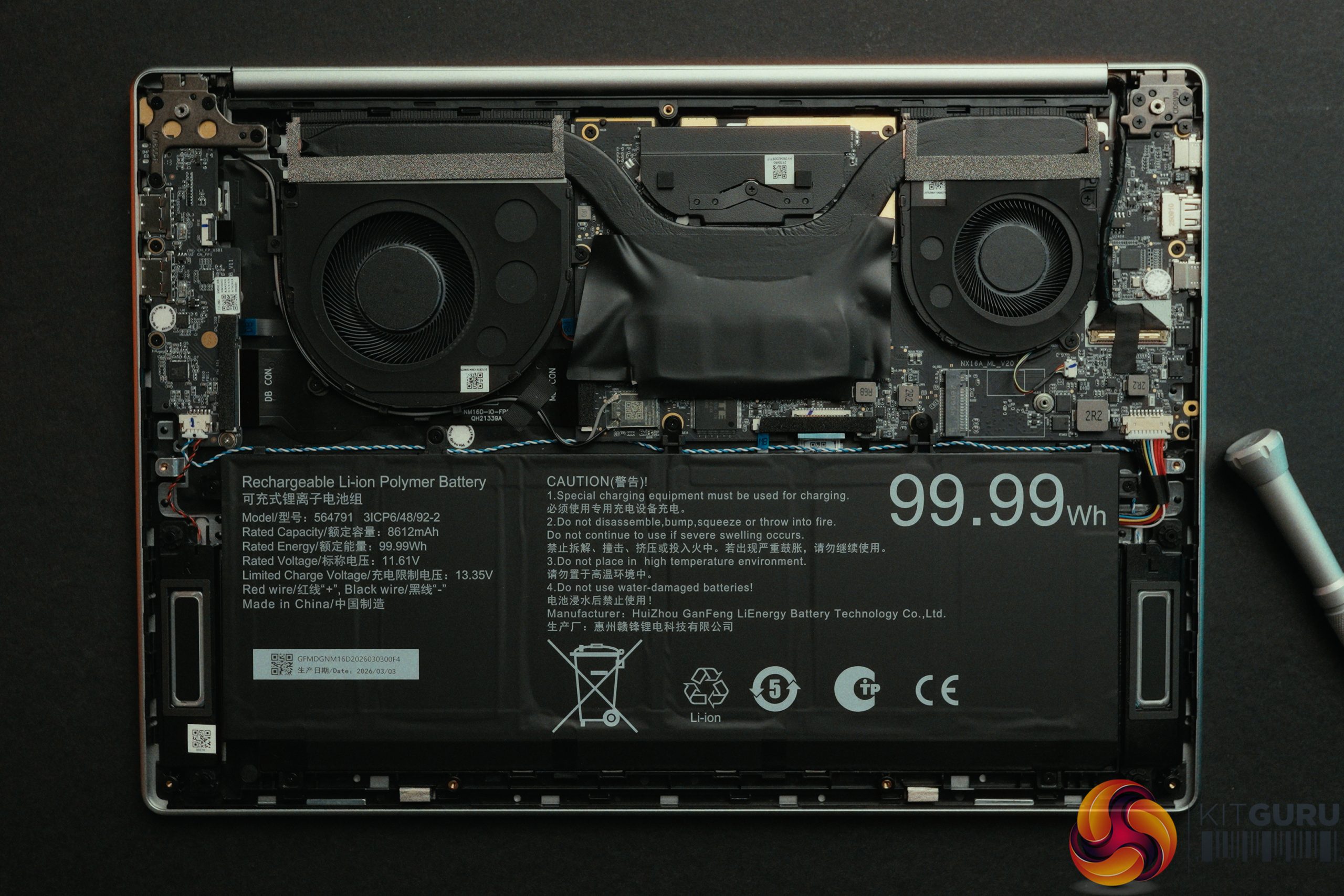
  • Battery: 99.99Wh with 100W USB-C Charging.
  • Dimensions: 16-inch Aluminum Chassis.

Closing Thoughts

The Geekom M16 is a somewhat unbalanced machine. By dropping the price $200 below the X14 Pro, Geekom had to make compromises, but they arguably made the wrong ones. The gorgeous OLED screen is gone, replaced by a dim, blue-tinted 60Hz IPS panel that lacks VRR, resulting in screen tearing during games. More alarmingly, the 512GB Kingston QLC SSD is so slow that it actively bottlenecks basic Steam game downloads on a Gigabit connection, and in our usage, its health degraded rapidly due to the system heavily relying on the page file to compensate for the soldered 16GB of RAM.

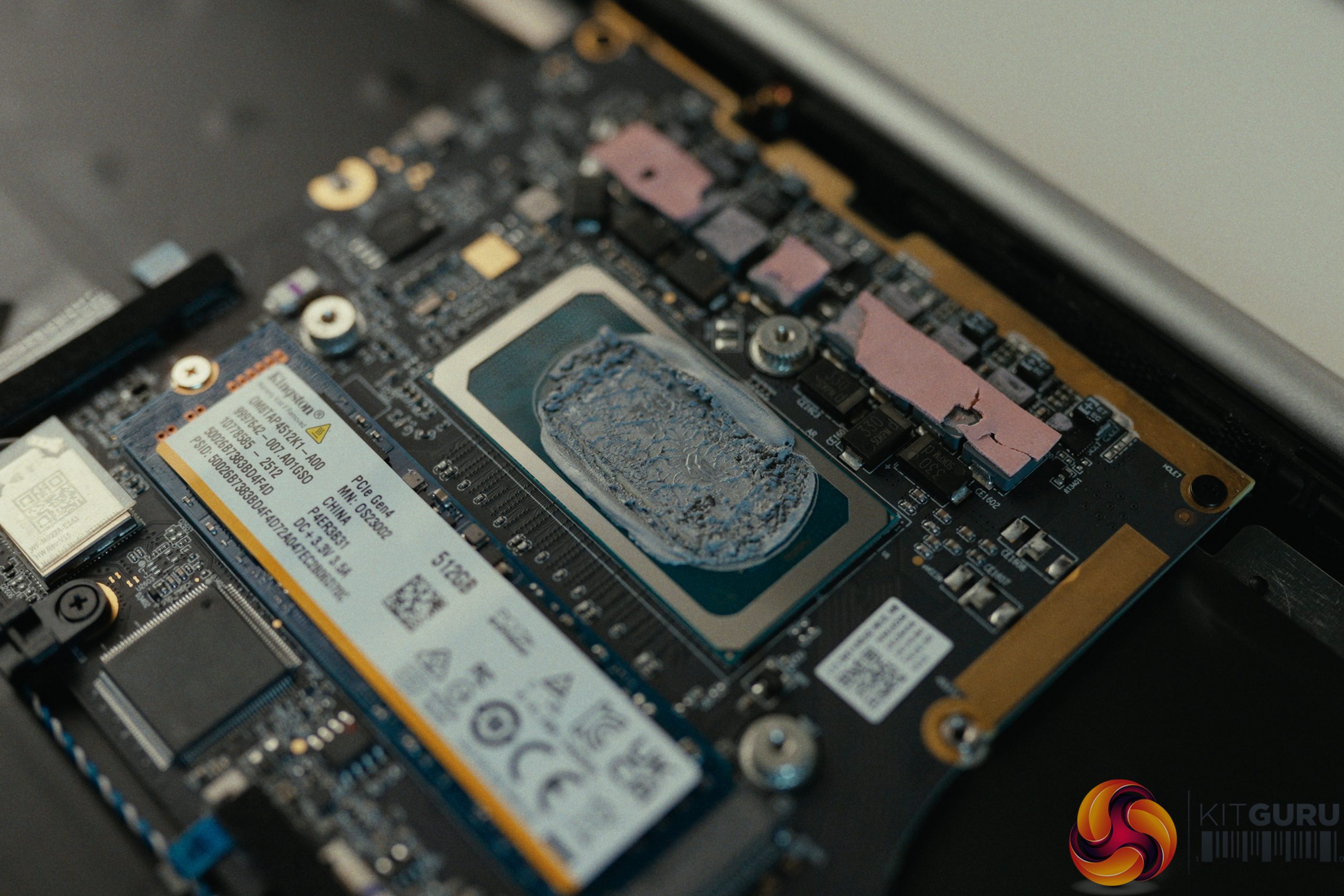
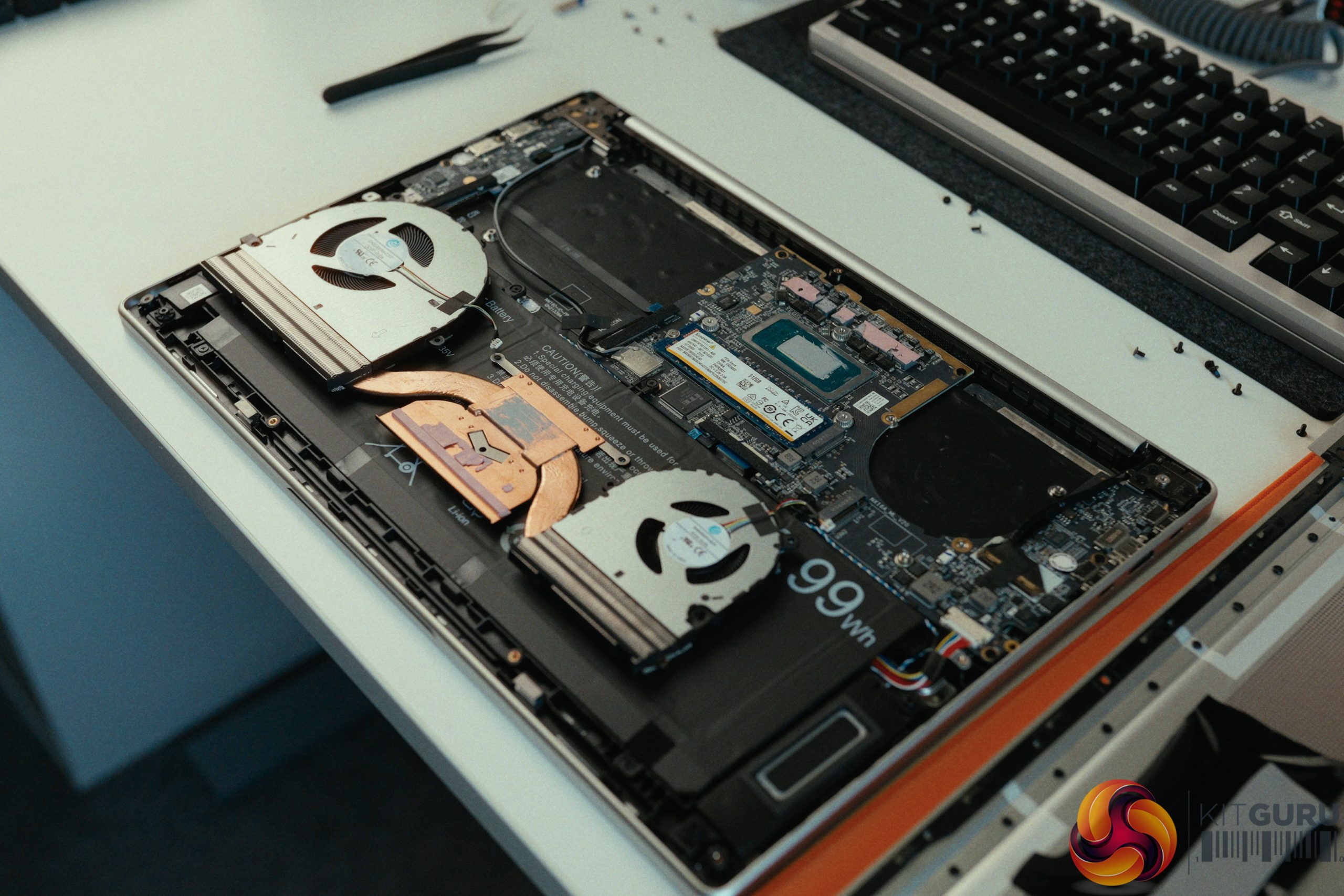
There's other areas that still need to be improved, too. The trackpad remains jumpy and inconsistent, and the stock thermal paste application remains clearly sub-optimal. Out of the box, the M16's 45W CPU barely outperformed the 35W X14 Pro. It wasn't until we manually opened the laptop and repasted the CPU that we unlocked a massive 29.7% performance jump in Cinebench. The hardware is physically capable, but trapped behind this poor thermal goop.

Ultimately, the M16 just doesn't feel like a balanced laptop. It pairs a power-hungry, high-end 16-core processor with bottom-of-the-barrel storage and a mediocre screen. It isn't good for video editors, it certainly isn't good for gamers, and we'd argue average users would be better served by a laptop with a weaker, more efficient CPU paired with significantly better RAM and storage.

Geekom sent over the following discount code and retail links for our readers, but please note these are NOT affiliate links and we do not get a kickback from any purchases:

Pros:

  • Massive 99.99Wh battery provides solid uptime (around 8 hours of 4K video playback).
  • Upgraded 100W charger is included in the box.
  • Redesigned bottom speaker grille eliminates the chassis vibration issues found on the X14 Pro.
  • Massive performance headroom (nearly 30%) if you are willing to manually repaste the CPU.

Cons:

  • Poor out-of-the-box thermal paste causes significant CPU bottlenecking.
  • Slow QLC SSD bottlenecks Gigabit internet downloads and degraded quickly in our testing.
  • Mediocre 60Hz IPS screen with poor colour accuracy (Delta E of 14) and no VRR.
  • Jumpy, last-gen trackpad and an annoying keyboard layout (Airplane mode next to Backspace).

KitGuru says: The Geekom M16 pairs a high-end processor with bottom-tier storage and a mediocre screen, resulting in a frustratingly unbalanced laptop.

KitGuru Worth Considering Award

The post Geekom GeekBook M16 Review first appeared on KitGuru.

Geekom A9 Max 2026 Mini PC Review (Ryzen AI 9 HX 470)

29 June 2026 at 10:50

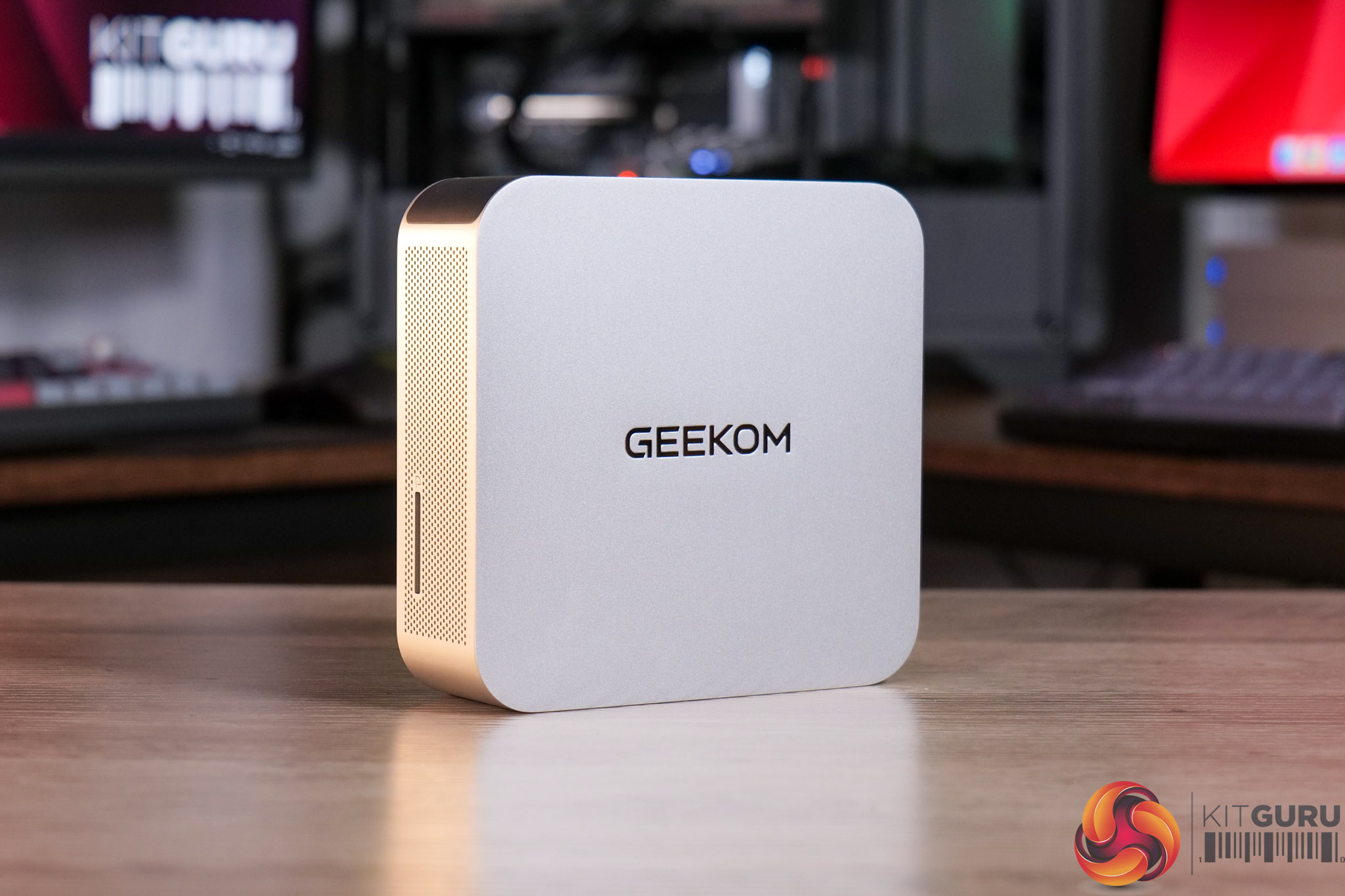
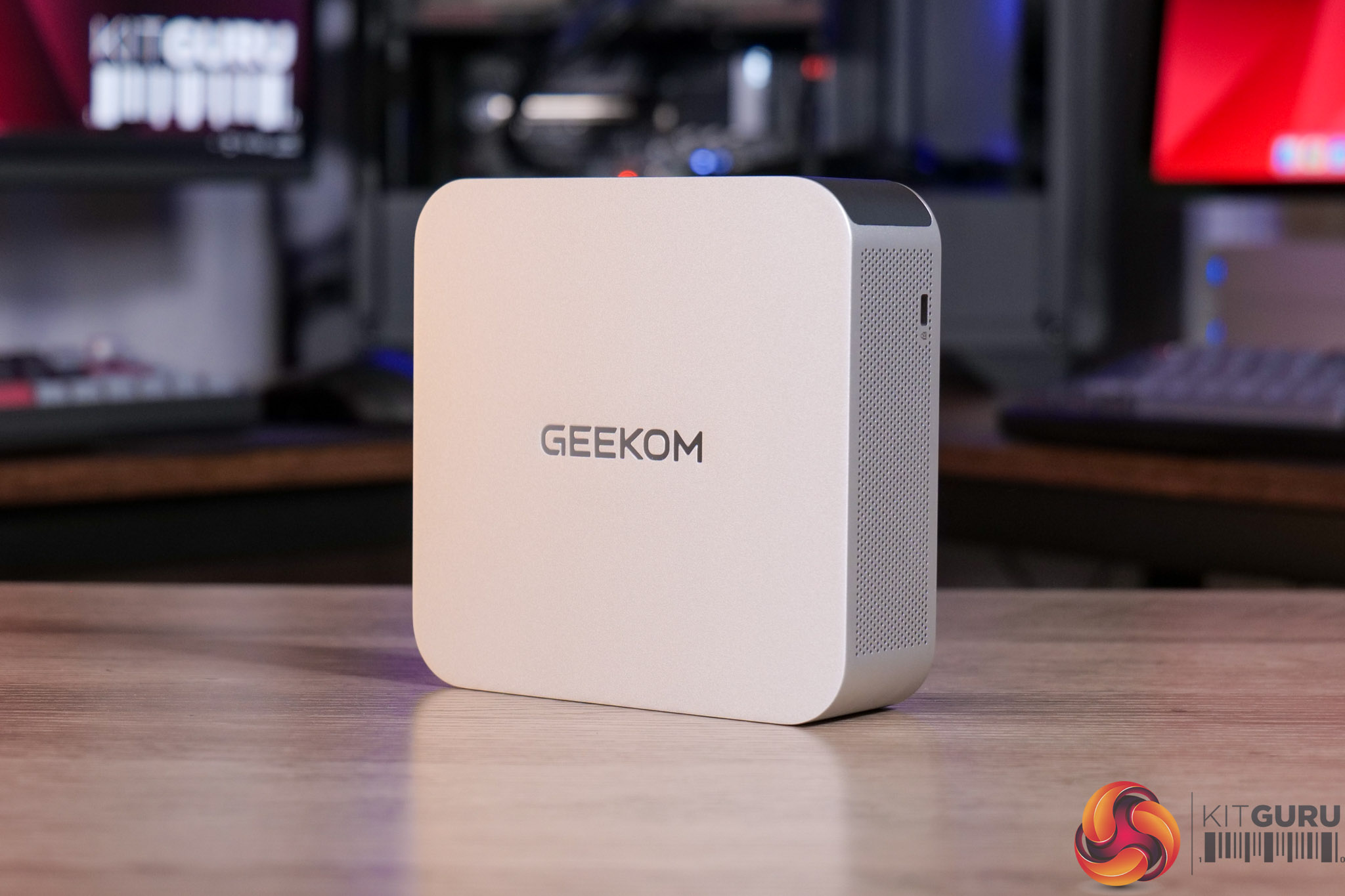
What was meant to be a straightforward review of Geekom's A9 Max (2026) turned into something quite different. On paper it is very similar to the 2025 model we reviewed last September, the main difference being that CPU has been upgraded from the AMD Ryzen AI 9 HX 370, to the HX 470. It's a small spec bump, so we were expecting perhaps a 5% boost to performance. Instead, we found things were dramatically worse with the new model, so we had to dig a little deeper and find out what was going on…

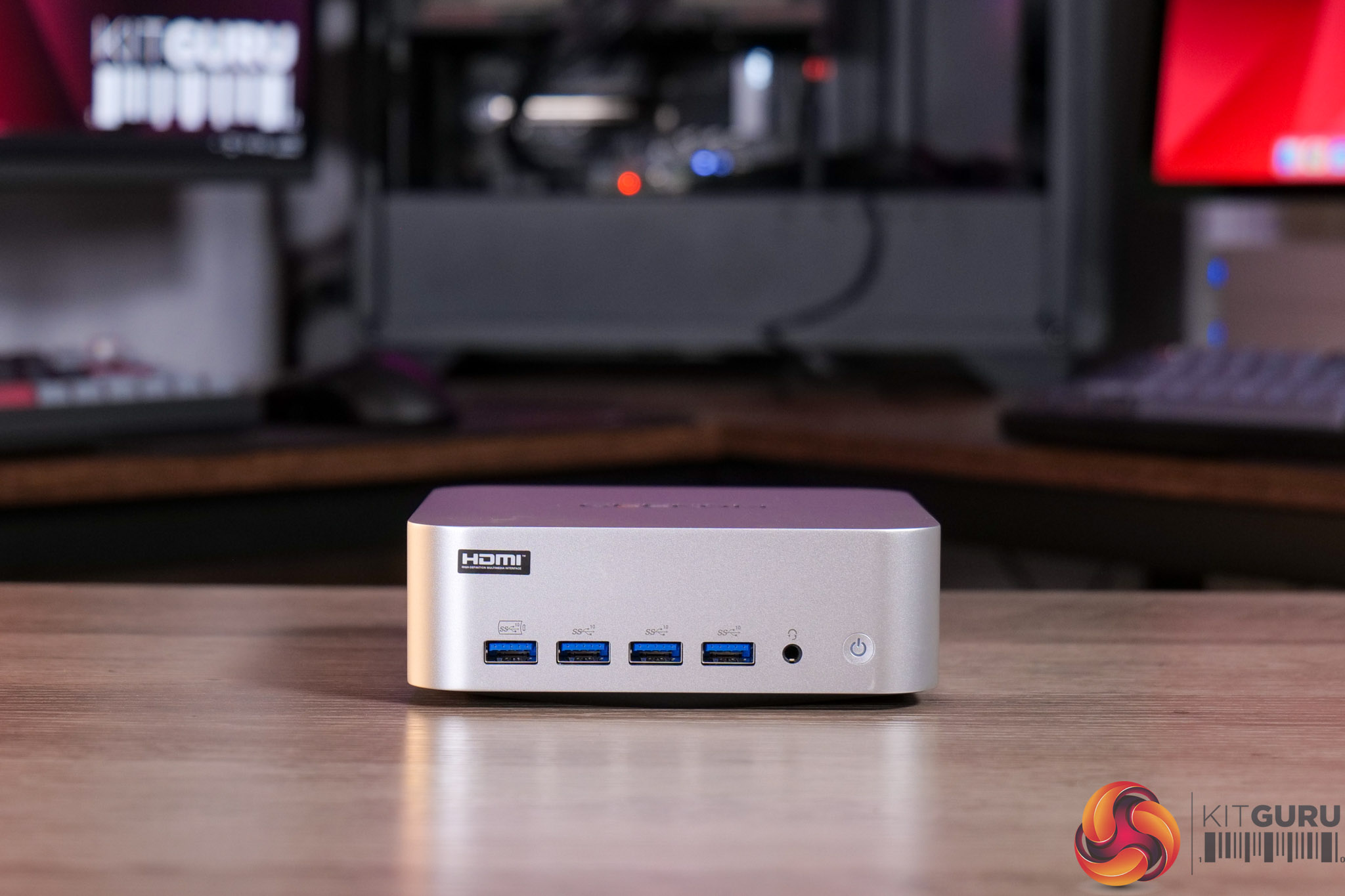
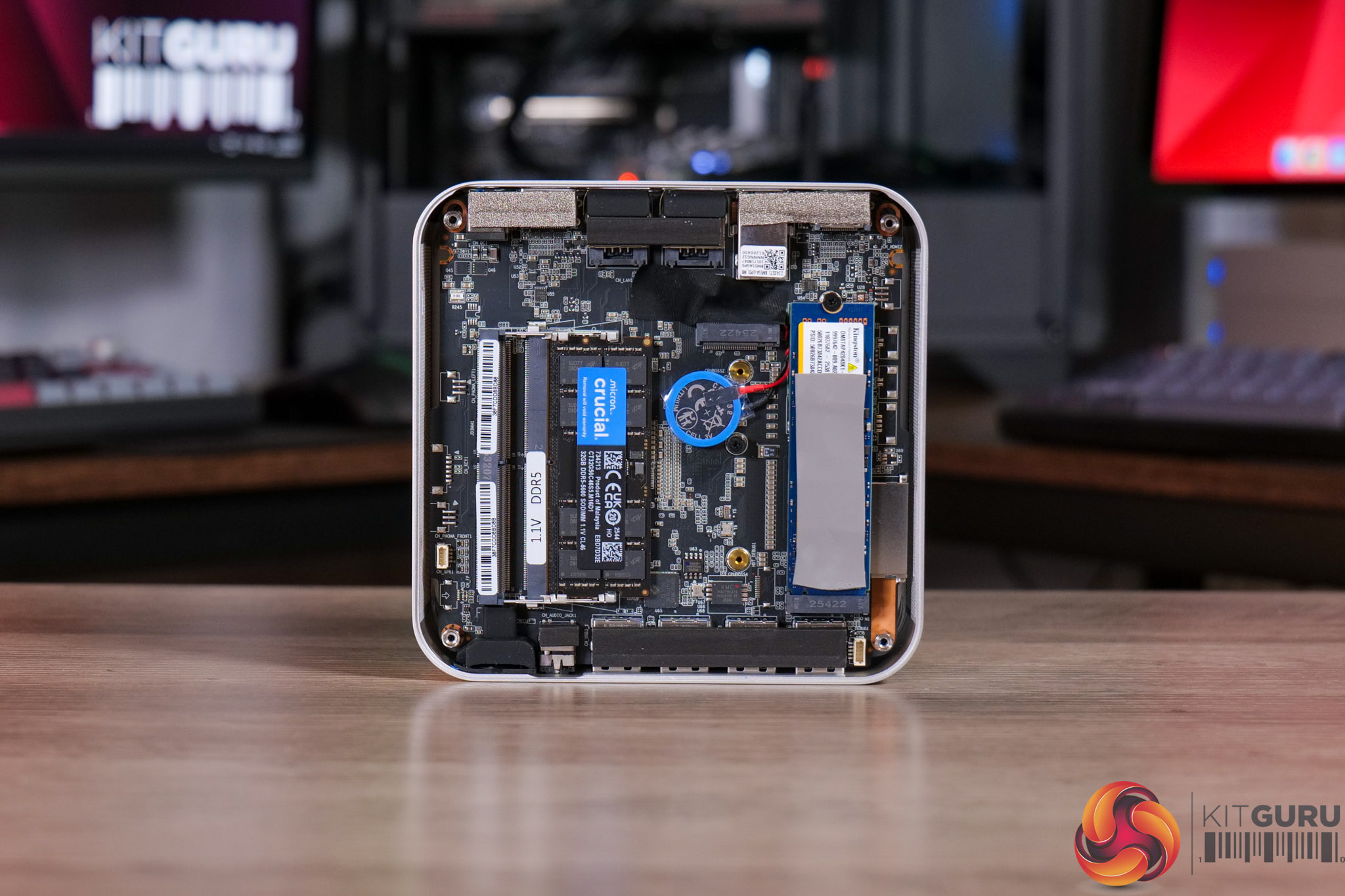
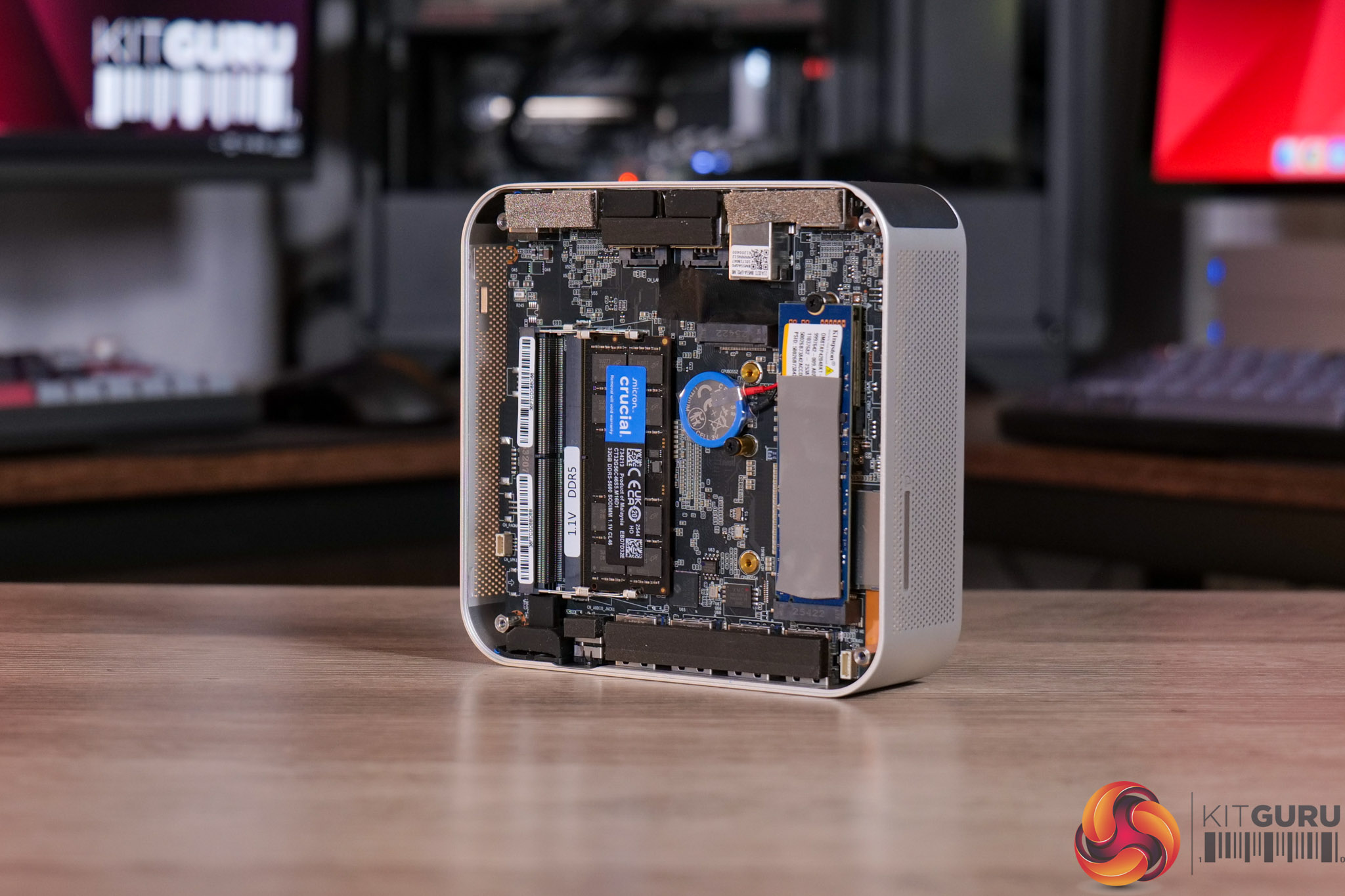
While we do a greater analysis in the video, to cut to the chase, it all boils down to the memory configuration. It is not at all made clear on the product page, but despite both the 2025 and 2026 models shipping with 32GB DDR5 5600 SODIMM memory, the 2025 unit has a 2x16GB dual-channel configuration, whereas the 2026 model uses just a single 32GB stick. Be sure to check out the video as we assess what this means for the new A9 Max.

Timestamps

00:00 Intro
00:51 2025 vs 2026 A9 Max models
01:12 The root cause…
02:18 Testing setup
02:59 Benchmarks!
05:12 Gaming performance is hit hard
06:14 CPU clock behaviour
06:50 Discussion around the memory situation
07:54 Geekom responded to us
08:21 One other change (SSD)
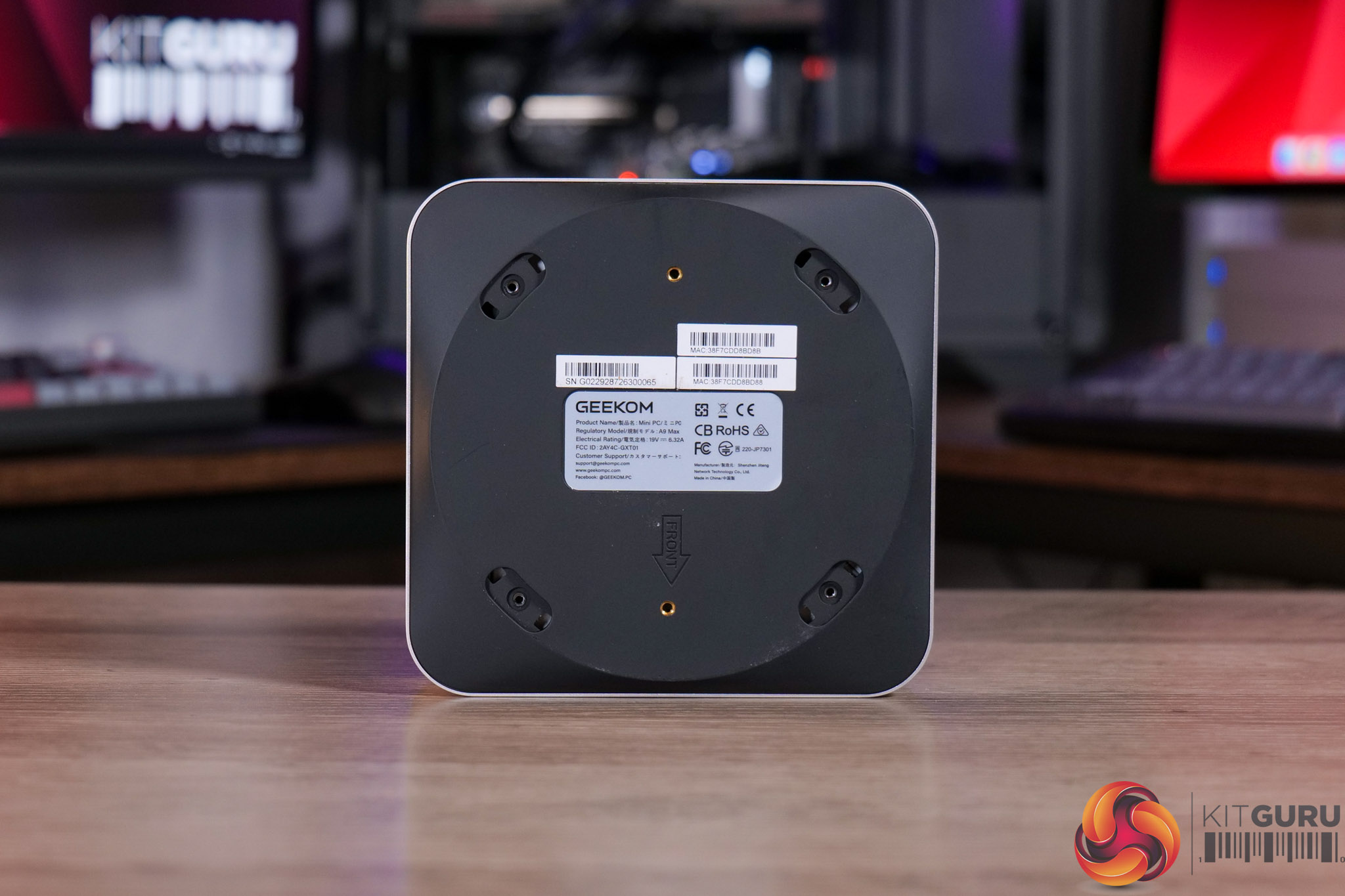
09:03 No other design changes
09:25 Closing thoughts

Specification:

  • Form factor: 135 x 132 x 46.9 mm
  • CPU: AMD Ryzenβ„’ AI 9 HX 470
  • CPU TDP: 54W
  • Graphics: AMD Radeonβ„’ 890M
  • Memory: High-speed DDR5, expandable up to 128GB
  • Audio: HDA codec
  • Storage: 1x M.2 2280 NVMe PCIe 4.0 x4 SSD slot, 1x M.2 2230 NVMe PCIe 4.0 x4 SSD slot
  • I/O ports:
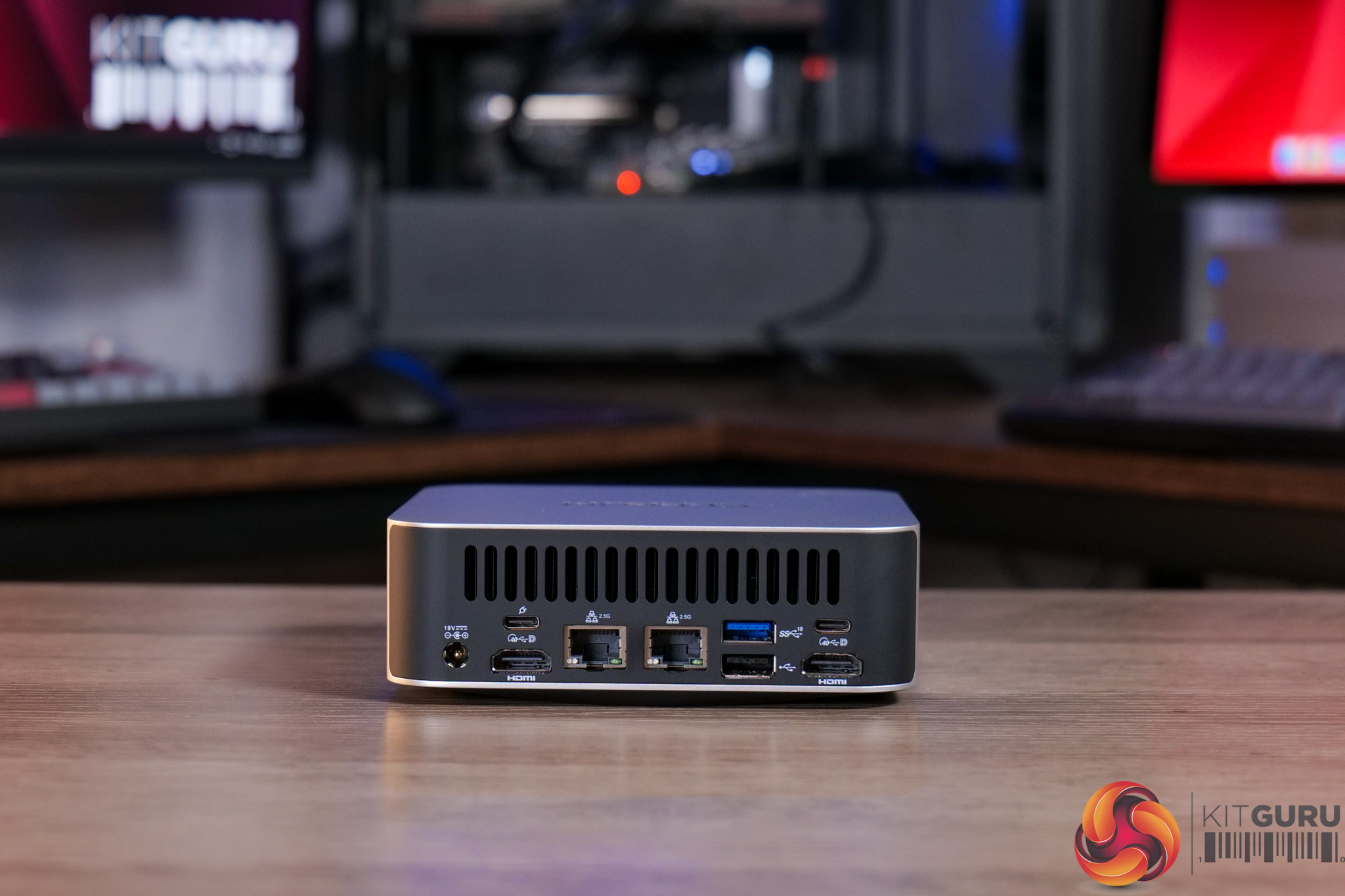
    • 1x rear USB 3.2 Gen 2 Type-A
    • 1x rear USB 2.0 Type-A
    • 3x front USB 3.2 Gen 2 Type-A
    • 1x front USB 3.2 Gen 2 Type-A (Always On)
    • 1x rear USB4 Type-C with DisplayPort Alt Mode and Power Delivery input
    • 1x rear USB4 Type-C with DisplayPort Alt Mode
    • 1x front 3.5mm stereo headset jack
    • 2x rear RJ45
    • 2x rear HDMI 2.1 FRL
    • 1x rear DC input
    • 1x power button
    • 1x Kensington lock
    • 1x SD 4.0 card reader
  • Ethernet: 2x 10/100/1000/2500Mbps RJ45
  • Ethernet LED indicators: 10/100Mbps off, 1000Mbps orange, 2500Mbps green
  • Wireless: M.2 Wi-Fi 7 and Bluetooth 5.4
  • Kensington lock: Yes
  • Security: Supports dTPM 2.0
  • Battery: RTC coin-cell battery
  • Power adapter: 120W, 19V power adapter with region-specific IEC C5 AC cord
  • PCBA dimensions: 127.6 x 127.2 x 1.6 mm
  • Certifications: CE, FCC, CB, CCC, SRRC, RoHS
  • Operating system: Microsoft Windows 11 24H2 64-bit
  • Modern Standby: Supported
  • Accessory: VESA mount, 121.8 x 116.5 x 1.0 mm

The A9 Max is listed for Β£1545 on Geekom's website, while it is also on Amazon HERE.

Pros

  • Broadly unchanged since the 2025 model.
  • Still a tiny and sleek chassis.
  • Runs cool and quiet in Normal mode.

Cons

  • Geekom has switched to single-channel memory, significantly hurting performance out of the box.
  • We also noted a QLC-based SSD, rather than the SLC drive in our 2025 unit.
  • Although out of Geekom's control, pricing has risen tremendously since we reviewed the 2025 model.
  • Still lacks front USB-C or OcuLink.

KitGuru says: Geekom's unfortunate decision to opt for single-channel memory out of the box is a significant backwards step. The underlying hardware is still highly competent, but a lot of users would be better off with the dual-channel 2025 A9 Max.

The post Geekom A9 Max 2026 Mini PC Review (Ryzen AI 9 HX 470) first appeared on KitGuru.
❌
❌