Our review of Seagate’s latest FireCuda Gen4 DRAMless consumer SSD has left us somewhat perplexed, and quite frankly, a little surprised. Until we examined the controller used in this drive, we had long assumed that Seagate and Phison maintained a strategic, long-term partnership across their SSD product lines. This release appears to mark a significant …
We live in an age where we all need more storage than ever, especially if you like to back up your media libraries and other data locally. In an upcoming webinar, Seagate will deliver an easy-to-follow guide on building a dependable NAS set-up for home users and creators.
The webinar, which is free for anyone to view and join, will take place on the 10th of June from 11AM to 12PM UK time, hosted by Seagate and UGREEN, along with special guest Robbie from NAS Compares.
The session will cover:
How NAS systems support expanding storage needs
Why hard drive reliability is essential for always‑on storage
What makes Seagate drives a strong fit for NAS environments
How Mozaic 3 technology helps deliver higher capacities with better value
What this means for performance, longevity, and price
Seagate is preparing to launch a new client solid-state drive called the FireCuda X1070. The drive has recently appeared on several overseas online stores, and promotional material has also been spotted online. This suggests the official launch could happen soon.
Based on the early information, the FireCuda X1070 SSD uses the common M.2 2280 form factor with an M-Key connector. It connects through a PCIe Gen4 ×4 interface, which allows very fast data transfer speeds. The SSD will be available in three storage options: 1TB, 2TB, and 4TB.
The new FireCuda X1070 SSD promises strong performance for gaming PCs and high-speed work systems. The maximum sequential read speed can reach up to 7200MB/s, while the write speed can go up to 6500MB/s depending on the capacity. Random read performance is listed at up to 900K IOPS, and random write speeds can reach up to 1000K IOPS.
Power usage also looks reasonable. The average operating power ranges from about 4.6W to 5.7W depending on the model. This should help maintain good efficiency during normal use.
Durability ratings are also quite solid. The 1TB version has a rated endurance of 600TBW, the 2TB model offers 1200TBW, and the 4TB model goes up to 2400TBW. This means the drive is designed to handle heavy workloads over time.
Seagate will also include a 5-year warranty with the drive. Buyers will also get three years of Seagate Rescue data recovery service, which can help recover files in case of drive failure.
FireCuda X1070 SSD pricing and availability
The company has not officially announced pricing yet. However, since the product has already appeared on some online stores, the official launch of the FireCuda X1070 may not be far away.
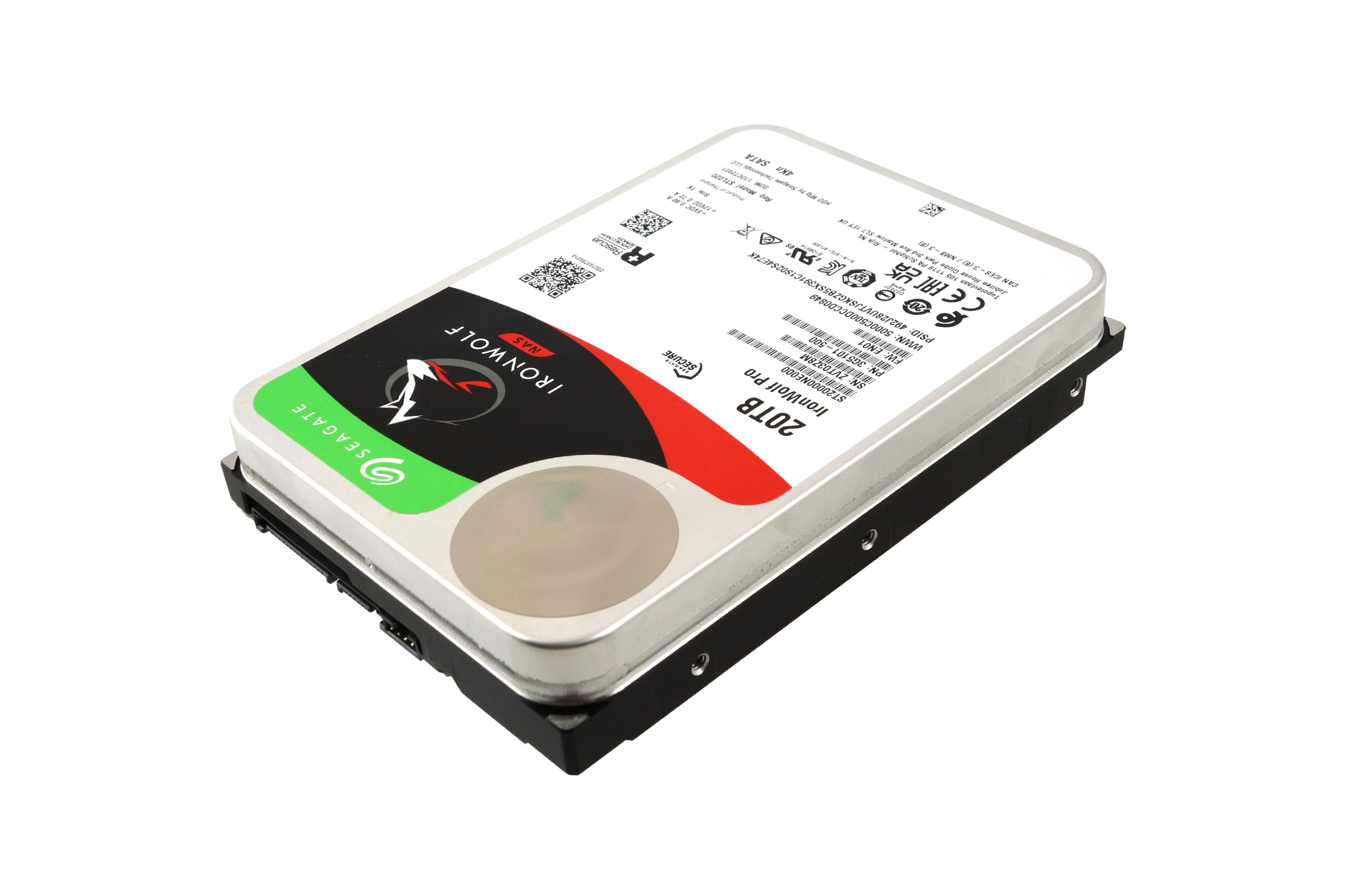
Seagate has begun shipping its next-generation 44TB hard drives to major hyperscale cloud providers. These drives are the first to use the Mozaic 4+ platform, which leverages Heat-Assisted Magnetic Recording (HAMR) technology to achieve record-breaking storage densities. By using a nanoscale laser to heat the recording medium during writes, Seagate can pack 4.4TB of data per platter, reaching a total of 44TB in a standard 10-platter configuration.
Unlike older density-increasing methods like Shingled Magnetic Recording (SMR), HAMR does not rely on overlapping tracks. This allows the 44TB drives to maintain predictable performance under mixed read/write workloads, a critical requirement for modern data centres. While official performance specs haven't been finalised, considering Seagate's current 30+ TB drives can achieve speeds of 270MB/s, we assume a similar level of performance.
The jump to 44TB provides massive logistical advantages for enterprise users. Seagate claims that deploying these high-density drives can improve infrastructure efficiency by 47% compared to using older 30TB models. Taking an exabyte-scale deployment as an example, the new drives reduce the data centre footprint by roughly 100 square feet (9.29 m²) and decrease annual energy consumption by approximately 0.8 million kWh.
This launch places Seagate ahead of its primary competitor, Western Digital, which is currently aiming to ship 40TB units in H2 2026. Looking further ahead, Seagate's Mozaic roadmap targets an evolution to 10TB per platter, with the goal of producing 100TB hard drives by 2030.
KitGuru says: If you're a home user, don't expect to see these in your local shop anytime soon, but your cloud backups are likely about to get a lot more room to breathe.

 Login
Login