Cisco Systems reported record fiscal third-quarter results for fiscal 2026, surpassing its own financial guidance, driven by triple-digit order growth from hyperscale cloud providers. The company significantly raised its full-year outlook for AI-related infrastructure orders. It announced a major restructuring plan to reallocate human and financial resources toward high-growth technologies, including proprietary silicon and optics.
Analysts gave Alibaba Group Holding's latest results a cautious reception, warning that surging artificial intelligence (AI) investments are pressuring profitability even as cloud growth accelerates. While investors welcomed strong AI-related momentum and rising cloud revenue, several research firms said heavy infrastructure spending and weaker-than-expected earnings underscored the mounting costs of Alibaba's ambitious AI expansion.
Tencent Holdings Limited reported a 9% year-over-year increase in total revenue to CNY196 billion (approx. US$28.86 billion) for the first quarter of 2026, driven by a strategic pivot toward artificial intelligence (AI) and stabilized growth in its core gaming and advertising segments. Company executives highlighted the quarter as a turning point, noting "significant initial progress on our new AI products" while continuing to integrate machine learning across existing business lines.
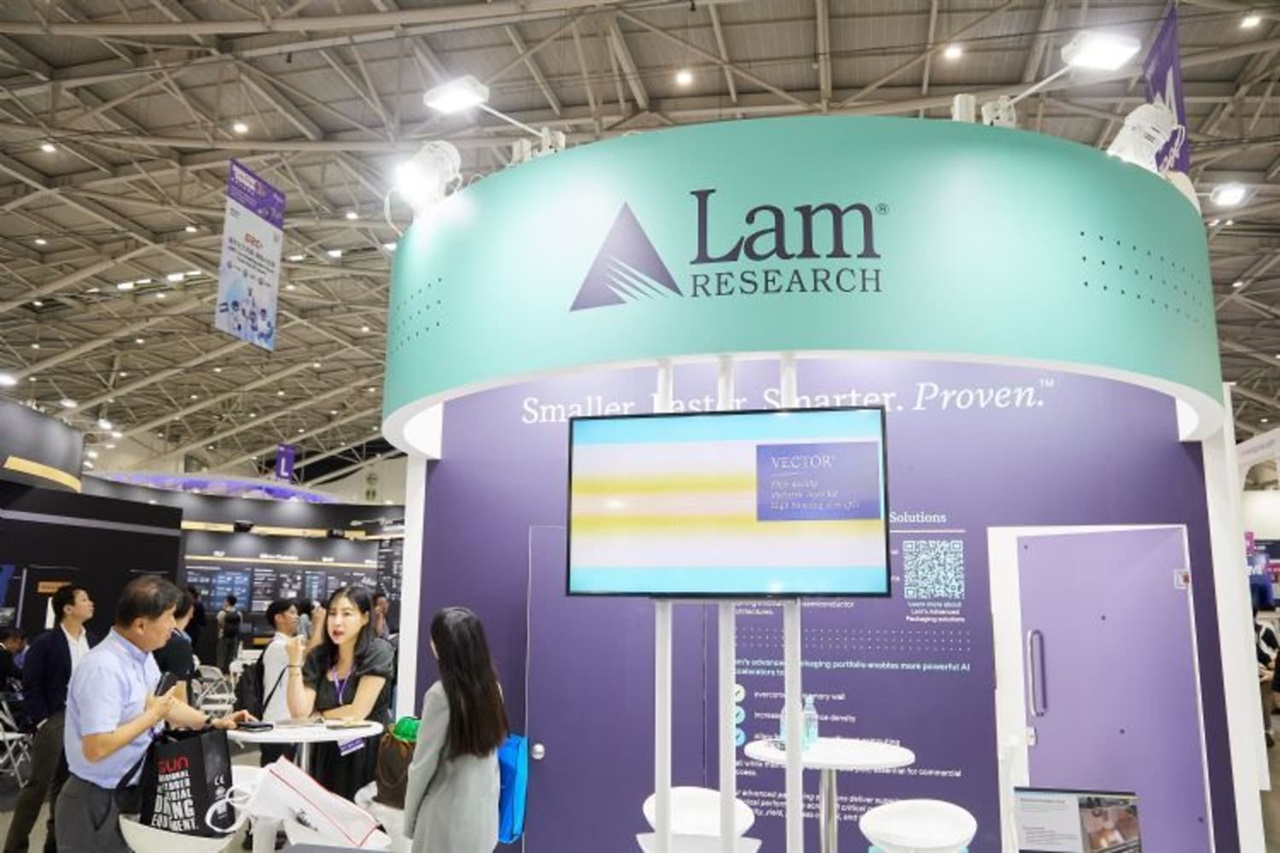
Lam Research said it will hire more than 1,000 professional engineers in Taiwan in 2026 as customer demand mounts and the company expands technical support services for foundry, memory and assembly and test customers.
Foxconn confirmed a ransomware intrusion at its Wisconsin plant in the US, and said the affected facility continued operating normally after the incident. The attack renewed scrutiny of cybersecurity practices across Taiwan's tech manufacturing sector, where executives said rapid advances in AI servers, semiconductors, and space systems have heightened the strategic importance of Taiwan's role as a supply chain hub.
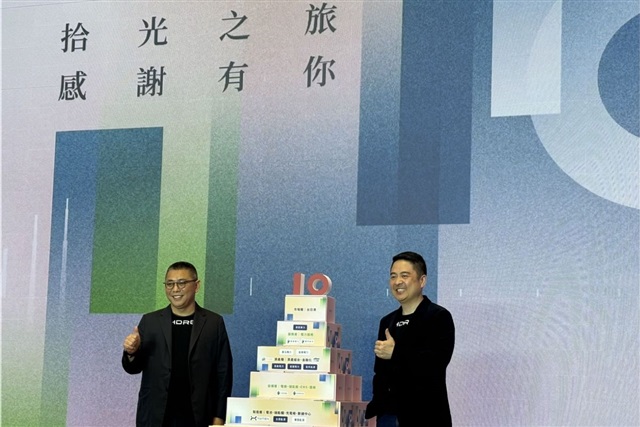
HDRE announced it will enter the AI compute dispatch market by building containerized compute centers paired with energy storage systems in Australia and Japan, aiming to finalize cooperation projects in the first half of 2026. The firm said it will colocate GPUs with existing storage battery sites to boost the value of power output and address permitting rules that require sufficient electricity infrastructure for new data center developments.
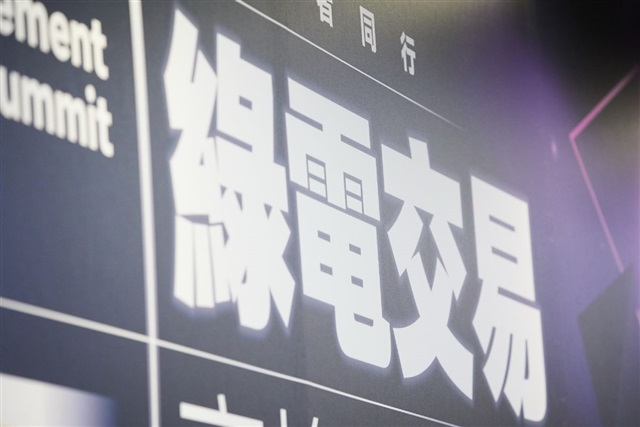
Taiwan intends to launch a green power spot market as early as late 2026 or early 2027 to allocate intermittent renewable generation better and reduce surplus electricity pressures on semiconductor and other energy-intensive industries, market sources said. The move aims to address mismatches between peak renewable output and corporate electricity demand that have left some power retailers holding surplus power.
Sharp is delaying the shutdown of its Kameyama No. 2 LCD plant to December from August, as customer demand has held up stronger than expected ahead of the planned production halt.
Japan's NSK and NTN have agreed to pursue a merger that would create the world's largest bearing maker, as rising costs, slowing demand, and Chinese competition push Japan's industrial suppliers toward consolidation.
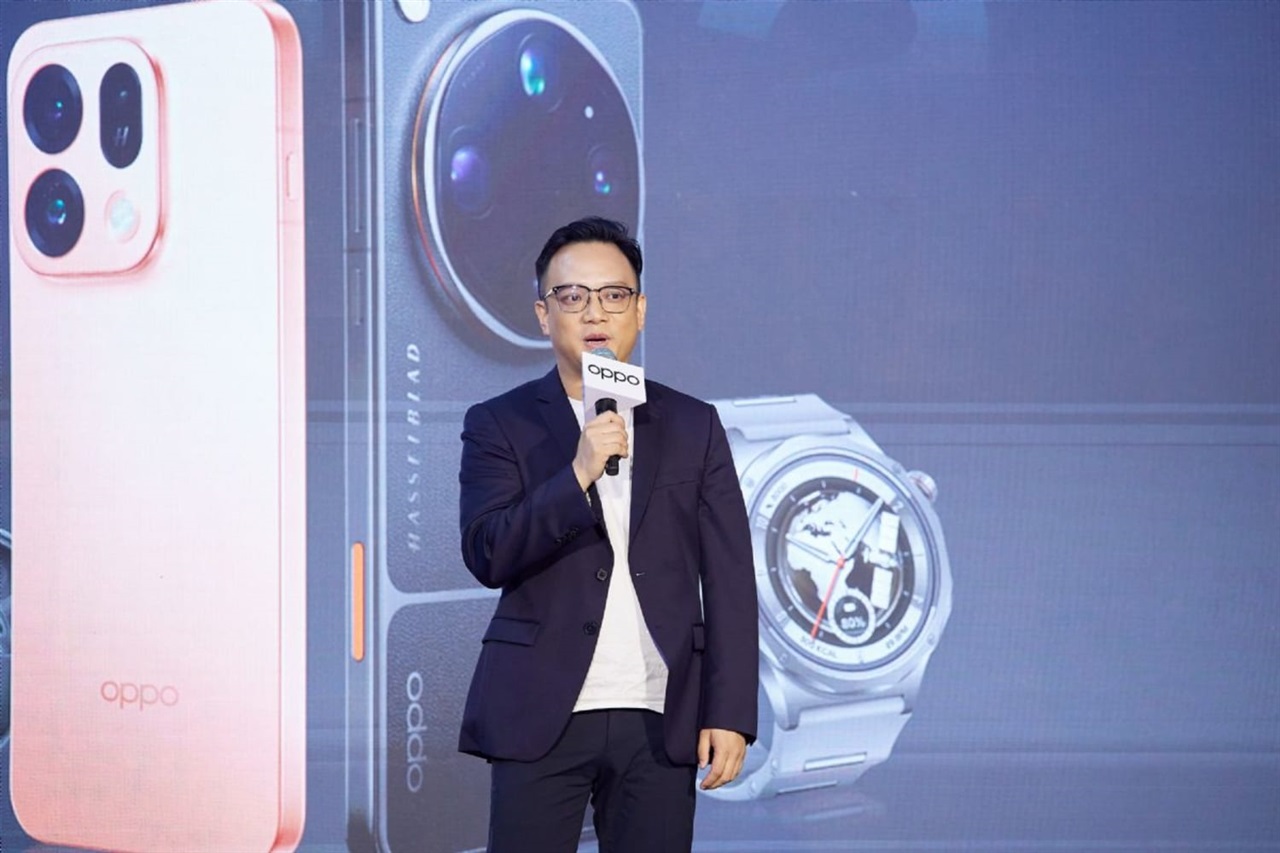
Oppo Taiwan said on the 12th that annual smartphone shipments were likely to fall 5% to 8% this year as surging memory prices pushed up handset costs and extended replacement cycles from 38 months to 42 months. Still, the company expected higher sales value from stronger demand for mid-to-high-end models. The firm launched its new Find X9 series in Taiwan on the 12th alongside wearable products, including earphones and watches, as it sought to use product upgrades and a broader lineup to lift local performance.
While the global semiconductor industry remains fixated on 3nm, 2nm, and the AI GPU arms race, SMIC founder and "China's semiconductor godfather" Zhang Rujing is pushing a sharply different message: the future of China's chip industry may depend less on chasing the world's most advanced nodes and more on dominating the vast market still built on mature processes.
AI server demand is pushing semiconductor packaging into a new growth cycle, but the market remains heavily concentrated among a small group of global outsourced semiconductor assembly and test leaders and Taiwanese and Chinese companies, sharpening the challenge for South Korea's back-end chip industry.
As the autonomous driving industry pushes toward "eyes-off" highway driving, the race is increasingly shifting from electric vehicles to perception systems capable of operating safely in the real world.
AP Memory reported that net profit for the first quarter of 2026 rose 91% to NT$660 million (US$20.93 million) as the company scaled mass production of its S-SiCap silicon capacitor and benefited from strong demand for its IoTRAM customized memory. The Taiwan-based chip packaging and memory supplier said silicon capacitor shipments entered a ramp-up phase in the first quarter of 2026 as AI and high-performance computing accelerators drove up power demands, placing greater emphasis on advanced packaging, power delivery, and signal integrity.
Microloops reported record revenue and profit for the first quarter of 2026, driven by sustained demand for AI server cooling products that accounted for 60% of sales, the company announced. The thermal module maker said the strong AI-related mix lifted scale and profitability even as revenue slowed at the start of the second quarter.
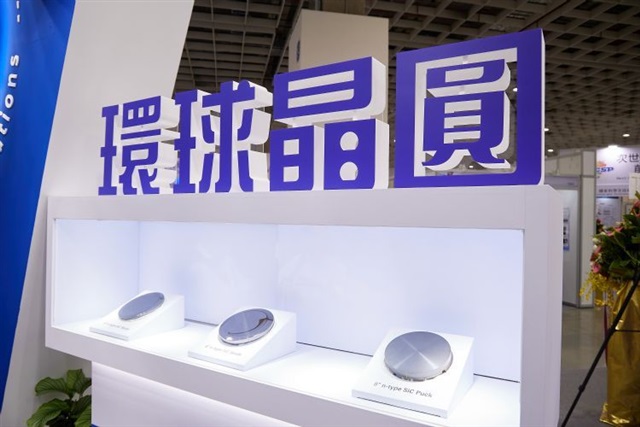
GlobalWafers announced that its greenhouse gas reduction targets passed review by the Science Based Targets initiative, signaling the wafer maker has aligned its decarbonization pathway with the global 1.5°C climate goal and committed to achieving net-zero emissions across its full value chain by 2050. The approval covers both near-term and long-term targets, and the company said the moves will shape its operational and supplier strategies through the 2030s and beyond.
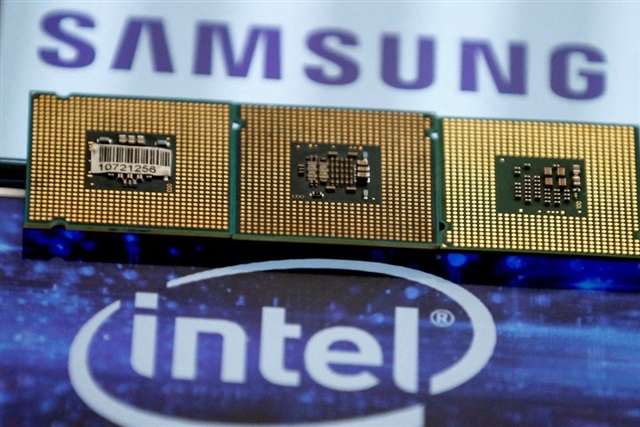
Intel's reported preliminary agreement to manufacture some chips for Apple is putting new pressure on Samsung Electronics, as the US chipmaker gains momentum with major technology customers and leans on Washington's support to revive its foundry business.
Dixon Technologies reported fiscal 2026 results showing full-year revenue growth, but underlying profitability momentum weakened toward the end of the year, with a flat fourth quarter and mounting cost pressures across its core electronics manufacturing services (EMS) business.
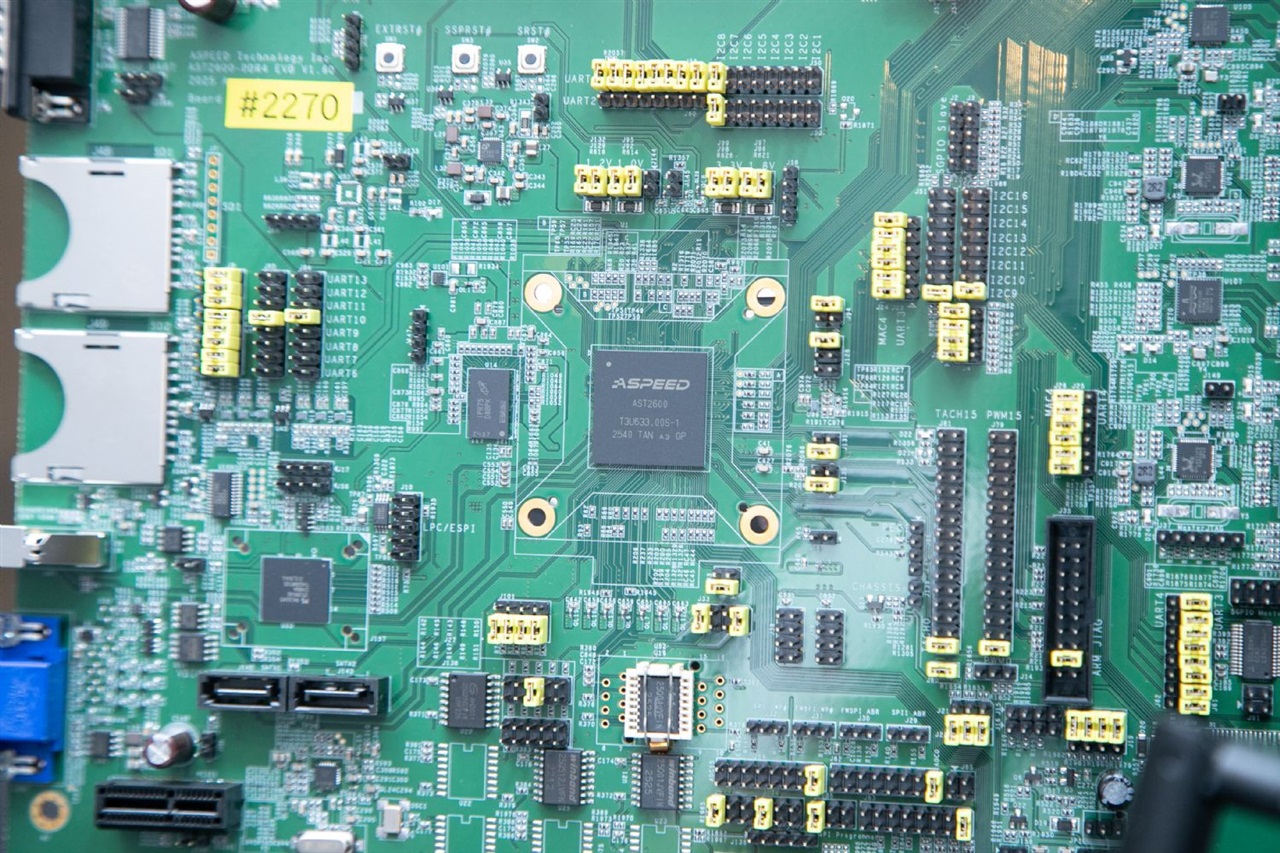
ASPEED Technology has continued to show strong revenue momentum in recent years, supported by structural changes in global data center infrastructure and the rapid expansion of AI server deployments.

 Login
Login