โŒ

Reading view

There are new articles available, click to refresh the page.

Wiwynn brings cobots to L10 server assembly as AI rack testing drives factory redesign

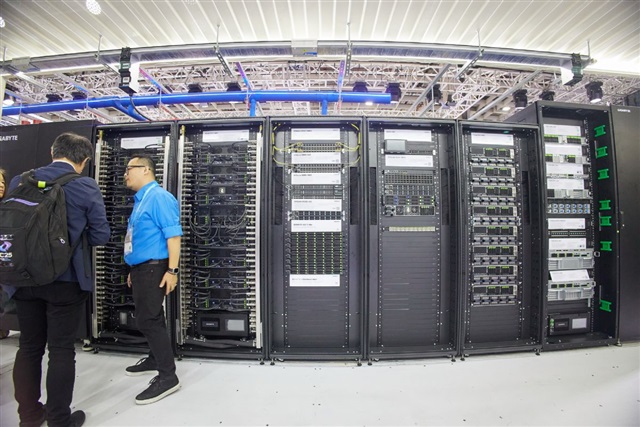
Wiwynn is introducing collaborative robots (cobots) at its El Paso, Texas, facility and third plant in Mexico, alongside a central heat exchange system designed to support liquid-cooled server rack testing. The upgrades reflect the company's efforts to modernize manufacturing as AI servers become more complex and demand for liquid cooling increases.
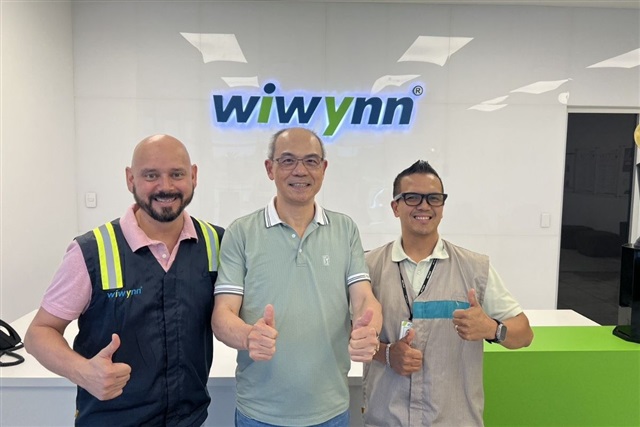
Credit: Wiwynn

Foxconn joins Quantron, Hongjing Drive in zero-emission commercial vehicle partnership

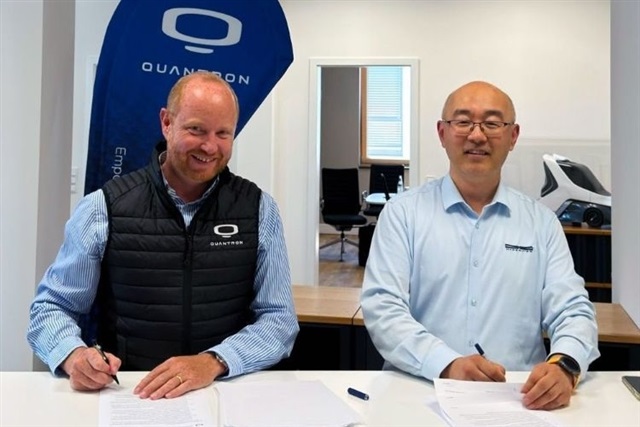
German commercial vehicle company Quantron and China's Hongjing Drive have formally agreed to establish a joint venture, Quantron China, to develop a China-Europe technology and industrial platform for next-generation zero-emission commercial vehicles. Foxconn will serve as the industrial manufacturing partner for truck and bus platforms, supporting their international deployment.

Credit: Quantron

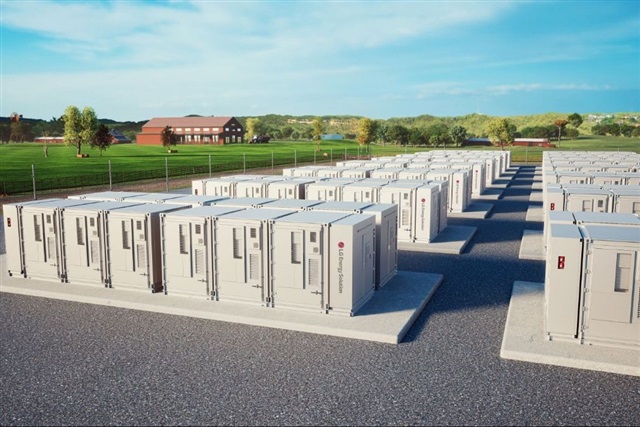
LGES, Samsung SDI reportedly booked out for two years as US restrictions and China slowdown reshape ESS market

As energy storage system (ESS) battery orders continue to accumulate at South Korean manufacturers, expectations are growing that market conditions could improve further. The outlook follows the US government's declaration of a national emergency over electric grid security, signaling a move to restrict Chinese-made batteries, while China has begun curbing new battery capacity expansion.

Credit: LGES

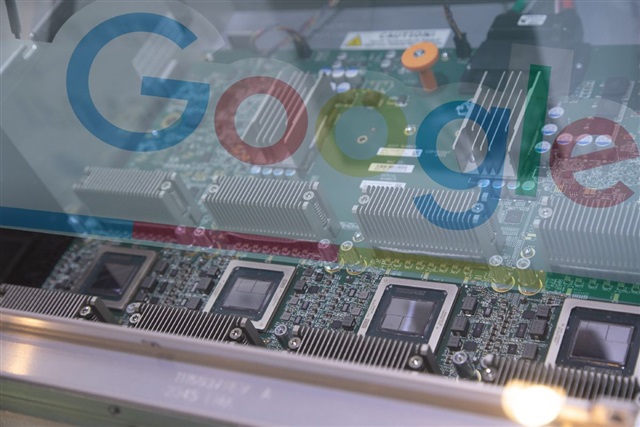
Google reportedly weighs CoWoS backup for 2027 TPU as EMIB-T substrate yields lag

Google's Humufish TPU project, scheduled to enter mass production by the end of 2027, is set to adopt Intel's EMIB-T advanced packaging technology with support from ASIC partner MediaTek. MediaTek has also stated during an earnings call that EMIB-T yields have reached levels capable of supporting stable mass production, expressing confidence in the project's 2027 production plans.

Credit: Shihmin Fu

Column: China tightens rare earth controls, exposing hidden vulnerabilities in Taiwan's supply chain

China's rare earth export controls are changing the rules governing global critical mineral supply chains. For Taiwan, the real concern is not that China could suddenly halt all exports one day, but that export licensing, end-use reviews, price volatility, longer lead times, and "hidden dependencies" embedded in intermediate materials and components could gradually raise the cost and uncertainty of maintaining normal production.

Credit: AFP

Exclusive: ASUS xHIS aims to become digital backbone for AI-ready healthcare

Asustek Computer (Asus) has been accelerating the integration of AI, hardware, software, and cloud technologies into healthcare as it builds a next-generation smart healthcare ecosystem. Kuo-Hao Huang, vice president of the Asus AI Research Center, said the biggest challenge hospitals face in adopting AI is not the AI models themselves, but whether their data, workflows, and system architectures are ready.

Credit: Monica Chen

Taiwan EV charging operators face profit squeeze despite rapid network expansion

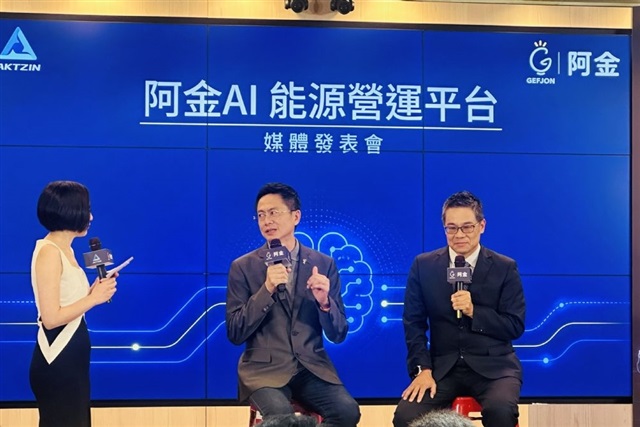
Taiwan's EV charging industry remains in a fiercely competitive, fragmented phase, according to Blockcert chairman Chang Chung-I. While charging stations may appear to offer an unattended business model, their operations involve numerous complexities that operators often discover only after sites go live, and a lack of operational management experience can result in substantial costs.

Note: California Energy Group chairman Kuo Hsuan-Fu (left), Blockcert chairman Chang Chung-I (right) Credit: Michael Lee
โŒ