Reading view

There are new articles available, click to refresh the page.

Cooler Master launches GPU Shield to monitor 12V-2×6 power connectors

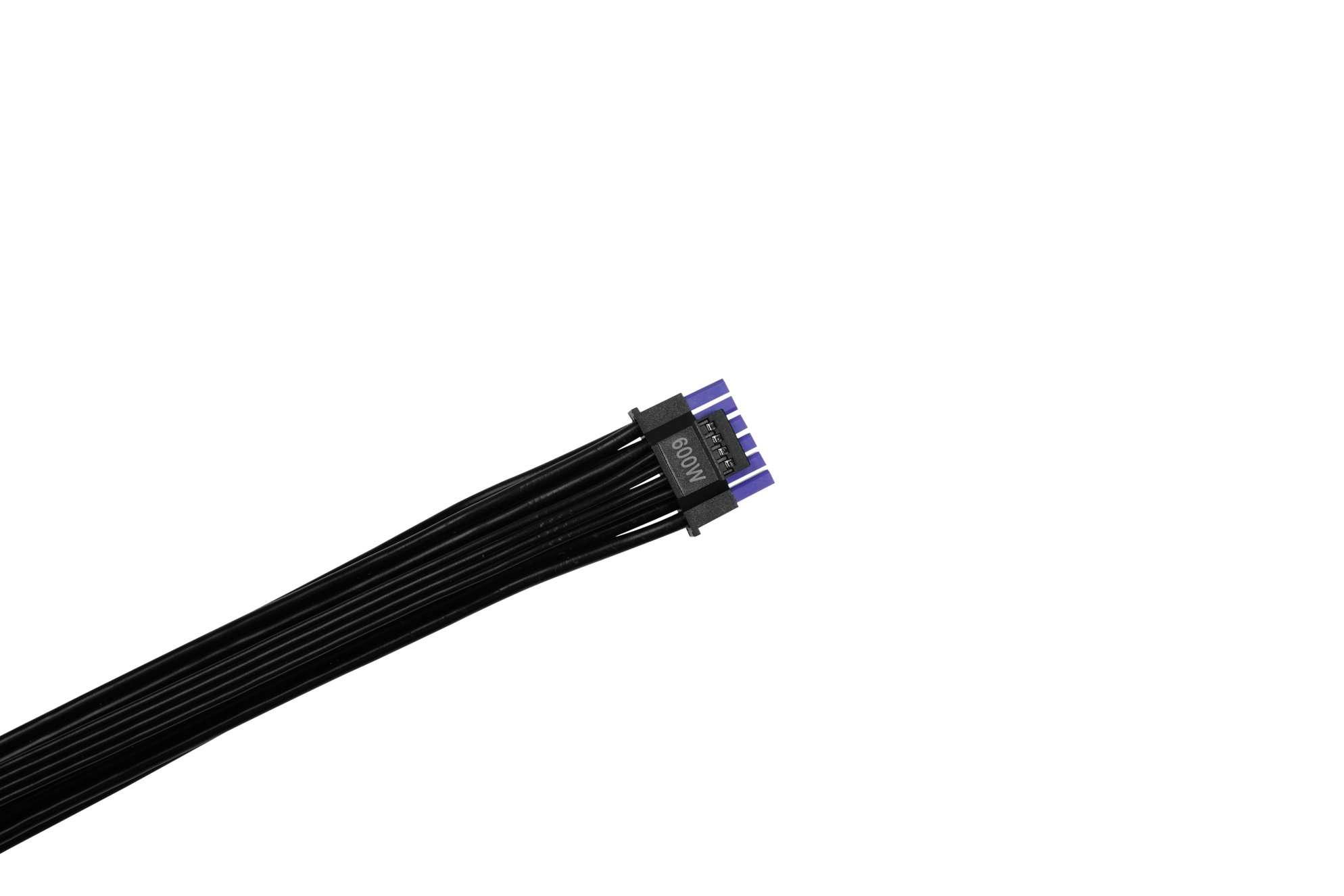
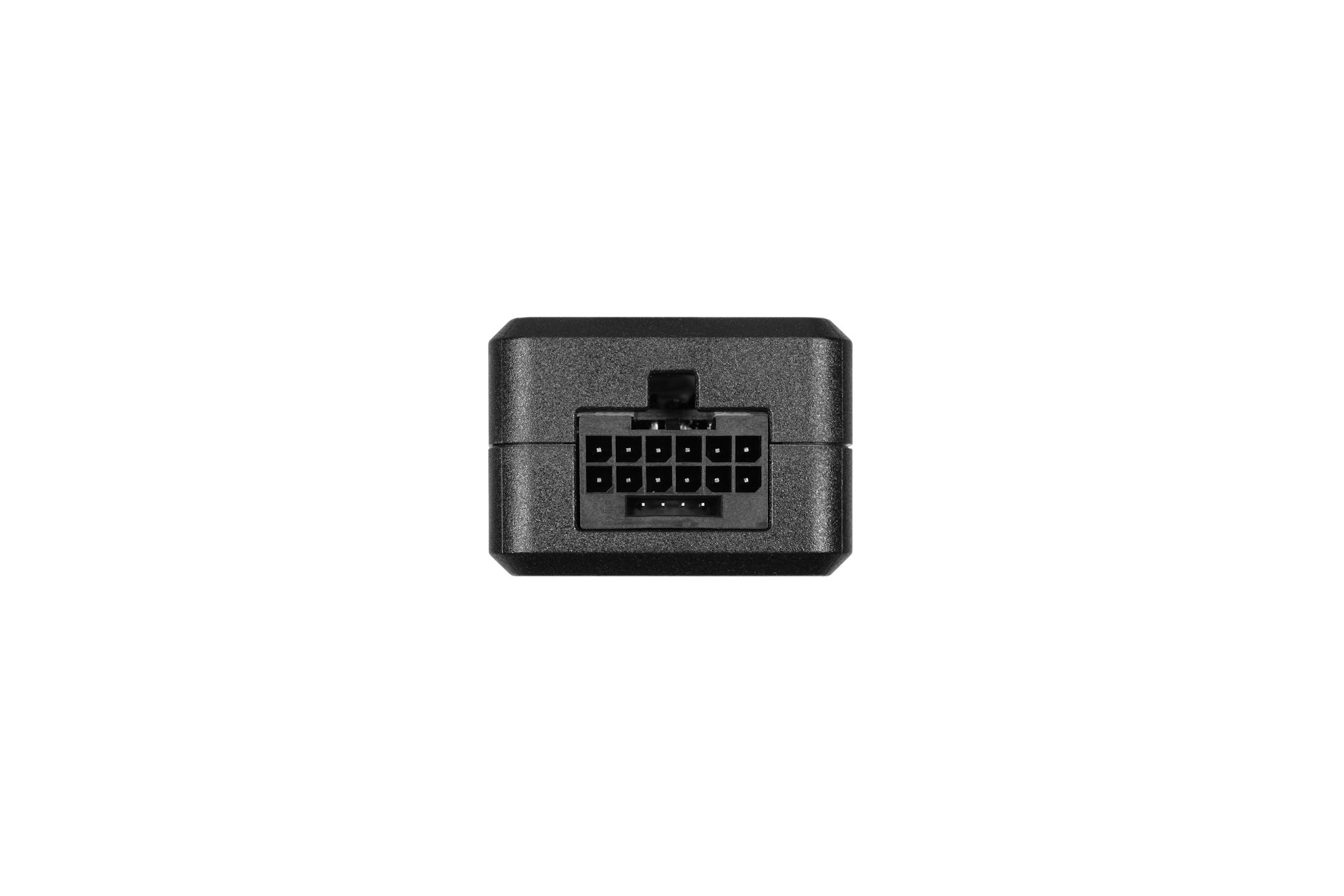
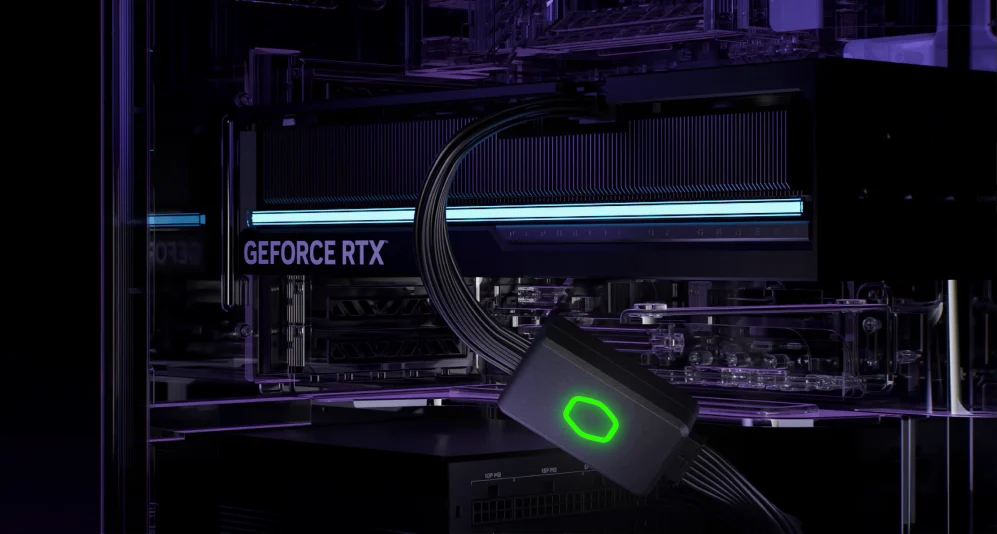
Cooler Master has launched the GPU Shield, a dedicated inline adapter designed to monitor 12V-2×6 power connectors on modern graphics cards and reduce electrical risks.

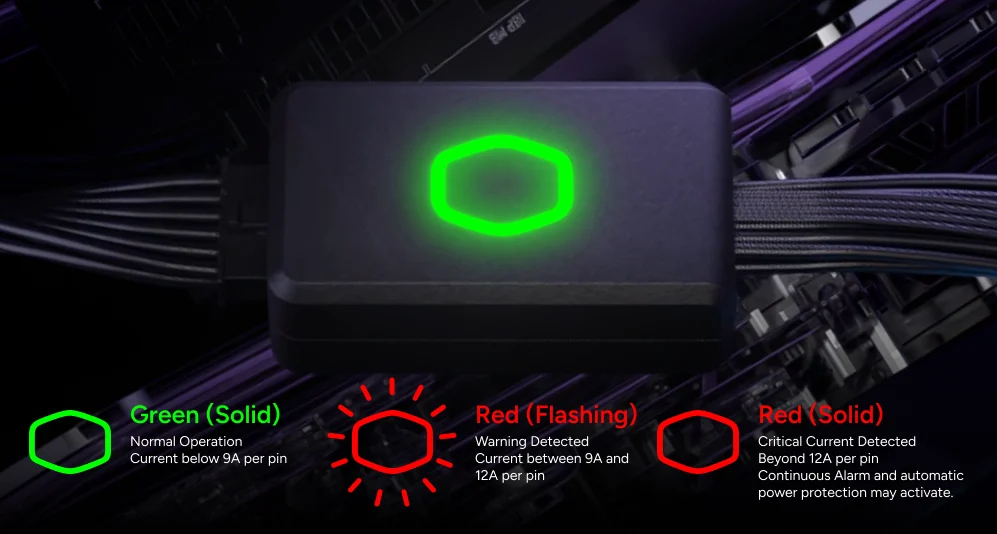
Placing itself between the PSU power cable and the GPU's 16-pin header, the adapter, brought to our attention by Uniko's Hardware (via VideoCardz), works with both 12V-2×6 and 12+4-pin connectors regardless of brands. Cooler Master states that the device individually monitors current across the connector pins. Visual warnings are provided via a multicoloured LED ring, alongside an audible alarm for when you can't see the LED. A two-tone connector design also lets users mechanically verify proper seating, while an active protection mechanism reduces system power draw if a major fault occurs.
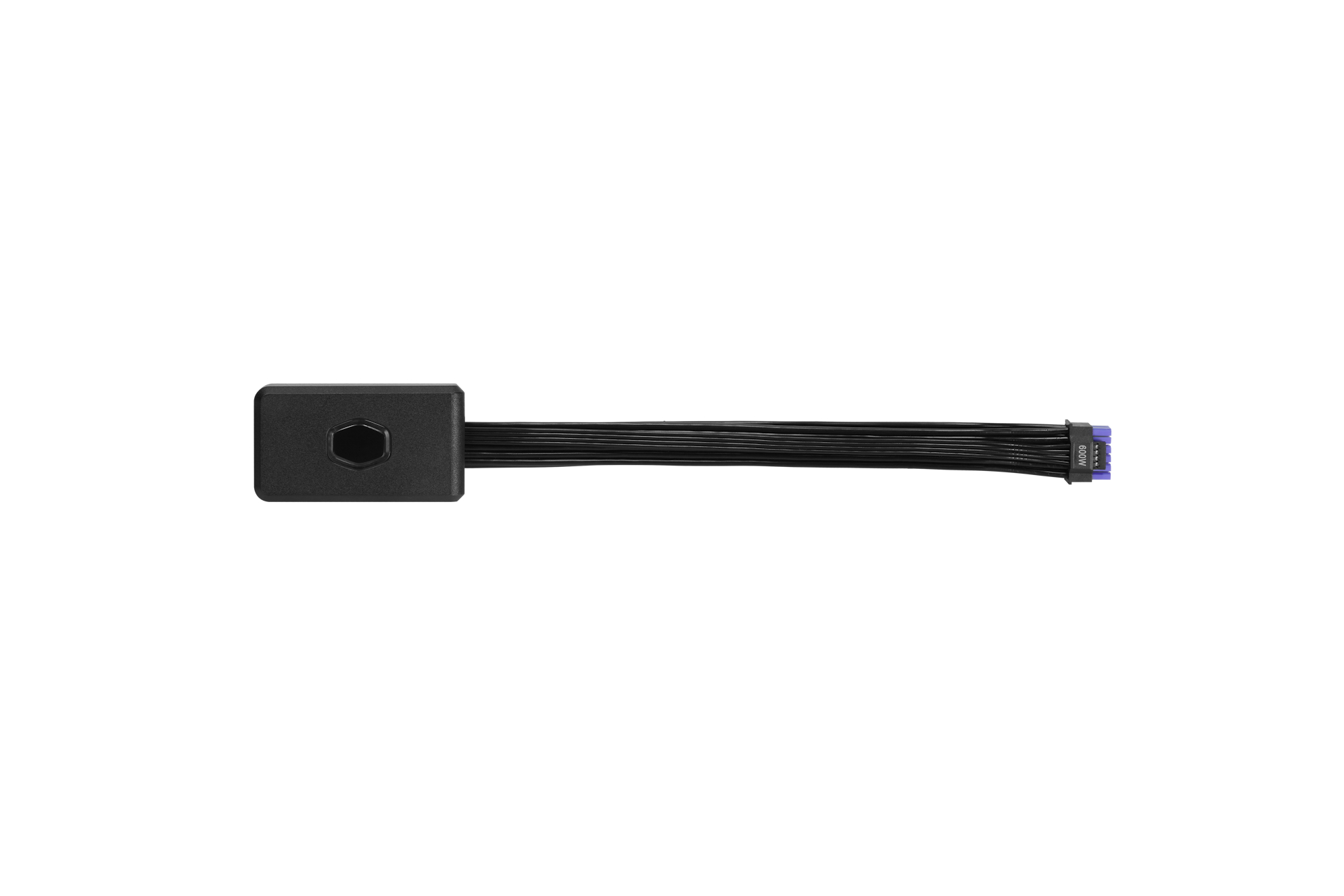
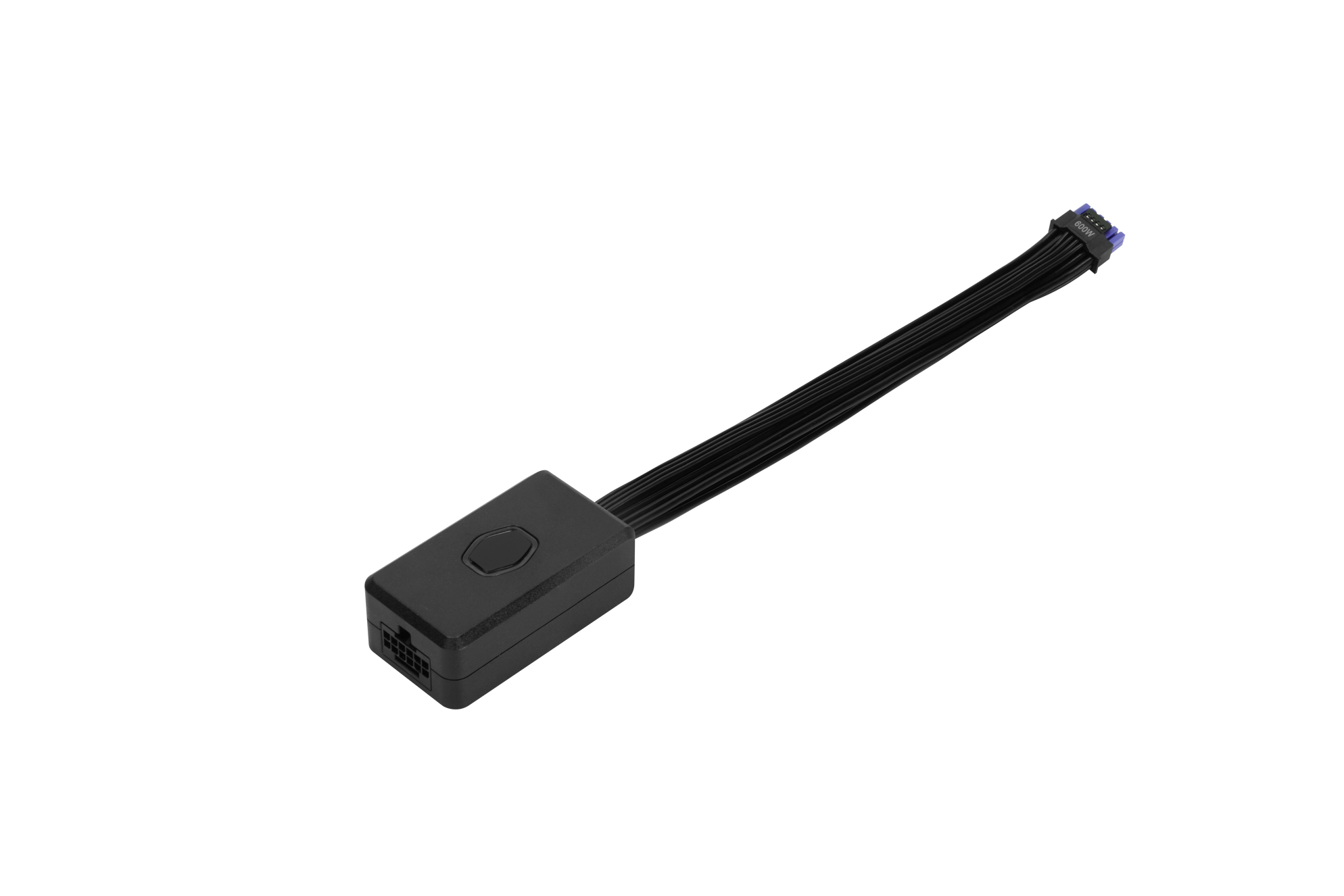
Priced in China at 359 yuan (around £40), the initial release is already sold out. Cooler Master hasn't announced release dates or pricing for international markets yet. Also worth noting is that official listings show regional warranty differences, as the international product page details a 1-year warranty compared to a 3-year warranty advertised in China that includes compensation if a connector melts under valid usage conditions.

KitGuru says: With 12V-2×6 connector issues remaining a concern for high-end GPU owners, Cooler Master's GPU Shield offers extra peace of mind.

The post Cooler Master launches GPU Shield to monitor 12V-2×6 power connectors first appeared on KitGuru.

Intel launches 2026 Gamer Days bundle with Star Wars and Tomb Raider

Intel has relaunched its Gamer Days Bundle promotion. This time, Intel is offering buyers two free games with qualifying processors, graphics products, and prebuilt systems.

Running from August 10th through September 13th, the bundle includes full game downloads for STAR WARS: Galactic Racer and Tomb Raider: Legacy of Atlantis. Customers have until October 31st to redeem their game codes after making a purchase. Depending on where you buy, redemption requires a Master Key, a system hardware scan, or basic purchase verification with proof of purchase. Only one offer is available per qualifying product and returned or cancelled orders will lose eligibility.

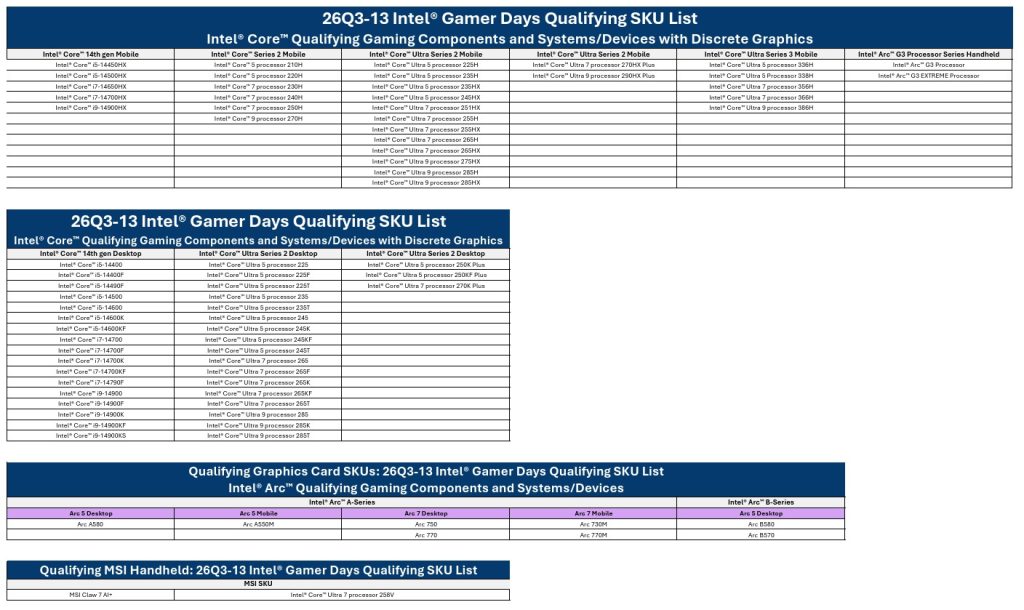
The offer covers a wide range of hardware, including Arc G3 graphics, Core 200H laptop processors, 13th and 14th Gen Core chips, and Core Ultra 100, 200, and 300 H-series processors. Newer Core Ultra Plus models and MSI handhelds featuring Lunar Lake SOCs are also on the eligible list alongside various suffix variants like K, KF, H, and so on. A more detailed list of the qualifying processor families can be found below:

Note that participating retailers may vary on which specific products qualify at their stores.

KitGuru says: Are you planning on taking advantage of Intel's new gaming bundle? If so, what eligible hardware are you getting?

The post Intel launches 2026 Gamer Days bundle with Star Wars and Tomb Raider first appeared on KitGuru.

Leak points to new Asus OLED monitor line-up with up to 560Hz displays

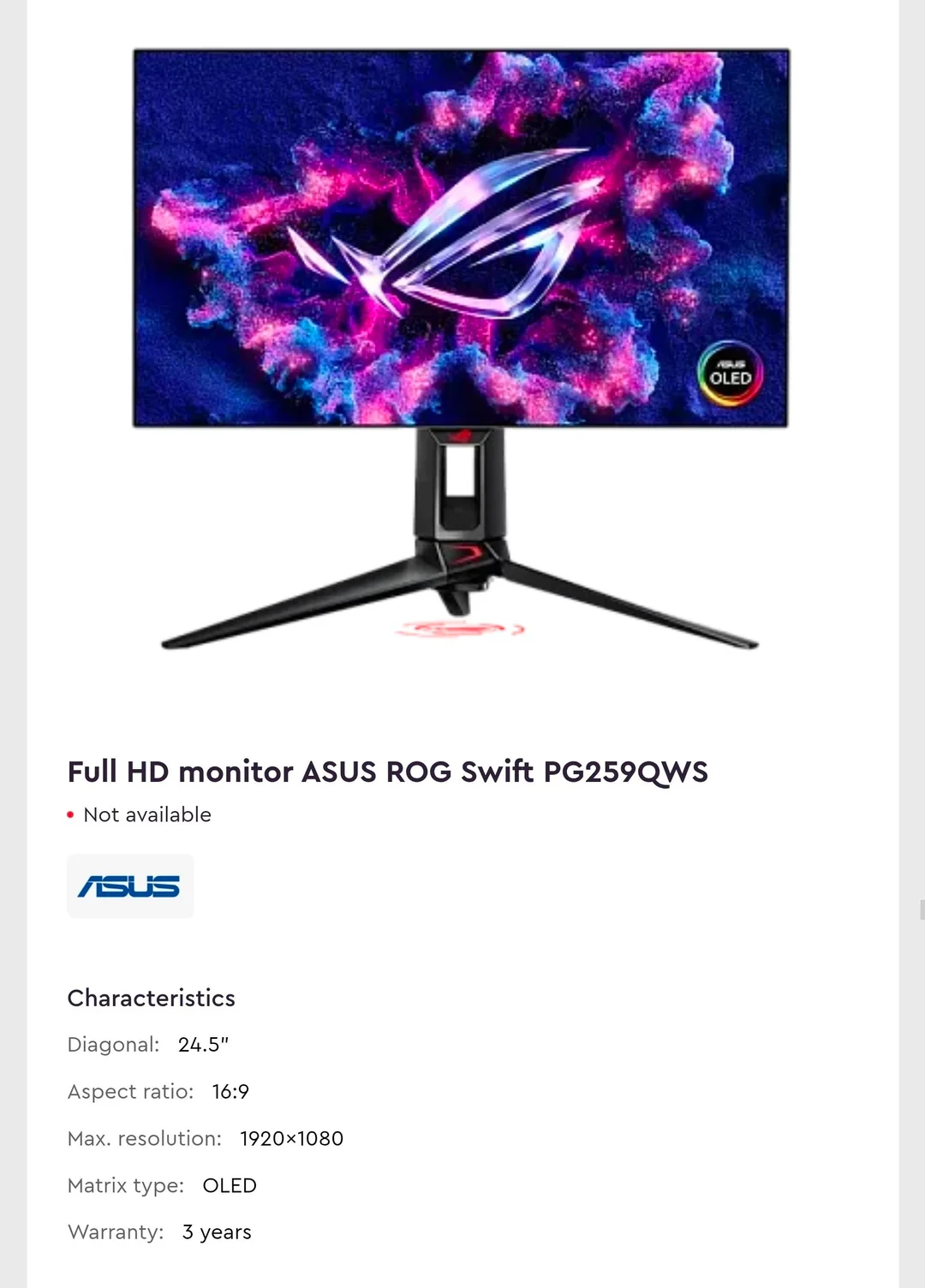
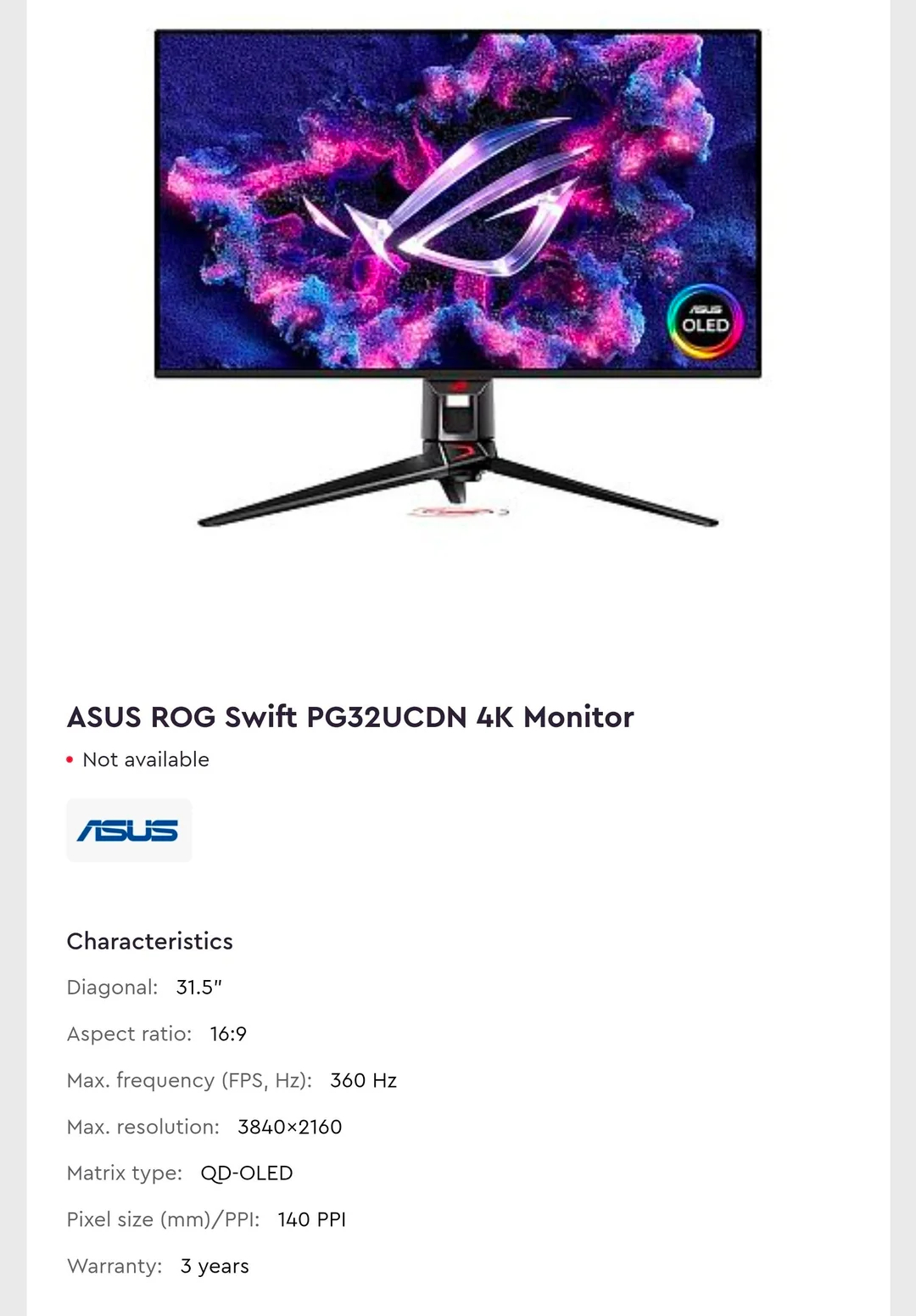
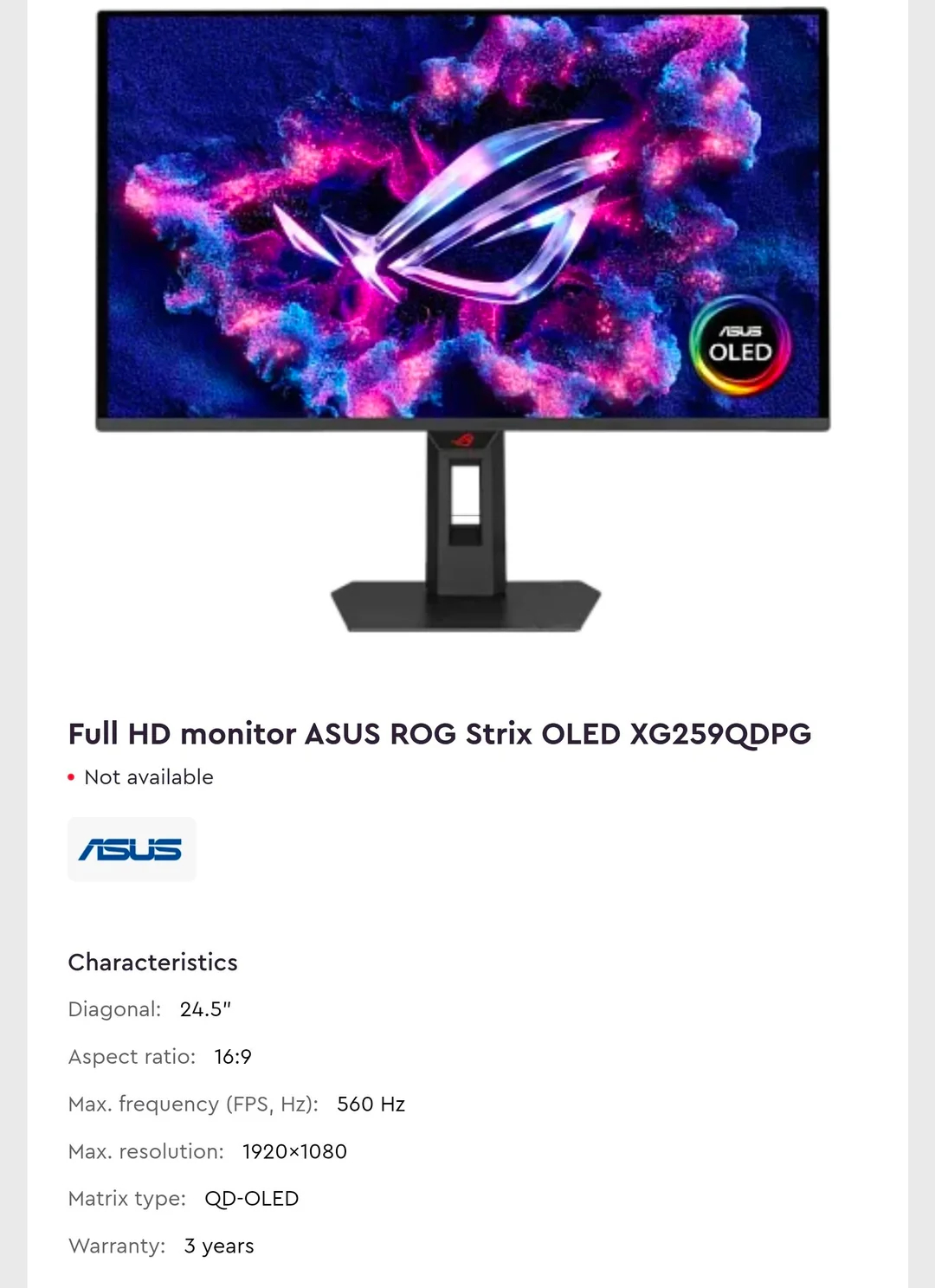
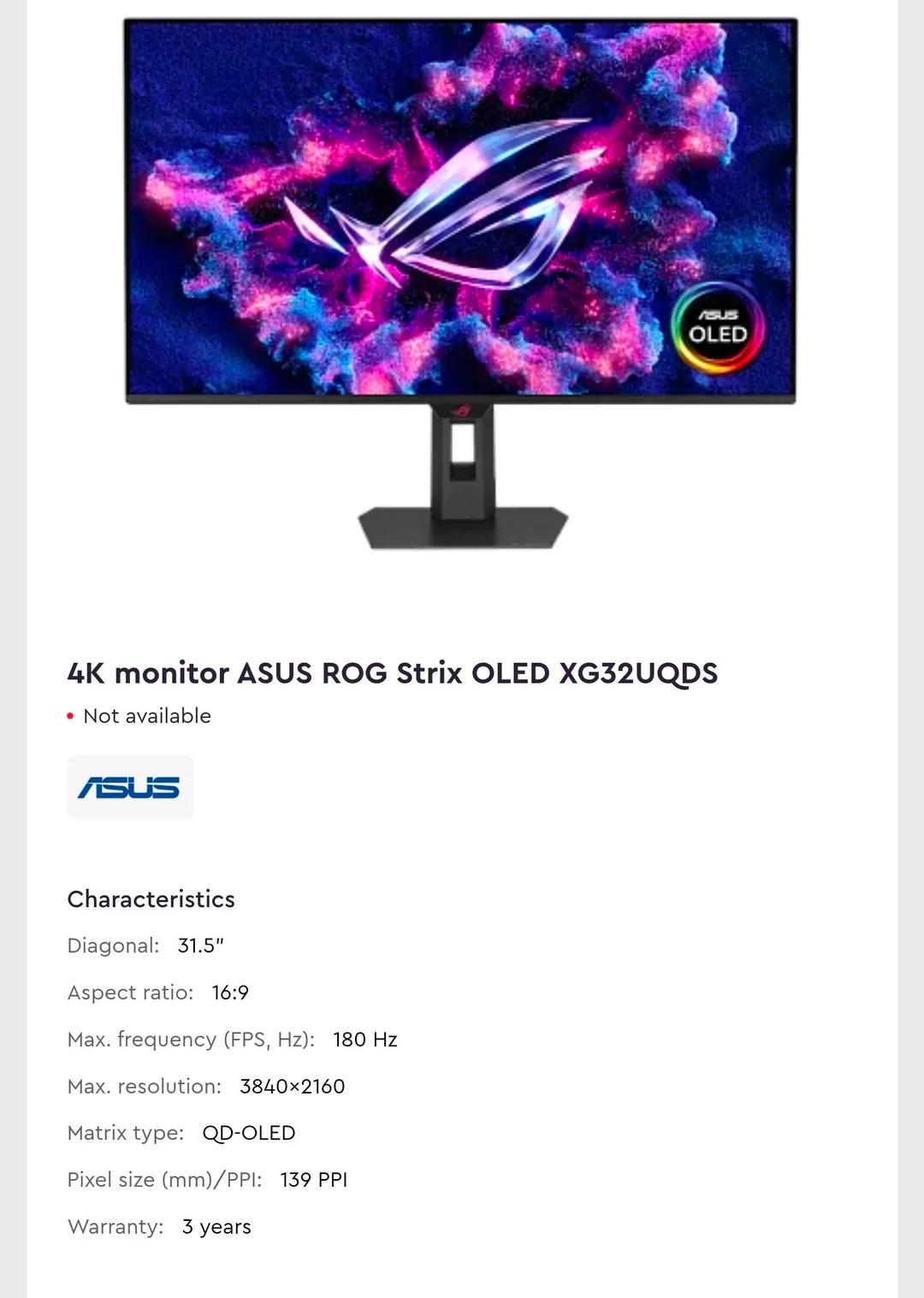
A Reddit user has shared details on seven unannounced Asus OLED gaming monitors spanning 24.5-inch, 27-inch, and 32-inch screen sizes. The upcoming lineup includes both QD-OLED and WOLED panels with refresh rates as high as 560Hz and varying resolutions, from FullHD up to 4K.

Based on ParkGGoki's leak (via ITHome), the 4K options are led by the ROG Swift PG32UCDN, which features a 32-inch QD-OLED panel running at 360Hz. A similar-sized but lower-refresh-rate option included in the leak was the XG32UQDS, which offers an 180Hz 4K display.

Image credit: Reddit (ParkGGoki)

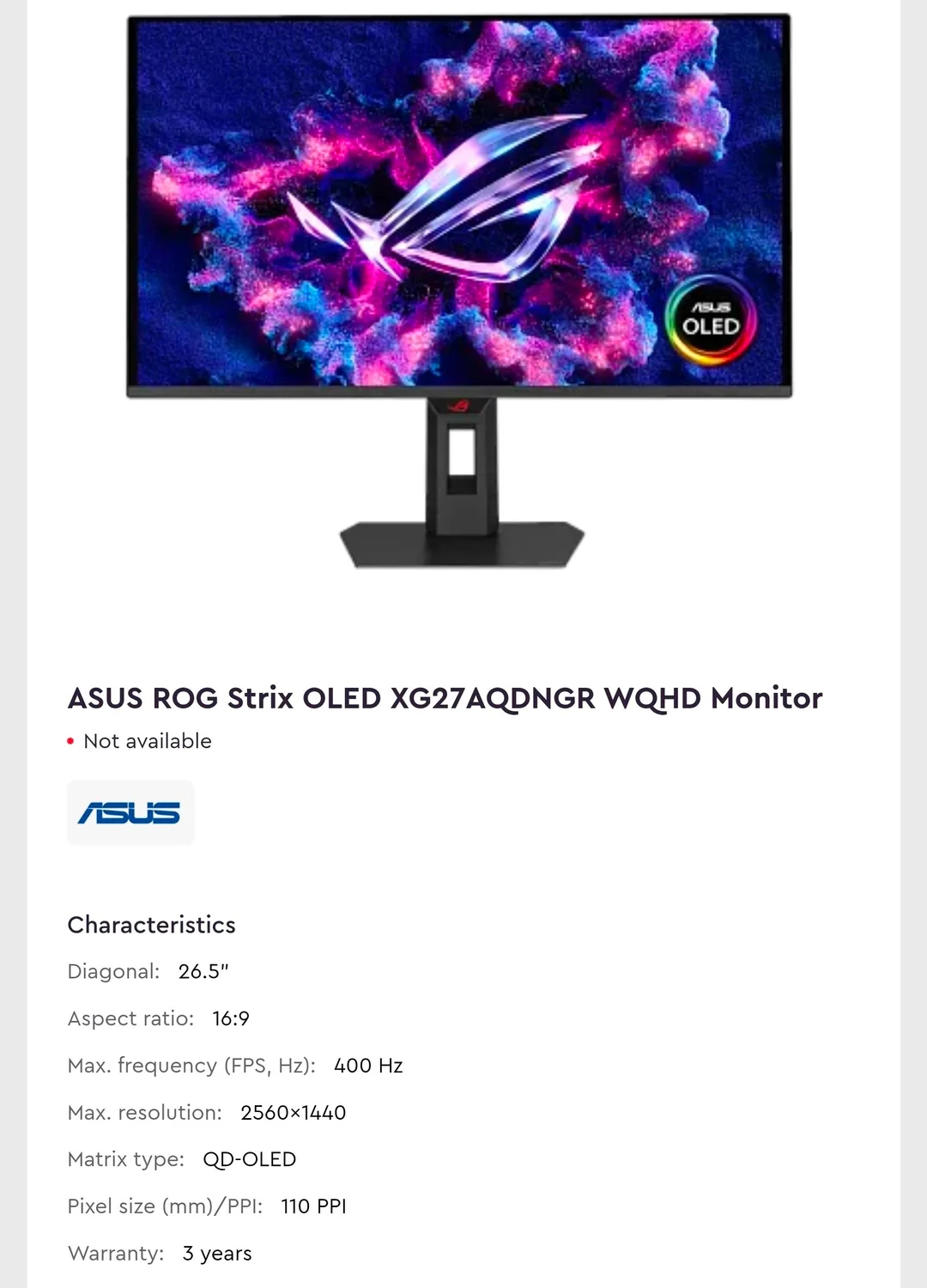
Lower-resolution entries included the 27-inch 2560×1440 400Hz XG27AQDNGR QD-OLED and the 27-inch XG27ACDMSR, which comes with a 320Hz QHD QD-OLED panel. Surprisingly, the leak included various FullHD options, including the 24.5-inch XG259QDPG, which comes with a 560Hz QD-OLED panel, and the XG259QDNS as a 360Hz QD-OLED option in the same size.

The leak also highlights a single WOLED entry, the 24.5-inch Full HD PG259QWS, though its exact refresh rate remains unconfirmed despite expectations that it will exceed 600Hz.

KitGuru says: There are now a ton of options to be found in the OLED monitor market. Better yet, the vast majority of them outperform the usual VA/IPS gaming monitors in both refresh rate and visual quality. 

The post Leak points to new Asus OLED monitor line-up with up to 560Hz displays first appeared on KitGuru.
Asobi Remote Play app adds PS Plus cloud gaming to Steam Deck and Steam Machine

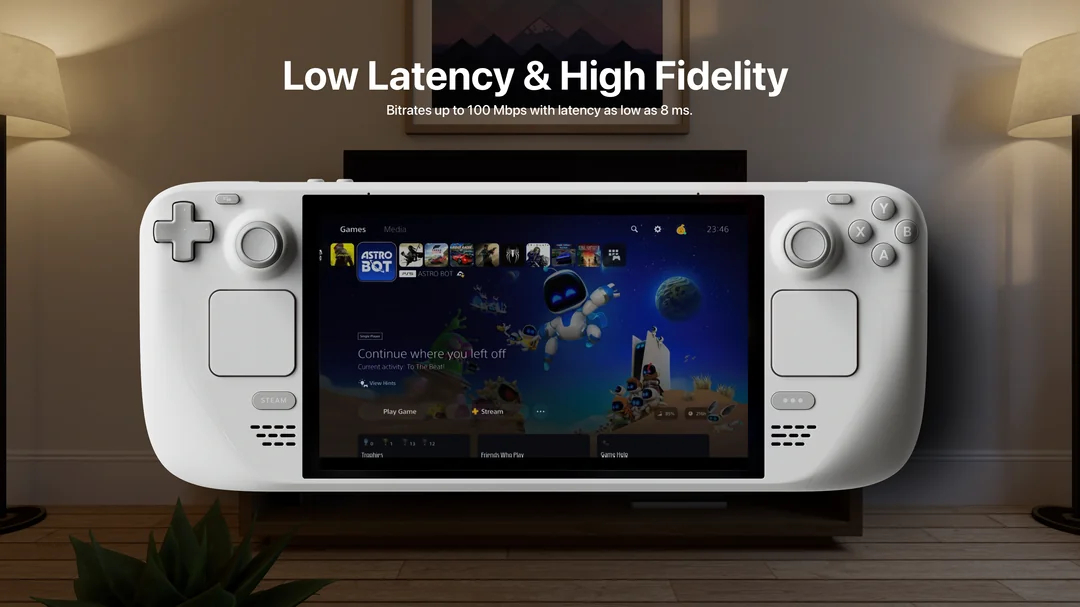
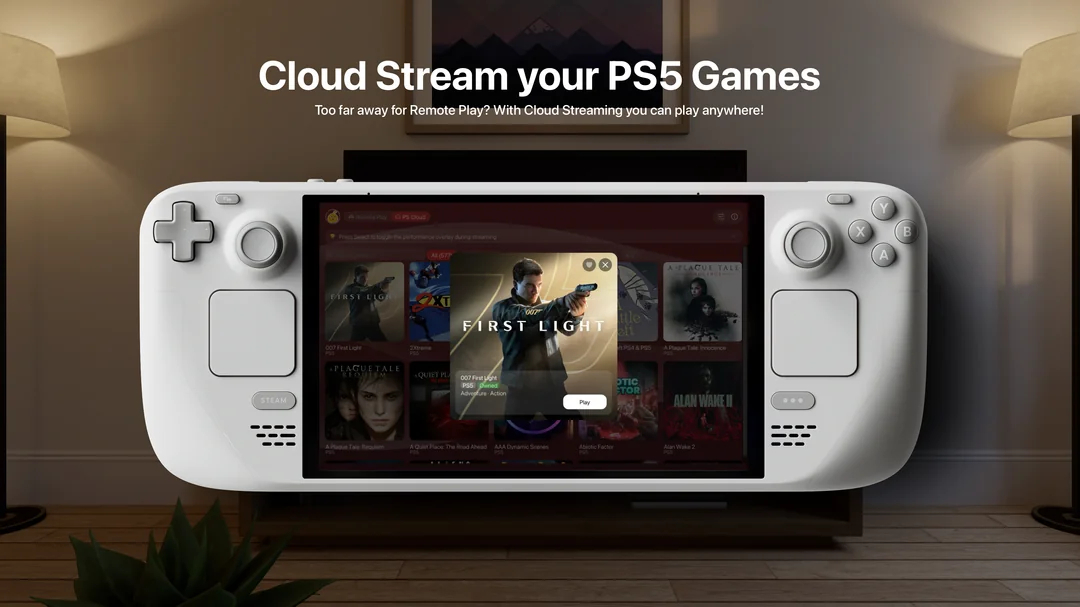
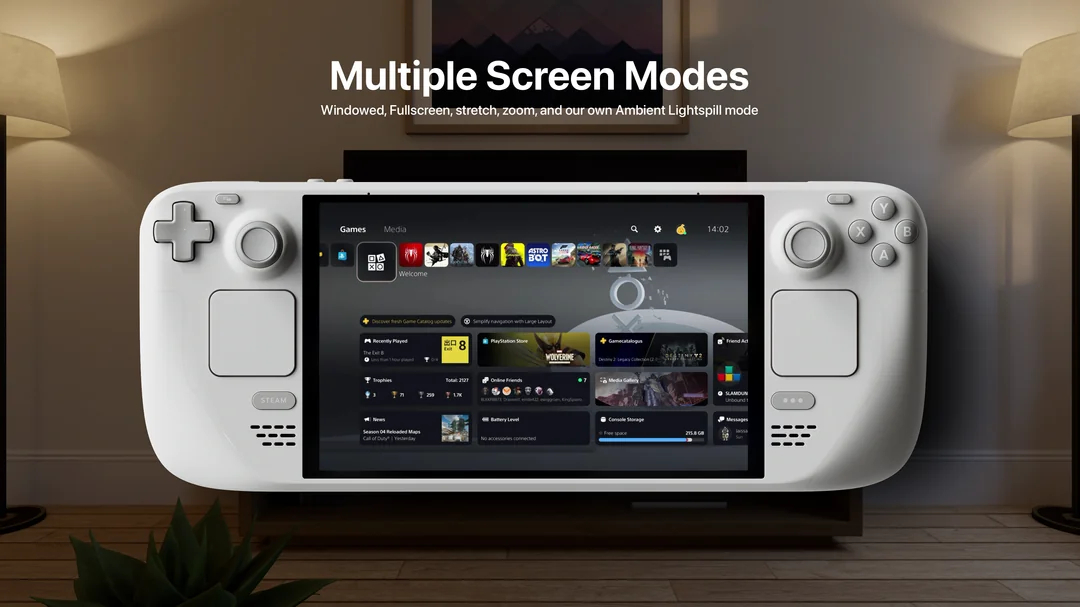
A third-party application called Asobi: Remote Play for Steam Deck, Steam Machine, and other Linux systems promises to bring PS Plus cloud gaming and PlayStation remote play to more devices. Developed by Inside Internet, the tool supports standard PS4 and PS5 Remote Play, along with PlayStation Plus cloud streaming, without requiring a local console connection.

Brought to our attention by Notebookcheck, Asobi pretty much turns the Steam Deck into a PlayStation Portal. Accessing cloud gaming through the app requires a PlayStation Network account alongside an active PlayStation Plus Premium subscription. Users can stream supported titles from the PlayStation Plus catalogue and select eligible digital PS5 games they already own.

Base functionality includes up to 1080p at 30fps in SDR with automatic bitrate adjustment. Upgrading to Asobi Premium adds 1080p at 60fps, HDR, manual bitrate control, low-latency modes, controller haptics, and upscaling to 4K. Output displays can reach up to 120fps on supported hardware, though streamed games do not render natively at that framerate.

During the ongoing playtest, all premium features are unlocked. Inside Internet lists the software as free with a separate Asobi Premium package, though pricing remains unannounced. While a Windows release is planned, current testing centres on Linux platforms.

KitGuru says: Being able to stream PS Plus cloud games directly to a Steam Deck without owning a PS5 console provides a neat workaround for handheld gamers. Will you be trying Asobi?

The post Asobi Remote Play app adds PS Plus cloud gaming to Steam Deck and Steam Machine first appeared on KitGuru.
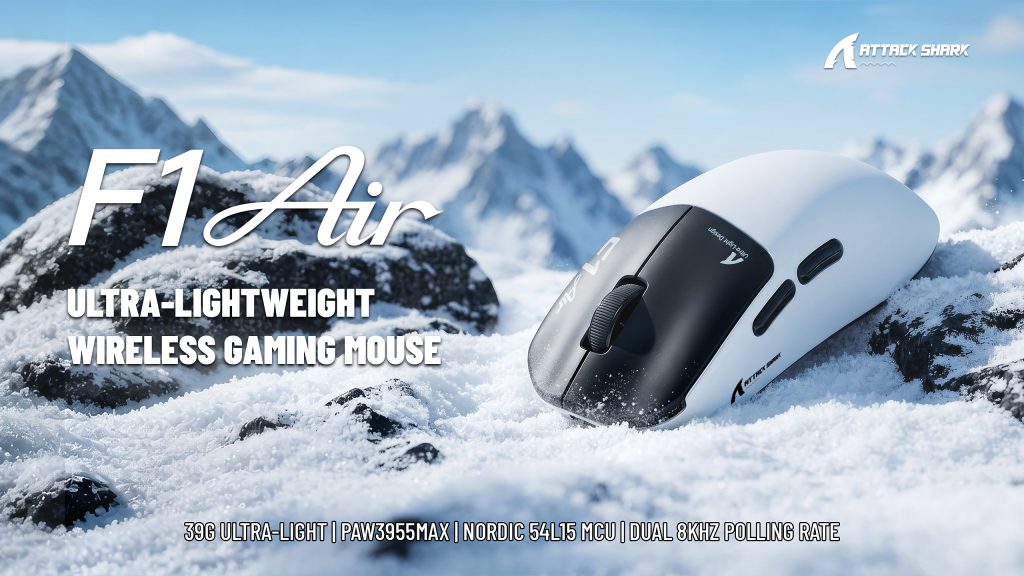
Attack Shark announces F1 Air 39g wireless gaming mouse

Attack Shark has announced the F1 Air, a 39g wireless gaming mouse supporting up to an 8K polling rate and 60,000 DPI. 

At the core of the F1 Air sits the PixArt PAW3955MAX sensor supporting 1K, 2K, 4K, and up to 8K polling modes. The sensor covers a sensitivity range of 1 to 60000DPI with 1DPI adjustment steps, 850IPS tracking speed, and 75G acceleration. Attack Shark also added a five-level lift-off distance system along with tracking optimisations for glass mouse pads.

Processing is handled by a Nordic nRF54L15 wireless MCU, which powers the company's Smart Speed Wireless technology to achieve click latencies down to 0.168ms in 8K mode. Included with the mouse is a shark-fin 8K receiver featuring an enlarged antenna and LED indicators for battery life, polling rate, and connection status. For the buttons, the company went for Omron optical switches rated for 100 million clicks and a glass coating on the shell.

Orders for the new flagship peripheral will open on the company's website starting August 17th.

KitGuru says: Packing a PAW3955MAX sensor and 8K polling into a 39g shell makes the Attack Shark F1 Air an intriguing option for ultra-lightweight mouse fans looking for a high-end peripheral. Hopefully, real-world performance will match its spec sheet.

The post Attack Shark announces F1 Air 39g wireless gaming mouse first appeared on KitGuru.
Noctua case compatibility database shows some manufacturers share incorrect specs

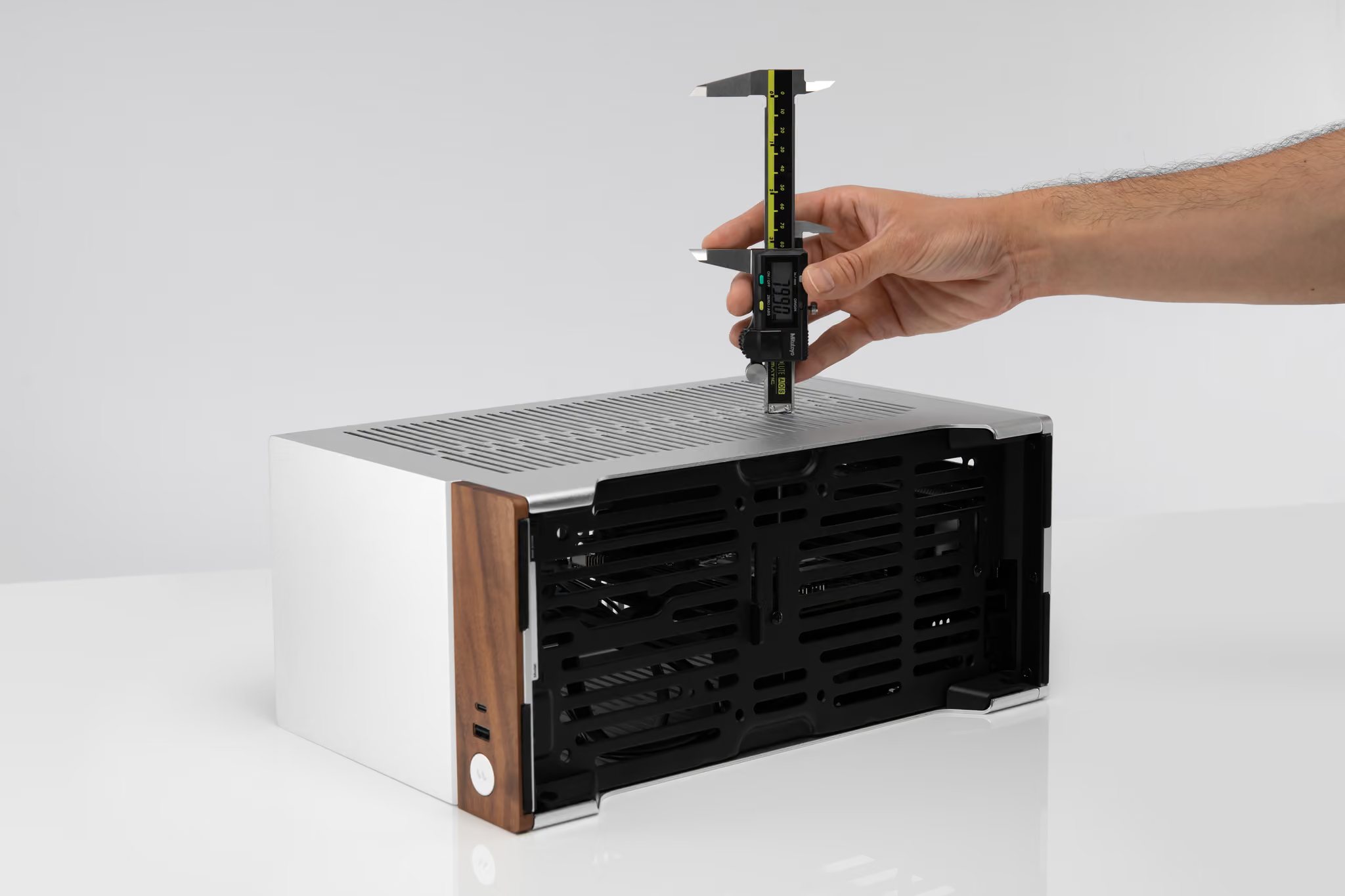
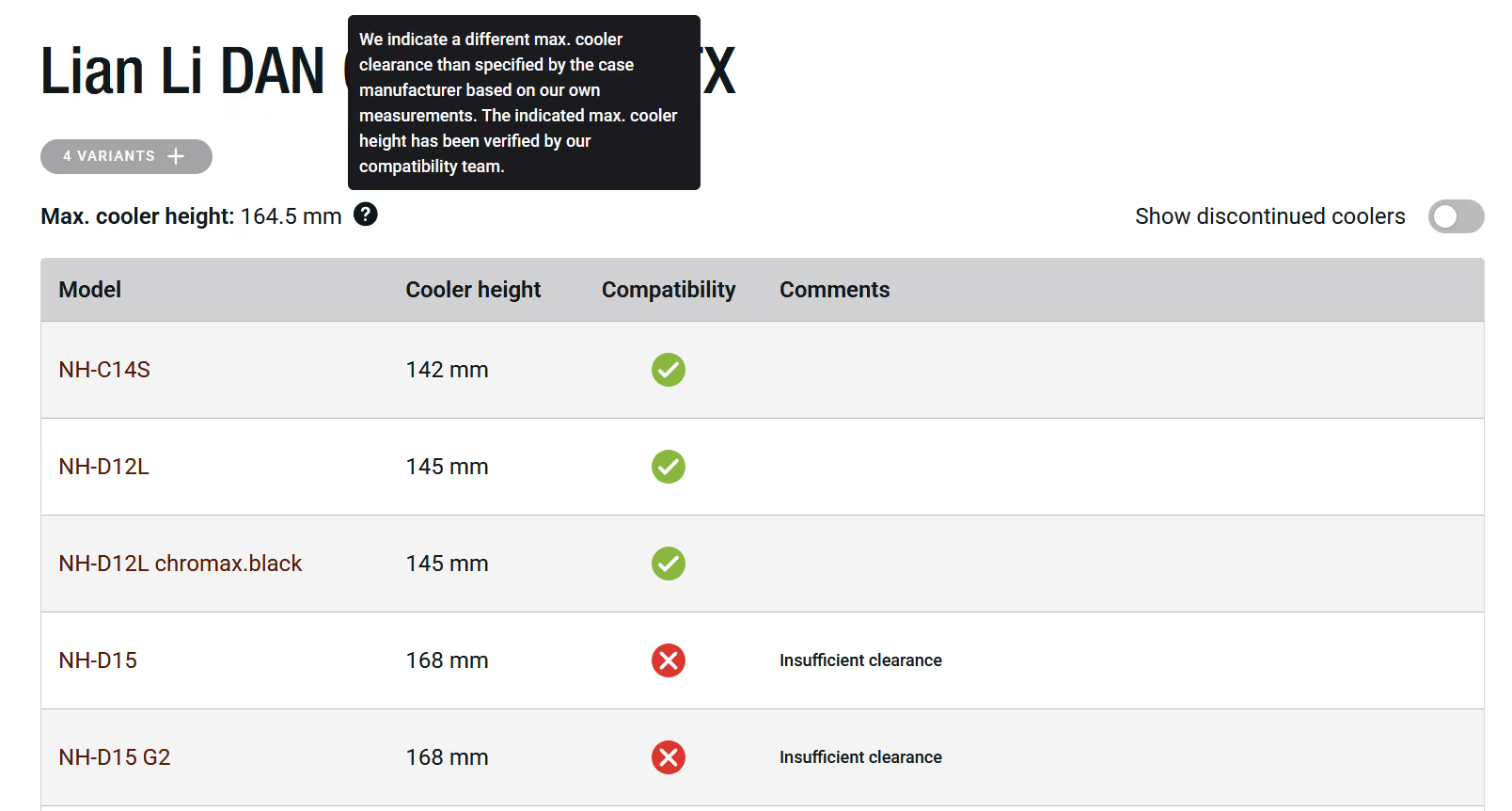
Noctua has launched a case compatibility database featuring CPU cooler clearance measurements taken by the company for more than 100 PC cases. The tool aims to give builders precise fitment data rather than relying solely on official manufacturer specifications.

Checking official vendor specification pages for CPU clearance, VGA, and PSU limits remains standard practice when picking PC components. However, listed specifications don't always match physical realities, as some components press against side panels despite claims of sufficient clearance. Other chassis offer additional room that vendors fail to document.

As spotted by Tweaktown, Noctua is now addressing these discrepancies by manually measuring CPU cooler clearance across over 100 chassis from various vendors and putting it all into a handy database. Dedicated compatibility tables now outline which heatsinks fit each chassis.

According to Noctua, cases like the Corsair 4000D and 5000D series provide nearly 10mm of extra clearance above listed specs. This extra space allows large coolers such as the 168mm-tall NH-D15 G2 to fit. On the other hand, testing revealed several models with lower physical clearance than advertised. One such example is the Asus Prime AP201, measuring approximately 2mm lower than official figures. Noctua plans to continue expanding the database as it tests additional cases.

KitGuru says: While the database focuses on Noctua's own cooling lineup, the data can also help builders gauge clearance for third-party coolers.

The post Noctua case compatibility database shows some manufacturers share incorrect specs first appeared on KitGuru.
BenQ details Mobiuz EX271QMZ QD-OLED gaming monitor

Following its showcase at Computex 2026, BenQ is officially releasing the Mobiuz EX271QMZ gaming monitor to the market. The display features a 26.5-inch 3rd Gen QD-OLED panel with a QHD resolution, a 240Hz refresh rate, and a 0.03ms GTG response time.

The Mobiuz EX271QMZ QD-OLED gaming monitor features AMD FreeSync Premium certification and BenQ's Color Shuttle platform, providing access to more than 120 game-specific colour profiles. Built-in tools include a crosshair, FPS counter, Blur Reduction, Color Vibrance, and Light Tuner. Peak HDR brightness reaches 400nits while typical SDR brightness sits at 200nits, supported by a 1,500,000:1 contrast ratio. Additionally, colour coverage spans 99% of the P3 space across 1.07 billion colours. Other features include Spectral Color (factory calibration) and High Pixel Contrast (image enhancer).

Panel longevity is managed through the Intelligent OLED Protection Suite, which includes Pixel Refresh, Idle Dimmer, Logo Dimming, and Pixel Shift. BenQ replaces traditional ABL behaviour with Brightness Flow technology to stabilise luminance in real time, pairing it with a graphene film layer to improve heat dispersion. Display outputs cover two HDMI 2.1 ports and a DisplayPort 1.4 connection, alongside dual 2W speakers and a headphone jack. Physical adjustment options offer up to 100mm of height adjustment, -5° to 15° tilt, and 15° swivel in either direction, supported by TÜV eye comfort certification.

KitGuru says: BenQ's latest Mobiuz display pairs a fast 240Hz 3rd Gen QD-OLED panel with dedicated thermal management and software colour profiles for competitive gamers.

The post BenQ details Mobiuz EX271QMZ QD-OLED gaming monitor first appeared on KitGuru.
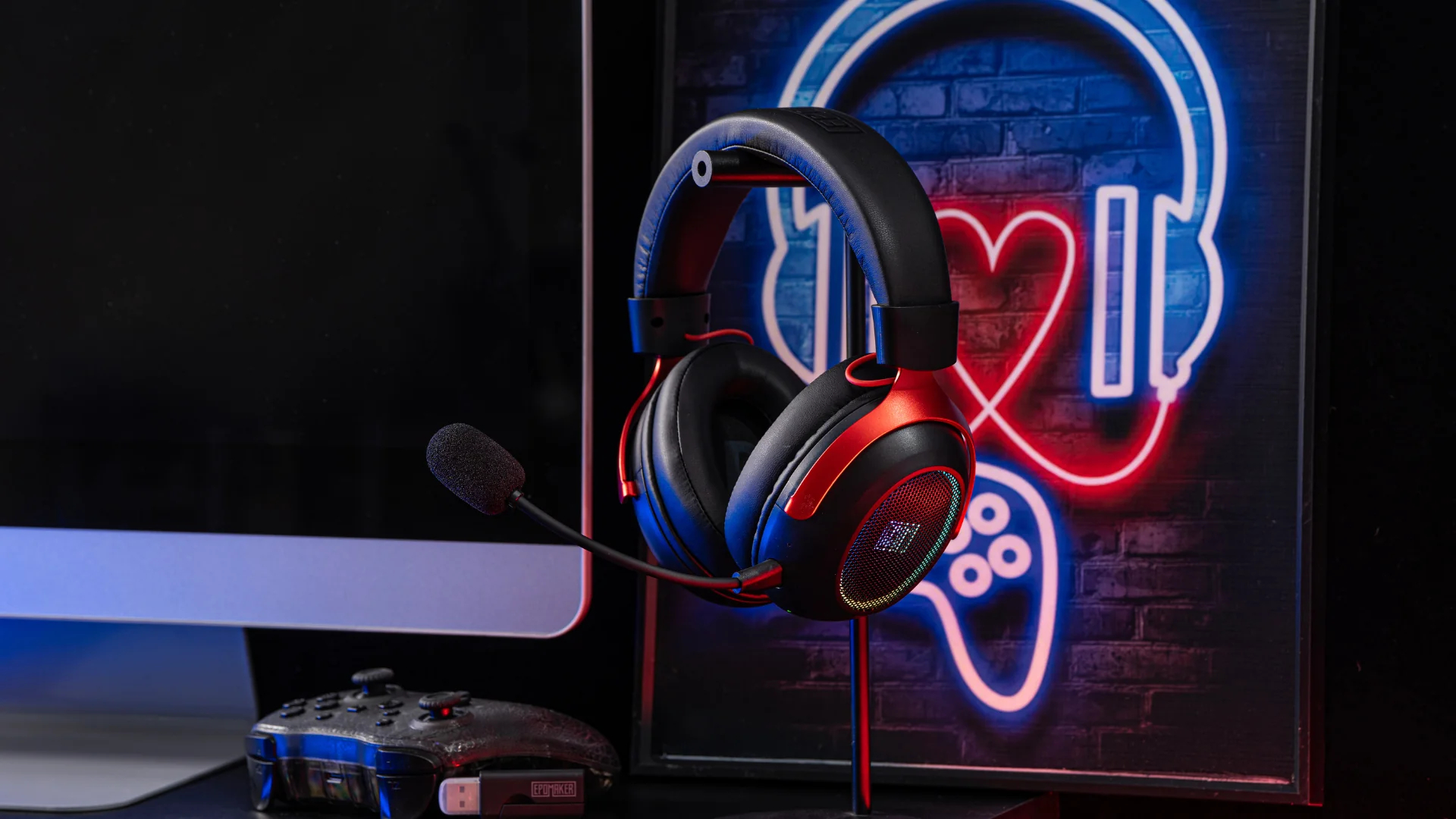
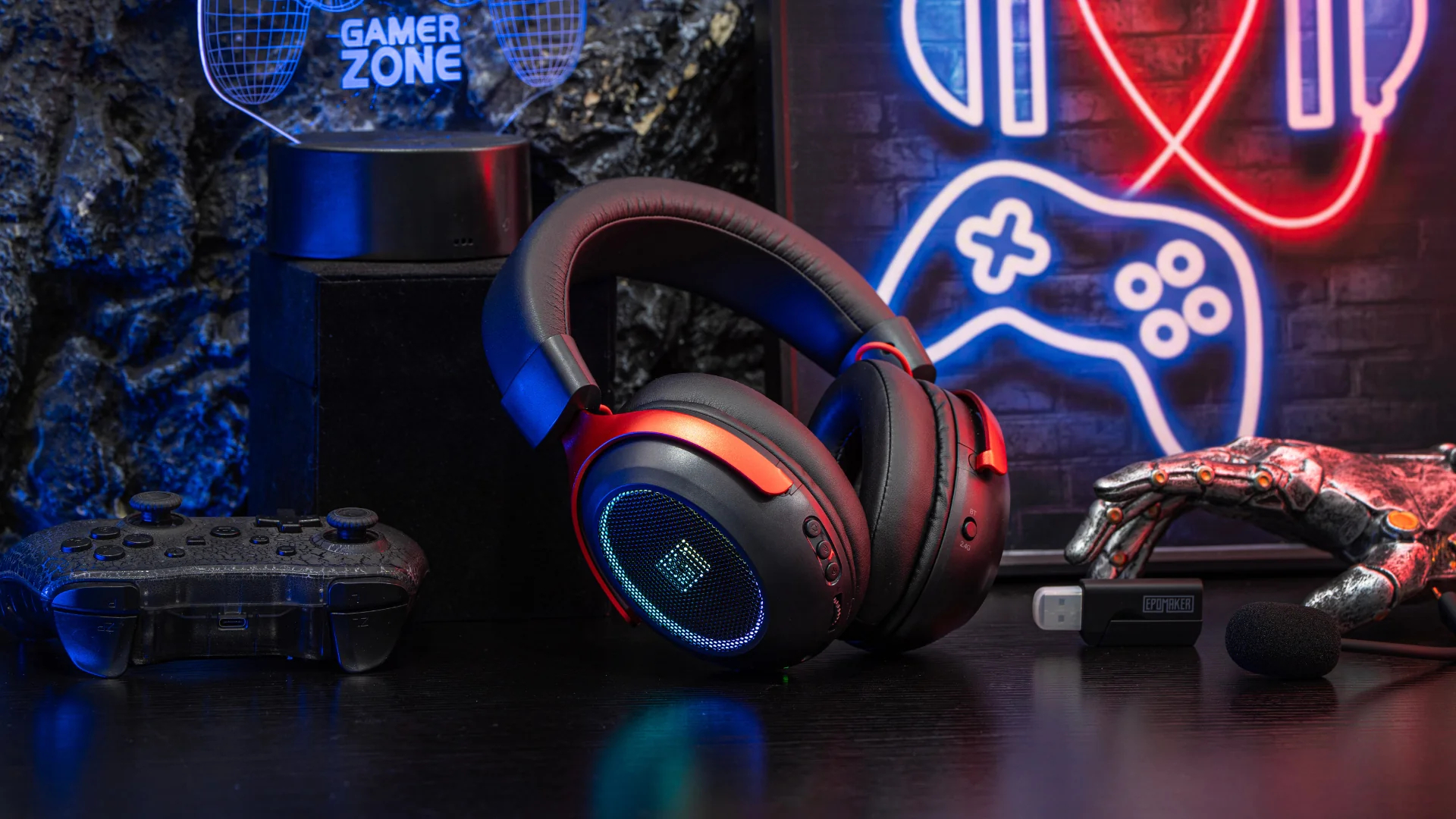
Epomaker gets into audio with the GX1 open-back wireless headset

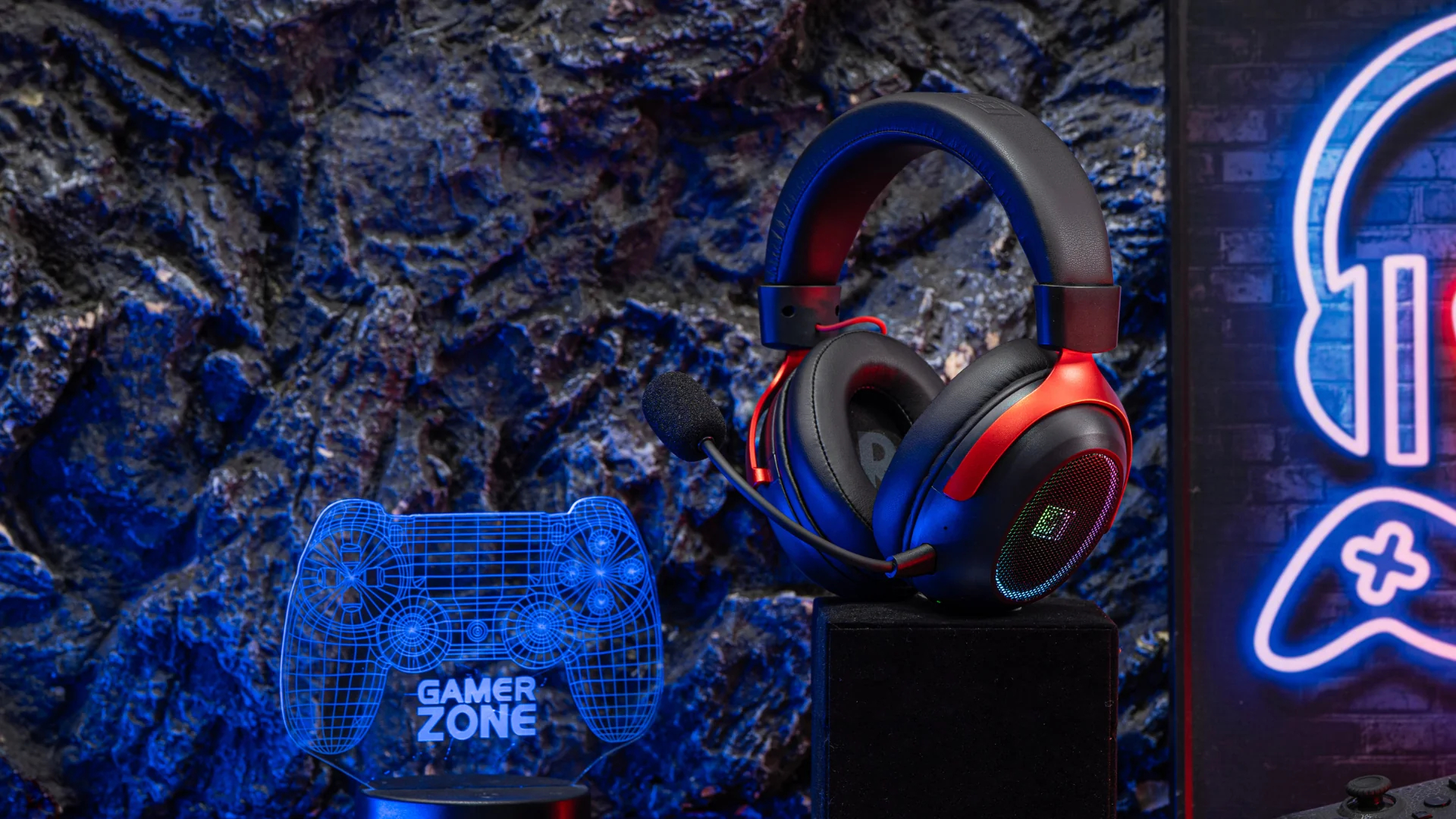
Epomaker has officially launched its first audio product, the GX1 wireless gaming headset. Available now, the open-back headset features tri-mode connectivity, 50mm dynamic drivers, 7.1 surround sound support, and a dual-microphone design with environmental noise cancellation.

The GX1 uses an open-back earcup design, something that isn't that common in the gaming headset space. However, this design allows the headset to deliver a more natural soundstage, which, alongside 7.1 surround sound, can create a more immersive experience on paper. On the other hand, sound sealing with an open-back headset is usually not that good, meaning you'll probably hear everything around you, and if the volume is high enough, those around you may also hear the sound coming from the headset.

Sound is handled by 50mm dynamic drivers tuned for balanced output across games, music, and voice calls. For communication, the headset packs a dual-microphone setup combining an integrated mic with a detachable boom microphone that uses ENC noise reduction.

Connectivity covers 2.4GHz wireless, Bluetooth, and wired options, with support for charging while in use. Built around a lightweight frame, the over-ear design features soft cushions and an adjustable headband built to accommodate users wearing glasses. Epomaker offers the headset in black, white, and pink colourways, with availability spanning its official store, Amazon, and AliExpress starting at $49.99.

KitGuru says: Epomaker expanding into gaming audio with an affordable $49.99 open-back wireless headset could make for an interesting entry-level option, assuming you're playing in a relatively quiet space.

The post Epomaker gets into audio with the GX1 open-back wireless headset first appeared on KitGuru.
Gamdias launches Thor P2 80 Plus Platinum PSUs

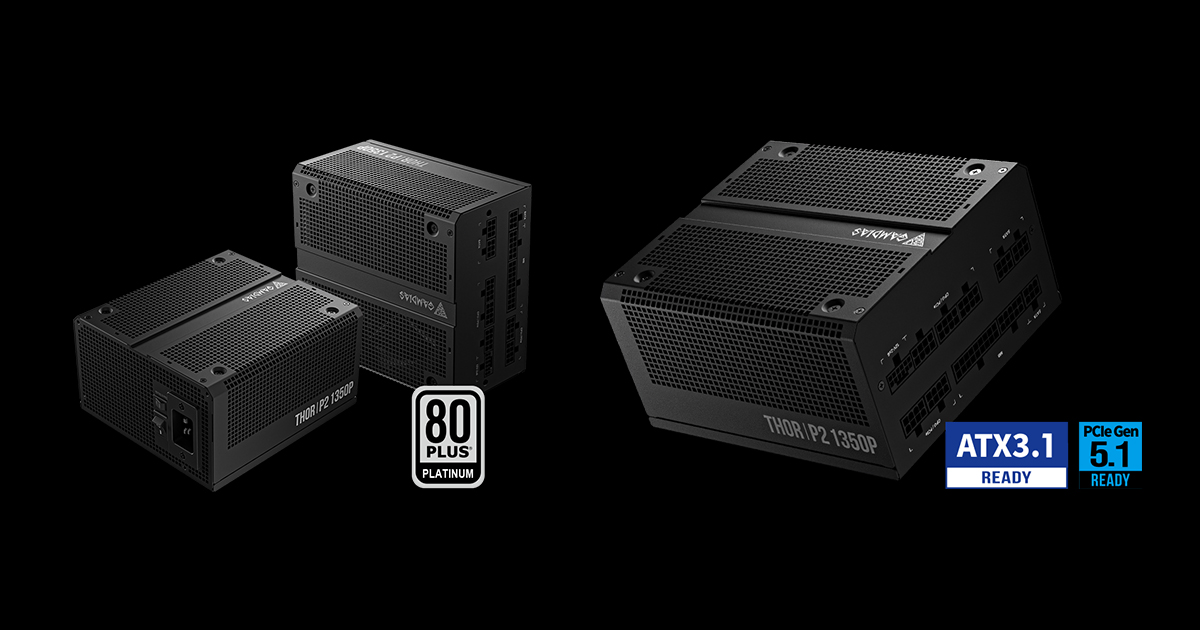
Gamdias has launched the Thor P2 Series power supply line, offering up to 1350W of power and featuring 80 Plus Platinum efficiency and compliance with ATX 3.1 and PCIe Gen 5.1 standards.

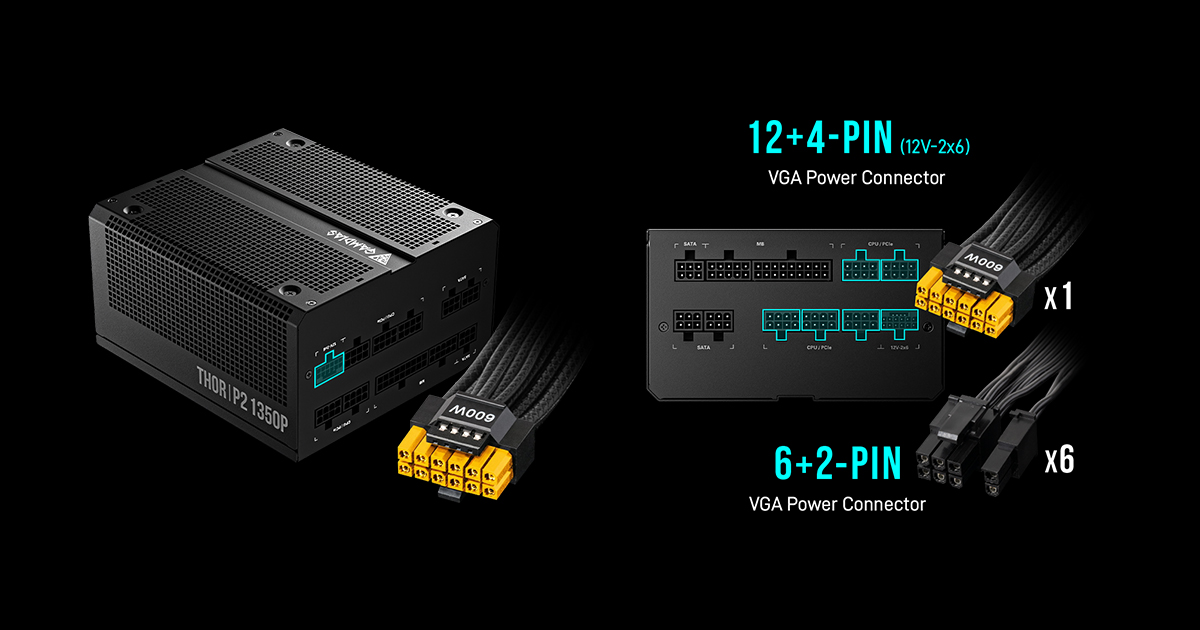
Available in 850W, 1050W and 1350W, each unit in the series features a fully modular cable layout and a native 12V-2×6 cable rated for up to 600W to power graphics cards. To ensure proper insertion, the 12V-2×6 connector includes a dual-colour design. These units meet ATX 3.1 and PCIe Gen 5.1 standards, supporting up to 3x GPU power excursion and 2x total power excursion during sudden load spikes. Gamdias also equips the lineup with multiple 6+2-pin PCIe connectors for wider GPU compatibility.

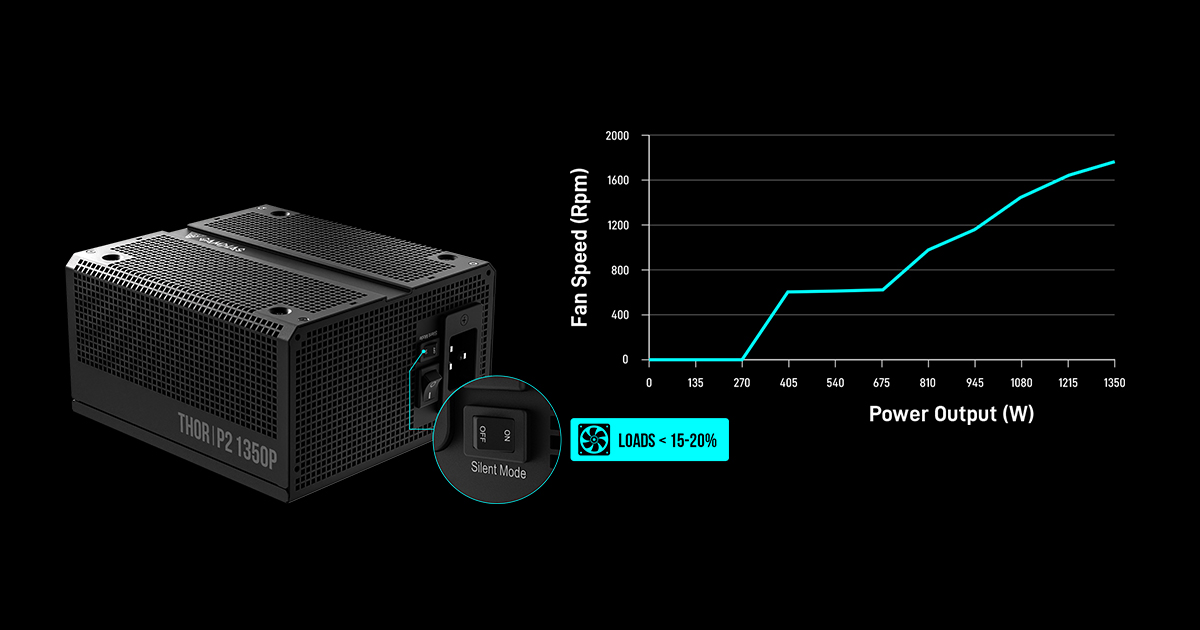
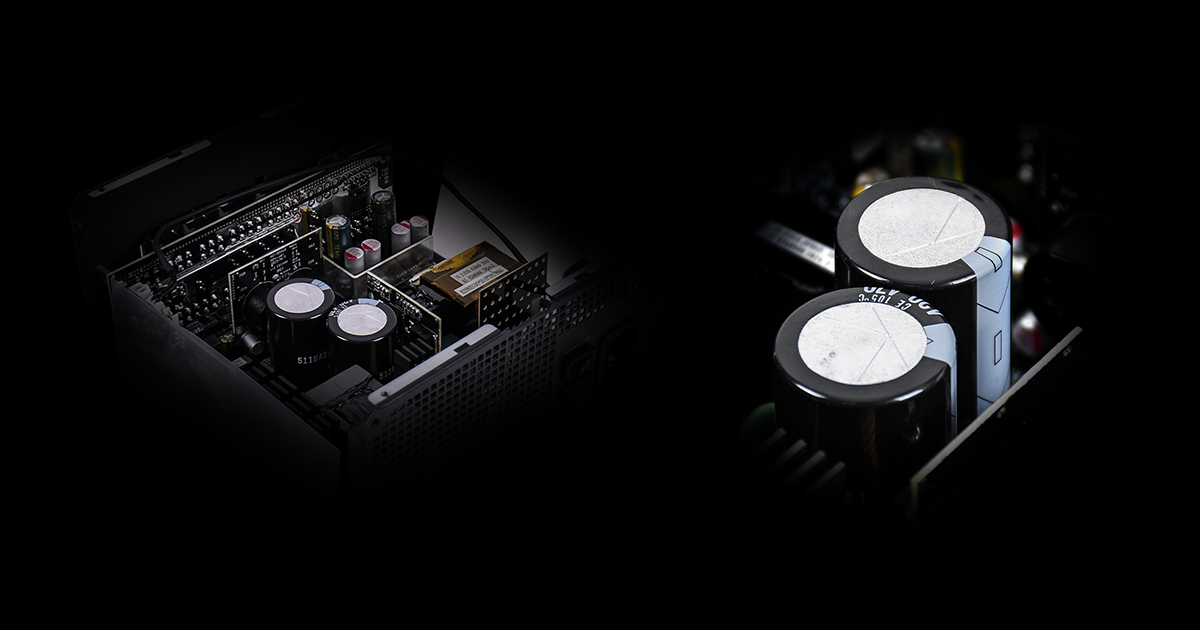
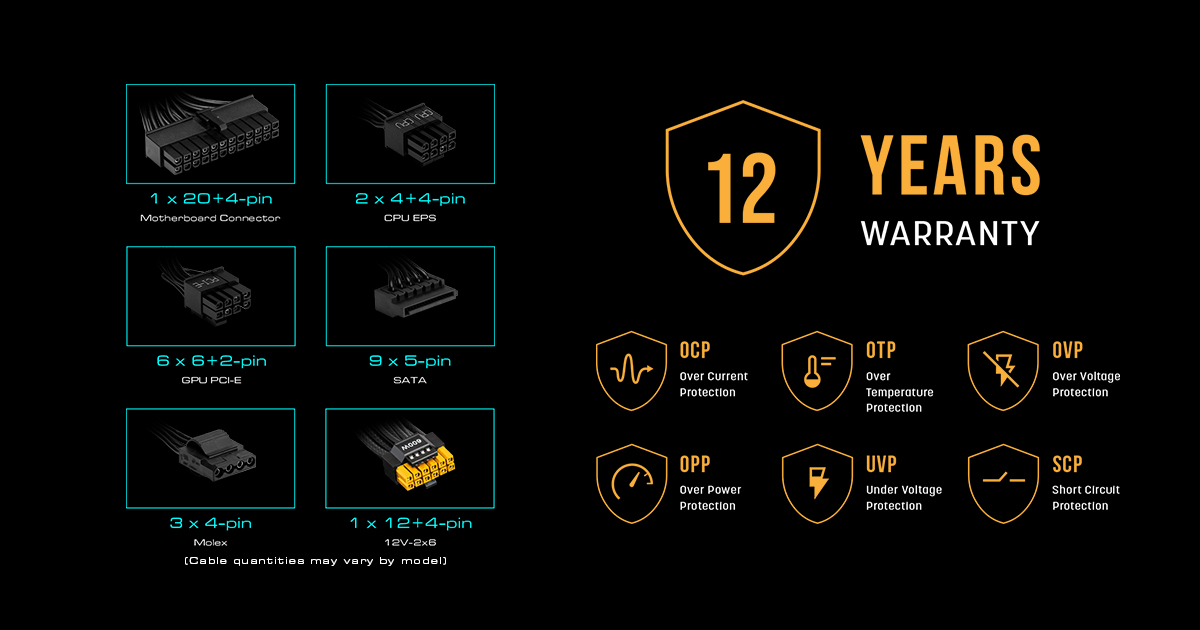
Internally, the power supplies use 100% 105°C Japanese capacitors alongside a semi-bridge LLC resonant circuit, full DC-to-DC design, and 12V synchronous rectification. Cooling is handled by a 135mm Fluid Dynamic Bearing fan that supports Smart Silent Mode, allowing zero fan operation under 15–20% system loads. Safety protections cover OVP, UVP, OPP, SCP, OCP, and OTP, while Gamdias backs the series with a 12-year warranty.

KitGuru says: With ATX 3.1 support, 80 Plus Platinum efficiency, and a 12-year warranty, Gamdias's Thor P2 line offers a feature-complete option for high-end PC builds.

The post Gamdias launches Thor P2 80 Plus Platinum PSUs first appeared on KitGuru.

Synology launches DiskStation neo+ NAS lineup

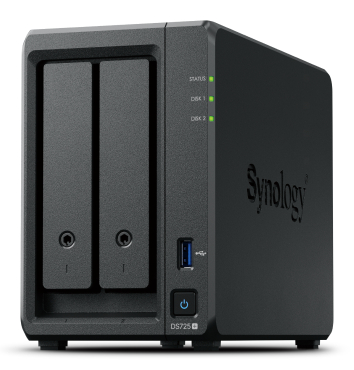
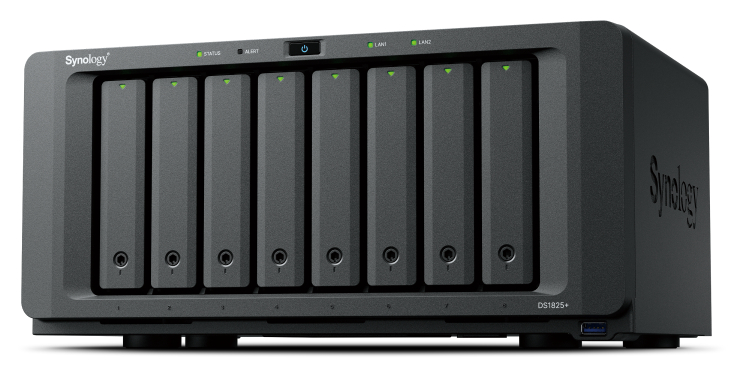
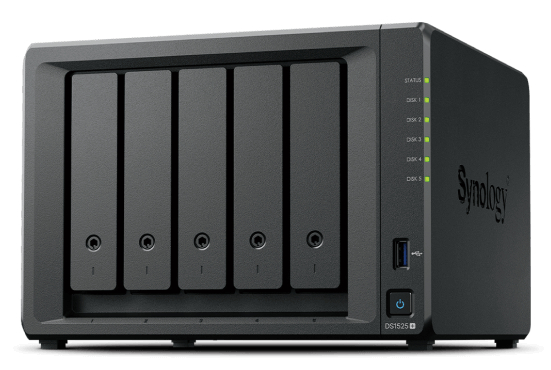
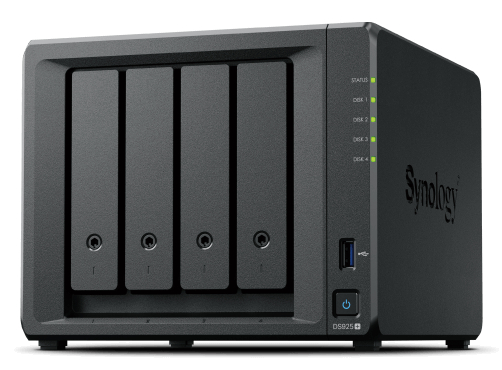
Synology has launched the DiskStation neo+ series, comprising the DS1825neo+, DS1525neo+, DS925neo+, and DS725neo+. Built on the existing DS Plus platform, these new models introduce a default 4GB non-ECC DDR4 memory configuration designed to lower upfront costs while coexisting alongside standard DS Plus units.

Base hardware across the lineup features built-in M.2 slots for SSD caching alongside 2.5GbE network ports. Storage capacity can be expanded using the DX525 expansion unit, while the DS1825neo+ and DS1525neo+ also include PCIe 3.0 slots for optional 10GbE or 25GbE network cards. Though they ship with non-ECC RAM, all four units support ECC memory upgrades up to 32GB as workloads grow. All models, including the DS925neo+, come with a 4-core Ryzen V1500B, except for the DS725neo+, which comes with a 2-core Ryzen R1600.

Software management runs on Synology DiskStation Manager (DSM), providing access to tools like Synology Drive for private cloud storage and cross-platform file synchronisation. System protection is handled via Active Backup Suite across Windows, Linux, macOS, virtual machines, and cloud accounts. Additionally, Surveillance Station supplies on-premises NVR functionality for multi-site security monitoring.

Discuss on our Facebook page, HERE.

KitGuru says: Synology's neo+ lineup is a response to the increasing costs of memory. By swapping out default ECC memory for a 4GB non-ECC stick, Synology is offering a more budget-friendly entry point into its Plus Series ecosystem.

The post Synology launches DiskStation neo+ NAS lineup first appeared on KitGuru.

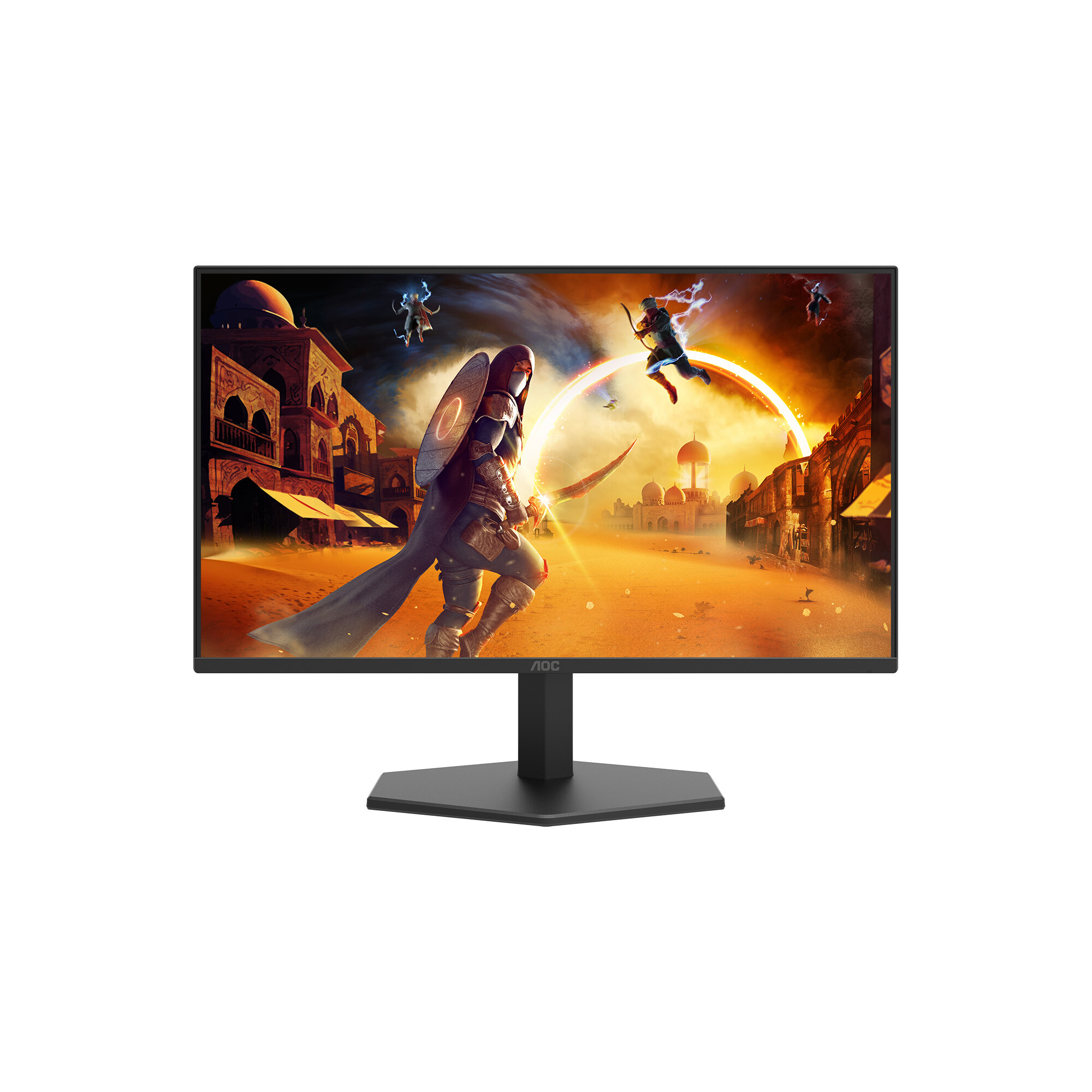
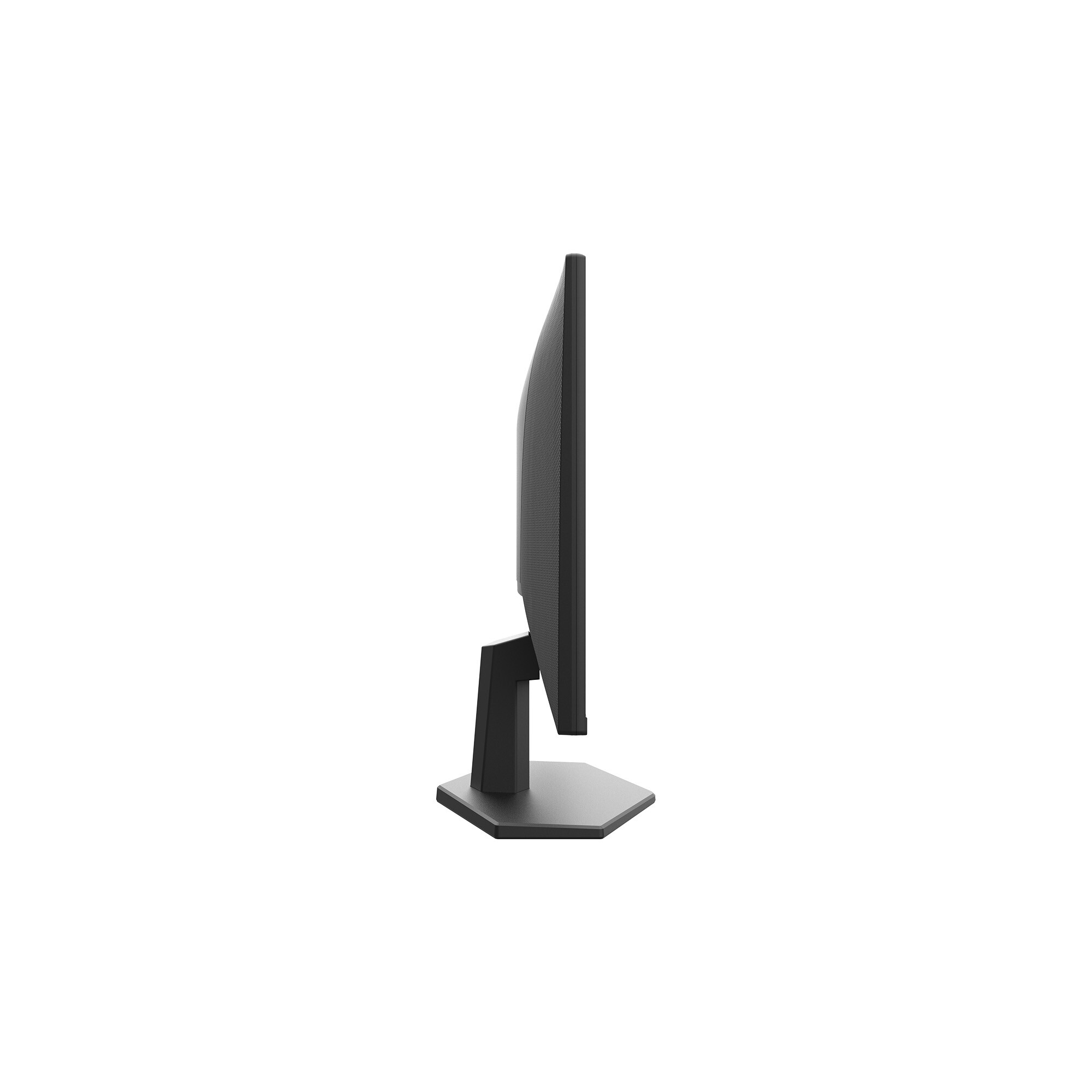
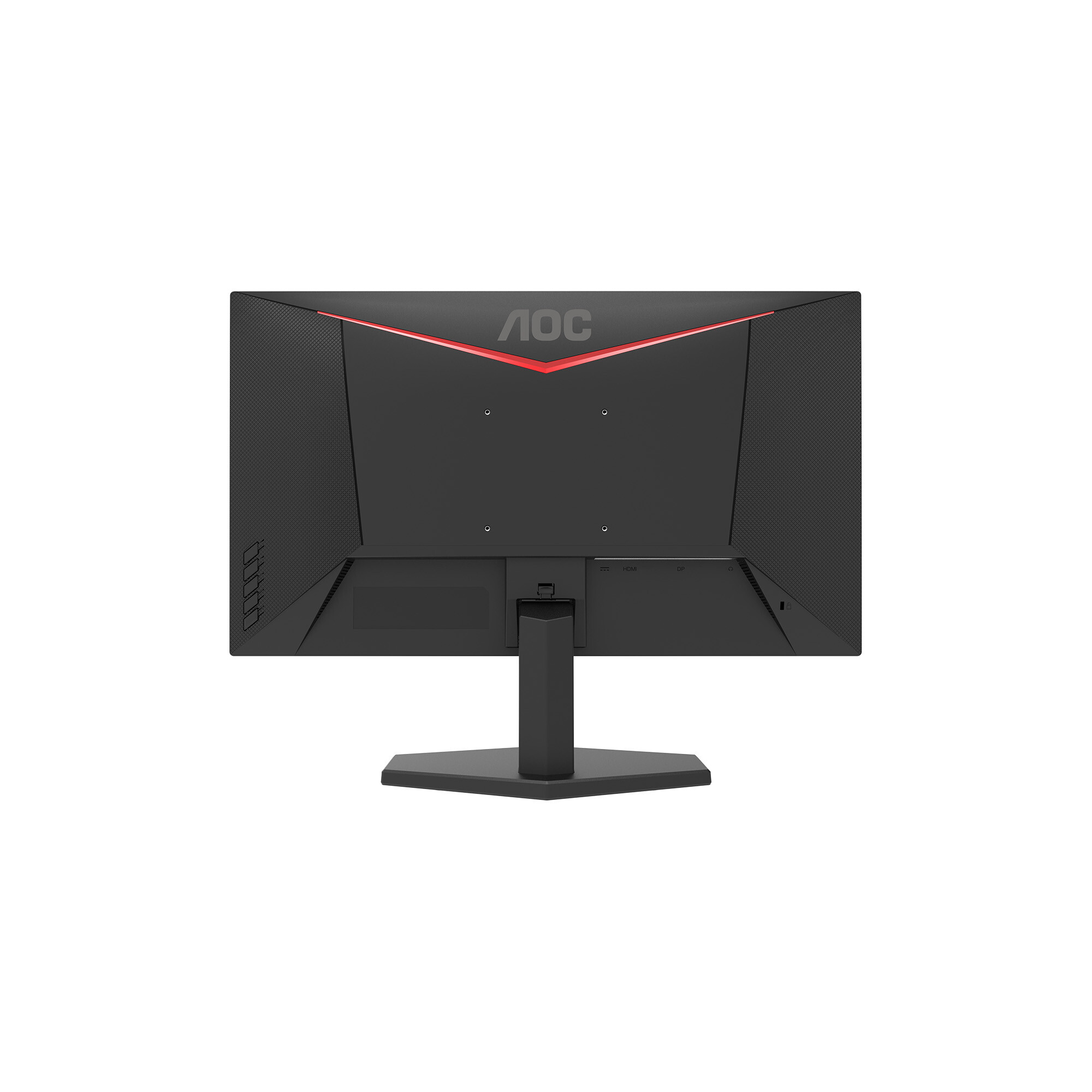
AOC Q25G11SE6 features QHD Fast IPS panel with 360Hz refresh rate and 0.3ms MPRT

AOC has quietly unveiled the Q25G11SE6, a 24.5inch Fast IPS gaming monitor featuring a QHD resolution, a 360Hz native refresh rate, and a 0.3ms MPRT response time.

The Q25G11SE6 (via DisplaySpecifications) display achieves its maximum 360Hz refresh rate via DisplayPort 1.4 using Display Stream Compression (DSC), while capping at 320Hz over HDMI 2.1 with DSC. Adaptive-Sync technology handles motion smoothness alongside FreeSync support, supported by low input lag and MBR/MBR Sync low-motion-blur features. Built-in gaming options include FPS and RTS modes, dynamic crosshair overlays, sniper scope functions, dark-field control, shadow enhancement, and a frame counter, all configurable through AOC's G-Menu software.

Color coverage spans 100% of sRGB and 95% of DCI-P3 colour gamuts, with factory calibration guaranteeing a deltaE below 2. Users can adjust colour settings themselves using the six-axis colour adjustments. SDR brightness is rated at 350nits and HDR performance at 400nits under the HDR10 standard. Native contrast sits at 1300:1.

Physical connectivity consists of HDMI 2.1, DisplayPort 1.4, and an audio output. For multitasking, the unit supports picture-by-picture (PBP) and picture-in-picture (PIP) modes across two signal sources. Eye-care features include a hardware low-blue-light panel and flicker-free operation. The included stand provides tilt adjustments only.

Discuss on our Facebook page, HERE.

KitGuru says: AOC's Q25G11SE6 360Hz refresh rate into a compact 24.5inch QHD panel is rather interesting, though users looking for ergonomic stand options will need to look elsewhere.

The post AOC Q25G11SE6 features QHD Fast IPS panel with 360Hz refresh rate and 0.3ms MPRT first appeared on KitGuru.

Leaked memo suggests next-gen Xbox devices may run your whole Xbox library

Leaked Microsoft documents corroborate reports about two separate programs aimed at bringing older Xbox console games to PC, handhelds, and future hardware. The reported plans include a disc-to-digital licence conversion system alongside a native PC emulator for original Xbox and Xbox 360 titles.

Under the proposed disc-to-digital scheme, further corroborated by the documents shared by The Verge, players insert an Xbox One or Xbox Series disc into an optical drive console to grant a digital license to their account. That license then carries over to disc-less hardware, including future devices like Project Helix. Details from The Verge note that Microsoft's secondary initiative focuses on running original Xbox and Xbox 360 titles locally on PCs, handhelds, and Helix via a dedicated emulator.

Image credit: The Verge

These emulated titles will reportedly function like standard Xbox PC releases, featuring cloud saves and shared account progress. Microsoft intends to manage the emulator software, certification, storefront integration, and ongoing support, leaving publishers responsible only for opt-ins and pricing. As per the memo, permission for Xbox and Xbox 360 games will have to be given by the publisher on a title-by-title basis.

Original Xbox titles are scheduled to launch first, followed by Xbox 360 games targeting rollout windows across 2027 and 2028.

Discuss on our Facebook page, HERE.

KitGuru says: Giving players a path to turn old physical discs into digital licenses while bringing classic Xbox and Xbox 360 games to PC through official emulation sounds like a massive win for game preservation.

The post Leaked memo suggests next-gen Xbox devices may run your whole Xbox library first appeared on KitGuru.
Ubisoft opens Ghost Recon Insider Program testing for next game

Ubisoft has announced the Ghost Recon Insider Program, allowing players to register for early closed playtests of the next upcoming title in the franchise. The announcement arrived during a 25th anniversary event.

Registration for the Ghost Recon Insider Program requires a three-step process on the official website. Players must select their platform (PlayStation 5, Xbox Series X|S, or Ubisoft Connect PC), log into their Ubisoft account, and complete a survey to register.

No gameplay of the upcoming entry was revealed. Still, live producer Irina-Gabriela Popa said during the presentation that gamers can expect “tactical action, large-scale operations, credible military storytelling and, of course, the Ghost Unit”.

In addition to the announcement, Ubisoft also detailed the next-gen upgrade for Ghost Recon Wildlands. Moreover, the publisher announced that free play days are available for both Wildlands and Ghost Recon Breakpoint from today through Sunday, and a franchise sale of up to 95% is currently ongoing on all platforms. Lastly, users can also get a free digital copy of Ghost Recon Future Soldier on the Ubisoft Connect store until August 13th.

Discuss on our Facebook page, HERE.

KitGuru says: Opening up early testing through an insider program suggests Ubisoft wants community feedback early in development for the next Ghost Recon title. Will you be joining the Ghost Recon Insider Program?

The post Ubisoft opens Ghost Recon Insider Program testing for next game first appeared on KitGuru.
Lamzu introduces Orcus ultra-lightweight finger-grip mouse

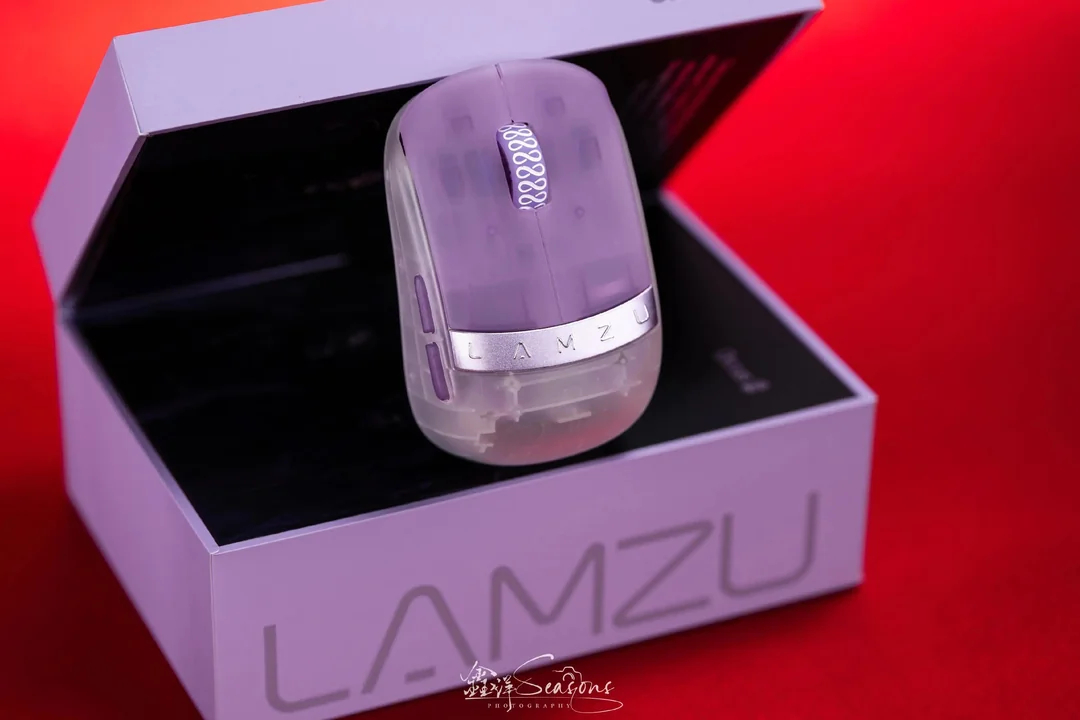
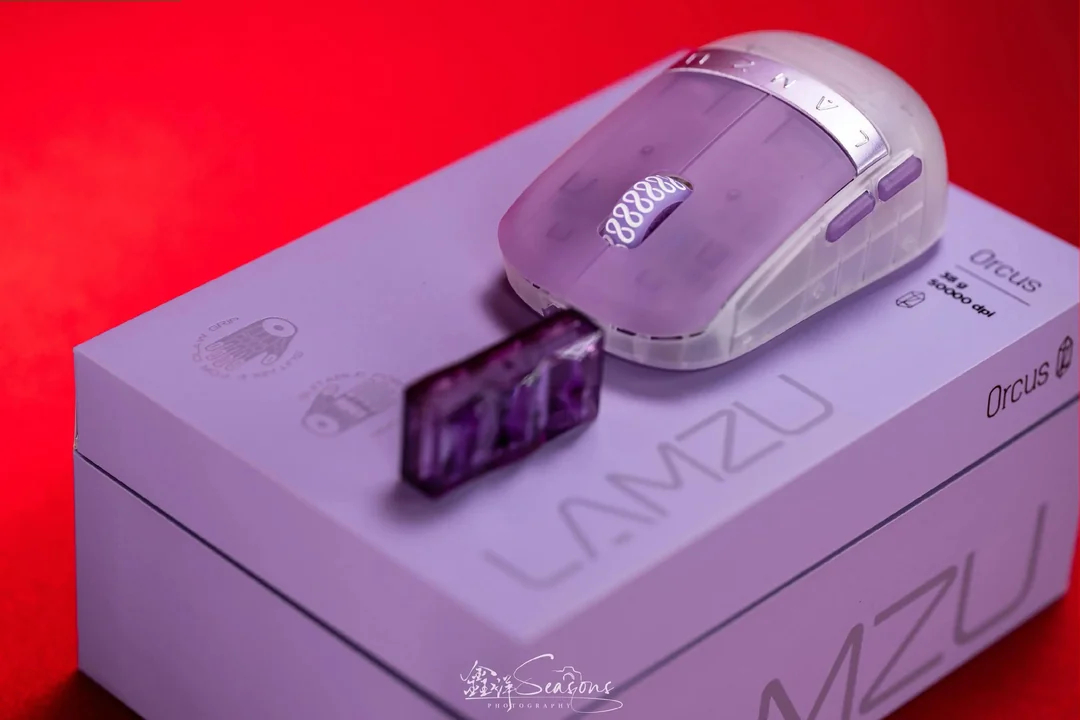
Lamzu has officially introduced the Orcus, a 38g finger-grip gaming mouse built with a frosted transparent shell, up to 8KHz polling rate support, and a PixArt PAW Next I sensor.

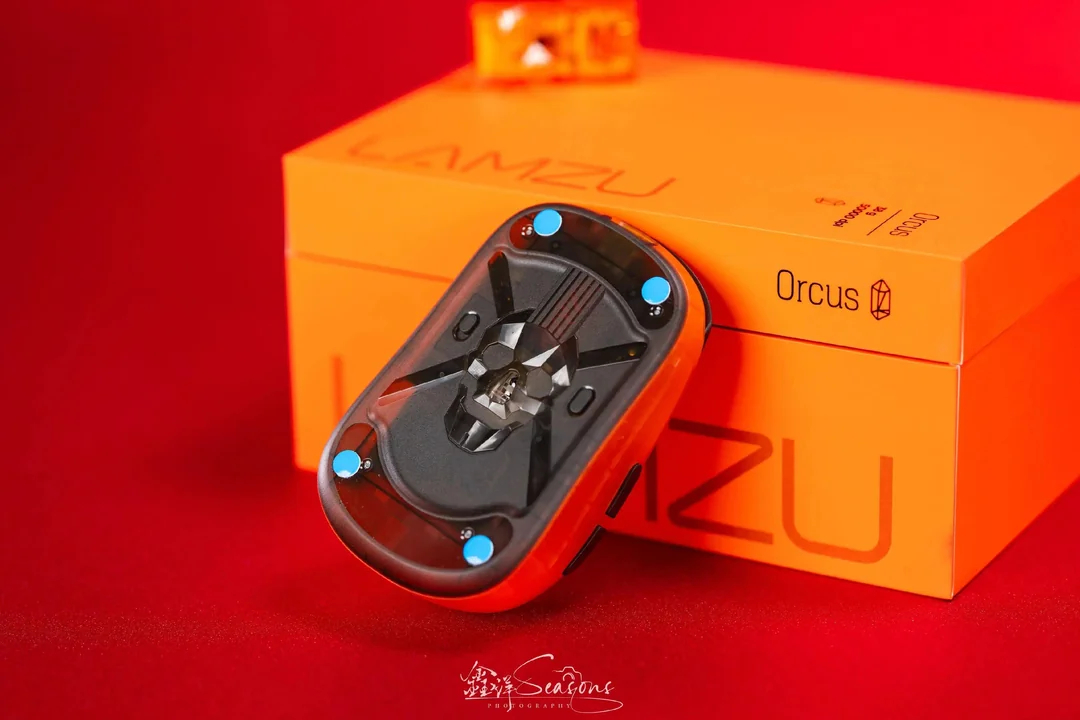
Measuring 92x56x35mm and weighing 38±2g, according to ITHome, the mouse targets competitive players who prefer a compact layout. Its design combines a narrow waist, low rear profile, and elevated main buttons. Lamzu claims button surface area increases by roughly 25% over similar finger-grip designs. Aesthetics feature metal nameplates on the main buttons alongside a three-dimensional skull relief visible through the transparent bottom shell.

Image credit: Reddit

Internal hardware includes a Nordic nRF54H20 SoC across both the mouse and USB receiver to handle its 8KHz polling rate. Tracking relies on the PixArt PAW Next I sensor supporting up to 50000DPI, 880IPS speed and 80G acceleration. Tuned optical switches deliver a reported 0.176ms click latency.

Users can connect the mouse either using the wireless dongle or a cable. The outer shell, which could be coloured lavender or orange, receives a sweat-resistant, anti-slip nano coating to improve grip and durability. The mouse is already available in China for 849yuan, which is about £94.

KitGuru says: Do you like compact mice such as the Orcus? Do you think brands should launch more models like this one?

The post Lamzu introduces Orcus ultra-lightweight finger-grip mouse first appeared on KitGuru.
Corsair acquires Trak Racer for future racing sims

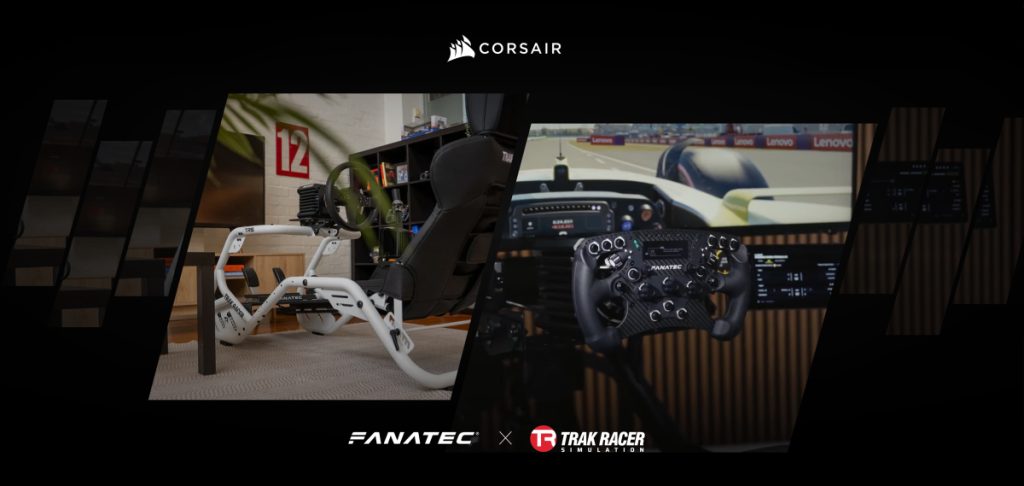
Corsair has acquired the assets of Trak Racer, expanding its sim racing and flight simulation portfolio. Trak Racer, known for manufacturing cockpits, seats, monitor stands, and motion systems, joins Corsair alongside its Fanatec brand to offer a more complete simulator lineup.

While Fanatec centers on electronics like wheelbases, steering wheels, pedals, and shifters, Trak Racer focuses on physical simulator hardware. This includes aluminium and tubular cockpits, racing seats, display mounts, and haptic systems. Founded in 2008 by Matt Sten, the company gives Corsair a broader footprint across sim racing and its first proper entry into flight simulation through products like the TR550 Flight Simulator.

Trak Racer previously sold primarily direct to consumers online. Joining Corsair's network allows its cockpits and accessories to expand onto retail shelves worldwide. Both Fanatec and Trak Racer also maintain long-standing ties to Formula 1, which Corsair plans to continue developing across both brands.

KitGuru says: Combining Fanatec's electronics with Trak Racer's cockpits makes plenty of sense for Corsair as it looks to offer complete, all-in-one sim racing and flight setups. Now that Track Racer product availability will likely improve, are you planning on buying something from the brand?

The post Corsair acquires Trak Racer for future racing sims first appeared on KitGuru.
Havn expands BF 360 series with Flow Solid variant

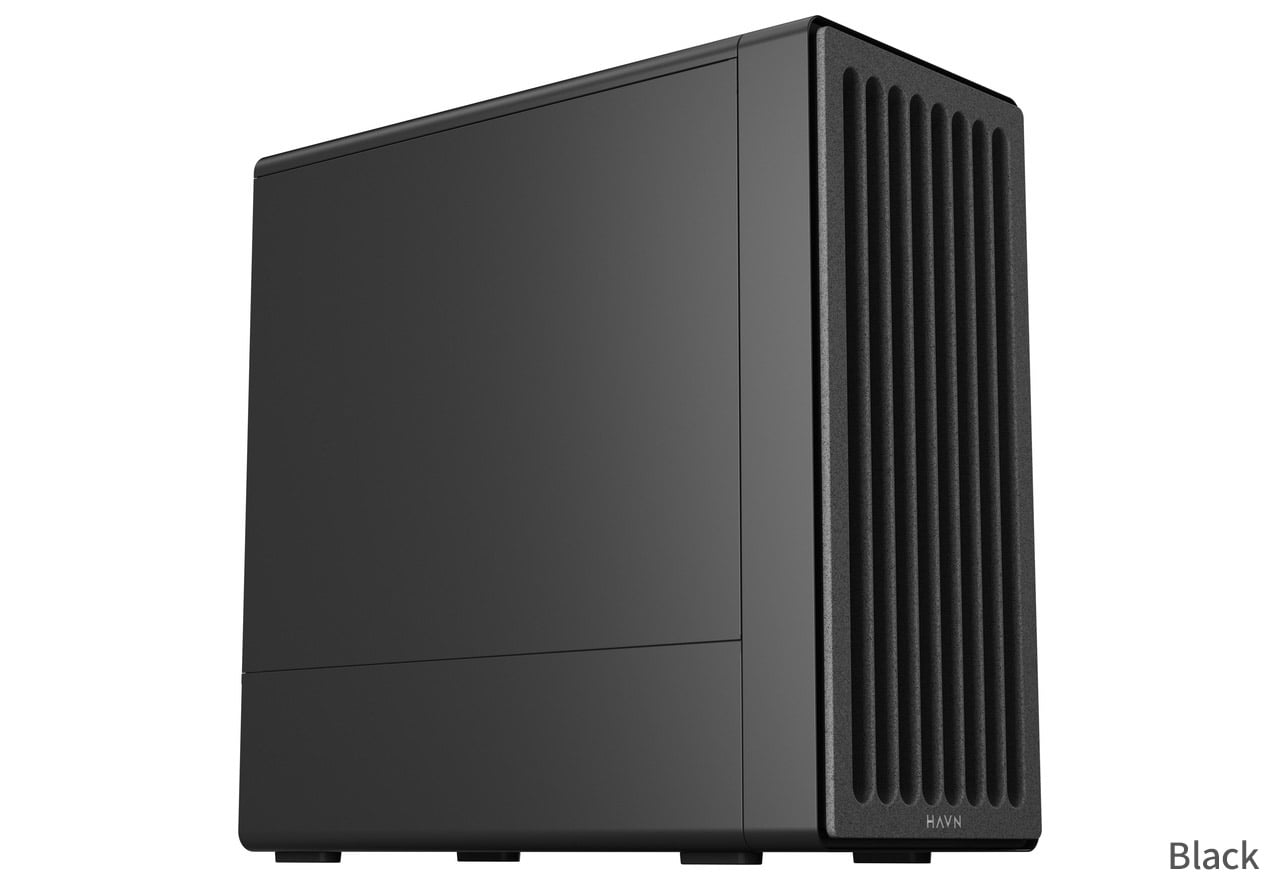
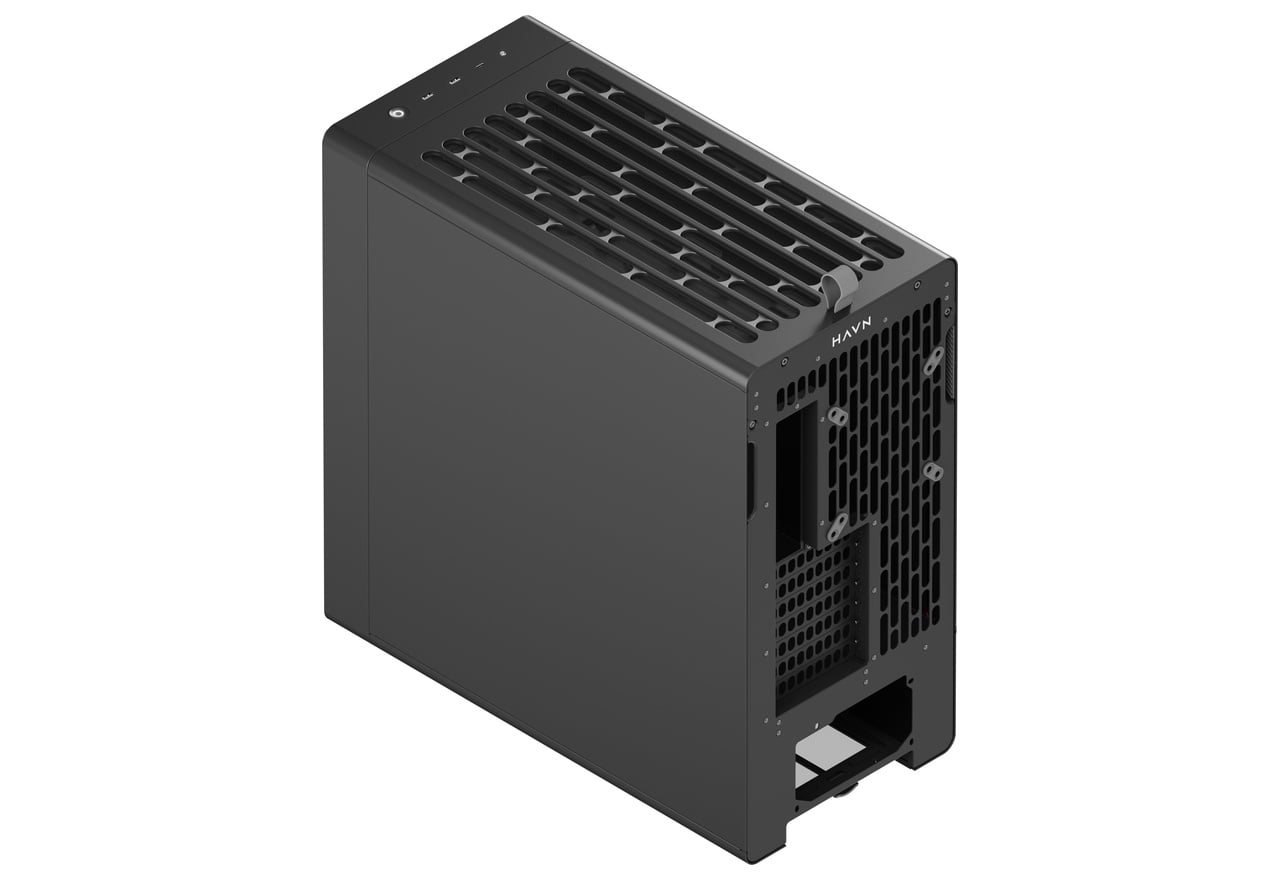
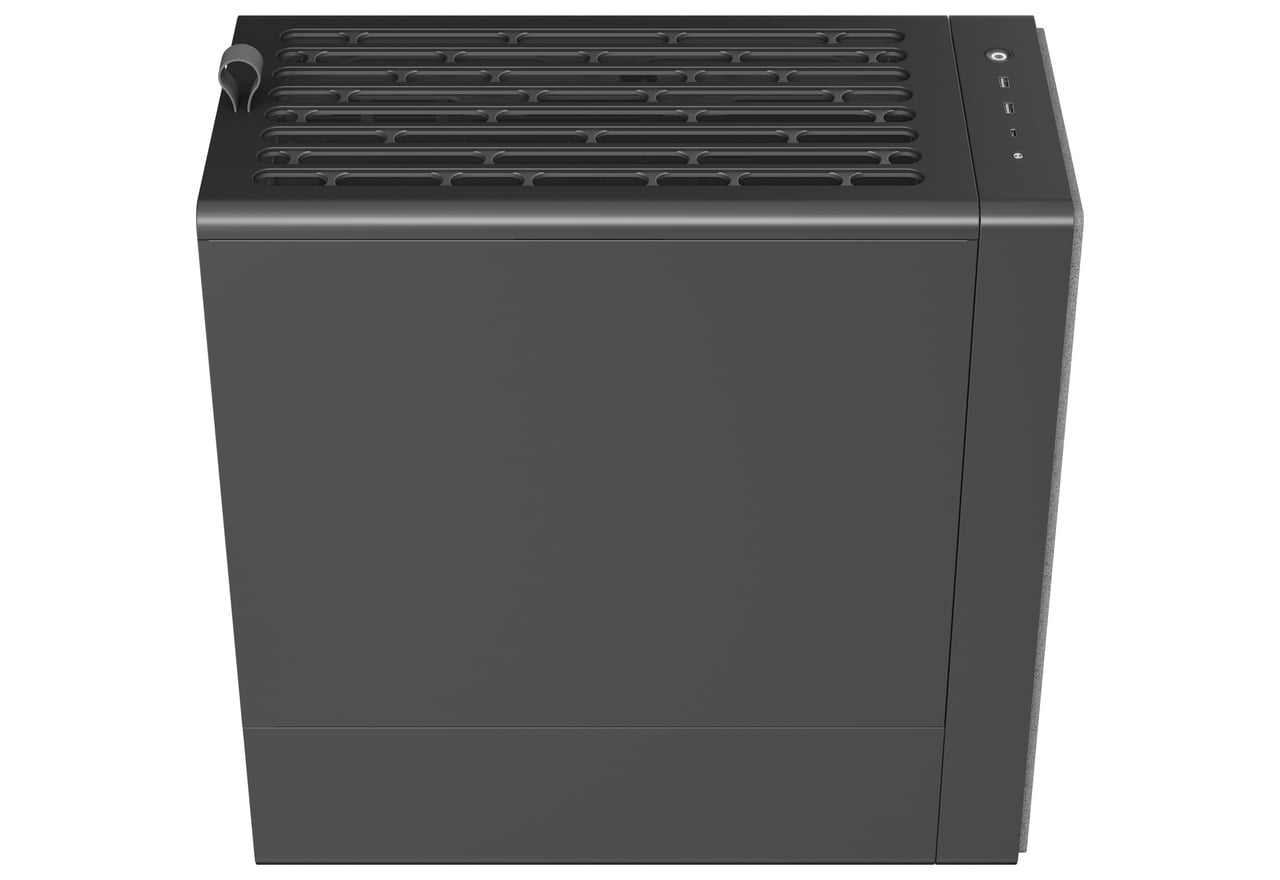
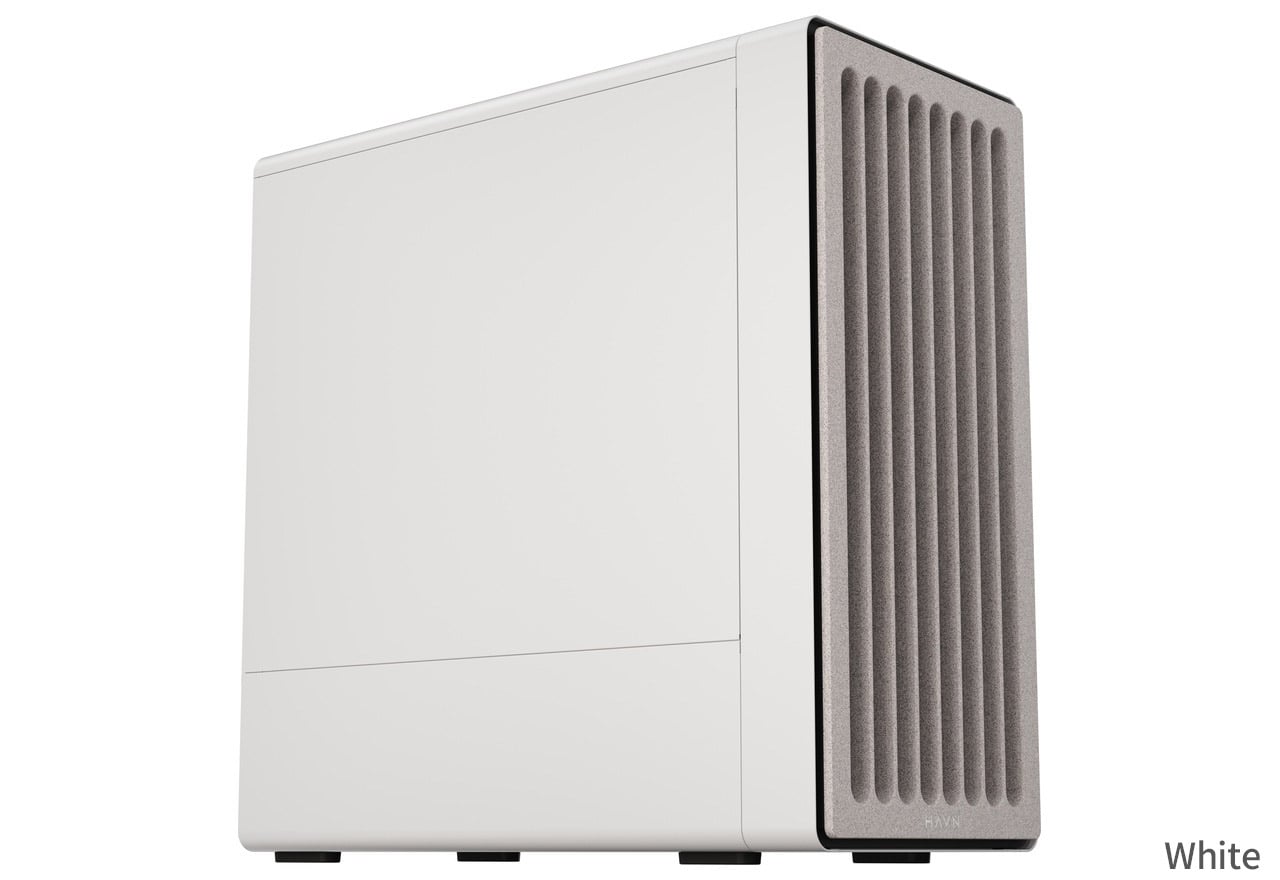
A Japanese distributor named ASK has revealed Havn's upcoming BF 360 Flow Solid PC case. Building on the airflow-focused BF 360 lineup launched last year, the new variant replaces the previous translucent glass panel with an opaque, closed left side panel while retaining three pre-installed fans.

The Flow Solid model (via ITHome) brings a more understated aesthetic to the series. Havn initially offered the chassis in standard fanless and fan-equipped Flow configurations, both featuring glass side panels. The updated variant keeps the three-fan cooling setup, bundling two 180mm fans alongside a single 140mm fan out of the box.

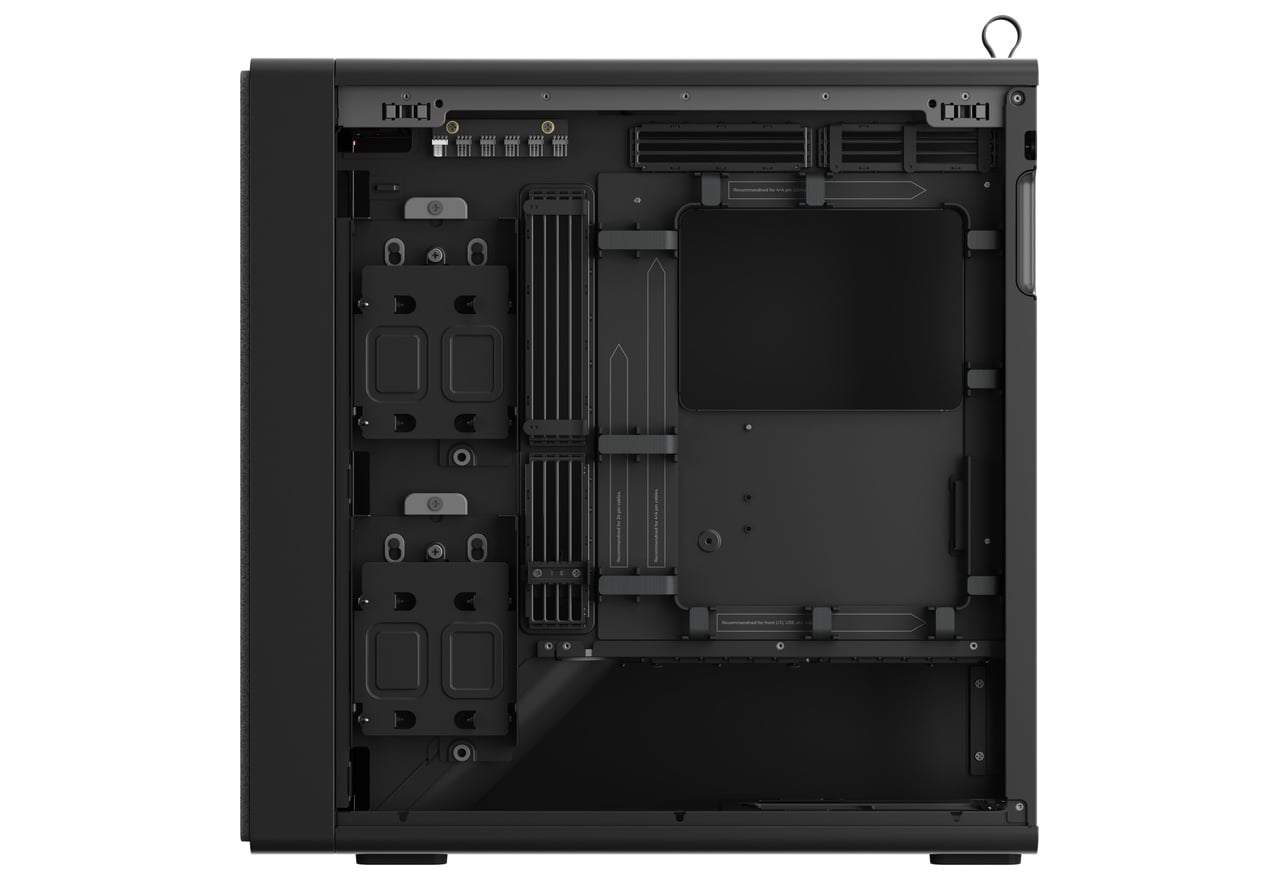
Underneath the new solid panel sits a split-compartment mid-tower layout with seven expansion slots. Up front, a rock-patterned grille feeds air to an internal intake ramp angled toward the graphics card. Installation relies on a semi-open frame with magnetic front and top panels, while 33mm of rear clearance allows cables to be routed. There's also an adjustable GPU support bracket integrated within the chassis.

Hardware support accommodates E-ATX motherboards up to 277mm wide, graphics cards up to 410mm in length, CPU coolers up to 195mm tall, and PSUs up to 200mm long. Liquid cooling options include space for up to a 360/280mm radiator along the top panel, while front I/O features one USB-C 10Gbps port and two USB-A 5Gbps ports. Distributor ASK has set Japanese pricing at ¥27,980 (£132), which is about the same as the original BF 360 Flow case.

KitGuru says: For those who prefer steel over tempered glass, Havn's BF 360 Flow Solid offers a more subtle look while keeping the series' airflow focus.

The post Havn expands BF 360 series with Flow Solid variant first appeared on KitGuru.
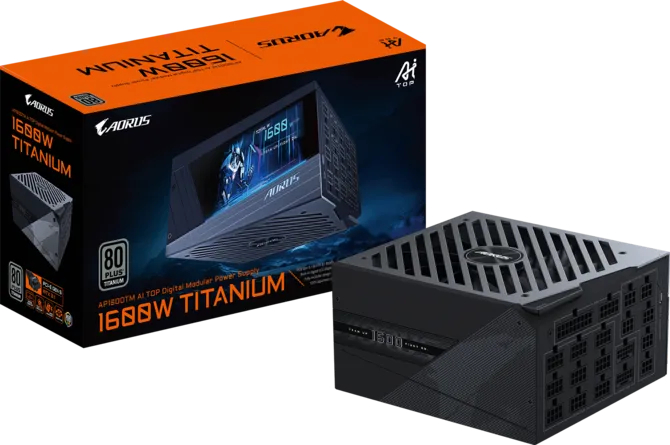
Gigabyte unveils Aorus P1600W AI Top PSU with integrated display

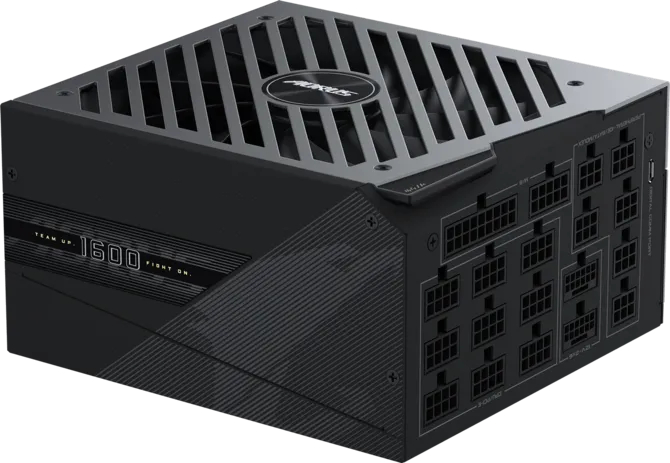
Gigabyte has officially launched the Aorus P1600W 80+ Titanium PCIe 5.1 AI Top modular power supply. Following its initial reveal at Computex 2026, the 1600W unit brings ATX 3.1 and PCIe 5.1 compliance to a compact 160mm chassis targeting enthusiast builds and local AI workloads.

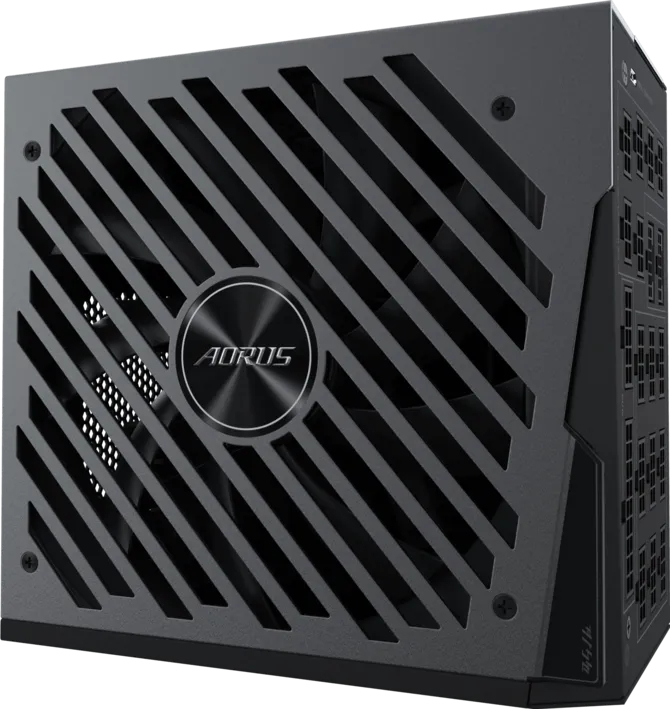
For the Aorus P1600W AI Top PSU, Gigabyte used Gallium Nitride (GaN) technology and a digital power design to pack 1600W of capacity into its 160mm footprint. Internal components include 100% Japanese capacitors alongside a 140mm double ball-bearing fan with intelligent control, including a startup fan-reversal feature to remove dust. The PSU is rated 80 Plus Titanium and offers a suite of protections, including OCP, OVP, UVP, NLO, OTP, OPP, SCP and SIP.

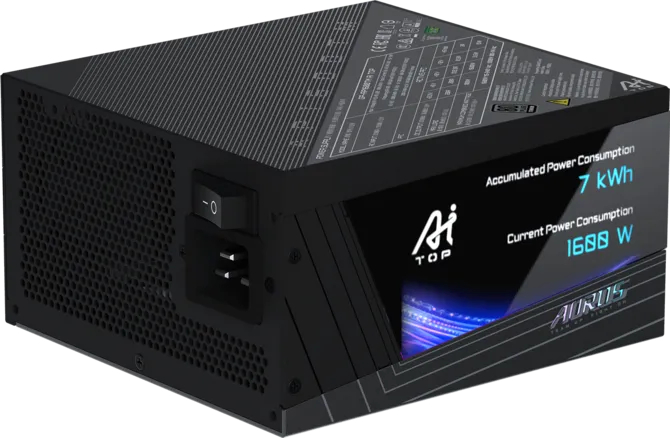
To support multi-GPU setups for AI models or multi-card configurations, the unit supplies cabling for up to four graphics cards. This includes two native 16-pin-to-16-pin PCIe cables and two dual-8-pin-to-16-pin PCIe cables. The fully modular unit features sleeved cables and incorporates an integrated LCD Edge View display for real-time monitoring. Users can customise the full-colour screen via Gigabyte Control Center or monitor power draw through the company's AI Top Utility dashboard.

KitGuru says: Packing 1600W, Titanium efficiency, and four-card GPU connectivity into a 160mm frame makes the Aorus P1600W a strong contender for power-hungry workstations. 

The post Gigabyte unveils Aorus P1600W AI Top PSU with integrated display first appeared on KitGuru.
OpenMouse aims to replace proprietary gaming mouse software

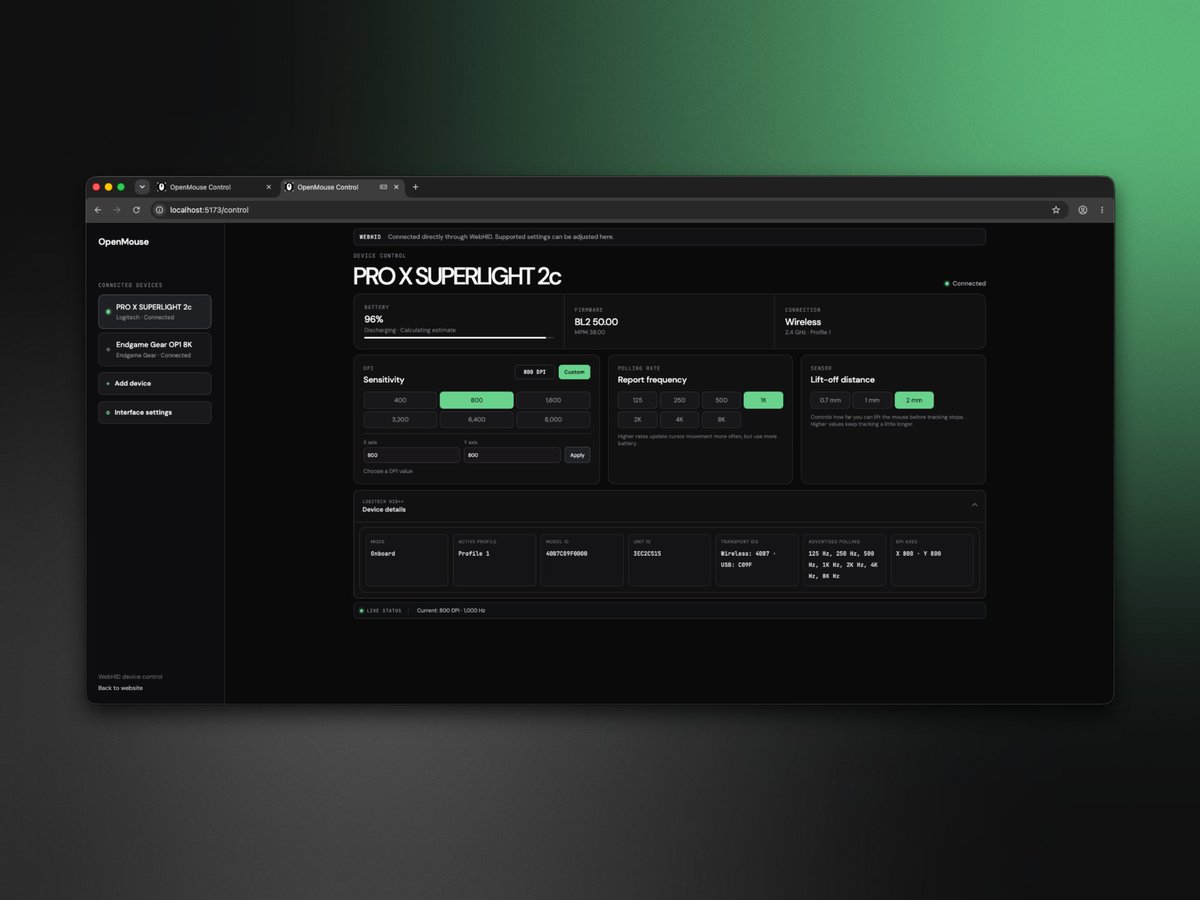
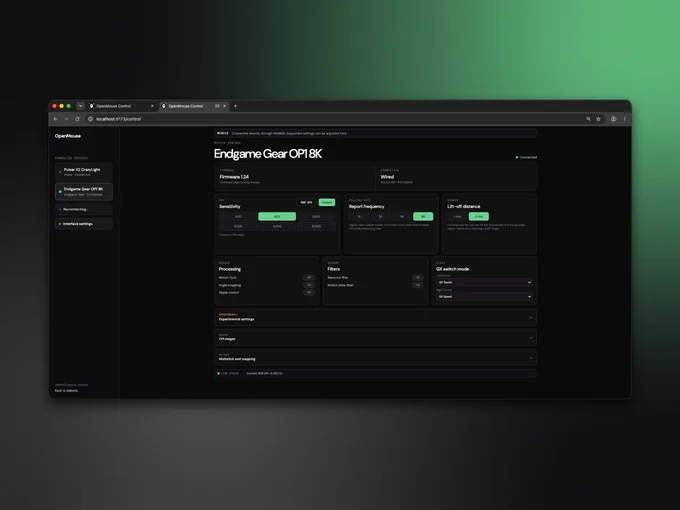
OpenMouse is an open-source, browser-based control panel designed to configure gaming mice across Windows, macOS, and Linux without installing proprietary software. Operating via WebHID in Chromium-based browsers, the tool aims to provide universal control over hardware settings for multiple brands.

Although OpenMouse (via TechPowerUP) remains in early access and is not yet publicly available, the team claims initial support for brands like WLMouse (Beast G/X and Huan), Endgame Gear (OP1we and OP1 8K), Pulsar (X2 CrazyLight), Logitech (Superlight 2(C) and Superstrike), and Orbital (Pathfinder). Specific hardware support includes the Logitech G Pro X2 Superstrike, with the team noting that integration for Logitech's HITS inductive switch and haptics technology is currently in development. Support for Finalmouse models and the Hitscan Hyperlight are also in development.

To prevent damage, the software deliberately limits its scope to safe settings. The current demo interface displays battery levels, firmware versions, and active connectivity modes. Users can adjust DPI, report rate, lift-off distance, and motion sync settings, while dedicated tabs for performance, buttons, and profiles are still under construction. Future updates plan to introduce wireless configuration options and offline functionality similar to Wooting's Wootility.

An early access test launch is scheduled for the near future. Community members can submit feature requests via Discord or track ongoing progress on GitHub.

KitGuru says: A lightweight, browser-based tool to adjust mouse settings across multiple operating systems could be a great alternative to heavy proprietary software packages. Do you have any of the supported mice? Will you be trying it out when it becomes available?

The post OpenMouse aims to replace proprietary gaming mouse software first appeared on KitGuru.
Pwnage unveils Vanta wireless mouse with adjustable clicks

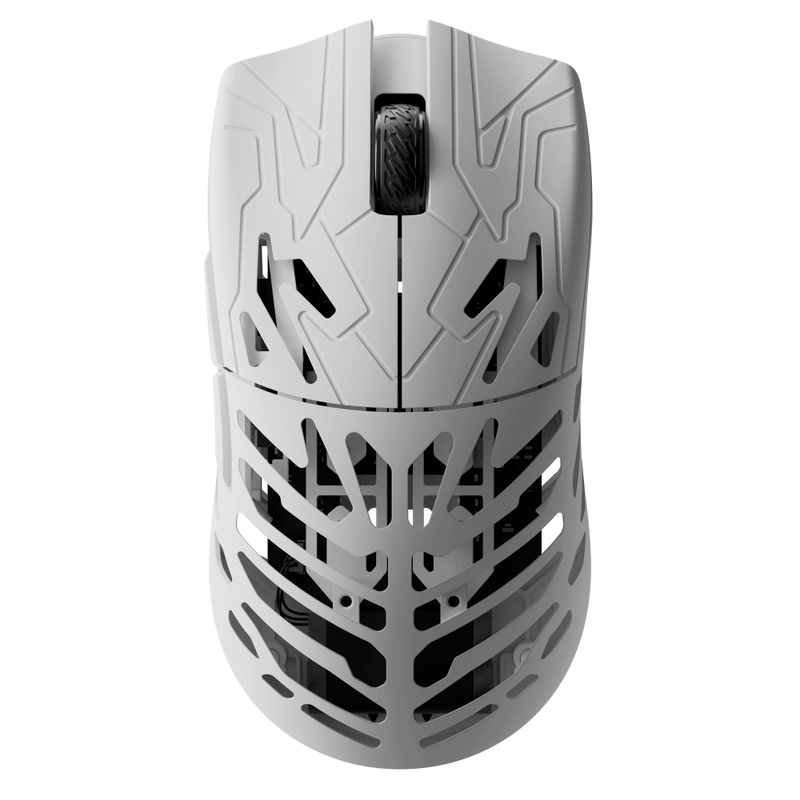
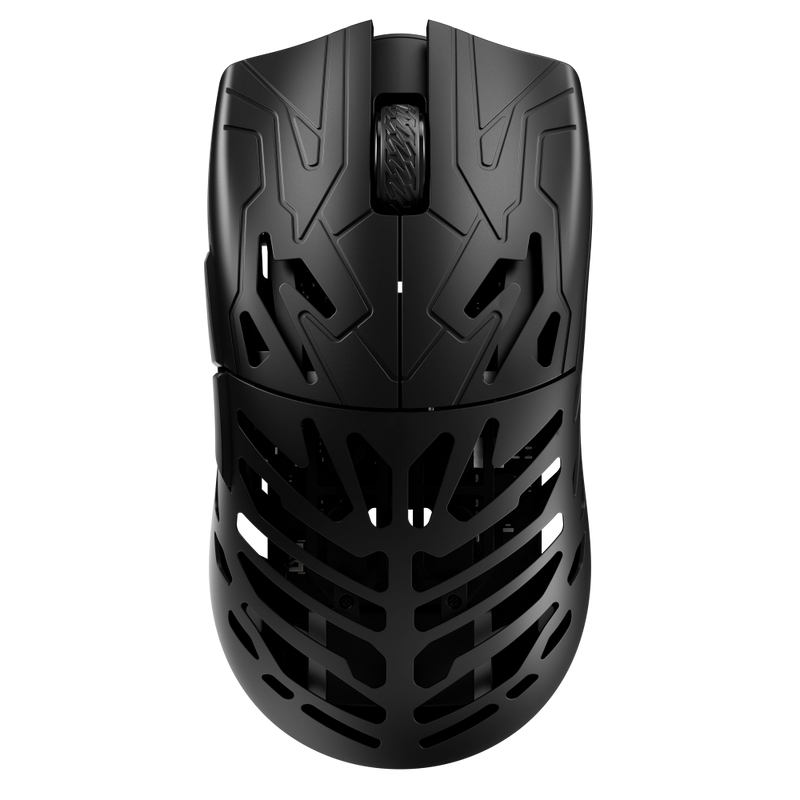
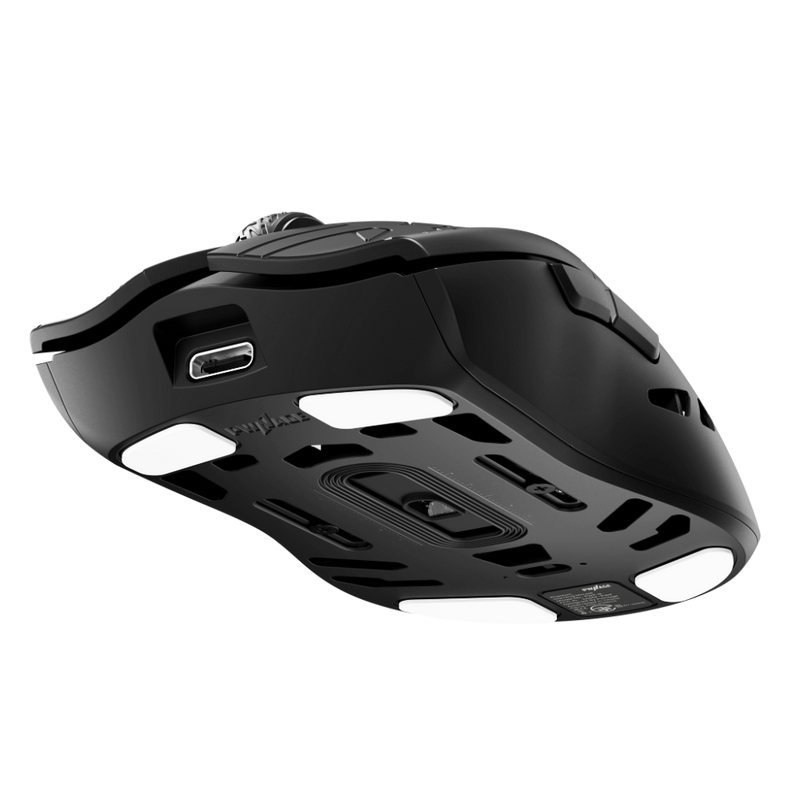
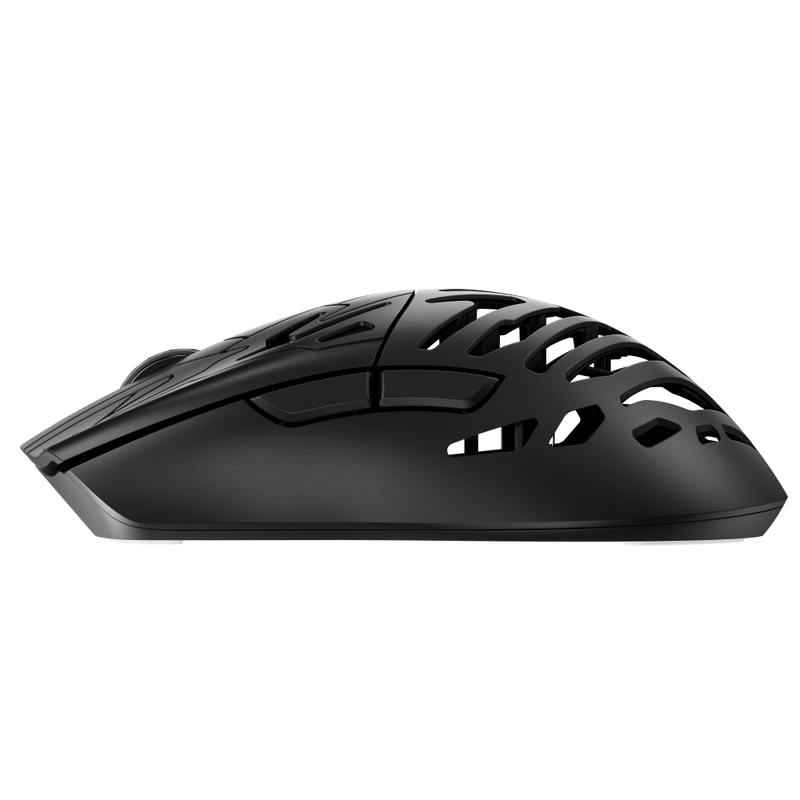
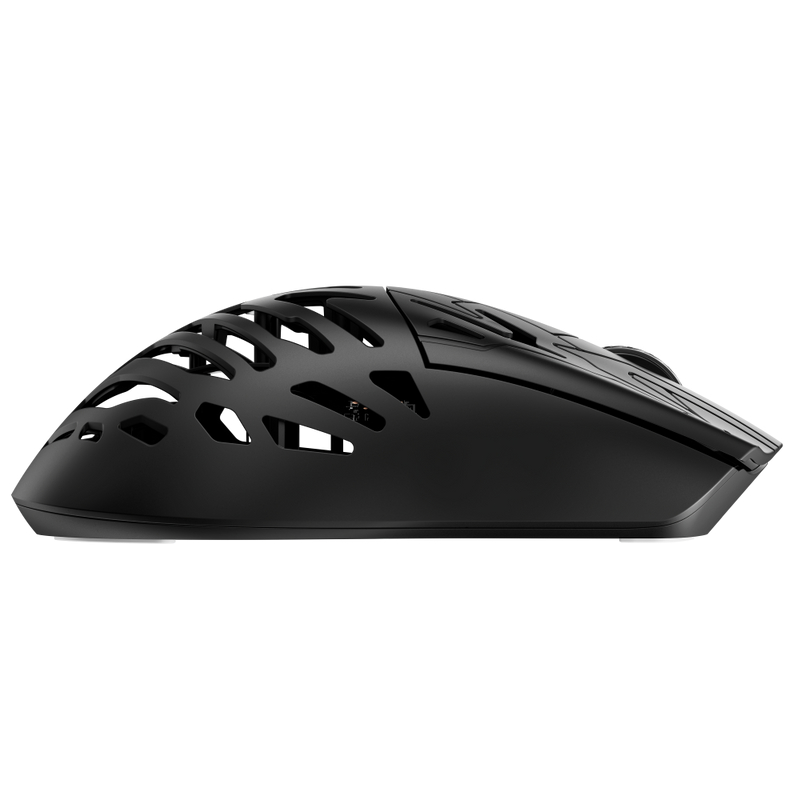
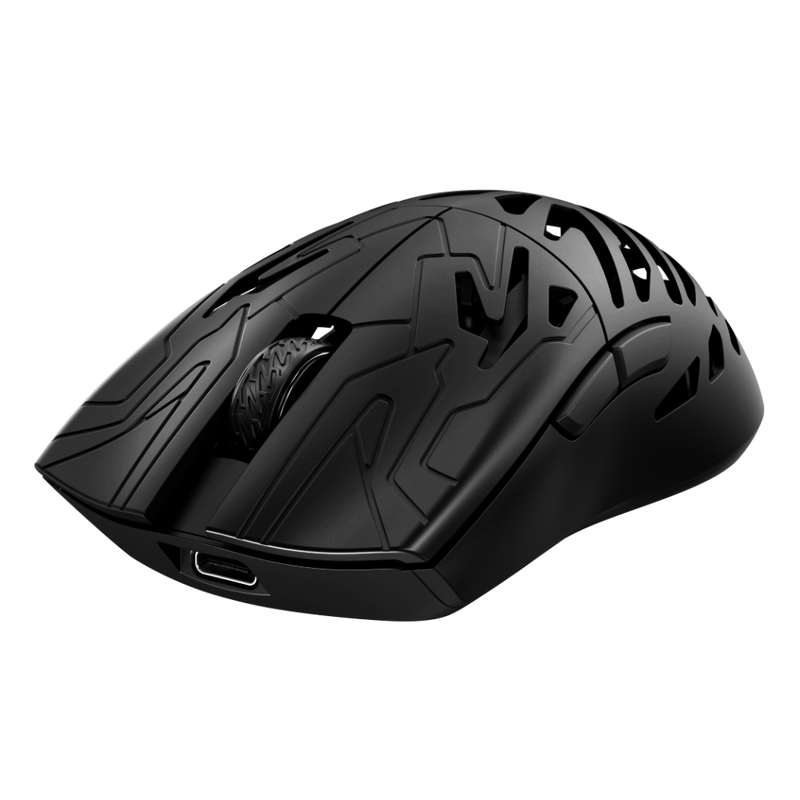
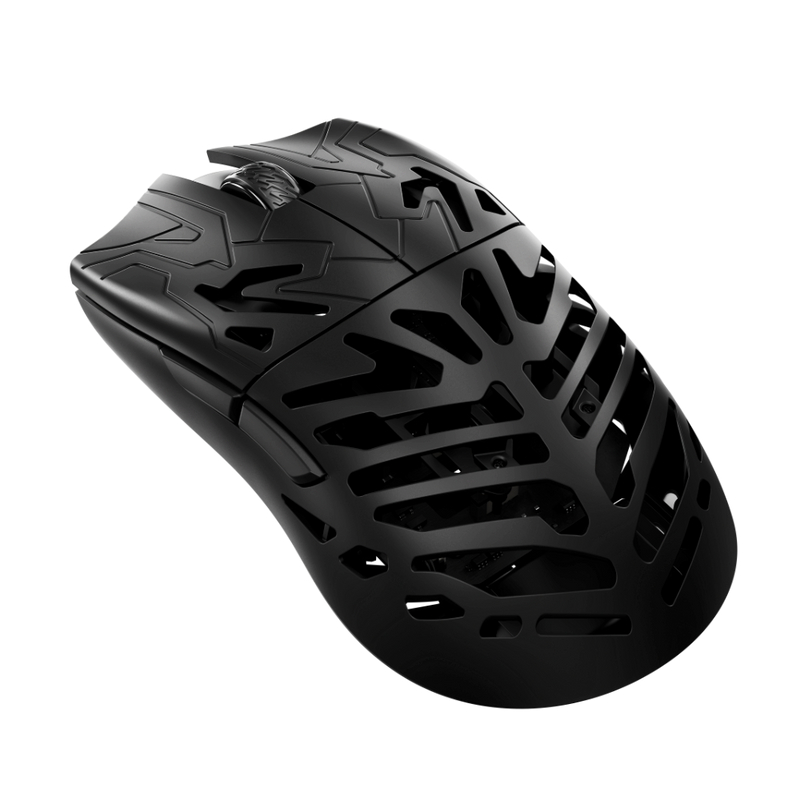
Pwnage is pushing mouse customisation with its newly announced Vanta, a 49g wireless magnesium alloy gaming mouse featuring mechanically adjustable clicks and a repositionable sensor.

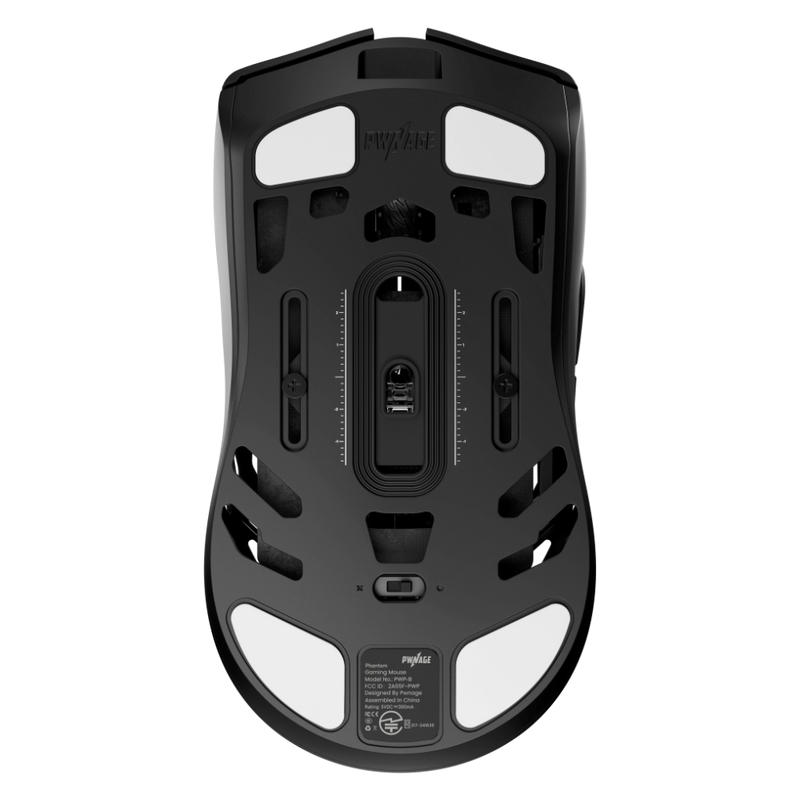
Unlike traditional designs with fixed button feel, the Vanta (via ITHome) lets users physically adjust how the main buttons engage their microswitches. Pwnage includes a small screwdriver in the box, enabling physical adjustments to resistance, click force, force curve, actuation feel, break point, and return feel.

Under the hood, the symmetrical mouse packs a Nordic nRF54L15 wireless controller paired with Pwnage's custom Xero sensor, which is built on the PixArt PAW3950. Users can also physically shift the sensor's position within the shell to match their grip style better and aiming preferences. Measuring 120x60x39mm, the magnesium alloy chassis keeps the overall weight down to 49g.

The Vanta is now available for preorder in four limited-edition colourways: black, platinum, purple, and white. Pricing starts at $159 with PTFE skates, increasing to $179 for the model equipped with glass skates (black or red trim on black).

KitGuru says: Allowing gamers to fine-tune click actuation and sensor placement is quite the unique option. Do you think other manufacturers should offer similar features? 

The post Pwnage unveils Vanta wireless mouse with adjustable clicks first appeared on KitGuru.
❌