Razer has announced the launch of the Razer | Espeon & Umbreon Collection, a new lineup of themed gaming peripherals developed in partnership with The Pokémon Company International. Released to commemorate Pokémon's 30th anniversary, the hardware collection is available now.
The new collection splits its design themes between the Eevee evolutions Espeon and Umbreon, integrating custom artwork and Razer Chroma RGB lighting into existing peripheral designs. Four distinct products anchor the collaborative capsule, targeting PC gaming, streaming, and everyday workloads.
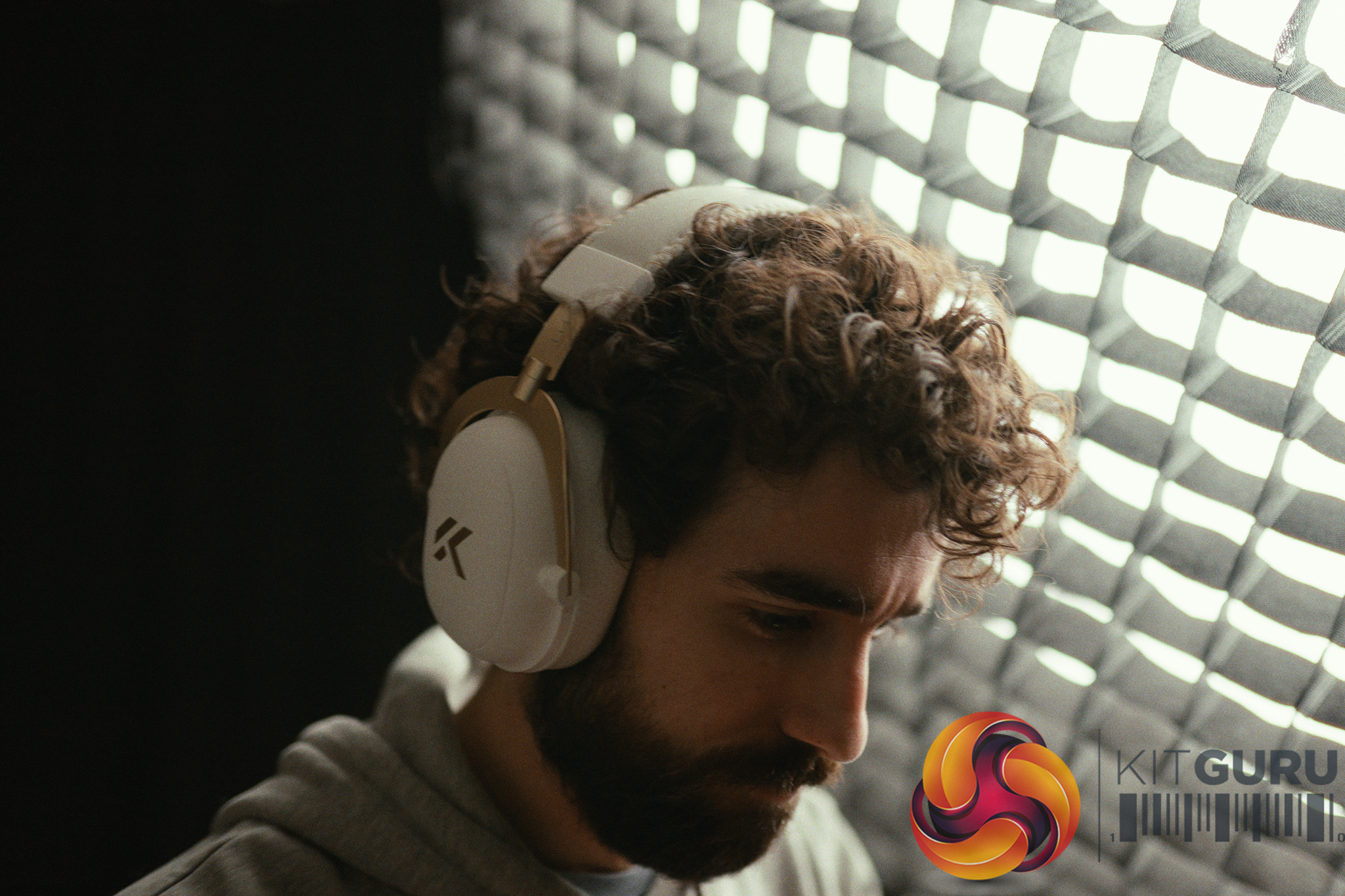
The audio aspect is handled by the Razer Kraken V4 X – Espeon & Umbreon Edition, a wired gaming headset featuring custom earcup cushions and integrated Chroma RGB lighting. For the keyboard, the collection introduces the Razer Ornata V3 Tenkeyless – Espeon & Umbreon Edition. This low-profile keyboard utilises mecha-membrane switches and features a magnetic wrist rest.
Tracking hardware consists of the Razer Cobra – Espeon & Umbreon Edition, a lightweight wired gaming mouse built with optical switches and a Chroma RGB underglow. This is paired with the Razer Gigantus V2 – Medium – Espeon & Umbreon Edition, a soft mouse mat featuring a textured micro-weave cloth surface.
The collection is now available in its entirety for £319.96. However, each piece can be acquired separately: the Razer Kraken V4 X costs £109.99/$109.99/€119.99, and the Razer Ornata V3 Tenkeyless costs £119.99/$119.99/€149.99. Lastly, the Razer Cobra goes for £59.99/$59.99/€79.99 and the Razer Gigantus V2 for $29.99.
KitGuru says: Are you a fan of Espeon and Umbreon? Planning on getting some of this Razer special edition gear?
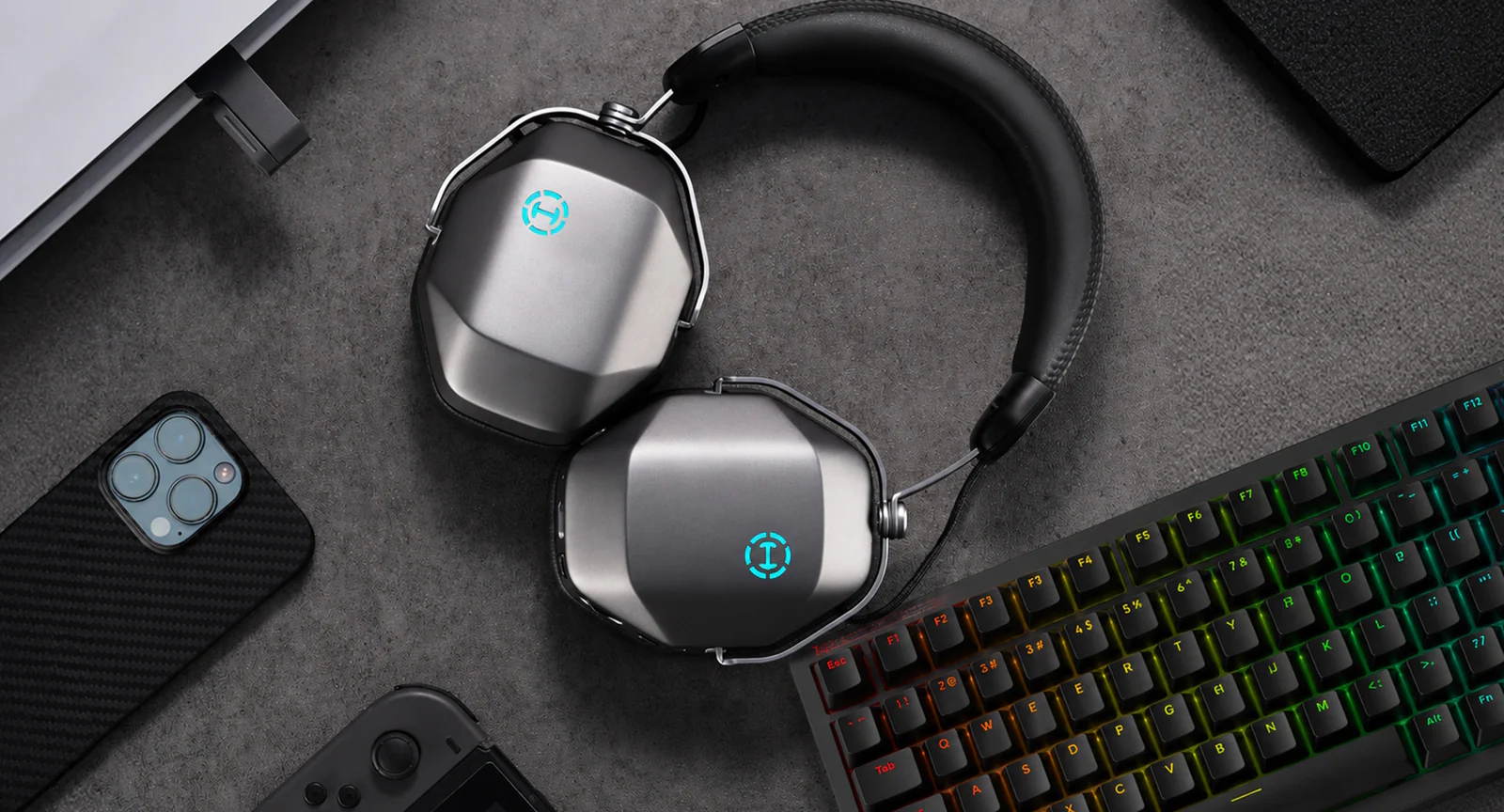
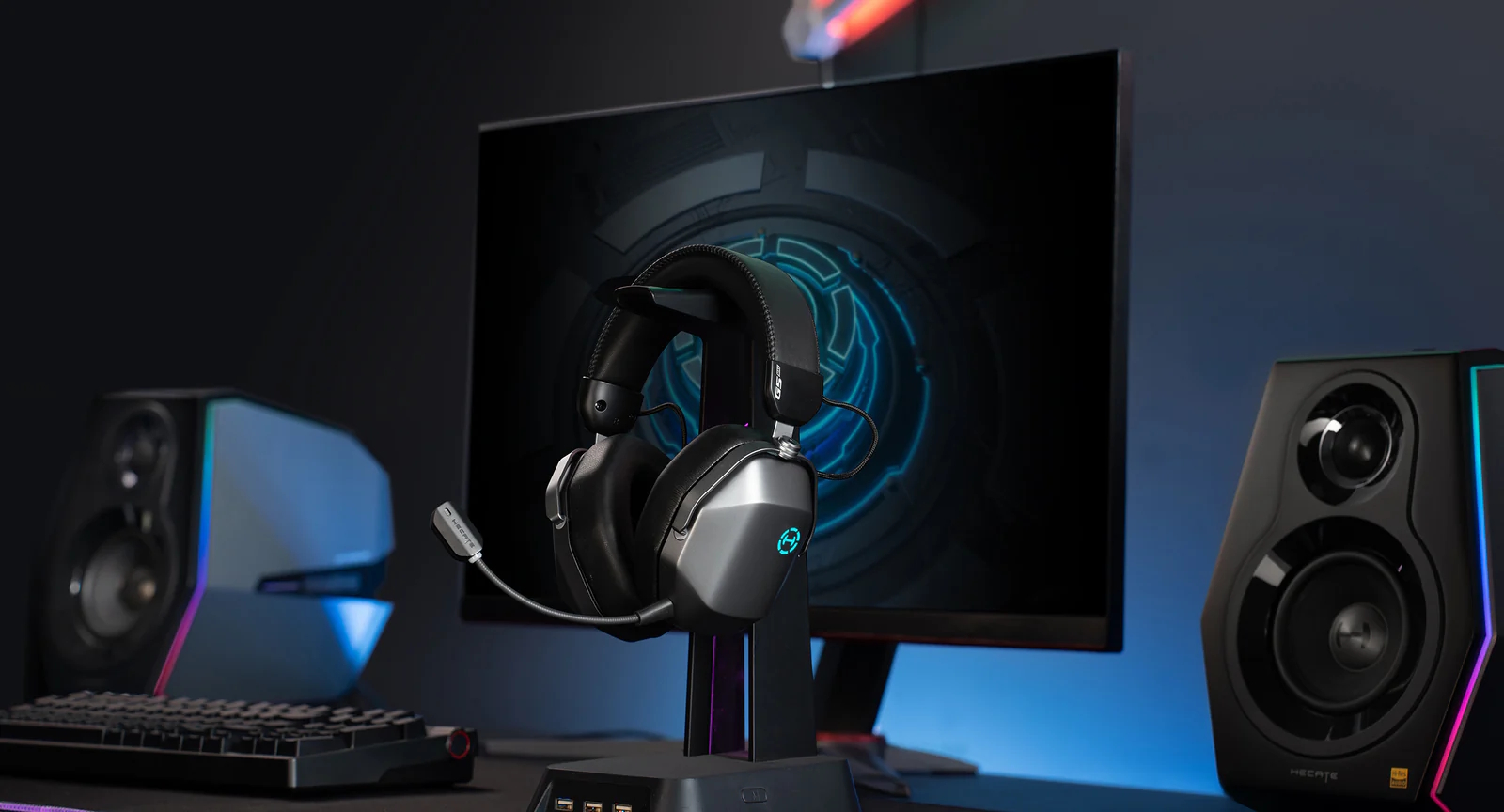
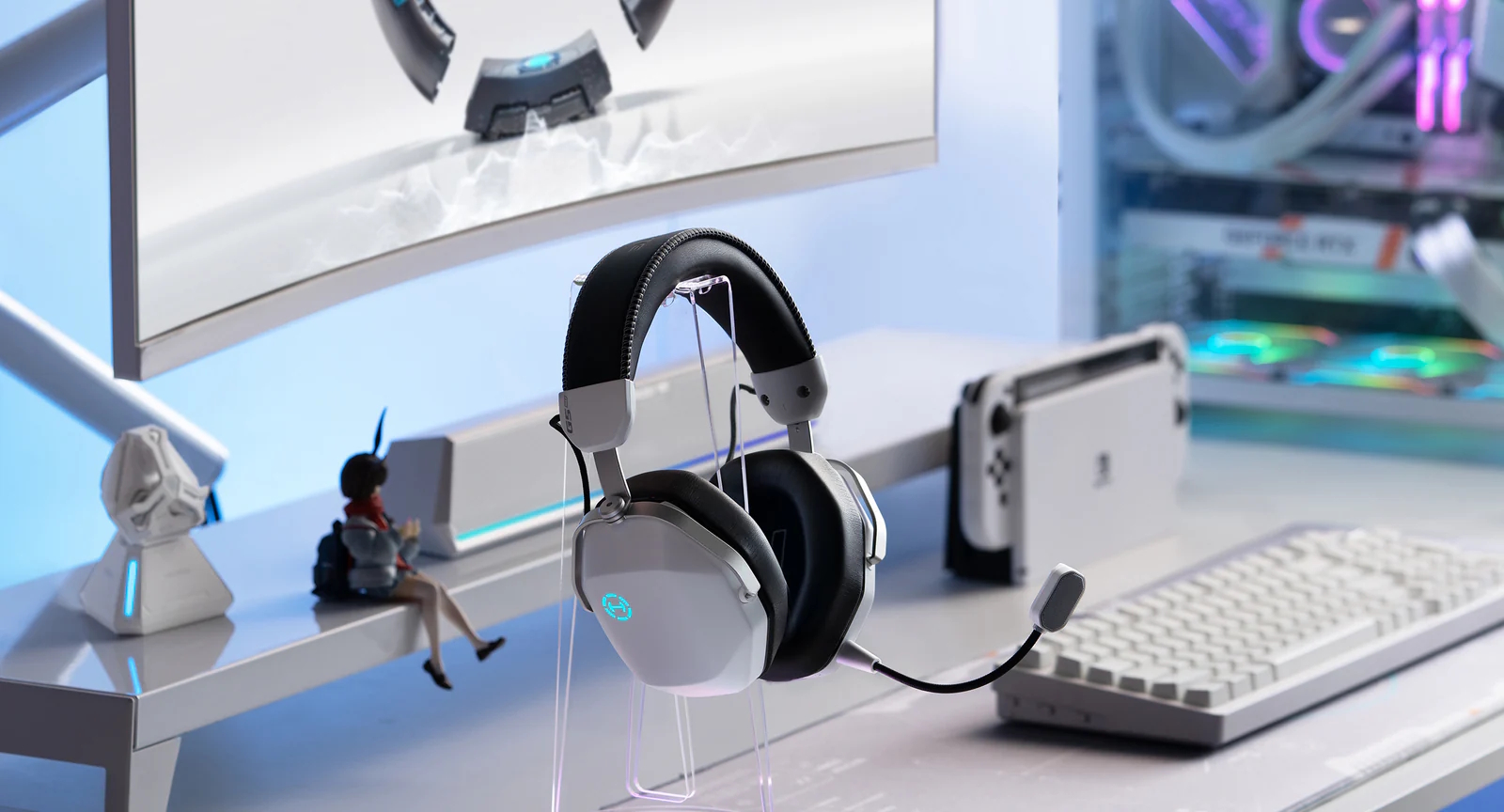
Edifier has launched the Hecate G5 Max wireless gaming headset, bringing professional-grade audio features and massive battery life to the market. Now available, the new mid-range headset is designed for PC gamers, streamers, and audio enthusiasts.
The Hecate G5 Max headset features 53mm titanium-coated drivers with PEN titanium diaphragm technology, which Edifier claims keeps distortion levels below 1%. Triple Hi-Res Audio certifications back the hardware alongside integration for THX Spatial Audio+. This technology provides 7.1.4 virtual surround sound to enhance positional tracking in supported Windows 11 titles. Users can adjust these audio profiles directly via controls for EQ, Bass Boost, Vocal Clarity, and Volume Normalization.
For communication, the design pairs dual ENC microphones with a detachable 9.75mm unidirectional microphone. This setup leverages AI noise cancellation to filter out background noise during competitive matches or streaming sessions. Wireless connectivity is handled via either Bluetooth 6.0, supporting SBC and LHDC 5.0 codecs, or a dedicated 2.4G wireless mode.
Edifier has fitted the chassis with a 2000mAh battery that delivers up to 305 hours of playback on a single charge. This high capacity aims to minimise charging interruptions during long deployment spans or travel. The Hecate G5 Max is now available for $149.99.
KitGuru says: A 305-hour battery specification is an incredibly high figure for a wireless gaming headset, easily outpacing most premium competitors on the market if it holds up in real-world testing.
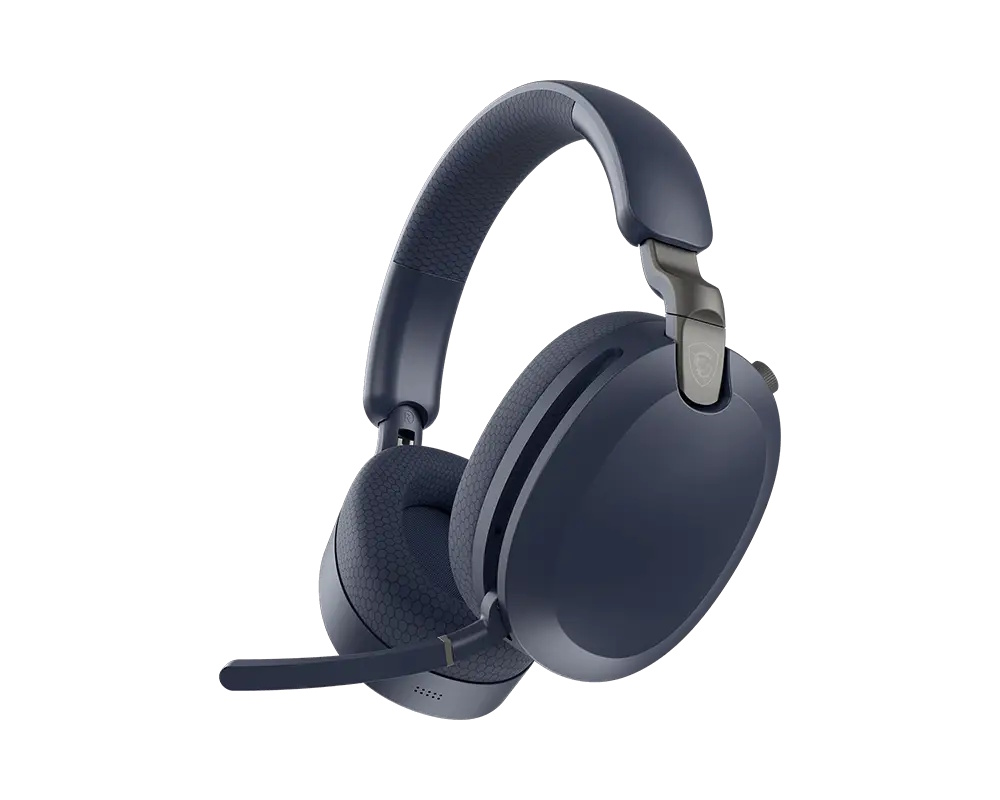
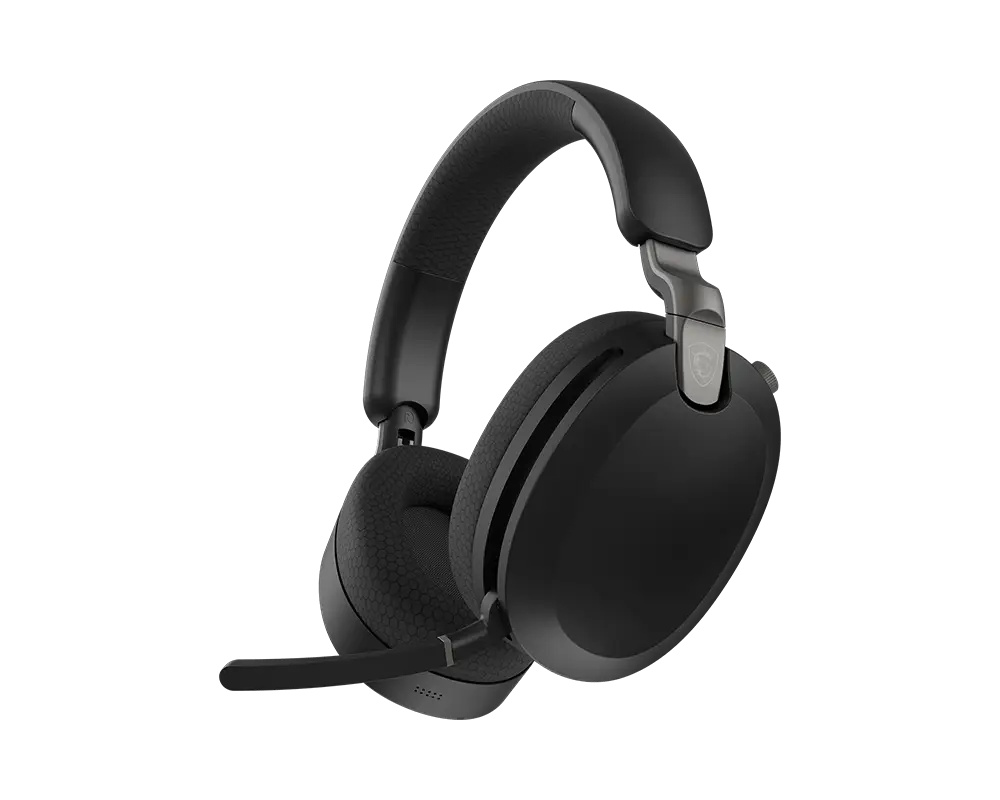
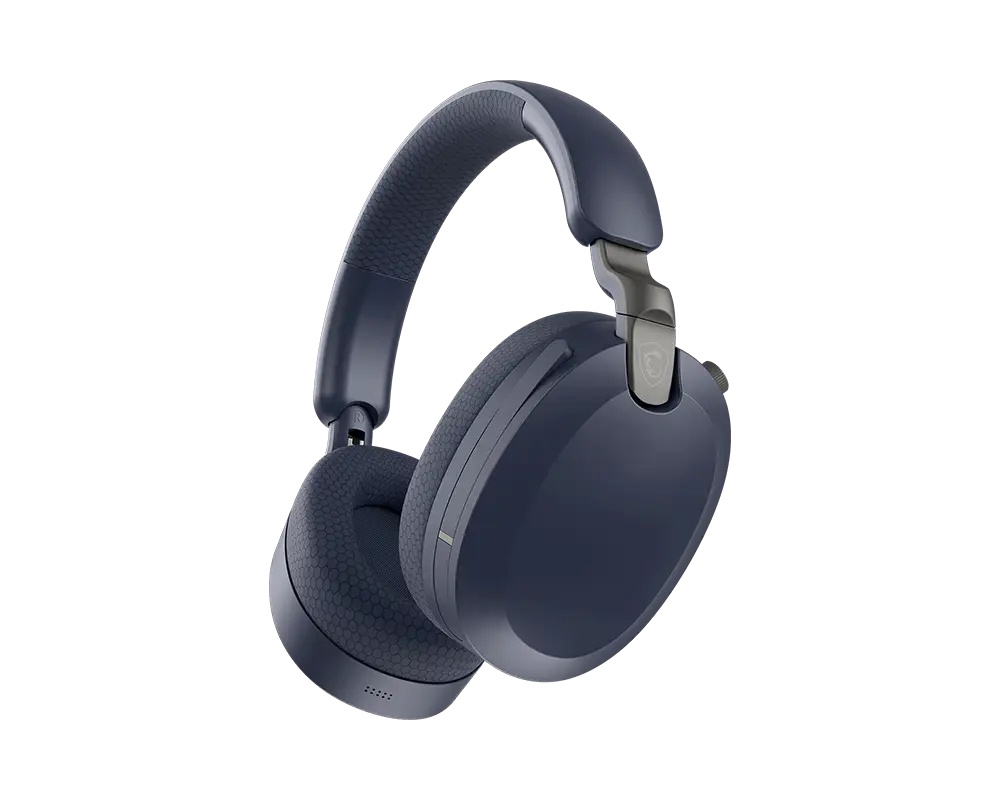
MSI has announced the launch of the Maestro 500 Wireless headset, a multi-mode audio solution designed for productivity, entertainment, and gaming. The new headset features active noise cancellation, high-resolution drivers, and extensive battery life, targeting multi-platform compatibility across PC, consoles, and mobile devices.
The Maestro 50 Wireless headset comes equipped with 40mm drivers that support a frequency response up to 40kHz. To handle noisy environments, MSI includes Active Noise Cancellation alongside a Transparency mode for situational awareness. Voice capture relies on a hidden microphone system featuring beamforming and Environmental Noise Cancellation (ENC) to isolate speech from background noise. Users can control the microphone with a flip-to-mute design that mutes audio when the mic is raised and unmutes it when lowered.
Connectivity options span low-latency 2.4GHz wireless, Bluetooth 5.4, and a 3.5mm wired connection. This allows the device to function seamlessly across PC, Mac, PlayStation, Nintendo Switch, and mobile platforms. Power is supplied by a 1000mAh battery, delivering up to 90 hours of playback time. Furthermore, fast charging provides roughly 6 hours of use from a 5-minute charge.
The design features swivelling earcups that fold inward, and the audio experience is enhanced by Nahimic for Headset software, which enables 3D sound technology and custom tuning. MSI states the headset will be available soon.
KitGuru says: Offering a combination of ANC, triple-mode connectivity, and a massive 90 hours of battery life, the Maestro 500 Wireless looks like a highly practical choice for everyday listening and gaming.
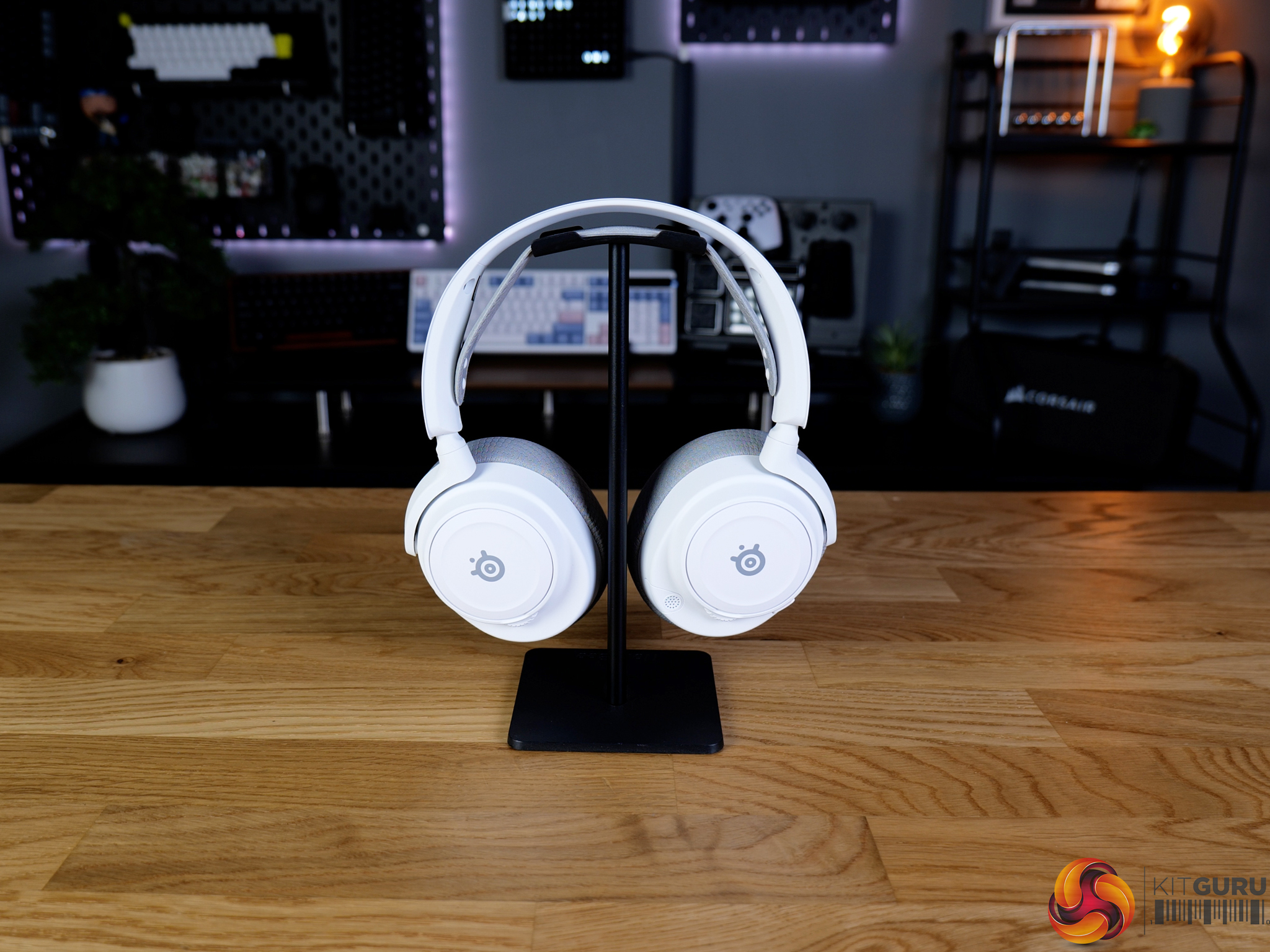
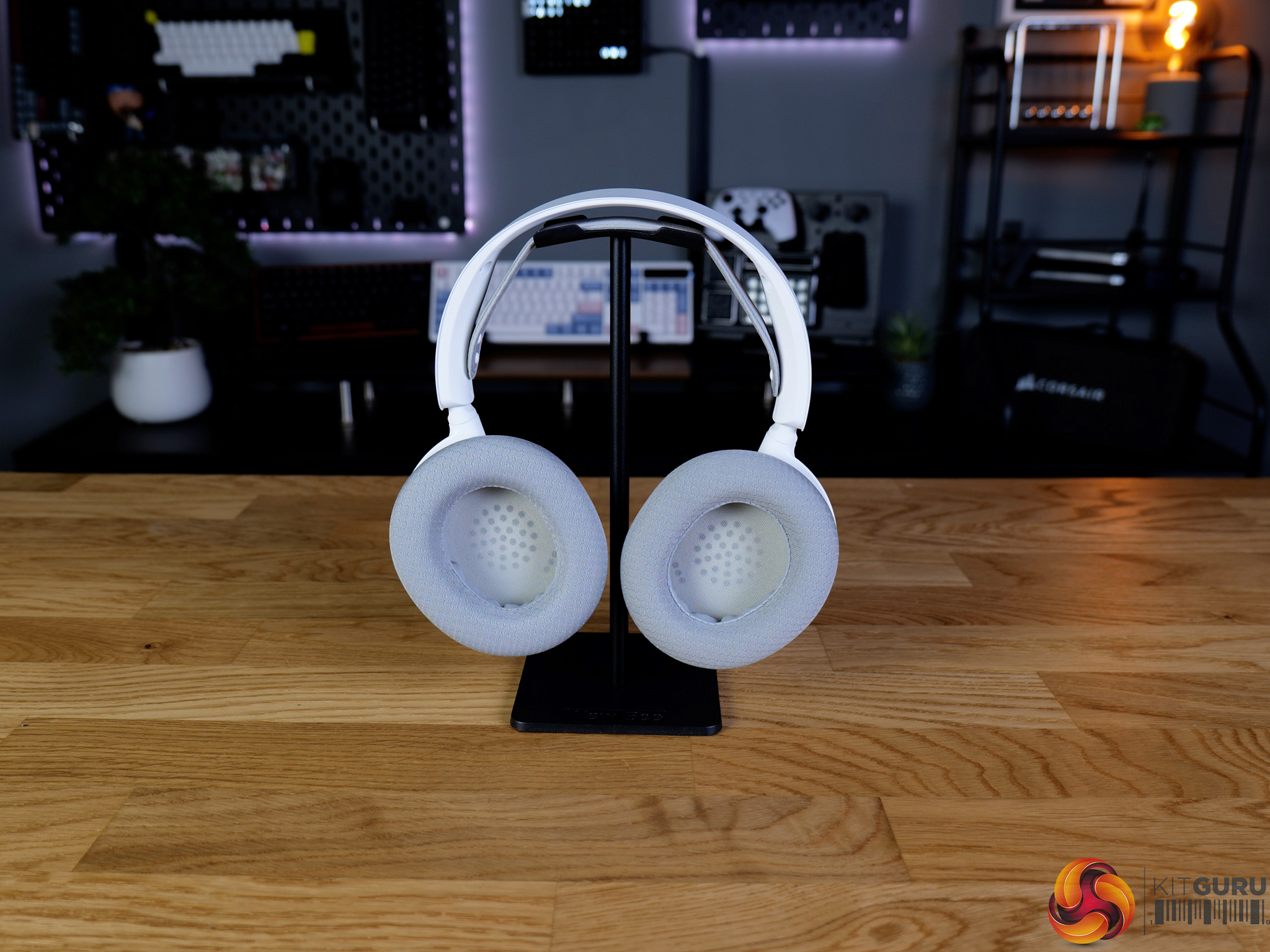
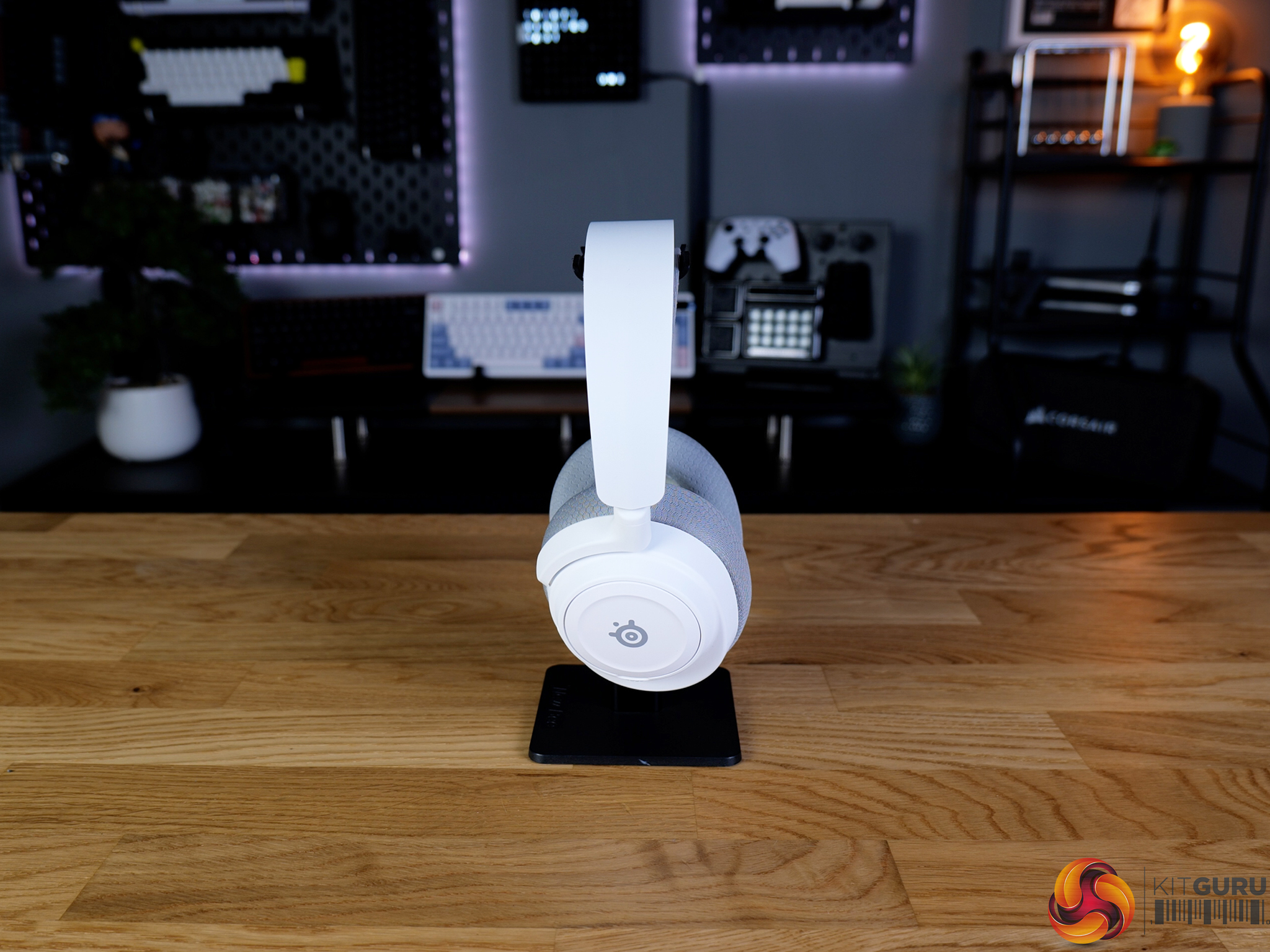
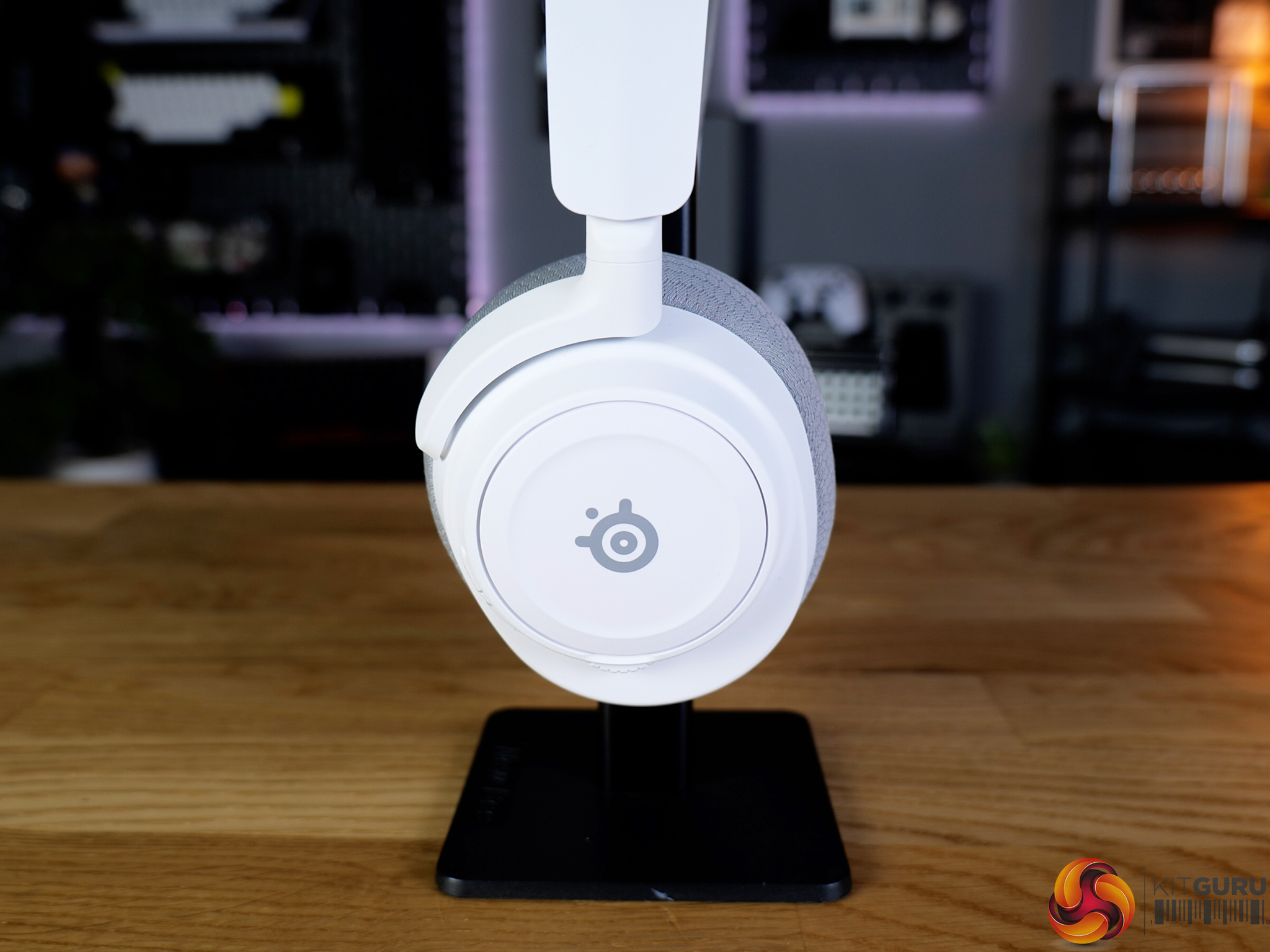
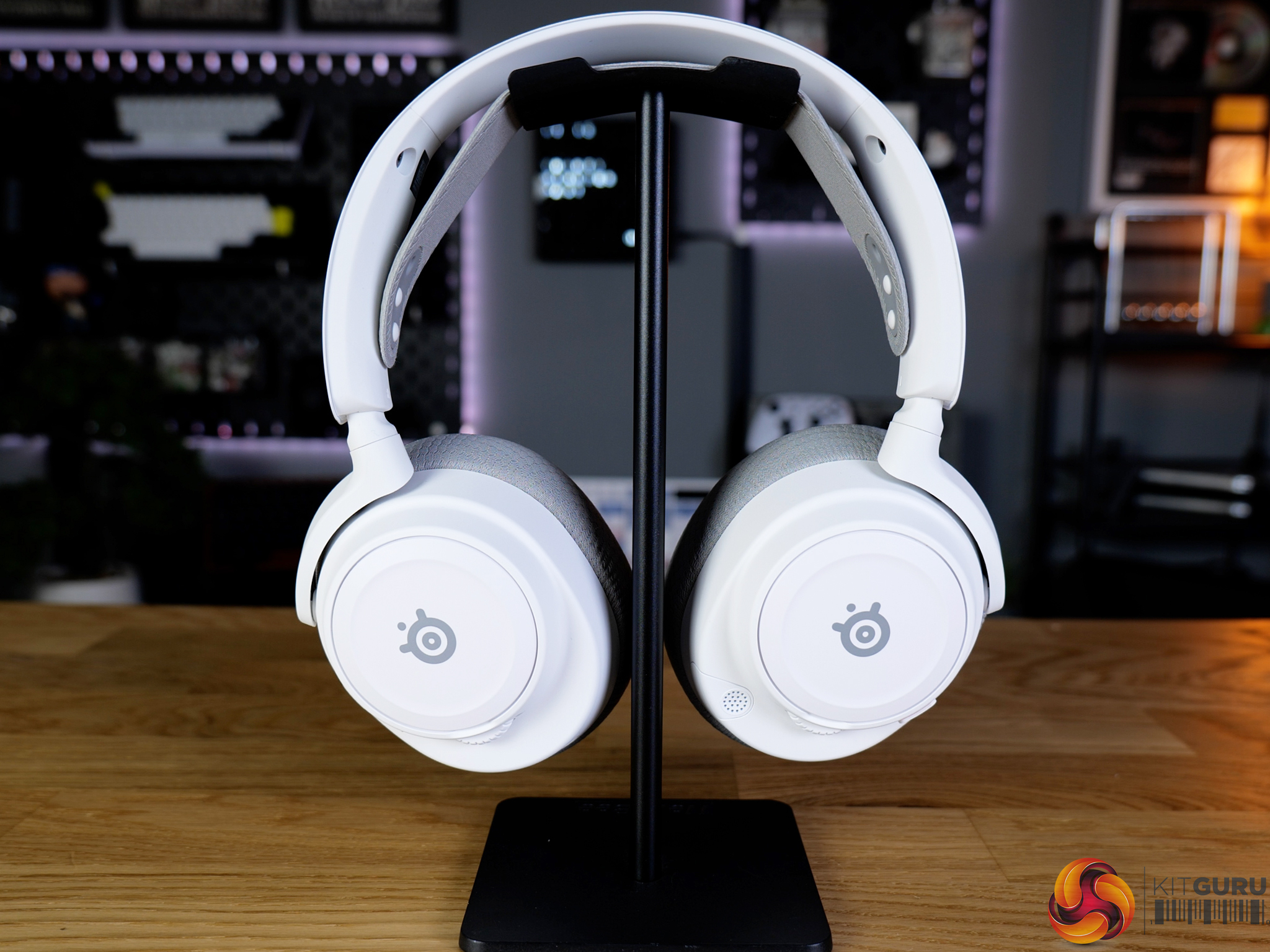
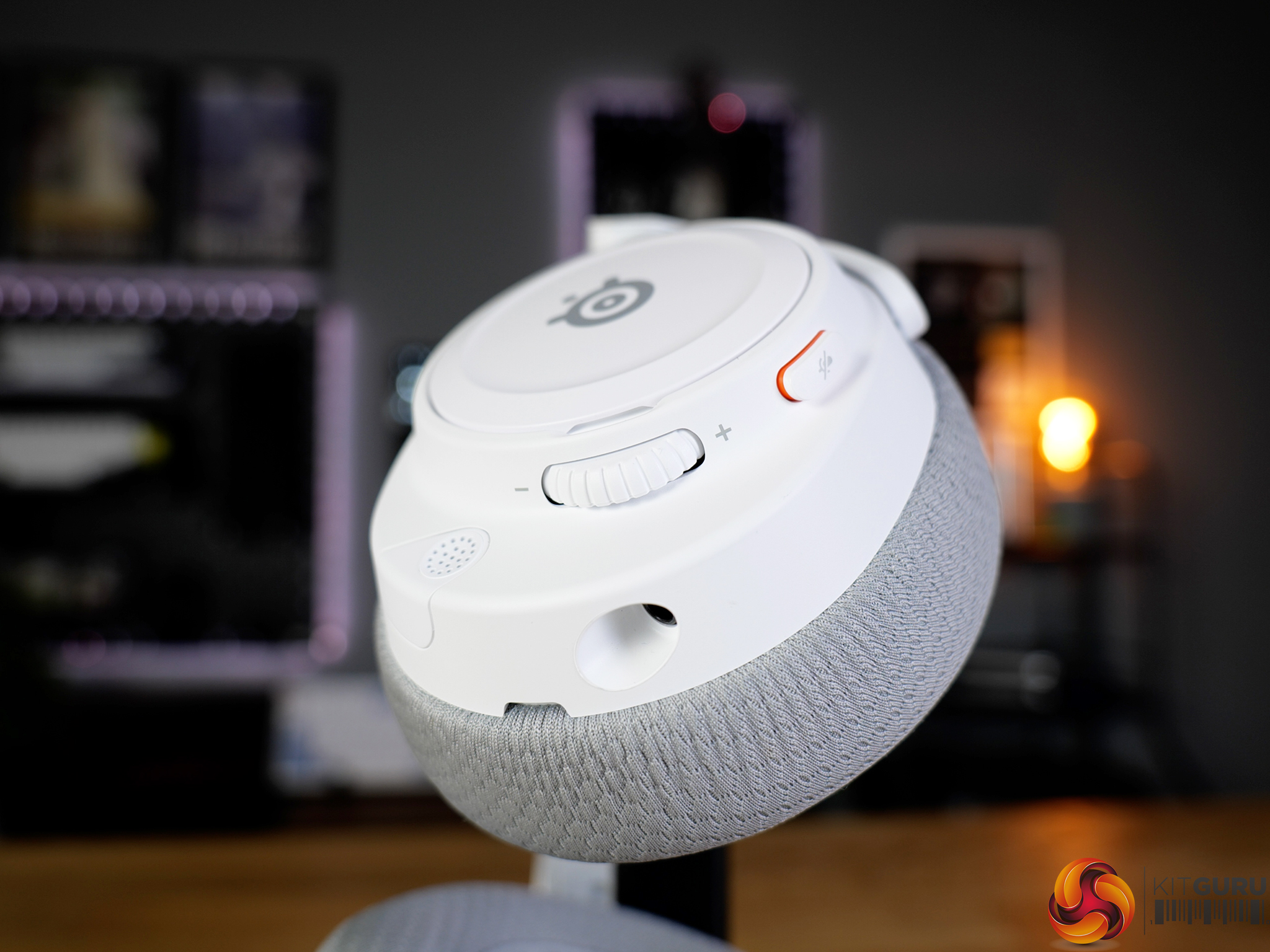
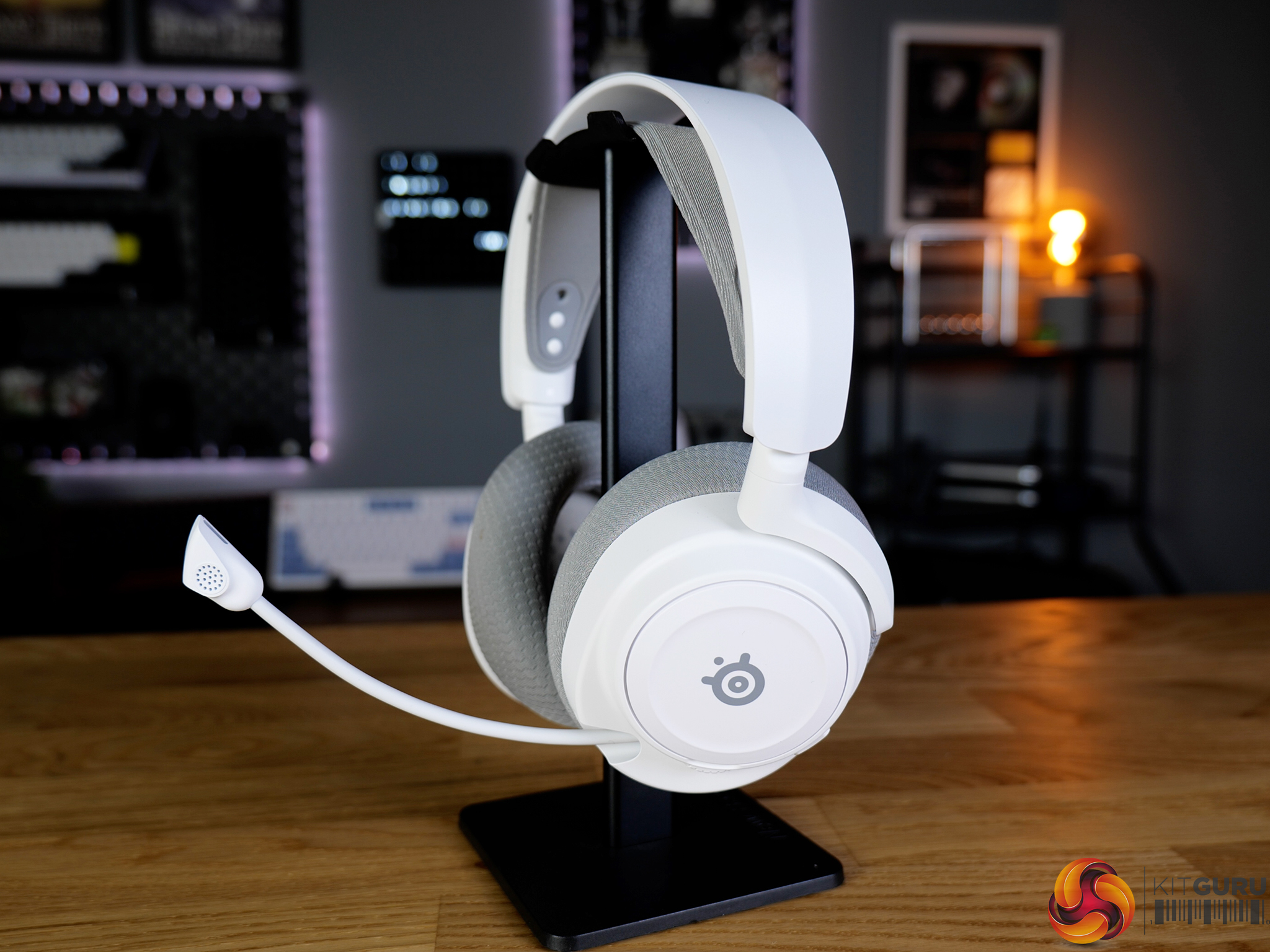
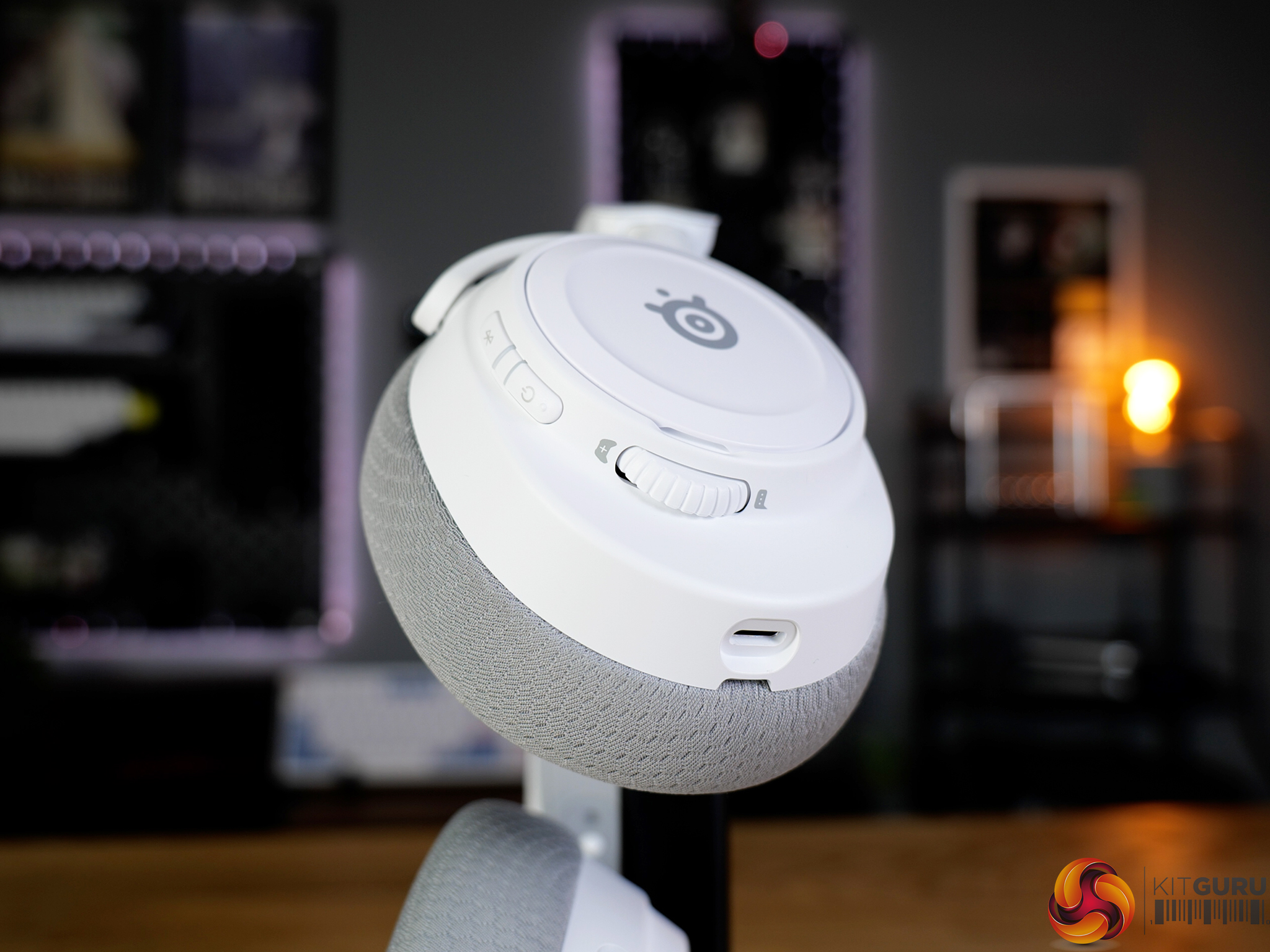
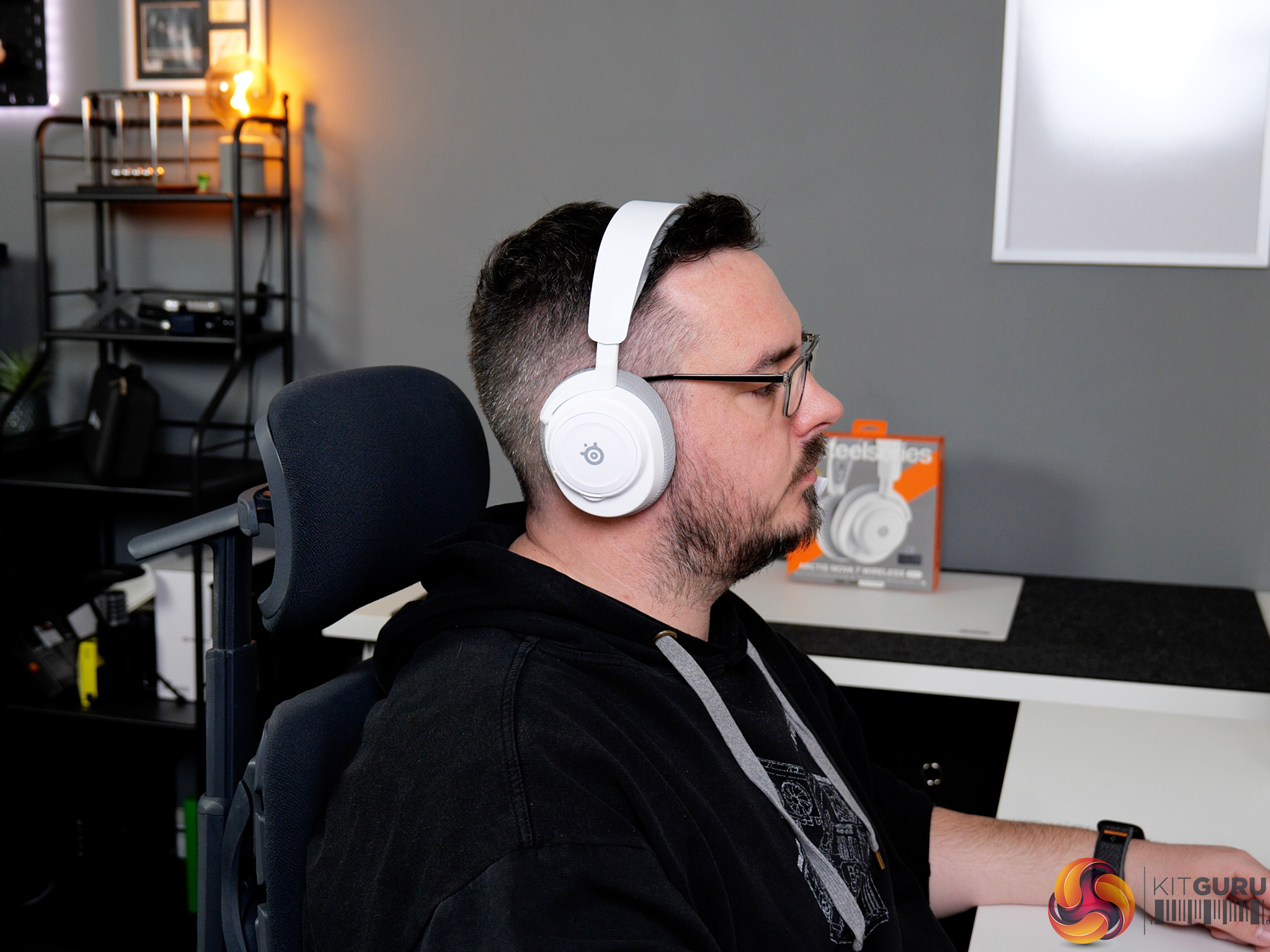
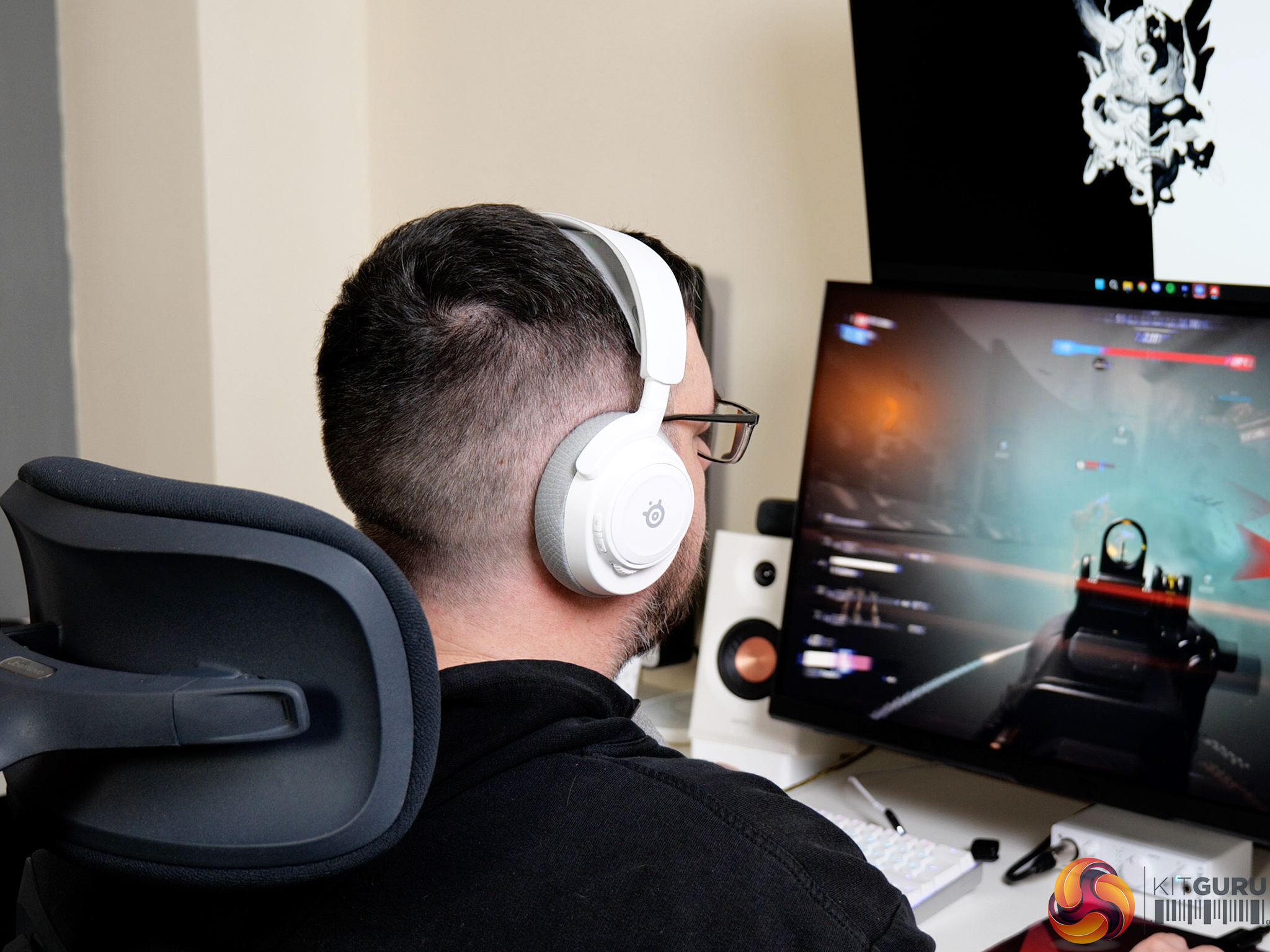
SteelSeries’ Arctis Nova 7 Wireless Gen 2 aims to deliver a premium gaming headset experience with a strong focus on features and flexibility. With dual-wireless connectivity, long battery life and deep software customisation through SteelSeries GG and Sonar, it certainly looks well equipped on paper. But at £179.99, it’s not exactly cheap, so the question is whether those features translate into a genuinely worthwhile experience in day-to-day use…
Timestamps:
00:00 Intro
00:58 Pricing info
01:27 Design first impressions
03:43 Sound specs + gaming performance
04:34 The mic
05:12 Mic soundtest!
07:00 Connectivity options
08:00 Battery life
08:36 Customisation / software control
11:17 Closing thoughts
SteelSeries has announced the Arctis Nova Pro Omni, a new wireless headset featuring a multi-source mixing dock, support for the LC3+ codec over Bluetooth, and a refined base station that can mix up to 4 audio sources simultaneously.
The dock included with the Nova Pro Omni features three USB Type-C ports and two 3.5mm jack inputs/outputs, allowing users to blend audio from multiple devices, such as consoles, PCs, and mobile phones. The headset carries dual Hi-Res Audio and Hi-Res Audio Wireless certifications, supporting both 2.4GHz and Bluetooth connections for compatibility across PC, consoles, VR, and mobile platforms.
Power is managed via a removable battery system, providing what SteelSeries describes as unlimited use through a hot-swappable secondary battery that recharges within the dock. A 15-minute charge provides 4 hours of playback, while a full charge offers 30 hours of battery life on the 2.4GHz connection with ANC disabled.
The headset weighs 339g and utilises 40mm drivers with a frequency response of 10~40000Hz and 38Ω impedance. It features a retractable omnidirectional microphone and memory foam earcups. Integrated controls include a microphone mute switch, a volume/ChatMix dial, Bluetooth multimedia buttons, and a dedicated dial for adjusting dock settings directly from the earcups. The SteelSeries Nova Pro Omni is now available for £349.99/€399.99/$399.99.
KitGuru says: Set between the standard Nova Pro and the flagship Nova Elite, the Nova Pro Omni brings some of the features introduced in the latter to a lower price point.
Beyerdynamic’s gaming headsets have always lived slightly outside the mainstream. They don’t chase RGB trends or software-heavy ecosystems, and they rarely shout about features they can’t back up with fundamentals. The MMX 150 Wireless follows that same philosophy, but with a modern twist: low‑latency wireless, Bluetooth dual connectivity, and battery life good enough to forget about charging for days. On paper, it’s Beyerdynamic stepping into a space already crowded by SteelSeries, Corsair, and Sony. In practice, the MMX 150 Wireless feels like what Beyer does best—sound first, comfort second, gimmicks last—just without a cable attached. Design & Comfort – Familiar, […]
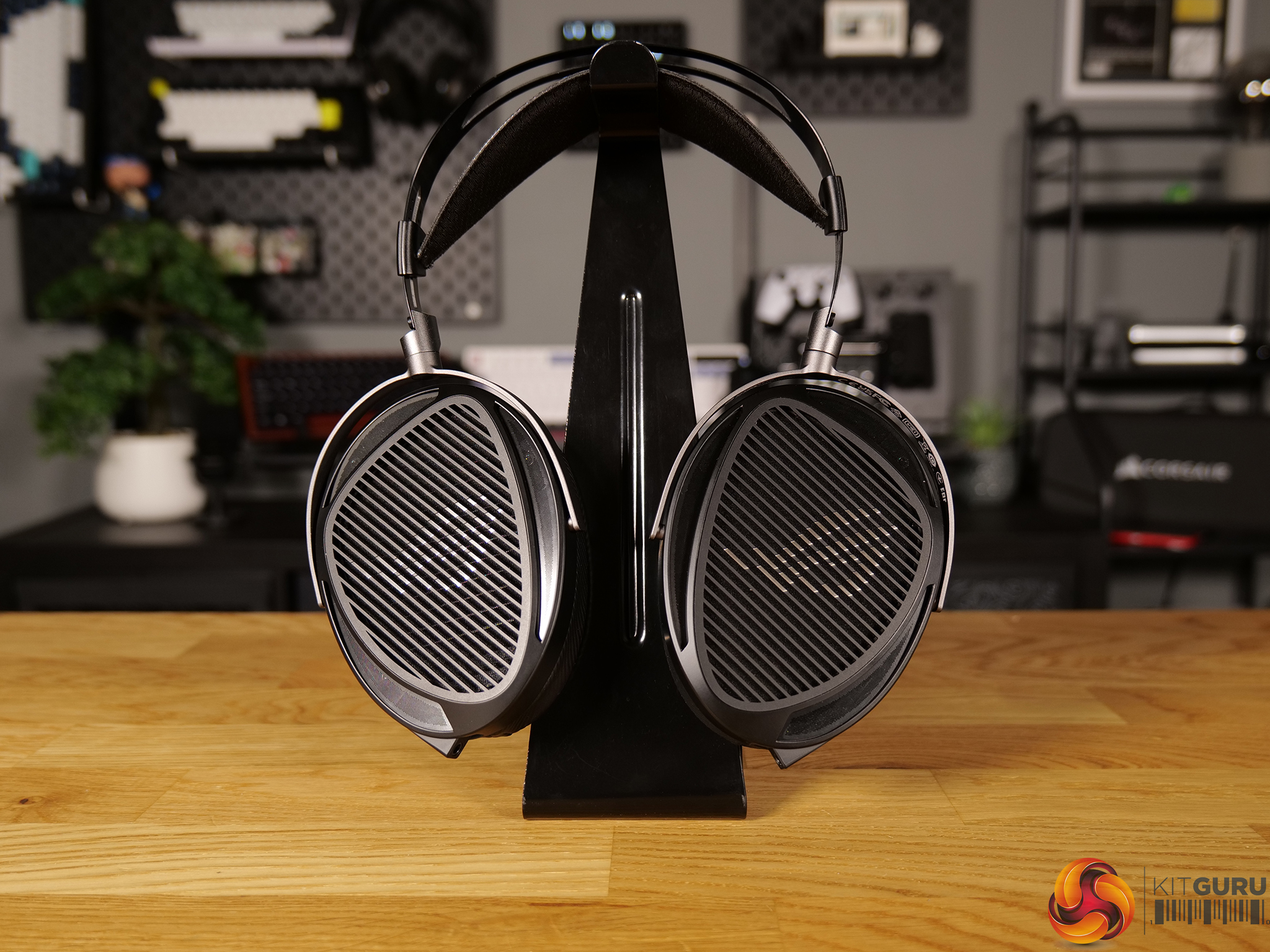
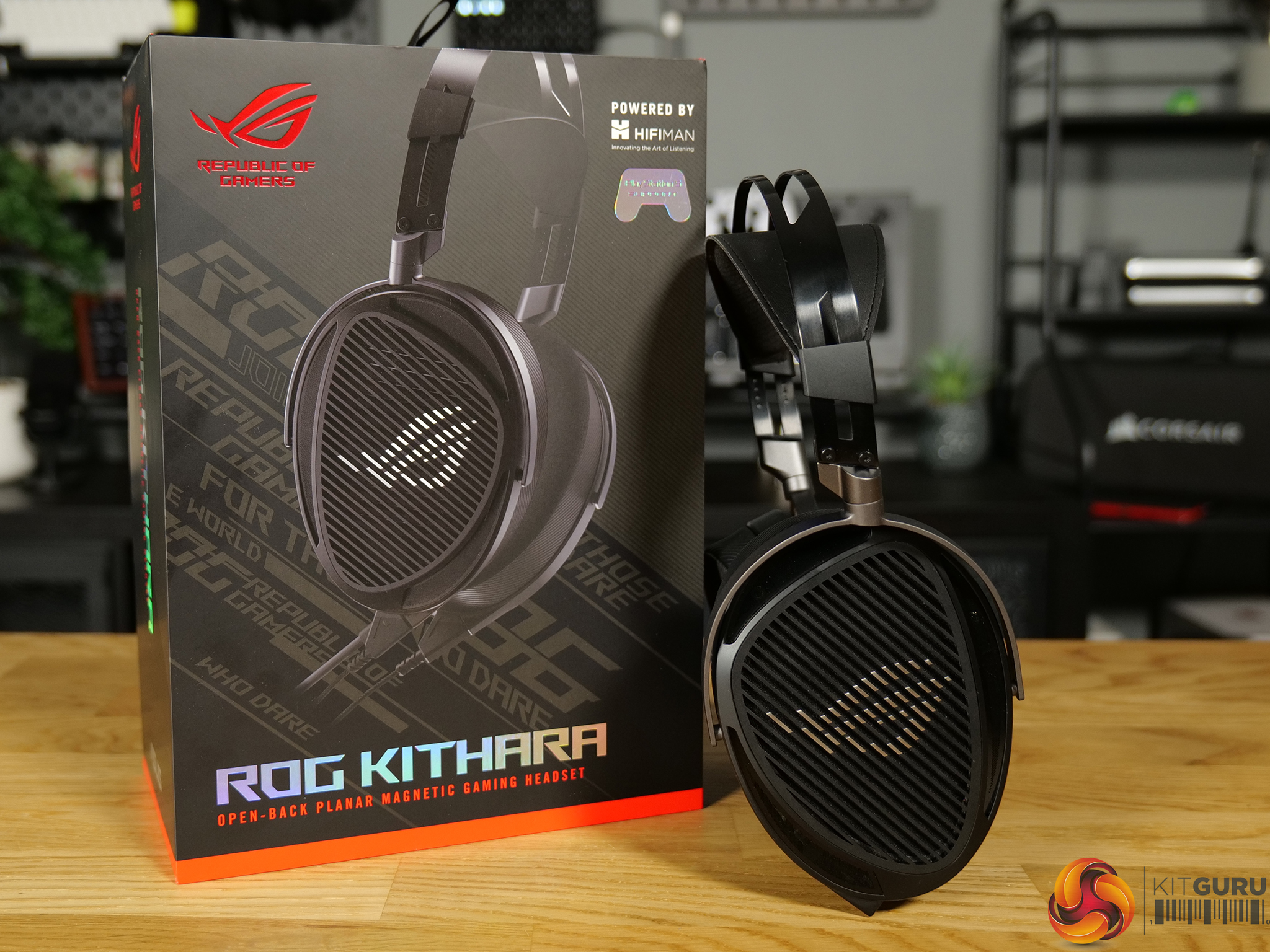
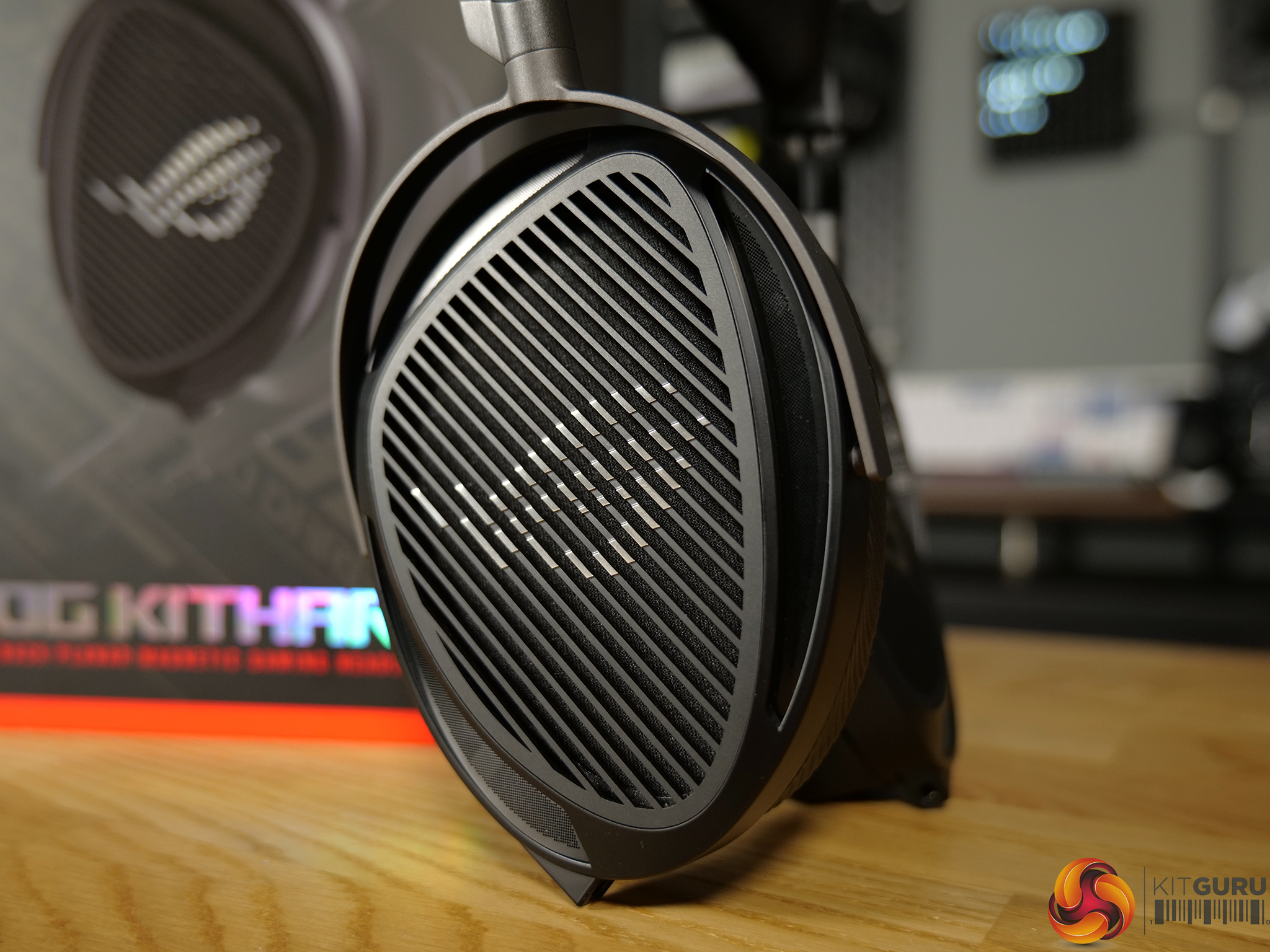
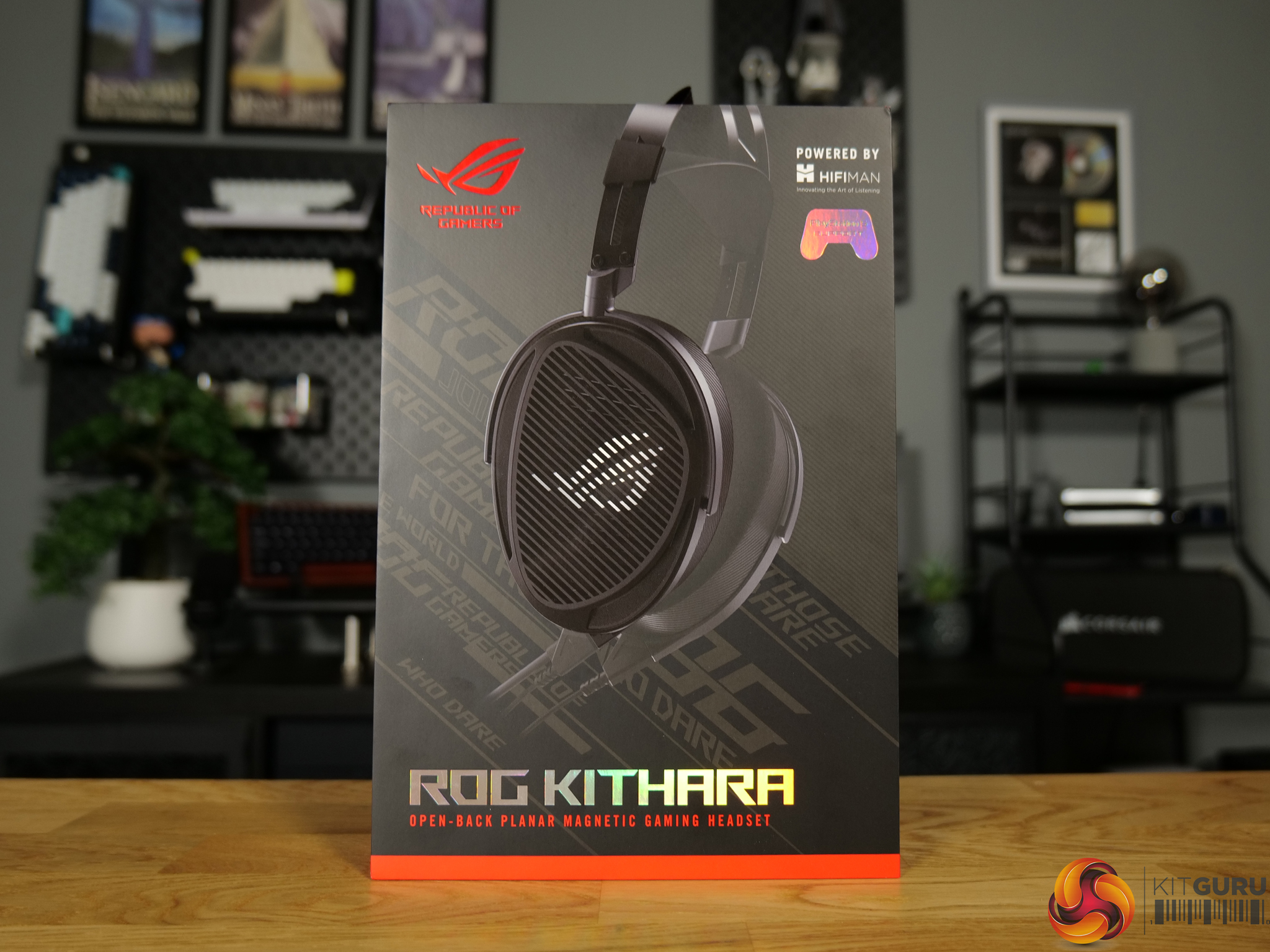
ASUS isn’t short on gaming headsets, but the ROG Kithara feels like something a little different. Developed in collaboration with HiFiMan and built around large 100mm planar magnetic drivers, it aims to blur the line between traditional gaming headsets and more studio-focused audiophile headphones. Priced at £284.99 in the UK, the Kithara sits firmly in premium territory, promising detailed, spacious sound for both competitive gaming and music listening. Does it justify the price?
Timestamps:
00:00 Intro
01:02 Pricing and key info
01:41 Design first impressions
03:45 Ear cushion, cable info
05:11 Included measurement card
05:34 Headset specs
06:35 Real-world gaming experience
07:11 Music testing
07:40 Driving from an amp/DAC
09:01 Device compatibility
10:33 Mic test
11:40 Closing thoughts
Specifications
Product Type – 3.5mm headset
Interface – Wired
Connector – 3.5mm
Support Platform
PC
MAC
PlayStation® 4, PlayStation® 5
Nintendo Switch
iPad, iOS
Android
Xbox (* Compatible with Xbox consoles via 3.5mm connection)
Driver Material – Planar Magnetic Driver
Driver Size – 100 mm
Headphones Impedance – 16 ohm
Headphones Frequency Response – 8Hz – 55kHz
Microphone Sensitivity – -36 dB
Microphone Frequency Response – 20Hz – 20kHz
Active Noise Cancellation – No
Channel – Stereo
Aura – No
Foldablility – No
Weight – 420 g
Carry bag/box – No
Extra ear-cushion – Yes
Color – Black
Cable
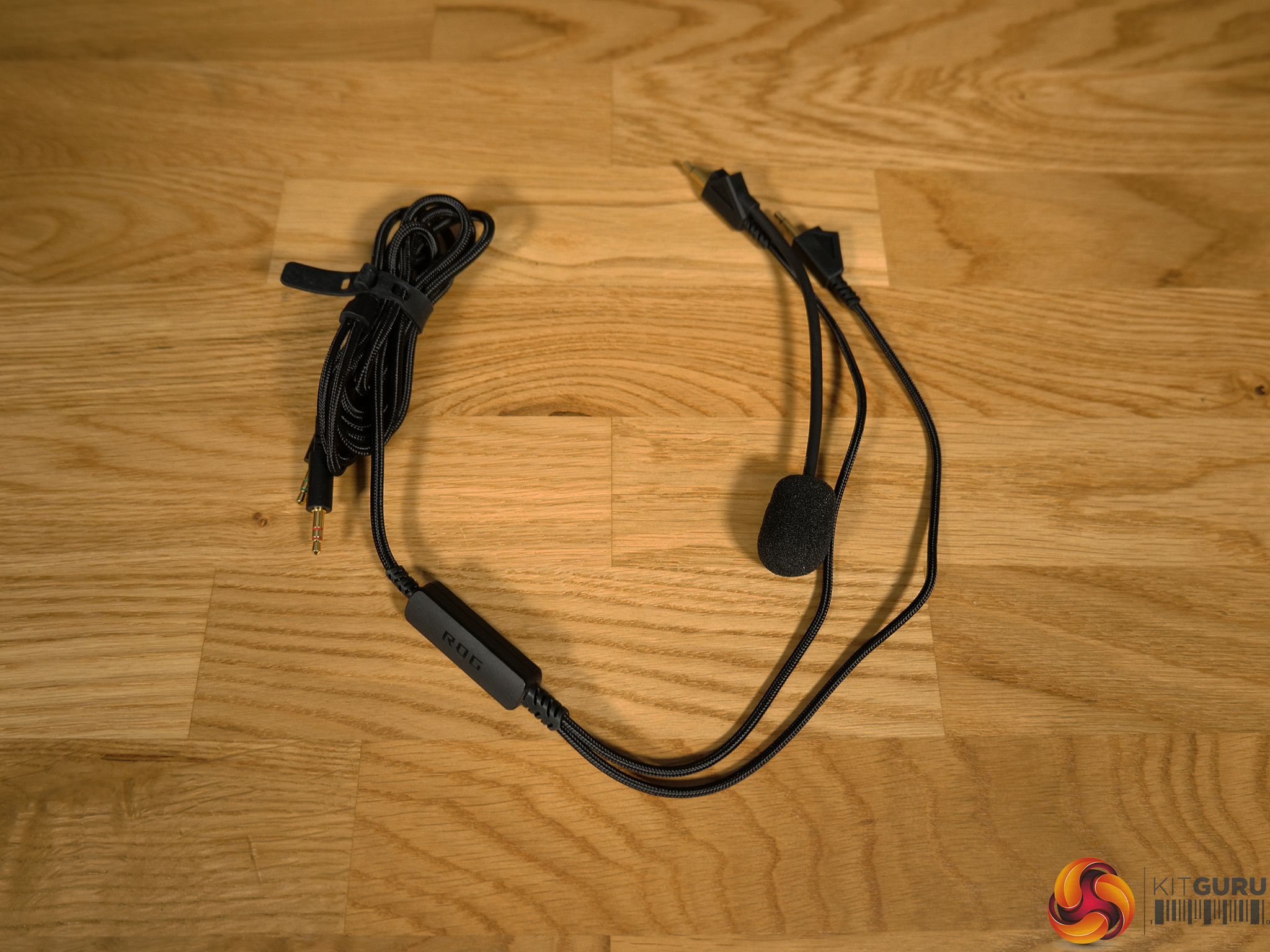
1.8m Dual-3.5mm to Dual-3.5mm Boom Mic Cable
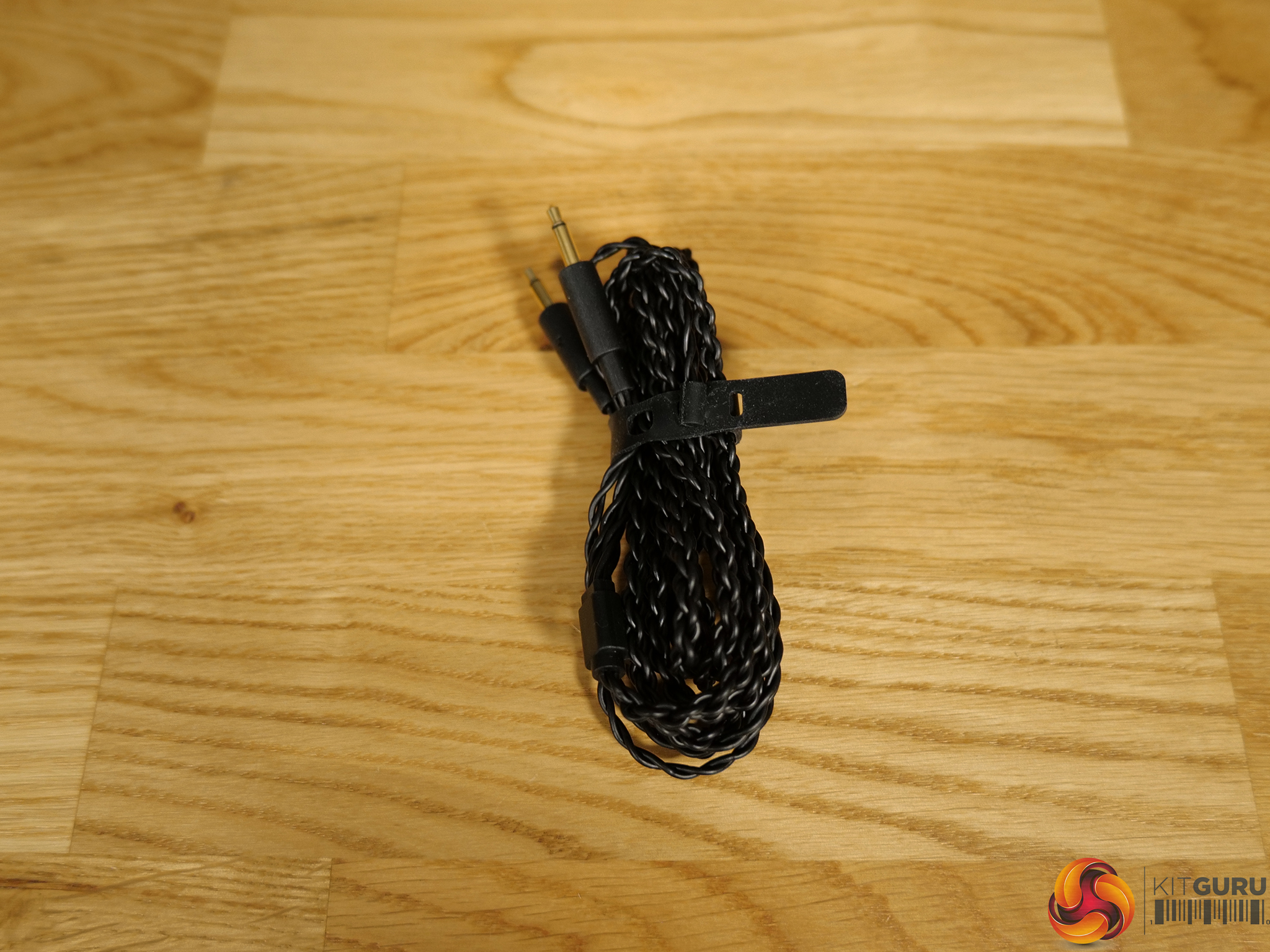
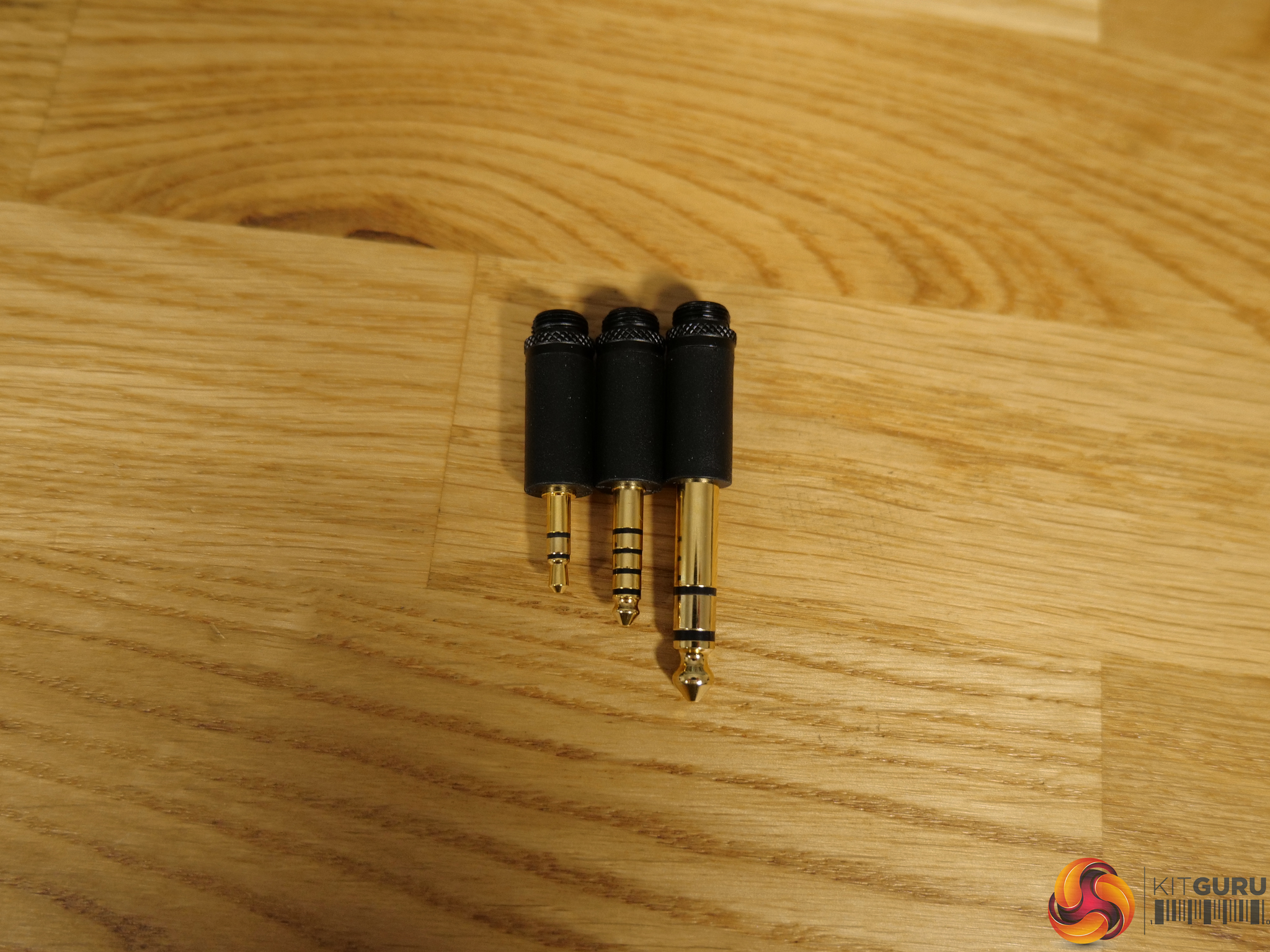
1.8m Dual-3.5mm with 3-in-1 (3.5mm/6.3mm single-ended, 4.4mm balanced) plug cable
Accessories
1.8m Dual-3.5mm to Dual-3.5mm Boom Mic Cable
1.8m Dual-3.5mm with 3-in-1 (3.5mm/6.3mm single-ended, 4.4mm balanced) plug cable
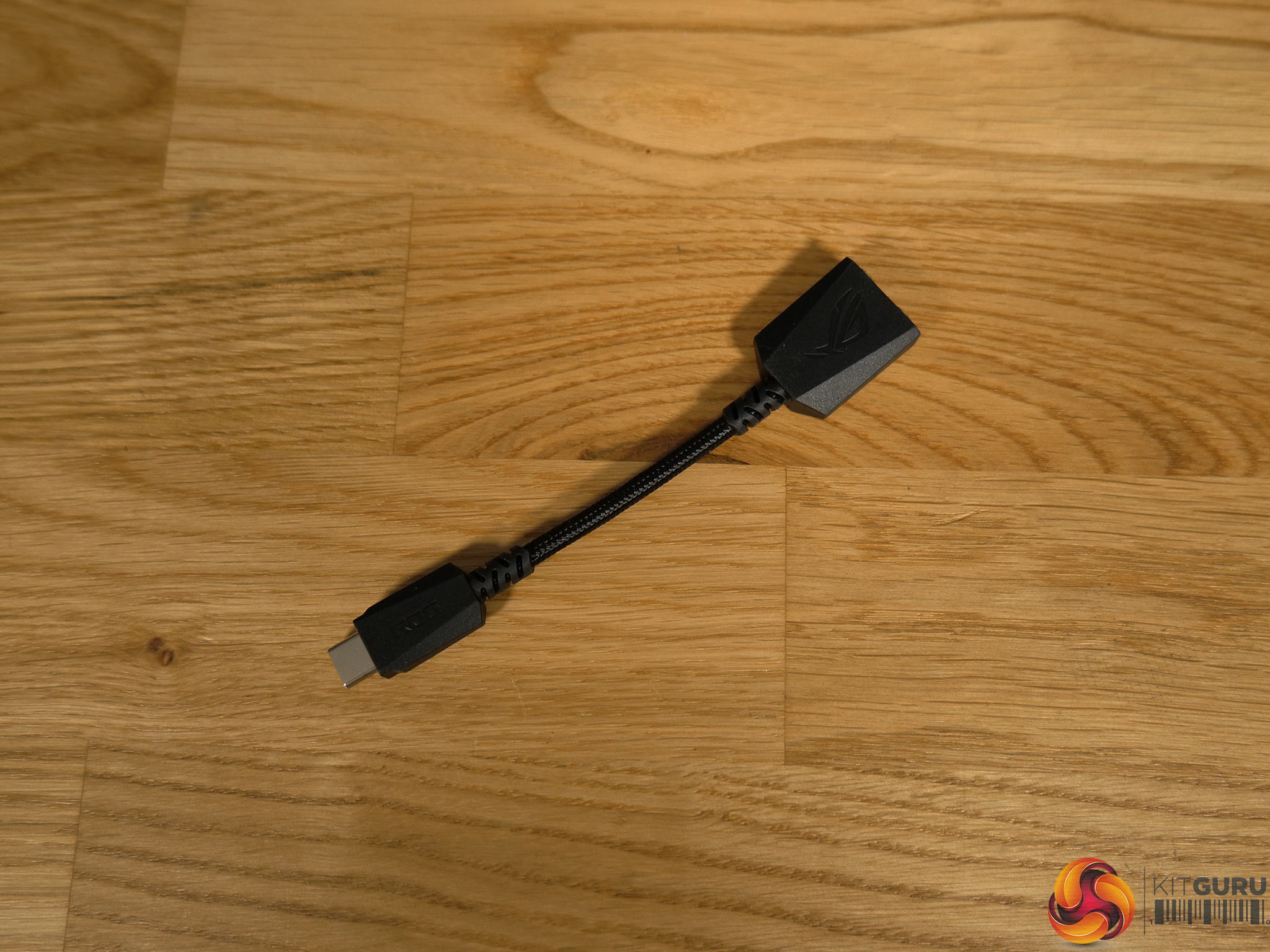
USB-C to Dual-3.5mm Adapter
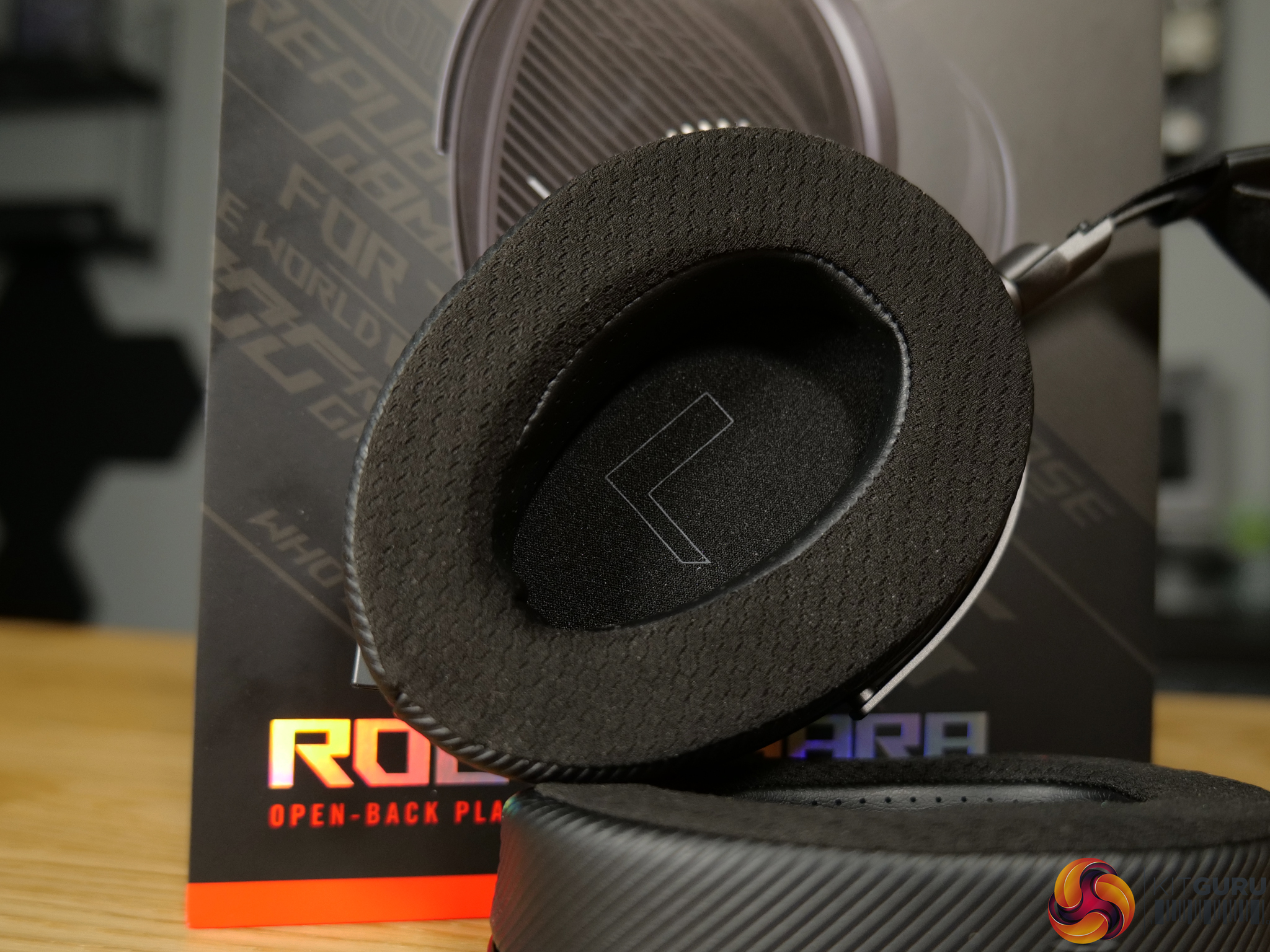
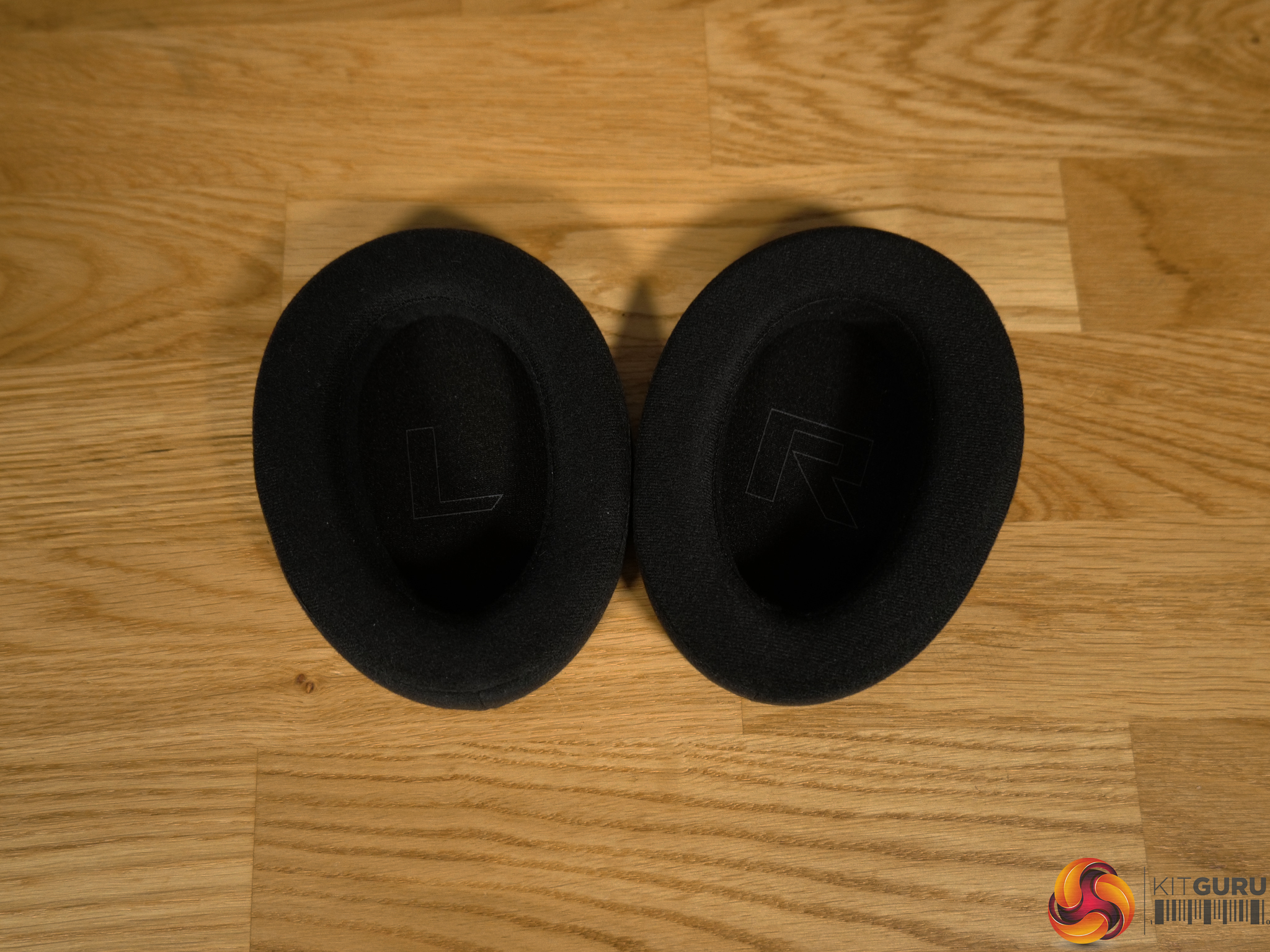
2 sets of Ear Cushion: 1 x Velour, 1 x Leatherette with Mesh Fabric
Frequency Response Measurement Card
Warranty Booklet
Quick Start Guide
You can buy the ROG Kithara Gaming Headset for £284.99 from Scan HERE.
Pros:
High quality, detailed audio.
Great frequency separation.
Very comfortable.
Good selection of accessories.
Clean design.
Cons:
Weak headband adjustment brackets.
Needs a DAC/Amp/Audio Interface to get the most from it.
KitGuru says: The ROG Kithara brings great sound quality to a gaming headset.
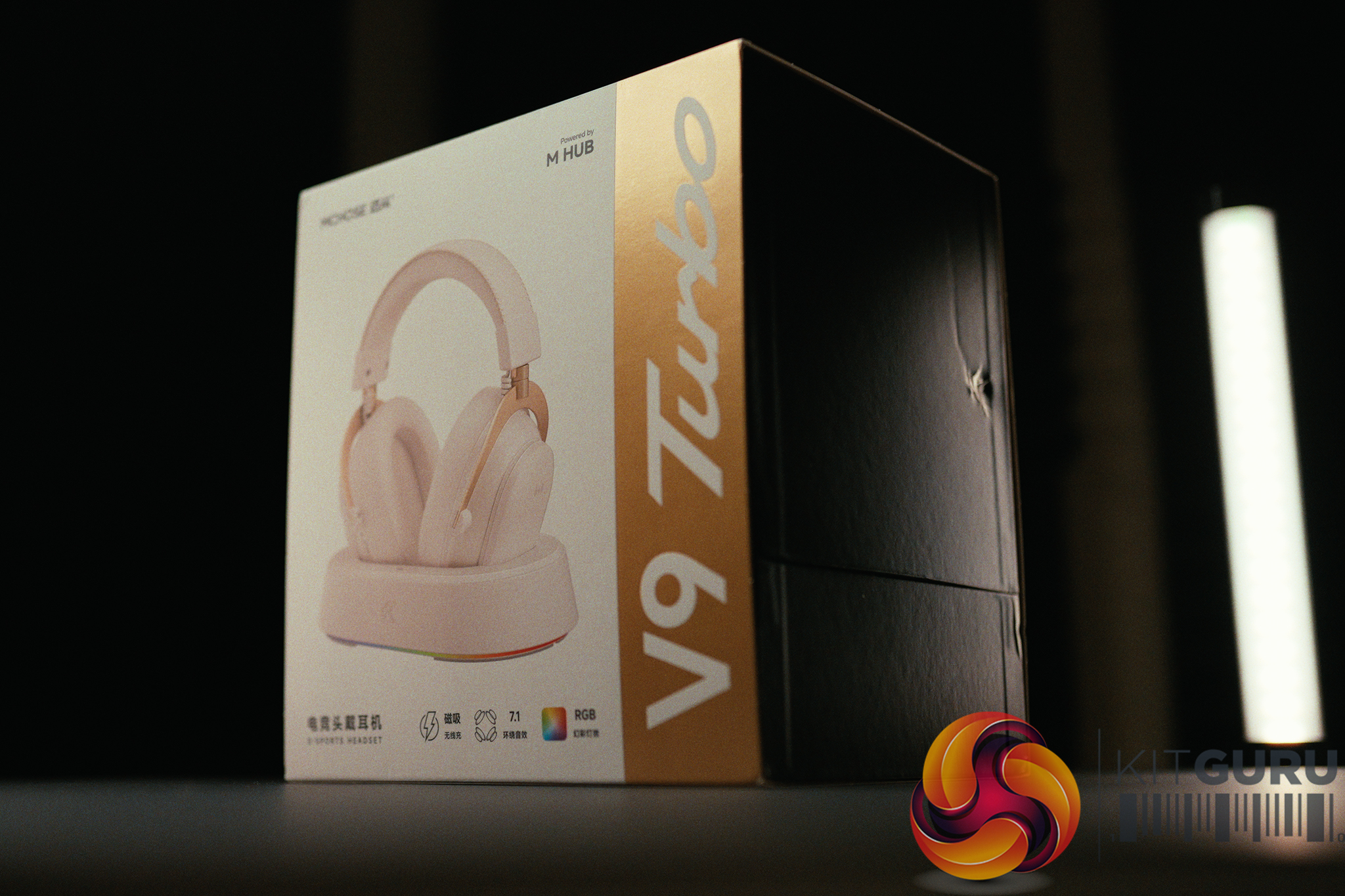
The Mchose V9 Turbo enters the highly competitive £100 wireless gaming headset market with some bold hardware features. Boasting a clever magnetic charging dock, seamless 2.4GHz and Bluetooth connectivity, and a battery that refuses to die, it looks like a fantastic all-in-one package on paper. But can it deliver a balanced experience, or will it compromise where it matters most?
Timestamps:
00:00 Intro
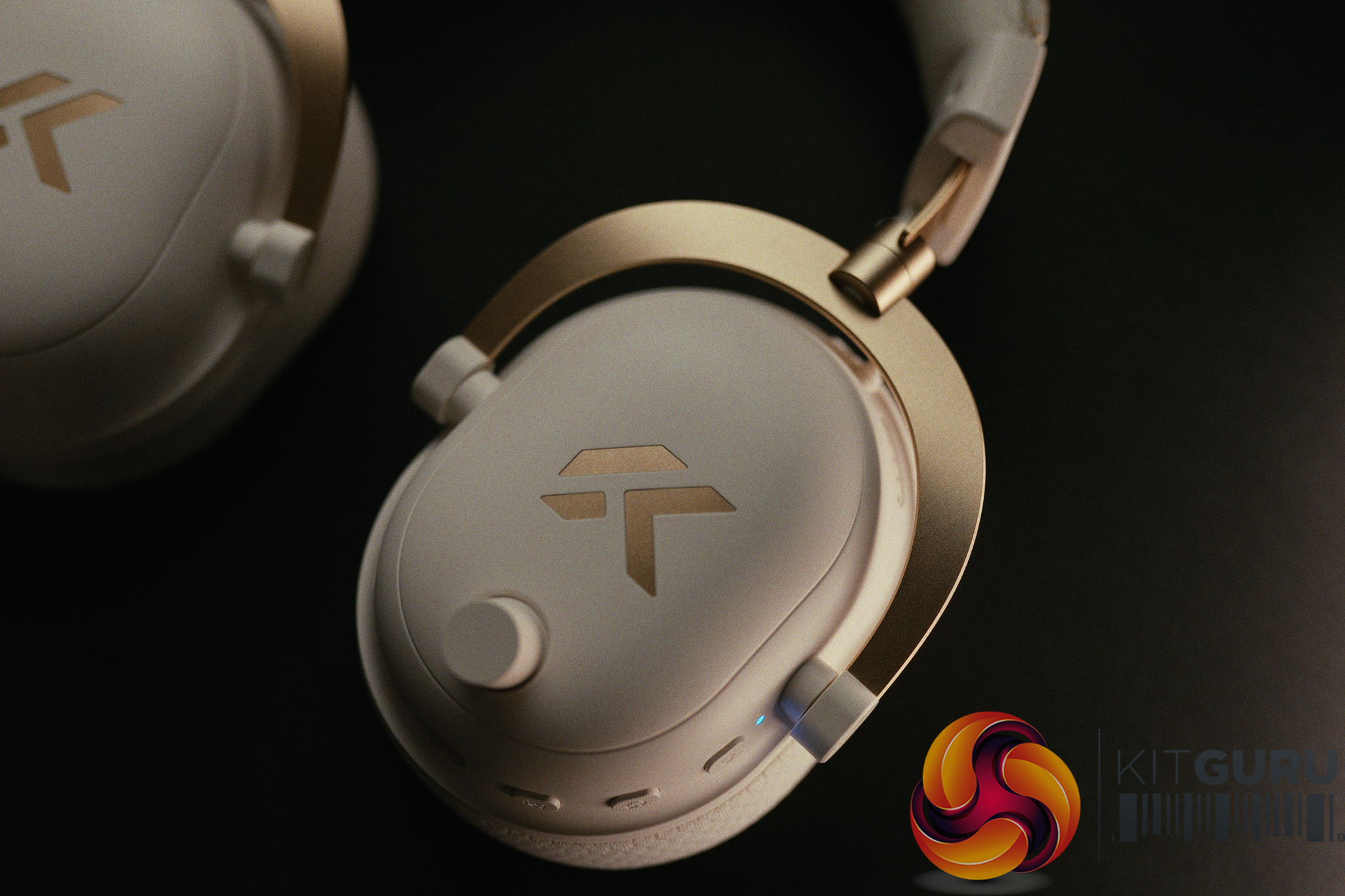
00:59 Build Quality, Materials and Controls
02:07 Weight and Shape
02:42 Charging on the Dock
03:07 Battery Life
04:13 Dock and RGB
04:38 The App and files
05:40 Firmware update for English
06:06 Virtual Surround
06:59 AI Noise reduction
08:19 Equaliser settings and audio
10:05 Gamer 1 Profile and tweaks
11:41 Gaming Audio Experience
13:38 Carlos' closing thoughts
Specifications:
Driver Type & Size: 60mm Composite Diaphragm Driver.
Compatible Platforms: PC / Laptop / PS5 / PS4 / Switch / Mobile / Tablet.
Closing Thoughts
The Mchose V9 Turbo is a headset that gets the physical hardware incredibly right, but stumbles on the execution of what makes a headphone great. On the positive side, the magnetic charging dock is brilliant – simply dropping the headphones into place via the volume knob cutout is effortless. Comfort is great, especially when using the included fabric pads, and the battery life is pretty solid.
There is definitely a software bug that makes the battery report a solid 100% life remaining even after 75 hours of active use, but with the convenient charging station I see no use-case where battery will be a concern. The 2.4GHz wireless latency is also spot-on for gaming which is always a must for any wireless headsets.
Unfortunately, the audio experience lets it down. The sound profile feels small, thin, and shouty, severely lacking in low-end energy and sporting recessed mid-frequencies. It is a fatiguing listen for both music and gaming. Even with tools like Equalizer APO, you are fighting against the built-in DSP, making it hard to find an enjoyable tuning, let alone if you just stick with the built-in equalizer on the Mchose app.
The microphone is equally only OK, delivering a muffled, highly compressed sound that easily picks up keyboard noise, requiring noise reduction that further makes it muffled and compressed.
I also spotted some software quirks that could be easily addressed, such as stealthy background processes even when closed, a max 45-minute auto-power-off timer that given the convenient dock setup could have offered a off setting, and a blinding green LED on the dongle.
For £100, I would personally prefer moving to a £20-30 set of IEMs and an external USB microphone on a boom arm, but if you need flawless wireless and are ok with compromising on sound quality, these are worth considering.
You can buy the Mchose V9 Turbo for around £100 HERE.
Pros:
Brilliant magnetic charging dock makes top-ups effortless.
Strong battery life that lasts for weeks.
Excellent 2.4GHz wireless performance with consistently low latency.
Comfortable fit, especially with the included fabric earpads.
Cons:
Audio is thin and a little fatiguing thanks to poor mid/low-end energy.
Muffled, highly compressed microphone with unimpressive clarity.
Some annoying software quirks (always on bright green dongle LED, background running processes, battery percentage reporting is broken).
KitGuru says: The Mchose V9 Turbo nails the wireless experience, but it is ultimately let down by fatiguing audio and an only OK microphone.

 Login
Login