Reading view

There are new articles available, click to refresh the page.

Hall-Effect switches and integrated displays headline Turtle Beach Command series

Turtle Beach is about to launch the Command Series, a new line of peripherals focused on deep integration for streamers and power users, characterised by built-in touchscreens, Hall-effect switches, and modular hardware. The lineup is divided into two waves: keyboards and keypads arrive in May 2026, followed by the mouse collection in July 2026.

The flagship of the range is the KB7 TKL Hall-Effect wired keyboard, featuring a massive 4.3-inch Command Touch Display that offers native OBS and Streamlabs integration, allowing creators to manage scenes and monitor system stats without tabbing out of a game. It utilises Titan low-profile Hall-effect switches with adjustable actuation and true 8K polling for a 0.125ms response time. For those needing a full-size layout, the KB5 offers a slightly smaller 2.4-inch display and traditional mechanical switches.

Rounding out the keyboard lineup is the KP7 keypad. This device is particularly versatile, featuring dual modular rails that allow it to dock seamlessly to either side of the KB7 keyboard or function as a standalone macro pad. It shares the same hall-effect technology and 8K polling as the flagship keyboard, complete with an extendable thumb bar and a programmable scroll wheel.

Leading the charge for the mice is the MC7 Wireless mouse, which mirrors the keyboard's philosophy by placing a Command Touch Display directly on the mouse's surface. This allows for hardware-level adjustments to DPI and profiles without opening software. Also, the MC7 features Owl-Eye 30K DPI optical sensor, Titan optical switches, and dual 1000 mAh hot-swappable batteries, providing up to 10 hours of 8K use per charge.

For those preferring a more traditional form factor, the MC5 Wireless mouse and MC3 Wired mouse offer the same Owl-Eye 30K DPI optical sensor and Titan optical switches. The MC5 maintains the 8K polling rate for competitive wireless play, while the MC3 provides a reliable 1K polling rate wired experience. Both mice feature Turtle Beach's Easy-Shift technology, which expands the number of programmable functions to nearly 30.

The keyboard, which is already available to pre-order, will launch on May 21st. The KB7 will retail for £189.99/$199.99/€209.99, the KB5 for £139.99/$149.99/€159.99, and the KP7 for £89.99/$99.99/€109.99. As for the mice, these are also available to pre-order but will be released on July 19th. The MC7 will be priced at £139.99/$159.99/€159.99, the MC5 at £109.99/$119.99/€119.99, and the MC3 at £69.99/$79.99/€79.99.

KitGuru says: Interested in any of the new Command series gear presented by Turtle Beach?

The post Hall-Effect switches and integrated displays headline Turtle Beach Command series first appeared on KitGuru.
Yunzii Wood 68 and 84 debut with tri-mode connectivity and Candy linear switches

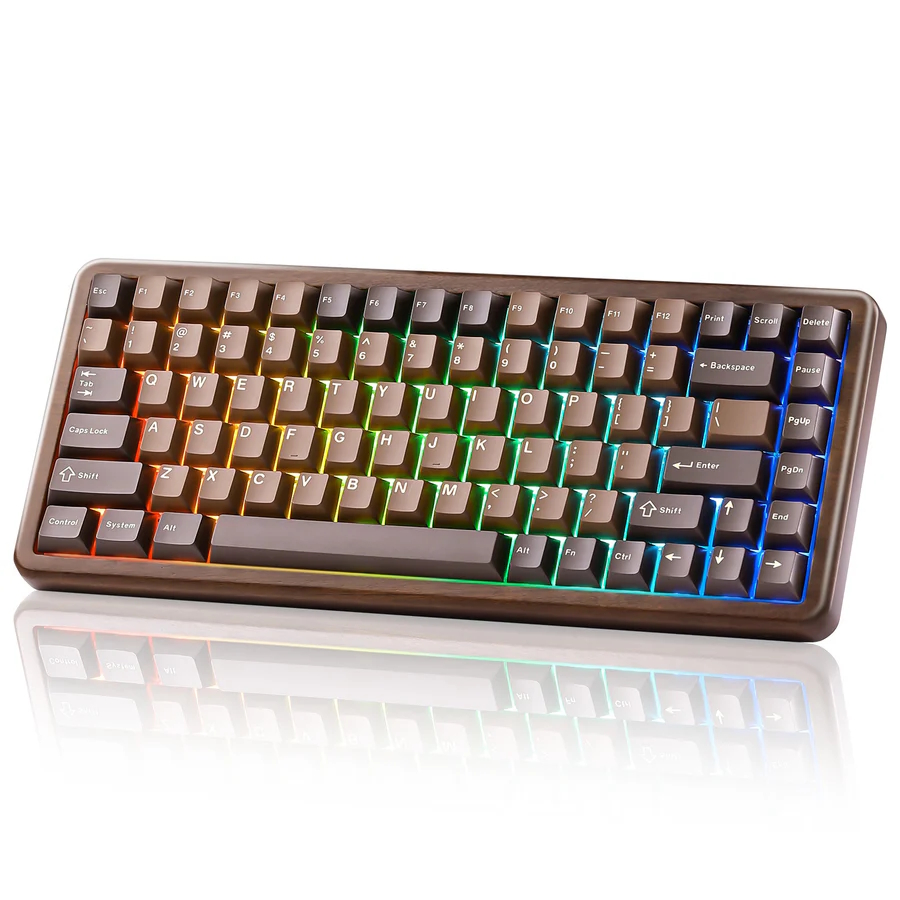
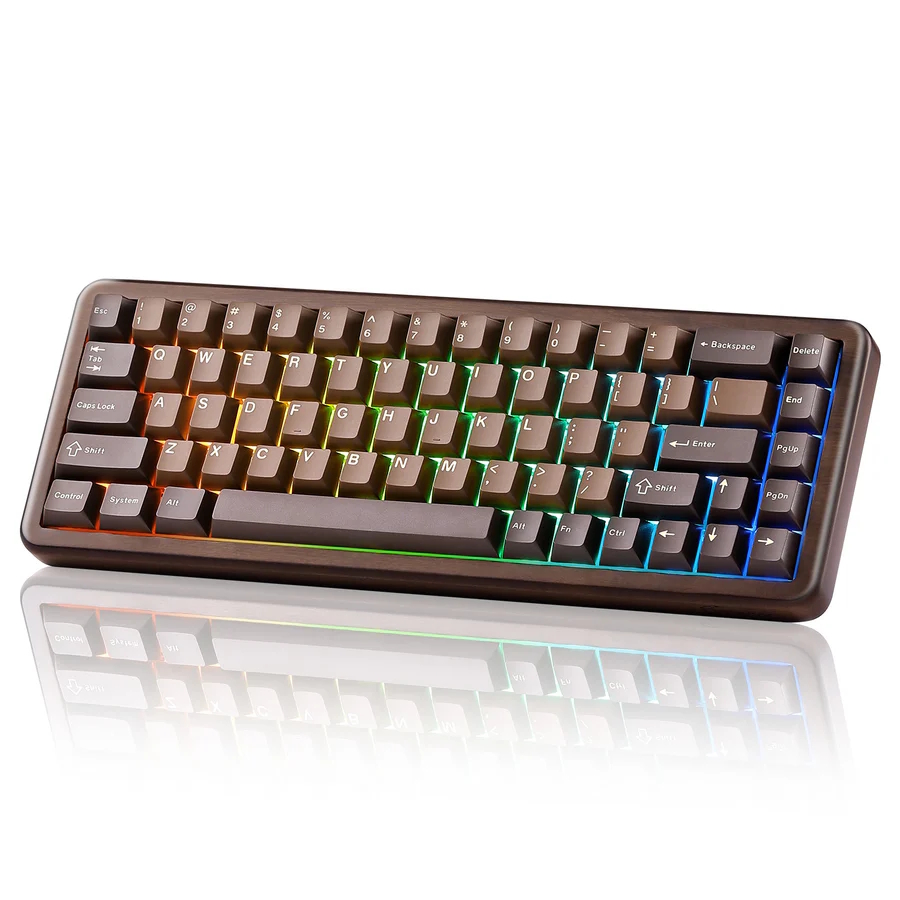
Yunzii has expanded its portfolio with the launch of the Wood 68 and Wood 84, two mechanical keyboards that swap traditional plastic or aluminium housings for polished walnut wood. These boards are designed for enthusiasts seeking an organic aesthetic without sacrificing modern gaming features. Both models feature an engraved walnut frame and a stable tray-mount internal structure designed to look as much like desk furniture as a high-end peripheral.

The series (via TechPowerUP) is split into two popular form factors to accommodate desks of different sizes and user needs. The Yunzii Wood 68 is a compact 65% layout with 68 keys, measuring 325.4 x 116.4 x 41.77 mm and weighing 767g. Meanwhile, the Yunzii Wood 84 offers a 75% layout with 84 keys, stepping up to a slightly taller frame and a heavier weight of 979g, with a dedicated function row. Both keyboards utilise high-quality double-shot PBT keycaps in a Cherry profile, which are highly resistant to oil and shine over long-term use.

Both boards feature Yunzii Candy linear switches, pre-lubed for a smooth typing experience. To ensure a refined acoustic profile, Yunzii has implemented internal sound dampening to eliminate the hollow sound often associated with wooden enclosures. The keyboards are fully hot-swappable, supporting both 3-pin and 5-pin switches, allowing users to customise their typing feel without soldering. A 4000 mAh battery powers both models, supporting Bluetooth, 2.4 GHz wireless, and wired USB-C connections with N-key rollover for reliable input during intense sessions.

Customisation is handled through Yunzii's dedicated software for Windows and macOS, or via a convenient online configurator for those who prefer not to install local drivers. The Wood 68 is currently priced at $89.99, while the Wood 84 retails for $92.99.

KitGuru says: With the move toward materials like wood, do you think the industry is finally moving away from the “gamer” aesthetic as the standard?

The post Yunzii Wood 68 and 84 debut with tri-mode connectivity and Candy linear switches first appeared on KitGuru.
AMD EXPO 1.2 may bring new tuning options and support for new memory DIMMs

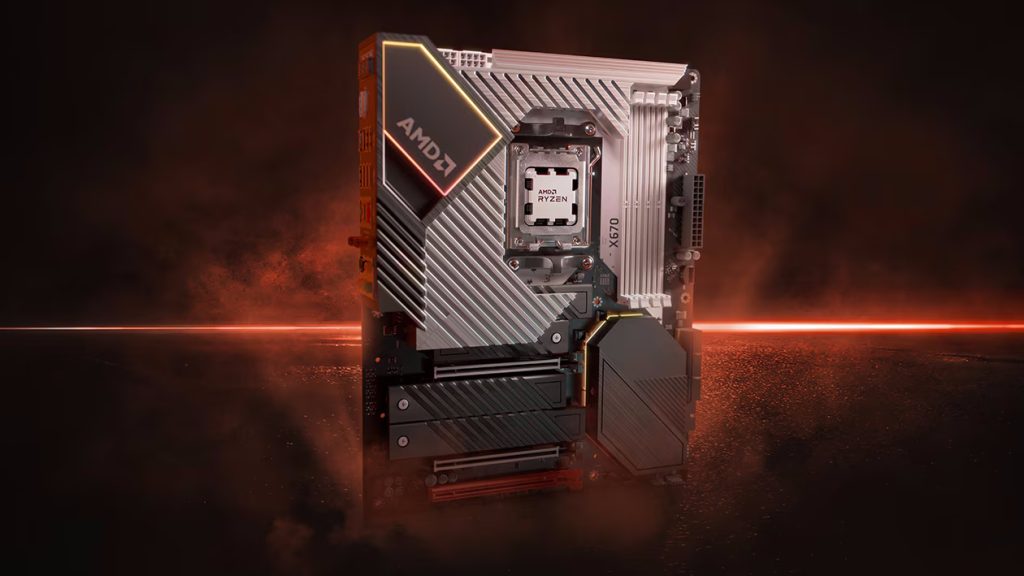
AMD is reportedly working on EXPO 1.2, a major update to its memory overclocking standard designed to squeeze more performance out of the AM5 platform while laying the groundwork for the future.

According to 1usmus (via VideoCardz), this version introduces several granular tuning options, including support for tREFI, tRRDS, and tWR timings, along with a new Unified Latency Lock (ULL) feature and VDDP voltage adjustments designed to keep high-frequency kits stable.

The new update is also expected to expand support for CUDIMM and MRDIMM modules. However, current Zen 5 users should manage their expectations, as the AGESA 1.3.0.1 firmware currently offers only partial support. Full native support for these modules is likely to arrive only when AMD launches the Zen 6 processor series.

In an effort to mitigate ongoing global DRAM shortages, AMD has also used EXPO 1.2 to welcome several Chinese memory manufacturers into its certification programme. Brands such as RAMXEED Limited Conexant, Rui Xuan, and Fujitsu Synaptics are now officially supported, providing more alternatives to traditional consumer DRAM kits.

For those using Asus boards, a beta BIOS version 2301 is already available on some models.

KitGuru says: Interested in any of the new features AMD EXPO 1.2 is reportedly bringing?

The post AMD EXPO 1.2 may bring new tuning options and support for new memory DIMMs first appeared on KitGuru.
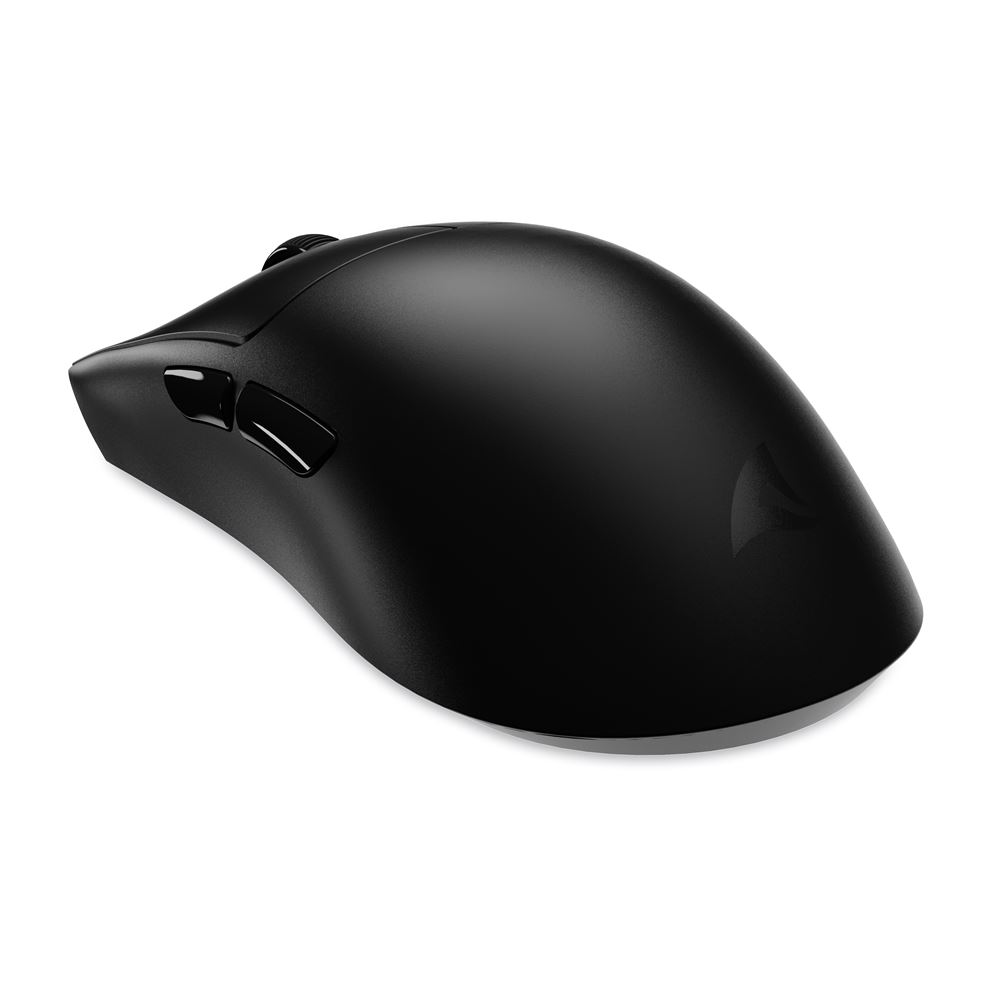
Pulsar and BadSeed Tech launch limited edition X2H CrazyLight 8K

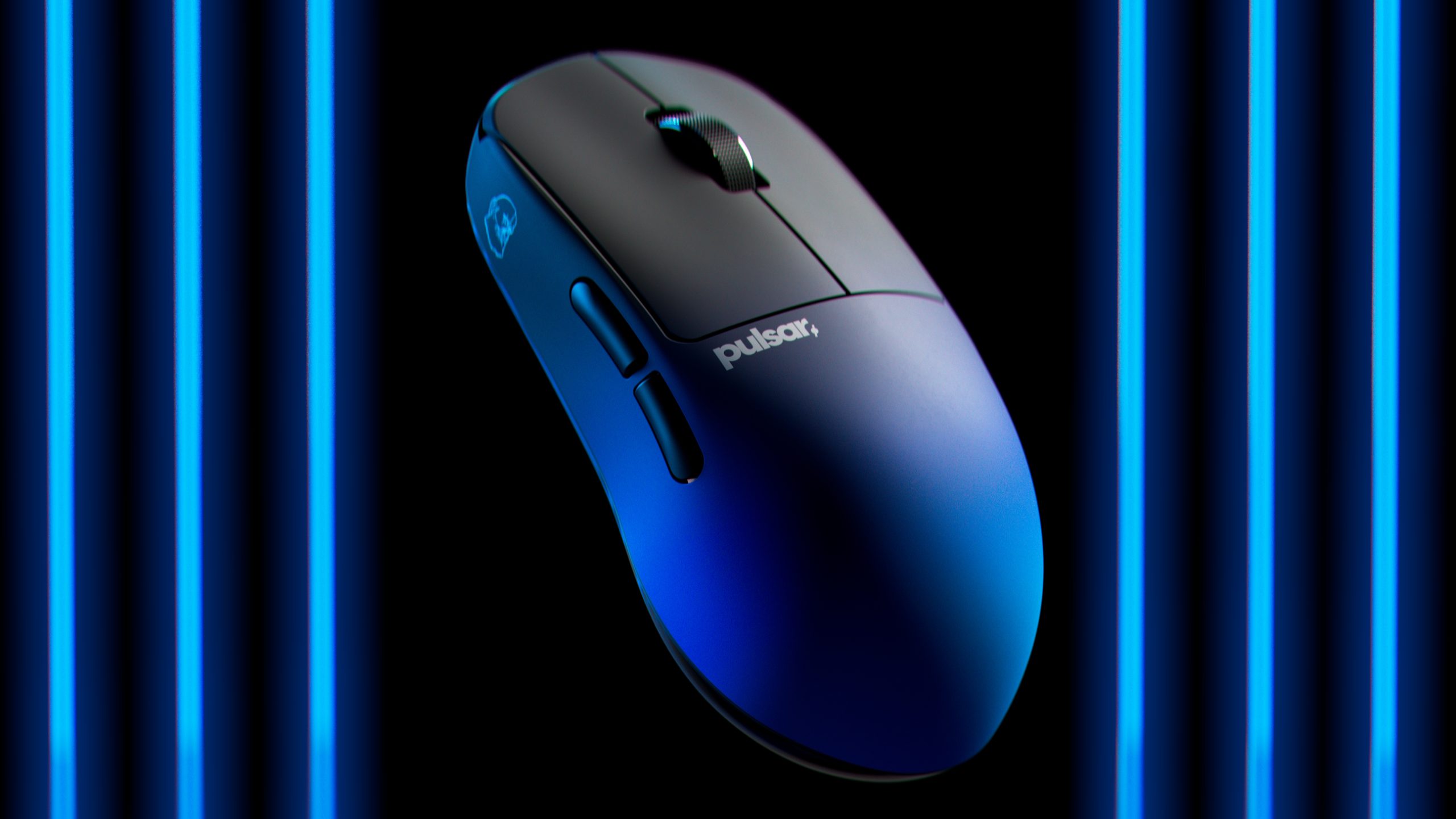
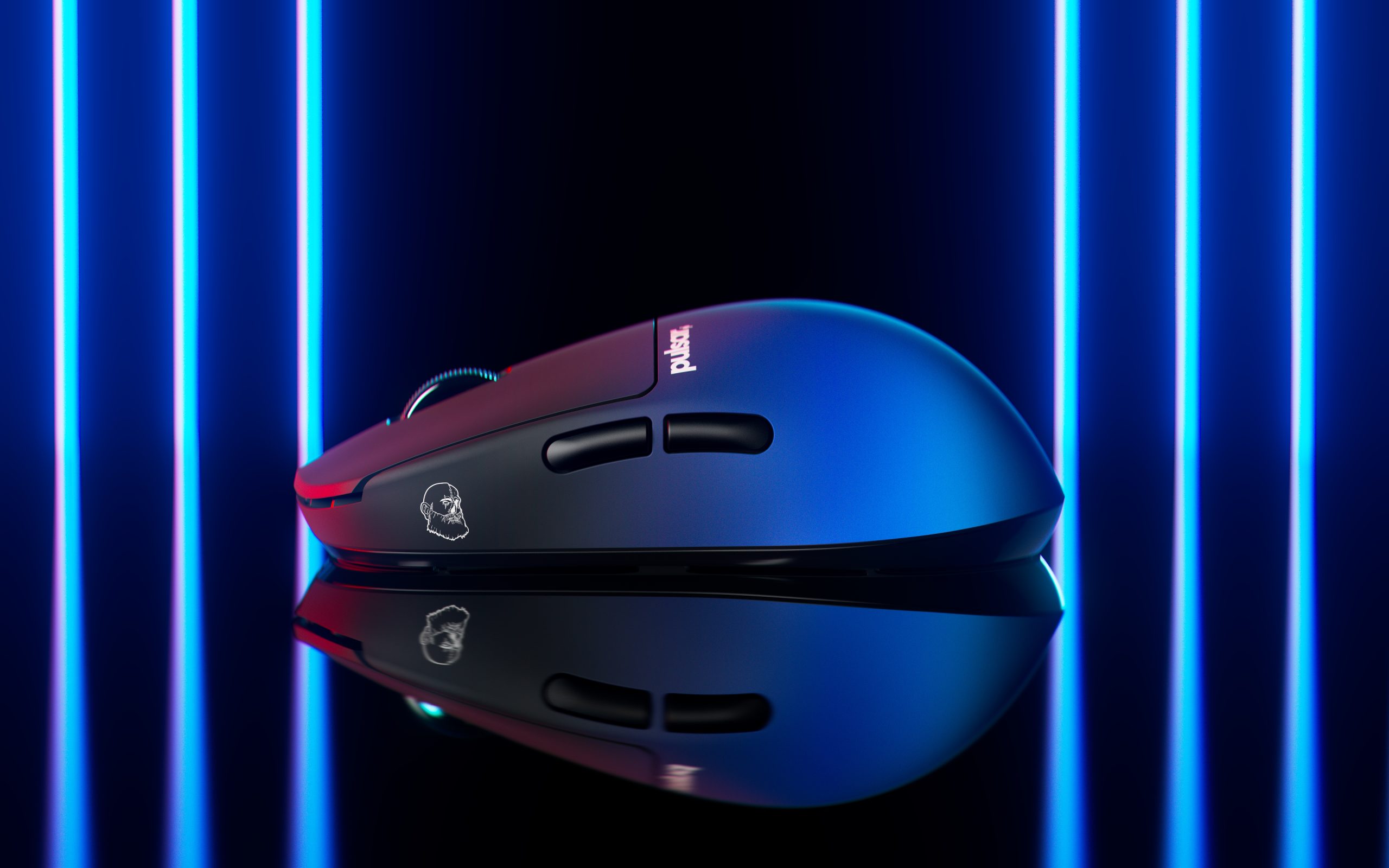
Pulsar has officially launched the X2H CrazyLight BadSeed Tech Edition, a specialised collaboration with tech reviewer Brian Phillips limited to 3,000 units. The mouse maintains the established X2H symmetrical shape, characterised by a high rear hump and narrow waist that favours claw and relaxed-claw grip styles.

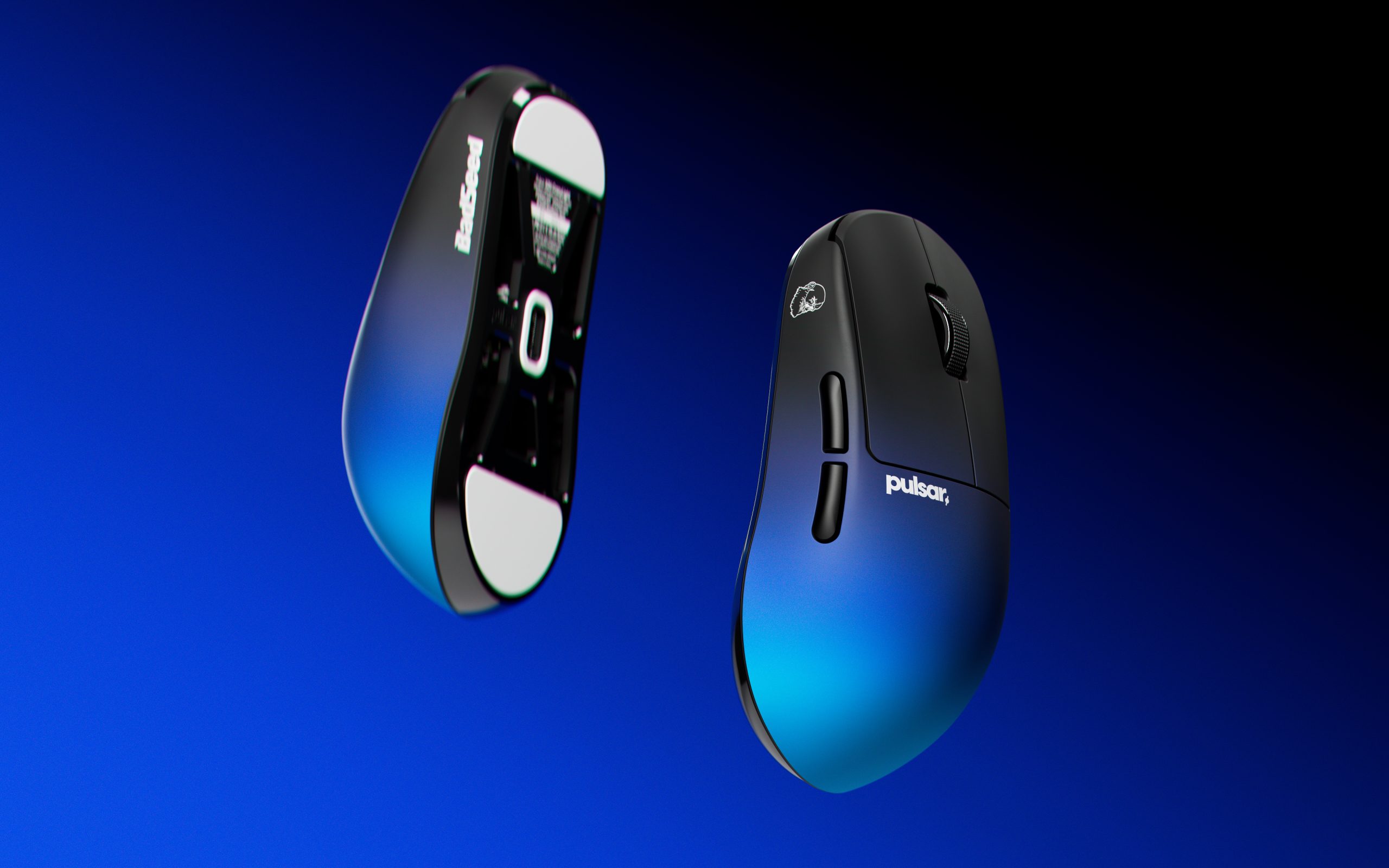
The “CrazyLight” moniker is no exaggeration here: the Mini variant weighs a mere 37g, while the Medium comes in at 43g. Despite the ultra-low weight achieved through strategic base cutouts, the top shell remains solid to ensure structural integrity during intense sessions. Performance is anchored by the Pulsar XS-1 optical sensor, which delivers 32,000 DPI and 750 IPS tracking. The mouse is also 8K wireless-ready, supporting an 8,000 Hz polling rate to minimise input lag.

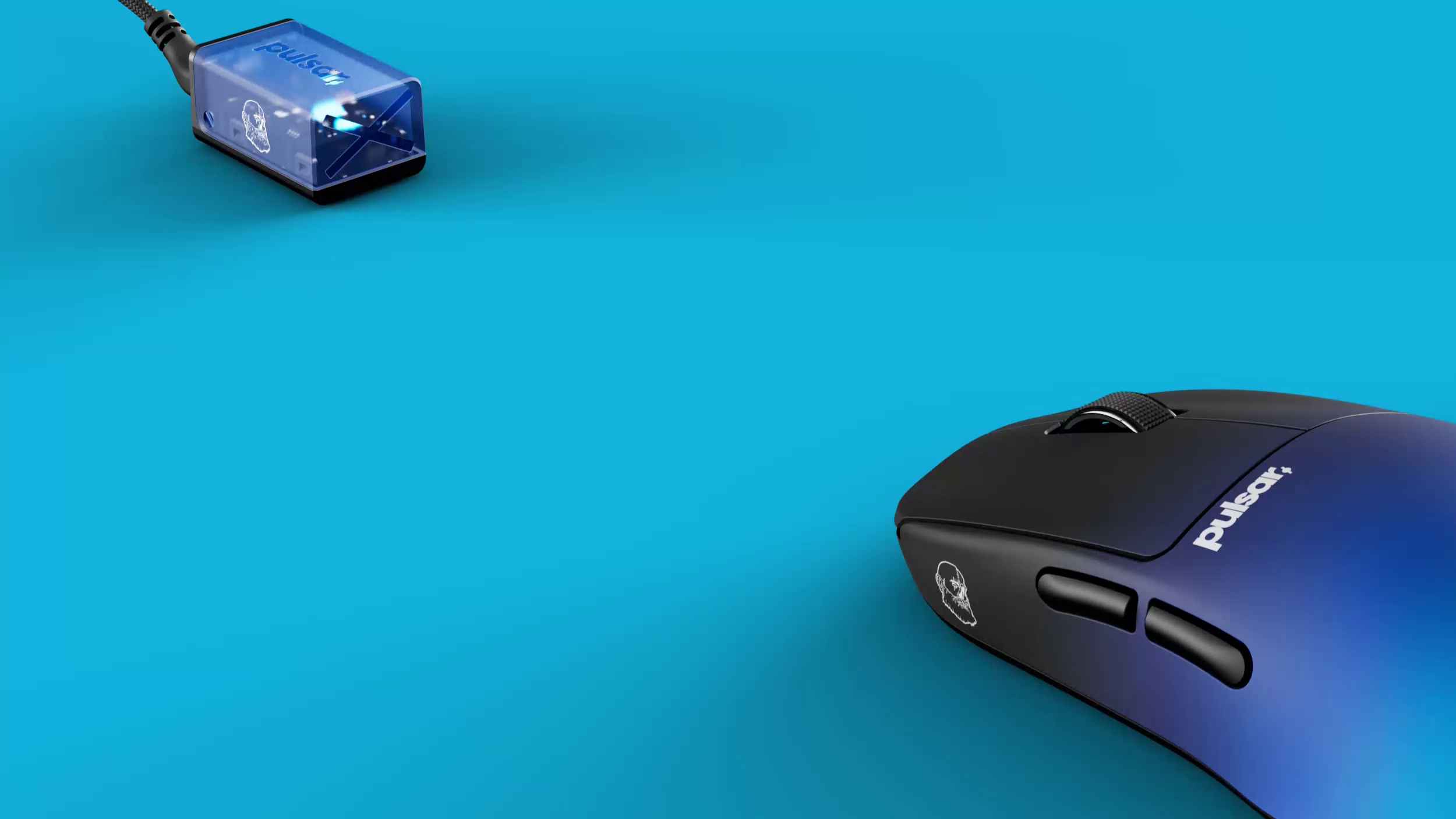
Visually, the BadSeed Tech Edition moves away from Pulsar's standard palettes for a striking black-to-electric-blue gradient. The design is a nod to Phillips’ early product photography style, meant to mimic the way blue light spills across the frame. The BadSeed wordmark on the right flank and the iconic bearded skull logo etched above the side buttons also give it a nice touch. The package is rounded out with Pulsar optical switches rated for 100 million clicks and a Pulsar blue encoder for tactile scrolling.

The Pulsar X2H CrazyLight BadSeed Tech Edition is now available for $139.95/€159.90.

KitGuru says: With the Mini version weighing about as much as a standard AA battery, do you think we’ve reached the logical “floor” for mouse weight, or are you waiting for the day we start measuring peripherals in single digits?

The post Pulsar and BadSeed Tech launch limited edition X2H CrazyLight 8K first appeared on KitGuru.
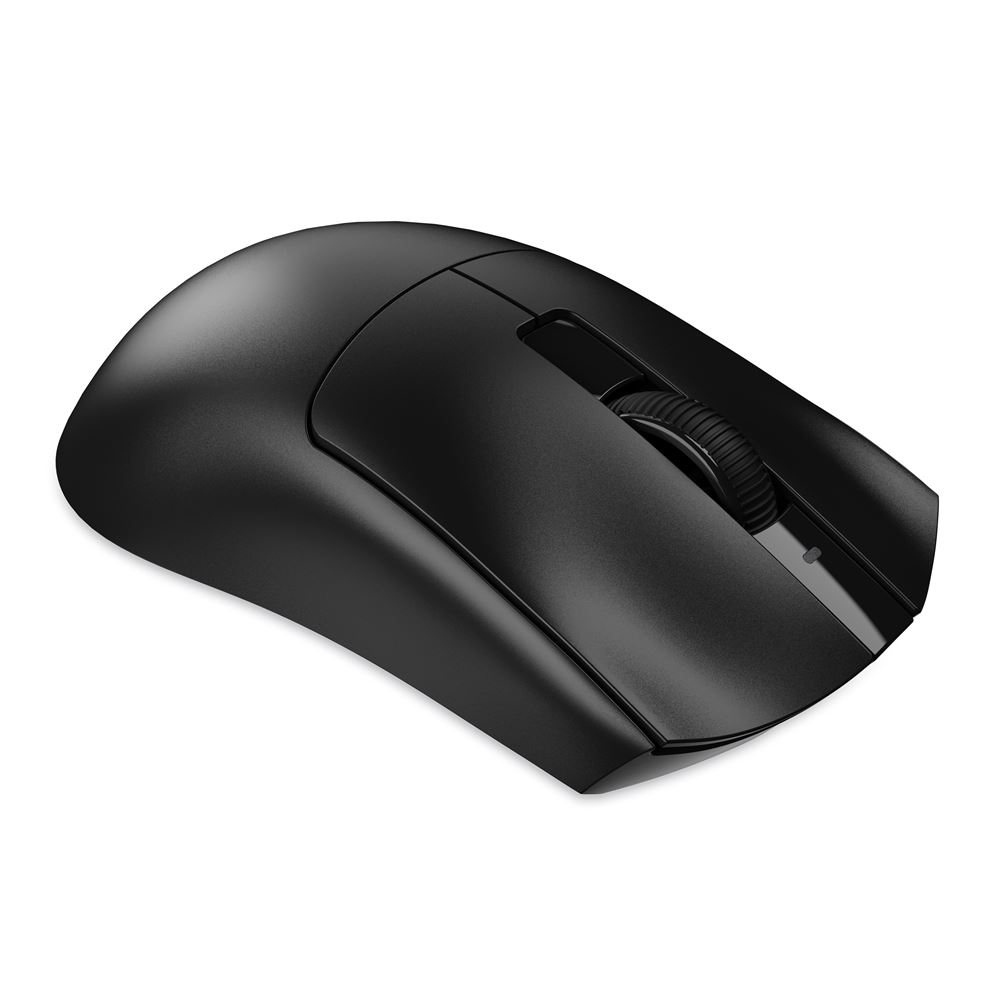
Sharkoon Fireglider mouse returns in a 50g wireless format

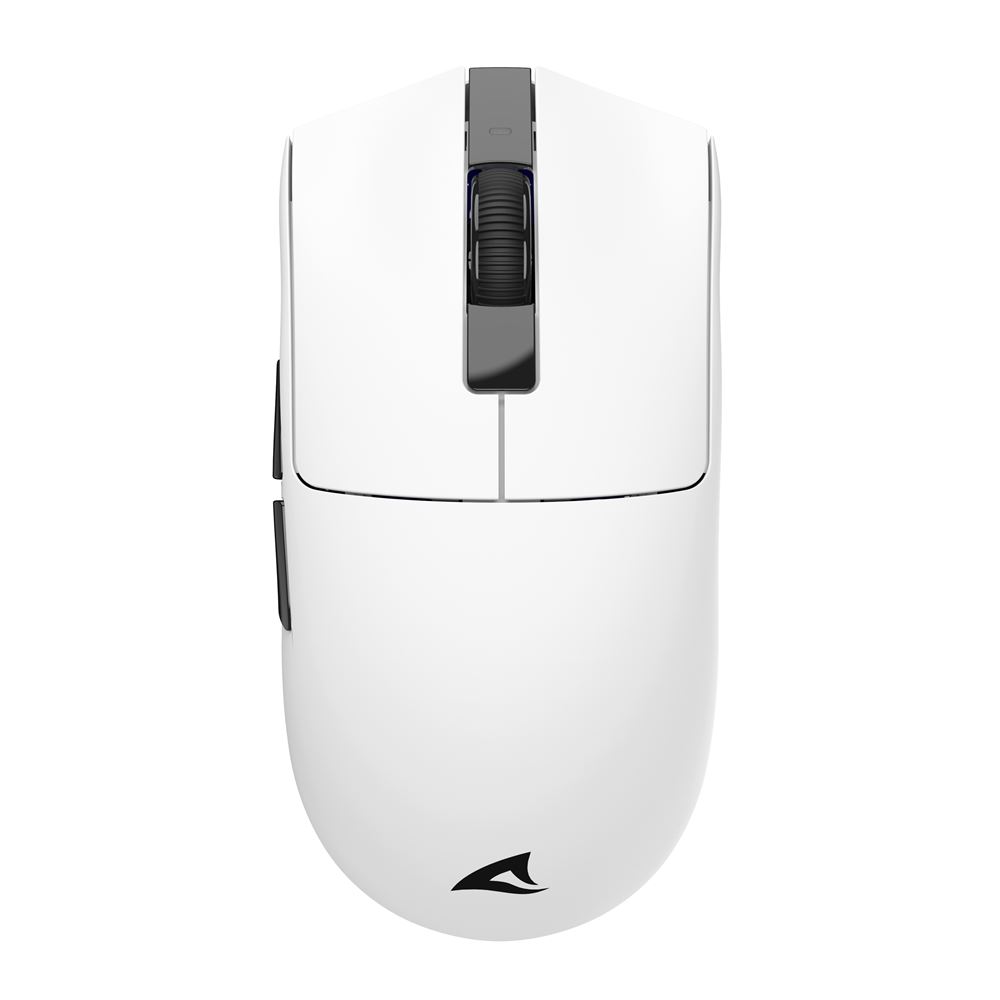
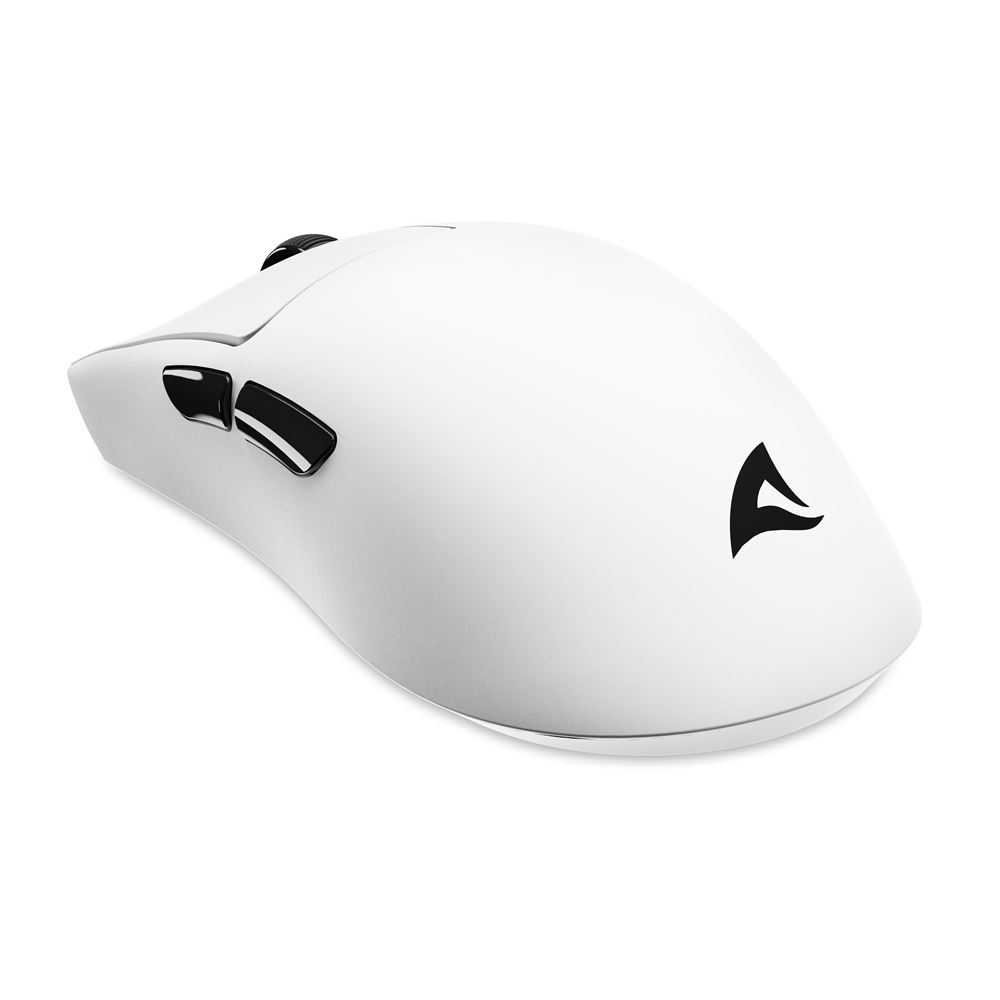
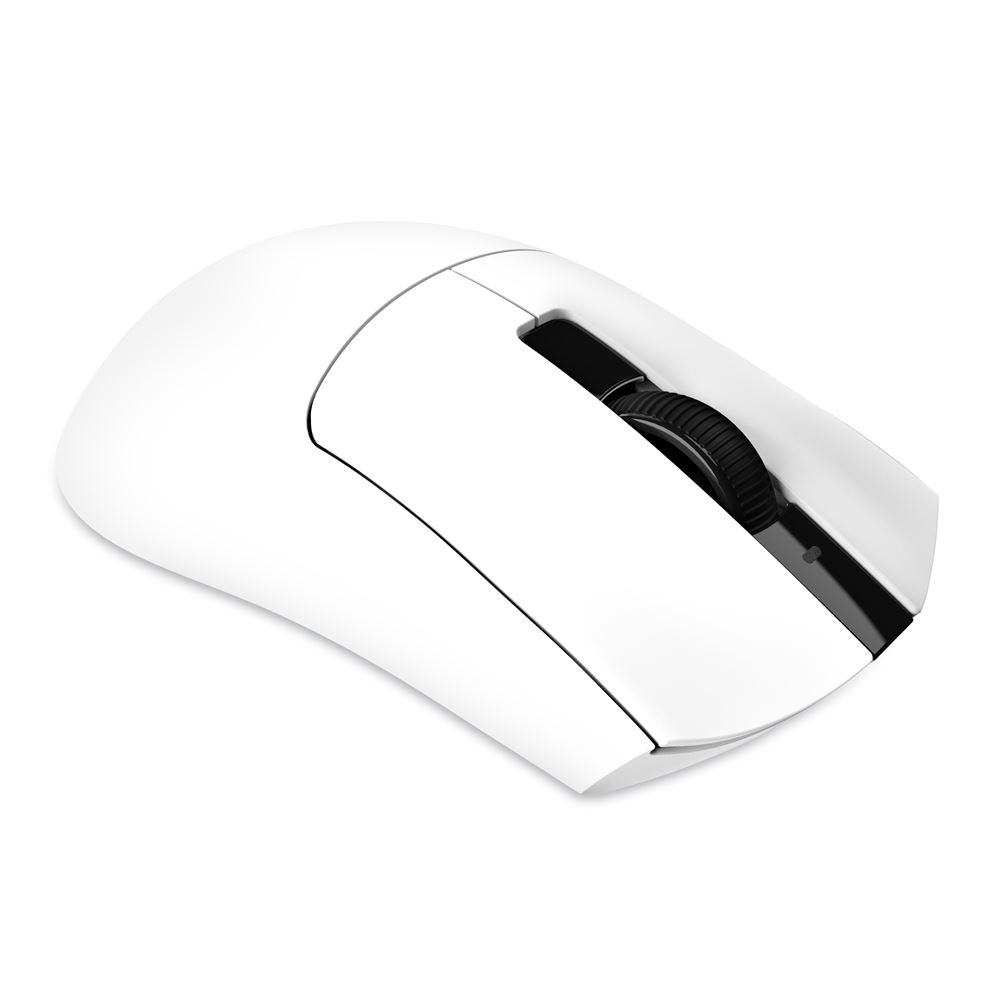
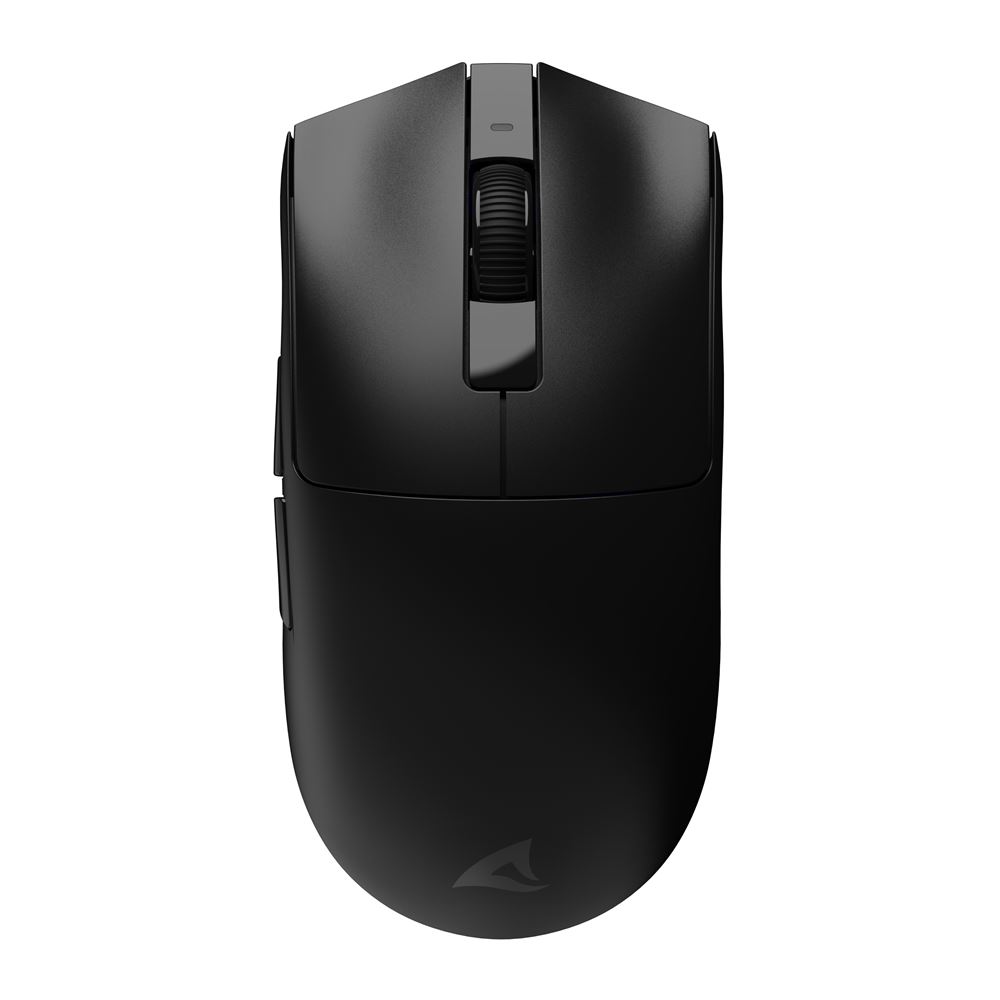
Sharkoon is reviving the Fireglider, a mouse that debuted in 2009. However, the new Fireglider One is a complete departure from its laser-sensor ancestor, trading the heavy, flame-patterned aesthetic for a minimalist, ultra-lightweight design. Launching at a highly aggressive price point, this mouse positions itself as one of the most affordable high-performance wireless options on the market.

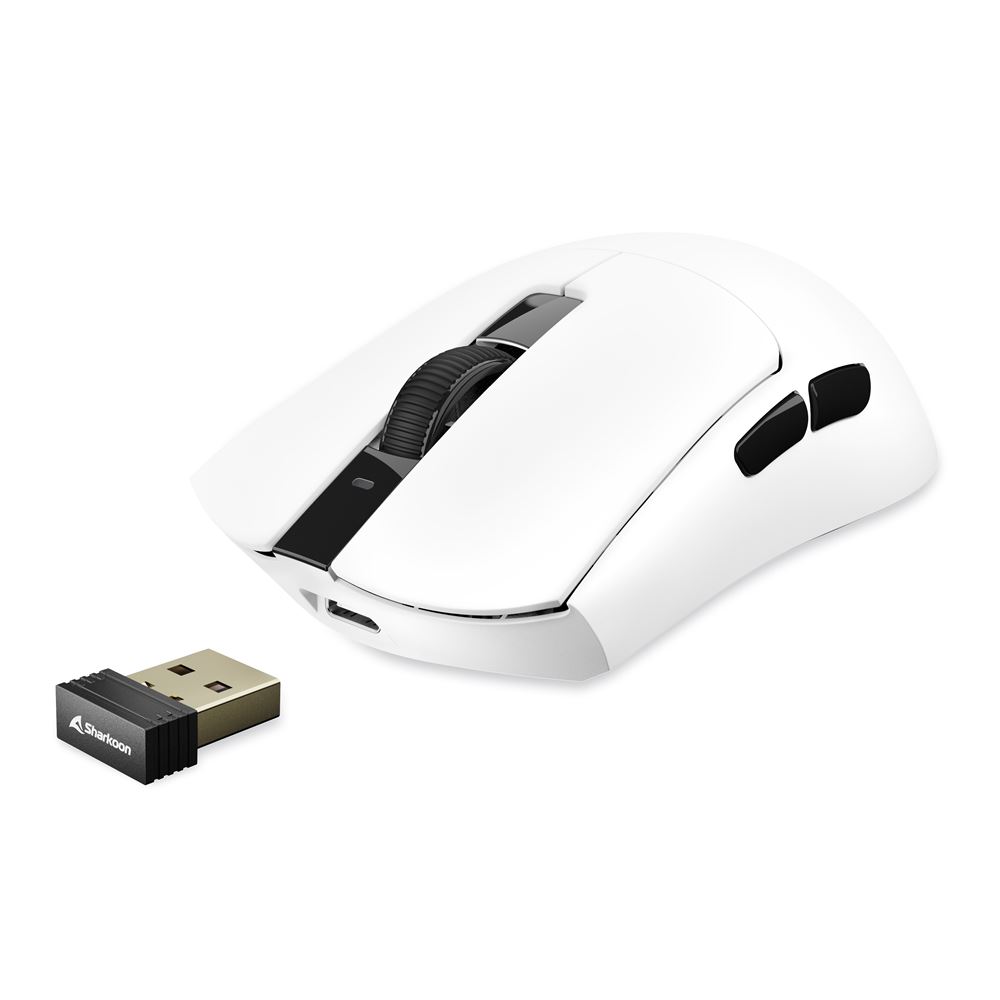
Despite its price, the Fireglider One (via Cowcotland) weighs under 50 grams, a feat achieved in part by using a smaller 300 mAh battery. Sharkoon claims this battery provides approximately 100 hours of usage via its 2.4 GHz wireless connection, which should satisfy most gamers without requiring a daily recharge. The mouse measures 127.5 x 64 x 40 mm, making it a full-sized symmetrical peripheral that avoids the “mini” footprint often found in ultra-light mice.

Under the hood, Sharkoon has opted for the PixArt PAW3311 optical sensor, offering up to 12,000 DPI and support for up to 35g of acceleration. The primary buttons feature Huano switches rated for 20 million clicks. Interestingly, while the mouse features 512KB of onboard memory for storing DPI profiles, it entirely foregoes dedicated configuration software. This “plug-and-play” approach means users switch between pre-set DPI levels via a button on the underside, keeping the experience simple and driver-free.

The hardware package is rounded out with a USB-C charging port and a storage compartment for the 2.4 GHz receiver. Sharkoon also includes a secondary set of PTFE feet within the package. Some European retailers already have it listed at around €30.

KitGuru says: By focusing on the essentials, the Fireglider One is a compelling choice for budget-conscious builders who want a simple gaming mouse.

The post Sharkoon Fireglider mouse returns in a 50g wireless format first appeared on KitGuru.
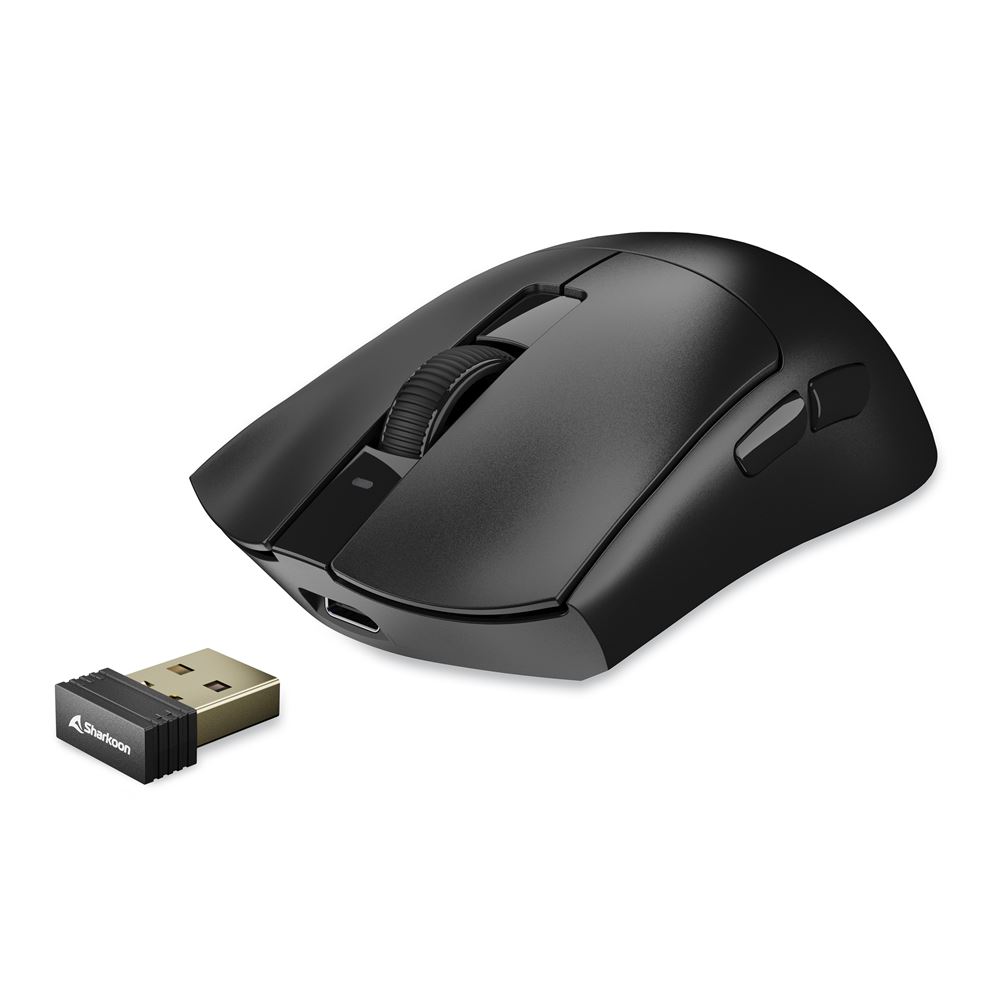
Lian Li expands the Vector series with V150 INF featuring infinity mirror front panel

Lian Li has officially announced the Vector V150 INF, a compact mini-tower chassis designed for enthusiasts who want to blend high-performance cooling with a striking visual presentation. Building on the foundation of the Vector V100 MINI, this new iteration introduces “Infinity” aesthetic elements, including an infinity-mirror front panel.

The defining feature of the Vector V150 INF (via Guru3D) is its lighting system. Unlike the standard mesh or glass panels found on many mATX cases, the V150 INF uses infinity-reflection elements on its front panel. To complete the look, Lian Li includes three pre-installed Infinity ARGB/PWM fans: two 140mm fans at the front and a 120mm exhaust fan at the rear, all featuring infinity-mirror centres.

Image credit: Guru3D

The Vector V150 INF supports Micro-ATX and Mini-ITX motherboards, including the increasingly popular back-connect (BTF) designs. The chassis accommodates graphics cards up to 400mm in length and supports air coolers up to 163.5mm in height. For cooling components, the top panel can accommodate a 360mm radiator, while the side and bottom panels provide additional fan mounting points for a flexible layout.

The front I/O panel offers two USB-C 3.2 Gen 2 ports, one USB-A 3.2 Gen 1 port, and an HD-audio jack. Storage support includes slots for two 2.5/3.5-inch drives, though this is reduced to a single bay if using a long power supply up to 200mm. The case is scheduled for release later this month, with initial availability confirmed for the Japanese market. Pricing is expected to be around £70.

KitGuru says: Considering its looks, features, and price, it seems Lian Li has another winner with the V150 INF.

The post Lian Li expands the Vector series with V150 INF featuring infinity mirror front panel first appeared on KitGuru.
8BitDo introduces the Retro 18 numpad with original Xbox aesthetics

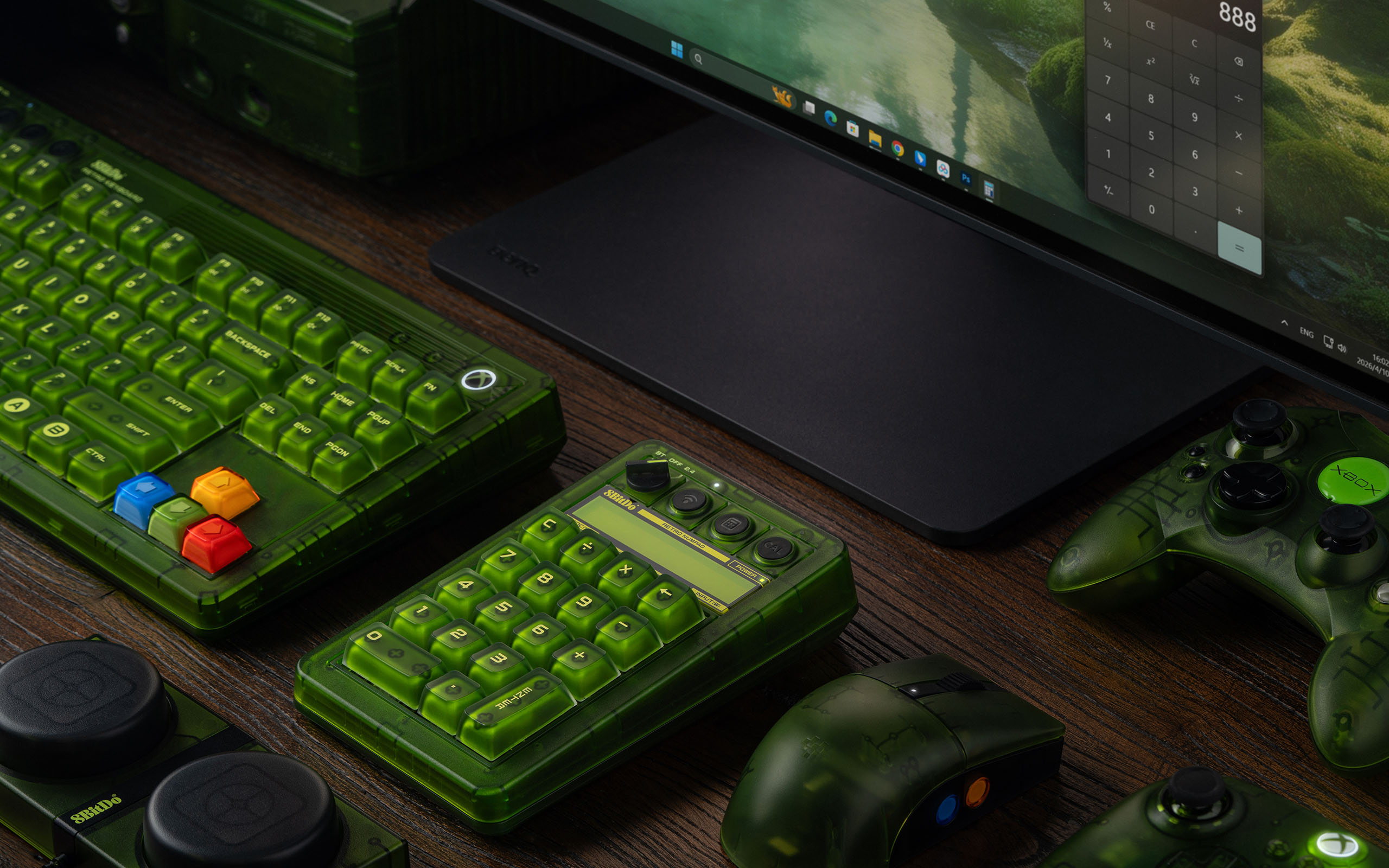
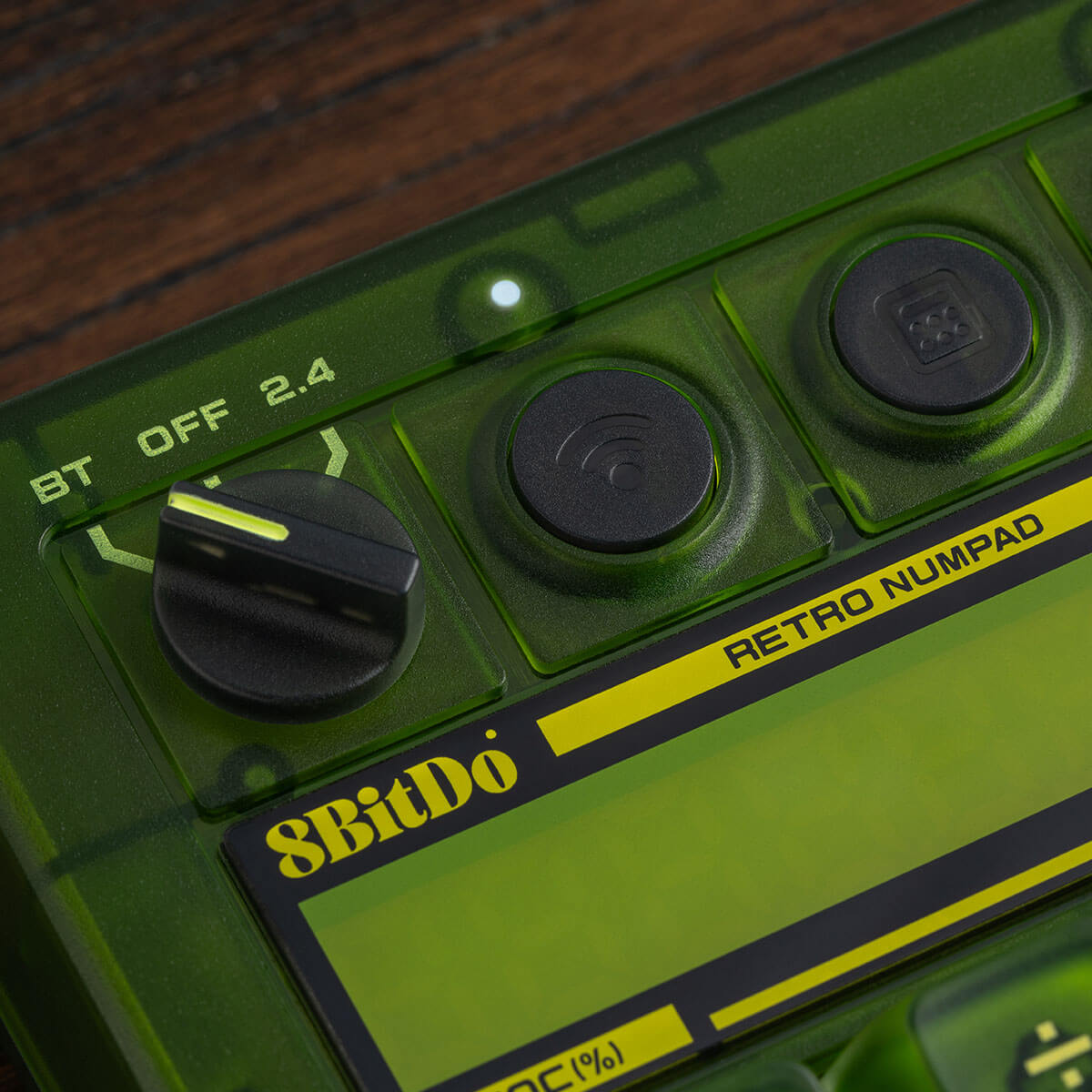
8BitDo has expanded its nostalgia-fuelled Retro lineup with the Retro 18 mechanical numpad in a striking Xbox Edition. Dressed in the iconic partially transparent green plastic that defined the early 2000s, this peripheral is designed to complement the Retro 87 Xbox mechanical keyboard.

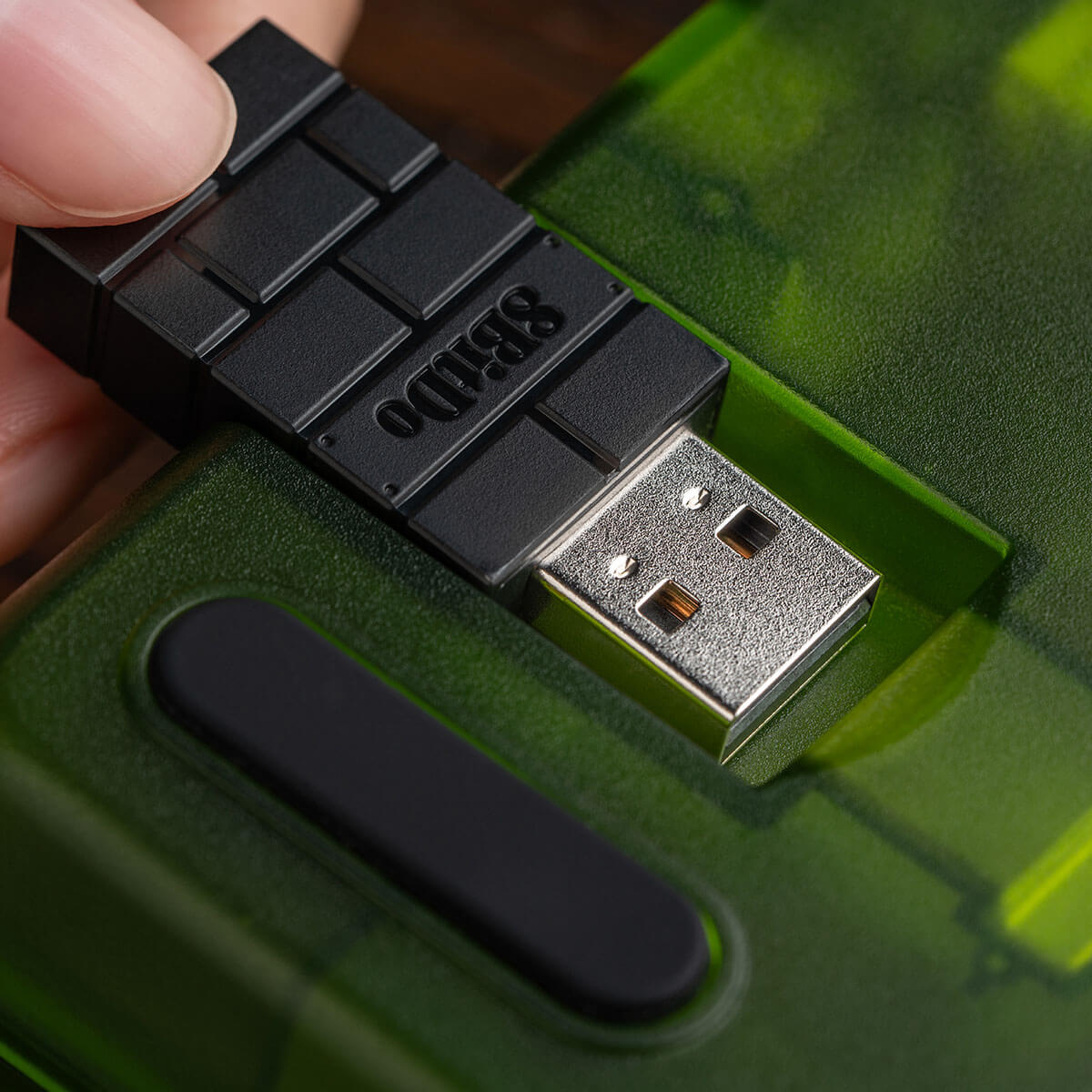
The Retro 18 (via ITHome) is far from a travel-sized accessory, measuring 170 x 104 x 45.5 mm. Its substantial footprint is necessitated by its dual-purpose design, which makes it both a standard PC numeric keypad and a standalone calculator. A nine-digit seven-segment LED display sits at the top, allowing for quick math without ever needing to interact with your PC. Like its keyboard counterpart, it offers tri-mode connectivity via Bluetooth 5.0, 2.4 GHz wireless with a dongle, and USB-C. For the Xbox Edition, 8BitDo has opted for hot-swappable Kailh Jellyfish X linear switches.

While the Retro 18 is an aesthetic marvel, its software implementation remains somewhat limited. The 8BitDo Ultimate Software V2 application currently only supports firmware updates. This means that despite having mechanical switches and hot-swap capabilities, users cannot natively remap the keys to function as a macro pad or a specialised gaming controller.

On the hardware side, the 1000mAh battery offers up to 160 hours of use on a single 4-hour charge. The device also features a dedicated shortcut button to launch the Windows calculator app instantly. At €44.99, it is a dedicated piece of kit for those who opted for a tenkeyless keyboard but realised they needed a dedicated numeric keypad for work or calculations.

KitGuru says: Given the substantial desk space this requires, do you think the standalone calculator functionality is genuinely useful, or is it mostly a gimmick?

The post 8BitDo introduces the Retro 18 numpad with original Xbox aesthetics first appeared on KitGuru.
InWin unveils modular Covalent full-tower with back-connect motherboard support

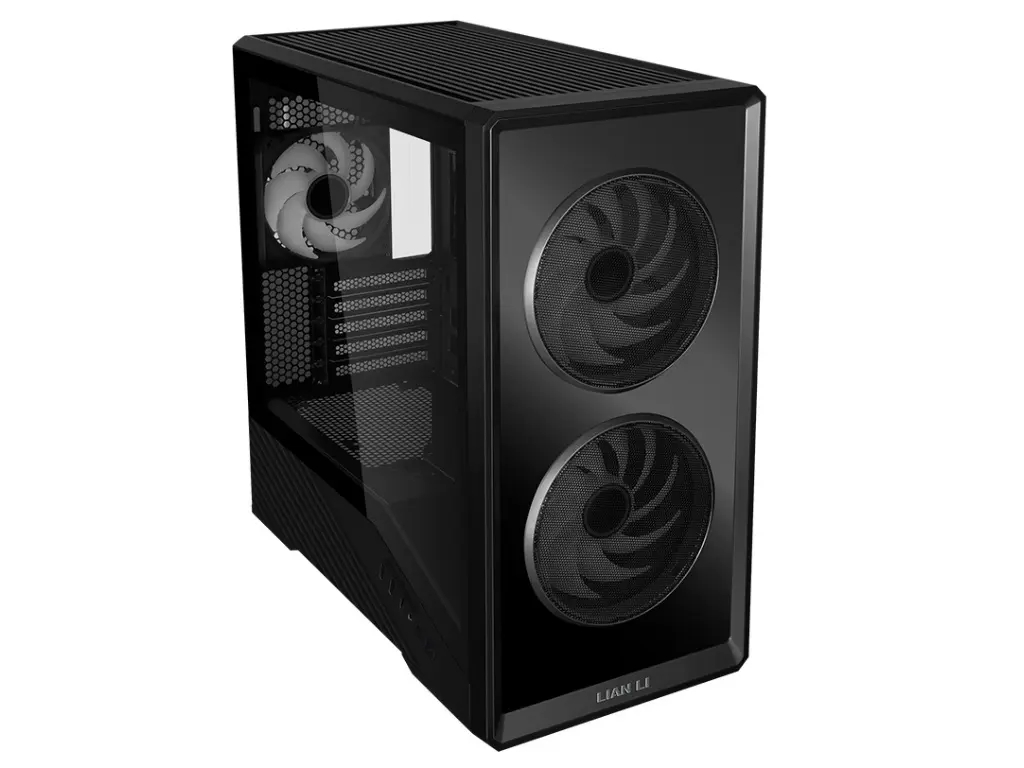
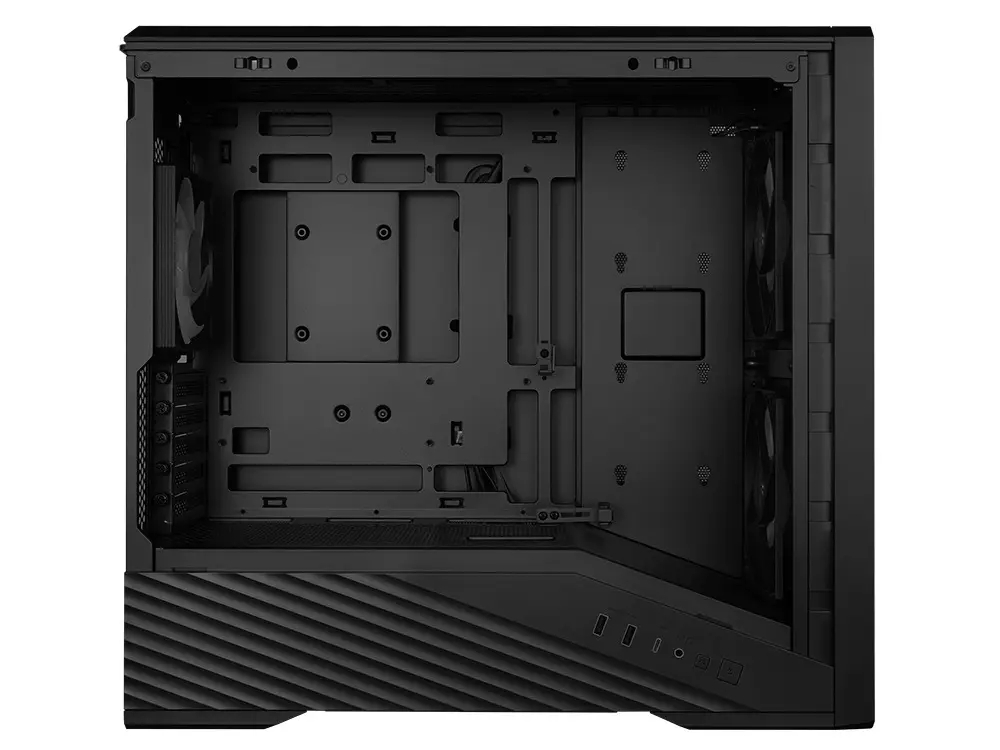
InWin has announced the Covalent, a flagship full-tower case designed for high-performance computing (HPC), AI development, and professional workstations. The case features a modular internal architecture and a refined industrial aesthetic, offering a choice between tempered glass or solid metal side panels.

The Covalent is designed to accommodate workstation-class hardware, providing native support for EEB (12″ x 13″) and E-ATX motherboards. Notably, the case is compatible with “back-connect” (BTF) motherboard designs, which move cable headers to the rear of the PCB for a cleaner interior. The spacious interior supports graphics cards up to 480mm in length and CPU heatsinks up to 190mm tall. With eight PCIe expansion slots, users can install multiple GPUs in either horizontal or vertical orientations, and InWin includes optional GPU support brackets to prevent card sag.

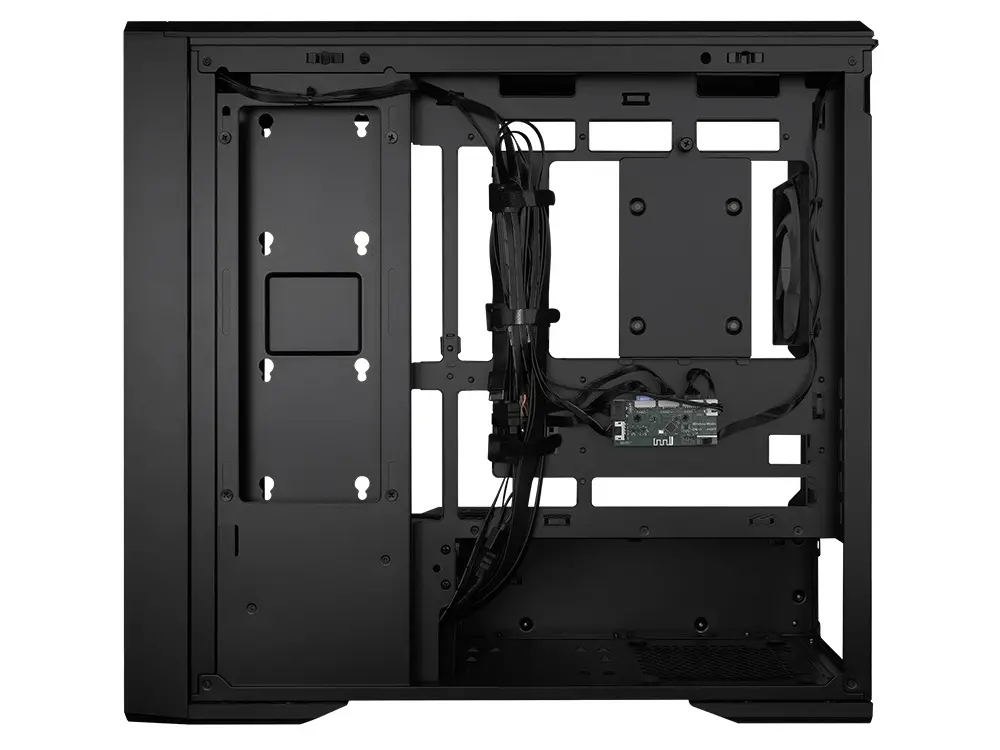
Thermal performance is a primary focus for the Covalent, as it supports up to 13 fans (140mm or 120mm) and can house dual 420mm radiators simultaneously on the top and side panels. For out-of-the-box airflow, the case comes pre-installed with four CV140 fans, three in the front and one in the rear. The front panel utilises a vertically slotted design to maximise intake, while a dedicated PSU chamber helps isolate the heat from the rest of the system. An integrated fan hub supports up to six PWM and ARGB connections, simplifying cable management.

Storage and connectivity are generous, with a modular layout that can hold up to eight 3.5-inch drives or nine 2.5-inch drives via optional brackets. The front I/O panel includes one USB-C 3.2 Gen 2×2 port, two USB 3.2 Gen 1 ports, and two USB 2.0 ports, along with a standard HD audio jack. To assist with assembly and maintenance, InWin has implemented tool-free side panels and a removable dust filter system. The tempered glass model is priced at €149.99, while the metal version retails for €144.99.

Discuss on our Facebook page, HERE.

KitGuru says: Which model of the new InWin Covalent do you like the most?

The post InWin unveils modular Covalent full-tower with back-connect motherboard support first appeared on KitGuru.
Cooler Master debuts minimalist Atmos II Stealth AIO

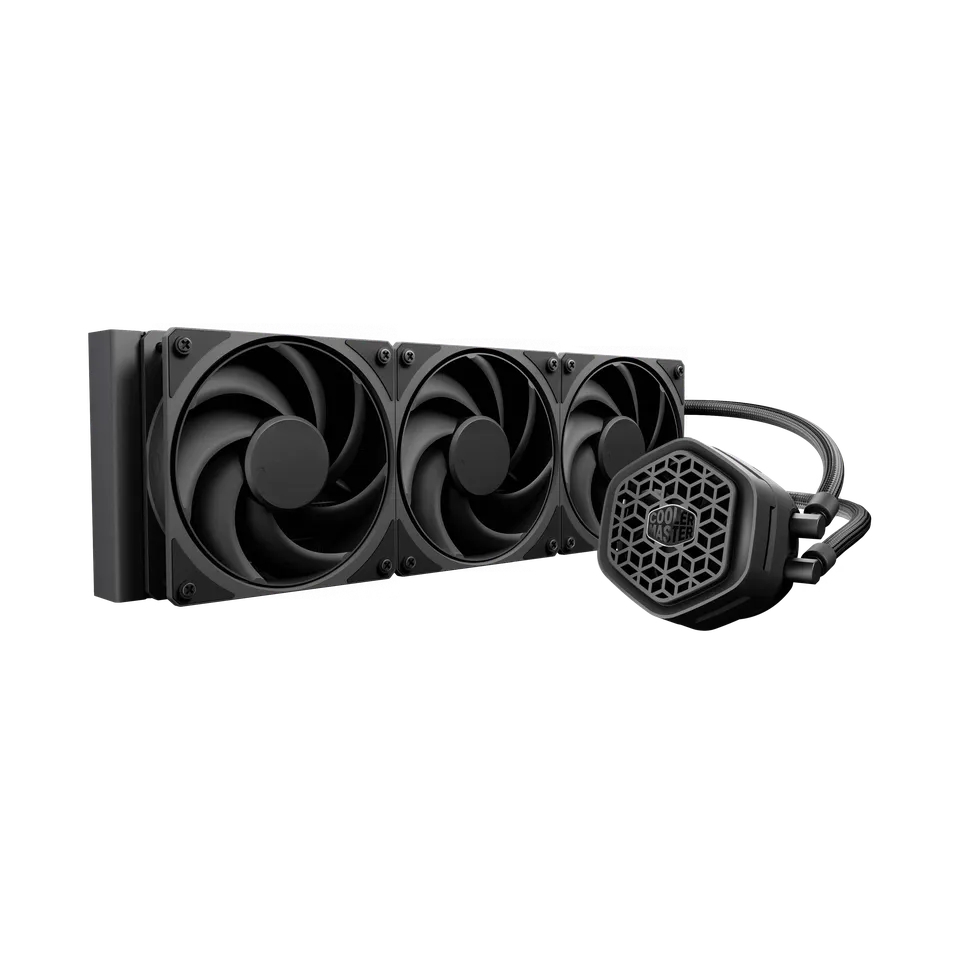
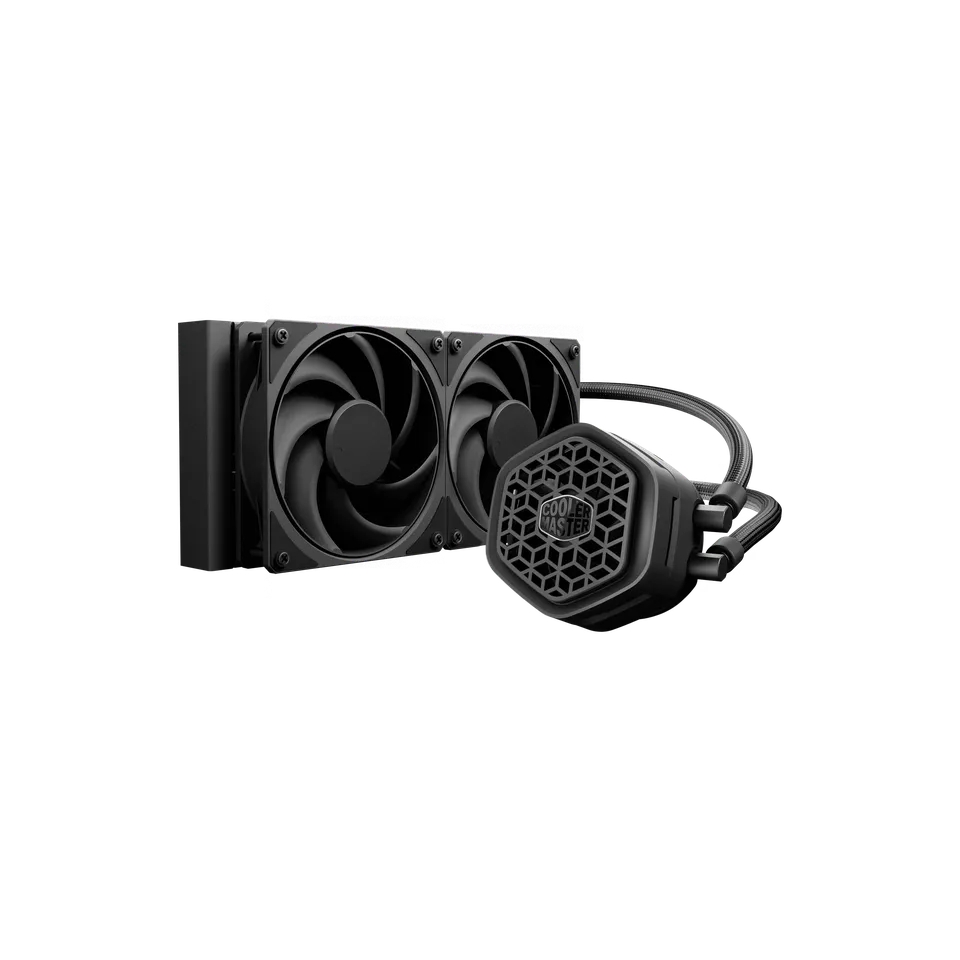
Cooler Master is expanding its AIO cooling lineup with the MasterLiquid Atmos II Stealth series, available in both 240mm and 360mm configurations. This new iteration strips away the flashy RGB lighting in favour of a clean, professional aesthetic that blends into modern minimalist builds. 

The Atmos II Stealth series (via Vortez) brings several technical upgrades over previous models, most notably an increase in radiator thickness to 29mm (from 27mm), providing extra surface area to improve heat dissipation. Cooling is handled by Mobius 120P fans, which use loop dynamic bearings to deliver high static pressure while maintaining low noise levels. Under the hood, the ultra-low-profile pump features a dual-chamber design that optimises water flow. The pump's housing is constructed from heat-resistant PPS and fibreglass for long-term durability.

A unique feature of the Atmos II Stealth is its modularity via the Flex Kit System. The pump top features magnetic, interchangeable covers that allow users to swap the default look for metallic plates or an active VRM fan module. This optional VRM fan provides multidirectional airflow, which Cooler Master's testing suggests can reduce VRM temperatures by up to 10.2°C. Additionally, the cooler includes offset mounting brackets for Intel's LGA 1851 platform to ensure the cold plate is aligned with the thermal hotspots of the latest Core Ultra processors.

The MasterLiquid Atmos II Stealth Series is built for simplified installation, coming with pre-installed fans and a universal quick-mount system. Each unit is bundled with CryoFuze thermal paste and a suite of cable-management accessories. While official global pricing has not yet been detailed, the series is expected to roll out to major retailers starting later this month.

Discuss on our Facebook page, HERE.

KitGuru says: Do you think brands should launch more AIO coolers with minimalist aesthetics like the Atmos II Stealth series?

The post Cooler Master debuts minimalist Atmos II Stealth AIO first appeared on KitGuru.
Bolt Graphics tapes out Zeus GPU test chip on TSMC 12nm FFC

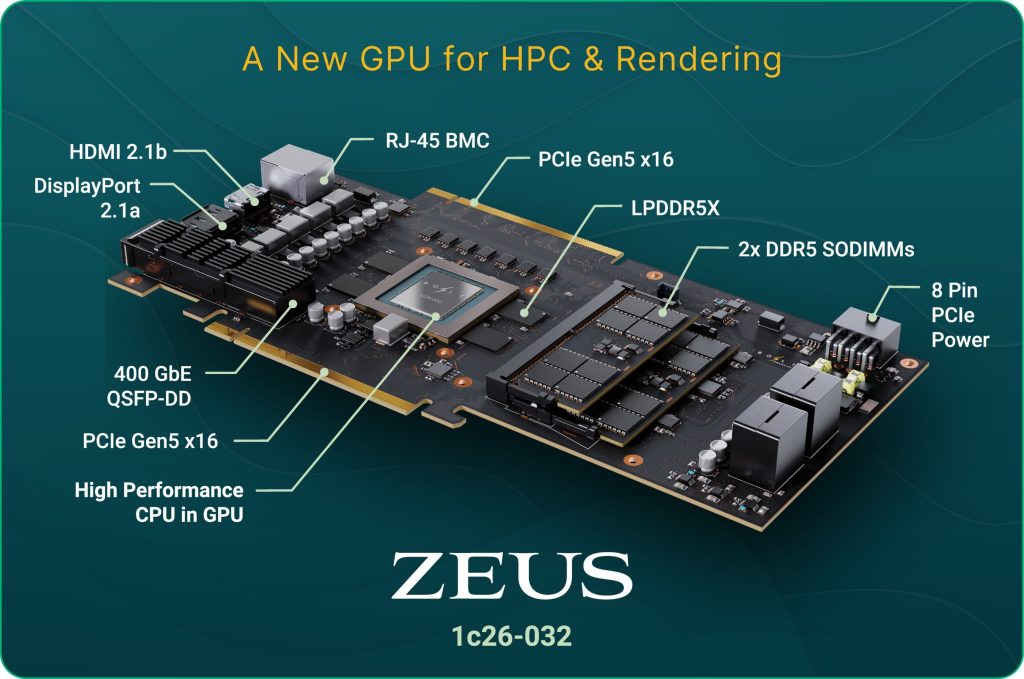
Bolt Graphics has officially announced the successful tape-out of its Zeus GPU test chip based on TSMC's 12nm FFC process node. This architecture, which has undergone four years of FPGA testing and customer evaluation, is designed as a highly scalable compute platform targeting high-performance computing (HPC), AI, and professional rendering. 

The Zeus GPU(via Guru3D) is designed to scale across multiple configurations, including single-slot PCIe cards and massive 2U server systems. The entry-level “Bolt Zeus 1c26” single-chiplet model features 32GB of LPDDR5X memory and two DDR5 SO-DIMM slots, allowing for memory expansion up to 160GB within a modest 120W power envelope. For more intensive workloads, the dual-chiplet “2c26” variant offers up to 128GB of onboard LPDDR5X and four SO-DIMM slots for a total capacity of 384GB. This configuration is rated for 154 Gigarays of path tracing performance and 40 TFLOPs of FP16 compute at a 250W TBP.

Bolt Graphics' performance benchmarks place the Zeus GPU significantly ahead of Nvidia's RTX 5090. The company claims the 120W single-chiplet Zeus offers 2.5x the path tracing performance of a 575W RTX 5090, increasing to 5x with the 250W dual-chiplet GPU and 10x with the 4-chiplet GPU. In the HPC sector, Bolt reports up to a twelve-fold performance increase, while electromagnetic simulations reportedly see a 300x boost when comparing a quad-chiplet Zeus setup to a single RTX 5090.

While the hardware has reached tape-out, Bolt expects to begin mass production and achieve broad product availability only by Q4 2027. The company claims the Zeus platform can reduce total compute costs by up to 17 times compared to current market leaders, with a focus on performance-per-dollar efficiency.

Discuss on our Facebook page, HERE.

KitGuru says: With Zeus promising to outperform an RTX 5090 in path tracing while using less than half the power in an older node, do you think we're seeing a shift toward “compute-first” GPU architectures that move away from traditional gaming-centric designs?

The post Bolt Graphics tapes out Zeus GPU test chip on TSMC 12nm FFC first appeared on KitGuru.

MSI expands the Versa 300 mouse lineup with 8000Hz variant

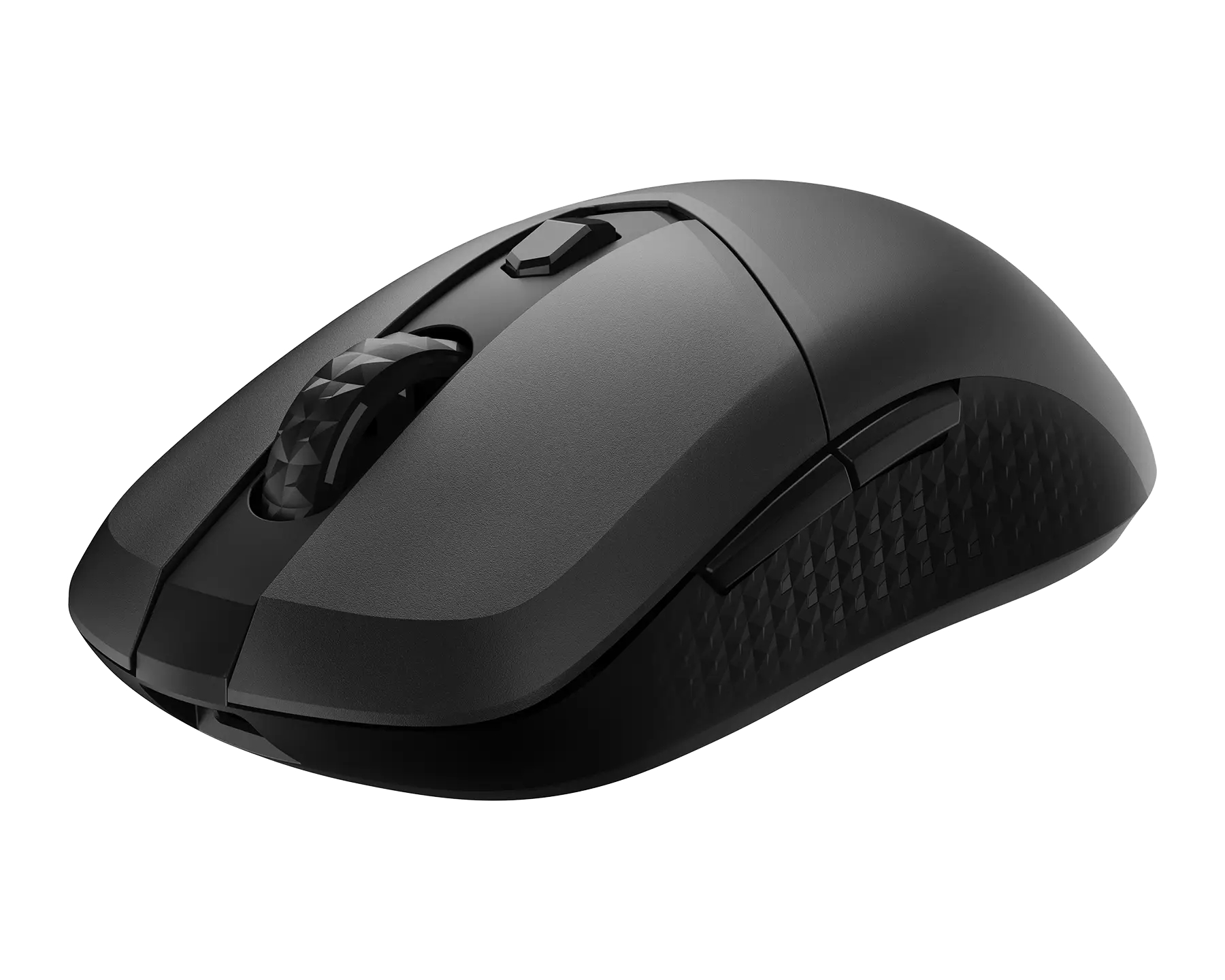
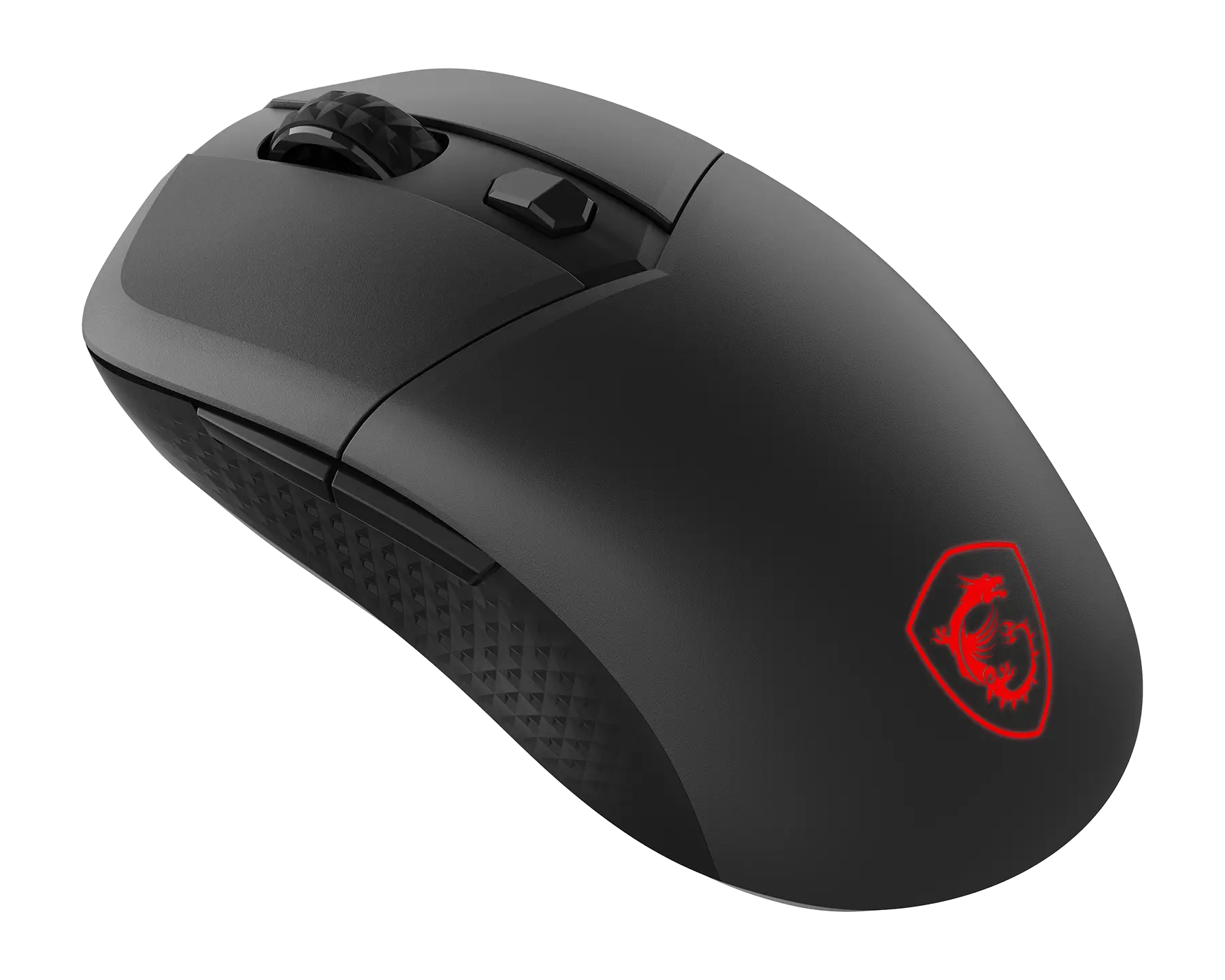
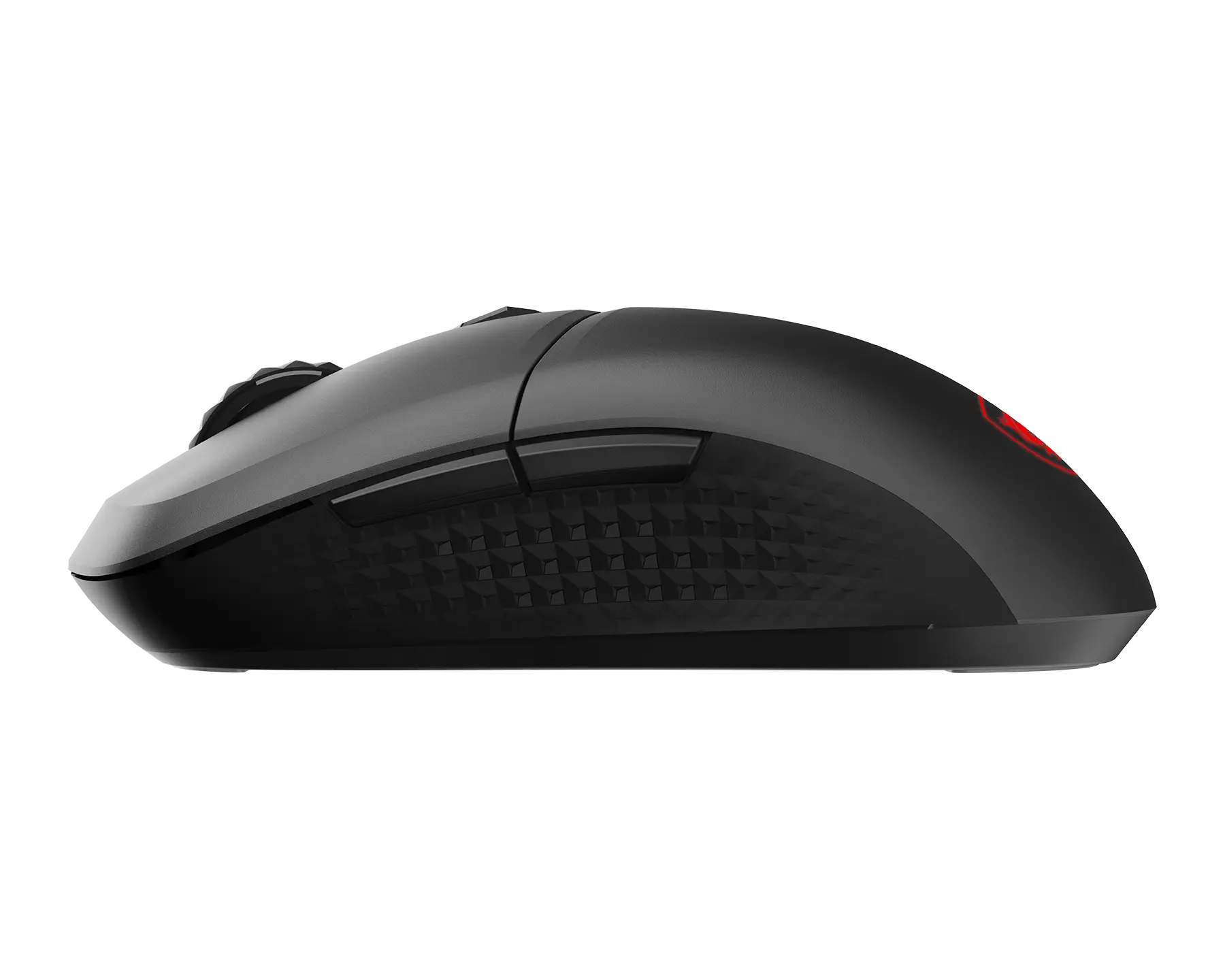
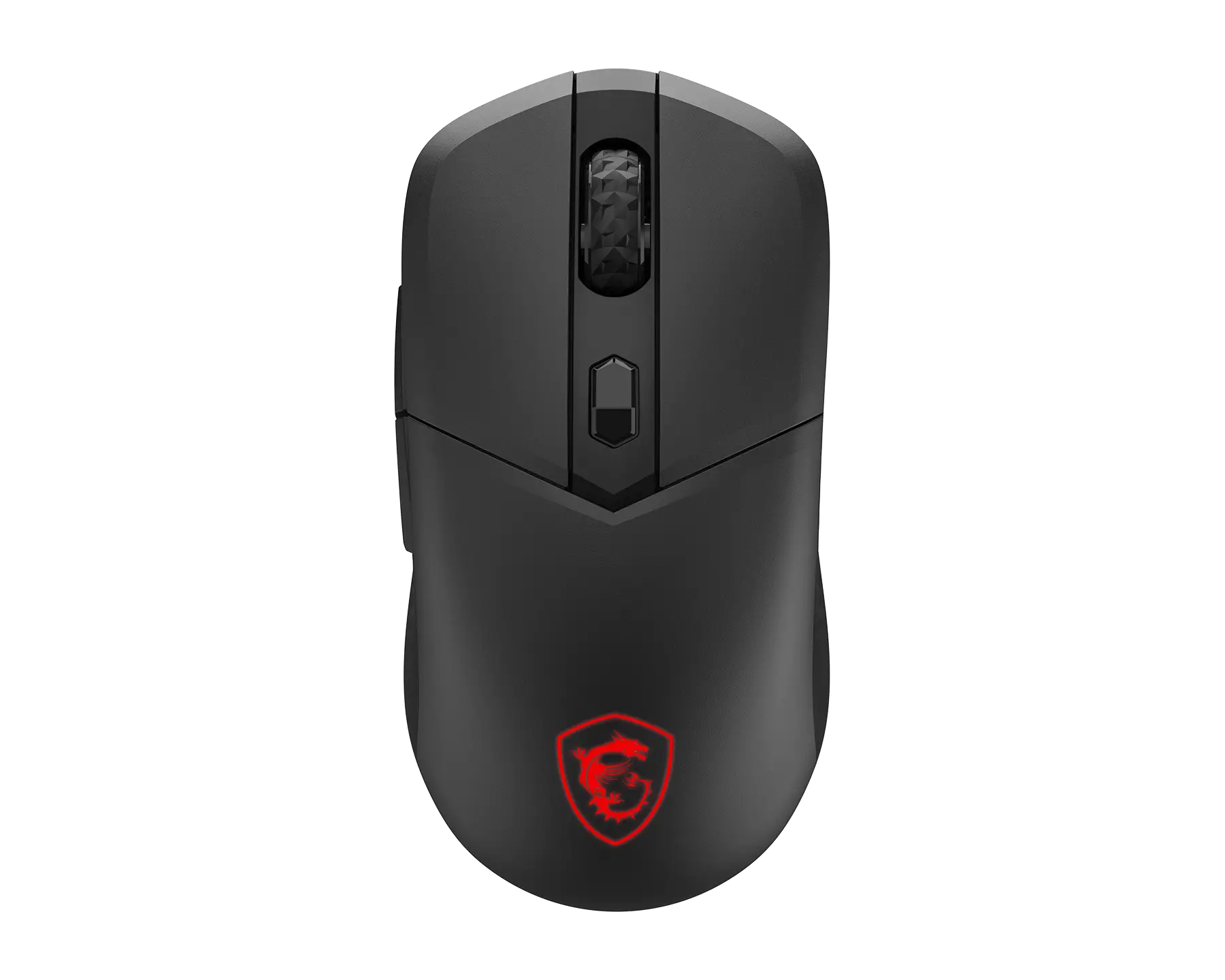
MSI has officially released the Versa 300 Wireless 8K, marking the brand's first foray into the 8K polling rate market. This mouse is built on a symmetrical chassis weighing just 66g, designed to balance competitive speed with ergonomic support for various grip styles.

The Versa 300 Wireless 8K mouse is available in both black and white and features the high-end PixArt PAW3395 optical sensor, which provides a maximum sensitivity of 26,000 DPI and a tracking speed of 650 IPS. By using an 8K polling rate, the device reduces input latency to just 0.125ms, providing a significant advantage in fast-paced titles. To ensure long-term durability, MSI has equipped the primary buttons with Omron switches rated for over 60 million clicks.

Connectivity is handled through a tri-mode system, allowing users to switch between the low-latency MSI Swiftspeed 2.4G wireless, Bluetooth 5.3, or a traditional USB-C wired connection. As for the battery life, it remains a strong point for the series, with the 8K model delivering up to 196 hours of playtime on a single charge when the RGB lighting is disabled.

The physical design includes anti-slip diamond-patterned side grips to maintain control during movement. For software customisation, MSI has introduced Portal X. This browser-based interface lets users adjust lighting effects and button mappings directly in a web browser, without installing a full software suite. Traditionalists can still use the MSI Center software if they so wish.

Discuss on our Facebook page, HERE.

KitGuru says: It's nice to see the move toward browser-based configuration tools like the Portal X. Do you think we're finally seeing the end of bloated desktop software for gaming peripherals?

The post MSI expands the Versa 300 mouse lineup with 8000Hz variant first appeared on KitGuru.

New 1.9mm Razer Atlas Pro sets a new benchmark for thin gaming surfaces

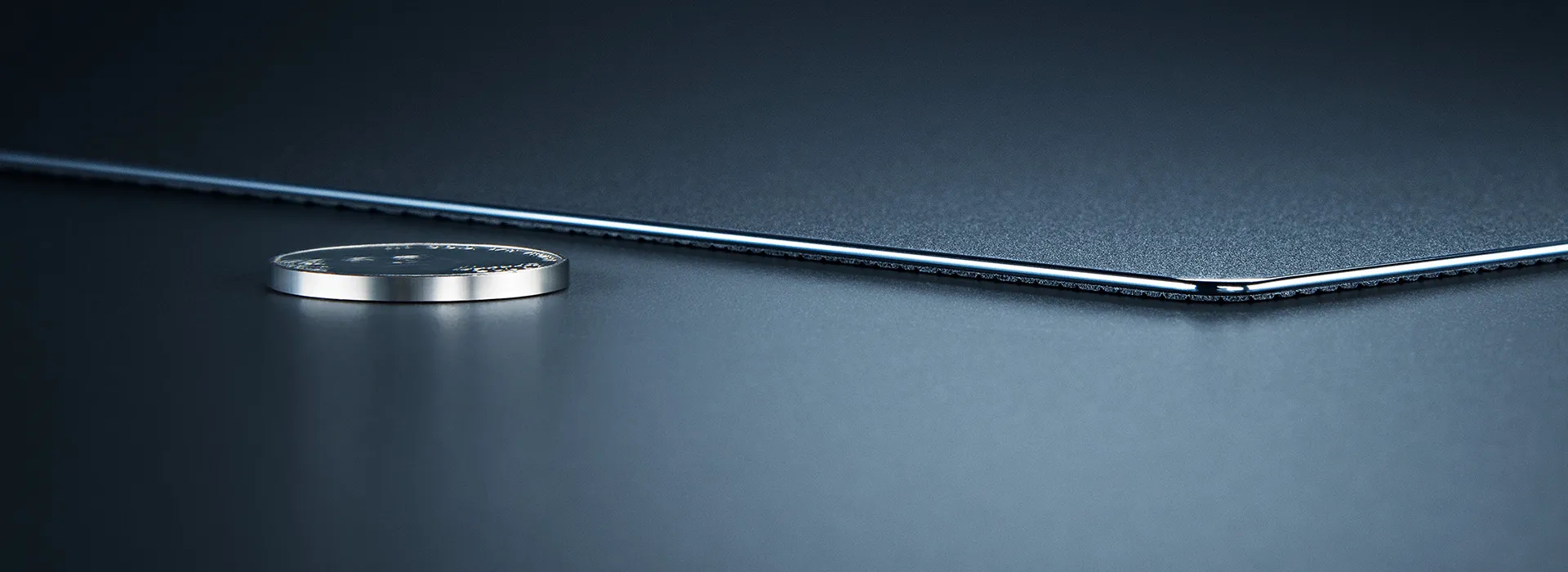
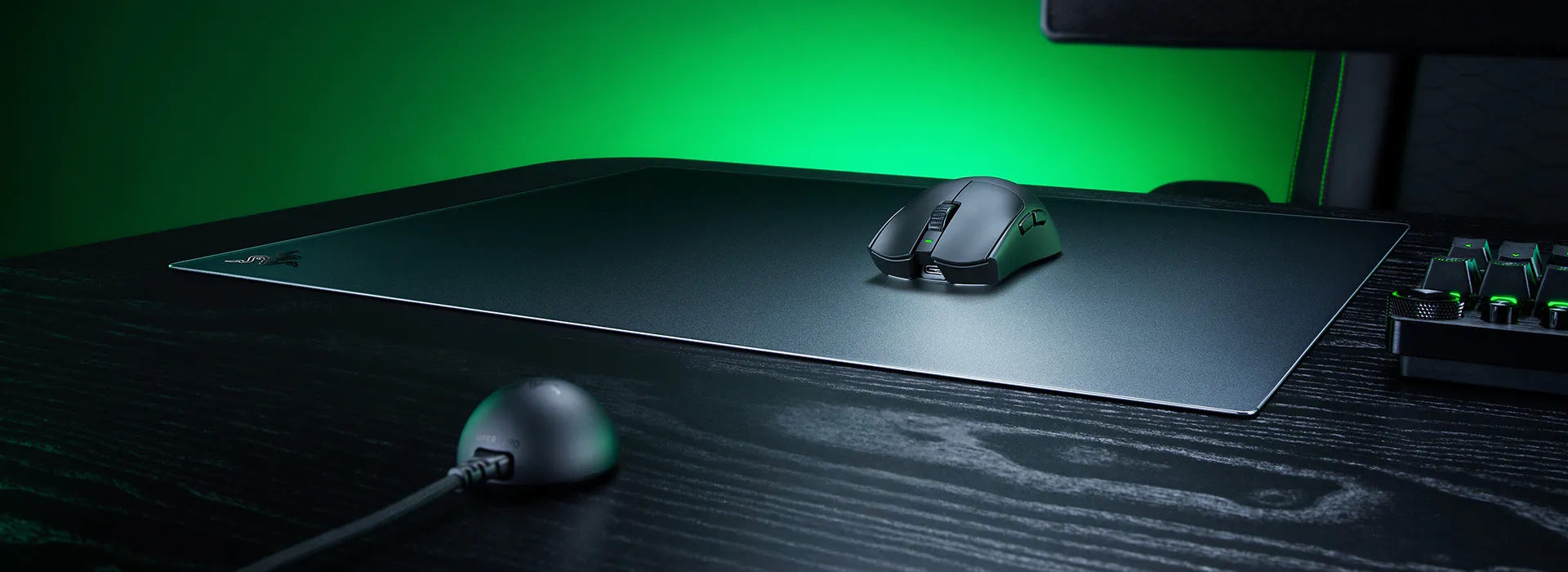
Razer has officially unveiled the Atlas Pro, a tempered glass gaming mouse mat that claims the title of the world's thinnest in its category. With a thickness of just 1.9mm, including its full-coverage rubber base, the mat is designed to sit nearly flat with the desk surface.

The glass layer of the Atlas Pro measures only 1.1mm, a significant engineering reduction from the 3-5mm range typically seen in the glass mat market. This ultra-low profile is intended to improve long-term ergonomics by minimising the height difference between the desk and the mouse, thereby supporting a more natural wrist posture.

Beyond its physical profile, the Atlas Pro is engineered for precision, with a 2μm etched texture. Developed in partnership with leading sensor manufacturers, this surface treatment ensures consistent, accurate tracking for high-end optical sensors across a range of sensitivities. The mat offers an expanded 500 x 400mm surface area, which provides 11% more space than the original Razer Atlas to accommodate the wide, sweeping movements common in competitive FPS play.

Durability remains a core focus despite the reduced thickness. The mat is constructed from premium tempered glass with a 9H hardness rating on the Mohs hardness scale, making it highly scratch-resistant. The surface is finished with a protective coating for easy cleaning and features CNC-milled rounded edges to prevent wrist irritation. A full-coverage anti-slip rubber base provides a stable foundation and helps dampen the acoustic feedback of mouse swipes.

The Razer Atlas Pro is available immediately with a retail price of £129.99/$129.99/€139.99.

Discuss on our Facebook page, HERE.

KitGuru says: Will this trend toward ultra-thin hard surfaces eventually make traditional thick cloth pads feel a bit like relics of the past, or will there always be a place for them, given how much cheaper they are?

The post New 1.9mm Razer Atlas Pro sets a new benchmark for thin gaming surfaces first appeared on KitGuru.
Asus unveils TUF Gaming Platinum PSUs featuring GaN MOSFETs

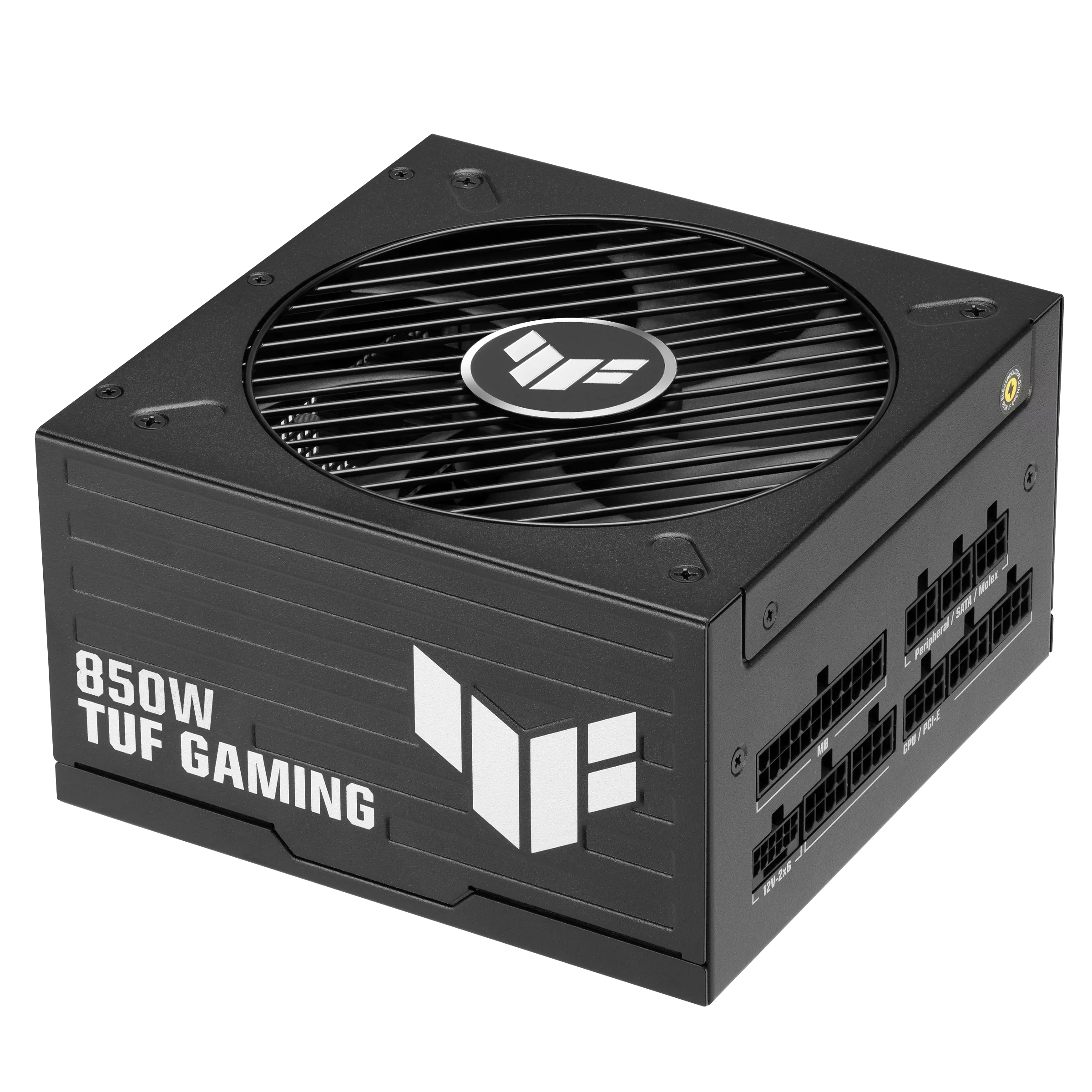
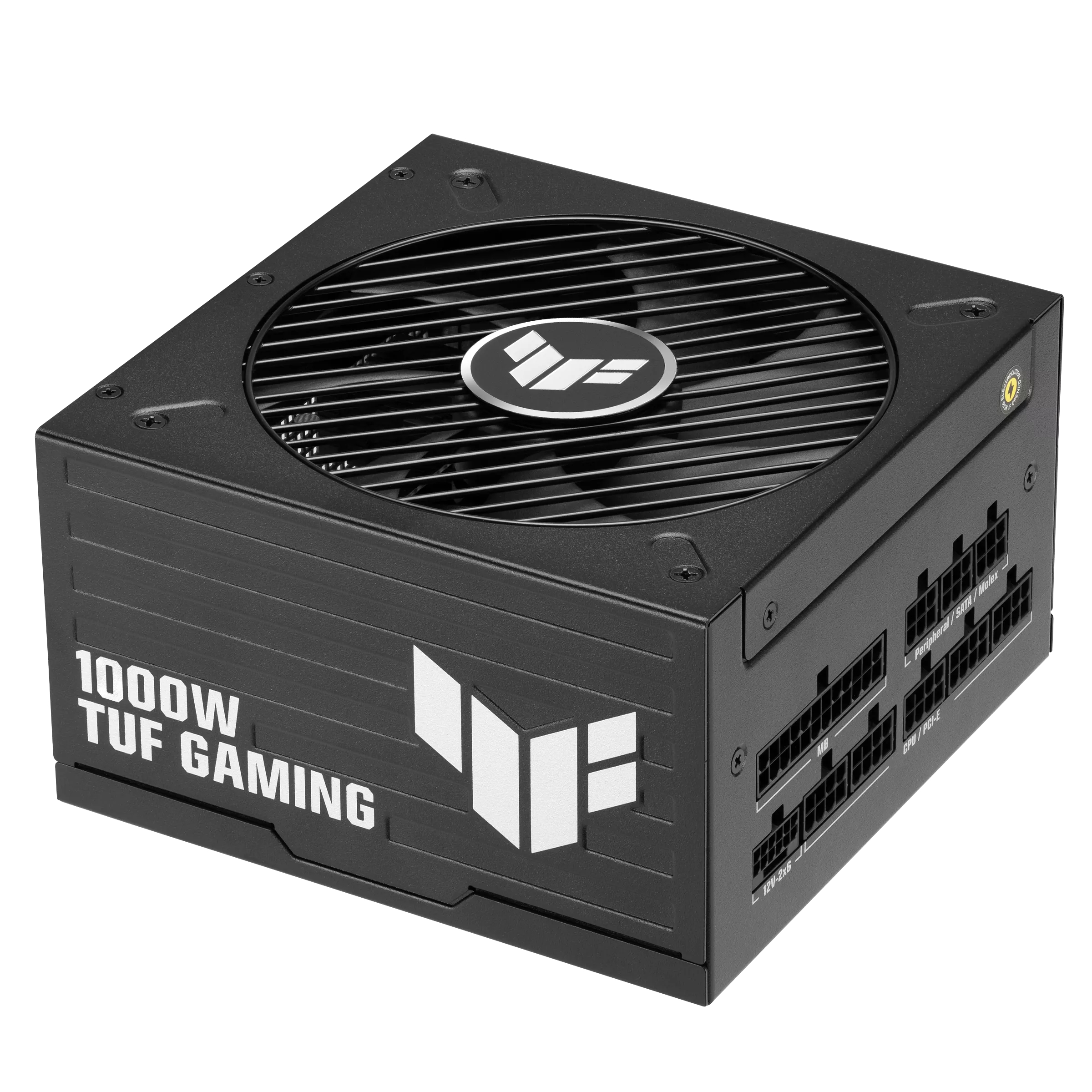
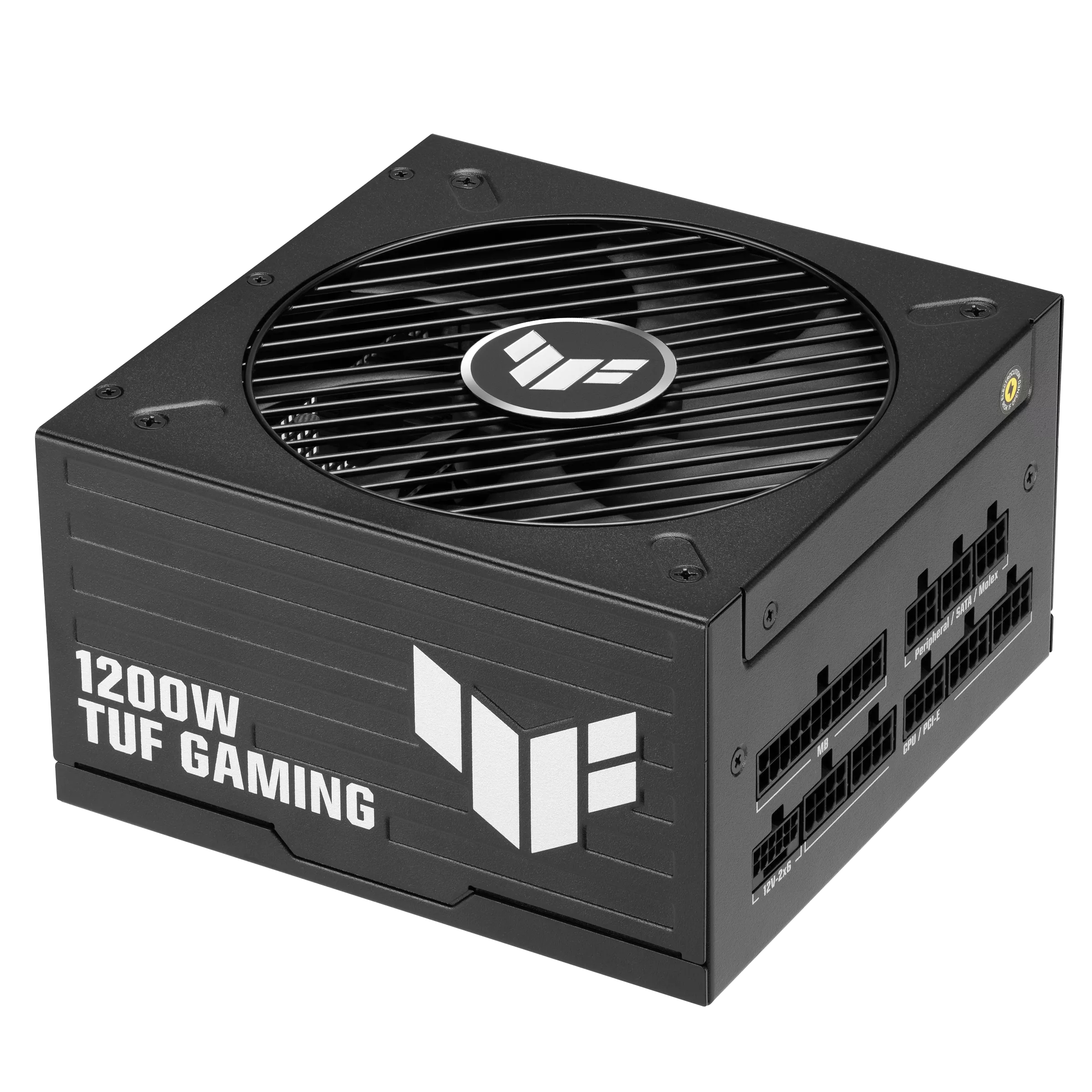
Asus is upgrading its TUF Gaming power supply lineup with the introduction of the Platinum Series, available in 850W, 1000W, and 1200W capacities. By achieving 80 Plus Platinum certification, these units offer a significant efficiency boost over previous generations. 

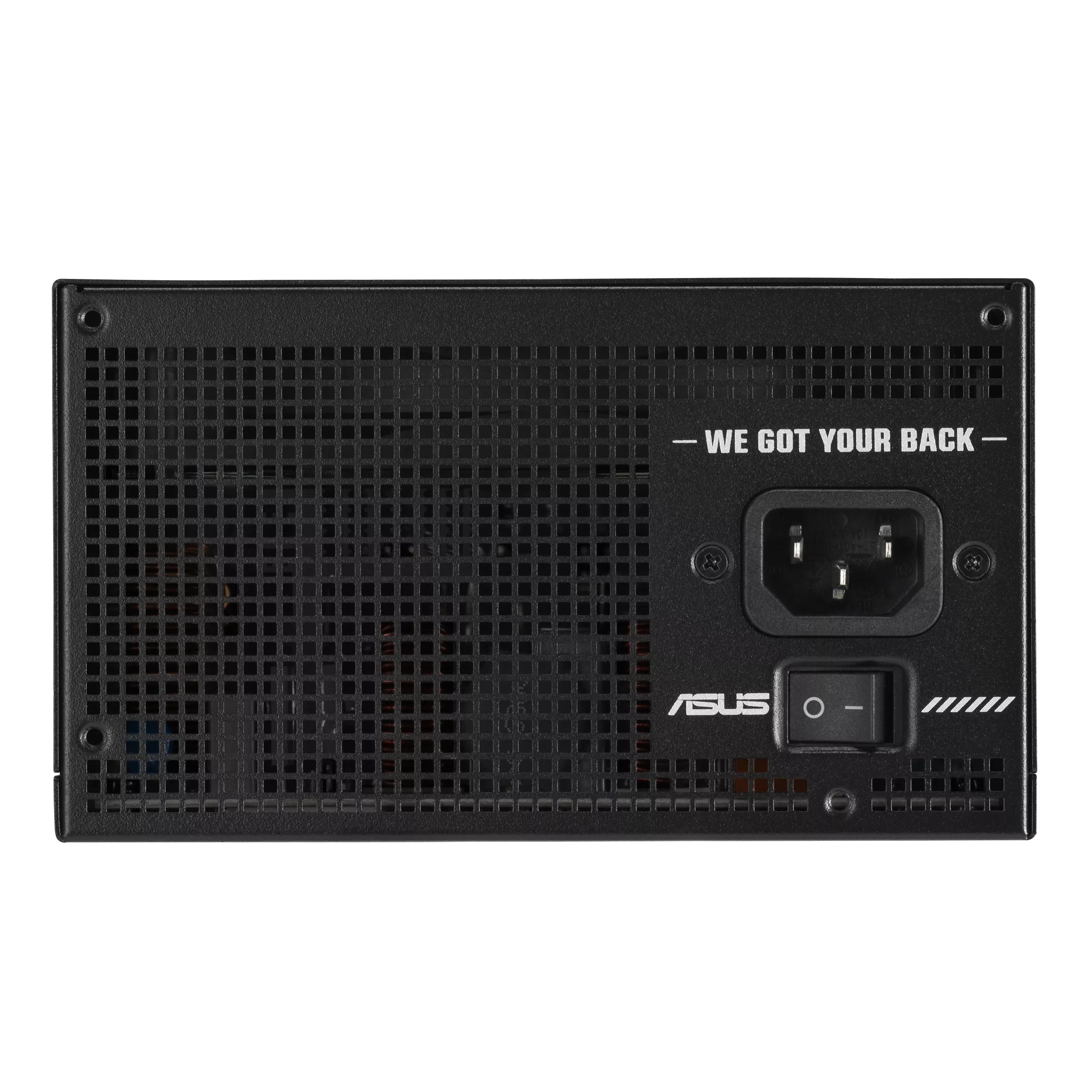
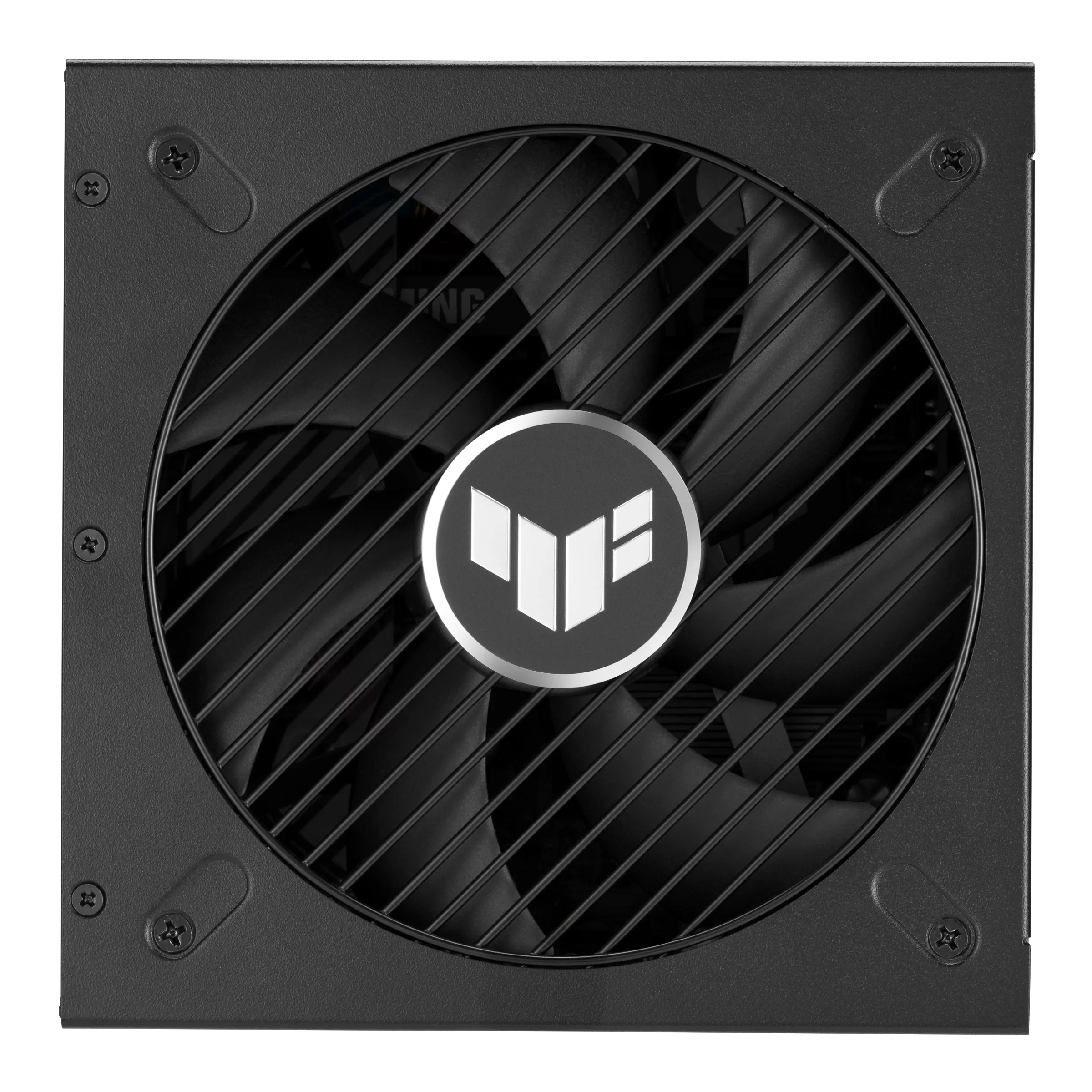
According to Vortez, these units (850W, 1000W, and 1200W) share the same 8-year warranty as the recently unveiled TUF Gold Evo models. Unlike the ROG Strix or Thor models, the 135mm dual-ball-bearing fan in the TUF Platinum does not feature a 0 RPM mode, ensuring the components, including the TUF 5K metallic capacitors, stay cool even at low loads. Also, a standout technical inclusion is the use of GaN (gallium nitride) MOSFETs, a material typically reserved for server-grade hardware, which reduces heat and improves switching efficiency.

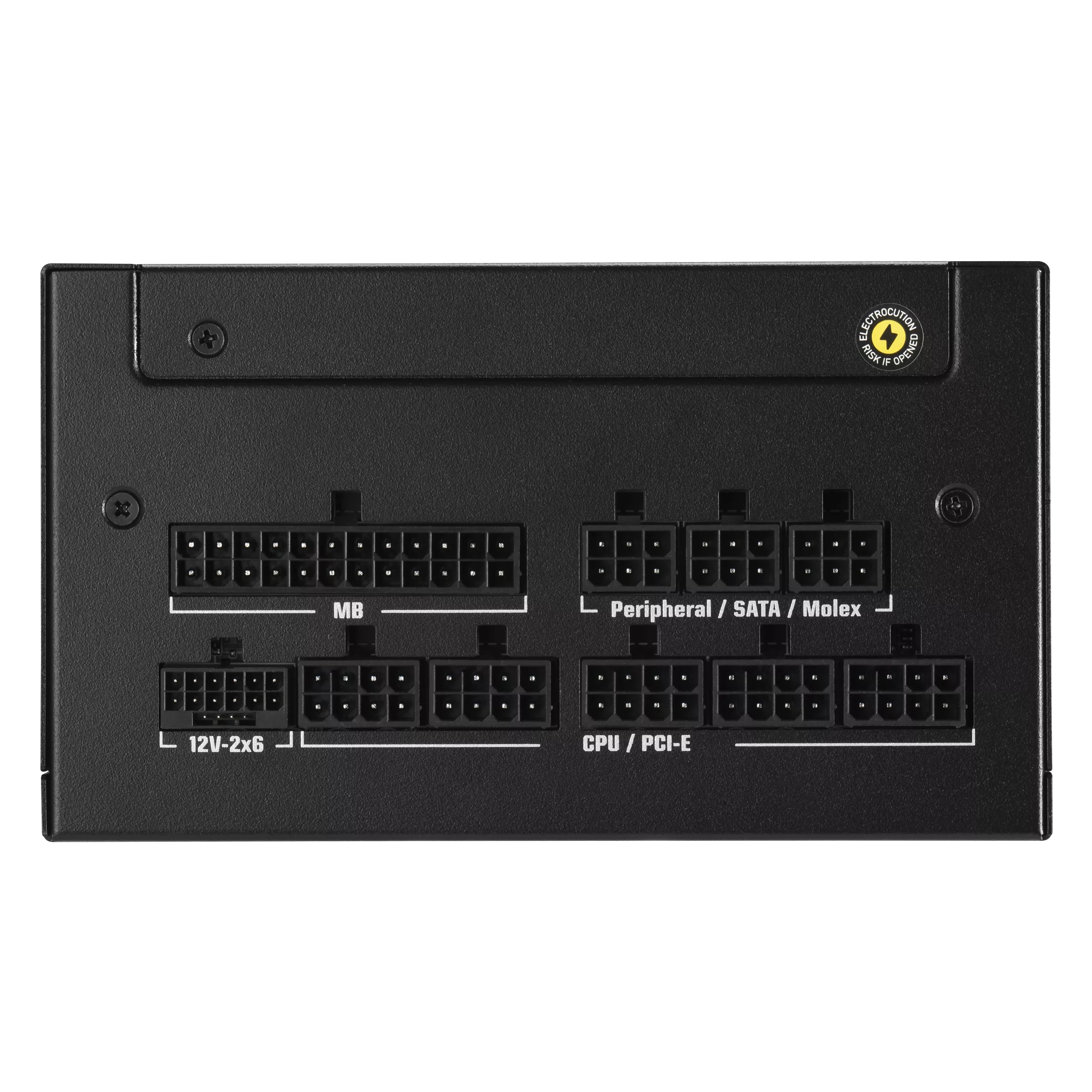
The series is fully compatible with ATX 3.1 and PCIe 5.1 standards. The modular cables feature a premium embossed sheathing that allows for easier routing and tighter bends than standard flat cables. Across all three wattage tiers, the connector count remains consistent, including a 24-pin ATX, two 8-pin (4+4) EPS, three 8-pin (6+2) PCI-E, a 16-pin 12V-2×6, six SATA, and three Molex.

The PSU casing measures 150mm in depth, making it compatible with most modern mid-tower cases while maintaining a subtle, matte aesthetic. The classic yellow accents that once defined the TUF brand have been replaced by a more refined, monochromatic look, with only an embossed logo to mark its lineage.

Discuss on our Facebook page, HERE.

KitGuru says: The pricing of these units isn't known, but one can assume they'll be more expensive than the respective Gold (Evo) models but cheaper than the ROG Thor PSUs with the same wattage capacity.

The post Asus unveils TUF Gaming Platinum PSUs featuring GaN MOSFETs first appeared on KitGuru.
Philips introduces the Evnia 27M2D5901A dual-mode 5K monitor

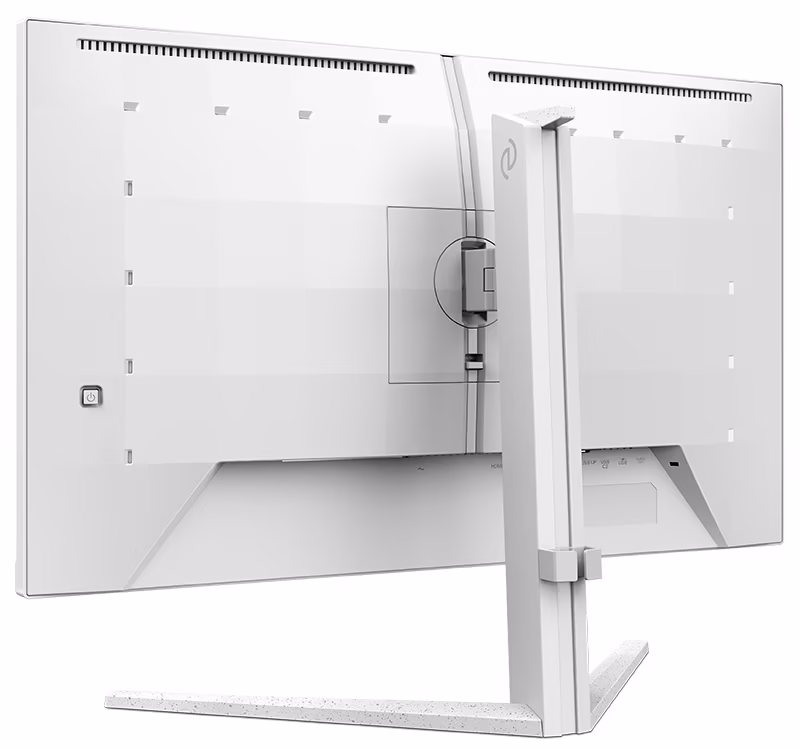
Philips has announced the Evnia 27M2D5901A, a 27-inch 5K dual-mode gaming monitor. Revealed at a press event in Croatia, the display shares many of the specs of the 27M2G5800 revealed a few weeks ago, but with a new Ambiscape lighting technology.

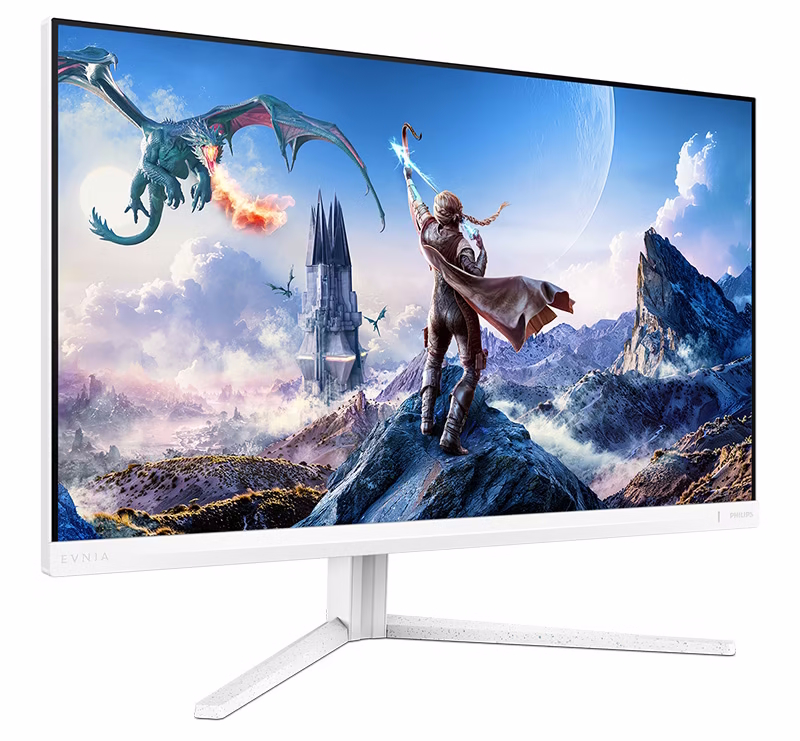
According to TFTCentral, the monitor features a Fast IPS panel capable of 5120×2880 at 165Hz and a secondary 1440p mode that increases the refresh rate to 330Hz. The Evnia 27M2D5901A delivers a pixel density of 218PPI and a 1ms GtG response time. The chassis is finished in white and includes a fully adjustable stand with height, tilt, swivel, and pivot capabilities.

Image credit: TFTCentral

Philips confirms that the panel supports 10-bit colour depth and covers 95% of the DCI-P3 colour gamut. For variable refresh rate support, the display is certified as Nvidia G-Sync compatible and uses adaptive-sync technology to ensure tear-free visuals. Connectivity options include two HDMI 2.1 ports, one DisplayPort 2.1 with UHBR20 speeds, and a USB-C port with 65W power delivery. The monitor also integrates two USB-A ports, a KVM switch, and dual 5W speakers.

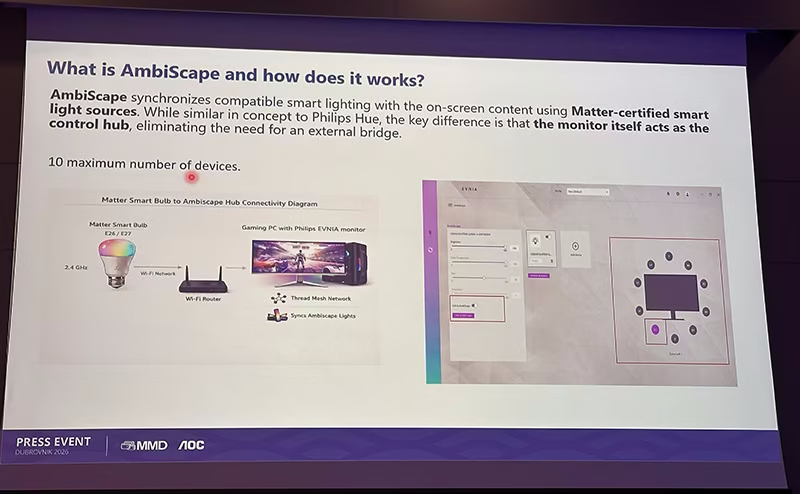
A notable feature is the introduction of AmbiScape, an evolution of Philips' AmbiGlow technology. The monitor acts as a hub to synchronise its integrated rear lighting with external Matter-certified smart lights. Software customisation is handled through the Evnia Precision Center, which allows users to adjust display and lighting settings.

While an official product page has not yet been published, Philips confirmed at the event that the Evnia 27M2D5901A is expected to be available in Europe in July 2026. The retail price is set at €799.

KitGuru says: Do you think Ambiscape can become the killer feature that makes the Evnia 27M2D5901A stand out from other 5K dual-mode monitors?

The post Philips introduces the Evnia 27M2D5901A dual-mode 5K monitor first appeared on KitGuru.

Xbox and 8BitDo reveal Japan-themed Forza Horizon 6 gear collection

Microsoft has officially announced a new collection of limited-edition accessories to celebrate the upcoming Forza Horizon 6, which takes the festival to Japan. The lineup includes a custom Xbox Wireless controller, a Wireless headset, and a matching 8BitDo Charging Dock, all featuring vibrant aesthetics inspired by Japanese street racing culture and mountain “Touge” roads.

The Xbox Wireless controller – Forza Horizon 6 Limited Edition stands out as one of the most colourful entries in the Xbox hardware lineup. It features a transparent cyan top case that transitions into a metallic gradient, with a core design inspired by a top-down view of Japan's winding Touge mountain roads. The controller is equipped with a silver metallic D-pad and two-tone rubberised diamond grips. It offers the standard 40 hours of battery life and is compatible across Xbox consoles, PCs, and mobile devices via Bluetooth and Xbox Wireless.

The companion Xbox Wireless Headset – Forza Horizon 6 Limited Edition doubles down on the festival aesthetic with transparent cyan and pink accents. Beyond its looks, the headset is engineered for deep immersion, featuring custom sound effects that blend the roar of a Japanese V8 engine with the game's UI sounds for actions like turning on and pairing. It supports advanced spatial audio technologies, including Dolby Atmos and DTS Headphone: X. For those playing on PC or handhelds, the inclusion of Bluetooth LE Audio ensures low-latency stereo sound and wideband voice support for clearer party chats.

To keep the gear powered, 8BitDo has collaborated on an officially licensed charging dock designed specifically to match this collection. The dock uses magnetic alignment to fully charge a controller in approximately 3 hours and includes a 1,100 mAh rechargeable battery pack with a custom-coloured battery door.

This entire collection is currently available for pre-order. The Forza Horizon 6 Limited Edition controller is available for £84.99/$89.99/€89.99, the headset for £124.99/$134.99/£134.99, and 8BitDo's charging dock for $34.99.

Discuss on our Facebook page, HERE.

KitGuru says: Are you a fan of the design of the Limited Edition Forza Horizon 6 gear? Planning on getting any of these pieces?

The post Xbox and 8BitDo reveal Japan-themed Forza Horizon 6 gear collection first appeared on KitGuru.
Early performance tests reveal significant throughput penalty for HUDIMM DDR5

Intel, in partnership with various partners, has introduced the HUDIMM (Half-Unbuffered DIMM) standard to address the ongoing global memory shortage and rising hardware costs. This new specification aims to lower the barrier to entry for DDR5 platforms by simplifying the internal architecture of the memory modules. However, this new module type appears to have disadvantages, particularly in terms of performance.

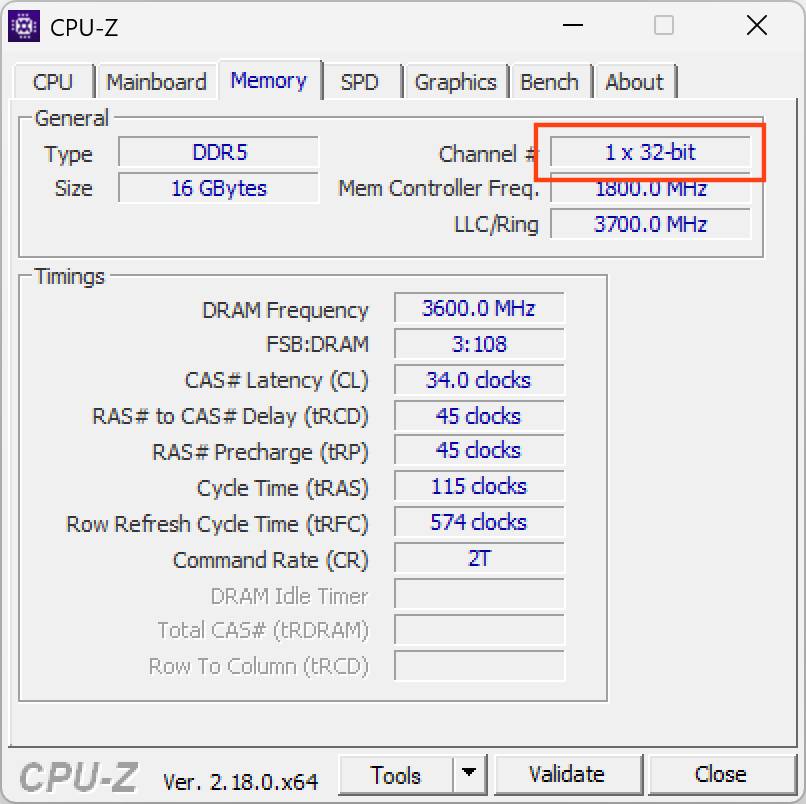
The core design of HUDIMM involves transitioning from the standard two 32-bit subchannels (forming a 64-bit-wide bus) found on traditional UDIMMs to a single 32-bit subchannel. By populating only half of the memory banks, manufacturers can produce modules using fewer DRAM chips, directly reducing production costs. Initial releases are expected in 8GB and 12GB capacities, targeted primarily at entry-level office systems and budget-conscious builds.

Image credit: HKEPC

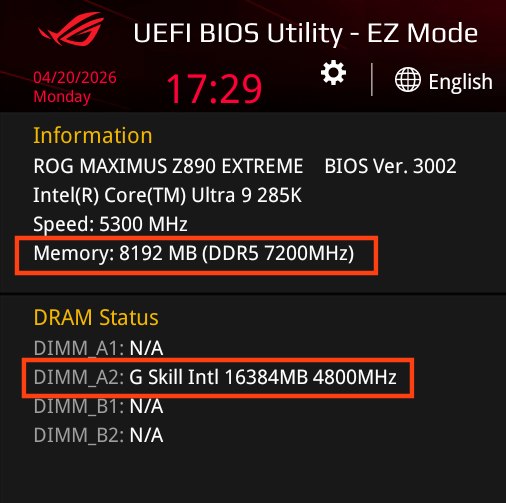
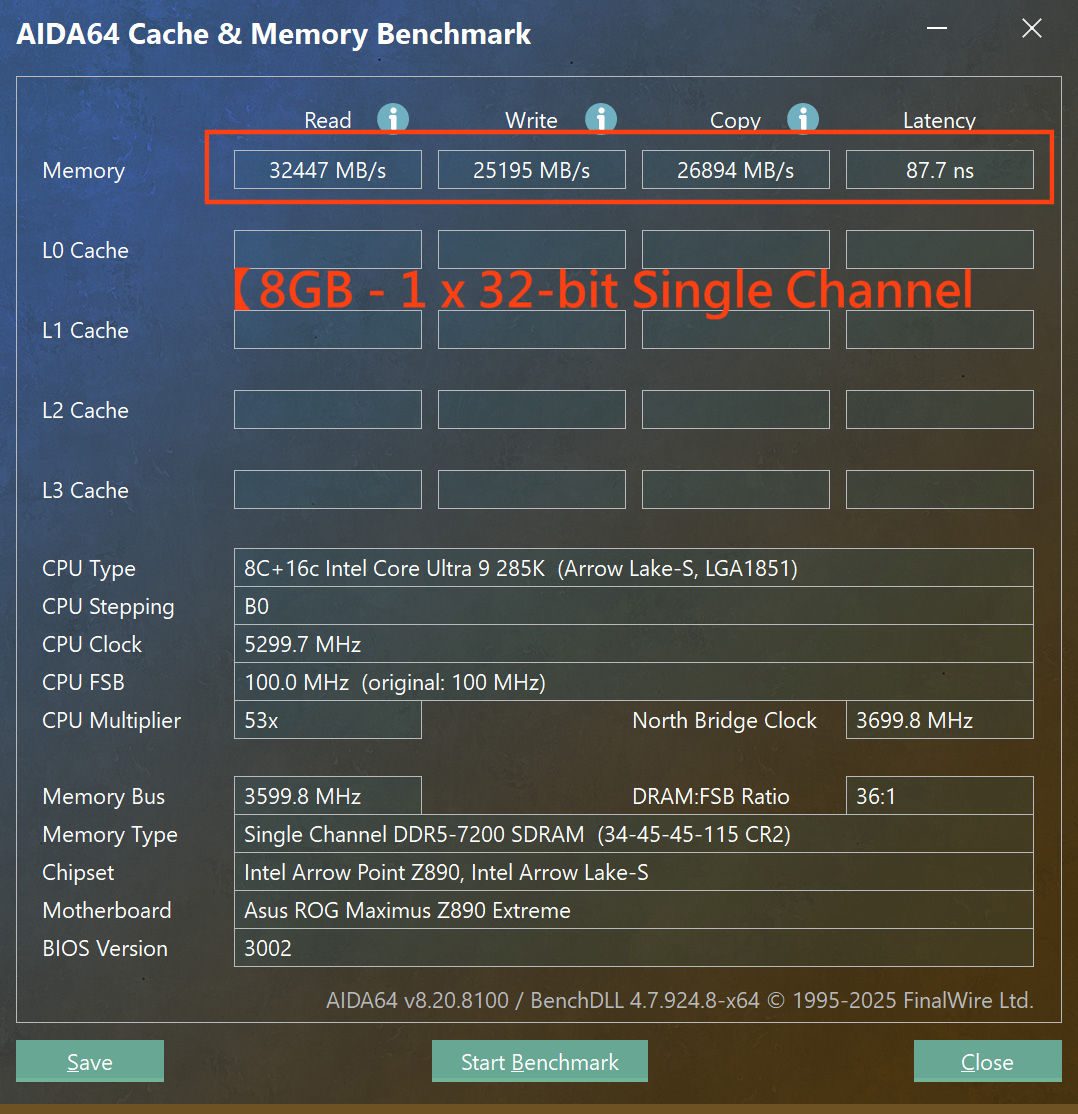
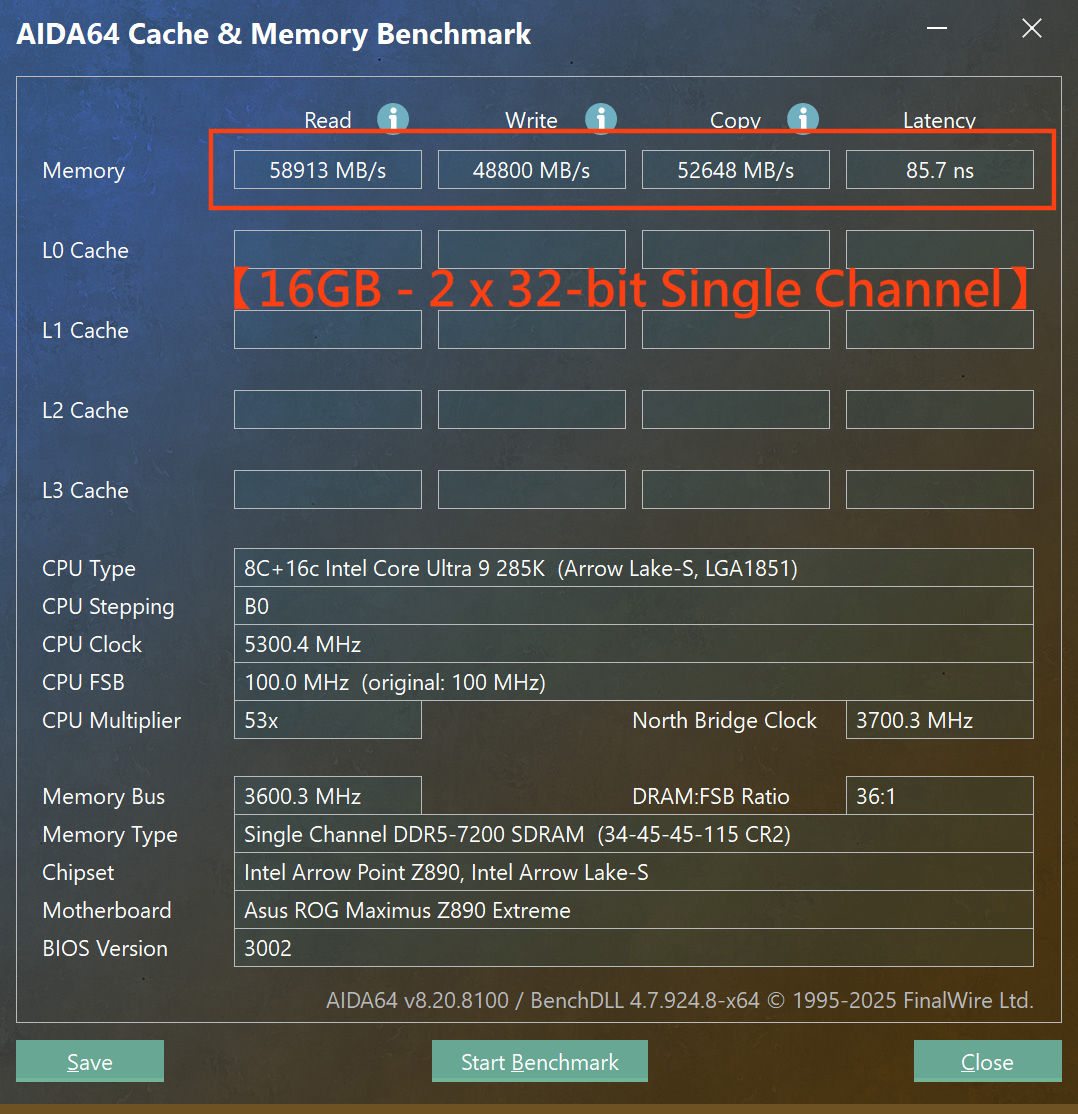
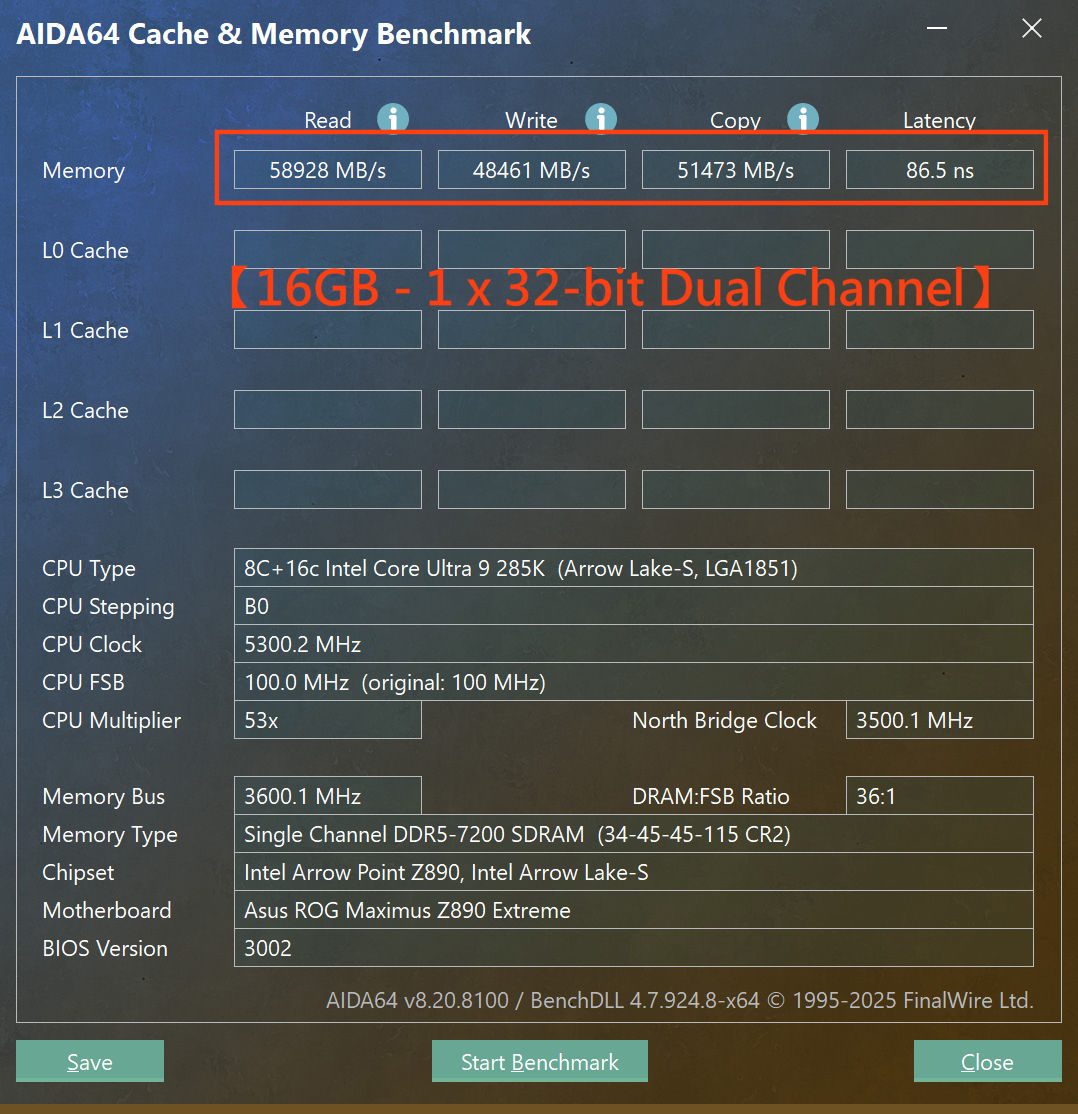
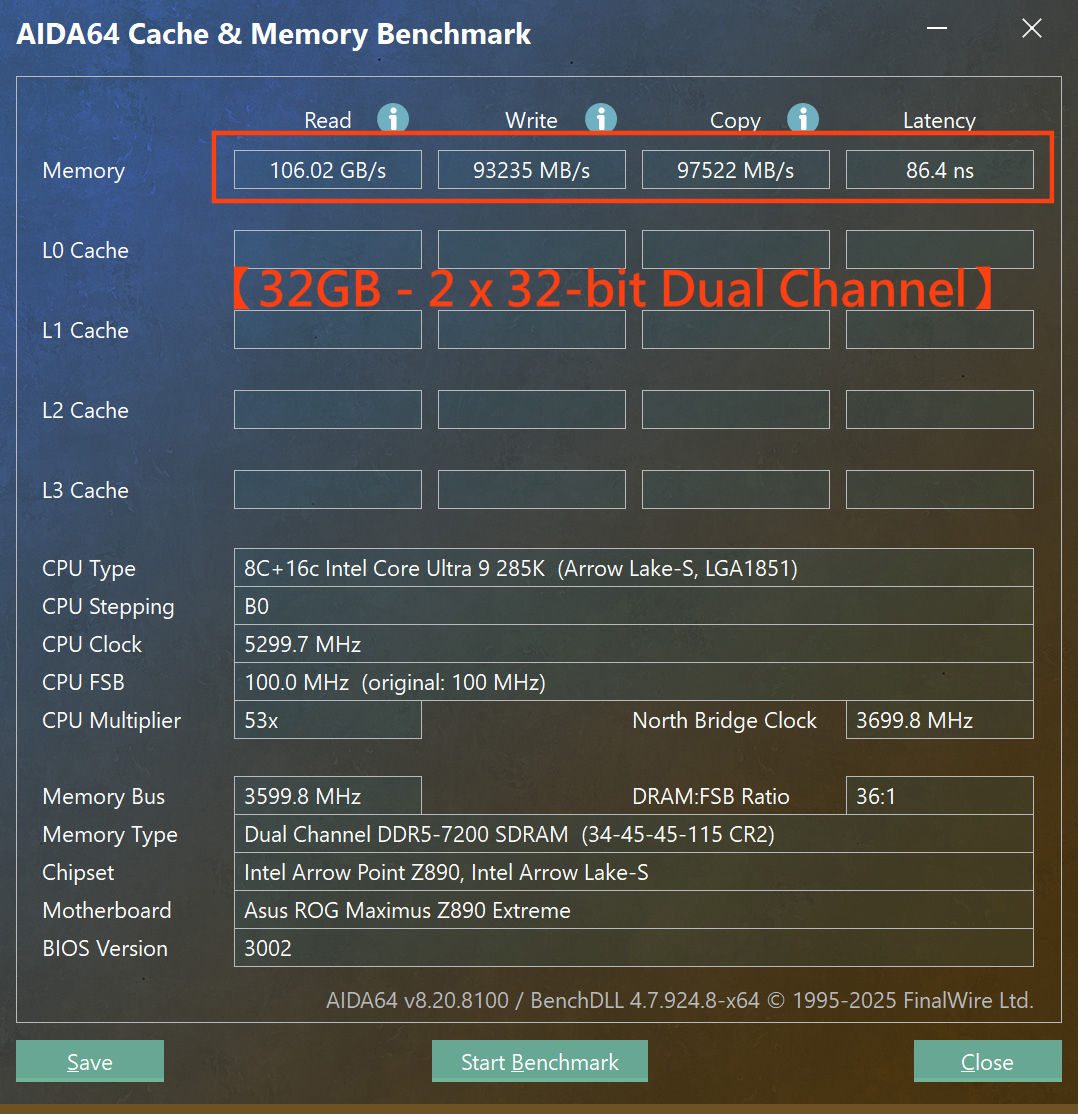
Despite the cost benefits, performance benchmarks conducted by HKEPC and Asus (via Wccftech) show a severe trade-off. The test was performed by selecting a standard UDIMM and converting it into a HUDIMM module by shielding half of the banks. The transition to a single 32-bit subchannel results in an approximate 45–50% loss in total bandwidth across read, write, and copy operations. While memory latency remained relatively stable at 85–87ns, the throughput of a dual-channel HUDIMM setup was roughly equivalent to that of a single standard UDIMM running in single-channel mode.

One redeeming feature is the support for asymmetrical dual-channel operation. This allows users to mix different module types, like HUDIMM and UDIMM, to achieve unique capacities while maintaining three active 32-bit subchannels. However, for users prioritising speed, the significant bandwidth reduction makes HUDIMM only a solution for systems where peak memory performance is secondary to overall cost efficiency.

Discuss on our Facebook page, HERE.

KitGuru says: Given the performance trade-offs (and without knowing the pricing of HUDIMMs), do you think budget builders will be willing to sacrifice half their bandwidth to get a modern platform running, or will they stick to older DDR4 systems?

The post Early performance tests reveal significant throughput penalty for HUDIMM DDR5 first appeared on KitGuru.
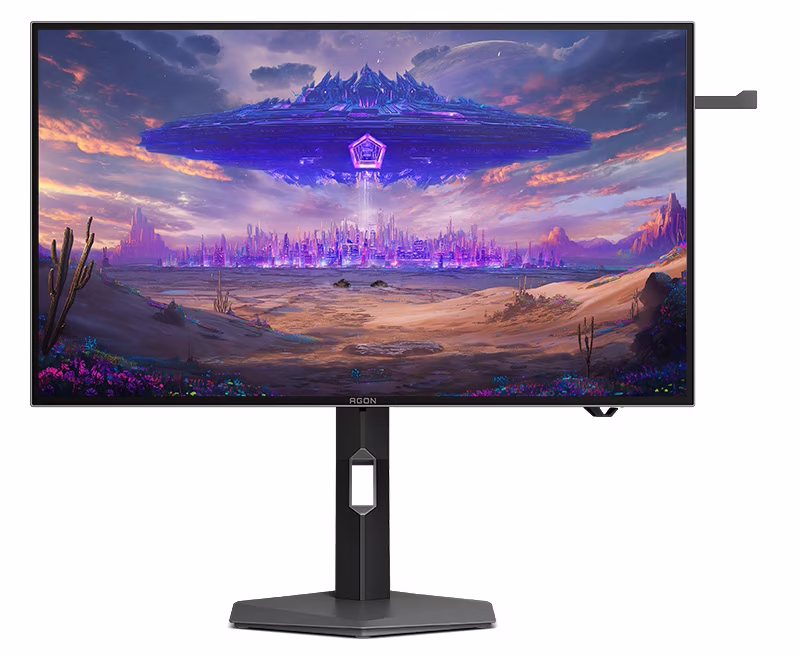
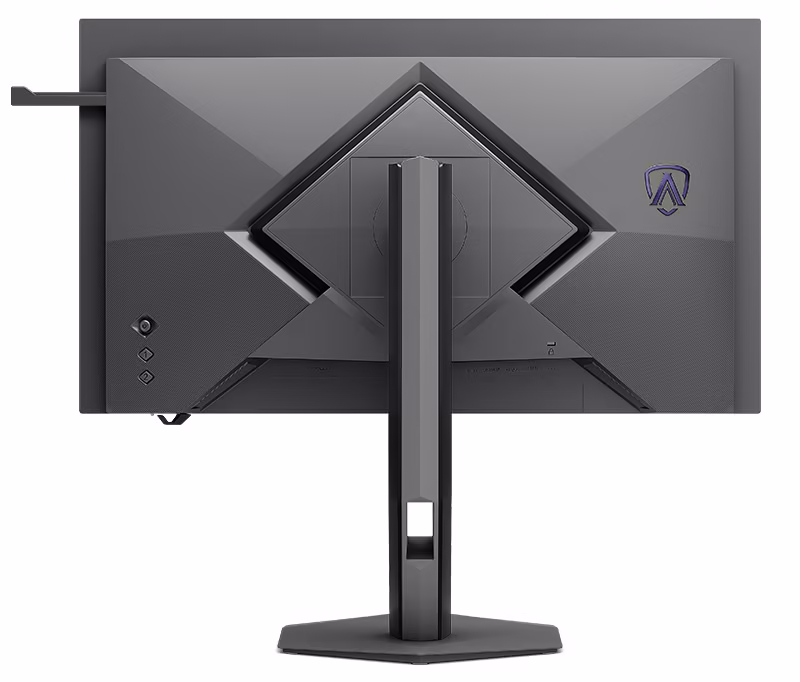
New AOC AGON Pro AGP277QKDC with 540/720Hz dual-mode scheduled for June

AOC has introduced the AGON Pro AGP277QKDC, a 27-inch gaming monitor featuring a 4th Gen WOLED panel. The display offers native 1440p resolution at 540Hz, with a dual-mode feature that can reach 720Hz at 720p.

According to TFTCentral, the AGP277QKDC uses LG Display's latest Primary RGB Tandem WOLED technology. In this case, the panel features a 2560×1440 resolution, 0.03ms G2G response time, and a 1.5million:1 contrast ratio. In SDR mode, the panel reaches 335 nits, while HDR performance is certified under VESA DisplayHDR TrueBlack 500, with a peak brightness of 1500 nits at 1.5% APL.

Image credit: TFTCentral

The monitor supports 10-bit colour depth and covers 99.5% of the DCI-P3 colour space. For variable refresh rate performance, the unit is certified as NVIDIA G-Sync Compatible and supports adaptive-sync. User features include an anti-glare coating, flicker-free technology, and a stand with height, tilt, swivel, and pivot adjustments. I/O options include one DisplayPort 2.1 (UHBR20), two HDMI 2.1 ports, and two USB-A data ports. A USB Type-C port is also included, supporting DP Alt mode, data, and 65W power delivery. The display also integrates a KVM switch, PiP/PbP support, a headphone jack, and dual 5W speakers.

AOC provides a 3-year warranty that covers OLED burn-in. While an official product page is not yet available, the monitor is expected to retail for €849 upon its launch in June 2026.

Discuss on our Facebook page, HERE.

KitGuru says: Would you get a dual-mode OLED monitor to play at 720p to max out the refresh rate?

The post New AOC AGON Pro AGP277QKDC with 540/720Hz dual-mode scheduled for June first appeared on KitGuru.
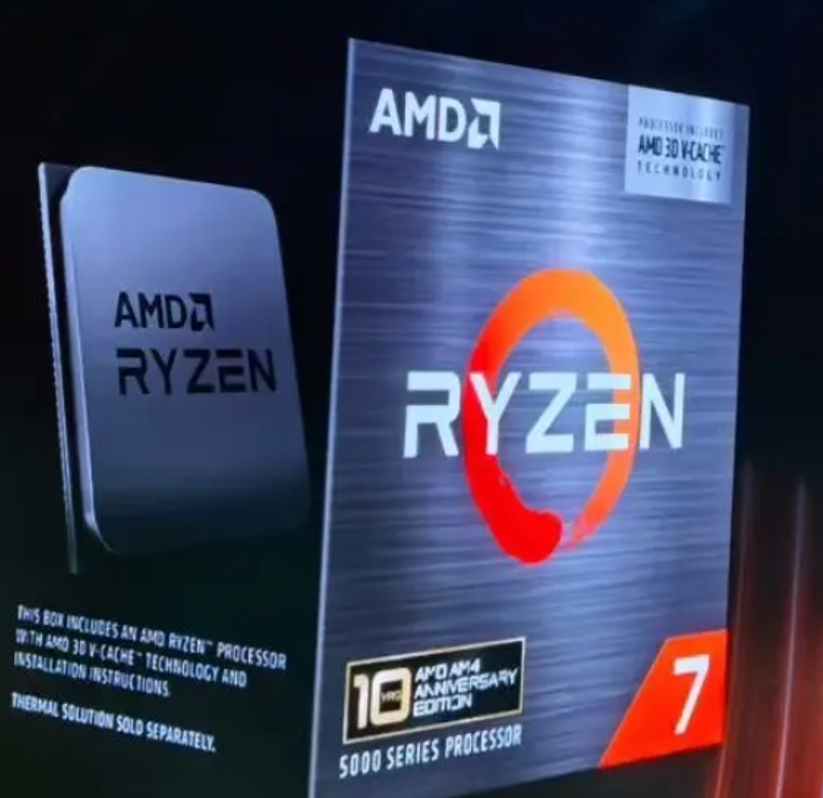
AMD reportedly set to re-release Ryzen 7 5800X3D

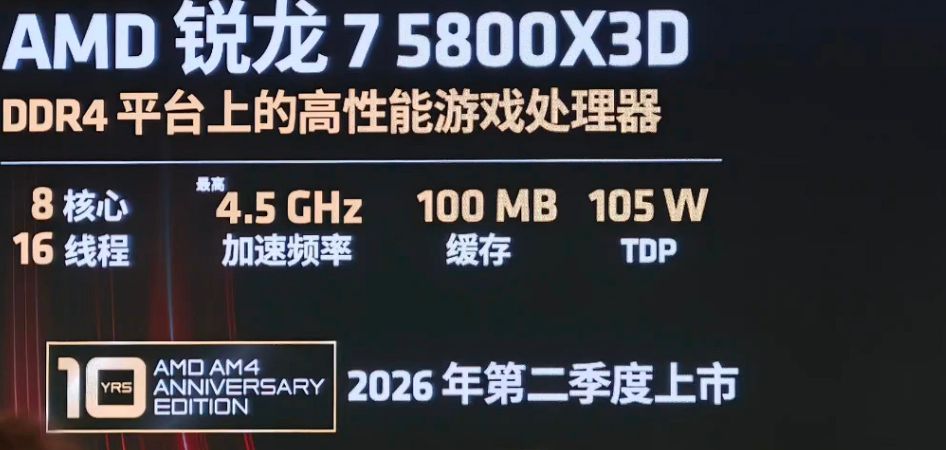
AMD is reportedly preparing a re-release of the Ryzen 7 5800X3D as an anniversary edition. Recent leaks suggest the 2022 processor will return to market without hardware changes, extending the lifecycle of the AM4 platform. AMD has not yet officially confirmed these plans.

The leaked information shared by HXL (via VideoCardz) indicates that the processor will retain its original 8-core, 16-thread configuration. Technical specifications include a 3.4GHz base clock and a 4.5GHz maximum boost frequency. The chip is defined by its 96MB of L3 cache, enabled by AMD's 3D V-Cache technology, designed to improve gaming performance by reducing memory latency.

Image credit: HXL

The reported reintroduction appears to be a response to current market conditions, specifically the ongoing costs associated with transitioning to the AM5 platform and DDR5 memory. By providing a high-performance option for the DDR4-based AM4 platform, the move would offer users an upgrade path that avoids the requirement for a new motherboard and memory investments.

Pricing and specific regional availability for the anniversary edition remain unconfirmed. It is currently unknown whether the rumoured release will be a limited production run or a broader market reintroduction.

Discuss on our Facebook page, HERE.

KitGuru says: If it releases in your region, will you pick this one up?

The post AMD reportedly set to re-release Ryzen 7 5800X3D first appeared on KitGuru.
New Windows 11 Canary build brings Xbox Mode to multiple form factors

Microsoft has officially announced the expansion of its “Xbox mode” interface to a broader range of Windows 11 devices, including laptops, desktops, and tablets. Previously limited to handheld devices, the updated console-style UI is now available in the Windows Insider Canary channel via build 29570.1000, bringing a streamlined gaming environment to traditional hardware.

The feature, formerly branded as the Xbox Full-Screen Experience, allows users to toggle between the standard desktop and a controller-optimised interface. Microsoft confirms that users can access Xbox mode through the Xbox app, the Game Bar settings menu, or by using the Win+F11 keyboard shortcut.

The decision to bring the UI to more form factors follows its widespread use on gaming handhelds. Microsoft notes that many laptops and tablets utilise similar APU and iGPU hardware to modern handheld systems, making the deployment of the console-like UI a logical progression. This update builds upon gaming UI improvements and display options recently introduced for mobile gaming devices.

Microsoft previously began testing the Full-Screen Experience on various form factors as early as November 2025. While the current rollout is restricted to the Canary channel (build 29570.1000), the expansion signals broader integration into Windows 11. No specific release window for the mainline Windows 11 version has been confirmed.

Discuss on our Facebook page, HERE.

KitGuru says: Will you be using the Xbox mode on your PC once it's available?

The post New Windows 11 Canary build brings Xbox Mode to multiple form factors first appeared on KitGuru.
❌