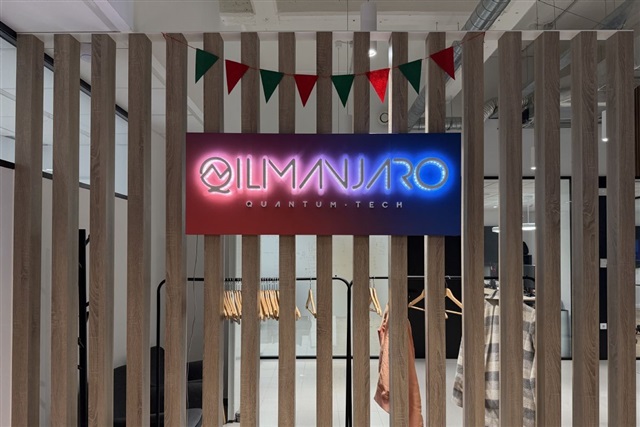
The timeline for quantum computing to become commercially viable has shrunk from decades to potentially within 10 years, driven by surging AI demand. That is the view of Dr. Marta P. Estarellas, CEO of Spanish quantum firm Qilimanjaro, which is positioning analog quantum computing as a key technology for future data centers.
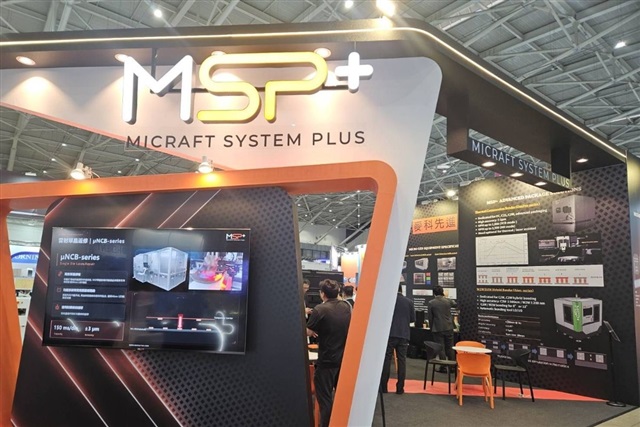
Micraft System Plus (MSP+), a supplier of mass transfer and laser technology equipment, will officially open its new Yangmei factory in northern Taiwan in May 2026, significantly boosting production capacity for large-scale G4.5 and above laser devices. The company expects to benefit from the ramp-up of Micro LED equipment shipments, driving full-year revenue and profit growth while strategically positioning itself within the AI supply chain.
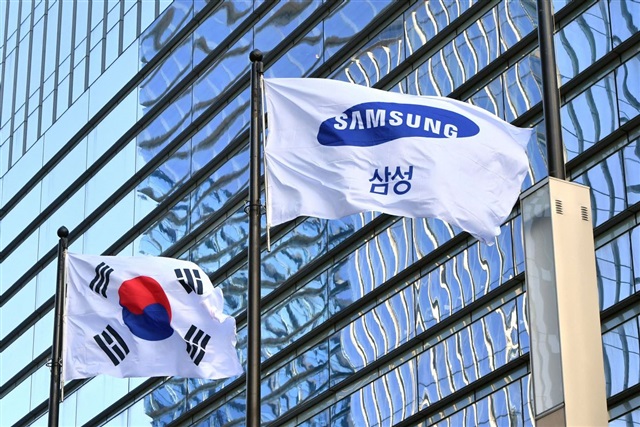
Samsung Electronics has taken legal action amid escalating labor disputes with its union, filing for an injunction at a South Korean court on April 16, 2026, to prevent the union from illegally occupying key semiconductor facilities. Halting chip production at the company's facilities could have ramifications for global semiconductor supplies.
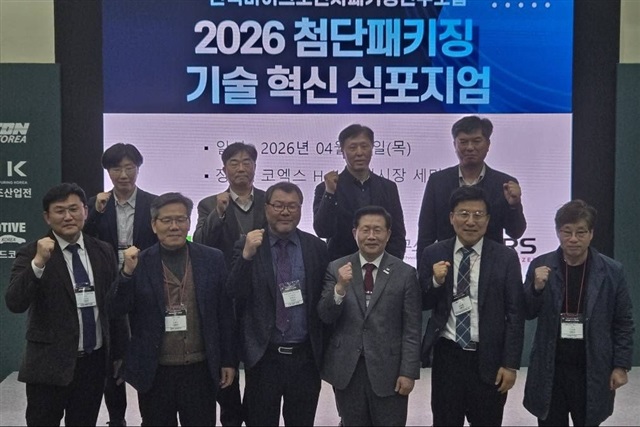
Glass core substrates, valued for their low dielectric loss and warpage reduction, are key to next-generation advanced semiconductor packaging. In South Korea, traditional glass makers KCC Glass and LX Glass have entered R&D efforts to capture market opportunities.
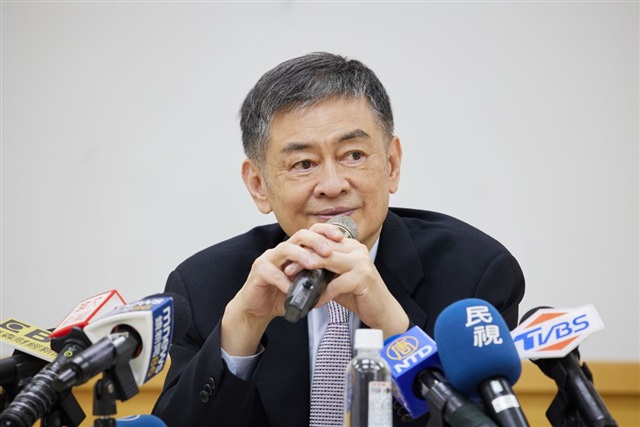
Optical lens giant Largan held its first quarter of 2026 earnings call on April 16, hosted by chairman En-Ping Lin. The company posted 7% year-on-year revenue growth — but headwinds are building as smartphone makers look to downgrade specifications.
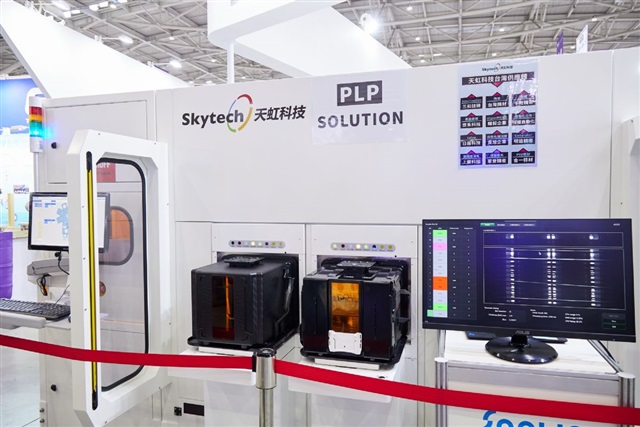
AI and high-performance computing (HPC) are driving increasingly stringent chip performance demands, marking a pivotal shift in advanced packaging technology from traditional wafers to large-size panels. Semiconductor equipment leader Skytech's CEO George Yi announced that its self-developed 310x310mm panel-level packaging physical vapor deposition (PLP PVD) system, a world first, has completed delivery and been successfully integrated into production lines at major OSAT firms including ASE Technology Holding.
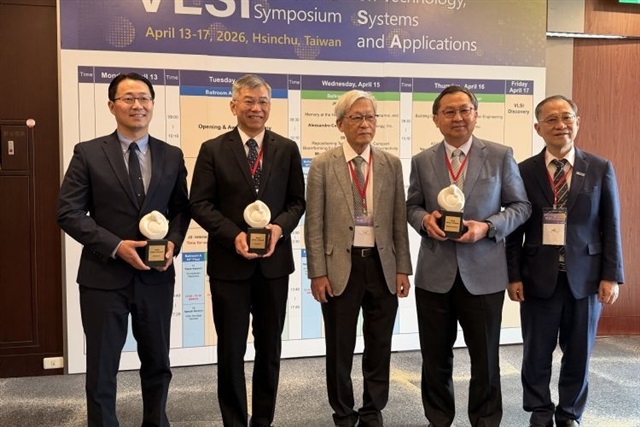
The 2026 International Symposium on VLSI Technology, Systems and Applications (VLSI TSA) kicked off on April 14, gathering over 800 semiconductor professionals worldwide. The conference focused on next-generation core areas including GenAI inference acceleration, wafer-level computing, and terahertz wireless communication, while also delving into quantum computer system architectures and extending the reach of semiconductors to AI-driven cardiac analysis and other smart healthcare applications.
Despite recent softening in the DRAM spot market, Nanya Technology president Pei-Ing Lee said DRAM prices will rise by the "tens of percentage points" in the second quarter of 2026 compared to the first quarter. He expects strong gross margins to continue through the end of the year amid robust demand that will remain unmet into 2027.
Nvidia recently joined the Series G funding round of SiFive, a leading RISC-V chip IP provider. Although Nvidia was one among many investors and the round raised about US$400 million, the move marks a significant endorsement for the RISC-V ecosystem, one that Nvidia has long supported through product development built on RISC-V architectures.
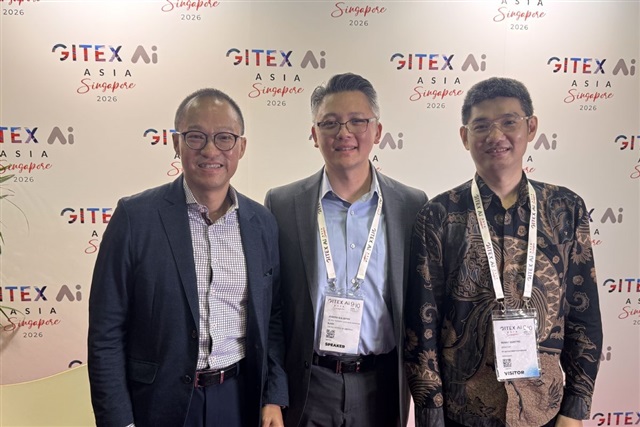
At the recently concluded GITEX AI Asia conference, executives from Nokia, AI chip innovator Blaize, and Indonesian telecom provider Datacomm discussed the evolution of AI infrastructure. In an exclusive interview with DIGITIMES, they highlighted that while training remains centralized in low-cost remote locations, inference architectures are rapidly shifting toward edge decentralization to enhance response times and data sovereignty.
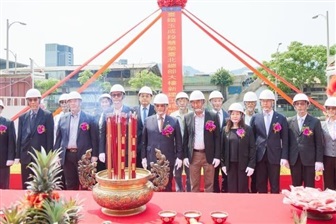
Silicon Motion Technology held a groundbreaking ceremony on April 13 for its new corporate headquarters in Taipei, marking a key step toward expanding its operational footprint. The company plans to connect its two major sites — in Taipei and Zhubei, a major tech hub in northern Taiwan — through the new Taipei facility, which is expected to open by 2030.
As global companies unveil plans for space AI data centers, South Korean firms are prioritizing space-related technology as a new growth driver. Samsung Electronics' foundry division is reportedly actively developing space semiconductors and related foundry technologies.
Phison Electronics founder and CEO Pua Khein-Seng warned that the current NAND Flash shortage will worsen significantly in the second half of 2026, with an acute supply crunch expected in the fourth quarter of 2026, where "even money can't buy stock." To secure inventory amid this tight market, Phison has broken its no-debt tradition by launching a syndicated loan in March and plans to issue US$800 million in Euro-convertible bonds (ECB), targeting over NT$43 billion (US$1.4 billion) in total fundraising for 2026.
Samsung Electronics has raised its production plans for the Galaxy S26 series in April 2026 from 2.4 million to 3 million units, driven mainly by strong demand for its top-tier Galaxy S26 Ultra model, which accounts for 60-70% of sales and serves as a key growth driver.
Apple is attempting to obtain confidential internal data from Samsung Electronics as part of its defense against a US antitrust lawsuit, aiming to use Samsung's market information to argue that it does not hold a monopoly position.
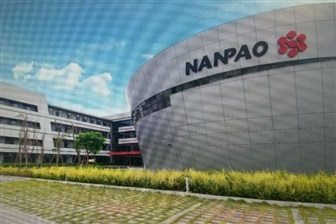
Nan Pao Resins Chemical Group reported a historic revenue high for March, reaching NT$2.4 billion (approx. US$75.3 million), up 17.4% year-over-year, fueled by raw material price fluctuations and customers' proactive stockpiling ahead of expected product price hikes. The company also achieved a record first-quarter revenue of NT$5.8 billion in the first quarter of 2026, supported by ongoing new product development and successful expansion into new customer segments.
Pan-International, a Foxconn subsidiary specializing in connectors, reported a year-over-year revenue decline in the first quarter of 2026 due to cautious customer sentiment and stagnant shipments of automotive products. However, the company expects revenues to rise monthly starting in the second quarter, driven by increased orders for AI servers, while maintaining its goal of double-digit growth for the full year.
Despite revenue growth in March 2026, Catcher Technology is maintaining a prudent outlook for 2026, citing supply chain bottlenecks, cost pressures, and uncertain end-market demand.
South Korean IC design firm AD Technology transitioned from the TSMC Value Chain Alliance (VCA) to become one of Samsung's Design Solution Partners (DSPs) in 2019. After overcoming initial challenges, the company has returned to profitability and now aims to surpass KRW1 trillion (US$673.2 million) in revenue by 2029 or 2030 through its self-developed 2nm server platform, ADP620.

 Login
Login