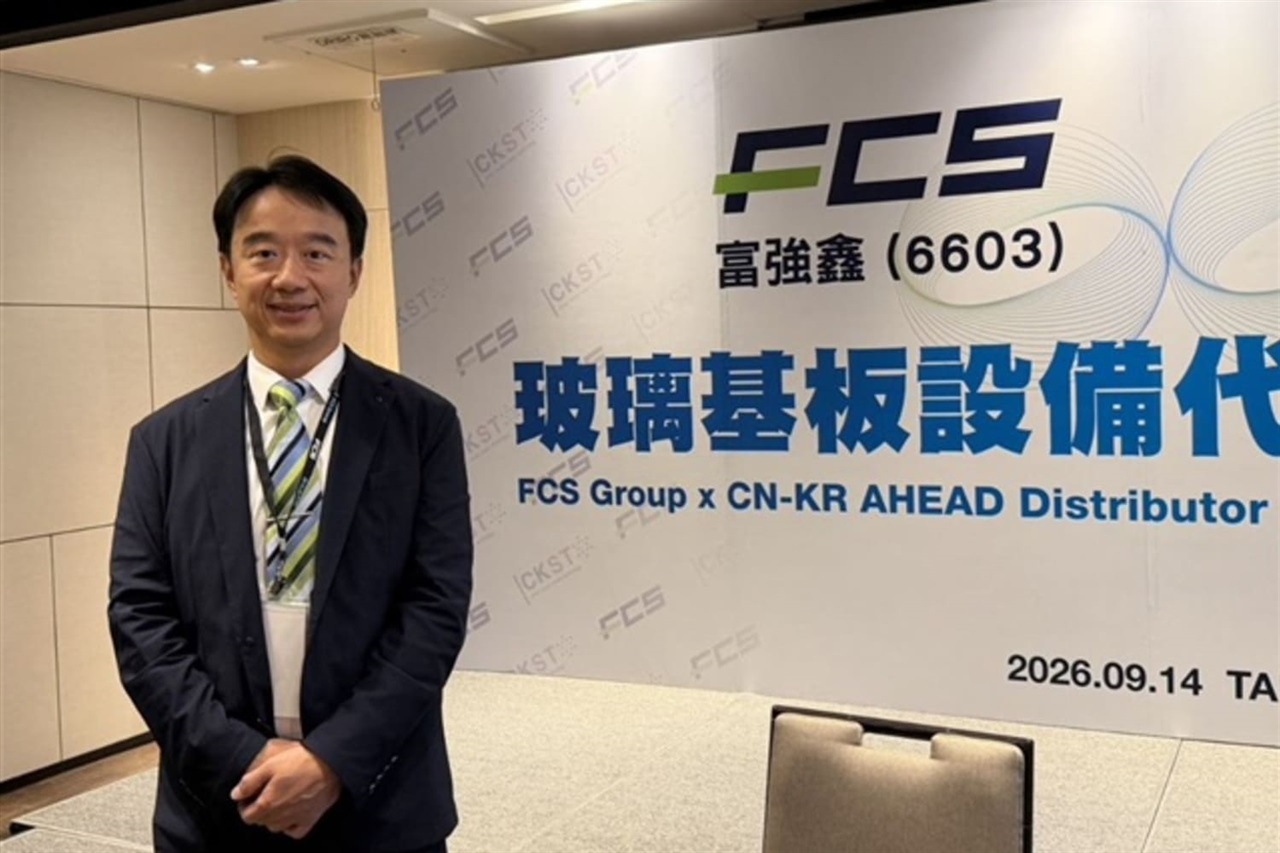
High-end multilayer polymer capacitors (MLPCs) — increasingly critical to power delivery in AI servers and high-wattage GPUs and CPUs — have historically been dominated by Japan's Panasonic, which has held over 90% of the market. Now, a Taiwan-based machinery maker is aiming to challenge that grip.
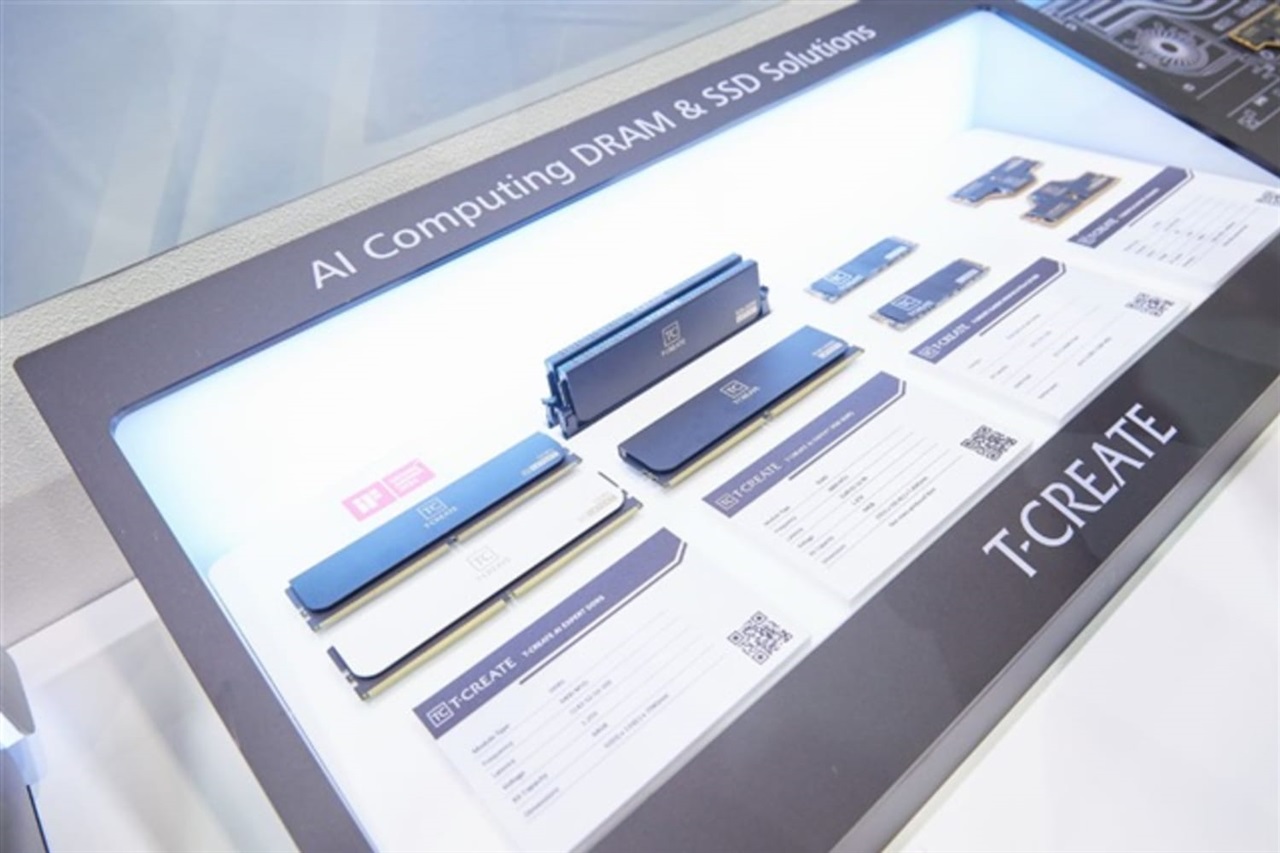
As memory vendors continue signing long-term agreements (LTAs), the supply-demand imbalance is set to worsen in 2027. Gerry Chen, general manager of Team Group, revealed that module makers have recently received "friendly notices" from upstream memory manufacturers. These notices explicitly state that shipment allocations will be drastically cut in 2027, creating a massive supply gap for DRAM. Upstream manufacturers have reportedly sold out nearly all of their capacity for 2027 through 2028.
The market value of optical modules used in data centers is projected to grow from US$12.6 billion in 2025 to US$45.4 billion by 2030. Volume shipments of 1.6T modules are set to scale up starting in 2026, followed by initial revenue contributions from 3.2T modules in 2028. Silicon photonics (SiPh) serves as the core architecture underpinning this growth trajectory, with the majority of modules at 800G and above already transitioning to SiPh designs.
IC substrate manufacturer Phoenix Pioneer Technology (PPt) turned profitable in the first half of 2026, driven by strong momentum in its advanced AI power substrate business. Production lines are running at full capacity, with order visibility clearly extending into the first quarter of 2027. Notably, end-system customers are bypassing OSAT providers to negotiate long-term agreements (LTAs) directly with the company.
Google Cloud CEO Thomas Kurian recently revealed that Google's overall payback period for AI server investments is less than two years, with in-house silicon recovering its costs in half that time. This translates to a payback period of less than one year for servers using Google's in-house silicon, including its tensor processing units (TPUs). Industry observers note this rapid capital return gives application-specific integrated circuit (ASIC) design service partners, such as MediaTek and Broadcom, substantial room for upward revenue revisions as Google doubles down on its TPU strategy.
CoreIntelligence Holdings (CiHC) reported unaudited consolidated revenue of NT$3.429 billion (approx. US$108.6 million) for August 2026, representing a slight 3% month-over-month decline from NT$3.535 billion (US$112.1 million) in July, but a 3% year-over-year increase compared to NT$3.342 billion (US$105.8 million) in 2025. Cumulative consolidated revenue for the first eight months of 2026 reached NT$26.36 billion (US$834.8 million), up 6% from NT$24.819 billion (US$786 million) recorded during the same period in 2025.
Electronic testing and certification provider BTL Inc. has kicked off construction plans for Guishan Plant 3. The expansion targets high-power testing capacity for AI server systems, power delivery infrastructure, liquid-cooling equipment, and related peripherals, positioning the company to meet next-generation AI market demand. BTL expects the facility to begin accepting client orders and contributing to top-line revenue in the fourth quarter of 2027.
At South Korea's recent KPCA Show 2026, Samsung Electro-Mechanics and LG Innotek showcased their next-generation package substrate technologies. As AI semiconductors evolve toward higher performance, increased density, and larger footprints, both companies are competing for dominance in this high-value-added advanced packaging market.
Driven by sustained artificial intelligence (AI) demand, global semiconductor capacity expansion is accelerating. According to the 2026 Semiconductor Industry Talent Report released by 104 Job Bank, monthly job openings in Taiwan's semiconductor sector reached 47,000 in 2026, a year-over-year surge exceeding 20%.
As glass substrates emerge as a next-generation semiconductor packaging material, they have become the centerpiece of the display industry's cross-sector transformation. Although South Korean panel makers have turned their attention toward glass substrates and advanced packaging, their overall strategy remains exploratory. Compared to rivals in Taiwan and China, South Korea's leading players face a double-edged sword: their parent conglomerates already maintain established semiconductor and packaging divisions, a structure that enables cross-technology synergy but can also constrain new business expansion.
As AI compute requirements scale, memory bandwidth has become a primary bottleneck governing system performance. PieceMakers Technology, which maintains a strategic partnership with Nanya Technology, is slated to debut on Taiwan's Emerging Stock Board on September 16, 2026. Leveraging 3D stacking and Near Memory architectures, the company is positioning itself to capture burgeoning AI memory upgrade opportunities, driving concurrent top- and bottom-line growth.
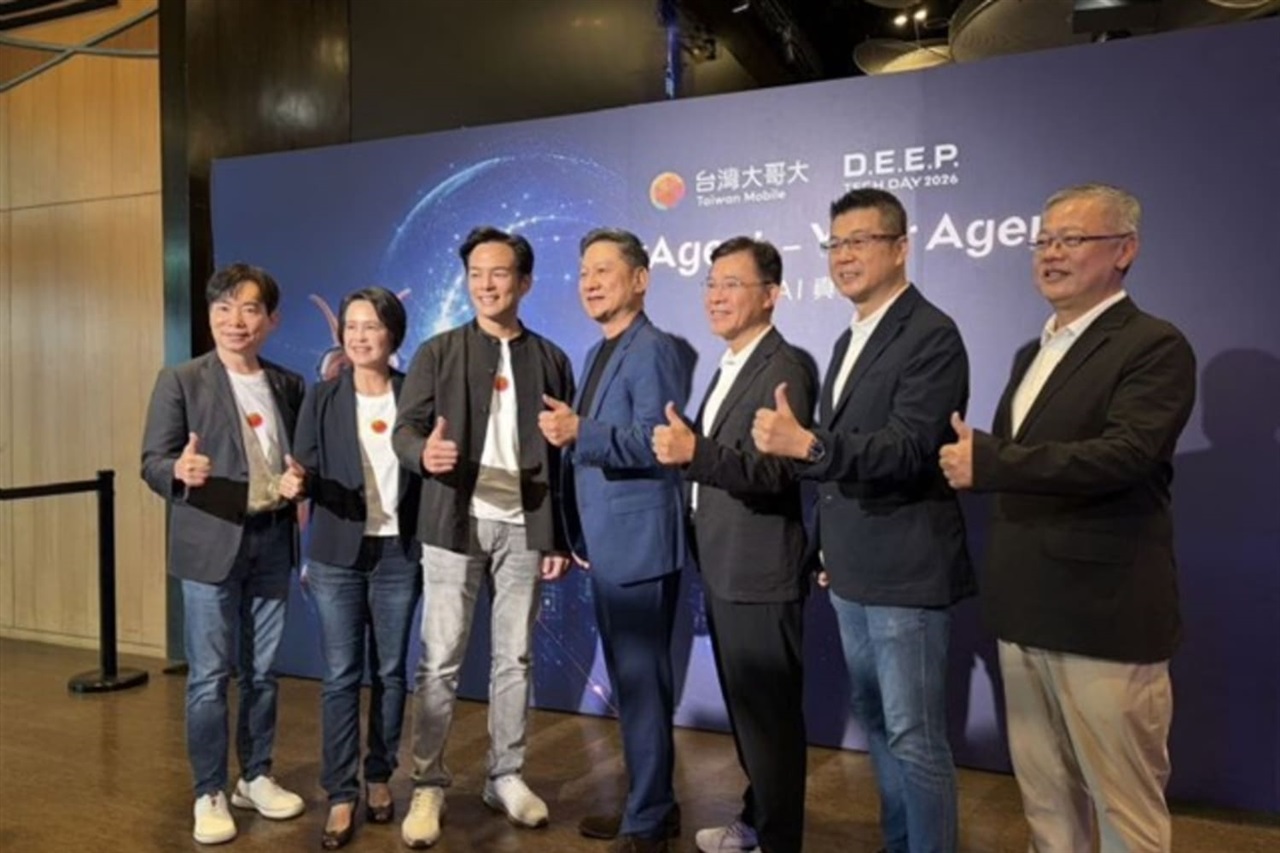
Taiwan Mobile kicked off its fourth annual Tech Day, "D.E.E.P. Tech Day 2026," on September 8. This year's event centered on Agentic AI, exploring enterprise strategy, platform technologies, Japanese corporate case studies, deployment, and governance and security.
China's intelligent driving market continues to surge, with Black Sesame Technologies and Horizon Robotics both reporting solid top-line revenue growth for the first half of 2026. Highlighting the rapid commercialization curve, Horizon Robotics announced on September 3 that cumulative mass production of its Journey series smart driving processors surpassed 15 million units—signaling that competition in China's automotive IC sector is shifting from raw computing battles to large-scale mass deployment and market penetration.
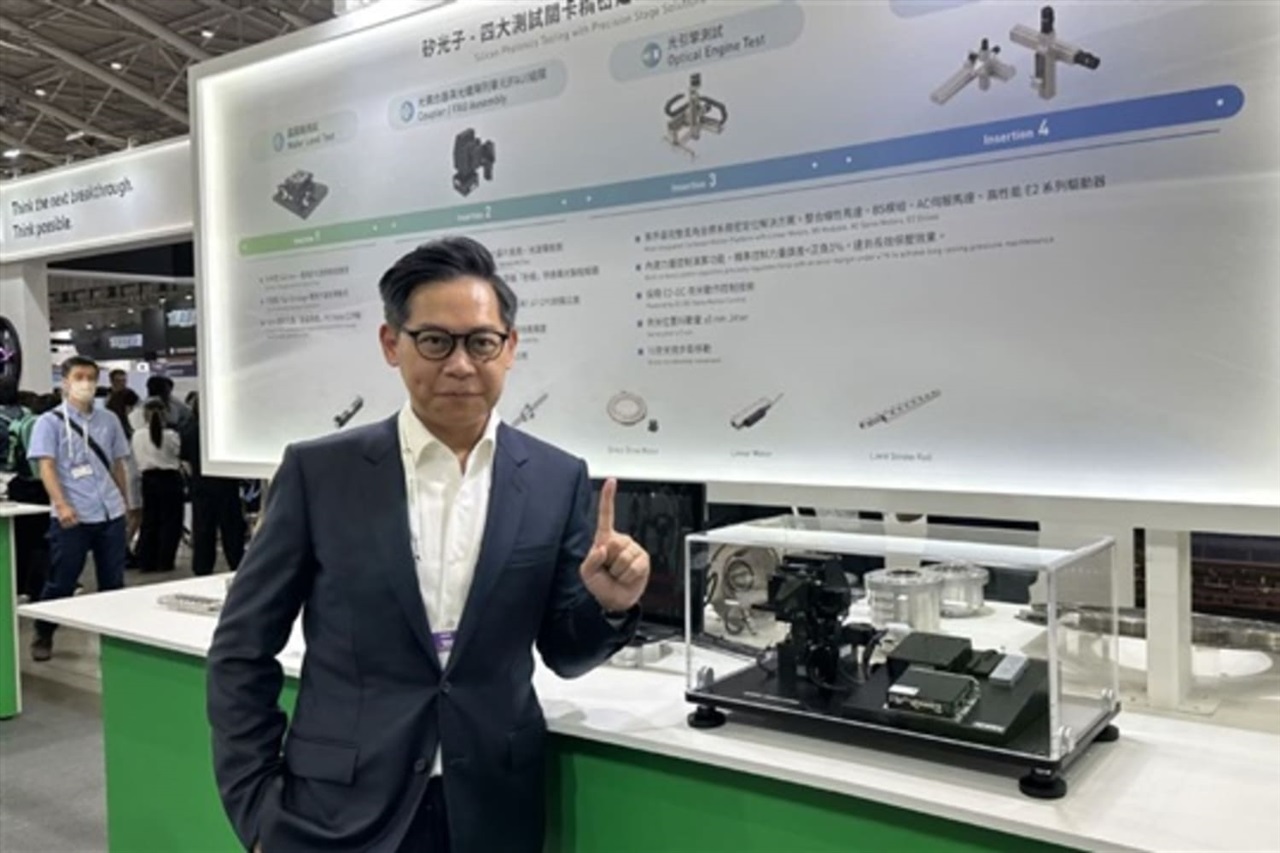
Driven by the shift from copper to optical interconnects, silicon photonics (SiPh) and co-packaged optics (CPO) are moving rapidly toward mainstream adoption, fueling demand across the broader semiconductor equipment supply chain. Highlighting the trend at SEMICON Taiwan 2026, Hiwin Mikrosystem, in collaboration with the Hiwin Group, unveiled its next-generation precision positioning platform for SiPh inspection. Spurred by accelerating market adoption, order visibility for the platform now extends into the second quarter of 2027.
Rising Middle East tensions, marked by the largest US-Iran military exchange since July, have once again cast a shadow of geopolitical escalation over the region. Meanwhile, recent announcements of multi-billion-dollar deals between US companies and Venezuela to tap the country's vast oil reserves have added another variable to global oil markets. International crude prices remain highly sensitive to geopolitical shifts, contributing to higher global transport costs.
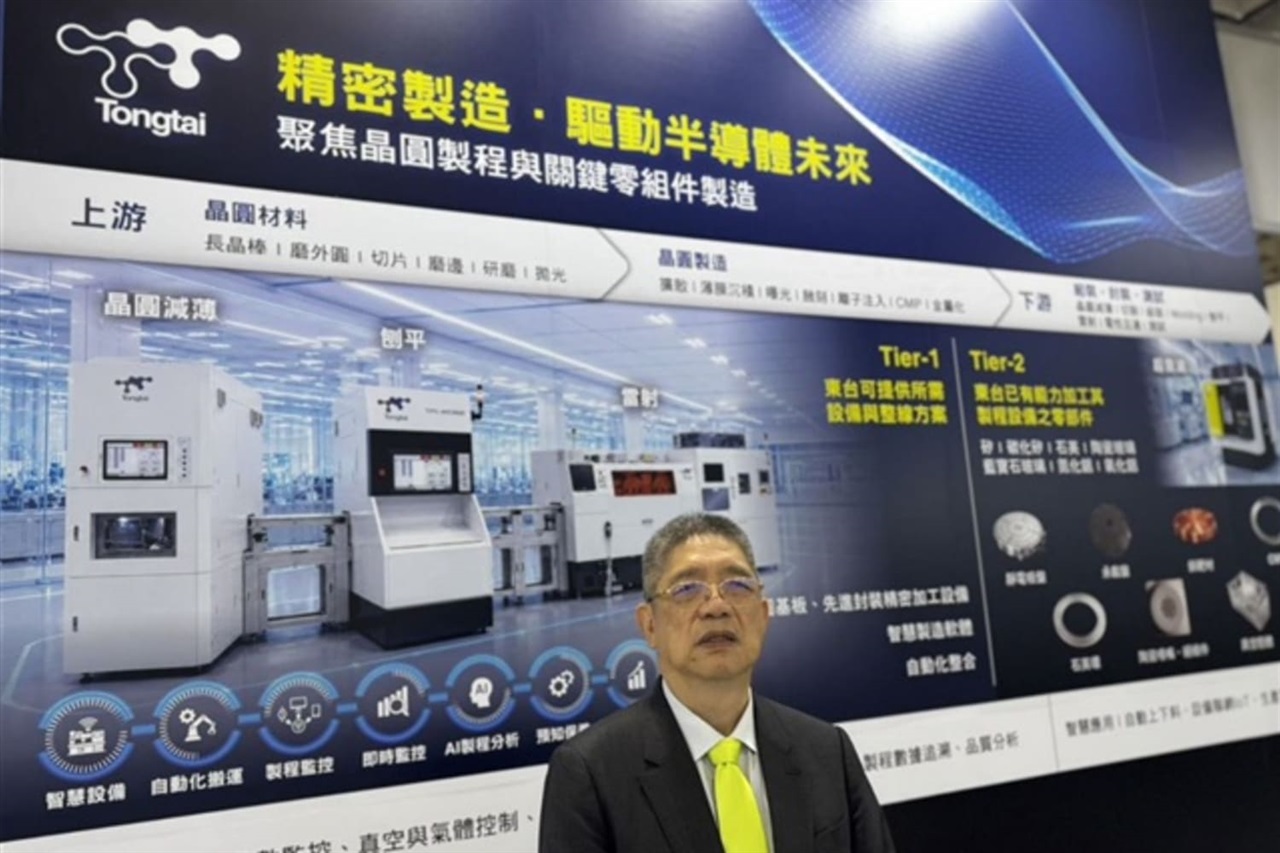
Facing rapid demand expansion across the semiconductor and AI industries, Tongtai Group (TT Group) has aggressively promoted an import-substitution and localization strategy in recent years. The group is extending its traditional machine tool expertise into hard and brittle material processing, advanced packaging, and smart manufacturing production-line solutions required for semiconductor fabrication.
As Semicon Taiwan kicked off at the Taipei Nangang Exhibition Center, the Ministry of Economic Affairs (MOEA) announced that, based on forecasts compiled from multiple research institutions, Taiwan's semiconductor industry output could top NT$8 trillion (approx. US$252.6 billion) in 2026. Advanced equipment and materials, historically local industry weak points, are also making remarkable gains, with domestic equipment output projected to reach NT$270 billion (US$8.5 billion).
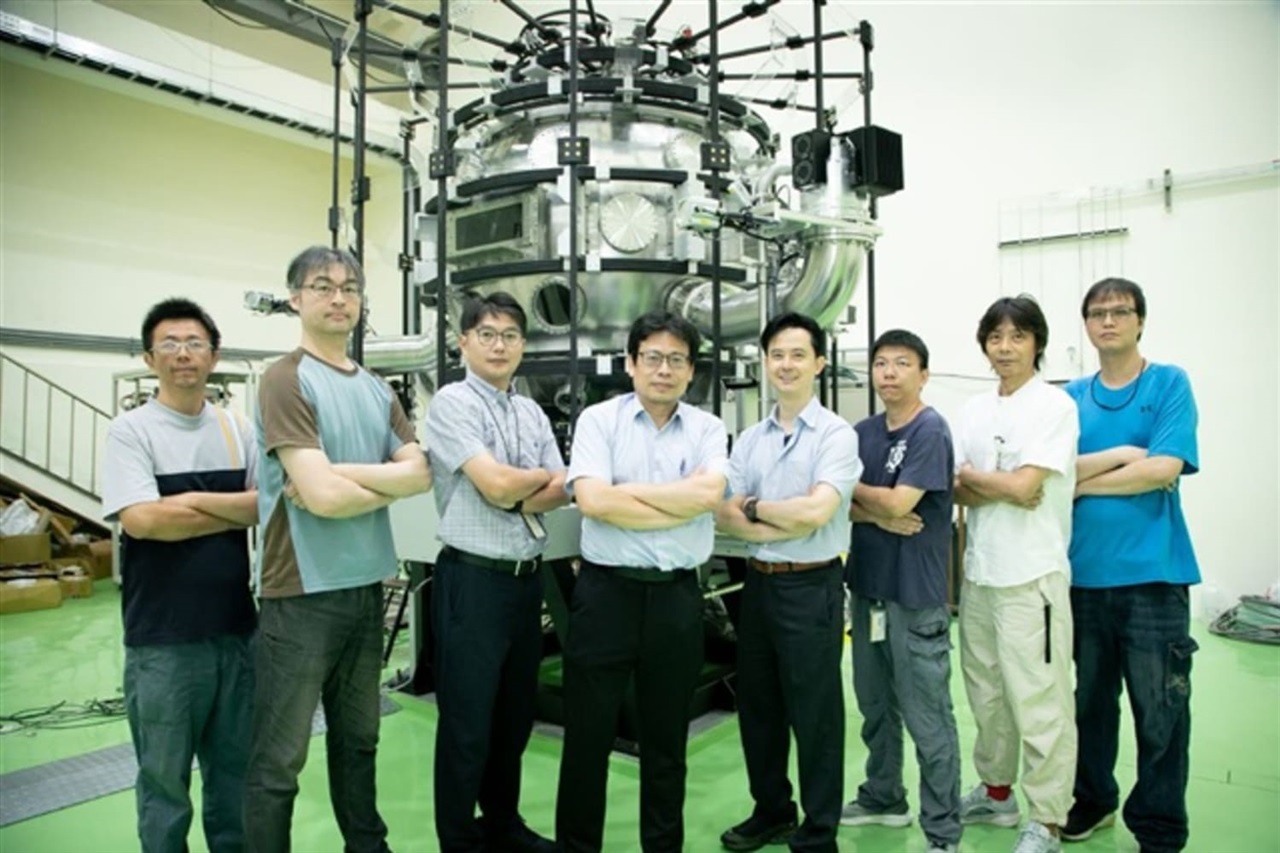
Fusion energy, often referred to as an artificial sun, has become a central focus of global sustainable energy development in recent years. However, despite nearly 70 years of worldwide R&D, commercial fusion power remains unrealized. This is primarily due to several critical technical hurdles, including heating plasma to over 100 million°C and maintaining stable long-term operation, developing materials resistant to high-energy neutrons, tritium breeding, and ensuring overall system reliability. These challenges underscore that fusion power relies not on a single breakthrough, but on a highly integrated system engineering effort.
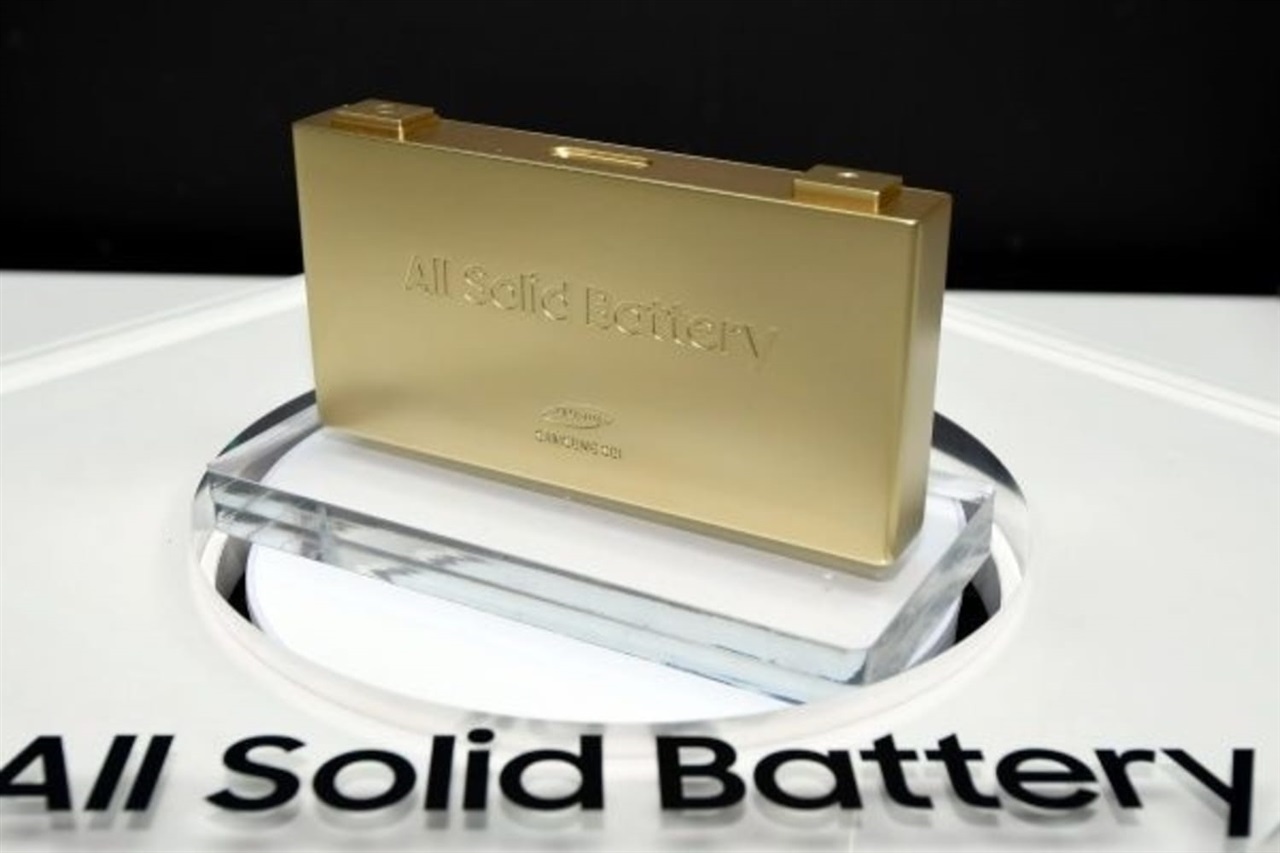
Reports that Samsung SDI's procurement team recently visited the Chinese production facilities of battery material maker Tinci Materials have drawn significant attention within China's industry. As Samsung SDI prepares to initiate mass production of all-solid-state batteries in the second half of 2027, its supply chain strategy and upcoming moves are rapidly becoming a major focal point in the Chinese market.

 Login
Login