❌

Reading view

There are new articles available, click to refresh the page.

Boeing 737 MAX 10 certification could come in autumn, FAA says

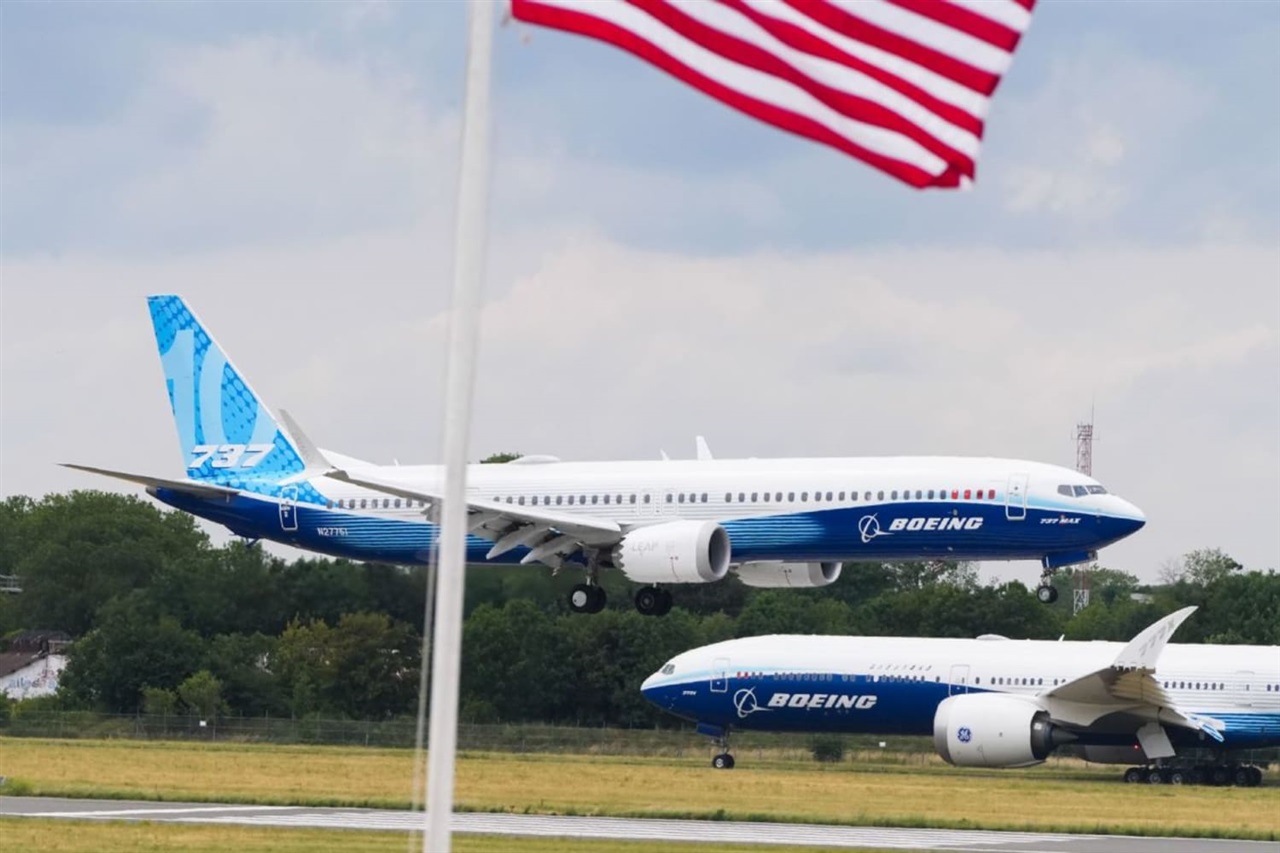
Boeing is moving closer to final safety certification for the 737 MAX 10, with the Federal Aviation Administration targeting September or October should the review stay on track. The approval would clear a long-delayed hurdle for the largest member of the 737 MAX family and could help Boeing improve its cash flow as it competes with Airbus in the single-aisle jet market.

Credit: DIGITIMES

Column: Titan Batteries joins US defense effort to secure domestic drone supply chains with traceable battery solutions

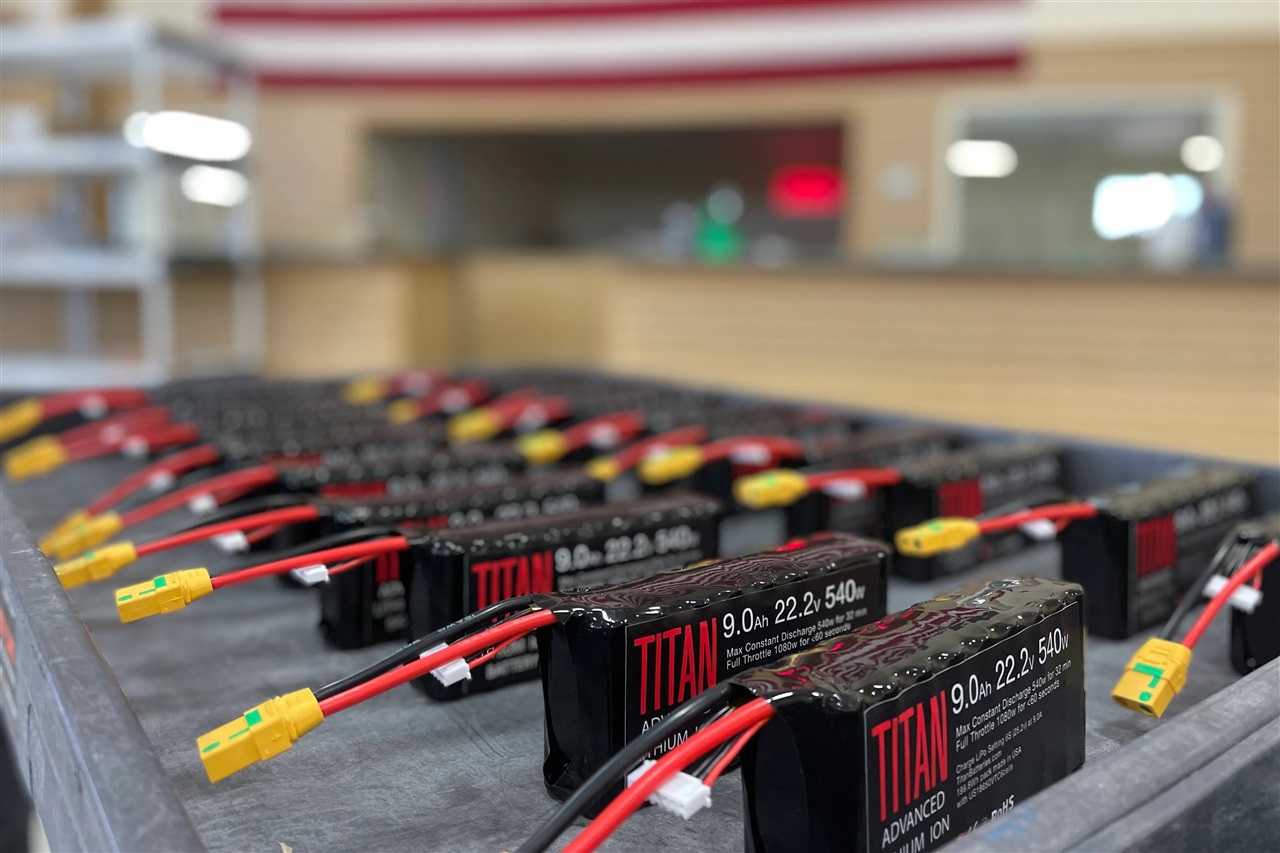
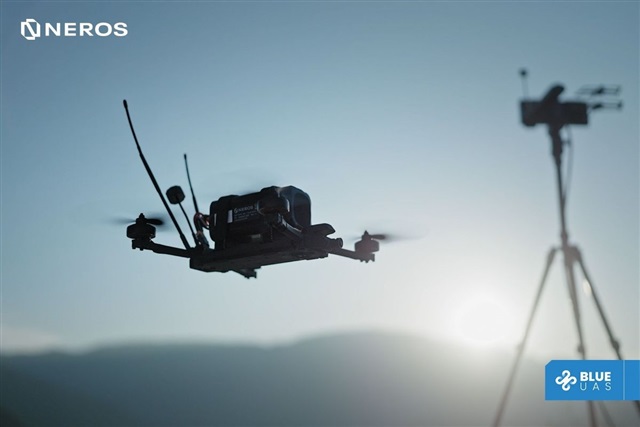
Idaho-based Titan Batteries has emerged as a key supplier in the US Drone Dominance Program (DDP), providing customized battery solutions for military drones as the Pentagon accelerates efforts to build a secure and resilient domestic supply chain. The company's focus on localized manufacturing, cybersecurity, and end-to-end traceability aligns with the US Department of Defense's (DoD) drive to reduce dependence on foreign suppliers for critical defense technologies.

Credit: Titan Batteries

Taiwan's AIDC is turning a decade of AI manufacturing know-how into a business model

p class="P1" data-sourcepos="5:1-5:480;131-610"Taiwan's Aerospace Industrial Development Corporation (AIDC) has spent nearly a decade pushing AI adoption, moving from smart manufacturing in 2015 to full-scale generative AI deployment in 2024, and turning years of production experience into digital corporate assets. Information chief I-ting Fang said the company now hopes to transform its AI and smart manufacturing expertise into a business model that can help more suppliers and manufacturers accelerate AI transformation.

Credit: DIGITIMES

Russia adopts low-cost navigation workaround for Molniya attack drones

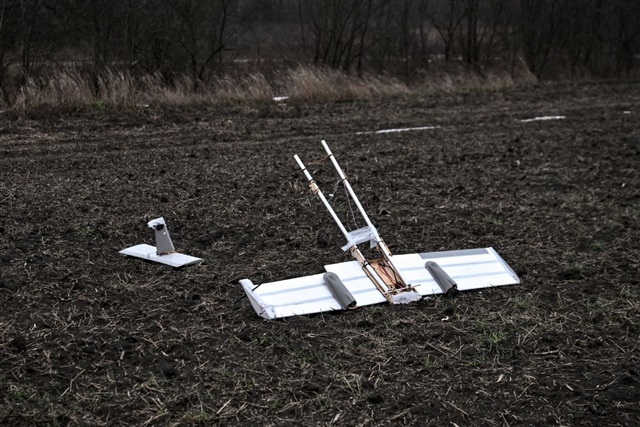
Russia has equipped low-cost Molniya attack drones with a civilian compass and camera-based reading system to keep them on course when satellite navigation is jammed or unavailable, according to a Ukrainian defense adviser. The modification underscores how electronic warfare continues to shape the Russia-Ukraine battlefield and how Moscow is seeking inexpensive ways to preserve drone effectiveness.

Credit: AFP

Airbus raises profit outlook as supply bottlenecks ease

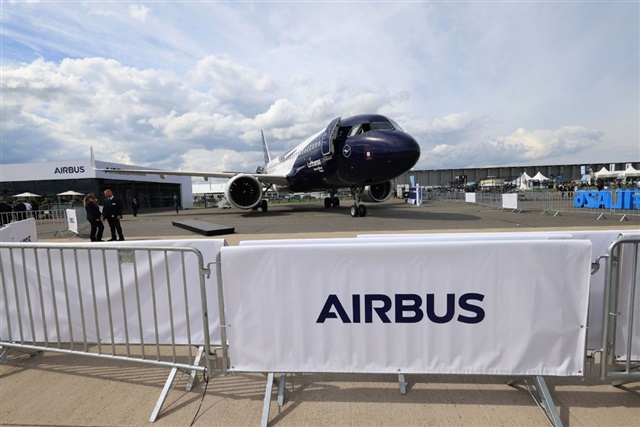
Airbus updated its financial outlook for investors, saying easing supply-chain constraints should support stronger production and profit growth through 2029. According to Bloomberg, the European planemaker now expects adjusted annual operating profit of EUR12 billion-EUR13 billion (US$13.71 billion-US$14.84 billion) by 2029, nearly double current levels, and it plans a EUR5 billion (US$5.71 billion) share buyback over the next three years.

Credit: Bloomberg

Taiwan's NT$210B drone bill sparks debate over defense self-reliance and industrial strategy

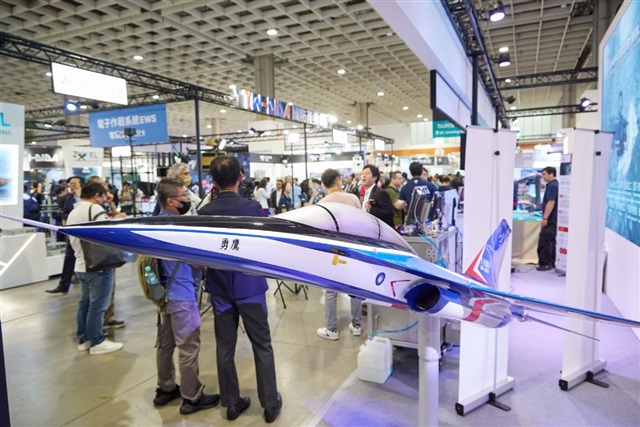
The Executive Yuan's proposed special bill to fund Taiwan's indigenous defense unmanned systems program has triggered debate over whether the initiative should focus primarily on military procurement or broader industrial development. The plan would allocate NT$210 billion (about US$6.5 billion) from 2026 to 2031 to acquire coastal surveillance drones, coastal attack drones and small suicide unmanned boats, aiming to enhance the armed forces' asymmetric warfare capabilities.

Credit: DIGITIMES

Taiwan, Czech chamber ink MOU to fuel Eastern Europe drone hub

p class="P1" data-sourcepos="5:1-5:513;116-628"Taiwan's Commerce Development Research Institute (CDRI) signed a memorandum of understanding (MOU) with the Taiwan Chamber of Commerce in the Czech Republic (TCCCZ) on July 23 to jointly build a Taiwan-Central and Eastern Europe industrial cooperation platform, linking Taiwan with the Czech Republic and Central and Eastern European markets. The CDRI said the two sides will focus on areas such as drones, technology, and talent exchanges, as well as international market promotion and business matchmaking.

Credit: DIGITIMES

After SDA: How the Pentagon is rebuilding military spaceβ€”and why Taiwan's satellite industry should pay attention

The proposal to dissolve the US Space Development Agency (SDA) in the Fiscal Year 2027 National Defense Authorization Act (NDAA) has attracted attention largely as a government restructuring measure. Yet focusing solely on the agency's future risks overlooking the far more consequential story unfolding behind it.

Credit: United States Space Force

AIDC extends Moog contract through 2031 for Taiwan military support

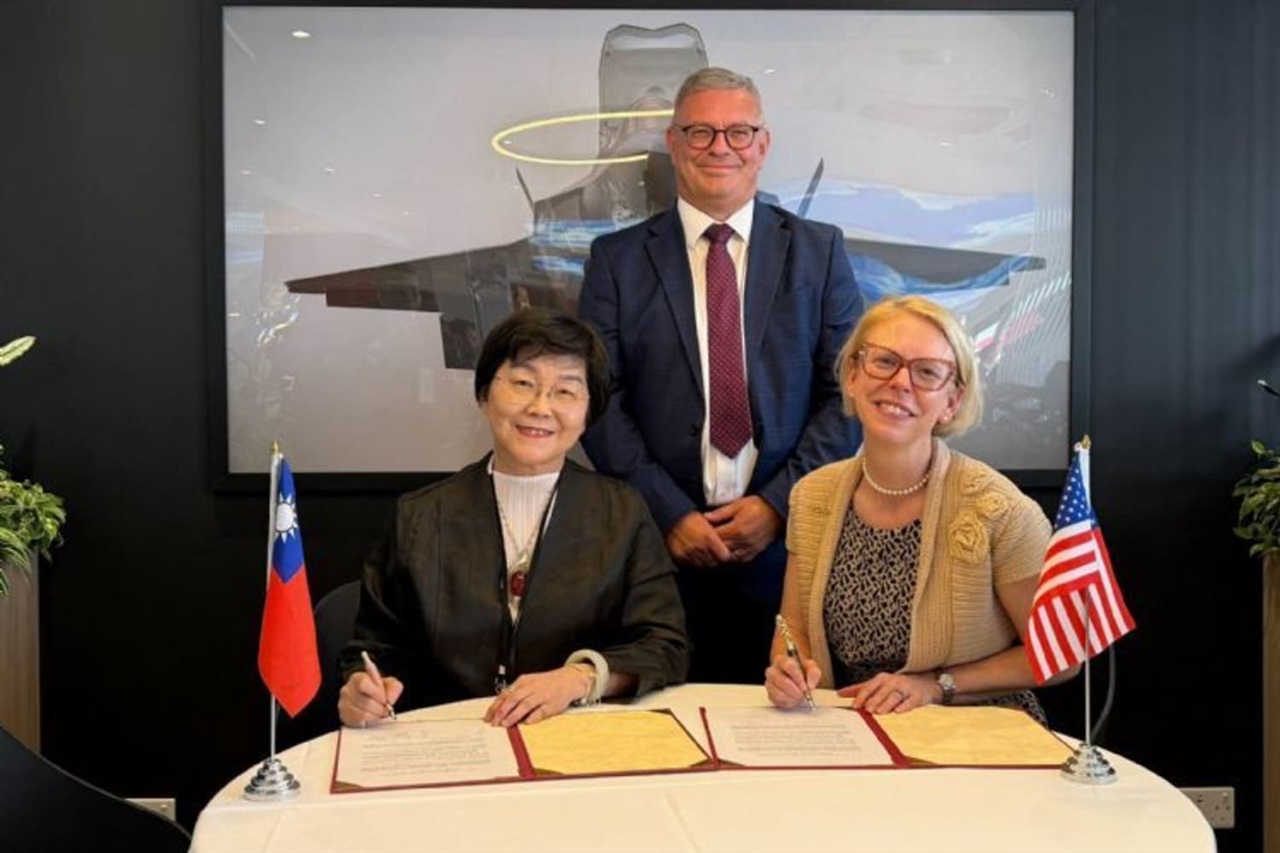
Aerospace Industrial Development Corp. (AIDC) has extended its contract with US aerospace systems maker Moog through 2031, widening cooperation on production and supply-chain integration to support Taiwan's military logistics. The renewal was announced at a UK air show and keeps the exclusive Taiwan distribution rights held by AIDC's US subsidiary.

Credit: DIGITIMES

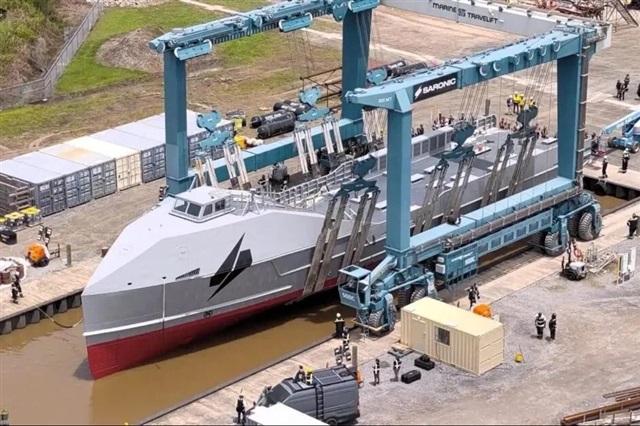
Saronic plans US$3 billion Texas shipyard as Navy drone boat use expands

US defense startup Saronic Technologies said it will build its next-generation shipyard, Port Alpha, in Brownsville, Texas, in a project valued at more than US$3 billion. The facility is scheduled to start construction in 2026 and open in 2028, with the completed site expected to generate as many as 10,000 direct jobs and bring major economic benefits to Brownsville and Texas.

Credit: Saronic

AI and satellite demand drive quartz components toward lower noise, jitter and higher precision

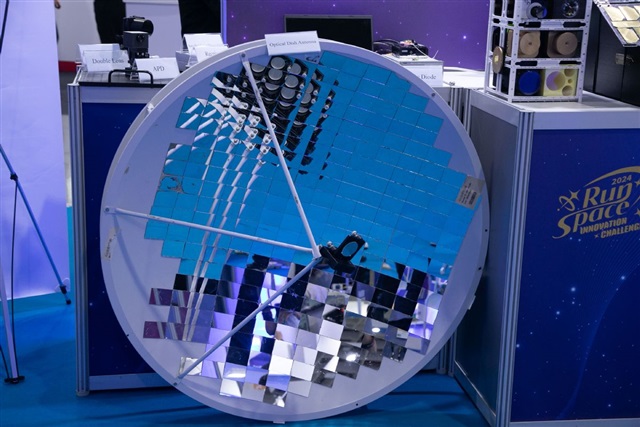
The rapid growth of AI data traffic is pushing quartz timing components toward three key technical upgrades: lower phase noise, reduced jitter and greater frequency accuracy. At the same time, SpaceX's continuing satellite deployment plans are creating fresh demand for frequency-control components such as filters, particularly benefiting suppliers capable of rapidly producing customized solutions.

Credit: Shihmin Fu

Taiwan lawmakers stall on drone procurement bill as localization debate intensifies

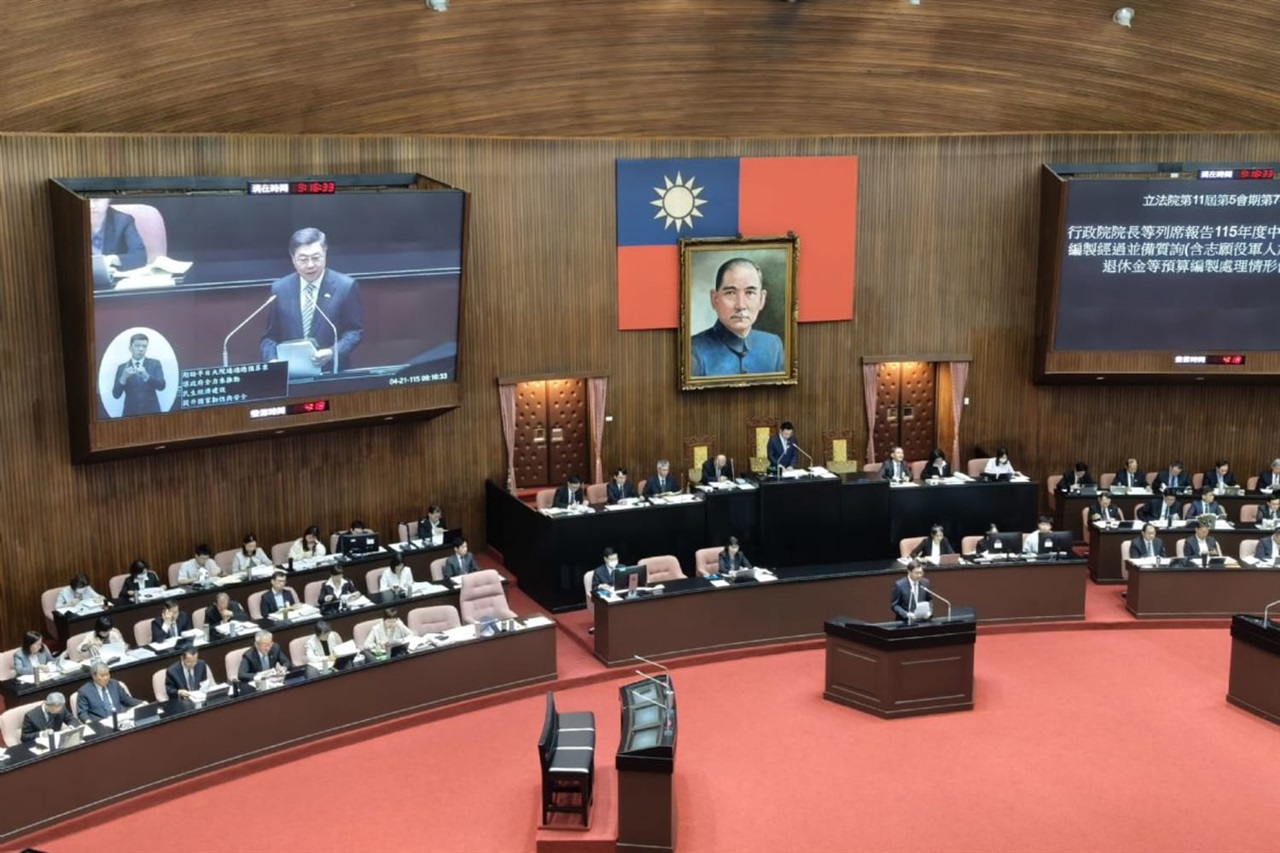
p class="P1" data-sourcepos="5:1-5:356;113-468"Taiwan's Legislative Yuan reviewed four versions of a special bill for drone procurement on the 16th but reached no conclusion, leaving the measure pending further deliberation. The debate centered on how much of each drone should be made in Taiwan and whether production and storage sites should be spread across regions to protect combat capability.

Credit: DIGITIMES
❌