❌

Reading view

There are new articles available, click to refresh the page.

ASE Technology spotlights 18 suppliers at the forefront of a trillion-dollar AI wave

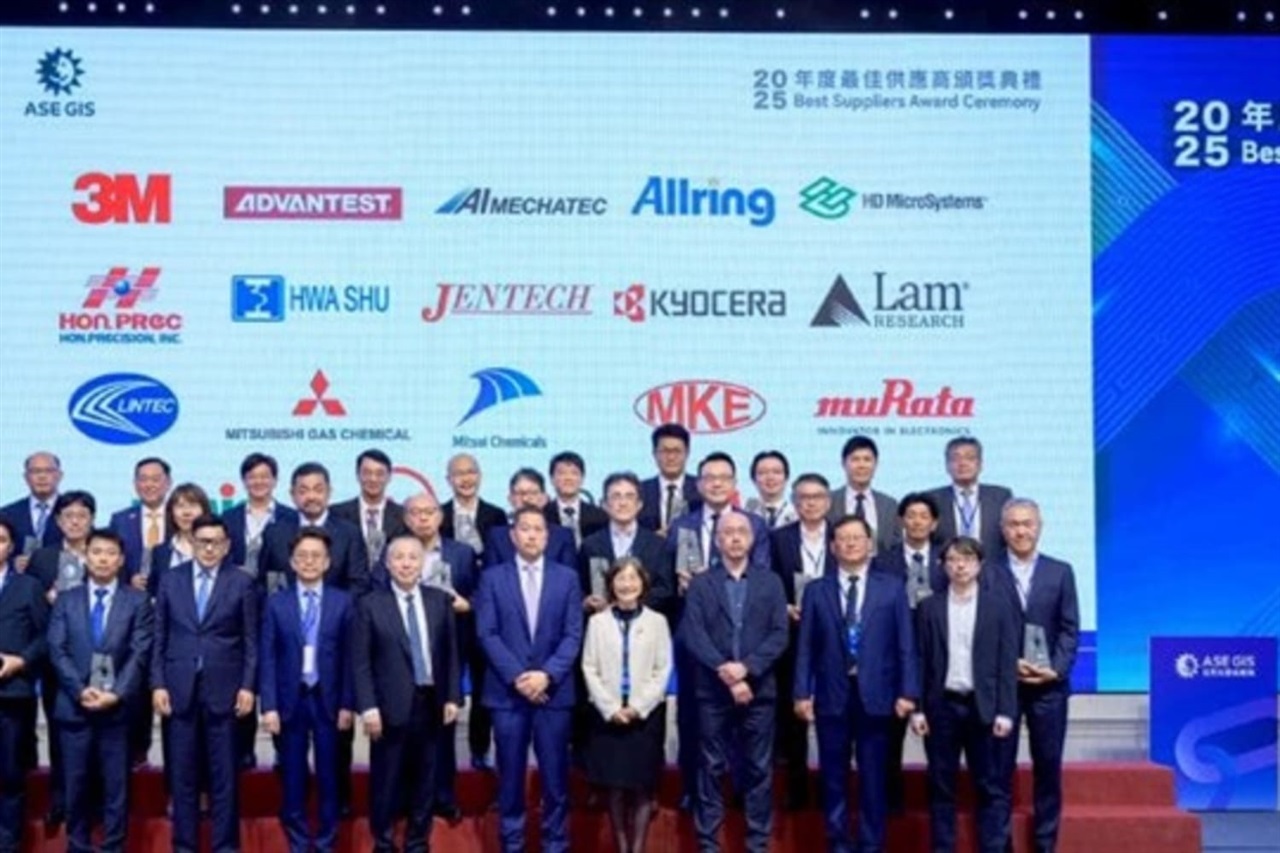
Global outsourced semiconductor assembly and test (OSAT) leader ASE Technology Holding (ASEH) held its 2025 ASE Supplier Award ceremony, inviting more than 100 suppliers of packaging and testing equipment, raw materials, components, and processing, along with its subsidiaries Advanced Semiconductor Engineering (ASE), Siliconware Precision Industries (SPIL), and Universal Scientific Industrial (USI).

Credit: ASE

TSMC refuses ASML's expensive High-NA EUV equipment, explained

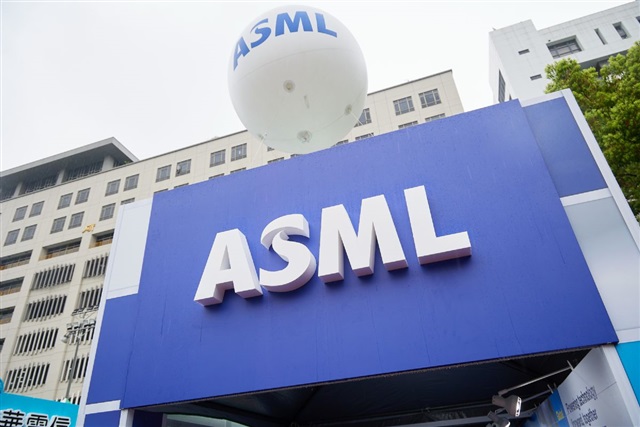
ASML has launched its 0.55 High Numerical Aperture Extreme Ultraviolet (High-NA EUV) in an effort to extend Moore's Law. The market had originally expected TSMC to adopt it first, but the company has held back. TSMC Senior Vice President of Global Business Kevin Zhang stated at the North America Technology Symposium that there are currently no plans to introduce High-NA EUV before 2029, mainly because "it's too expensive!" This decision also reflects how TSMC is shifting competition focus from equipment to process integration and cost efficiency.

Credit: DIGITIMES

MediaTek ASIC revenue may overtake smartphone chips amid Google's TPU ramps

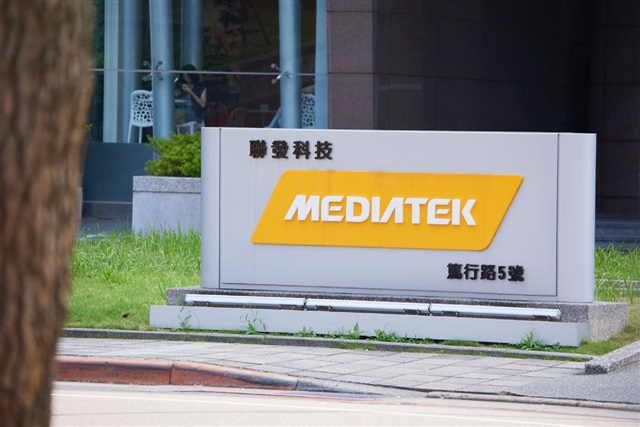
MediaTek's application-specific integrated circuit (ASIC) business is drawing market attention as volume production of Google's tensor processing units (TPUs) is expected to ramp from the second half of 2026. Views differ on how fast the segment will grow, though some estimates suggest ASIC revenue could overtake smartphone chips by 2027 to become the company's largest revenue source.

Credit: DIGITIMES

India roundup: Micron ramp, Dholera SEZ push India toward full-stack chip manufacturing

India is accelerating its semiconductor ambitions, from Micron Technology's Sanand ramp to new fabrication and advanced packaging projects, while expanding design partnerships. At the same time, regulatory pressure on Apple, weakening smartphone demand, and solar policy tensions highlight challenges alongside growing global supply-chain integration.

Credit: AFP

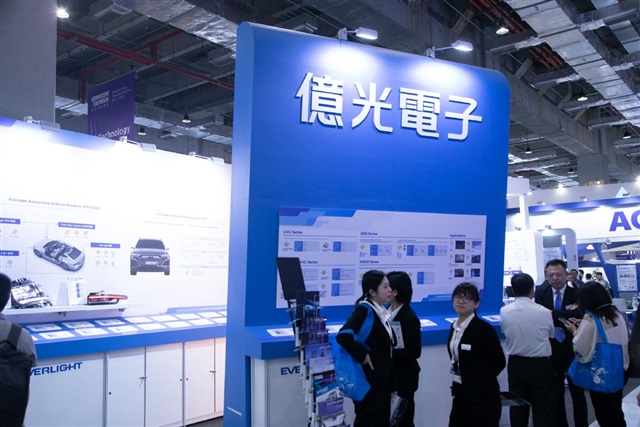
Everlight ramping up in optical communications, supported by automotive and invisible light

As global companies race to capture opportunities in AI optical communications and co-packaged optics (CPO), Taiwanese LED and optoelectronics firms are actively transforming and entering the field. Everlight Electronics, a leading LED packaging company, has also begun low-profile positioning, considering investments in related startups and leveraging its strengths in high-end optocouplers to play a key role in optical signal transmission and coupling.

Credit: DIGITIMES

Column: Where does robot training data come from?

Across both sides of the Pacific, robot startups and leading laboratories have reached a consensus over the past year that model architecture is no longer the sole focus. Data has become the core competitive resource. Regardless of how technical approaches evolve, most teams eventually encounter the same problem: the shortage of training data.

Credit: AFP

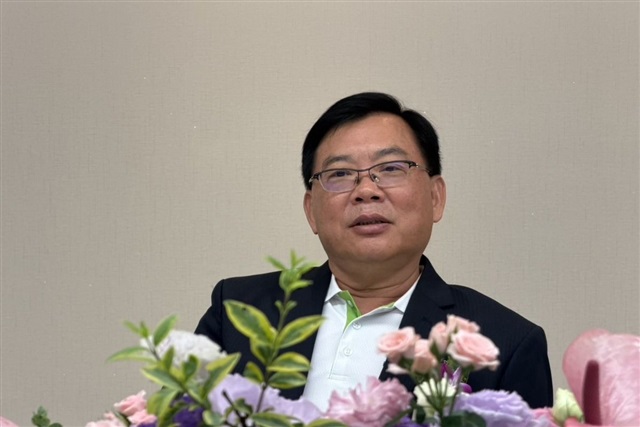
Taiwan's growing AI and industrial demand reshapes corporate power strategies

As AI infrastructure and industrial electricity use rise, Taiwan's shifting power landscape has far-reaching global implications for supply reliability, corporate competitiveness, and carbon-cost exposure. Companies worldwide with local operations or supply chains tied to Taiwanese manufacturing may face higher energy prices, tighter grid constraints, and increased demand for behind-the-meter energy storage and power-quality solutions.

iBase Energy chairman CS Lin. Credit: DIGTIMES

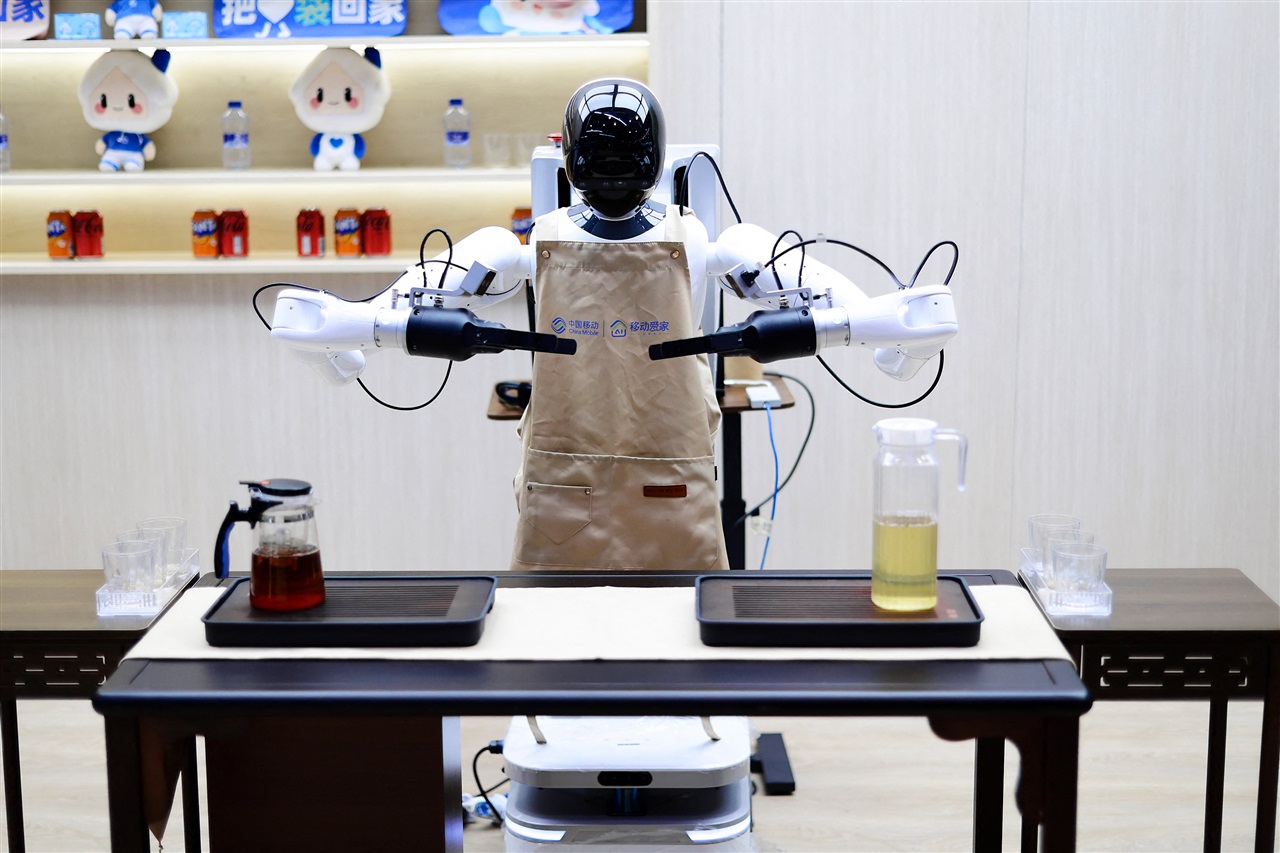
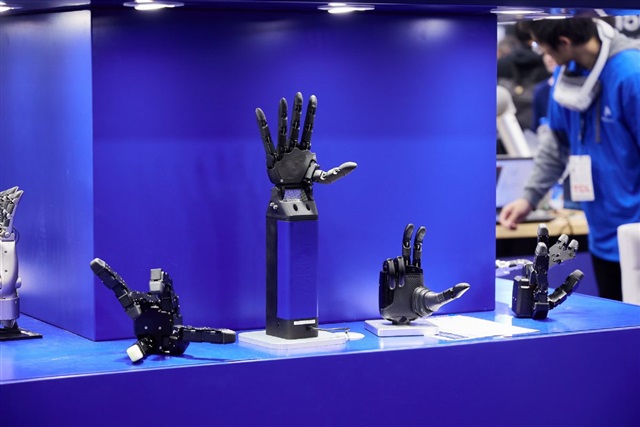
Research insights: tendon-driven dexterous hands are key development factor as humanoids enter home market

While humanoid robots application remains a topic of debate, initial deployment is expected to be in structured environmental environments. However, there is large potential in the home and/or commercial market. According to DIGITIMES Research, home environments impose significantly higher requirements on humanoid robots, with dexterous hands being a critical development factor.

Credit: DIGITIMES

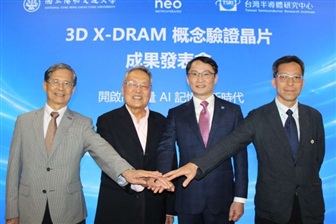
NEO Semiconductor advances 3D DRAM with POC validation

Driven by AI, demand for high-bandwidth memory (HBM) is surging, causing a supply shortage in DRAM and prompting cloud service providers to pre-book capacity for the next two years. The rising need for larger HBM capacities is expected to grow exponentially, while 3D DRAM technology emerges as a solution to overcome current process scaling limits.

Credit: NEO

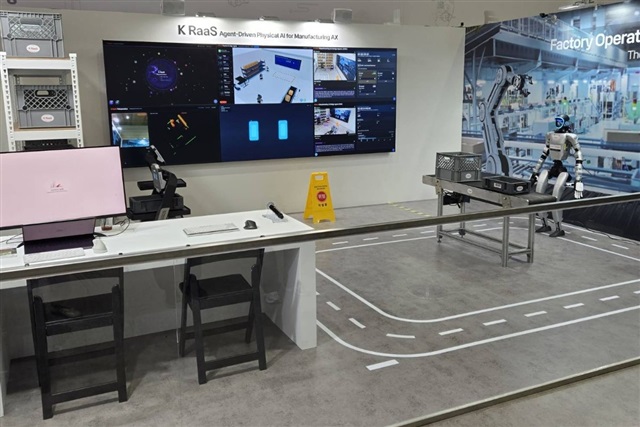
South Korea's telecom giants unveil full-stack AI strategies at WIS 2026, highlighting agents, infrastructure, and 6G

South Korea's three leading telecom operatorsβ€”SK Telecom (SKT), KT, and LG U+β€”signaled a decisive shift beyond connectivity at the World IT Show (WIS) 2026, held April 22–24 in Seoul, unveiling AI-centric strategies spanning agents, applications, and infrastructure as they position themselves as full-stack AI platform providers.

Credit: DIGITIMES
❌