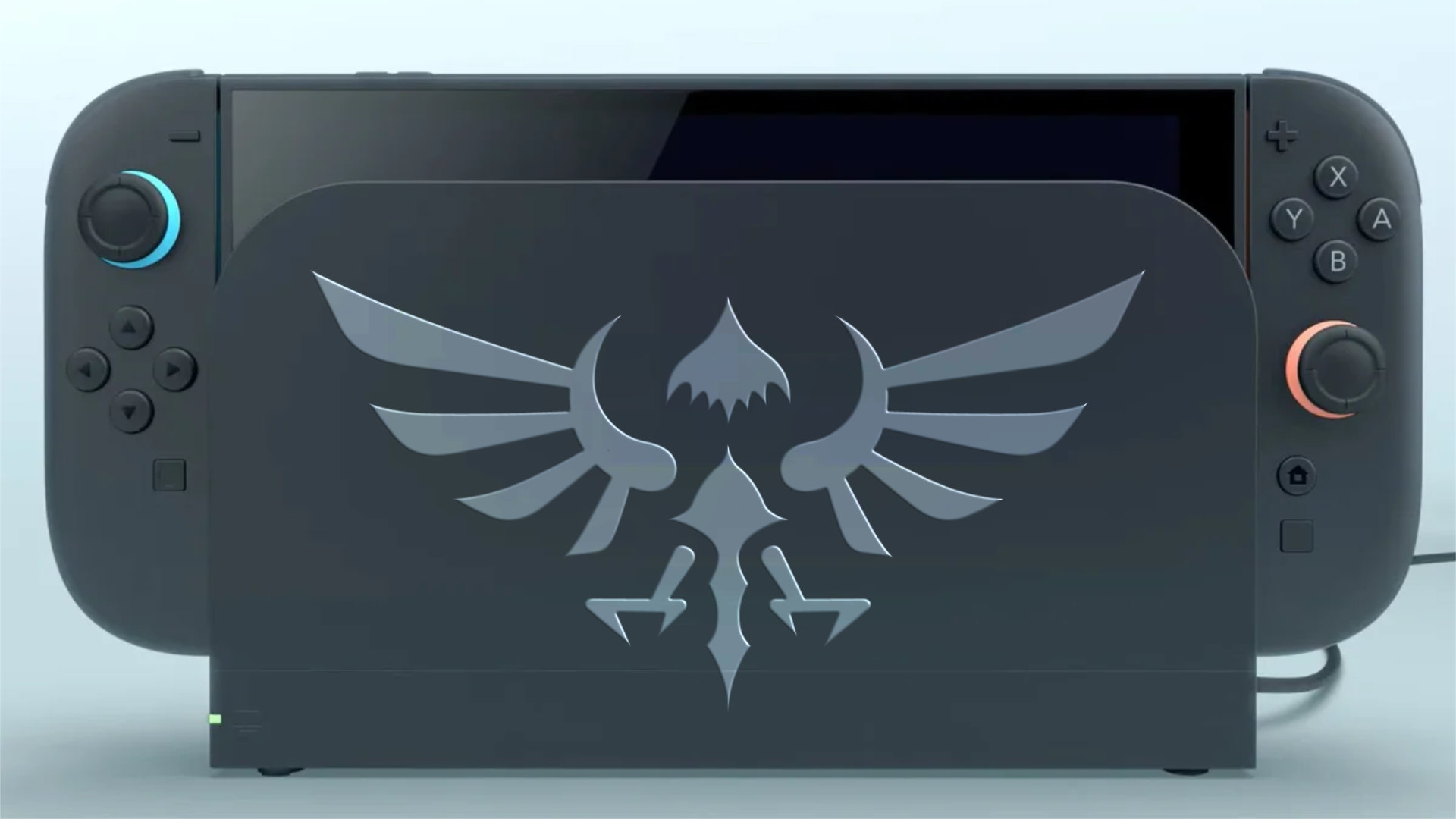
Though the practice may have subsided somewhat in recent years, Nintendo is known for releasing various themed versions of its consoles based on the company’s wide suite of popular IPs. While the Switch 2 has yet to see any such hardware, reports have claimed that the console maker is gearing up to release its first limited edition Switch 2 in alignment with the upcoming Legend of Zelda: Ocarina of Time Remake.
2026 marks the 40th anniversary of Nintendo’s The Legend of Zelda franchise. So far, the company has been somewhat quiet on the matter, with the only bits of Zelda-related news being official confirmation of the previous-rumoured Ocarina of Time Remake alongside some early looks at the upcoming live-action film.
According to insiders however, part of the anniversary celebrations will include the release of limited edition hardware, with known leaker ‘Shpeshal Nick’ taking to social media to claim that both a Zelda themed Switch 2 Pro controller and Switch 2 console are currently planned.
Details on these products remain light, but according to Nick these systems will be “Zelda themed’ and “not necessarily” tied to Ocarina of Time specifically.
For roughly a decade now, video game companies have been trying to crack the game streaming code, with various services popping up allowing players to stream their games in real-time through the likes of xCloud, Nvidia’s Geforce Now and Valve’s Steam Link. While the technology has improved with time, streaming remains far inferior to its native counterparts. Even so, Steam users could soon see major upgrades coming to its services, with the new PyroWave video codec said to be coming to the platform.
First discovered late last month in Steam’s coding (by EOZ VR's Brad Lynch), Valve has now officially announced and introduced PyroWave to its Steam Client beta. Described as a “fast/low-latency GPU encoder” based on Vulkan and designed specifically for games, this new codec focuses on offering high-bandwidth, low-latency streaming – two of the biggest drawbacks seen with current streaming set-ups.
It is worth noting that as of right now, PyroWave is primarily intended to be used for local game streaming over ethernet which is likely why the technology is being embraced by Valve / Steam Link; targeting bitrates of roughly 200 megabits a second.
As mentioned, game streaming in today’s day and age is far from perfect, with plenty of issues including macro-blocking, smearing and of course, input latency making for a subpar experience.
While it will likely never take over as the main method of play, it is encouraging to see new innovations and breakthroughs still being made in the streaming side of things.
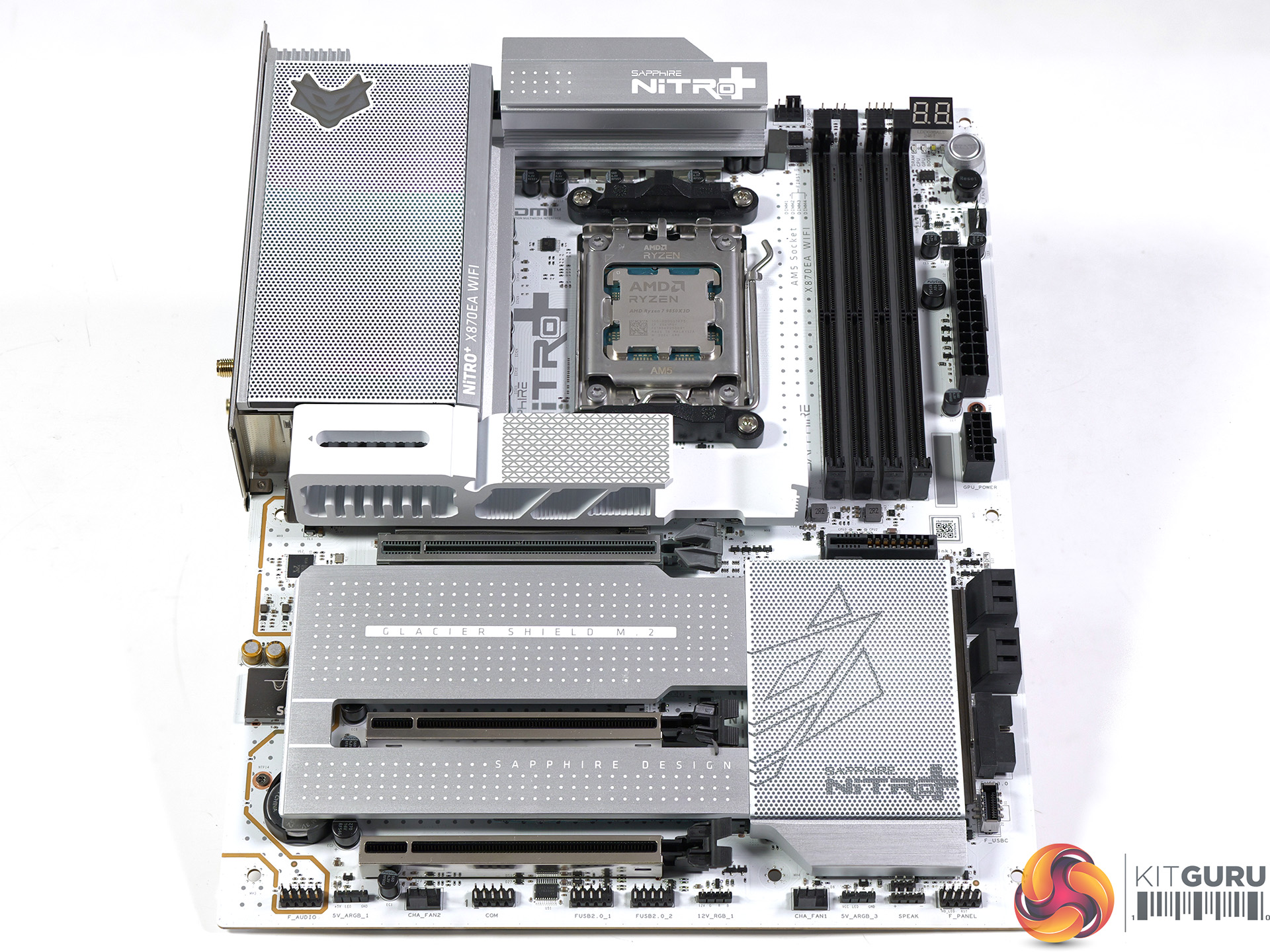
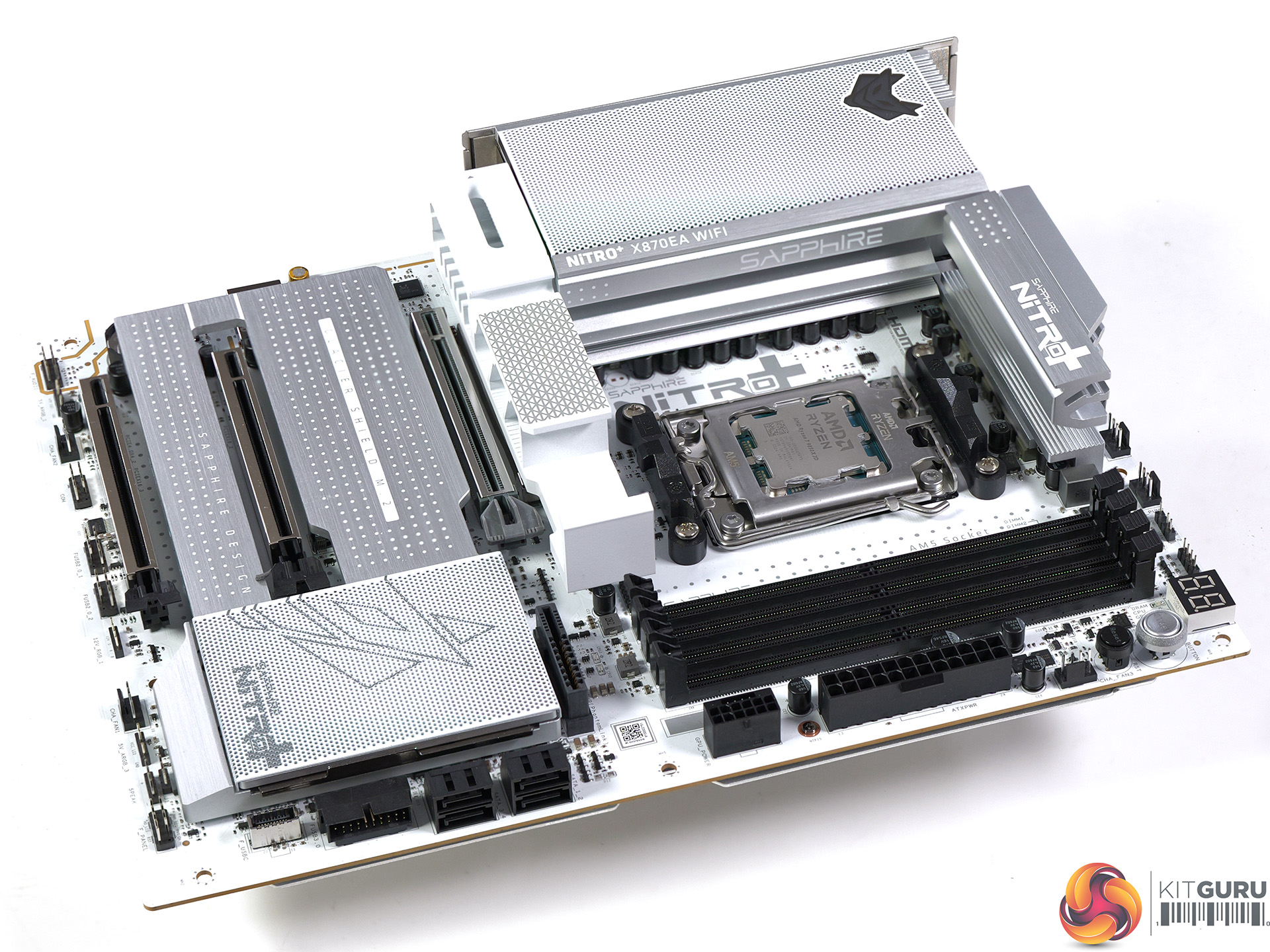
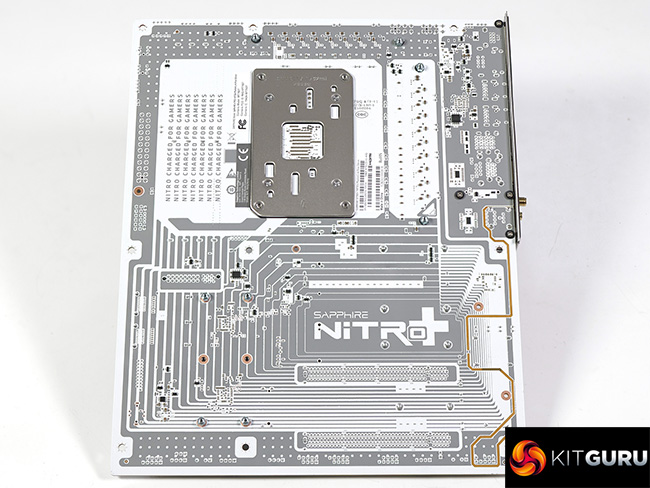
We saw the Sapphire Nitro+ X870EA PhantomLink motherboard along with its matching graphics card at Computex 2025, and it has taken almost a full year for review hardware to arrive. This is an implementation of the power system used in Asus BTF hidden connector graphics cards, except that here we have a Radeon 9070 XT rather than an RTX 5090. It might seem a bit odd but we have plenty to discuss…
Timestamps
00:00 Intro
00:44 Setting the scene – GPU power connectors
02:40 What is PhantomLink?
04:01 The motherboard package + specs
06:58 BIOS updates…
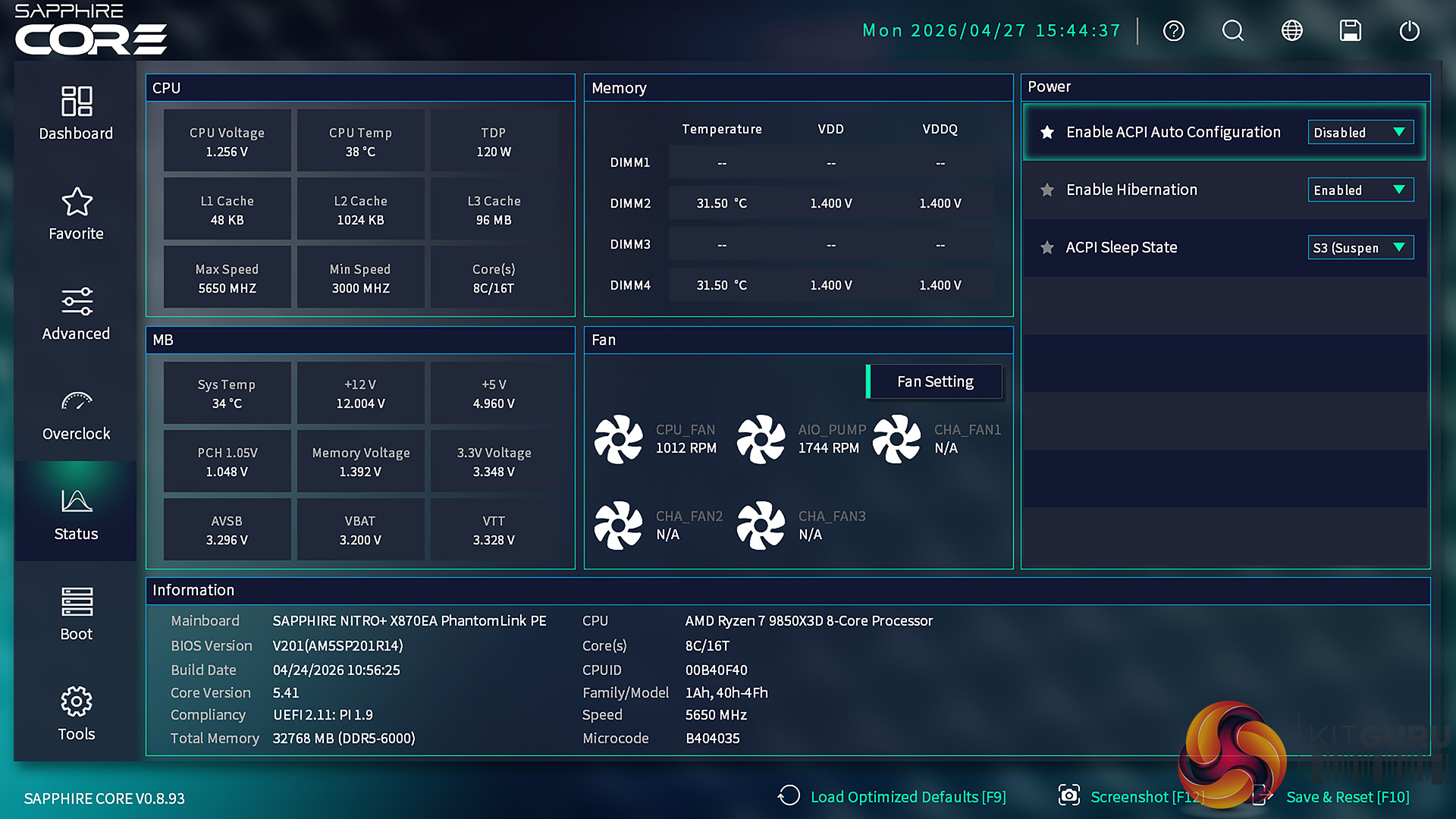
09:09 BIOS setup and options
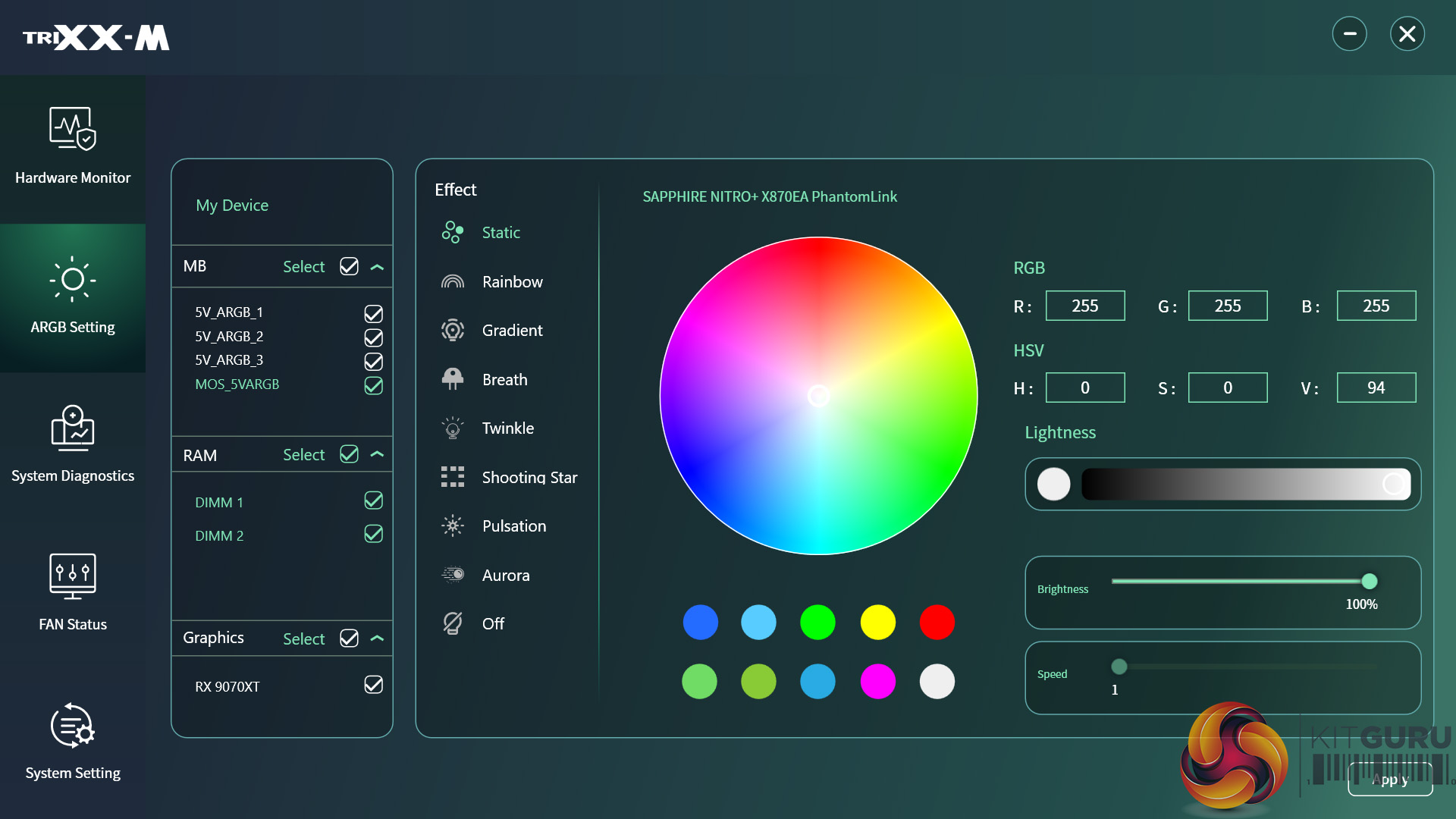
10:08 RGB control in TriXX-M
11:00 Performance testing
11:53 Leo’s closing thoughts
14:29 Pros and cons
Specification:
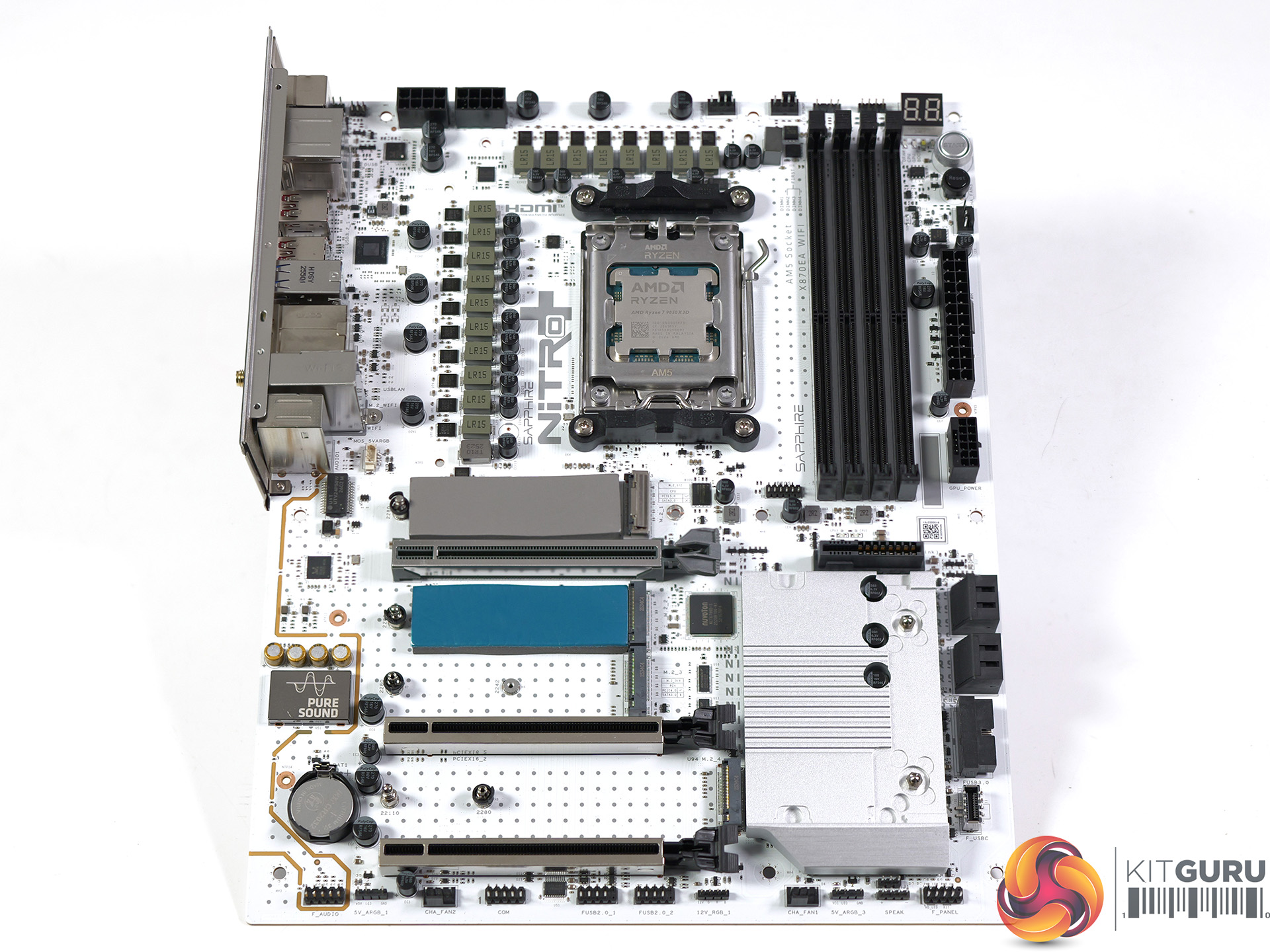
CPU support: AMD Socket AM5 for AMD Ryzen 9000 / 8000 / 7000 Series processors
Chipset: AMD X870E
VRMs: 16+2+1 phases, 90A Monolithic Power MPS2432; controller: Monolithic Power MPS2515
Memory: DDR5 up to 8400 (O.C.), 4x DIMM slots up to 256GB; dual-channel, non-ECC unbuffered DIMMs
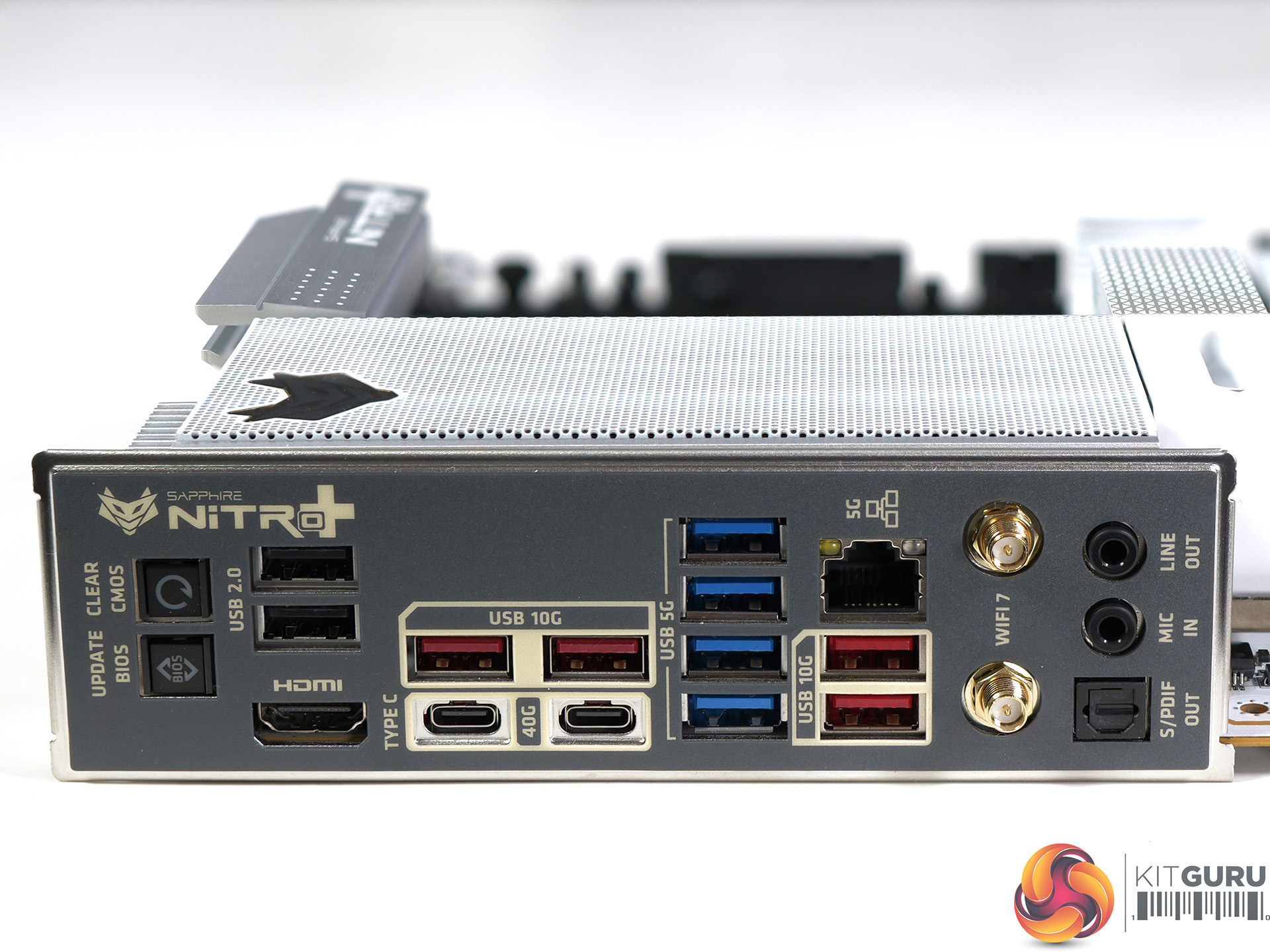
USB (rear): 2x USB4 Type-C (40Gbps), 4x USB 3.2 Gen2 Type-A (10Gbps), 4x USB 3.2 Gen1 Type-A (5Gbps), 2x USB 2.0 Type-A
USB (front): 1x USB 3.2 Gen2x2 Type-C (20Gbps, up to 30W PD), 2x USB 3.2 Gen1 Type-A (5Gbps), 4x USB 2.0 Type-A
Audio: Realtek ALC897 codec
Ethernet: Realtek RTL8126 5GbE
Wireless: Wi-Fi 7 and Bluetooth 5.4
Fan headers: 5x PWM fan headers
RGB headers: 3x ARGB headers, 2x RGB headers
BIOS: 64MB flash BIOS
PCB: 8-layer design
Form factor: ATX, 305 x 244 mm
Testing and Performance
Test system:
Processor: AMD Ryzen 7 9800X3D Memory: 32GB G.Skill Trident Z5 Royal Neo DDR5-6000 CPU Cooler: Phanteks Glacier One 360MPH Graphics card: MSI GeForce 4090 Ventus 3X 24GB Power supply: Antec Signature 2200 SSD: 1TB Samsung 9100 Pro M.2 NVMe OS: Windows 11
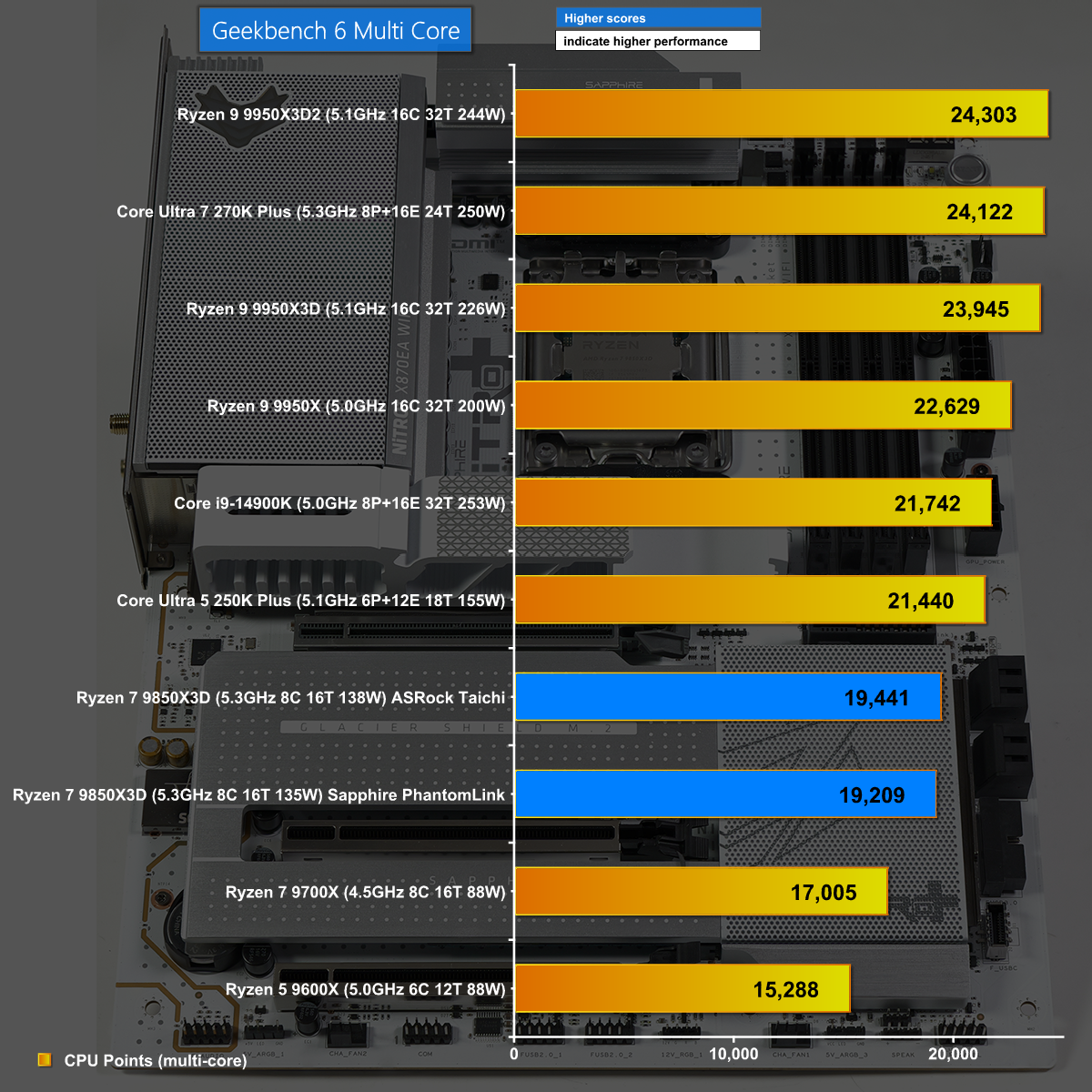
Geekbench 6 Multi Core
In Geekbench 6 Multi Core the Sapphire Nitro+ X870EA PhantomLink does a decent job and closely tracks the ASRock X870E Taichi.
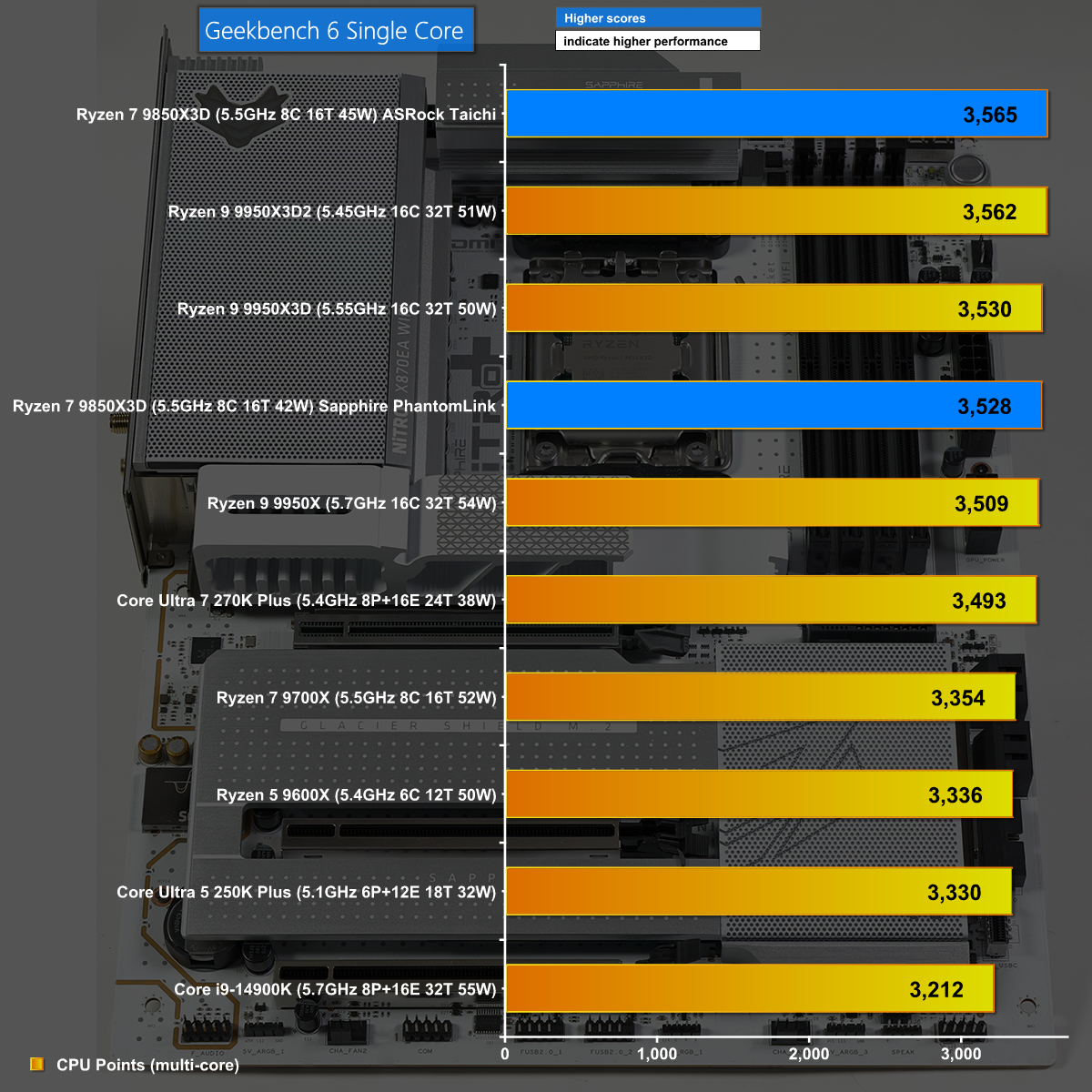
Geekbench 6 Single Core
It is a similar story in Geekbench 6 Single Core where the Sapphire again does well and again lags behind by one percent.
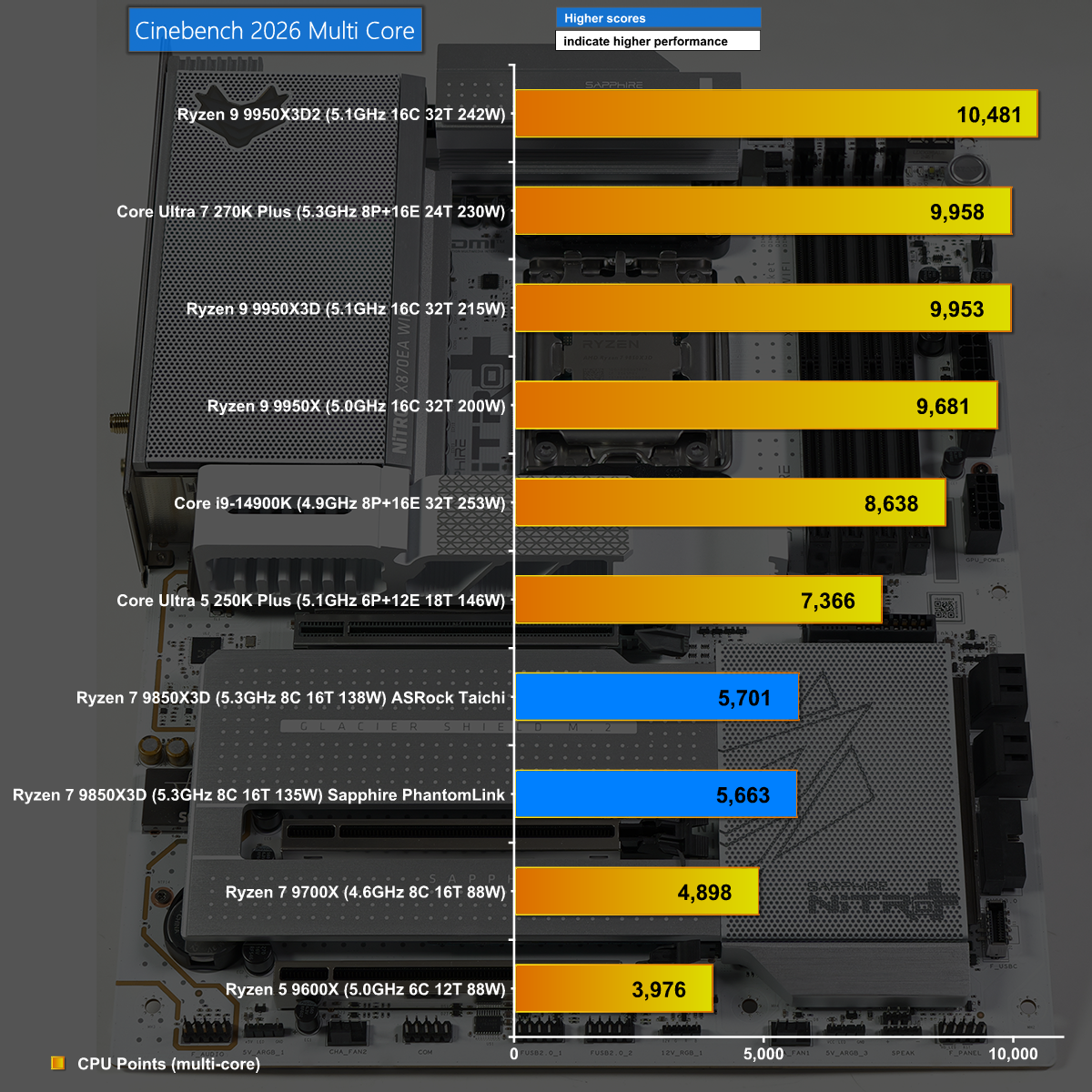
Cinebench 2026 Multi Core
The results are very close in Cinebench 2026 Multi Core, confirming that Sapphire has done a good job with this motherboard.
Closing Thoughts
This is a review of the Sapphire Nitro+ X870EA PhantomLink Polar Edition motherboard, however it is impossible to separate the motherboard from its matching PhantomLink graphics card. One without the other makes no sense, and when you put the two together you have a very satisfying package.
Sapphire has used a combination of technologies to offer the cleanest power connection for an RX 9070 XT graphics card that we can possibly imagine. Asus used the same hidden power approach with its BTF 2.5 ROG Astral RTX 5090 BTF and ROG Crosshair X870E Hero BTF and they cost plenty. By contrast these Sapphire products are very much the budget option, however the extra technology still adds a premium to the price.
In the wake of the overwhelming success of the first Super Mario Bros. Movie, Nintendo were quick to announce that they are also working on a Legend of Zelda film. It appears as though the project is progressing smoothly, with filming said to have now officially been wrapped-up ahead of its expected May 2027 premiere date.
Making the announcement at CinemaCon 2026 (and reported by the Japanese publication ‘denfaminicogamer’) production on the live-action Legend of Zelda movie has officially hit a new milestone, with the team having now concluded their filming stage of the project.
With the film’s shooting now officially concluded, the project will be moving to its post-production stage. This of course involves a ton of work still, including editing; sound design; visual effects; colour grading and much more.
Still, this latest milestone is worthy of note, and suggests that The Legend of Zelda film will likely make its current scheduled release date of the 7th of May 2027.
While it is unlikely that the Zelda movie will be as lucrative financially, here’s to hoping that its critical reception manages to supersede that of Mario Bros.
KitGuru says: Are you looking forward to the Legend of Zelda film? How much money do you think it’ll make? Does it have the potential to be a critical hit? Let us know your thoughts down below.
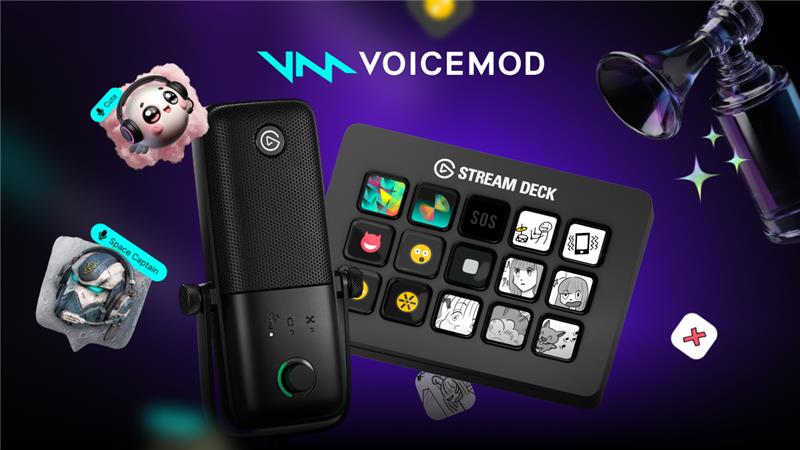
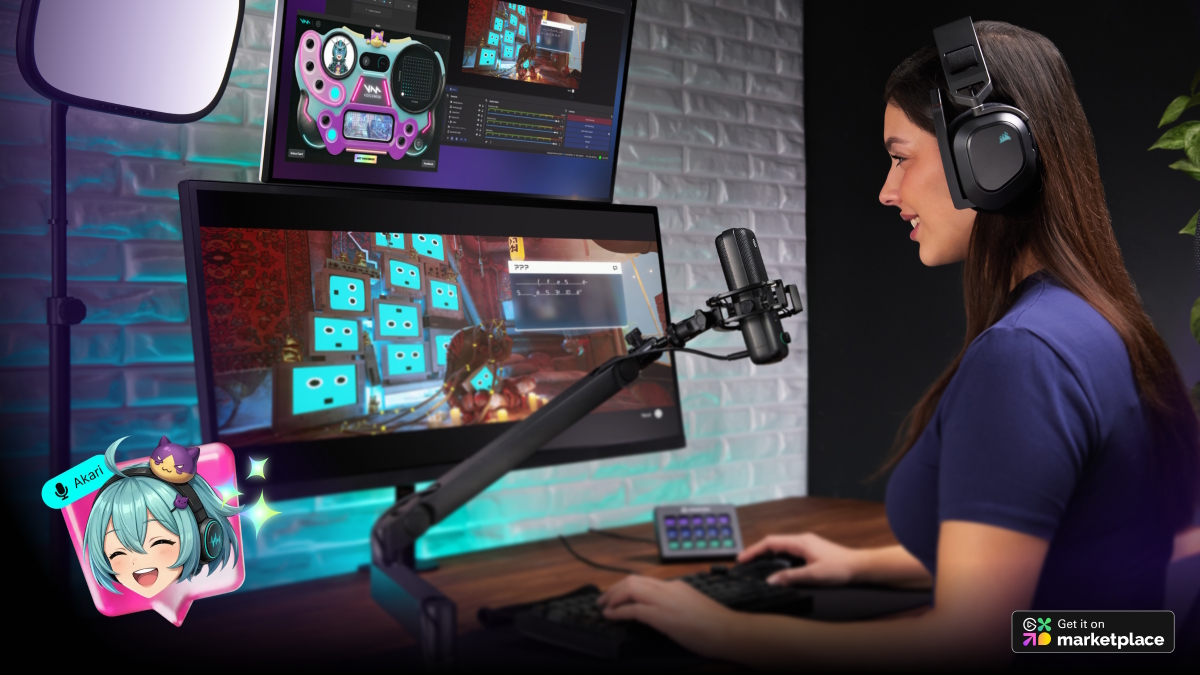
Elgato announced the next stage of its collaboration with Voicemod, moving away from reliance on external apps toward a more seamless, hardware-integrated ecosystem. With this update, gamers and creators can access Voicemod's signature voice-changing technology and soundboards directly within Wave Link and Stream Deck. By utilising the Elgato Marketplace as a centralised hub, the partnership aims to reduce the “software bloat” and simplify the setup process.
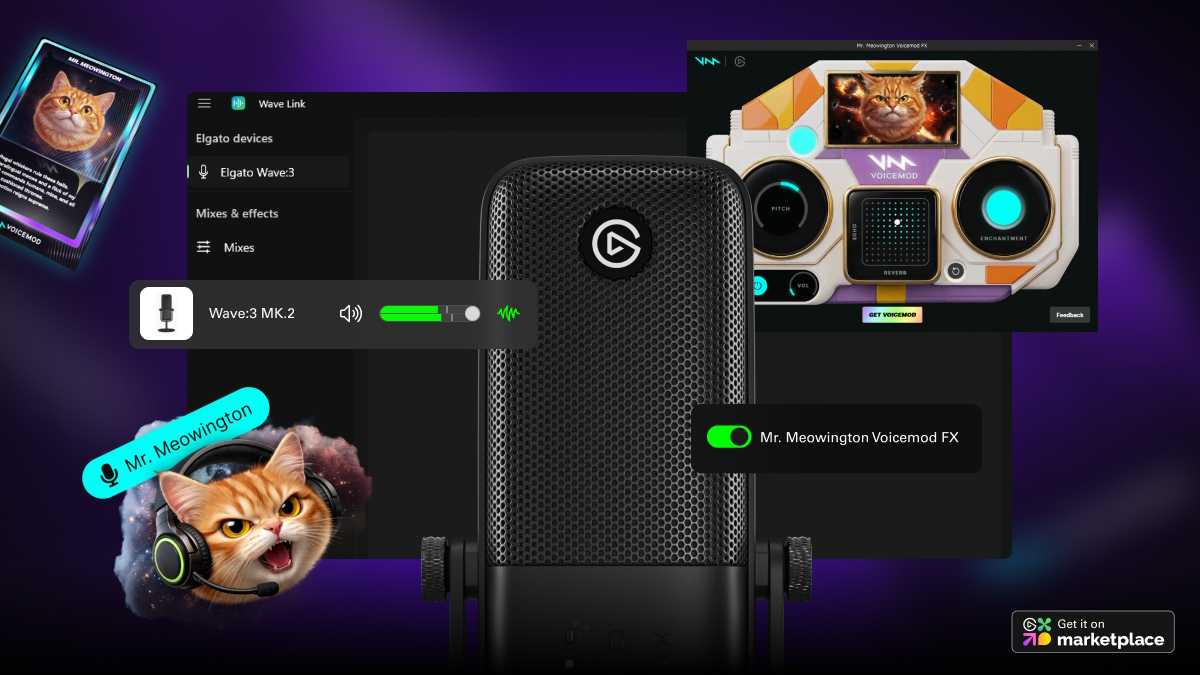
From now on, Voicemod voice changers are available as native VST effects within Wave Link. Previously, users had to run the standalone Voicemod application in the background and route their microphone through a virtual channel to Wave Link before sending it to Discord or OBS. Now, these effects are installed directly in Wave Link. This native execution reduces system latency and improves reliability by eliminating intermediate virtual devices.
Furthermore, users with the latest Wave hardware (such as the Wave:3 or Wave XLR) can now take advantage of the Wave FX Processor. This allows voice changers to be applied directly at the hardware/driver level, enabling low-latency monitoring. Creators can hear their transformed voices in real time with zero delay.
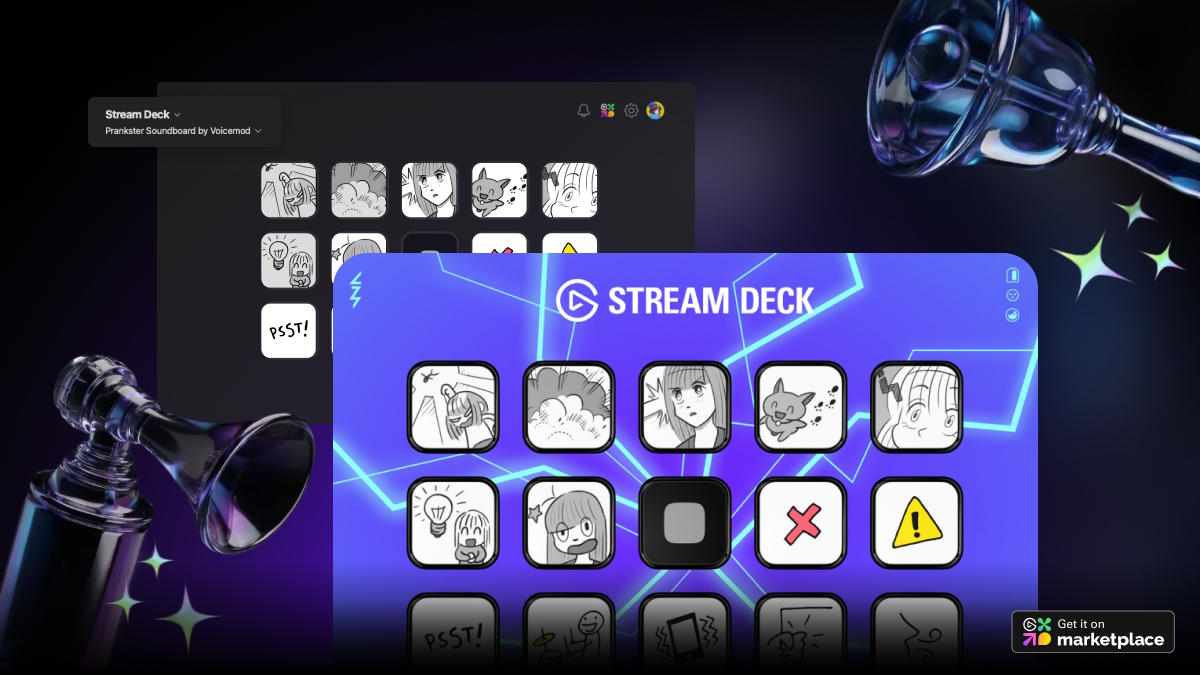
For Stream Deck users, the update introduces pre-configured Voicemod soundboard profiles on the Elgato Marketplace. These profiles are ready for 15-key layouts, allowing users to install entire themed collections without manual mapping. To capture a wider audience, Elgato has also confirmed that Wave Link is now free to use with any microphone or interface, not just Elgato-branded hardware. This allows any creator to use Wave Link as a digital sub-mixer, routing these new Voicemod soundboards to specific outputs.
KitGuru says: Do you have any Elgato hardware? Will you be trying the new Voicemod VST effects and soundboard profiles from the marketplace?

 Login
Login