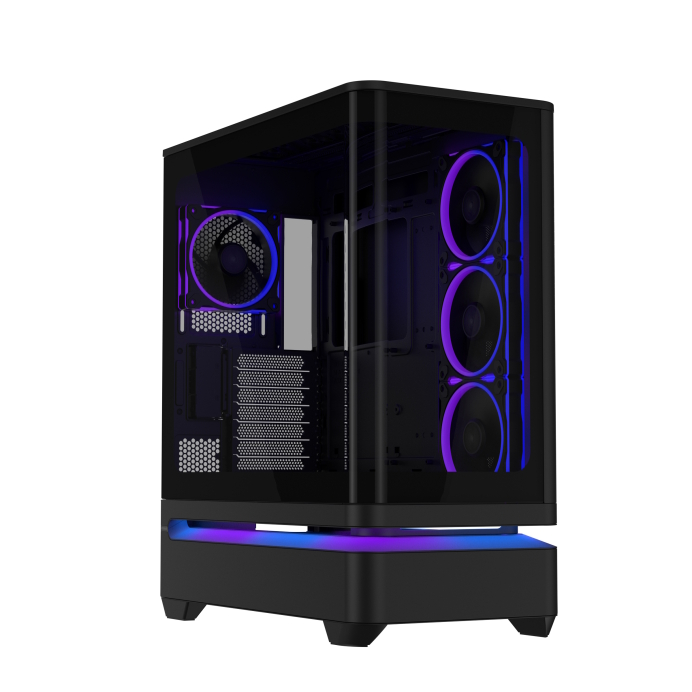
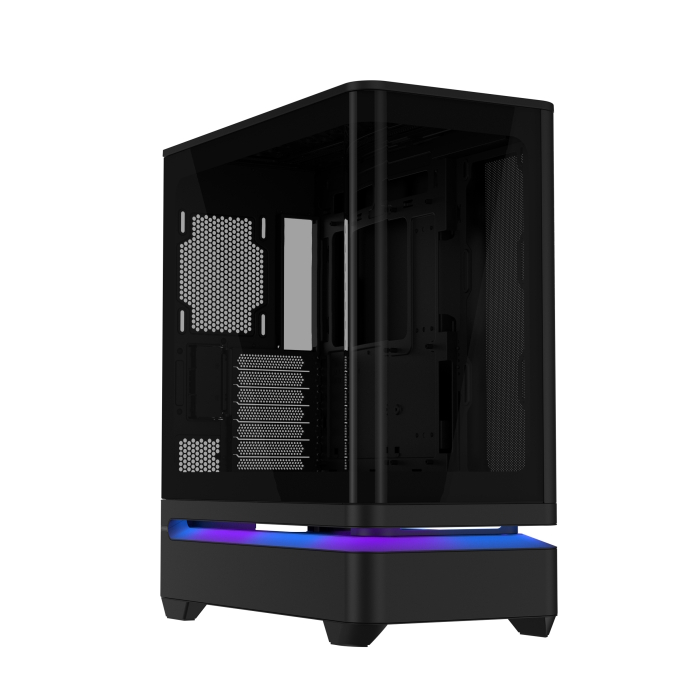
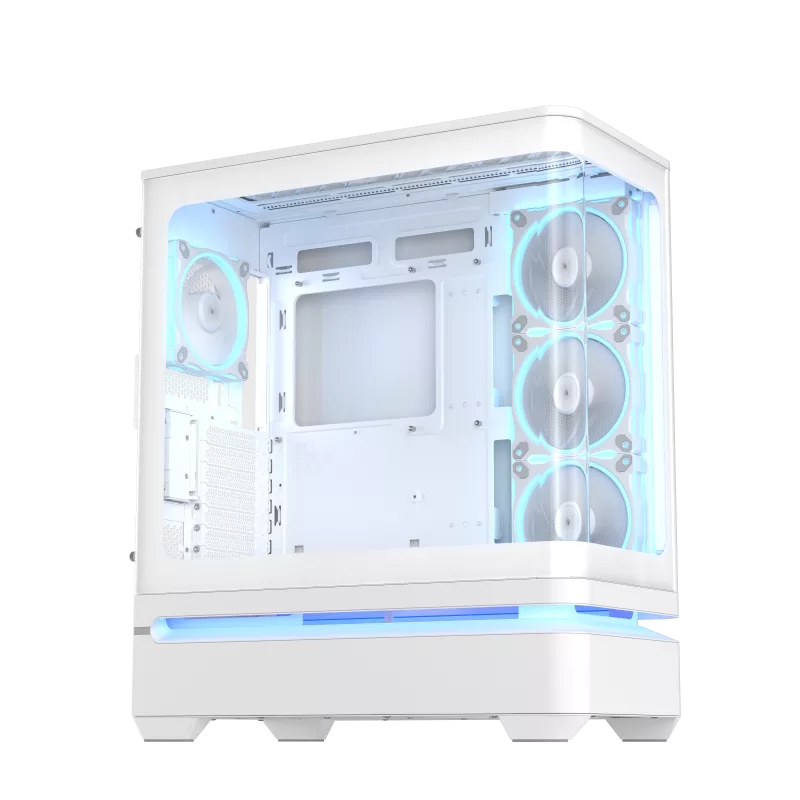
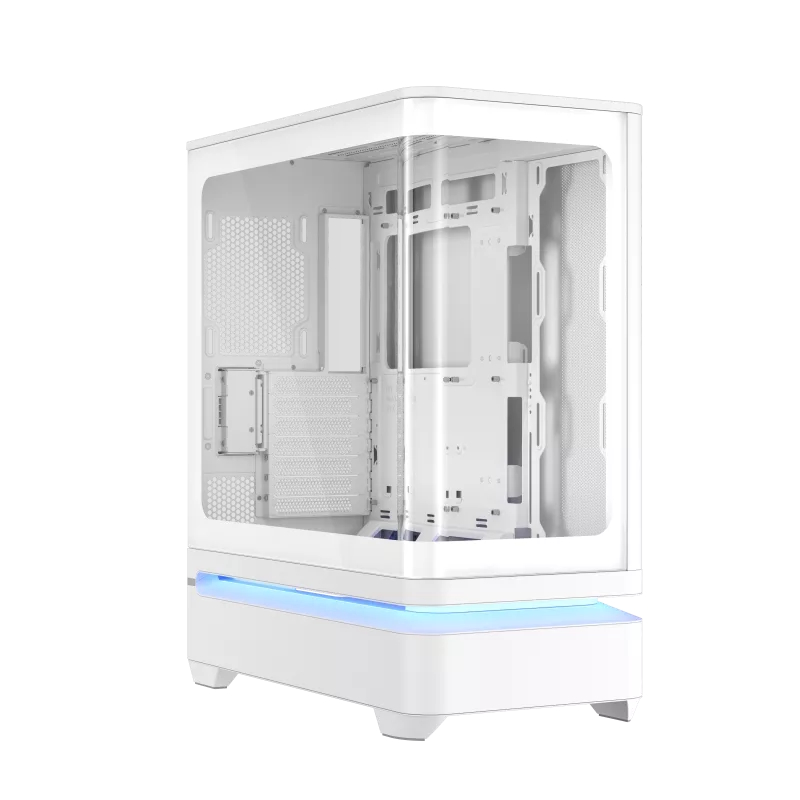
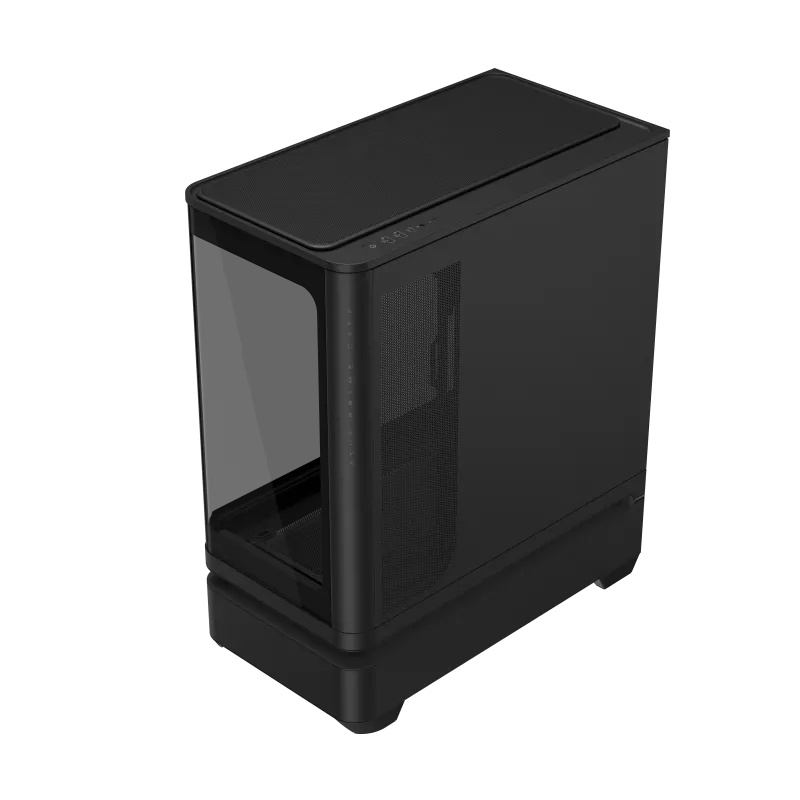
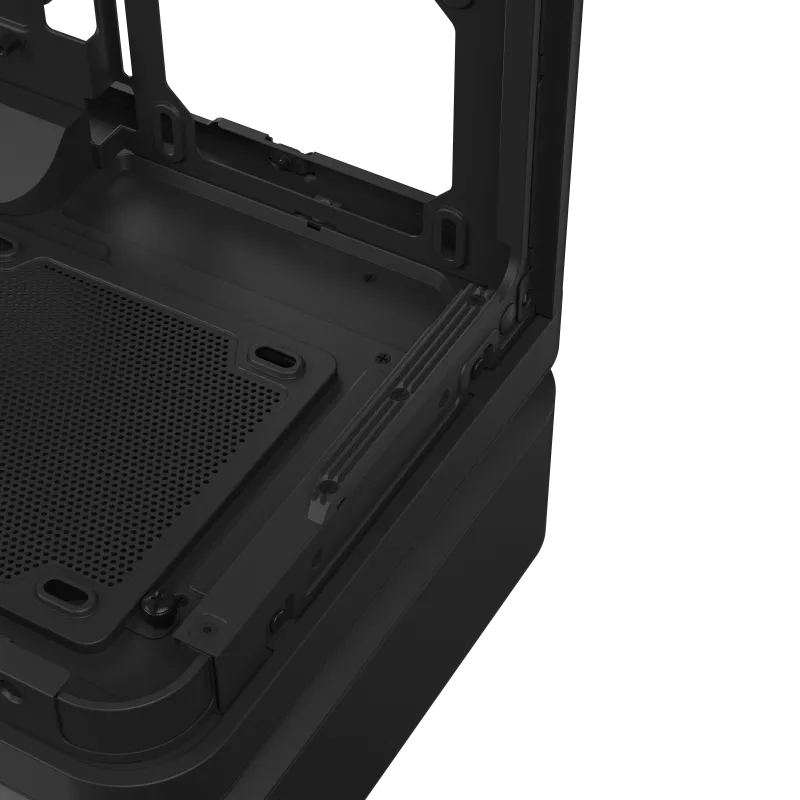
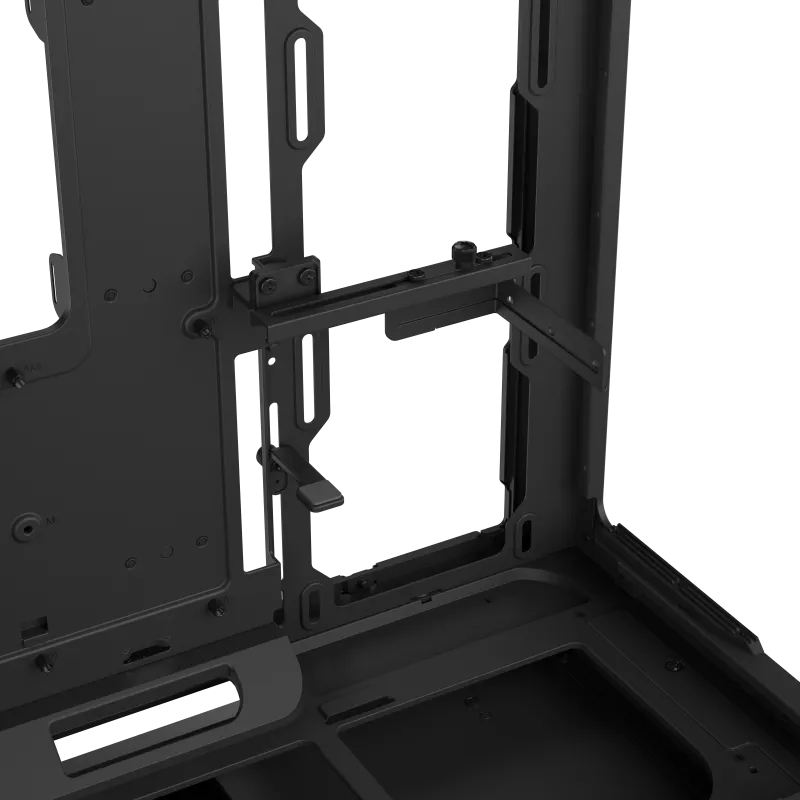
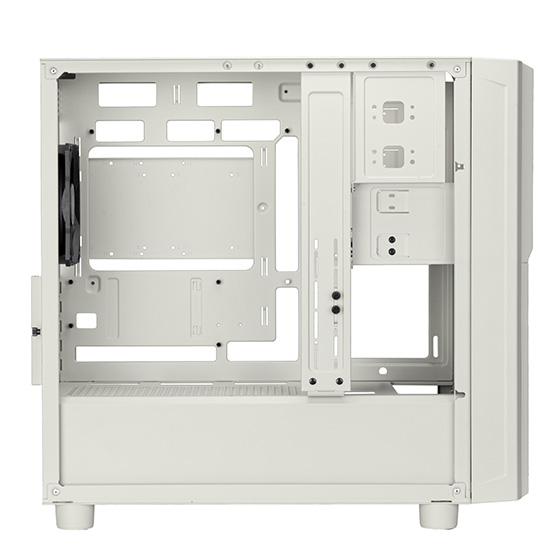
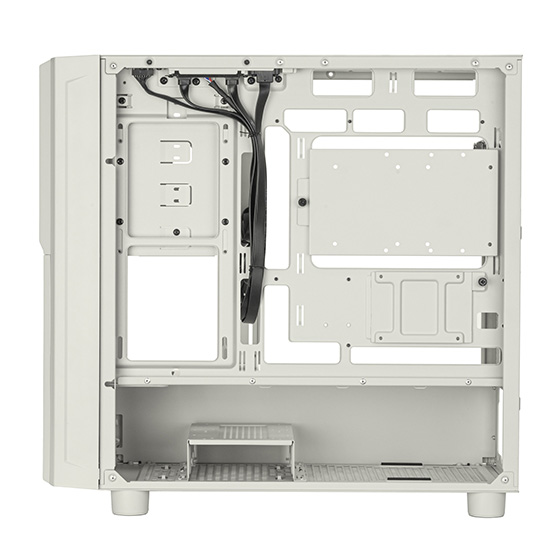
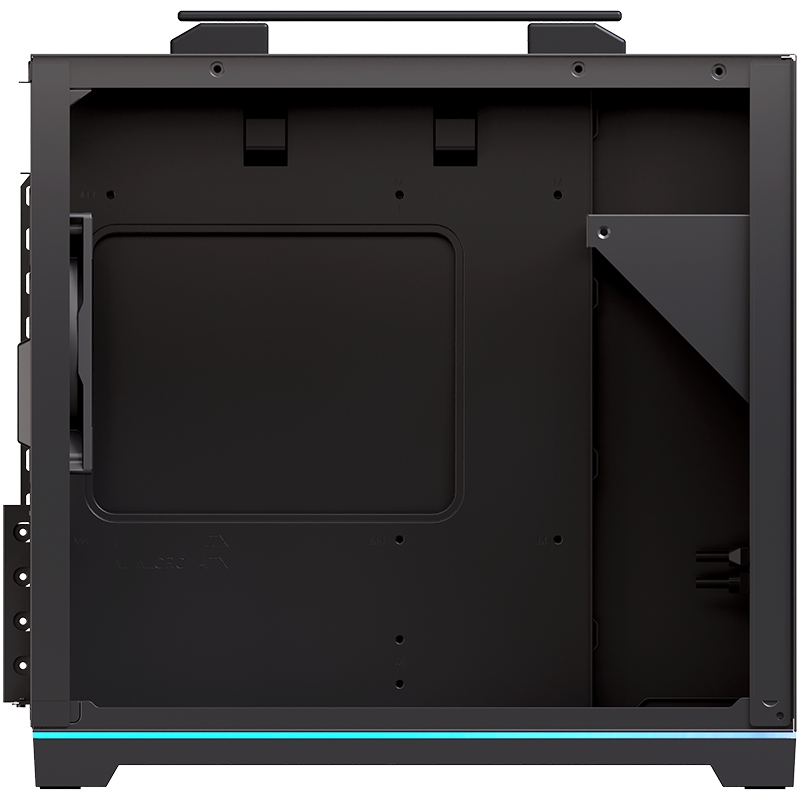
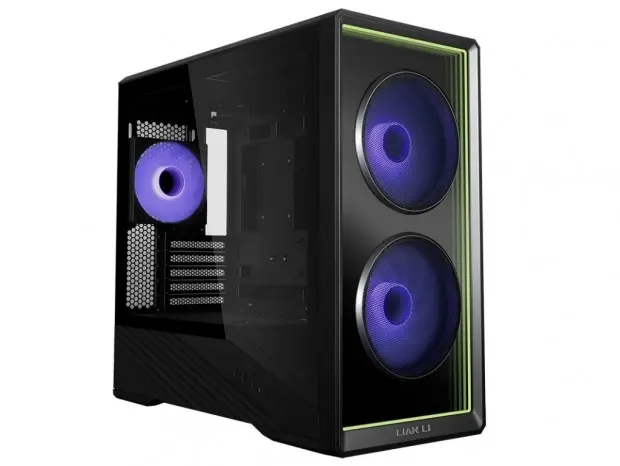
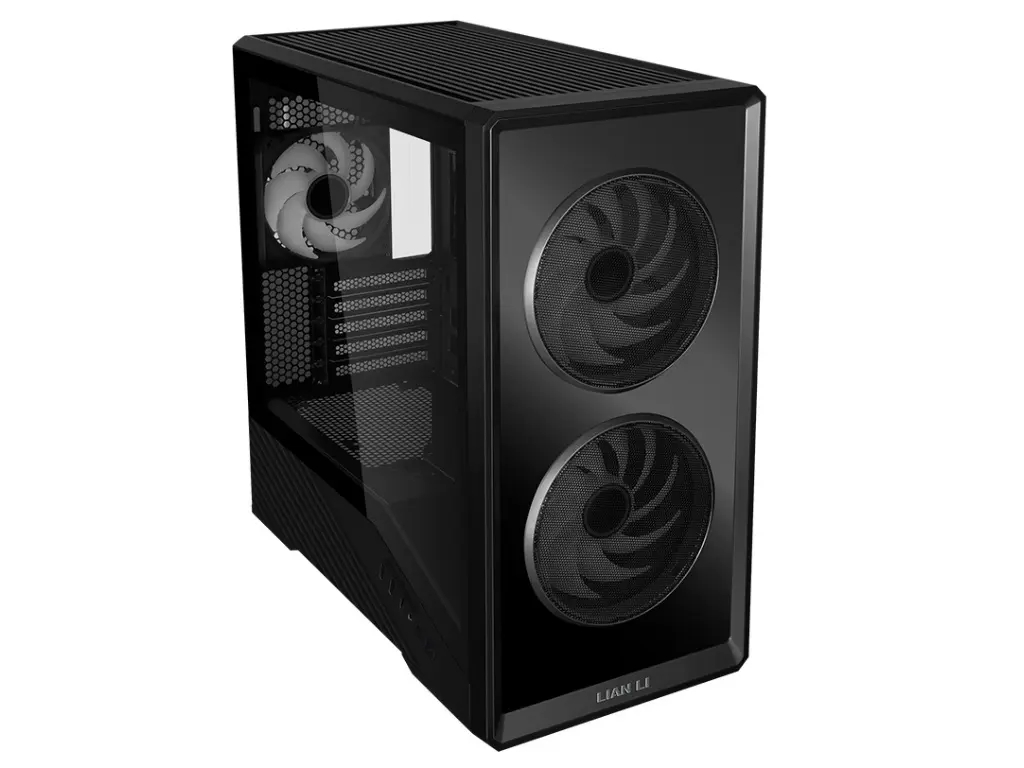
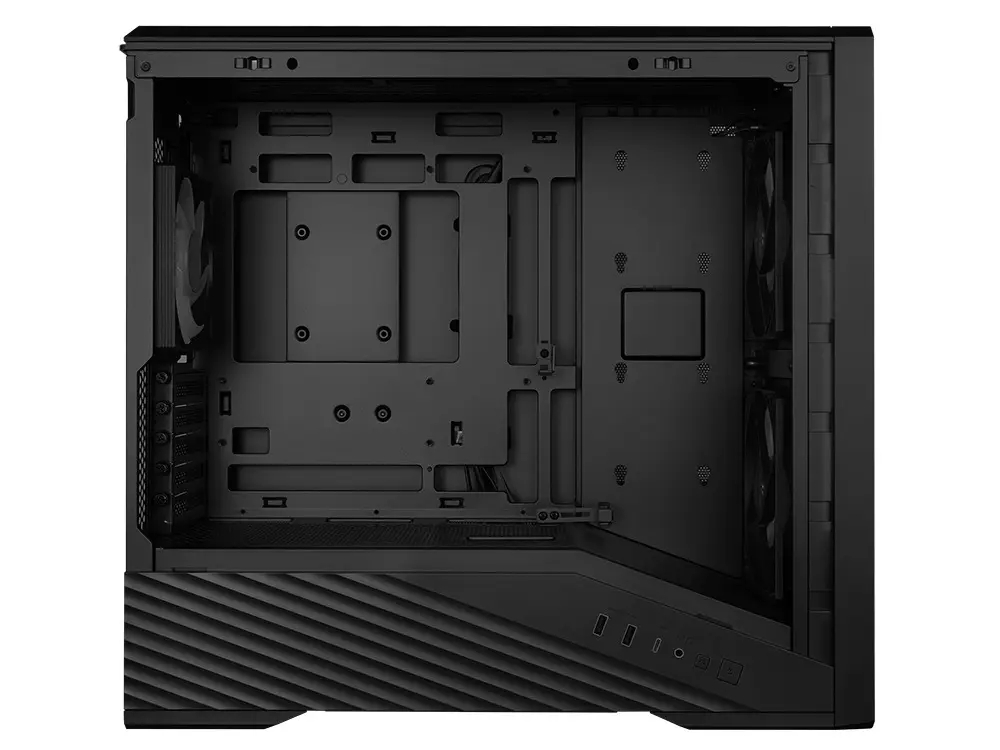
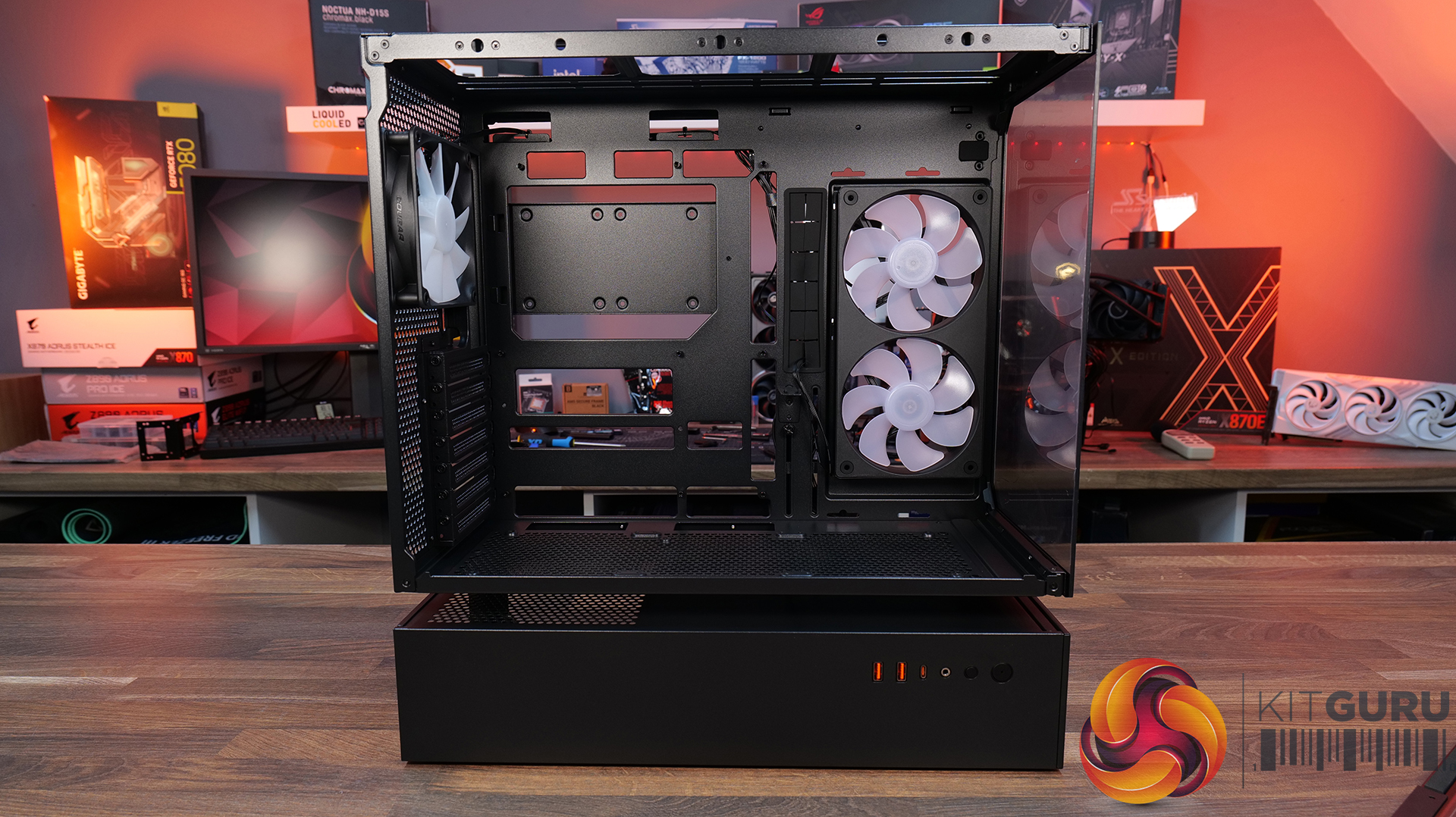
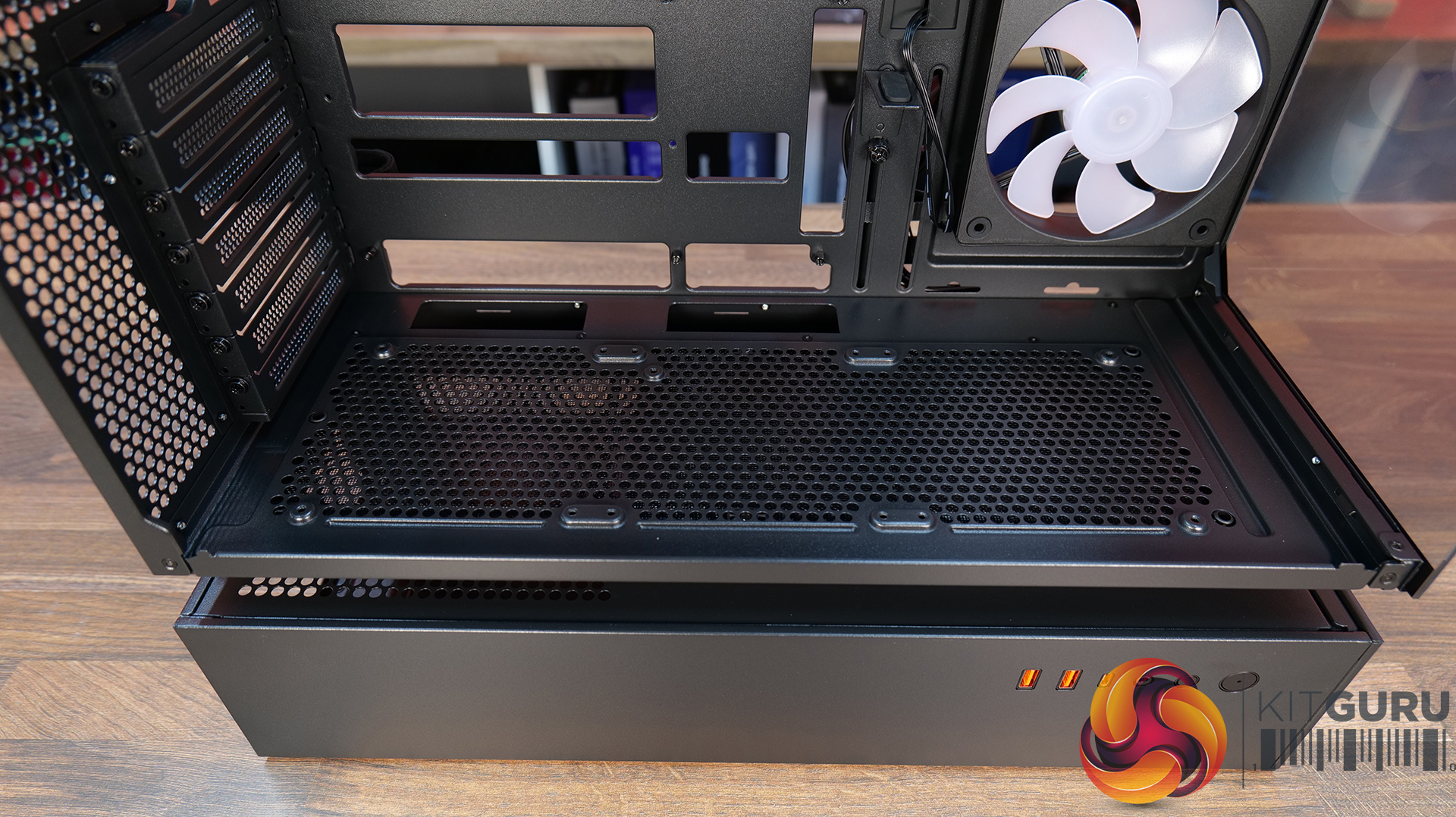
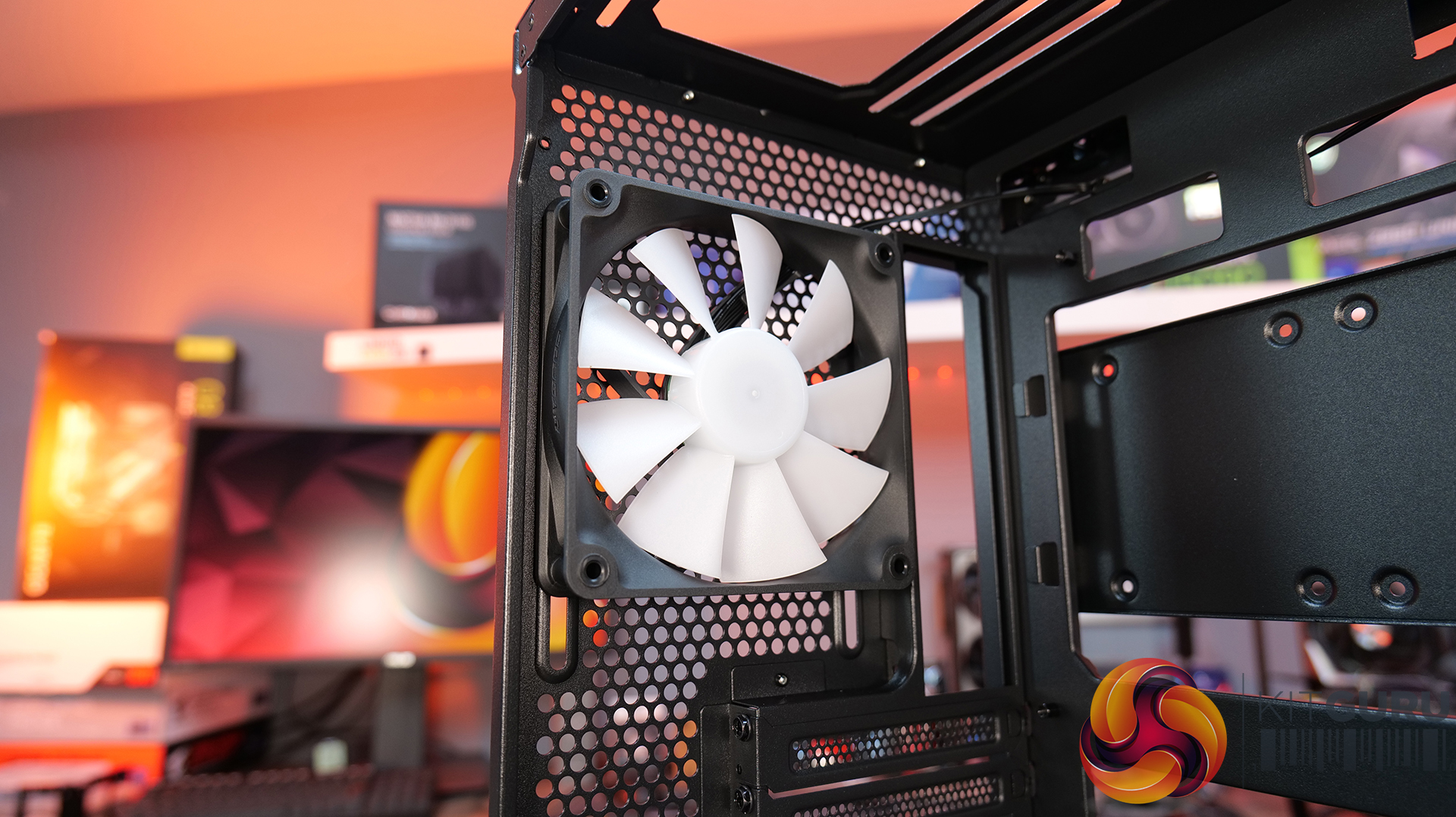
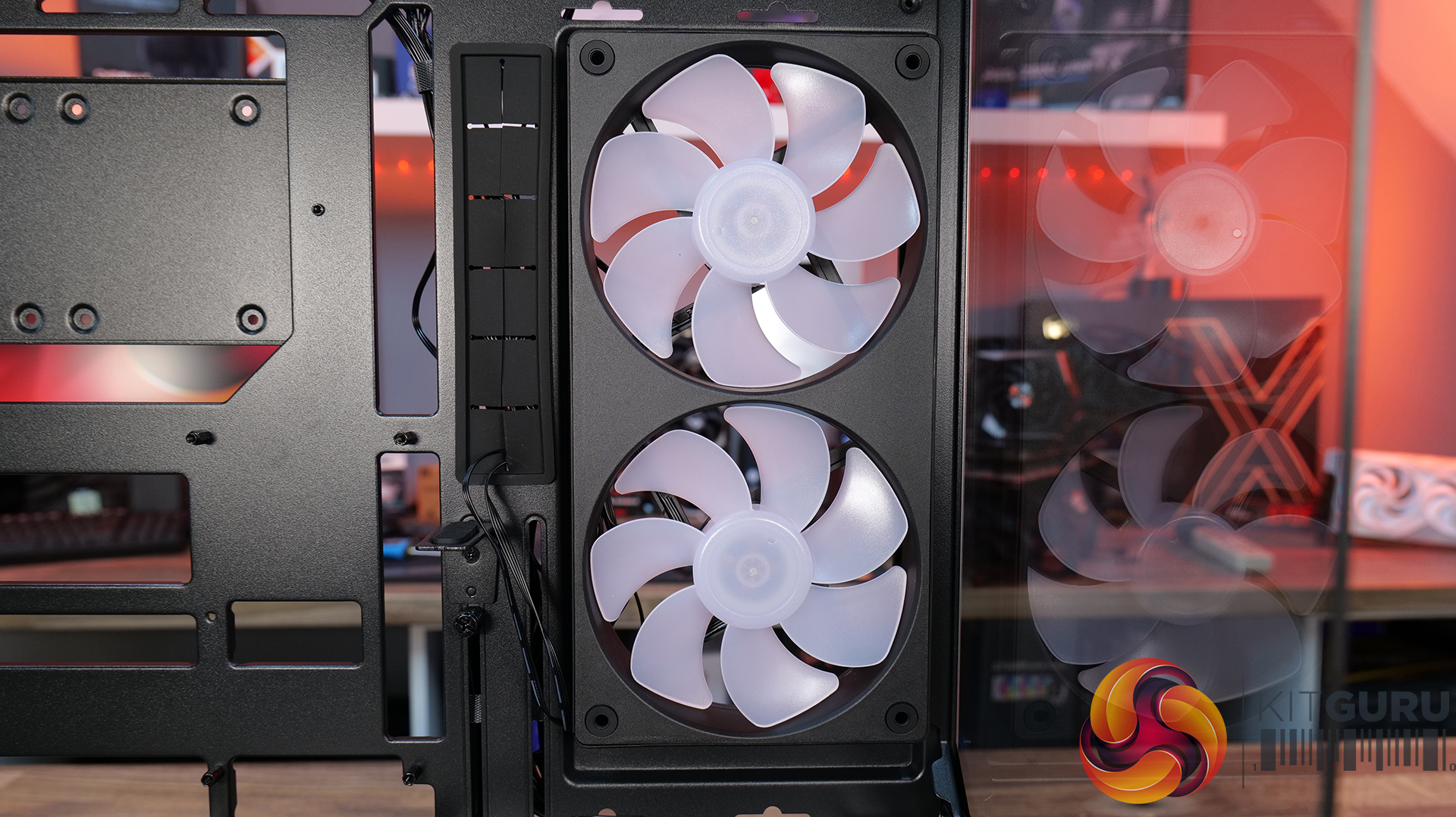
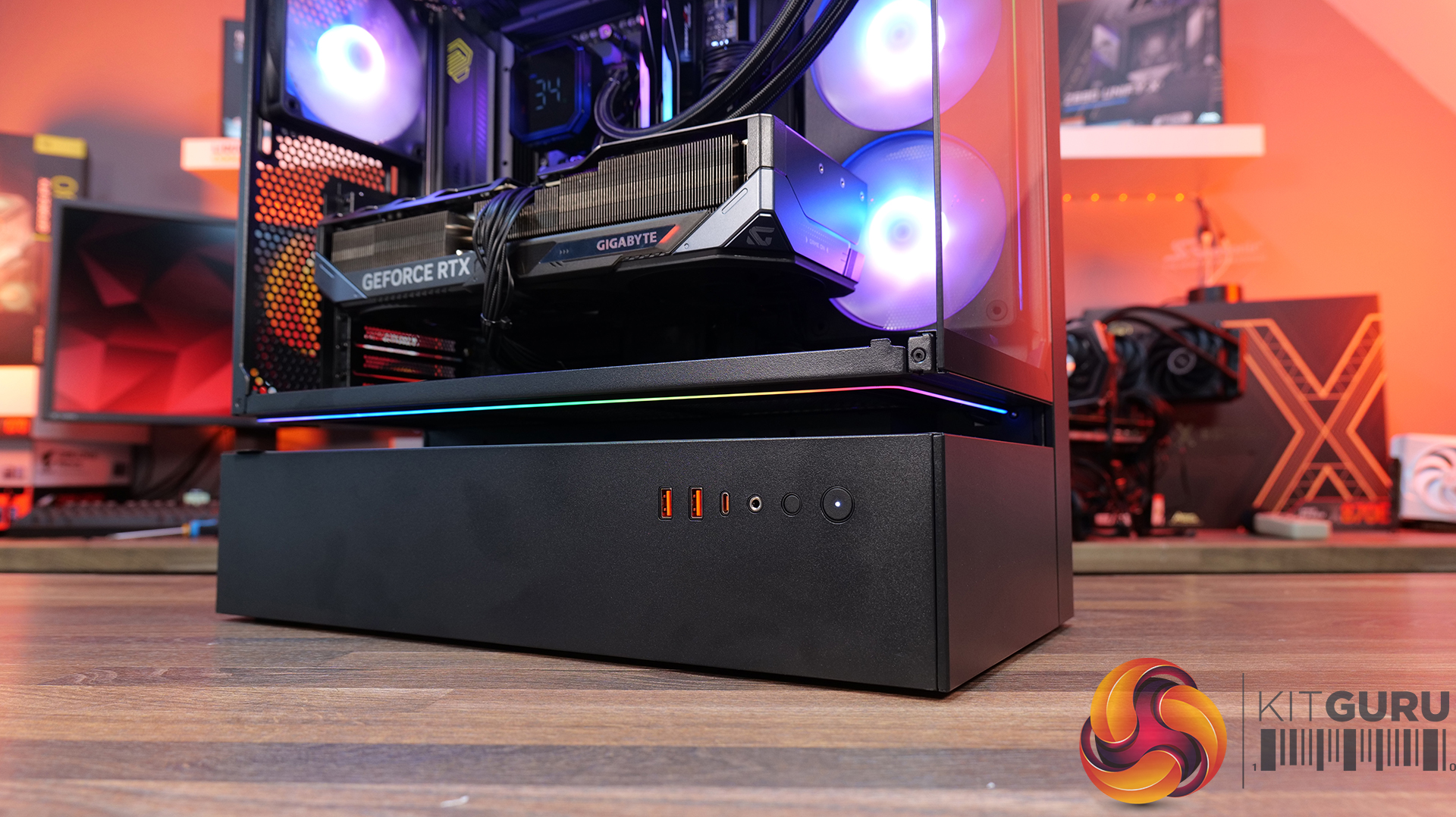
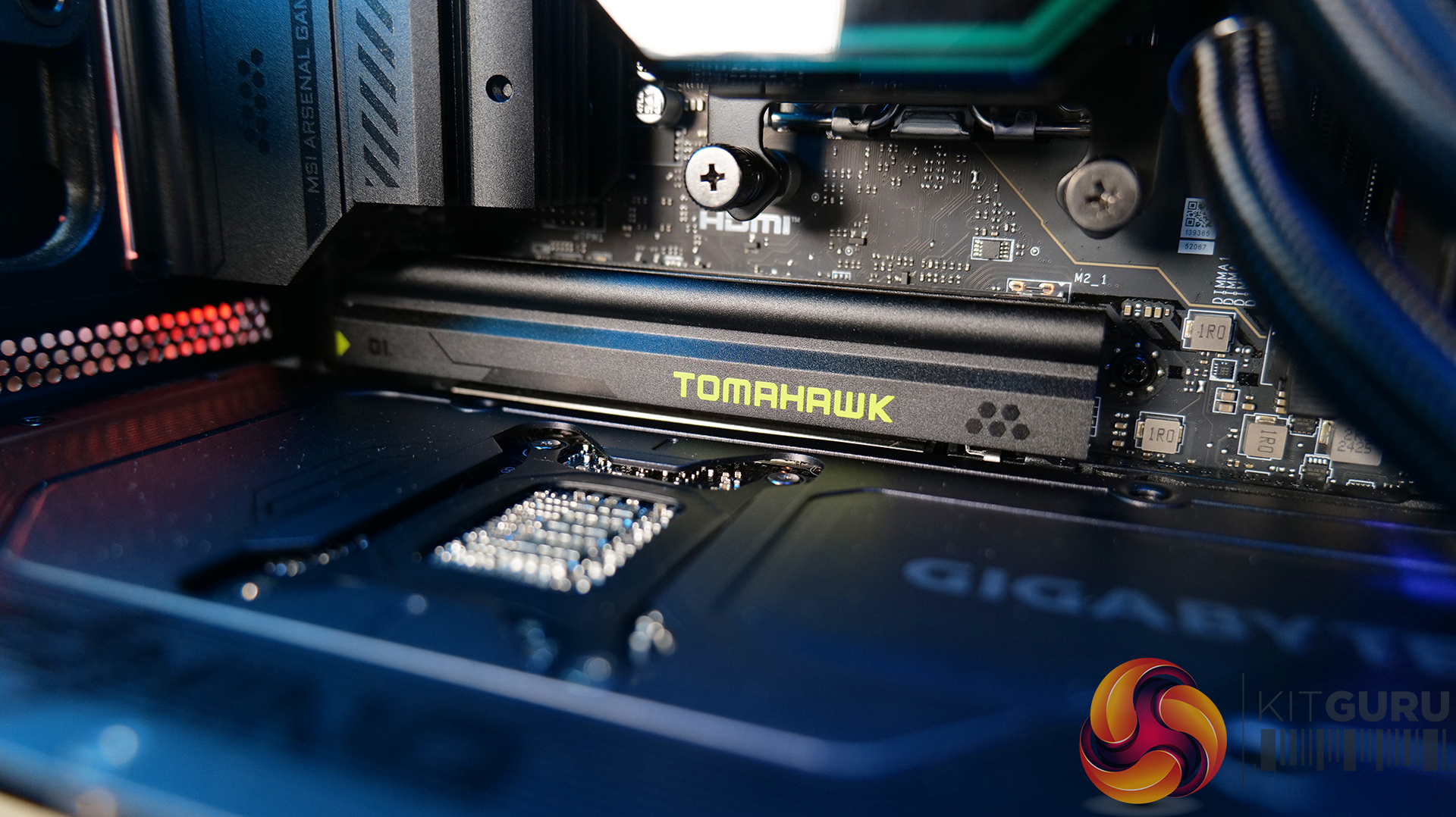
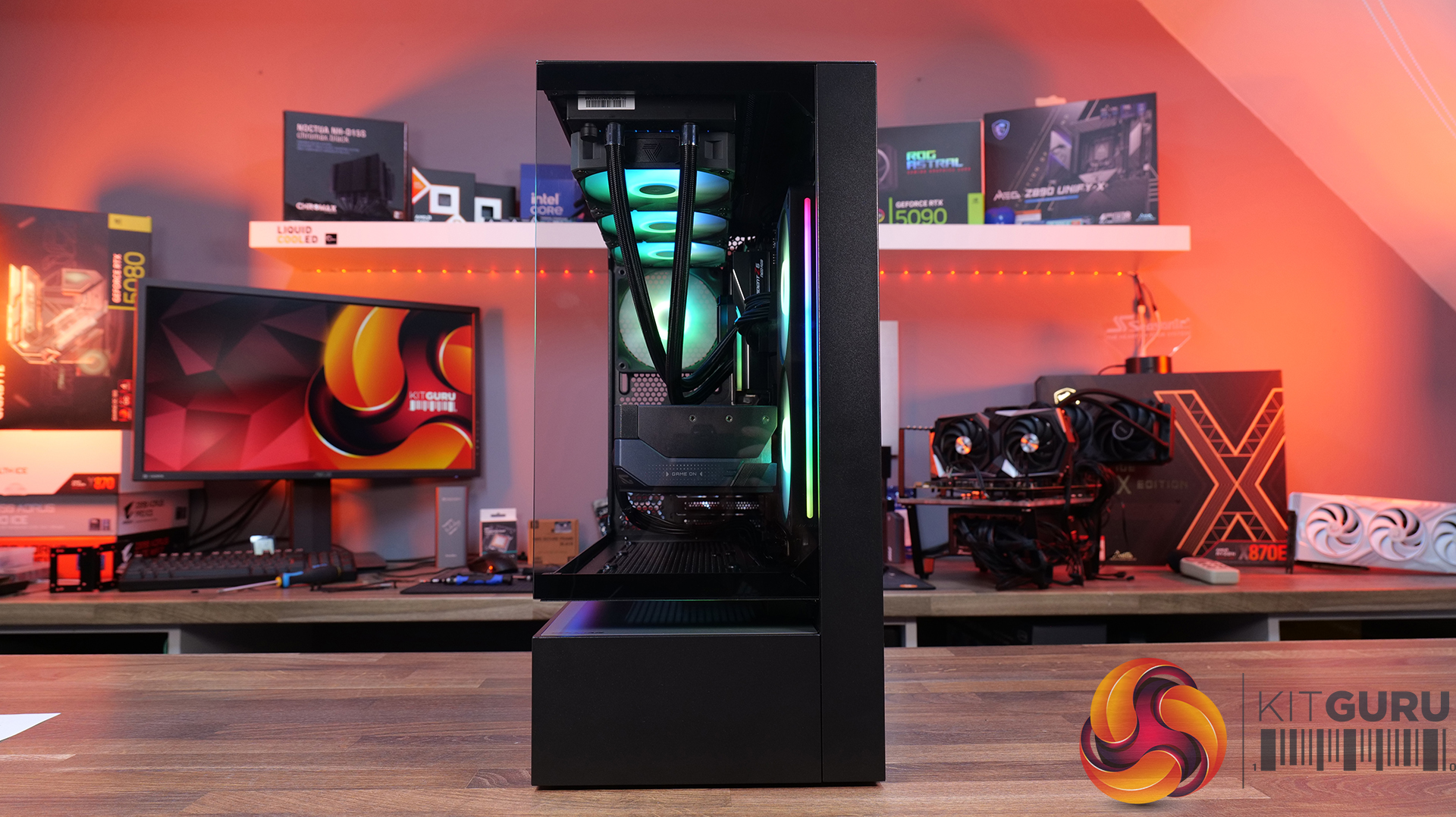
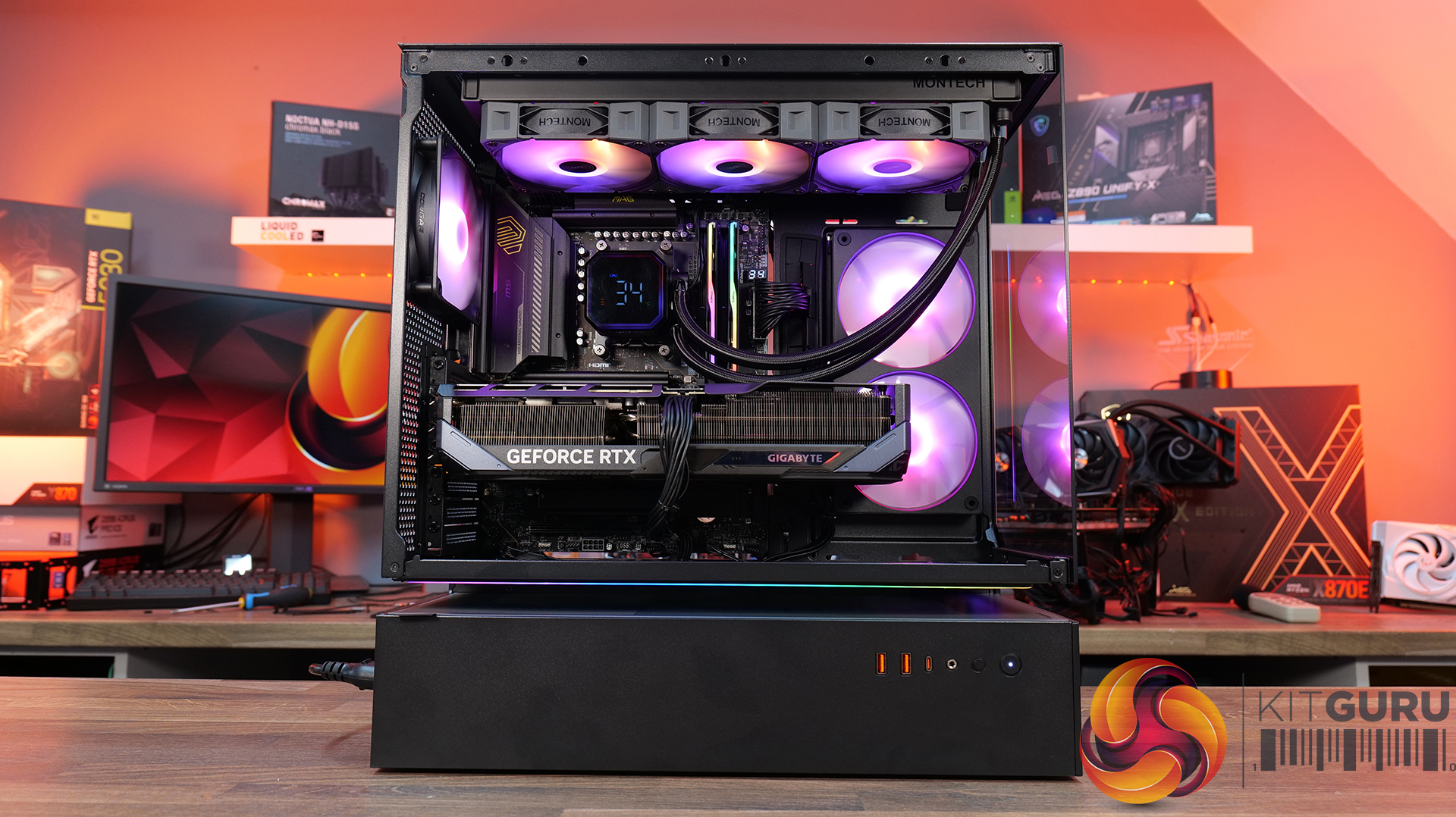
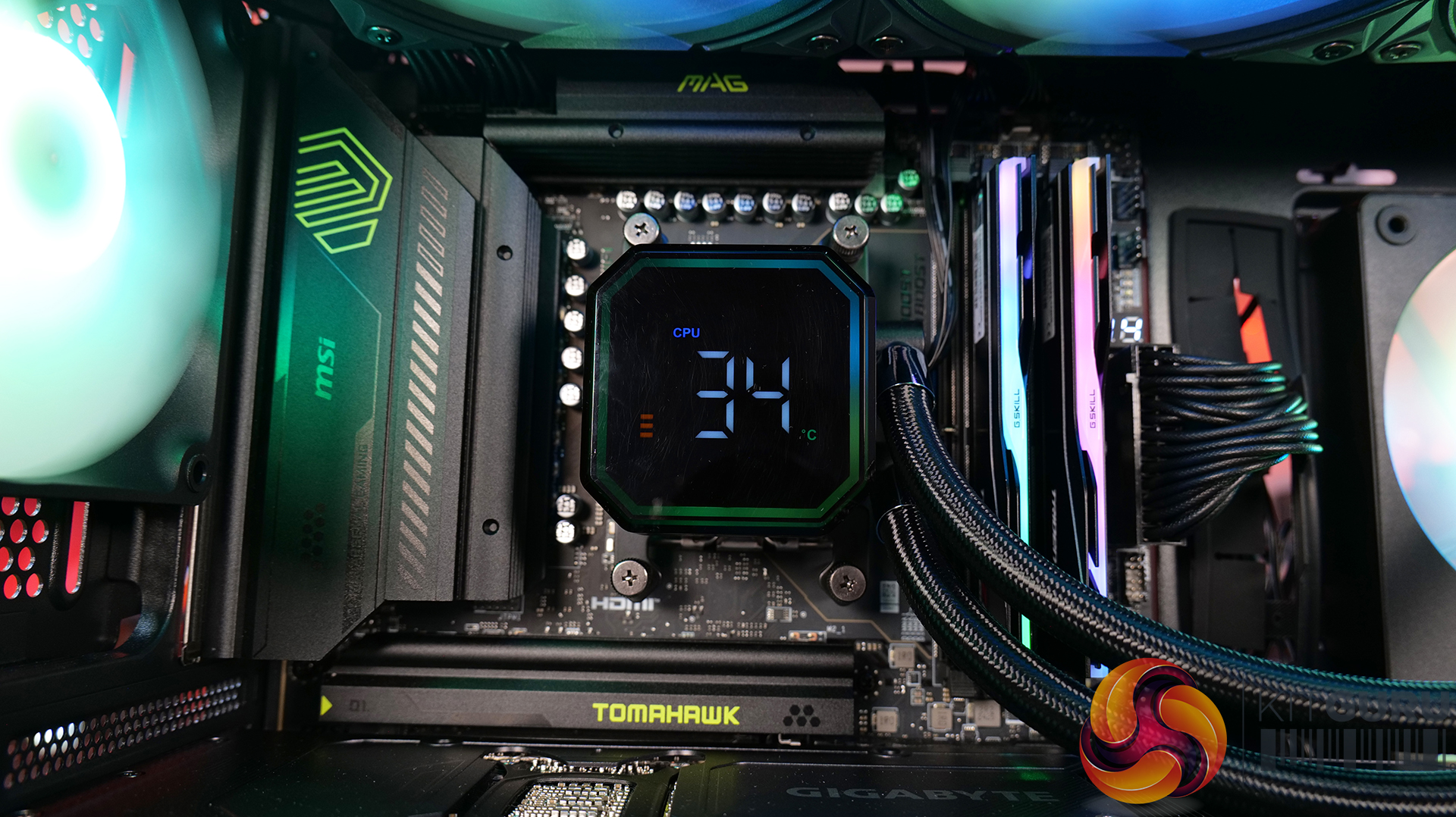
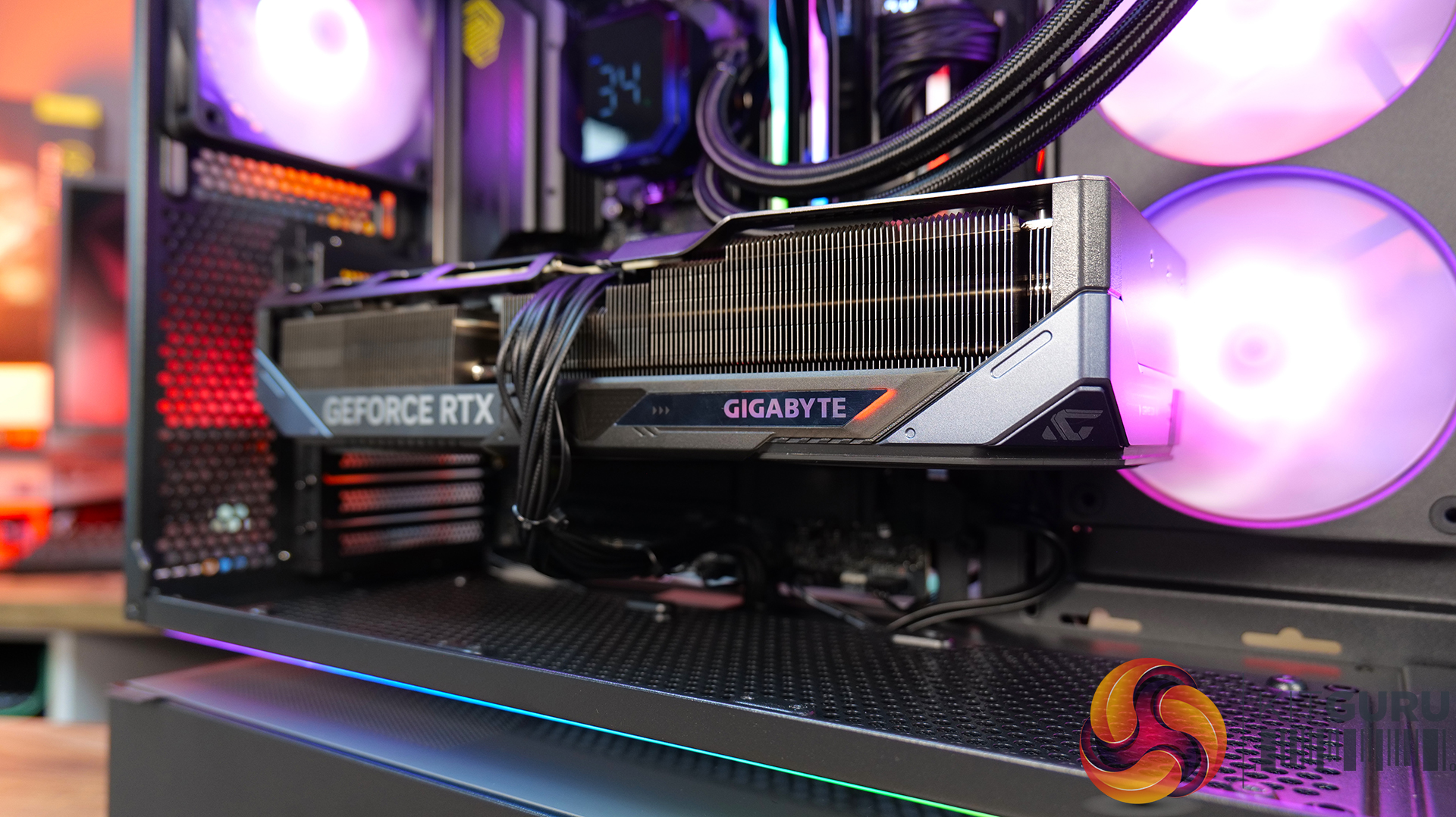
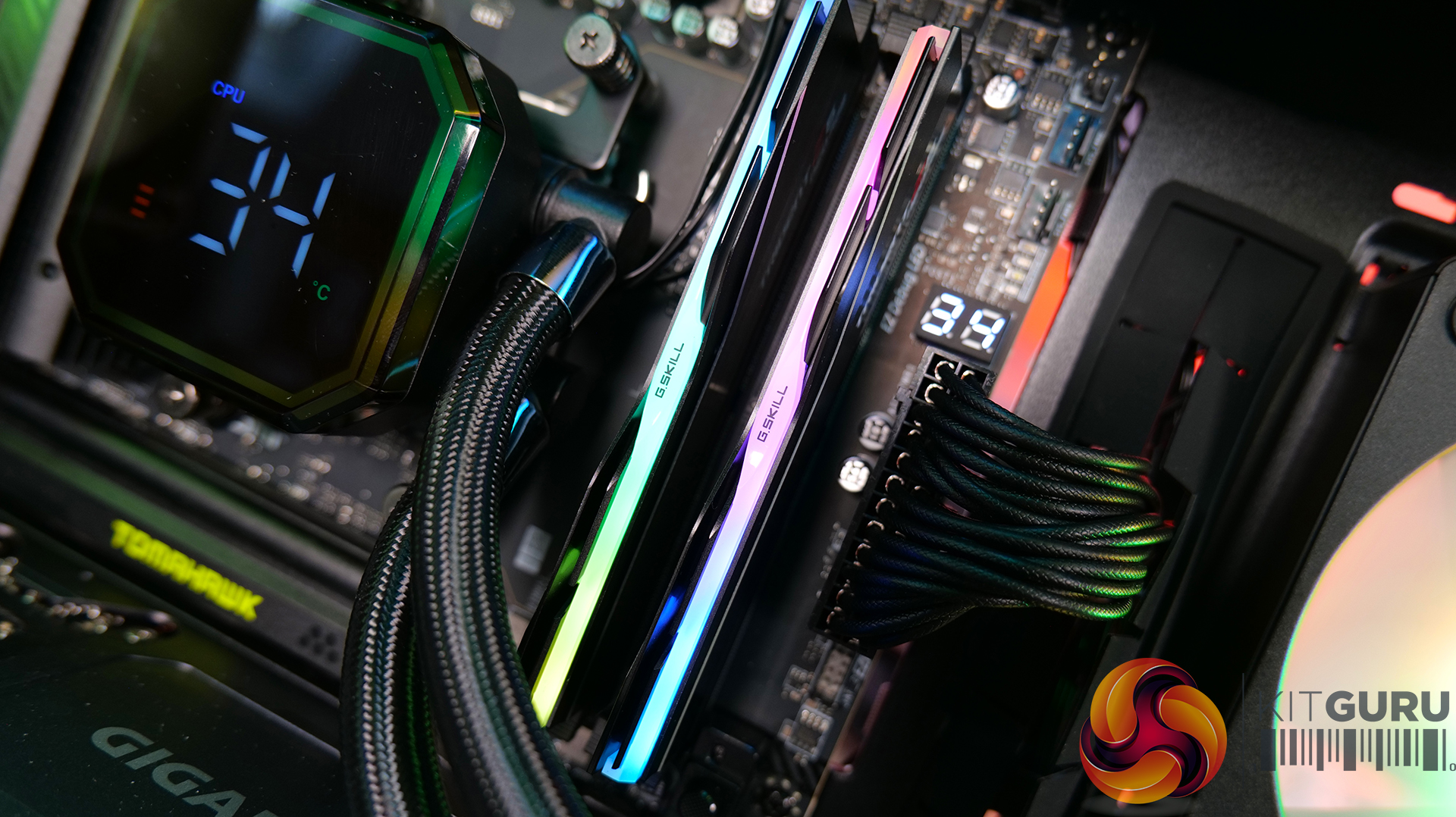
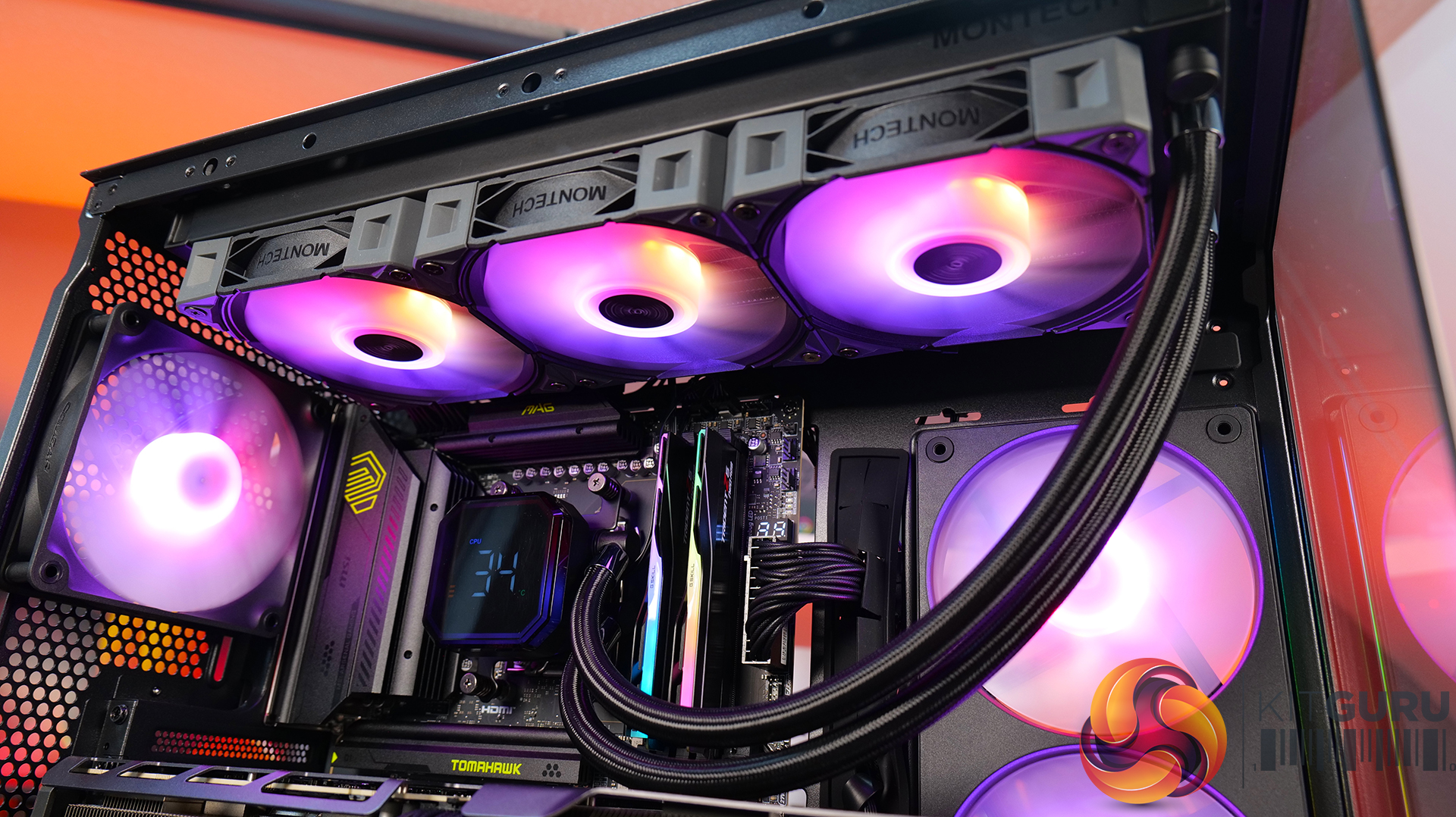
Asus has introduced the Prime AP304 Series ATX cases, offering both standard and ARGB configurations. Interestingly, Asus has also implemented a new patented feature, a new slot vent design to isolate chambers for better airflow.
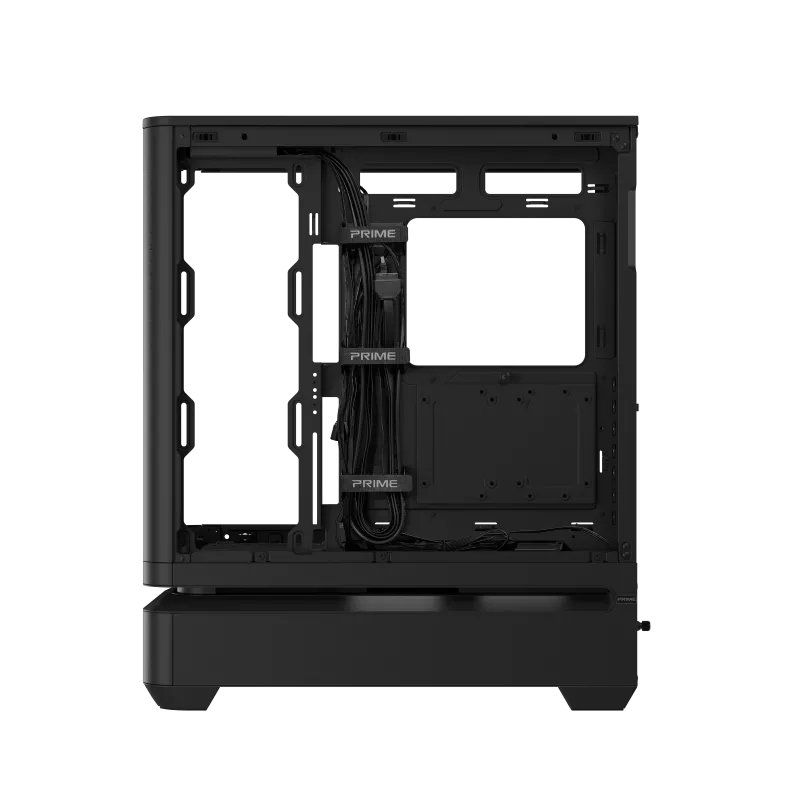
The new Asus Prime AP304 cases (via Vortez) feature a curved tempered-glass panel that extends from the front of the chassis around to the side. To make system assembly and hardware maintenance easier, Asus has integrated an easy-to-detach rail system for safer panel removal, along with a tool-free graphics card slot clamp. The layout is spacious enough to accommodate graphics cards up to 420mm long.
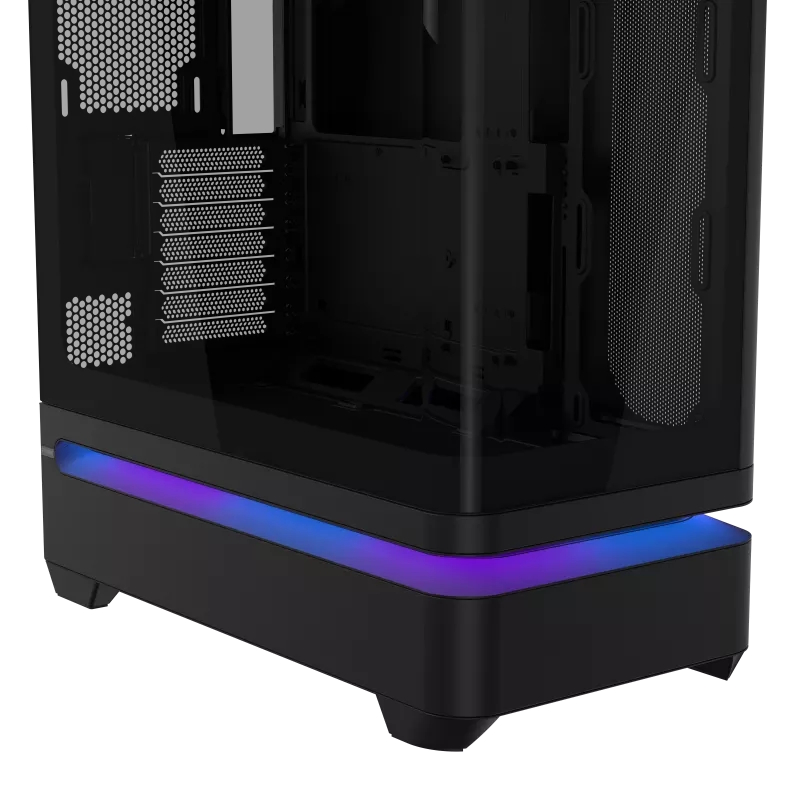
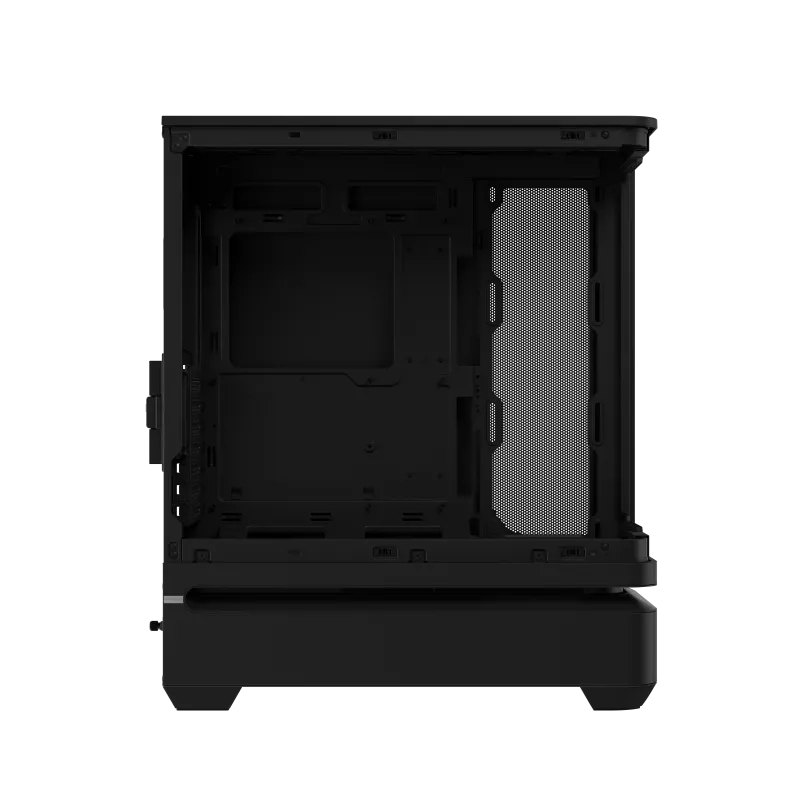
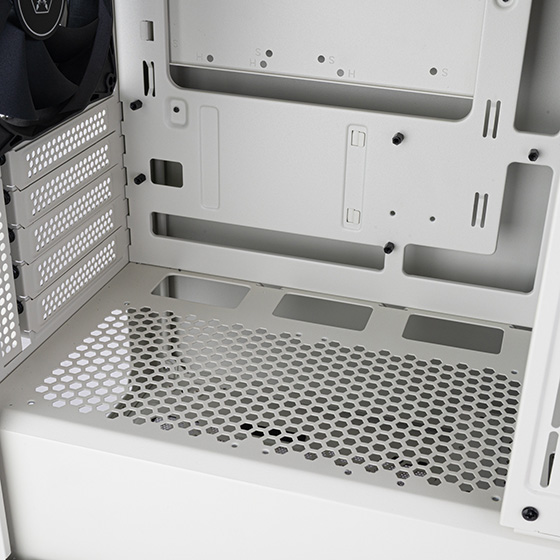
For thermal management, the series relies on a patented slot vent design. This layout isolates the upper and lower chambers of the chassis, channelling fresh air directly to the graphics card. According to Asus, this chamber separation optimises overall cooling efficiency by reducing warm air accumulation in the lower section of the case, making the system's airflow less reliant on bottom-mounted intake fans.
The Prime AP304 ARGB variant comes pre-configured with four ARGB fans and an integrated lighting strip wired for Asus Aura Sync compatibility. The standard model retains the integrated light band but leaves the fan choice open to the builder.
KitGuru says: It is a nice-looking case but the question is, how much will it cost?
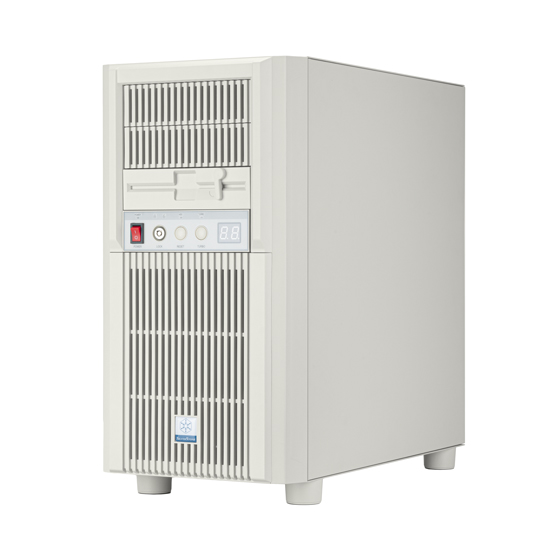
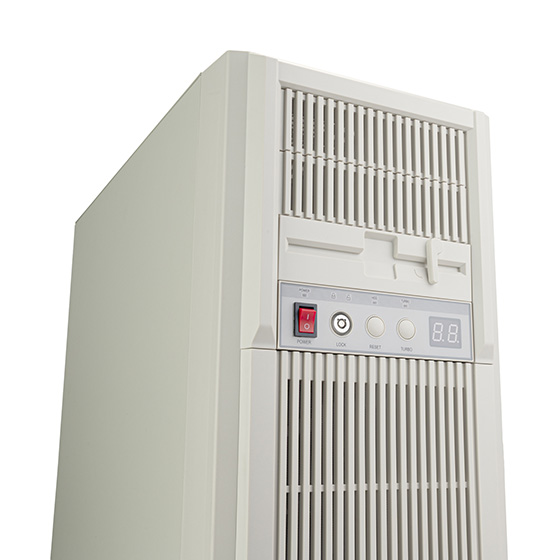
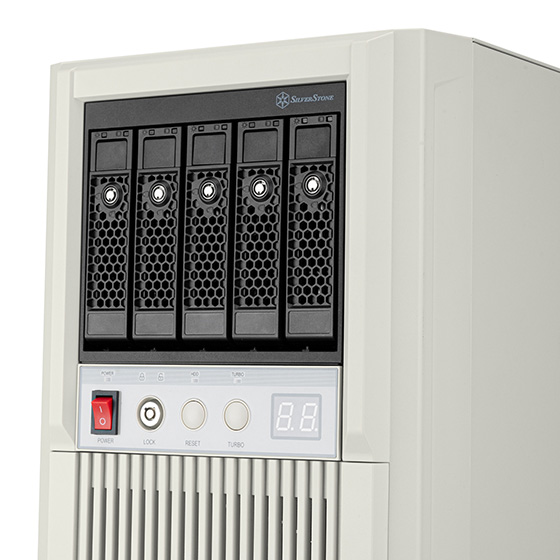
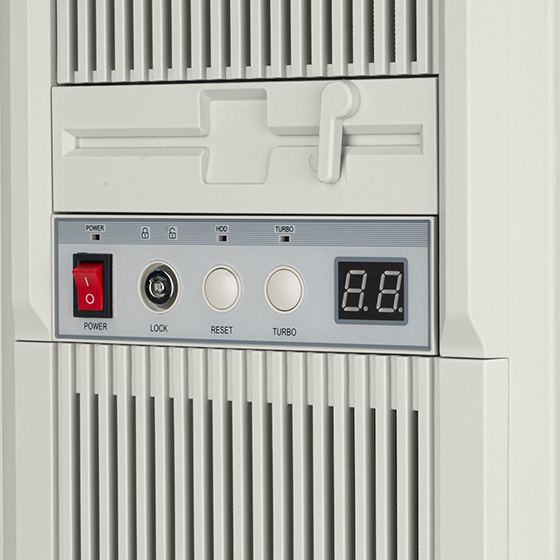
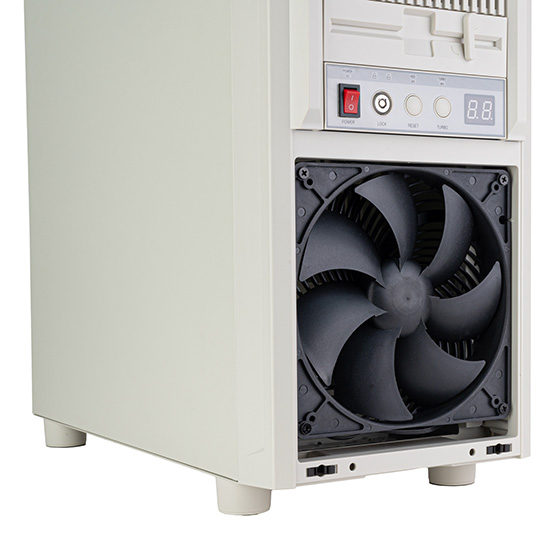
Silverstone has finally launched the FLP03, a retro-inspired microATX chassis that pairs 1990s desktop aesthetics with modern hardware compatibility. Featuring a beige finish, the case has three 5.25″ expansion bays at the front and a functional Turbo button that triggers full-throttle cooling.
The FLP03's interior layout accommodates microATX and Mini-ITX motherboards, as well as graphics cards up to 413mm in length and PSUs up to 200mm in length. Builders can install liquid cooling radiators up to 360mm, tower coolers up to 169mm tall, a 180mm front fan, a 120mm rear fan, and various top fan configurations with 120mm and 140mm fans. Storage options include a mix of 5.25″, 3.5″, and 2.5″ drives across the three front bays and internal mounts.
SilverStone's exterior design is made to look like the type of PCs we had in the 1990s, including retro style buttons. A built-in front fan PWM display monitors system cooling, while a functional turbo button can let you ramp your fans up to max speeds.
Connectivity is handled by a front I/O panel containing USB-C, USB 3.0, audio, and microphone ports. The case is available with an MSRP of $179.99.
KitGuru says: Combining nostalgic 1990s styling with support for 360mm radiators and long graphics cards makes the FLP03 an interesting option for builders wanting a retro aesthetic without sacrificing performance.
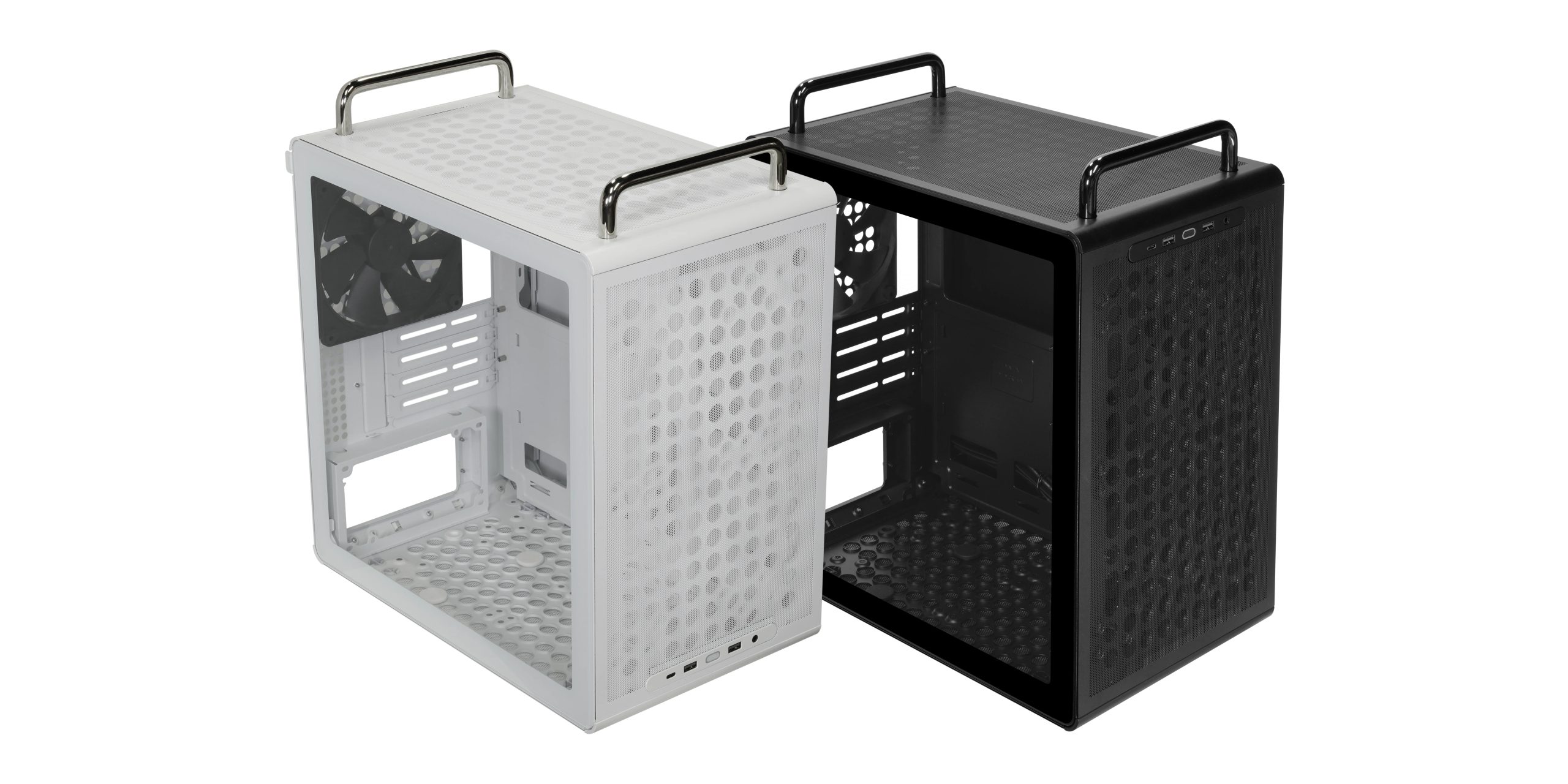
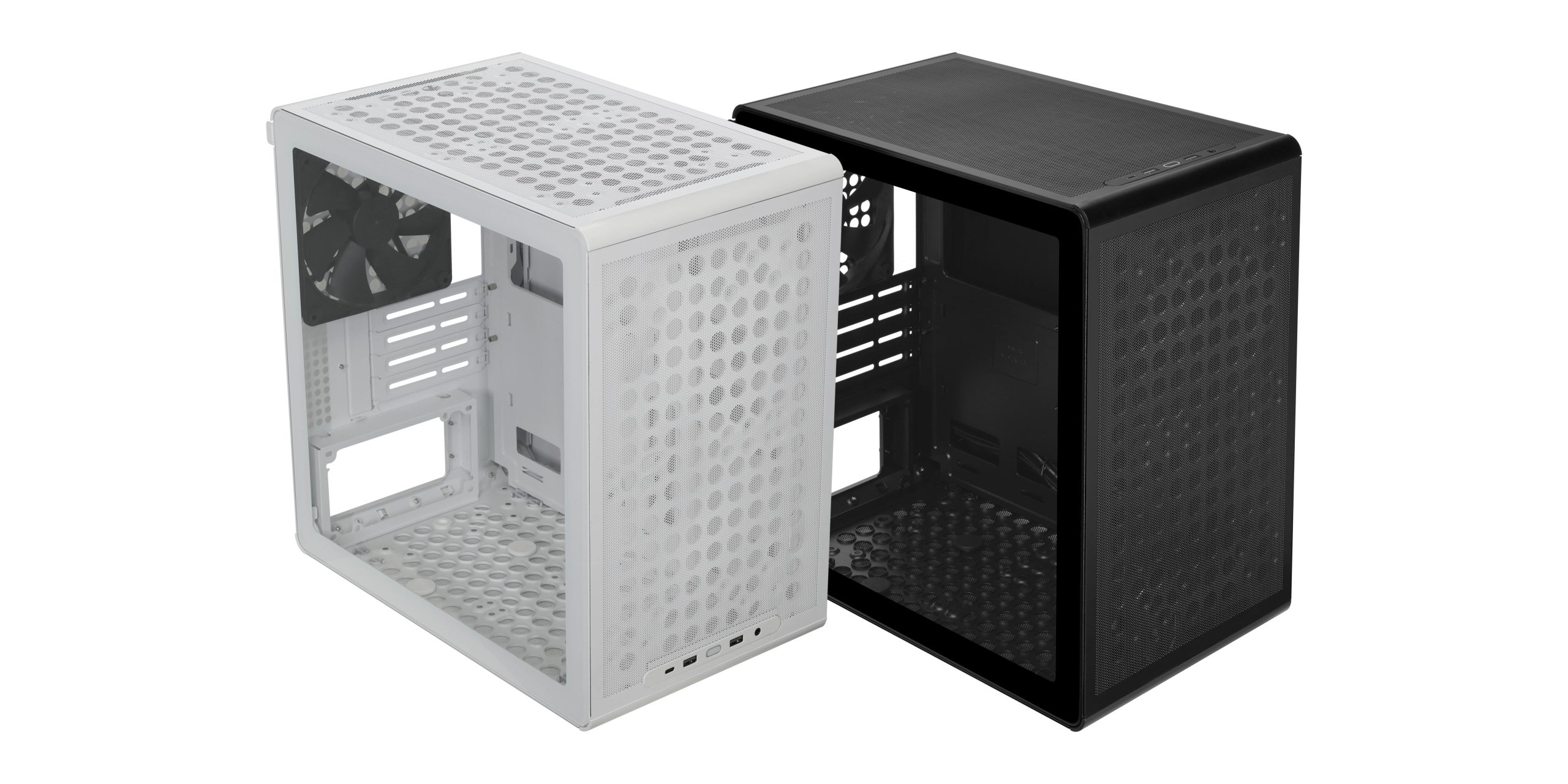
Cooler Master has announced the Q300L V3, the next generation of its compact microATX case, alongside a modular version called the Qube 340.
The updated Q300L chassis supports Mini-ITX and mATX motherboards within a small desktop footprint. It has room for graphics cards up to 366mm long, CPU coolers up to 178mm tall, and up to six cooling fans in total. Airflow potential is boosted by enlarged front-panel perforations and compatibility with a 140mm rear exhaust fan.
Structural improvements over the V2 include reinforced fan mounts, an upgraded motherboard tray, and a tempered glass side panel. For connectivity, the refreshed front I/O panel houses three USB 3.2 Gen 2×2 Type-C ports, dual USB 3.2 Gen 1 Type-A ports, and a combo audio jack.
Builders can opt for this standard layout, but the company is also offering the modular Qube 340 alternative. This version shares the same core mATX foundation but introduces optional handles, support for vertical or horizontal system orientations, and flexible front I/O placement. It additionally includes front-mounting support for compatible 3D-printable accessories.
KitGuru says: The original Q300L was a popular budget option, and adding modern USB-C connectivity alongside other improvements sweetens the deal.
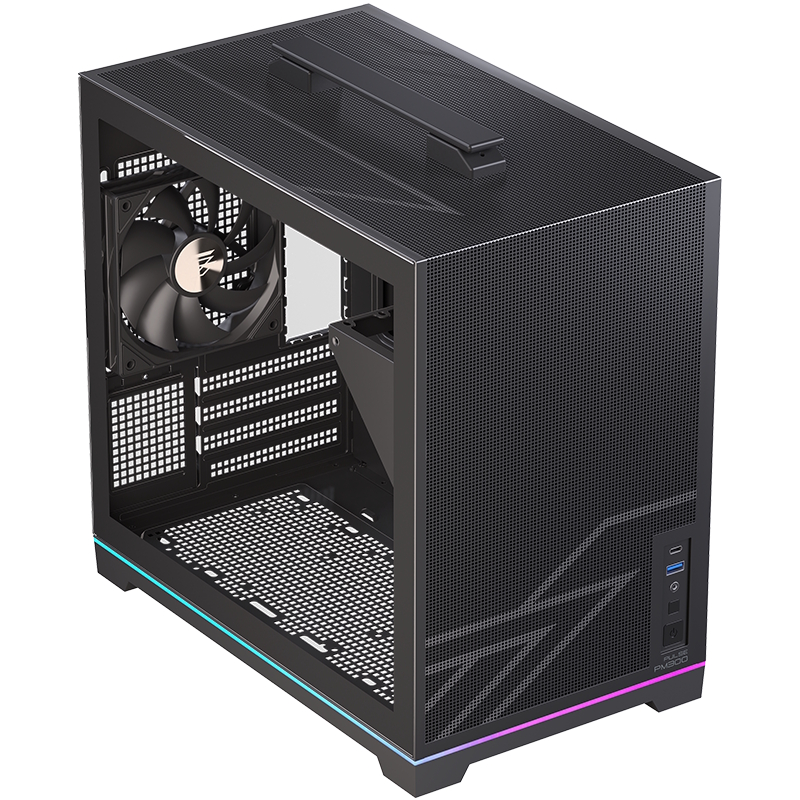
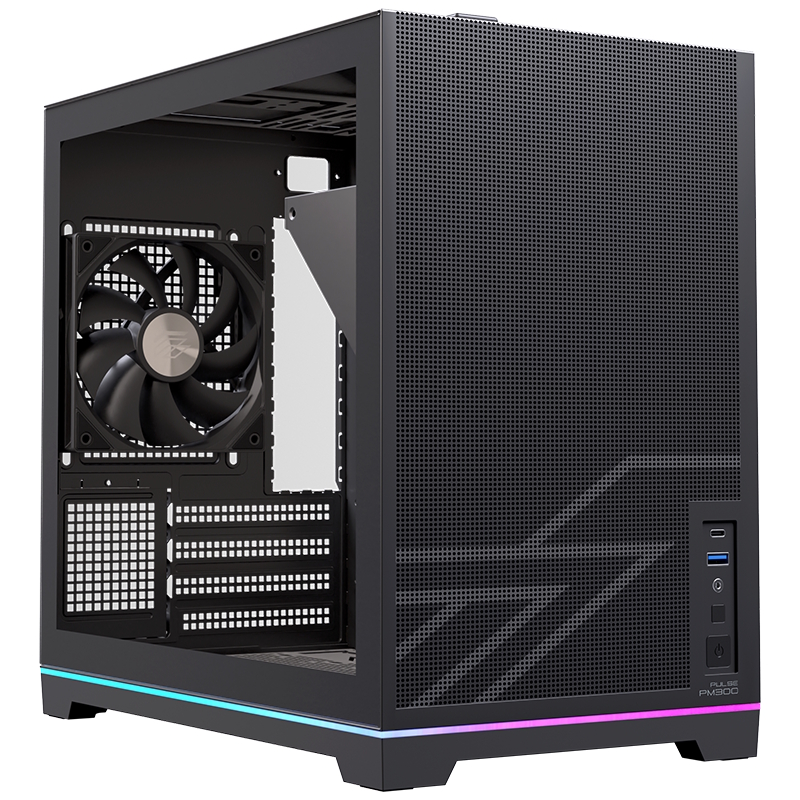
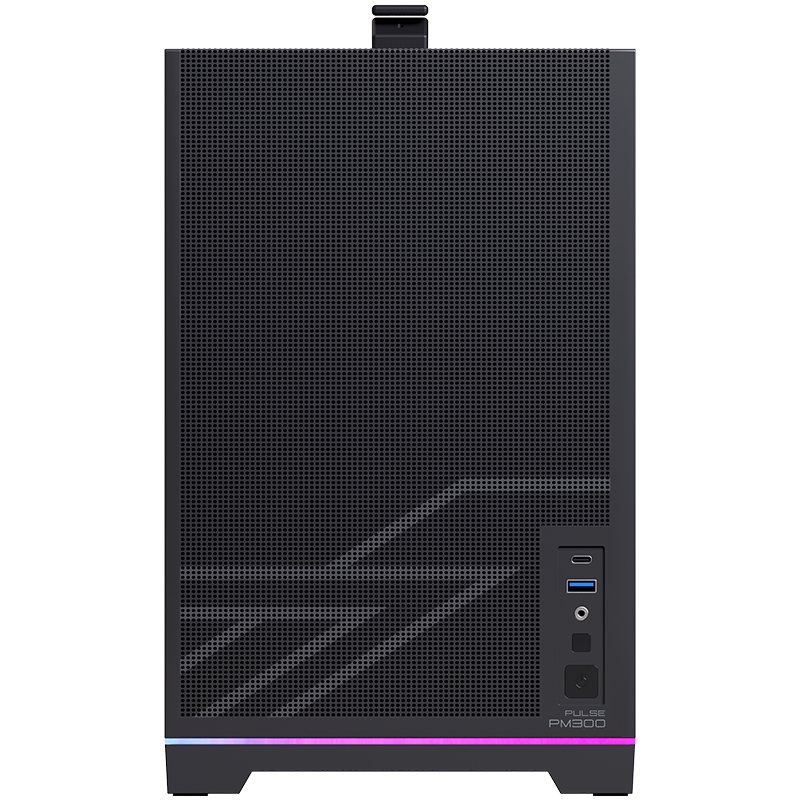
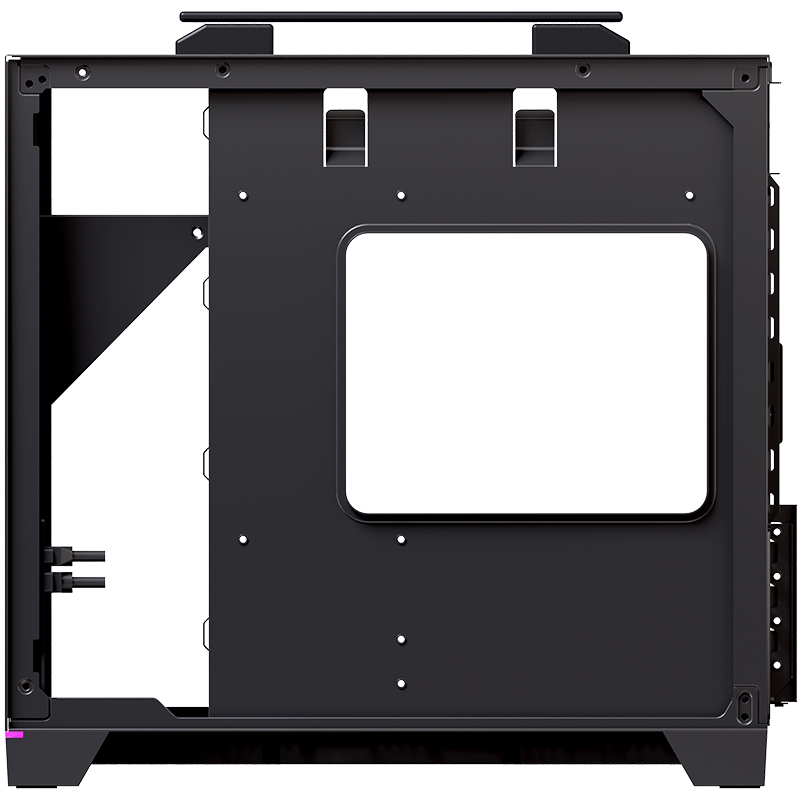
Einarex has officially announced the Pulse PM300, a microATX case designed for high-performance setups that require a smaller footprint. Expanding the company's airflow-focused Pulse series, the new enclosure is engineered to reduce unnecessary volume while maintaining compatibility with modern hardware standards.
The Pulse PM300 supports both microATX and Mini-ITX motherboard form factors. According to the manufacturer, the internal space is optimised to accommodate graphics cards up to 340mm long, standard ATX power supplies up to 150mm long, 240mm radiators (top only), and tower air coolers up to 175mm tall. There's also space for up to 6x 120mm fans, 2x 2.5-inch drives, and another 2x 3.5/2.5-inch drives.
To address the thermal challenges common to smaller enclosures, the Pulse PM300 features a mesh-focused ventilation design that maximises continuous airflow over critical system components.The ventilation design accommodates multiple fan configurations and radiator placements, along with a dedicated routing structure for organised cable management.
According to Einarex, the case is intended for gaming setups, creator workstations, and portable systems that require frequent transport.
KitGuru says: Einarex might not be as well-known as other case brands, but the new Pulse PM300 sure looks like an interesting competitor in the compact case market.
Lian Li has officially announced the Vector V150 INF, a compact mini-tower chassis designed for enthusiasts who want to blend high-performance cooling with a striking visual presentation. Building on the foundation of the Vector V100 MINI, this new iteration introduces “Infinity” aesthetic elements, including an infinity-mirror front panel.
The defining feature of the Vector V150 INF (via Guru3D) is its lighting system. Unlike the standard mesh or glass panels found on many mATX cases, the V150 INF uses infinity-reflection elements on its front panel. To complete the look, Lian Li includes three pre-installed Infinity ARGB/PWM fans: two 140mm fans at the front and a 120mm exhaust fan at the rear, all featuring infinity-mirror centres.
The Vector V150 INF supports Micro-ATX and Mini-ITX motherboards, including the increasingly popular back-connect (BTF) designs. The chassis accommodates graphics cards up to 400mm in length and supports air coolers up to 163.5mm in height. For cooling components, the top panel can accommodate a 360mm radiator, while the side and bottom panels provide additional fan mounting points for a flexible layout.
The front I/O panel offers two USB-C 3.2 Gen 2 ports, one USB-A 3.2 Gen 1 port, and an HD-audio jack. Storage support includes slots for two 2.5/3.5-inch drives, though this is reduced to a single bay if using a long power supply up to 200mm. The case is scheduled for release later this month, with initial availability confirmed for the Japanese market. Pricing is expected to be around £70.
KitGuru says: Considering its looks, features, and price, it seems Lian Li has another winner with the V150 INF.
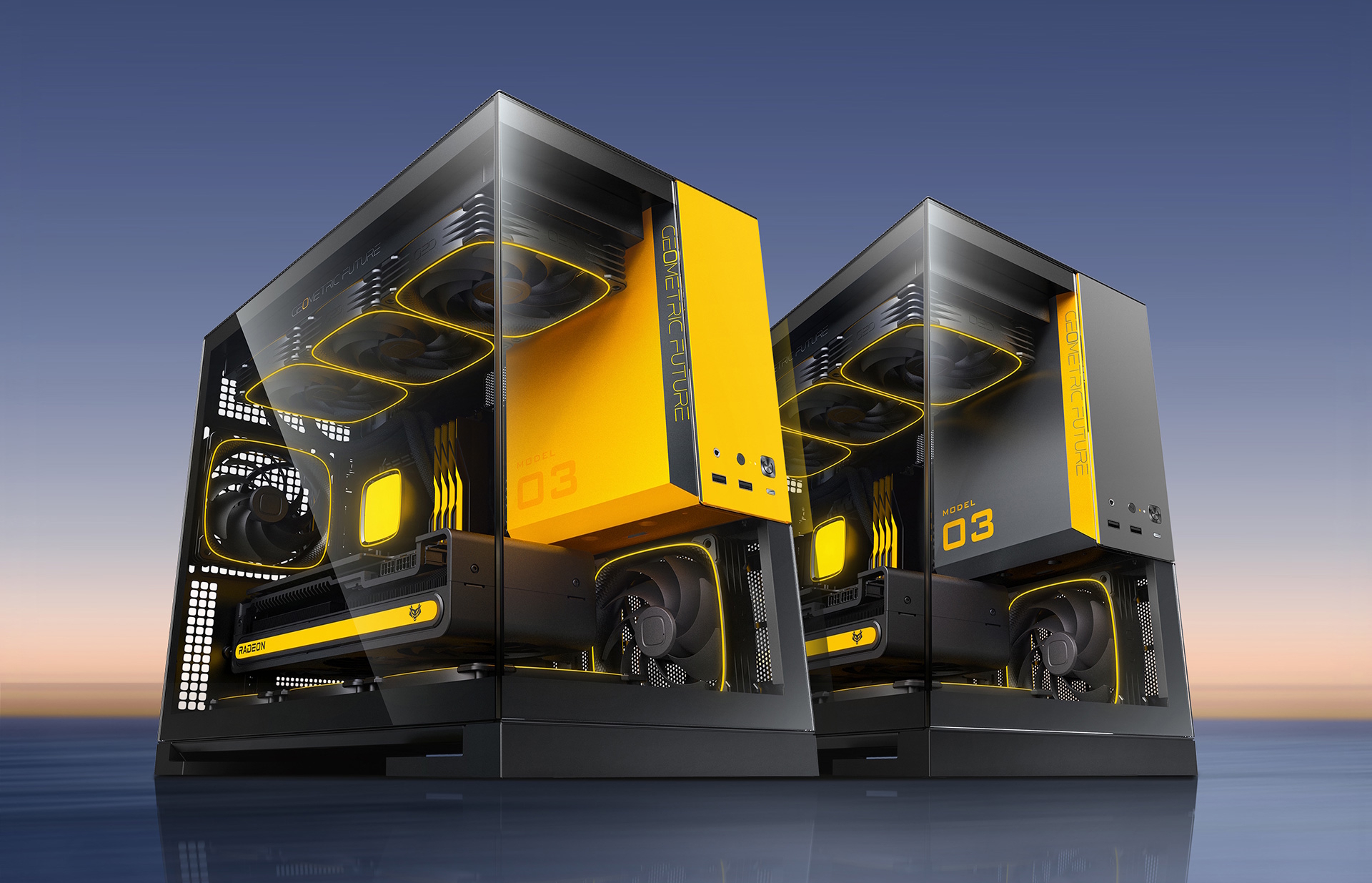
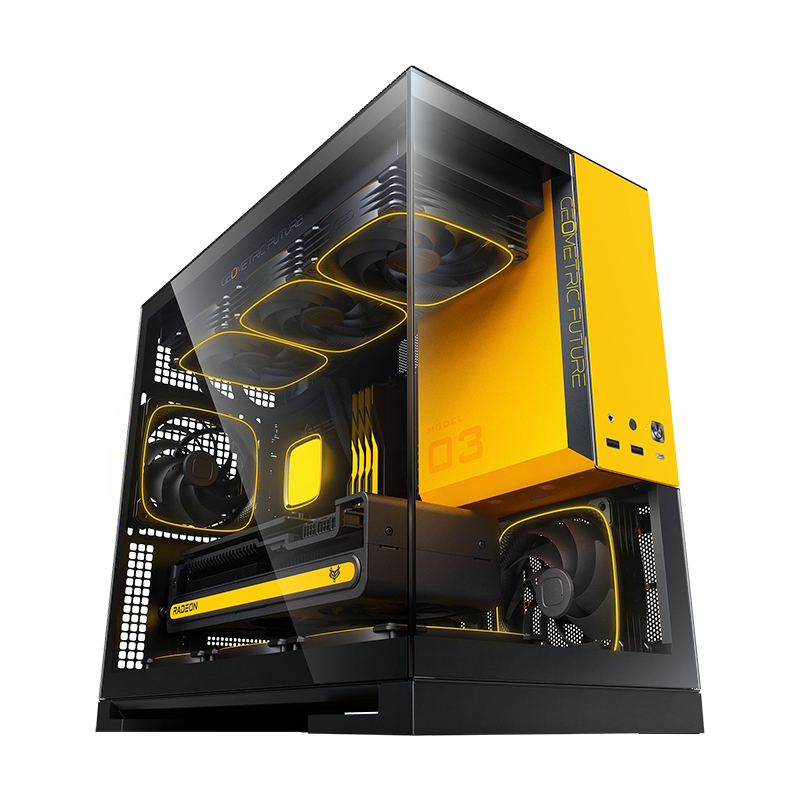
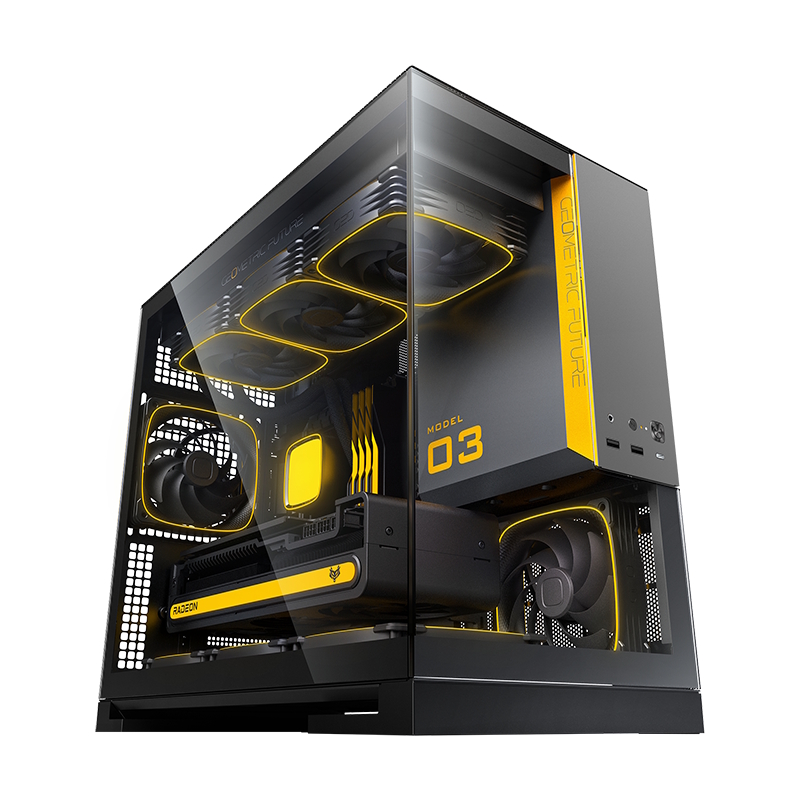
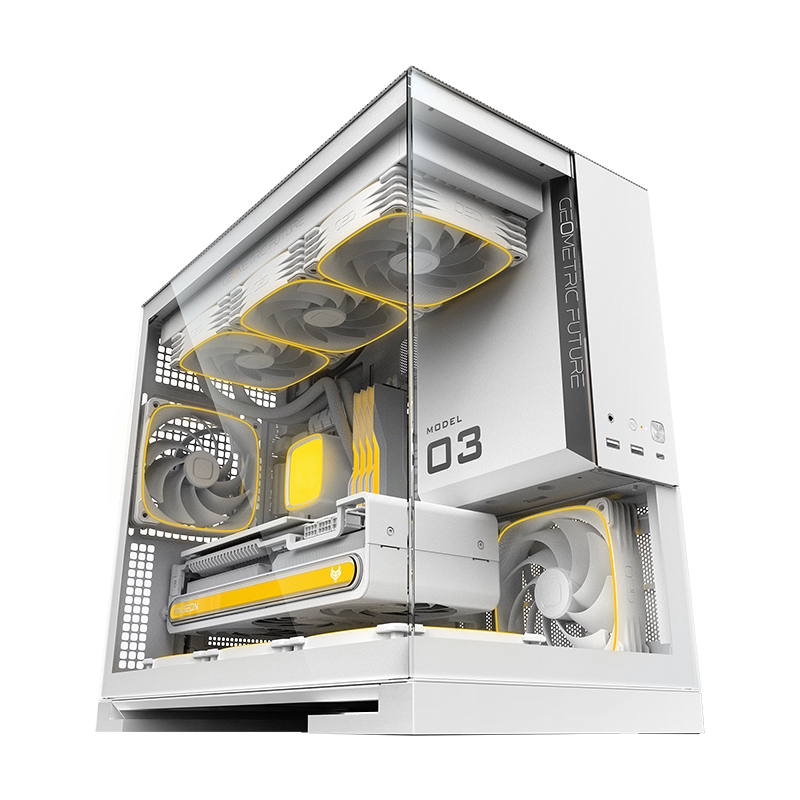
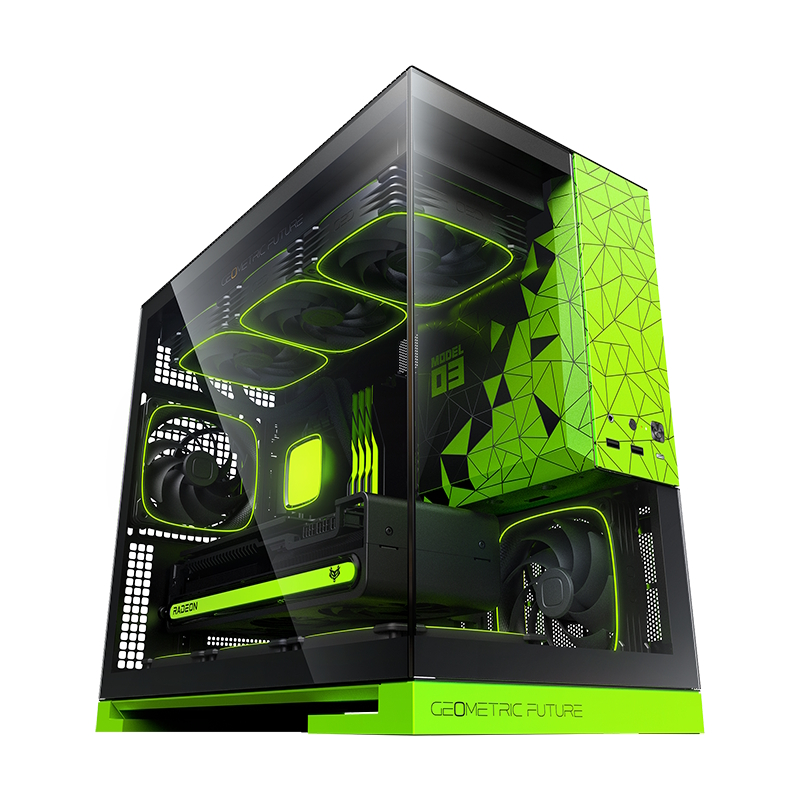
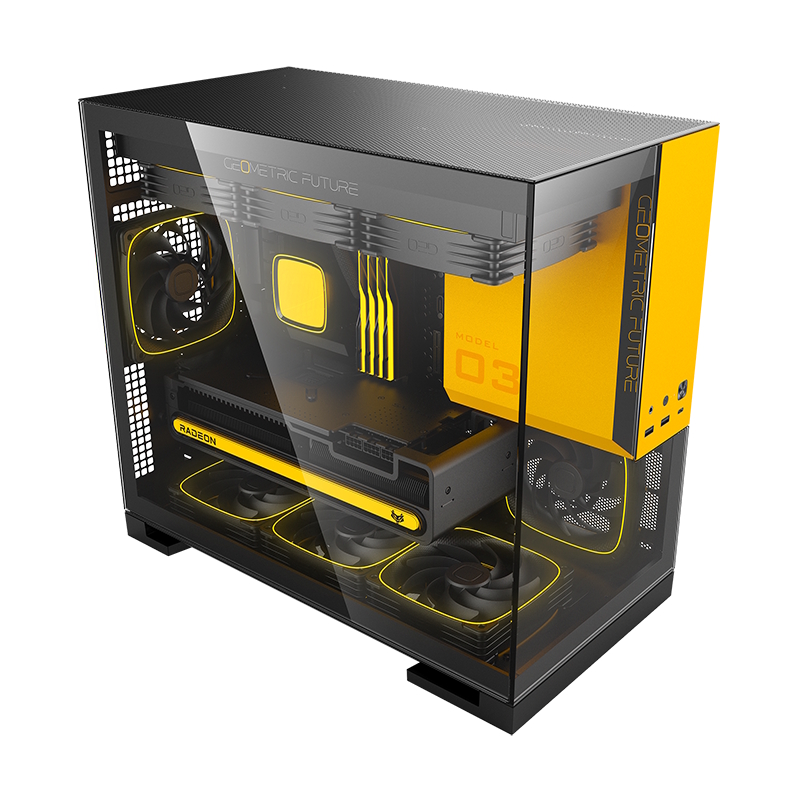
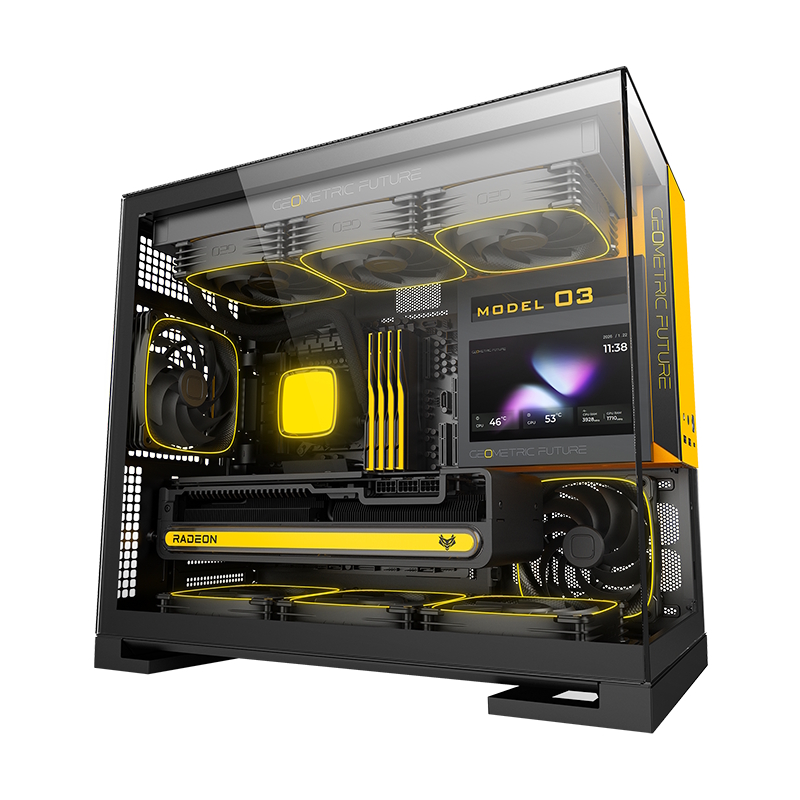
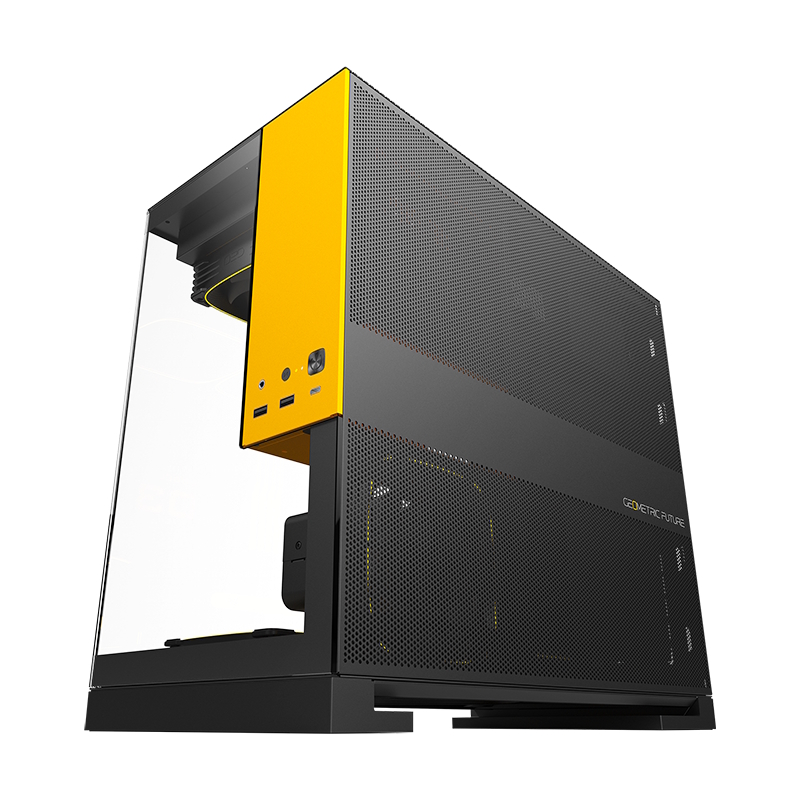
Geometric Future has officially expanded its “Model” series with the introduction of the Model 3. Drawing clear design inspiration from the larger Model 5, this latest entry adopts a more compact footprint, therefore changing compatibility with components.
Measuring 235 x 440 x 400mm, the Model 3 (via ITHome) adopts an “aquarium” aesthetic, with a dual-panel glass front that provides an unobstructed view of the internal components. The case is launching in a variety of bold colourways, including yellow, grey, white, and green. Interestingly, the colour choice isn't just limited to the panels, as the power supply shroud and case feet are also colour-matched to create a cohesive look.
Internally, Geometric Future has opted for an unconventional front-side mounting position for the power supply. While this allows for more clearance elsewhere, it limits PSU depth to 160mm. Despite its smaller stature, it still offers ample room for core components, supporting graphics cards up to 435mm in length and CPU coolers up to 175mm in height. However, motherboard support is strictly limited to Micro-ATX and Mini-ITX form factors, and those hoping for “back-connect” BTF motherboard compatibility will be disappointed to find it missing here.
Cooling capacity remains flexible as long as you stick to 120mm fans. The Model 3 can house up to eight 120mm units, whereas 140mm support is restricted to just four mounts. For those leaning toward liquid cooling, the top panel supports a 360mm radiator. The chassis also includes several QoL features that punch above its weight class, such as a bottom dust filter accessible from the side, an integrated GPU anti-sag bracket, and pre-placed Velcro straps for cable management.
KitGuru says: While the front-mounted PSU and Micro-ATX form factor might turn some off, the Model 3 offers a clean “aquarium” look for those who want the Model 5 aesthetic with a smaller footprint.
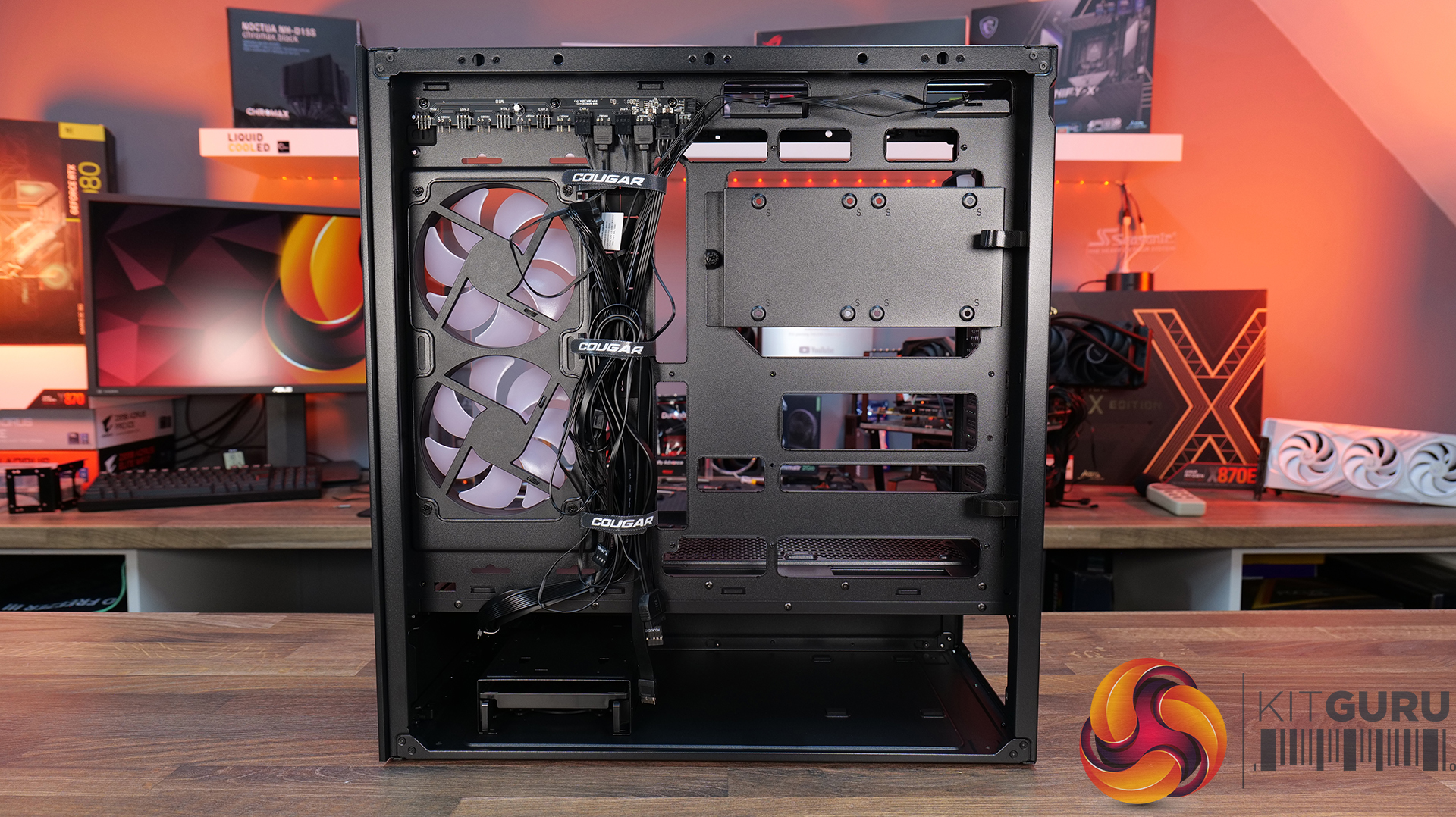
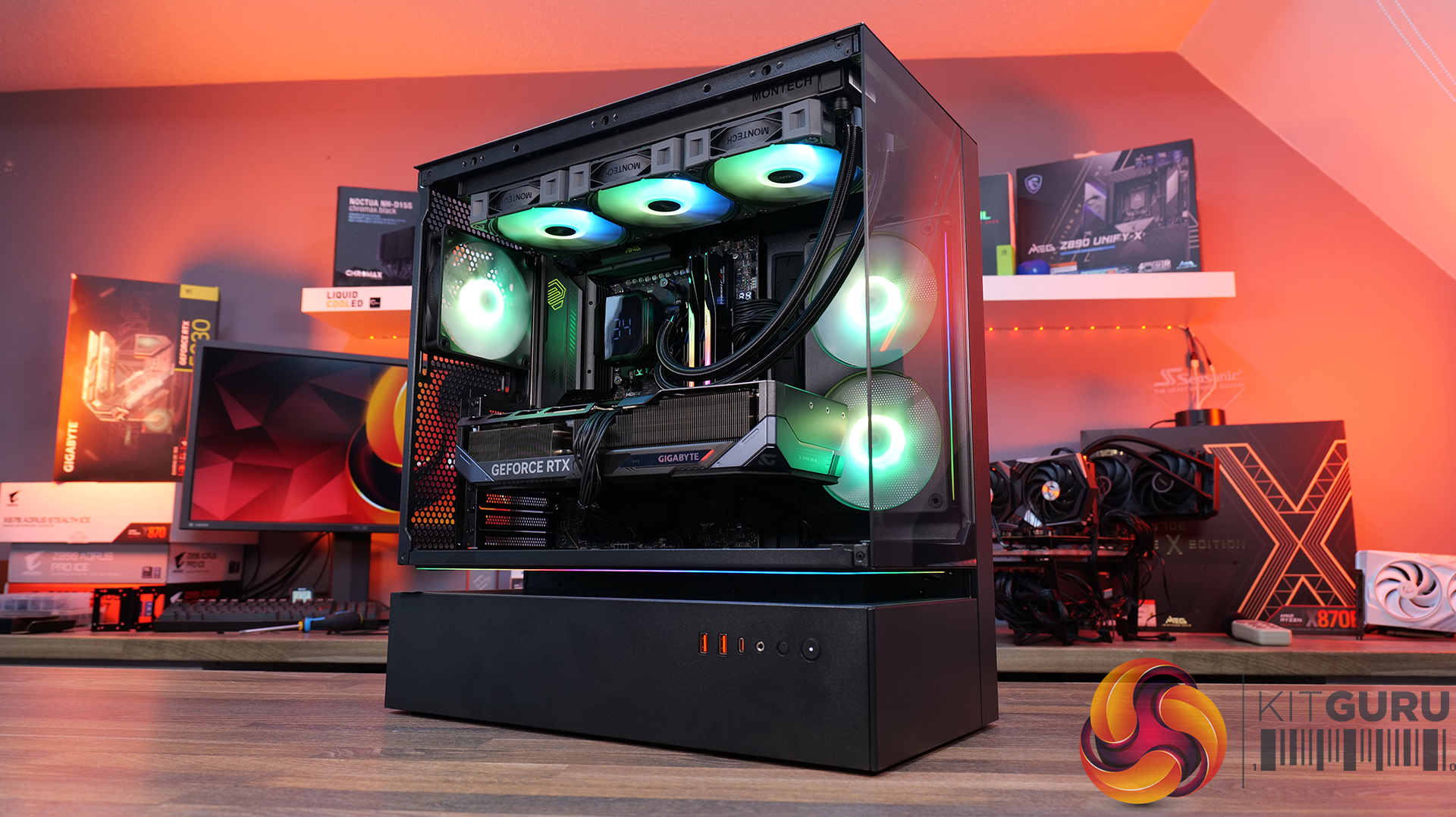
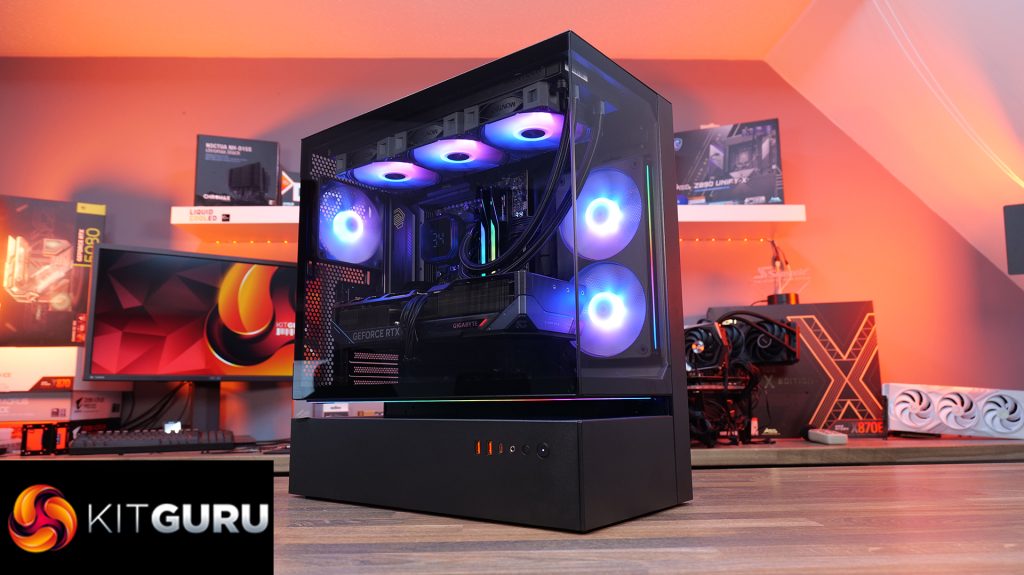
Today we’re taking a look at the Cougar CFV235 mid-tower chassis. It features Cougar’s Central Floating Ventilation design, support for up to EATX motherboards, including back connect, and comes with pre-installed ARGB PWM fans straight out of the box. On paper, there’s plenty of cooling potential too with support for up to nine fans and 360mm radiators, along with clearance for graphics cards up to 430mm long. As always, we’ll be checking out build quality, ease of installation, thermal performance, and overall value to see if the CFV235 is worth considering for your next build.
Timestamps:
00:00 Intro
00:45 Pricing + key info
02:38 Getting inside
04:10 Cooling support, pre-installed fans
05:55 CPU and GPU compatibility
06:52 Looking at the rear
07:18 Area behind the mobo tray
09:32 Storage support
10:21 Floor of the case
11:17 Accessories
12:14 Thermal tests + noise
13:49 James’ experience so far
15:19 Closing thoughts
Features:
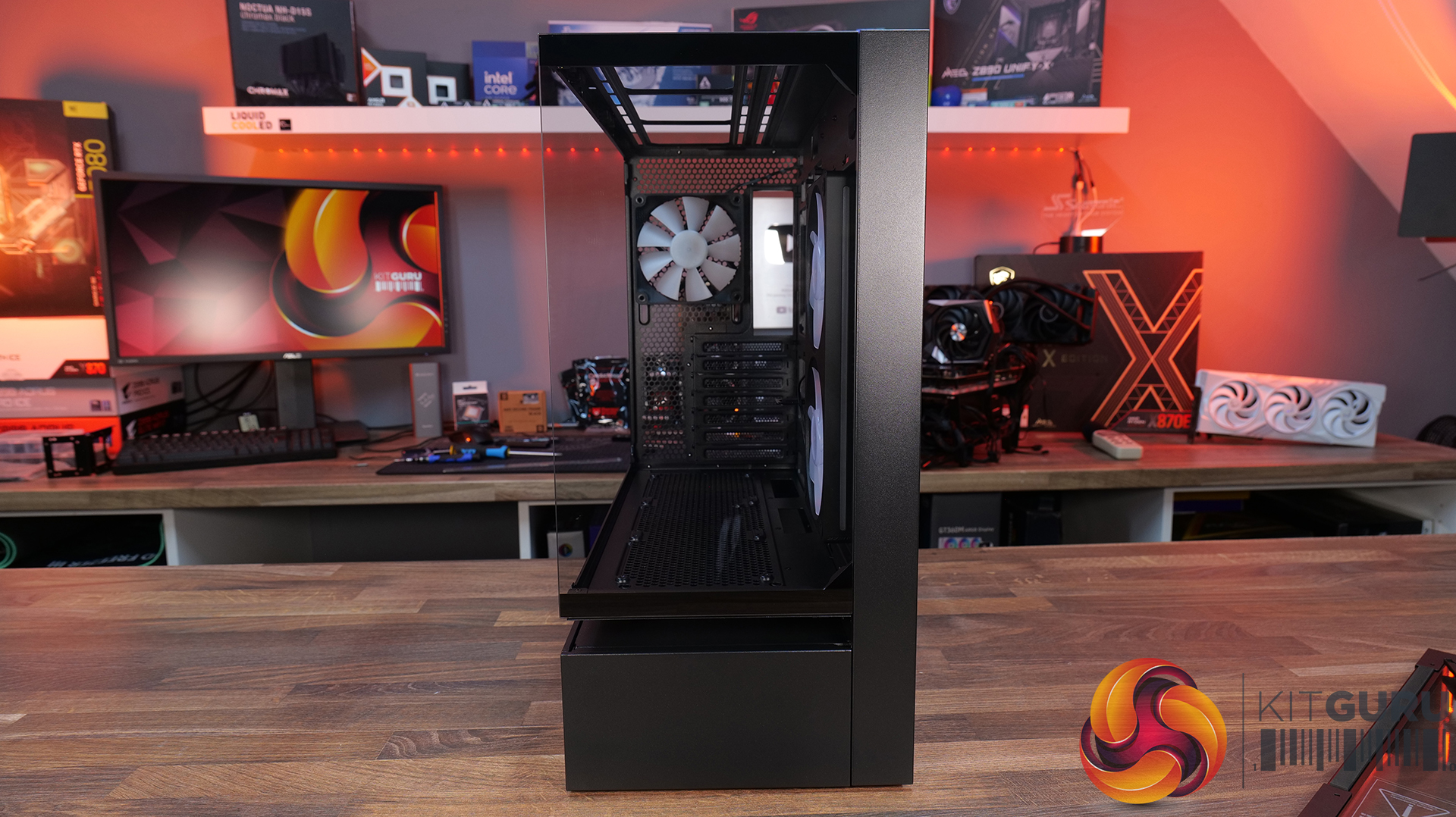
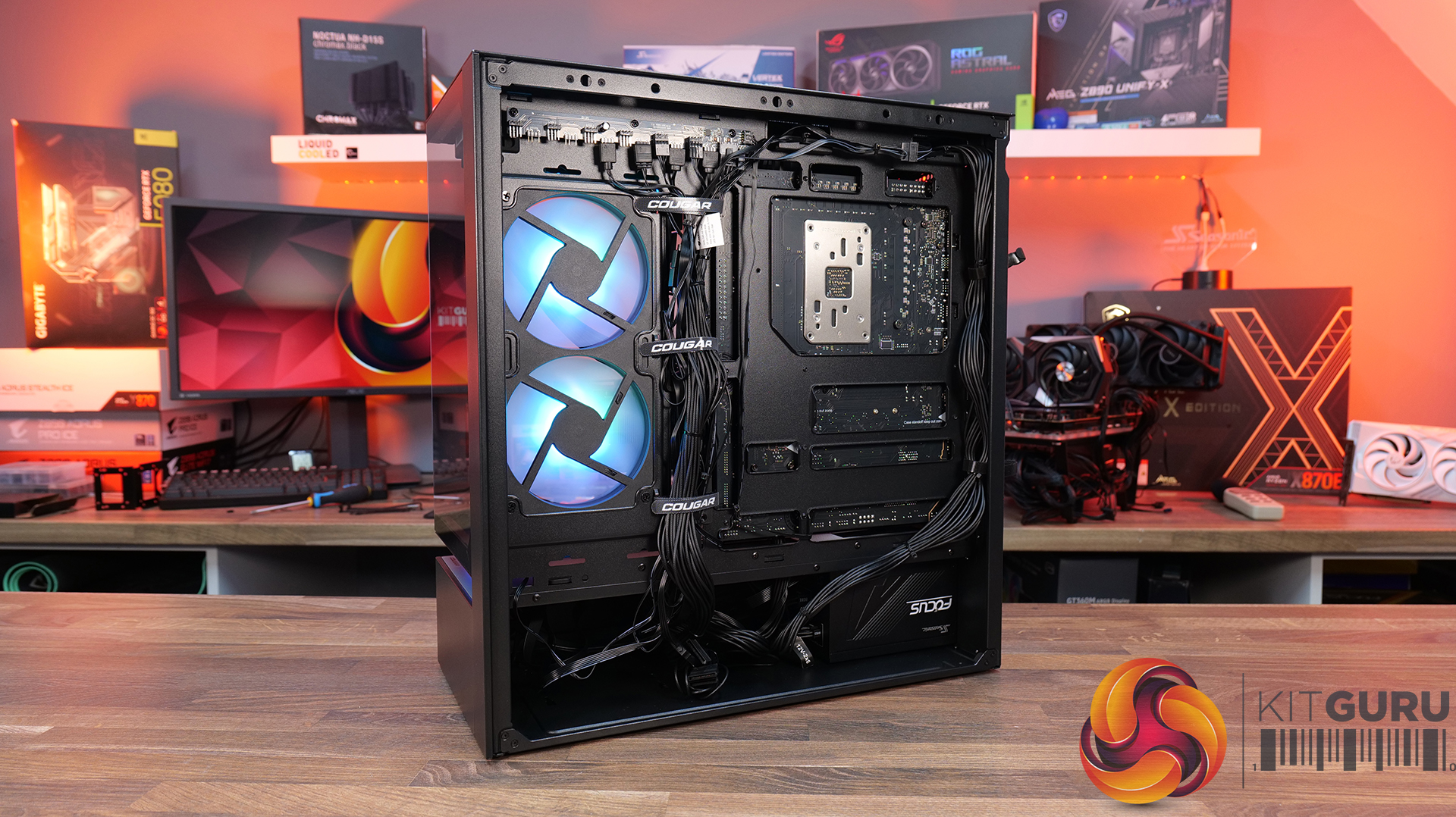
Central Floating Ventilation (CFV) structure: A unique floating chamber design that creates separation between the PSU cabin and main chamber to enhance airflow and gives the case its distinctive look.
Pre-installed Unity 240 ARGB PWM reverse-blade fan & Aurora RGB lighting: Included is a Cougar Unity 240 single-frame ARGB fan and an integrated Aurora RGB lighting strip for enhanced cooling and aesthetics.
Versatile hardware support: CFV235 is compatible with motherboards up to E-ATX size, including back connect, 360mm radiators, 175mm tall air coolers and supports GPUs up to 430 mm in length.
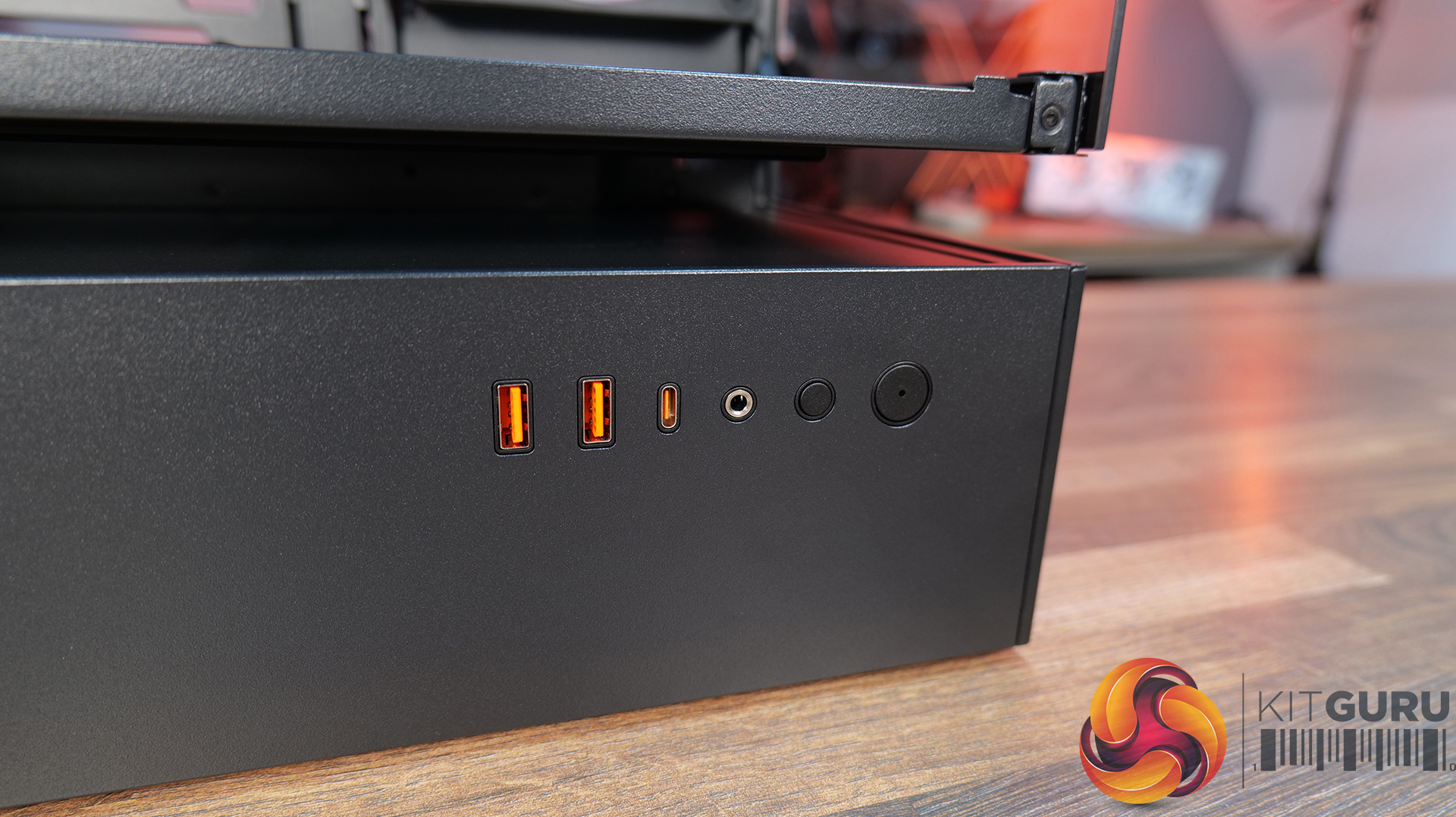
Front I/O: USB 3.2 Gen 2×2 Type-C ×1, USB 3.0 Type-A ×2, 4-Pole Headset Audio Jack ×1, RGB Button
LCD Screen: N/A
Thermal Performance Testing
To simulate thermal demand, we run the Cinebench R23 multi-thread benchmark and 3DMark Speed Way stress test simultaneously in a loop for 30 minutes to load the system fully. This gives the CPU and GPU enough time to reach constant steady-state temperature. With this data, we can compare how the system handles the thermal demand and measure peak noise levels.
Thermal performance is measured with the case in various configurations, such as the default, with the tempered glass left-hand side panel removed and with the front panel removed to see how these configurations affect the CPU and GPU temperature. During testing, only stock case fans are used unless otherwise specified. All water pumps are set to maximum RPM and fans are set to a custom RPM curve by the Motherboard software/BIOS.
All temperature measurements are presented as Deltas – meaning the ambient temperature has been deducted from the CPU temperature, giving us a Delta. Data shown in the charts represents the average component temperature over the length of the test as measured by HWiNFO, and then the last 15 minutes of the data are calculated to get the average. The ambient temperature during thermal tests is between 19-20⁰C.
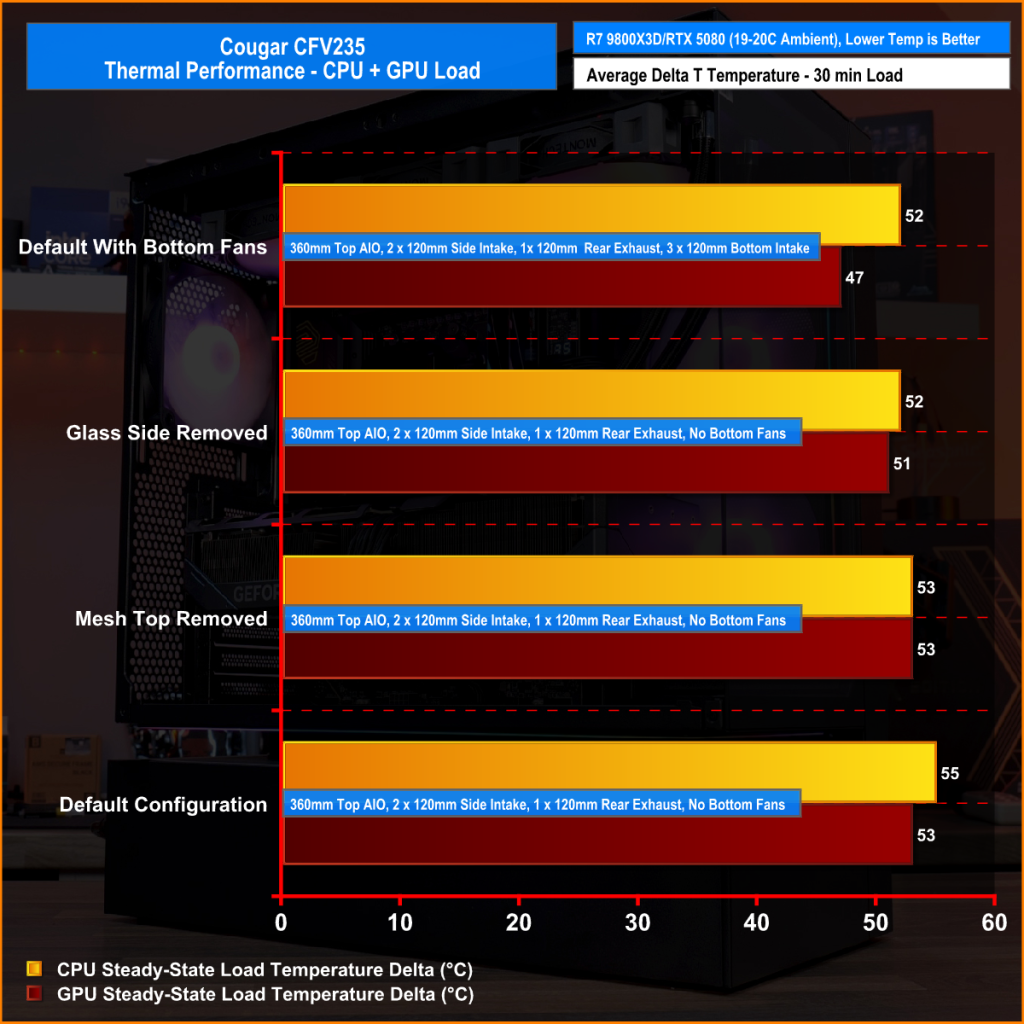
We tested the case thermals with a 360mm AIO as the exhaust at the top and in several different configurations. The default configuration shown in the charts is with the 360mm AIO at the top, Cougar Unity 240 intake side fan, 1 x 120mm rear exhaust and with all panels installed.
In our thermal testing the Cougar CFV235 delivered fairly consistent thermal results across different configurations. With the default setup, the system recorded 53°C over ambient on the CPU and 49°C on the GPU. Taking off the mesh top panel produced similar behaviour, with the CPU reaching 53°C and the GPU 49°C. So the mesh isn’t too restrictive.
Removing the glass side panel had little effect on CPU or GPU thermals at 52°C and 48°C, respectively. But adding bottom intake fans reduced GPU temperature further to 46°C over ambient, while CPU temperature remained the same at 52°C. Overall, the results suggest the case’s stock airflow configuration is reasonably well balanced, but there are minor GPU thermal gains to be had from adding bottom intake airflow.
Noise Output
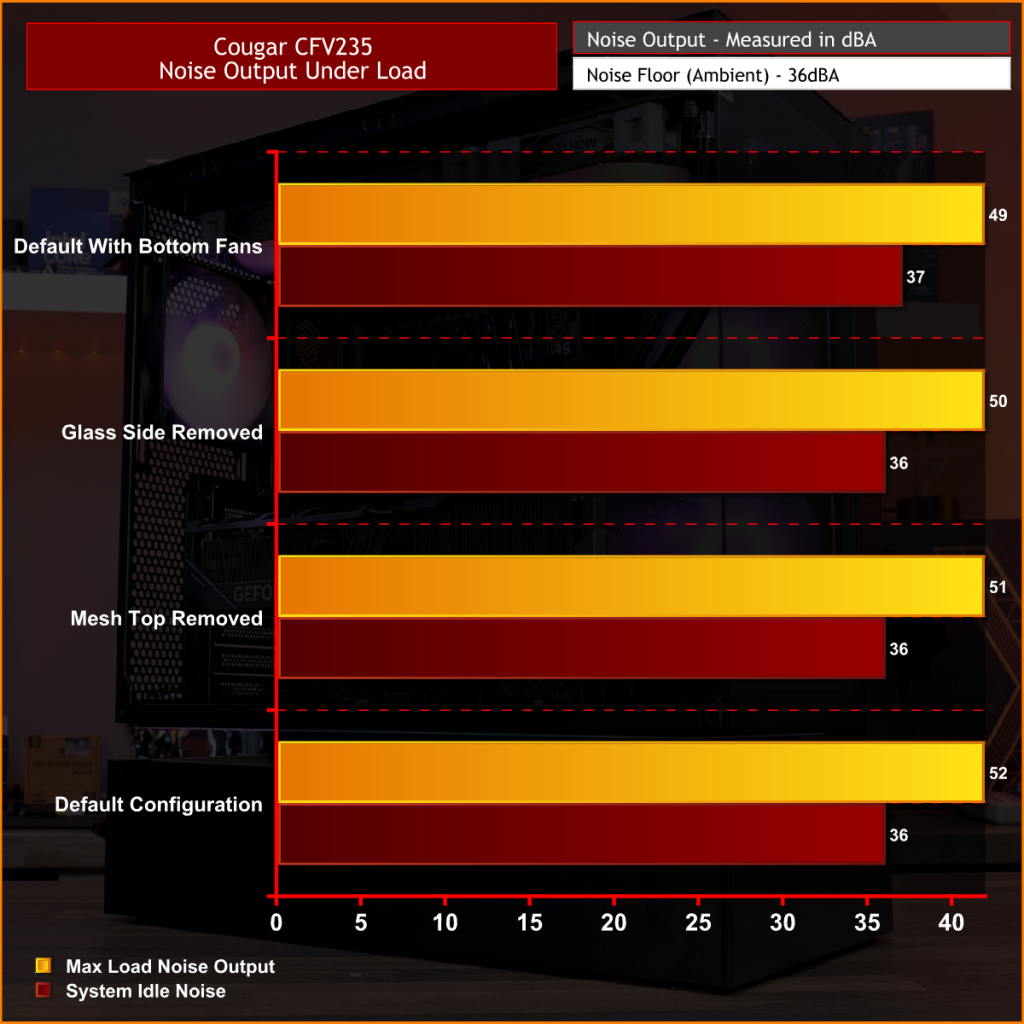
As with thermals, the noise testing shows only a minor difference between configurations under load. In the default configuration, the maximum load noise measures 52 dBA, which drops to 49 dBA when bottom intake fans are installed – showing the cooler GPU temperature helped reduce fan speed.
At idle, the system remained consistent across all configurations at around 36–37 dBA. Overall, our testing would suggest the additional bottom fans help reduce system noise slightly under load, while panel removal has a minor impact on acoustics.
Closing Thoughts
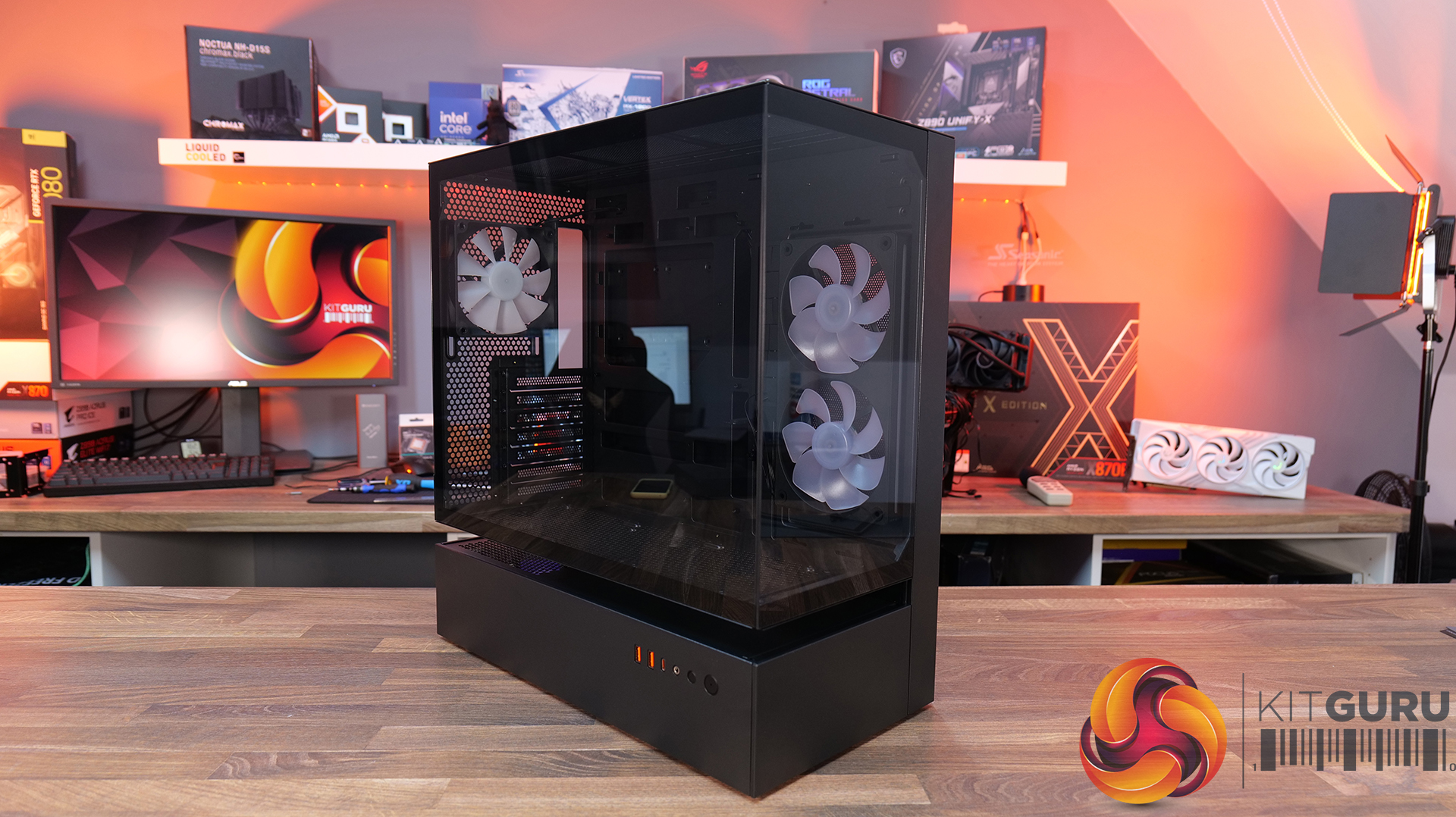
First impressions of the Cougar CFV235 are good thanks to its distinctive design. Cougar’s Central Floating Ventilation layout gives the chassis a unique look that stands out from more conventional mid-tower designs, while the overall construction feels surprisingly solid and well put together. Panel fitment is good, materials feel sturdy, and the case generally gives the impression of a well-built product.
Thermal performance is decent rather than class-leading. The stock configuration delivers stable temperatures in our testing, but it doesn’t quite extract the maximum possible cooling potential straight out of the box. That said, adding bottom intake fans provides a small but noticeable improvement in GPU temperature and noise, suggesting the airflow design benefits from a little extra intake to help feed the GPU and main chamber. Based on that, it does seem odd that Cougar doesn’t include bottom intake fans as the default.
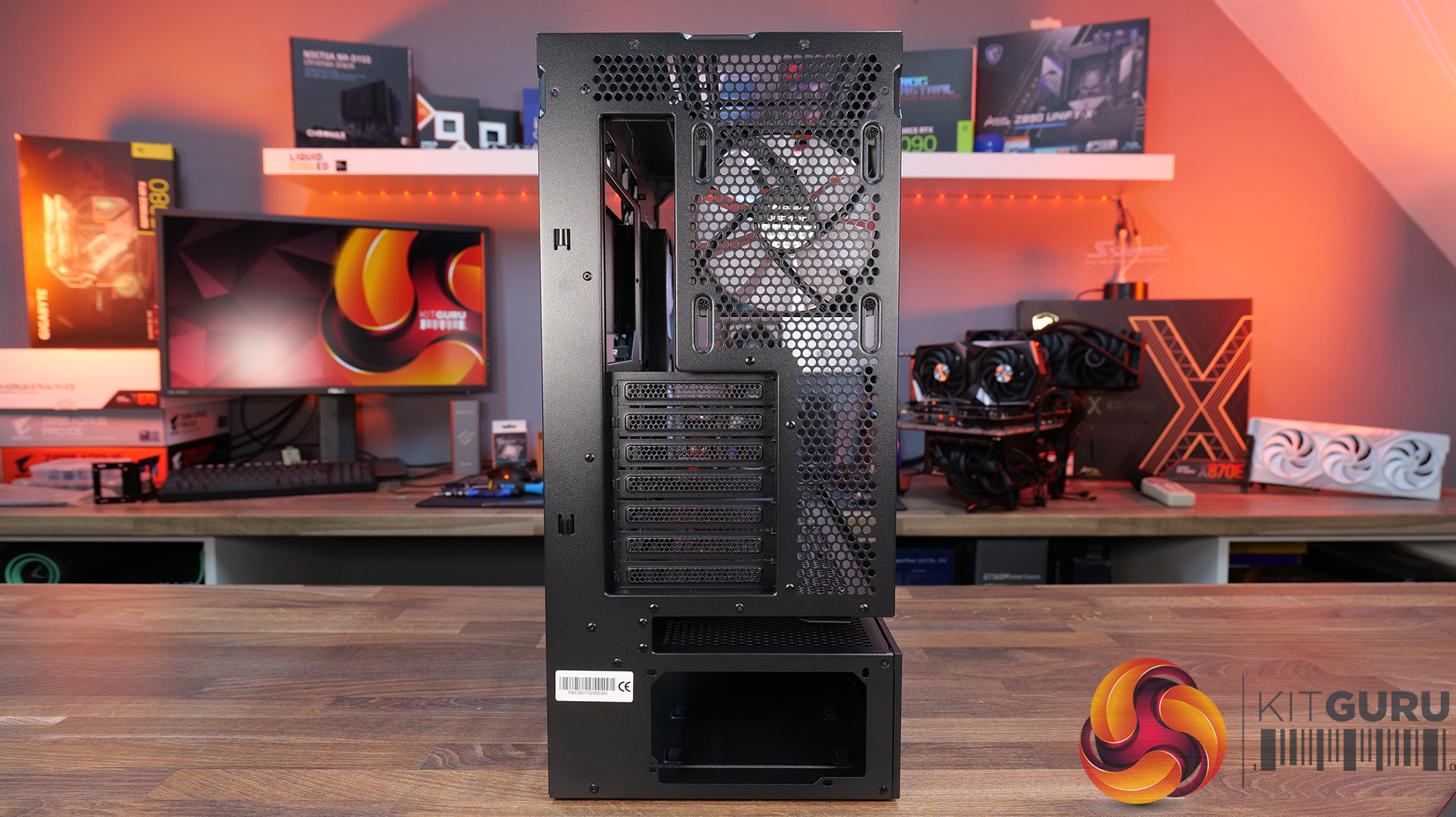
There are a couple of minor usability issues worth mentioning, such as the lack of removable radiator brackets, meaning that it's difficult to connect cables at the top of the motherboard with an AIO installed. This is a feature I like to see at this price point. Additionally, the side cable cut-out grommet can be easily dislodged during cable routing, which may prove to be a little frustrating during the build process.
Even with those small drawbacks, the CFV235 still offers a well-rounded package with strong build quality, extensive hardware compatibility, including back-connect motherboards, big graphics cards, plenty of cooling potential, and a distinctive aesthetic that all work in its favour. Thermal performance is also perfectly respectable once airflow is optimised with bottom intake fans. For builders looking for something a little different visually without sacrificing practicality or build quality, the Cougar CFV235 is a solid option.
UK availability is scarce but we found it listed on Amazon HERE.
Pros:
Unique look with the free-floating top chamber.
No adverse chassis flex due to the 1.5mm thick steel frame.
Good hardware support, with up to EATX motherboards, including back connect, and big graphics cards.
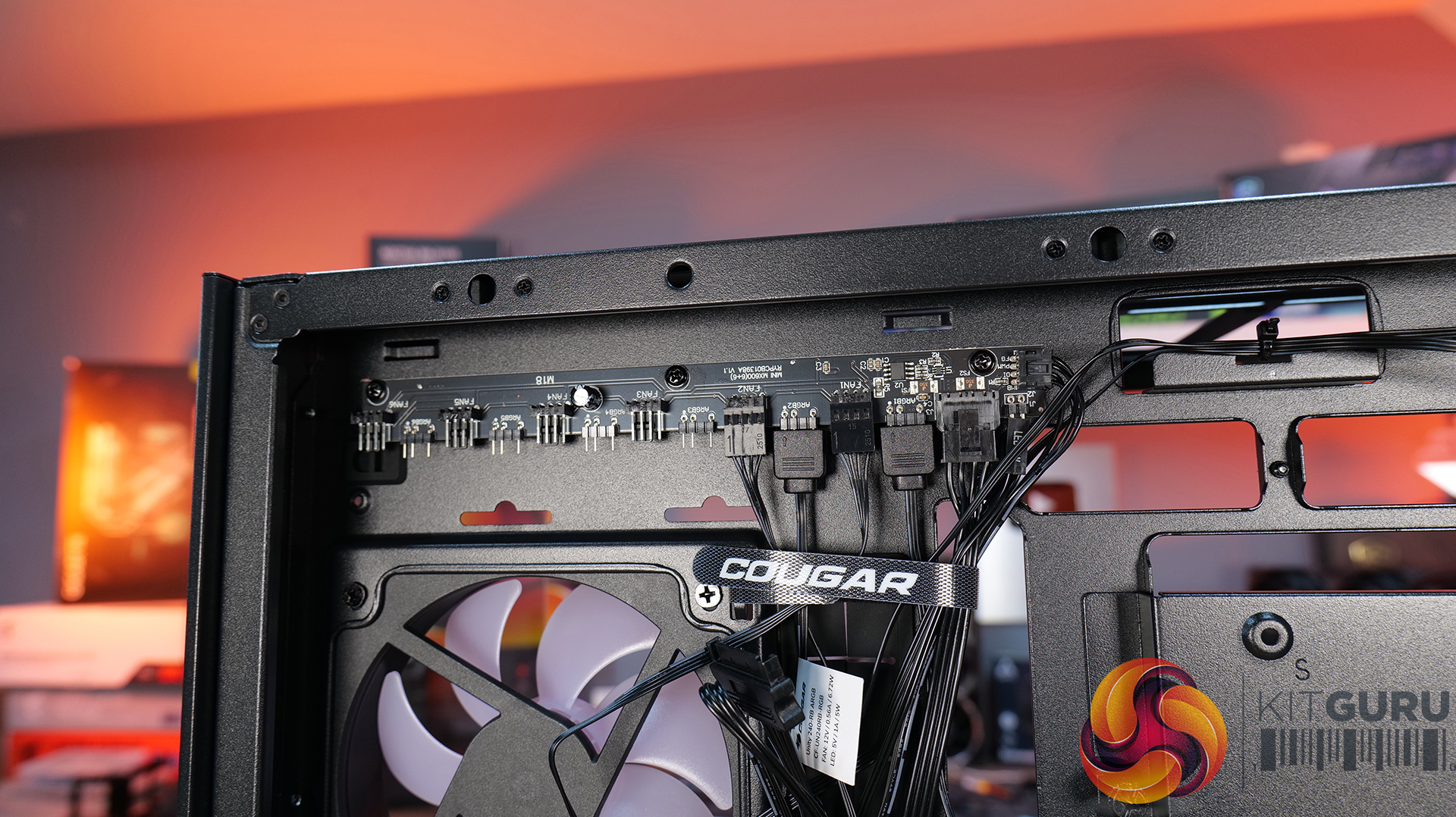
Included six-port PWM ARGB hub.
Cons:
Thermal performance is a little limited out of the box.
Non-removable top radiator bracket.
Side cable grommet is easily dislodged.
KitGuru says: If you want a case that has a distinctive look but doesn't sacrifice build quality or practicality, the Cougar CFV235 is worth a look.
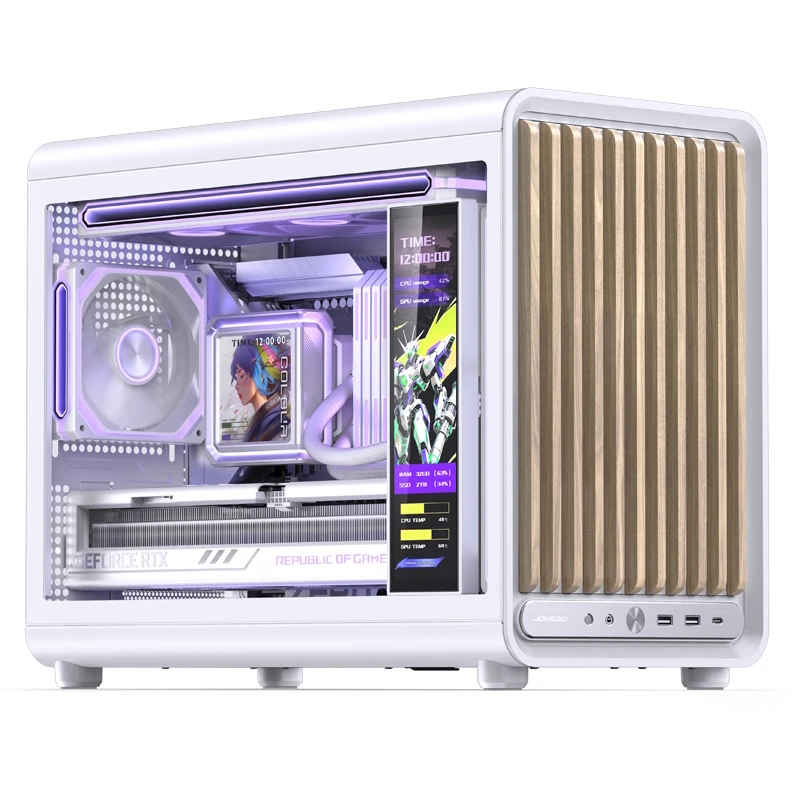
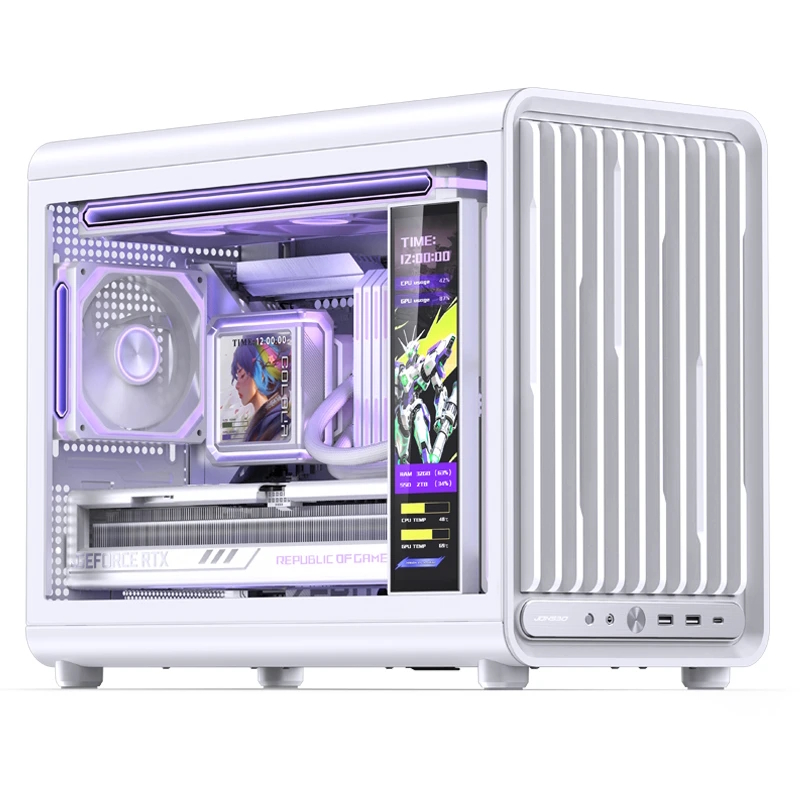
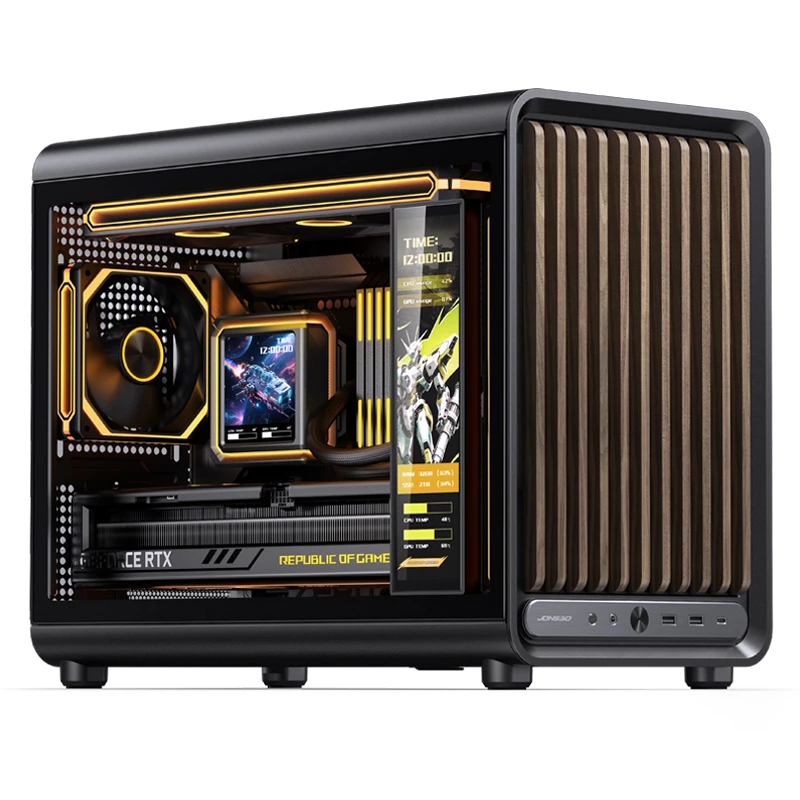
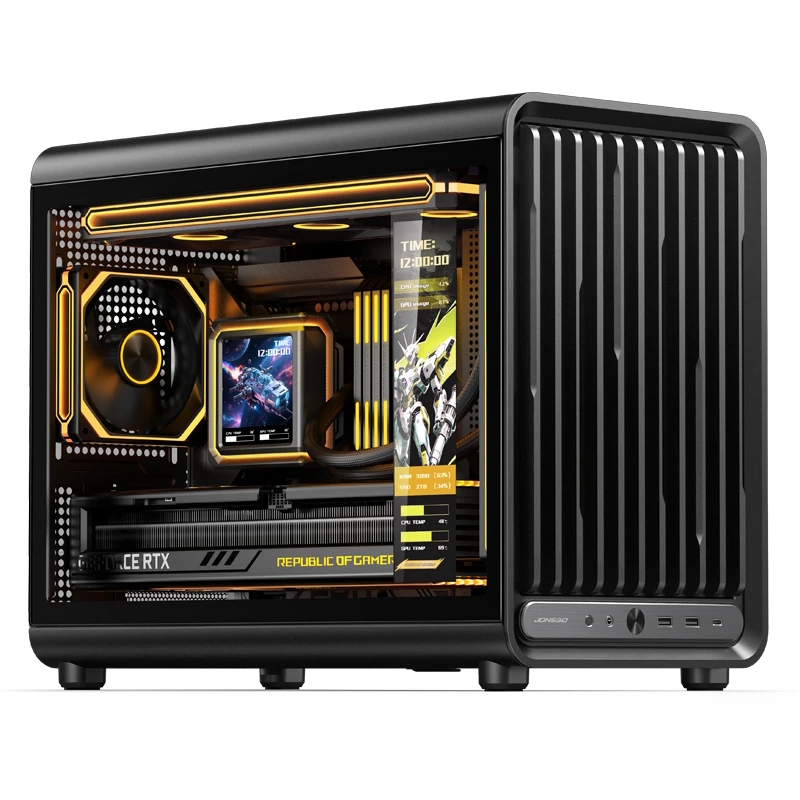
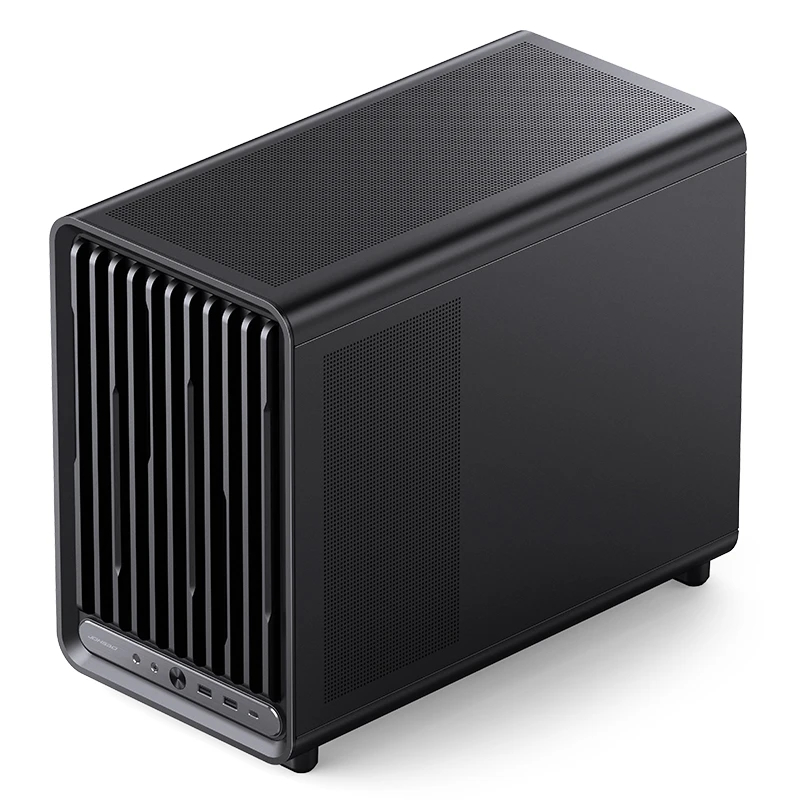
Jonsbo is expanding its case lineup with the launch of the D33 and its wood-accented sibling, the D33 Wood. These Micro-ATX cases are built for enthusiasts who want a “furniture look” without sacrificing the cooling potential required for modern high-end hardware.
Available in black and white across both variants, the D33 series features a compact footprint of 455 x 238.2 x 368.4mm. The standard D33 features a plastic front panel defined by bevelled vertical bars. For the D33 Wood, Jonsbo swaps these for genuine wood slats, utilising a light oak-like wood for the white chassis and a darker walnut-toned wood for the black version. While the wood variant uses straight bars rather than bevelled edges, both models maintain a clean, integrated I/O panel that includes a USB-C port, two USB-A 3.0 ports, and a power button.
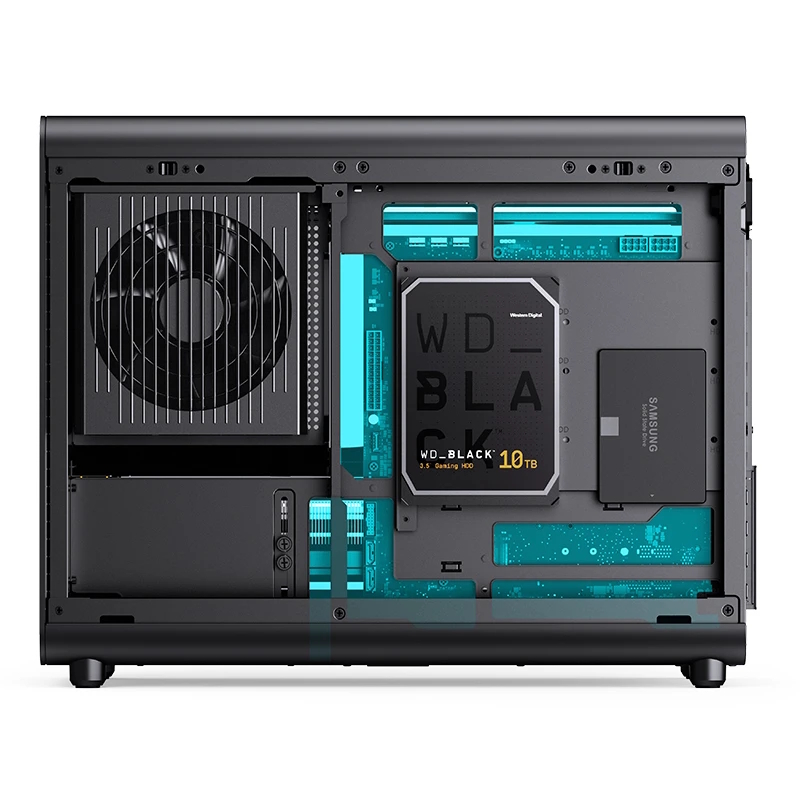
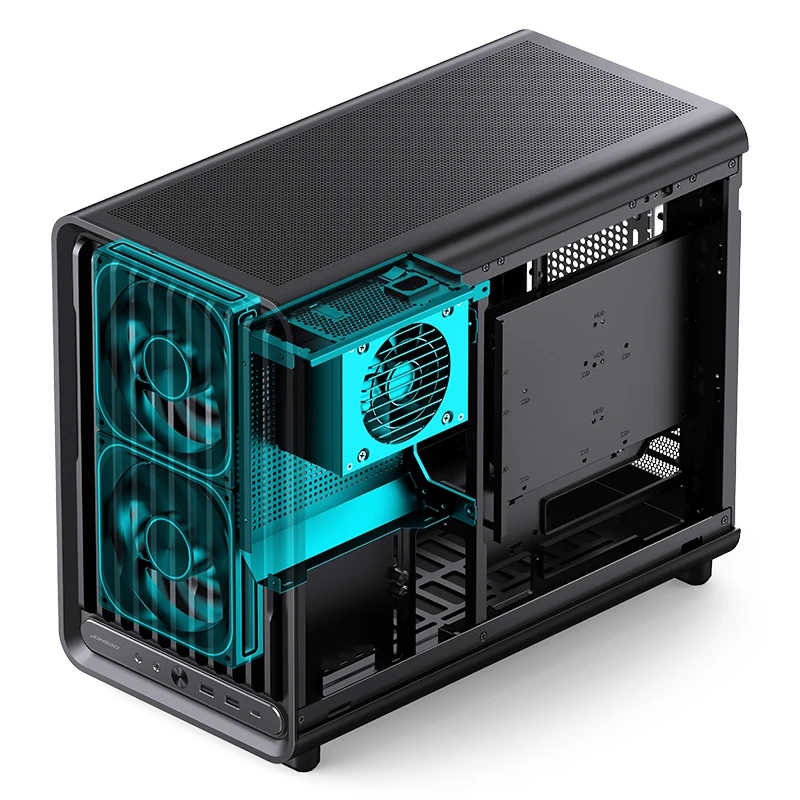
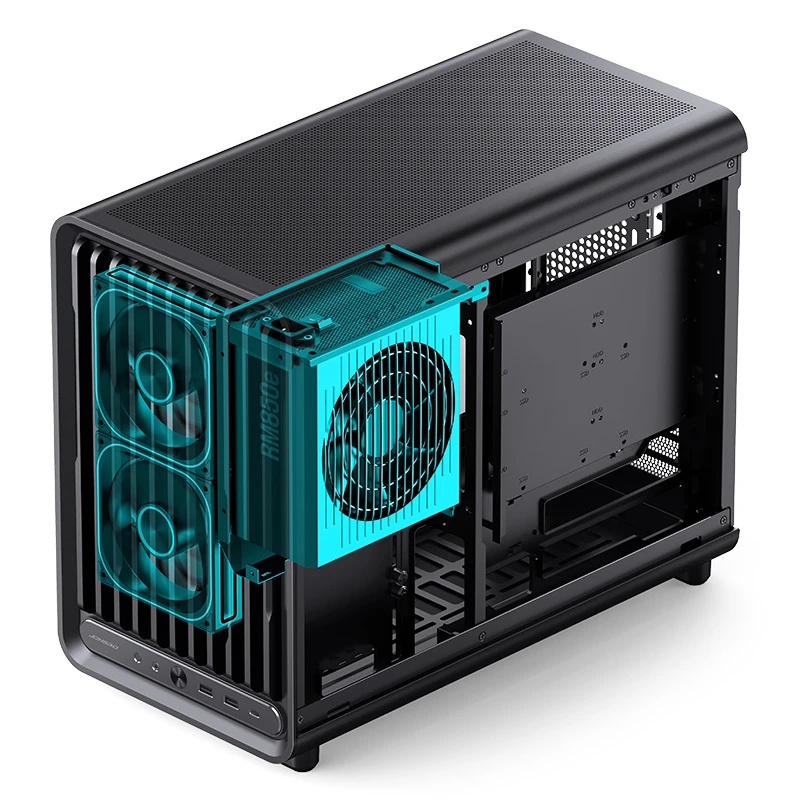
The D33 natively supports motherboards with rear-mounted connectors, such as the MSI Project Zero or Asus BTF series. To accommodate these boards, Jonsbo has engineered a large, component-free zone behind the motherboard tray for routing. This focus on a clean interior does come with a slight trade-off in storage, as the case relies on a single bracket behind the CPU backplate that can hold two 2.5-inch or 3.5-inch drives. However, this layout leaves the bottom of the chassis open for three 120mm intake fans and two 120 or 140mm fans on the front, depending on whether you're using an ATX or an SFX PSU.
Regarding cooling, the cases use a “sandwich” mounting system for top-mounted radiators. Rather than bolting the cooling kit directly to the chassis frame, the fans, mounting plate, and radiator are layered together into a single module that then attaches to the top panel. While this requires a bit more assembly time than a traditional mount, it allows the D33 to support a full 360mm radiator in a Micro-ATX frame. For those who prefer air cooling, the case offers 172 mm of clearance for CPU towers. Lastly, there's space for PSUs up to 160 mm long and cards up to 435 mm long.
KitGuru says: If you're planning to downsize your build, the D33 looks like a potentially good option for a compact case.
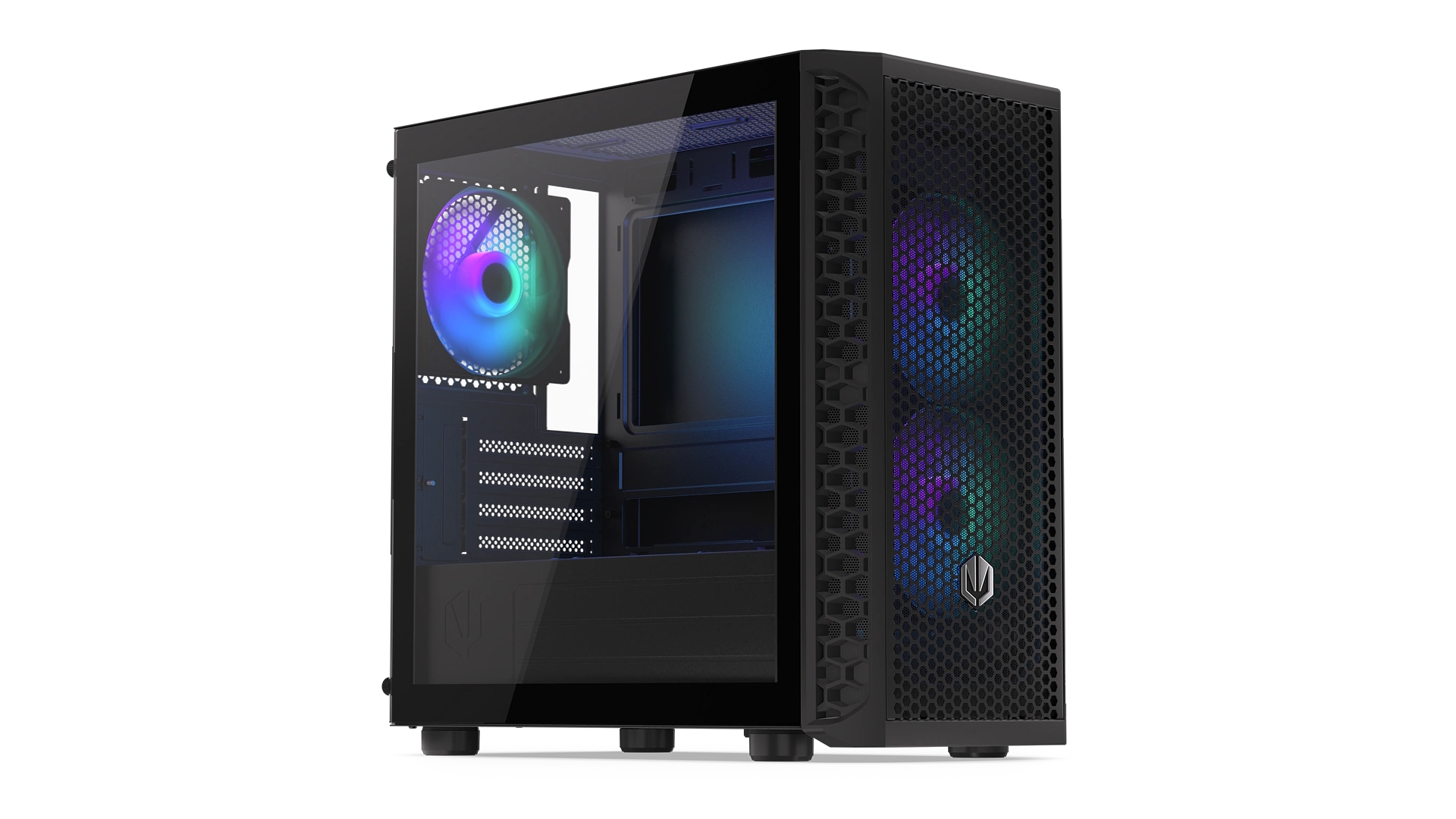
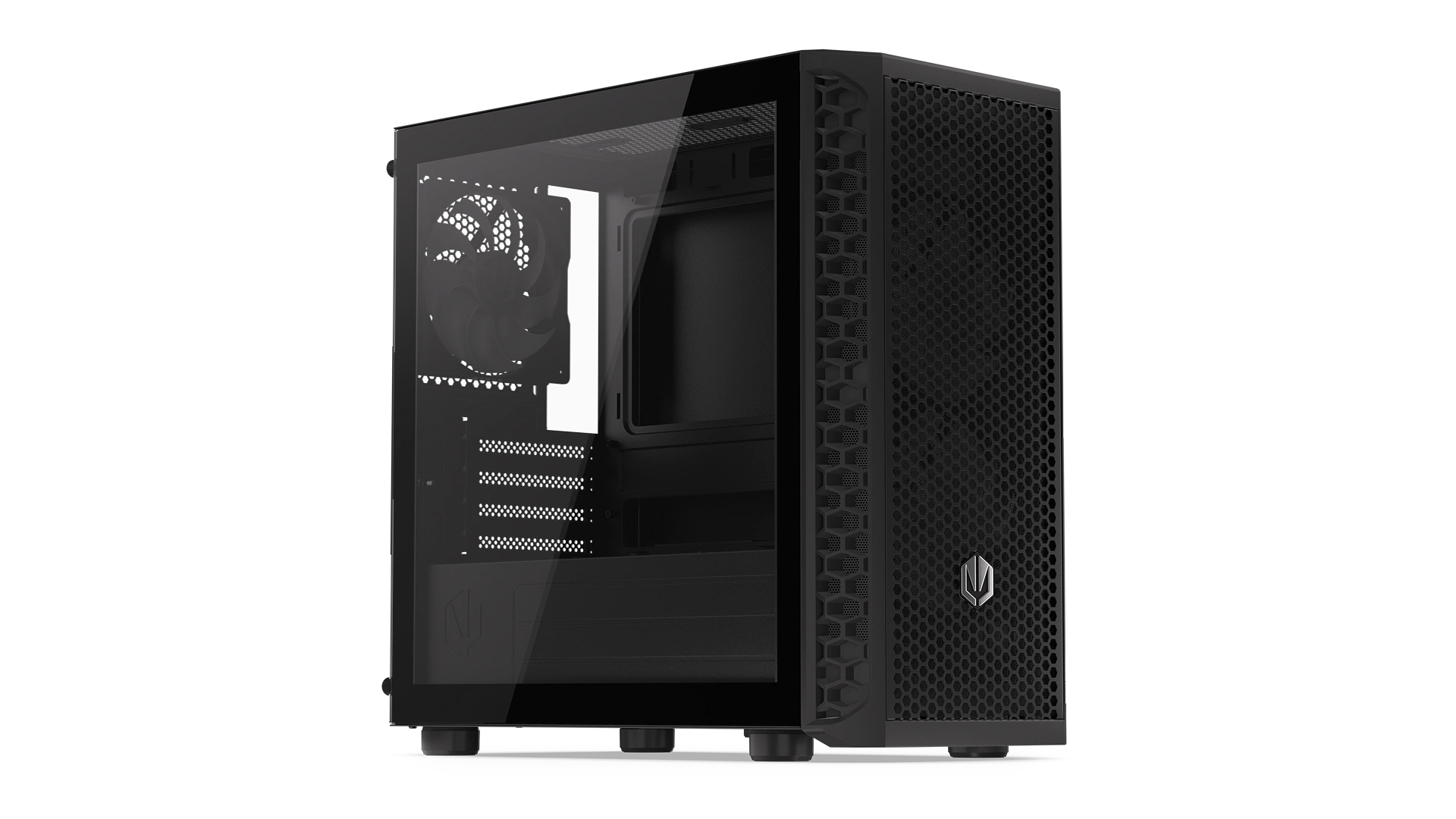
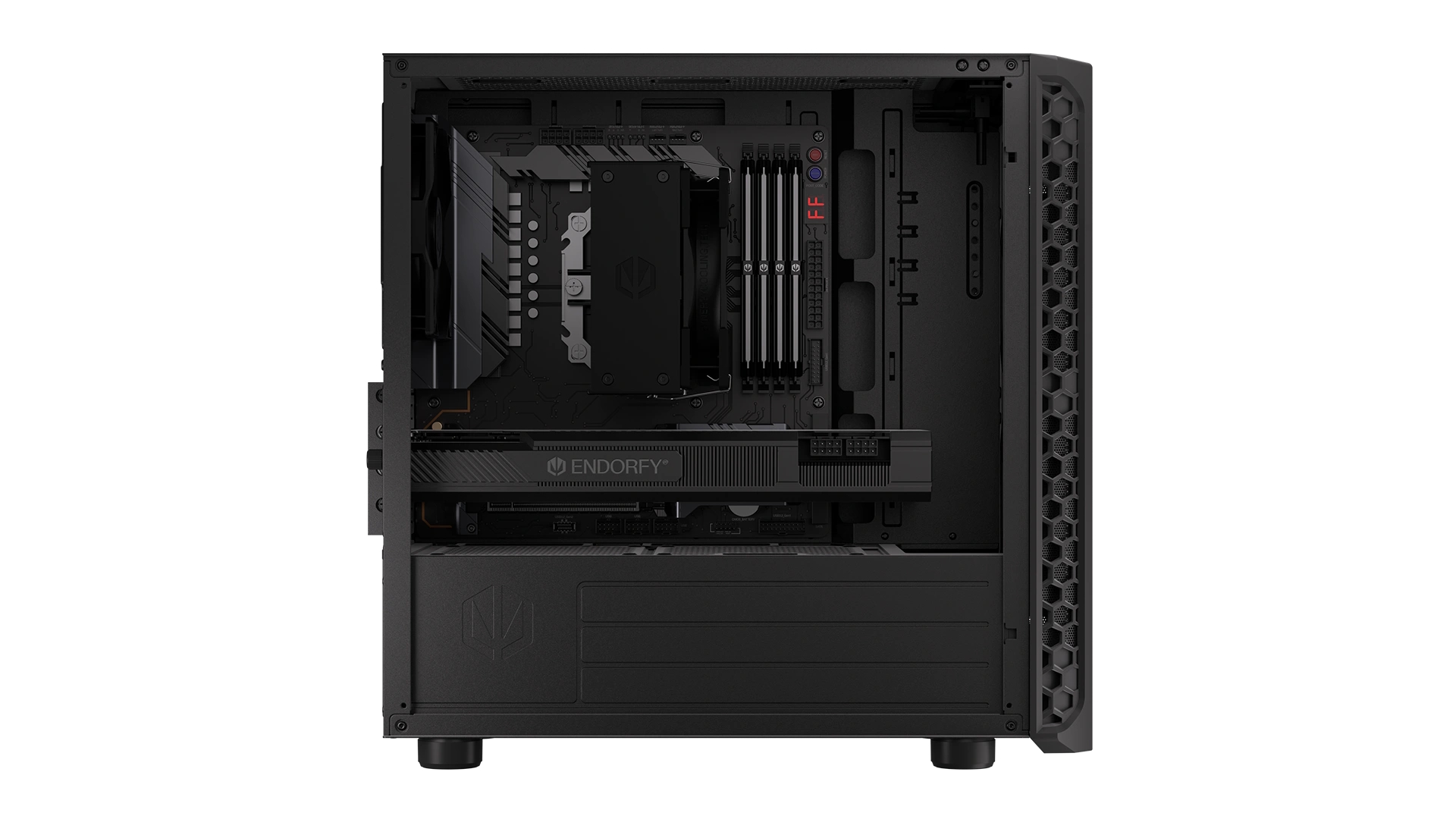
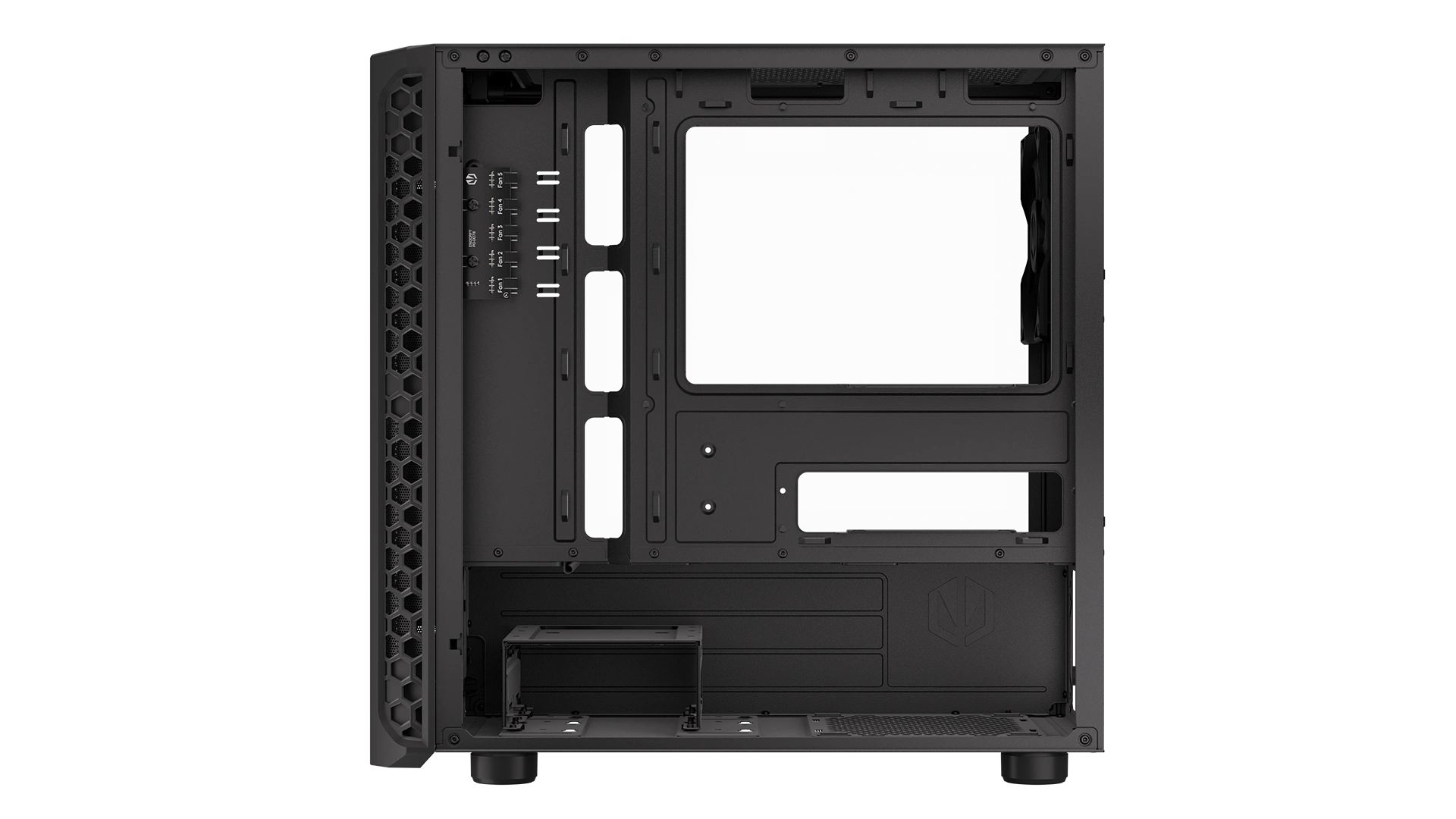
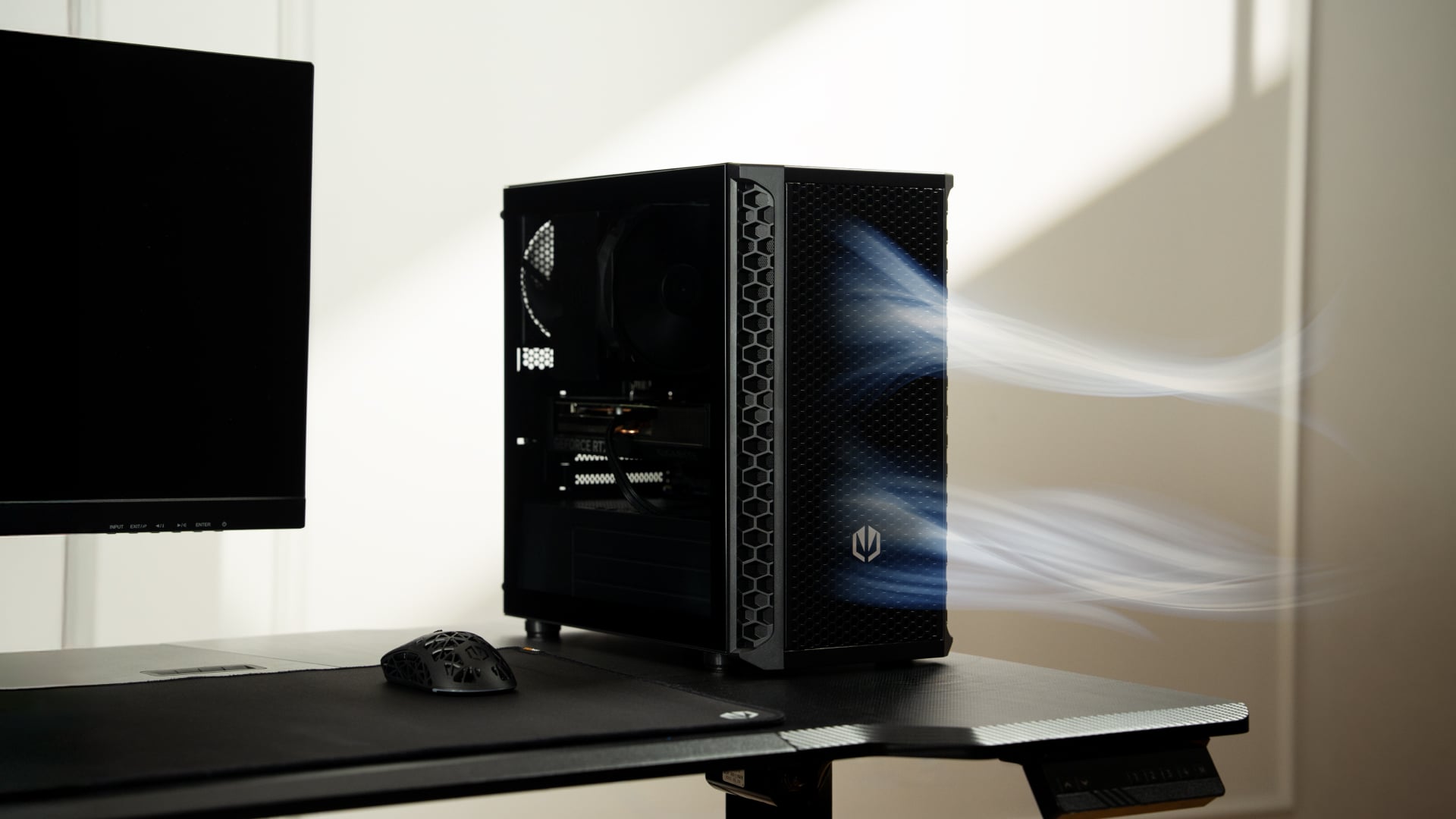
Endorfy has made its debut in the mATX market with the launch of the Signum M30 series, a new line of compact mini-towers inspired by the brand’s successful Signum 300 family. Designed to offer full-sized functionality within a smaller footprint, the series debuts with two distinct models: the Signum M30 ARGB and the Signum M30 Air.
Despite their compact dimensions, the Signum M30 cases do not compromise on hardware compatibility or cooling. Both cases are engineered for high-performance builds and support motherboards in microATX, Mini-ITX, and Flex ATX formats. Regarding GPU and cooling support, these models accommodate graphics cards up to 345 mm in length, CPU air coolers up to 159 mm, and up to a 240 mm radiator.
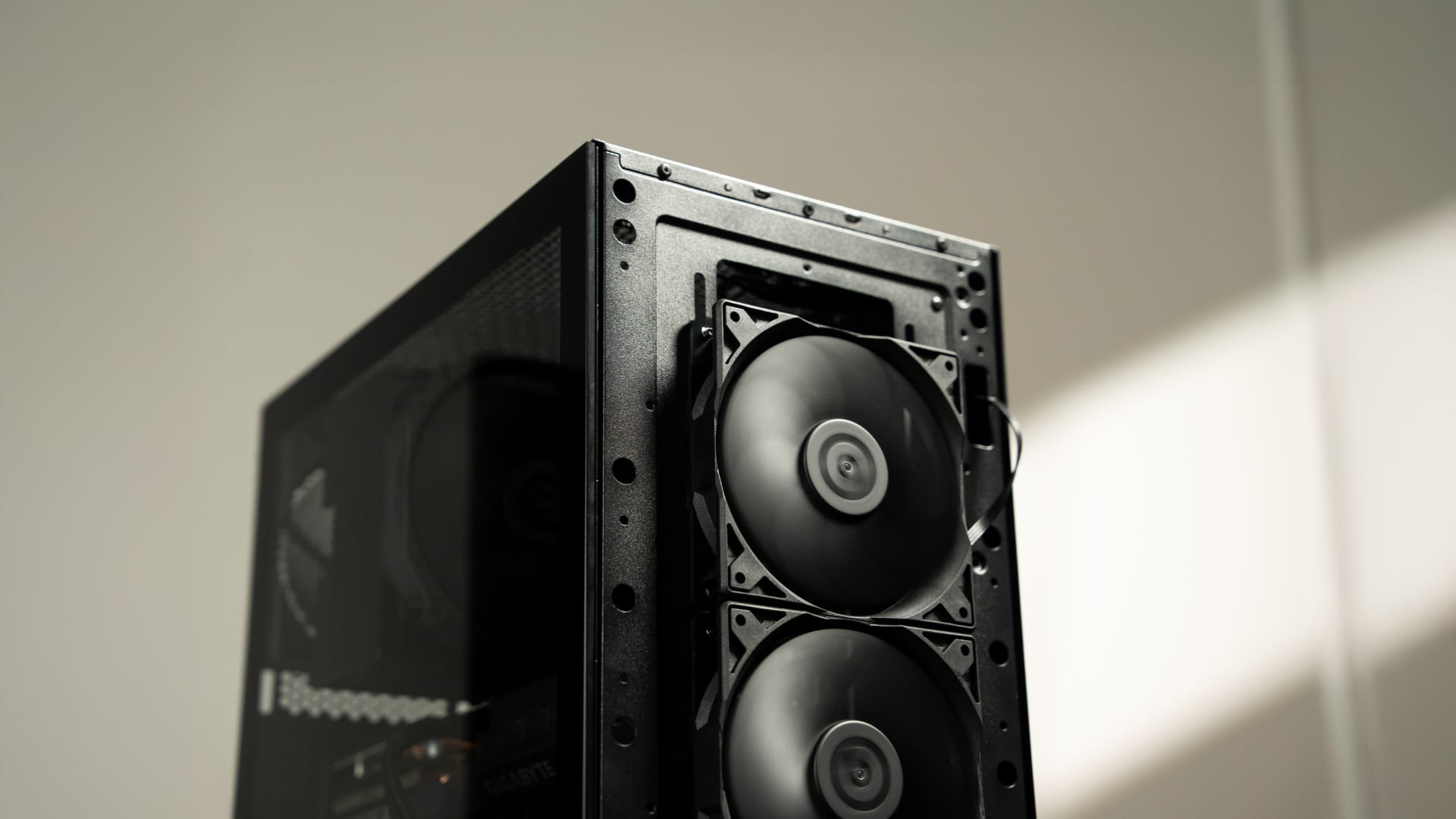
In both models, the chassis features a mesh front panel that doubles as a dust filter and a perforated top panel for unrestricted airflow. Moreover, each case comes factory-equipped with three Stratus 120 PWM fans: ARGB versions for the M30 ARGB and standard black for the M30 Air. These fans support a fan-stop mode for silent operation and are pre-wired to a PWM splitter for easy motherboard control.
The interior has a modern dual-chamber layout to keep the build tidy, offering dedicated cable routing channels behind the motherboard tray and a left-side tempered glass panel to showcase the components. Storage options are plentiful for the size, with room for two 2.5-inch and two 3.5-inch drives. On the front I/O, Endorfy has included a USB-C 3.2 Gen 2×2 port capable of 20 Gb/s speeds, alongside two USB-A 3.2 Gen 1 ports and dedicated audio jacks.
KitGuru says: Endorfy is making a smart move by bringing its “Signum” DNA to the microATX space. For builders tired of massive towers but unwilling to give up 345 mm GPUs, the M30 looks like a very balanced contender.
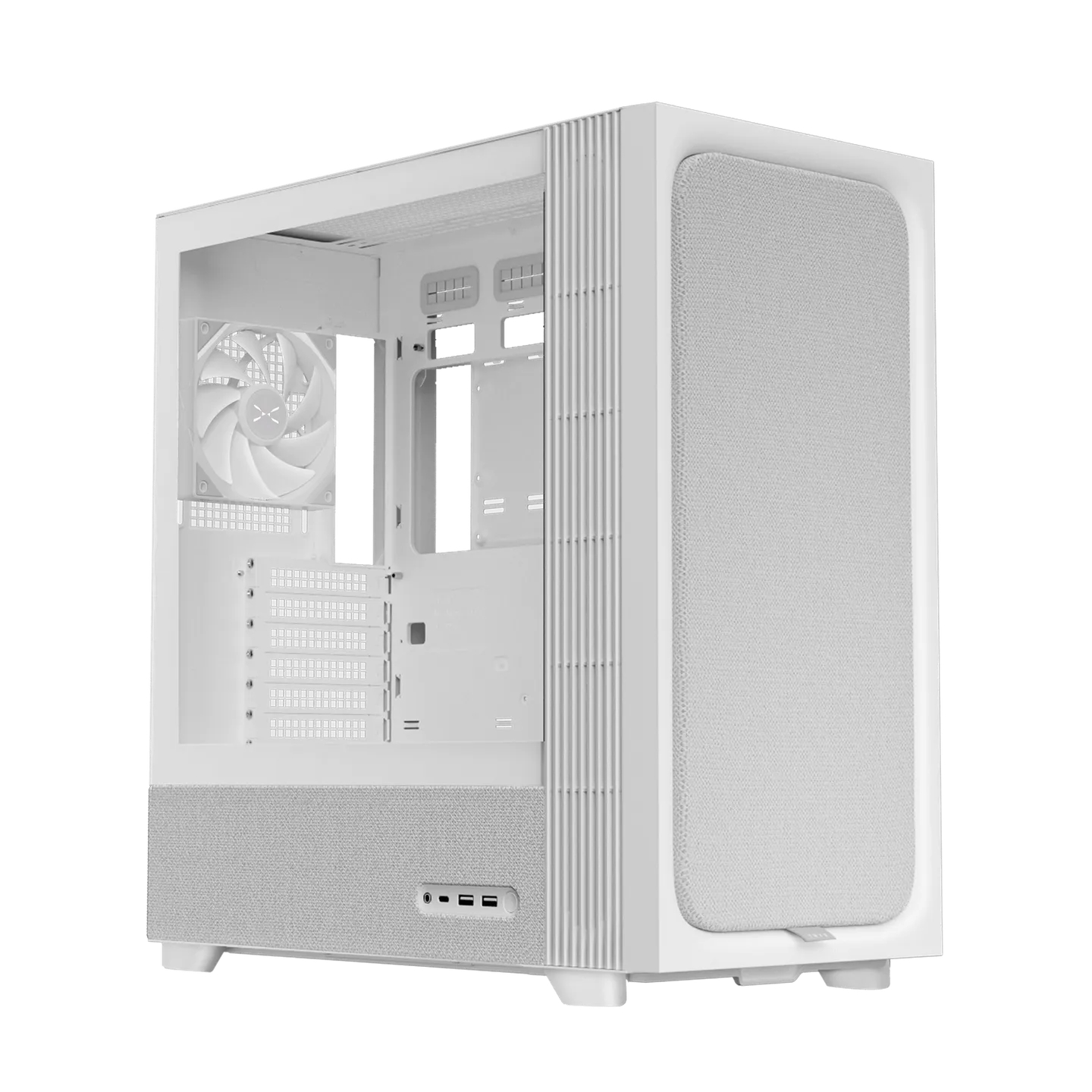
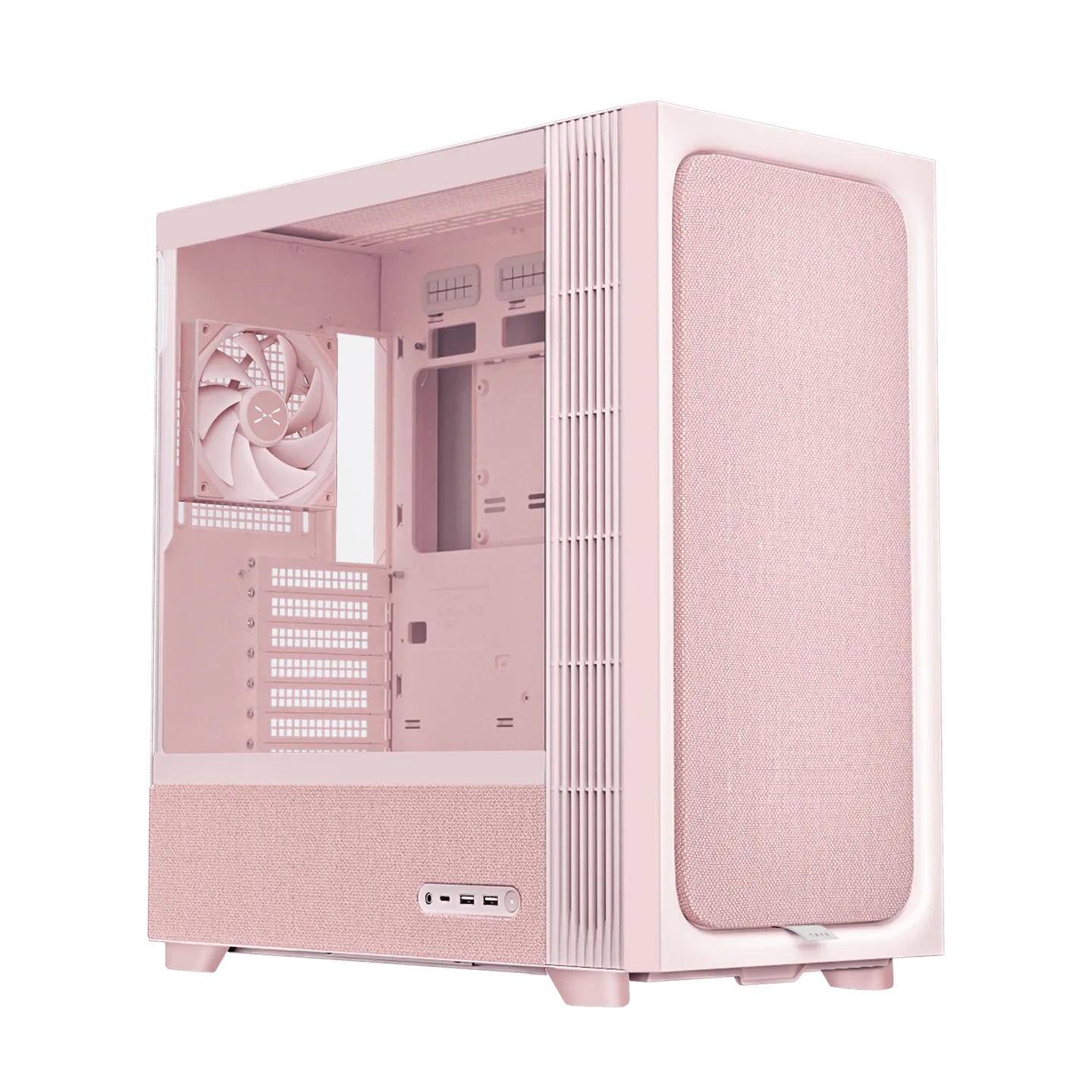
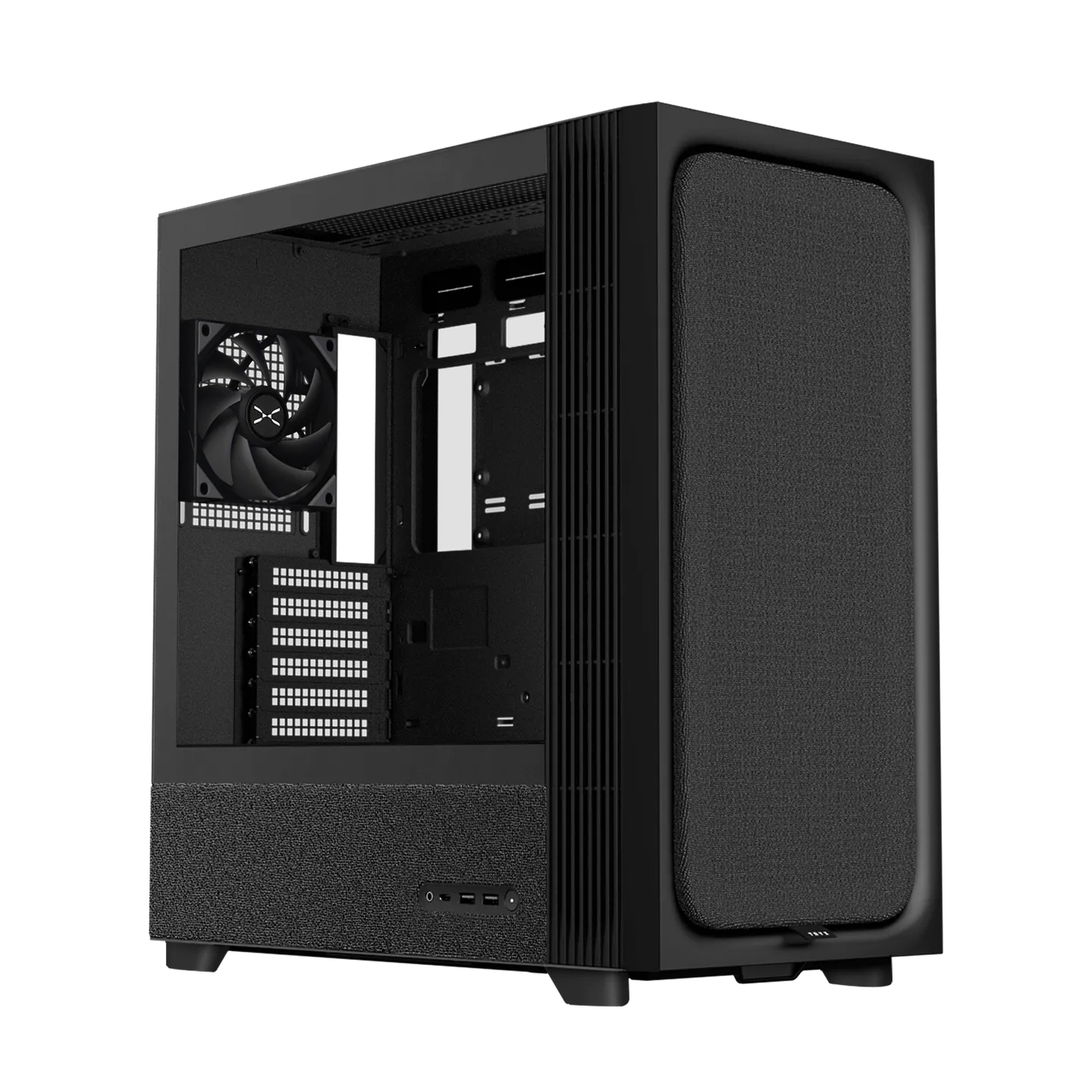
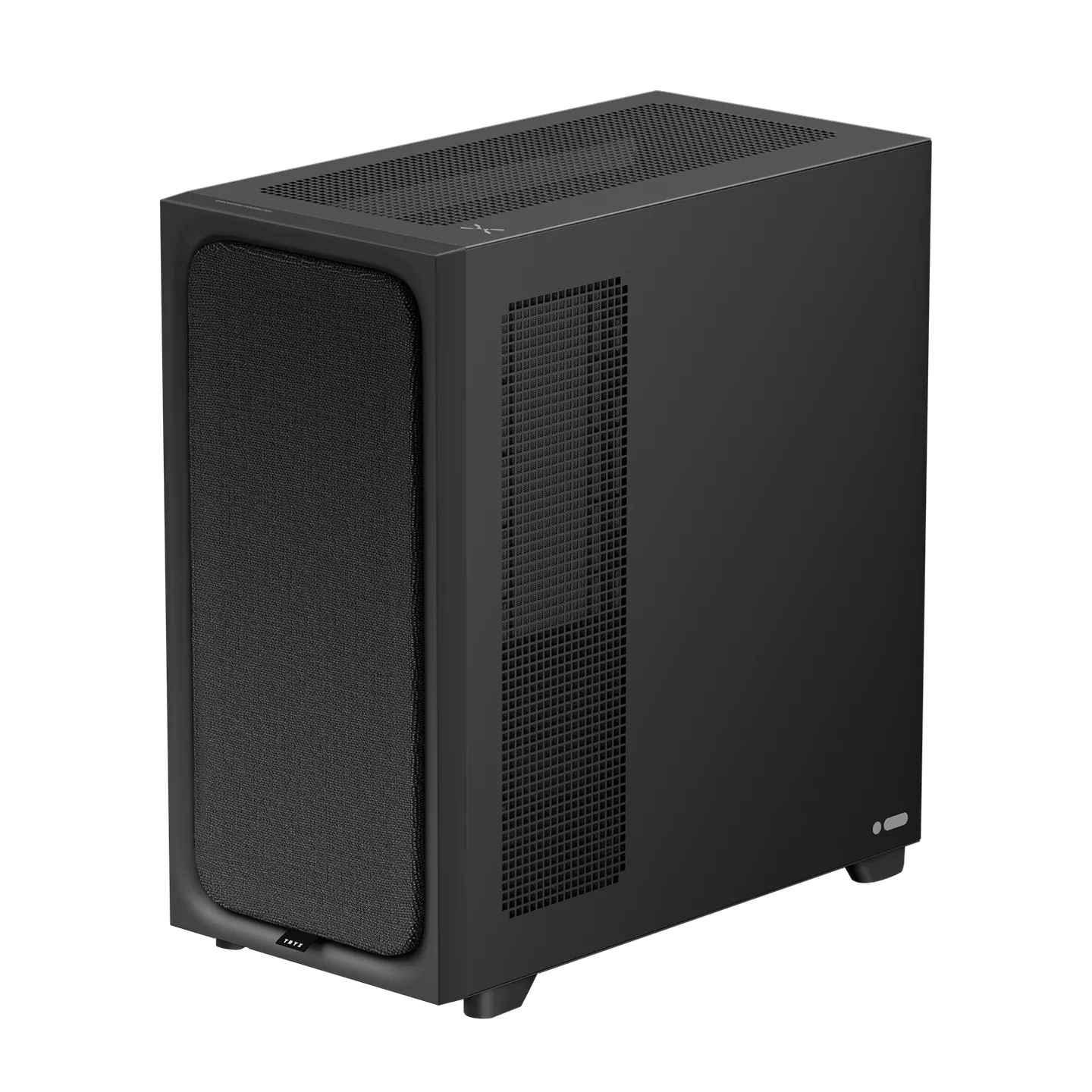
In a market often dominated by tempered glass and mesh, Tryx has launched the Flova F50, a mid-tower ATX chassis that prioritises a contemporary aesthetic through fabric. Covering the entire front panel and the lower-left section of the case, the thick fabric gives the F50 a premium “lifestyle” feel, available in black, white, and pink. However, because the fabric is too dense for traditional front-to-back airflow, Tryx has engineered a radical cooling solution that promises to keep high-end hardware running cool.
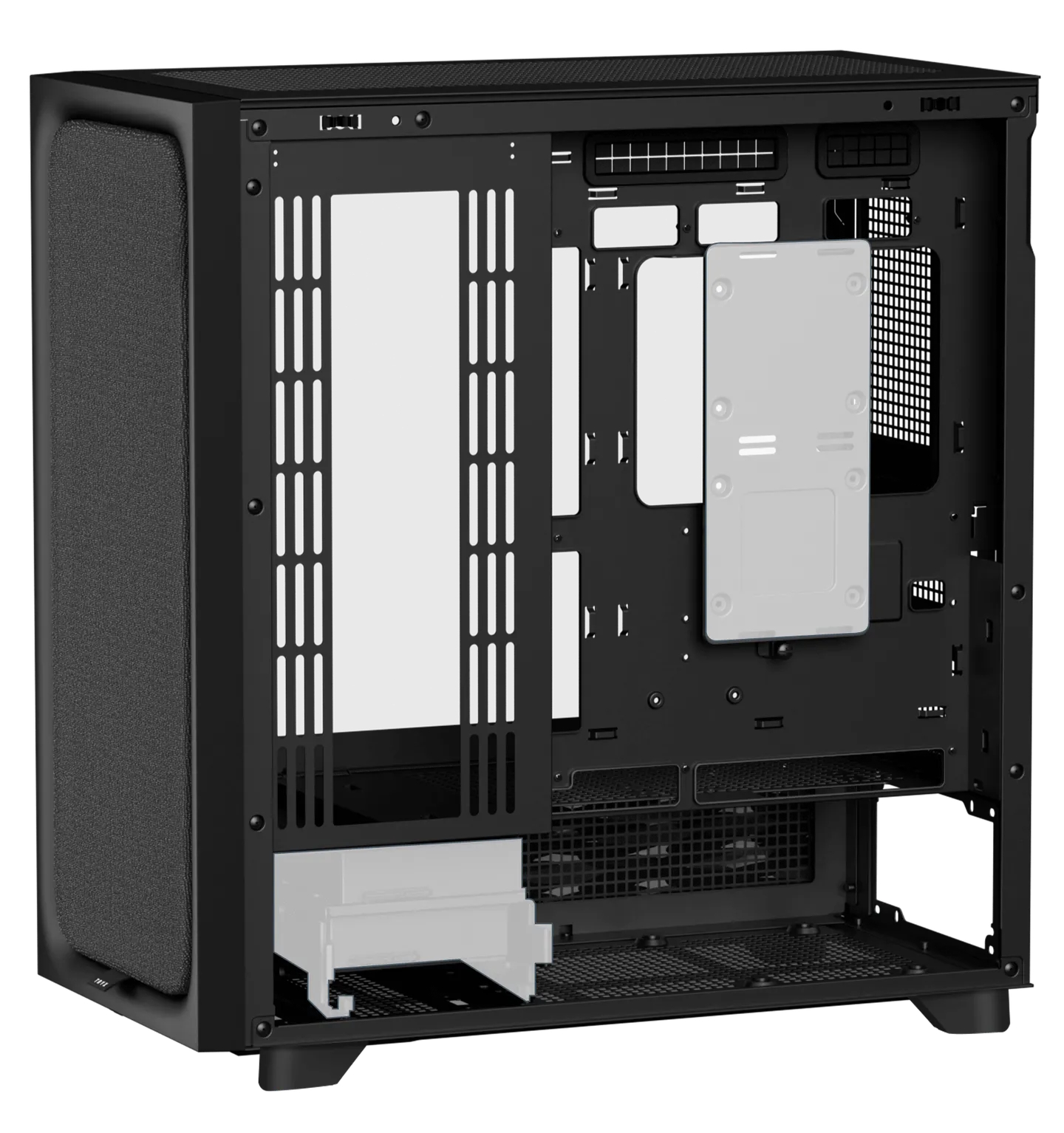
The centrepiece of the Flova F50's internal design is the cross-flow radial fan. Standing 250 mm tall and 50 mm in diameter, this specialised turbine draws air from the side of the case and directs it horizontally across the motherboard and graphics card. This approach replaces the standard front intake fans, allowing the chassis to maintain its uninterrupted fabric exterior while still achieving thermal efficiency.
Despite its focus on design, the FLOVA F50 remains highly capable in terms of modern hardware compatibility. It supports ATX, Micro-ATX, and ITX motherboards, with full compatibility for BTF (Back-to-the-Front) and PZ (Project Zero) hidden-connector motherboards. It also has enough space for most graphics cards, accommodating GPUs up to 360 mm with the cross-flow fan installed, or up to 420 mm without it. Lastly, for cooling and PSU clearance, it supports CPU air coolers up to 170 mm in height and power supplies up to 200 mm.
Starting at £129.95, the Tryx Flova F50 is positioned as a premium alternative for builders who want a PC that looks more like high-end furniture than a traditional gaming rig.
KitGuru says: Tryx is clearly targeting the “minimalist desk setup” crowd that has been flocking to cases like the Fractal North or Terra. While using fabric as a primary material raises questions about long-term dust maintenance, the inclusion of the 250 mm cross-flow fan shows that Tryx isn't just focused on looks. It's actually trying to offer a solution that looks great without major sacrifices.

 Login
Login