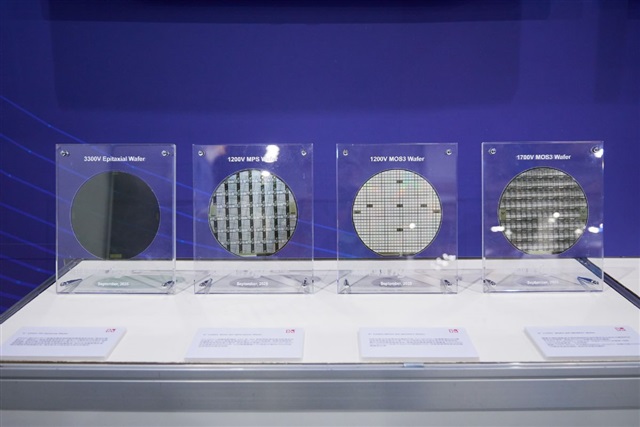
The global power semiconductor supply chain is undergoing another reshuffling, after Chinese chipmaker Nexperia triggered disruptions in 2025 and, more recently, China's Yangjie Technology was added to the European Union sanctions list.
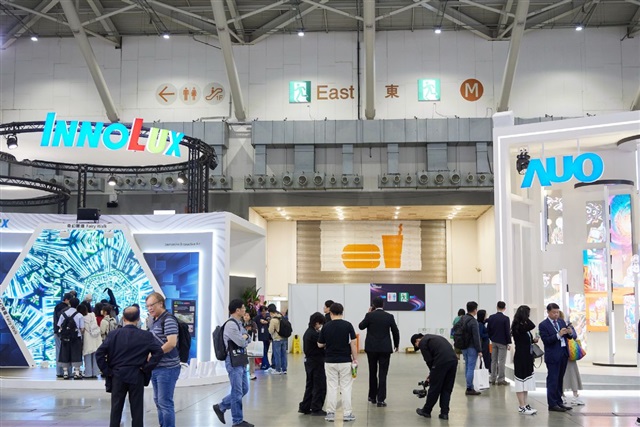
The demand boost that came from World Cup-related television purchases and China's annual "618" shopping festival is beginning to fade, exposing a familiar challenge for Taiwan's display industry: how to grow when the panel cycle turns against it.
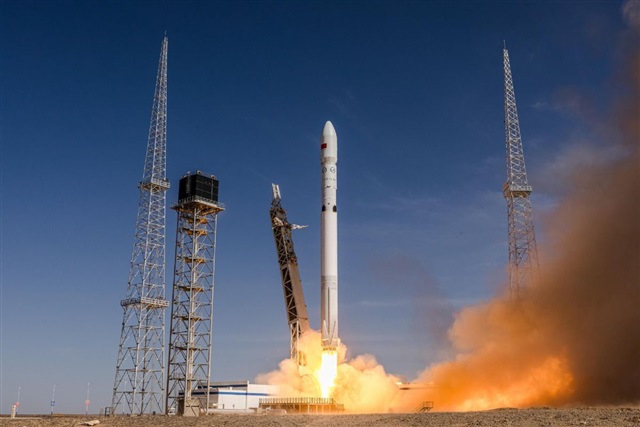
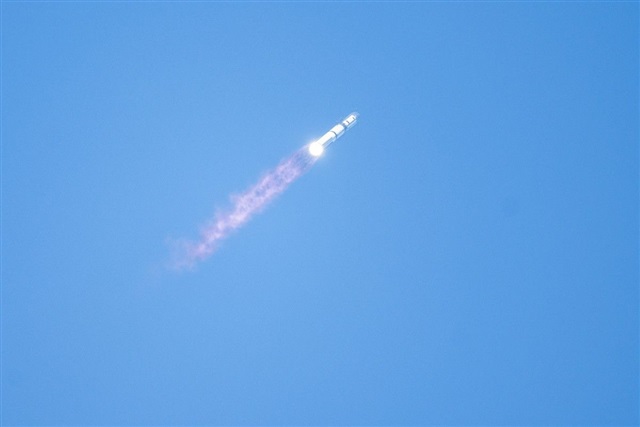
China has successfully launched a new commercial heavy-lift rocket designed to support the country's rapidly expanding satellite-constellation ambitions, marking another step in Beijing's effort to build a lower-cost alternative to Western space-launch providers.
Recent market speculation suggests that Nvidia's ambitious transition to a native 800-volt direct-current (800VDC) architecture for AI data centers may be delayed by up to a year, pushing large-scale production and deployment beyond 2028. The reports also claim that major cloud service providers (CSPs) could postpone adoption of the technology.
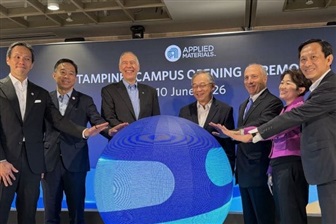
As artificial intelligence (AI) fuels an unprecedented surge in demand for advanced semiconductors, Applied Materials is deepening its commitment to one of Asia's most important chipmaking hubs.
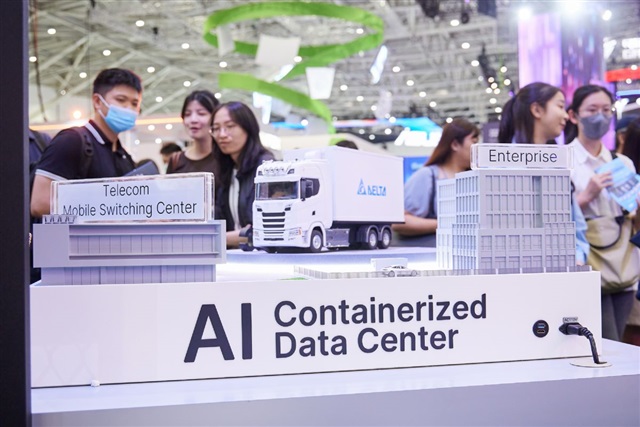
AI's relentless expansion is forcing a structural overhaul of data-center power infrastructure, creating a new investment cycle that extends well beyond servers and semiconductors.
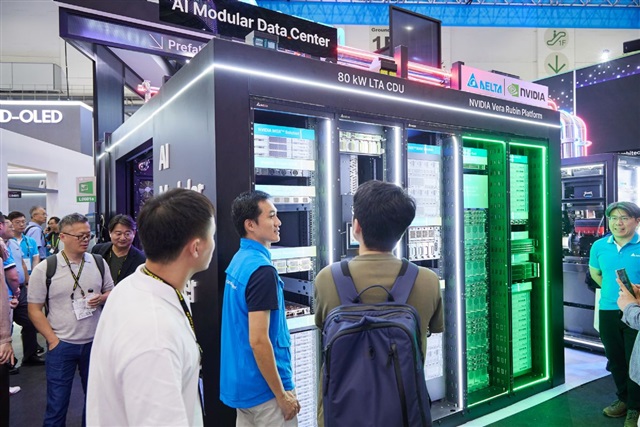
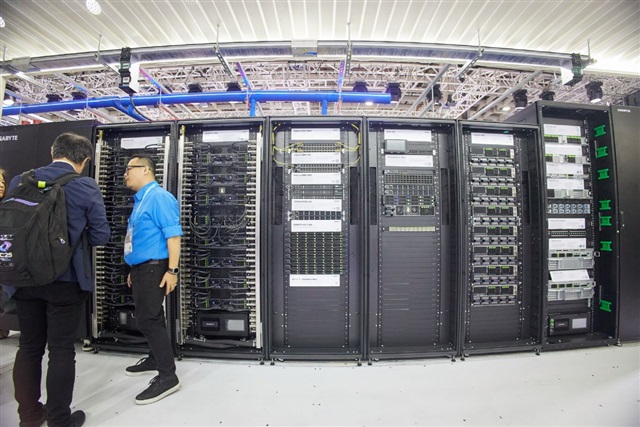
At COMPUTEX 2026, held under the theme "AI Together," a clear shift was visible across the exhibition floor: the focus has moved beyond individual chips and server specifications toward a far more practical challenge — how to rapidly deploy full-scale computing infrastructure under tight constraints of power, time, and construction capacity.
Computex, Asia's largest technology trade show, opened this year with many of the industry's most prominent executives gathering in Taiwan. Yet while Nvidia used the event to unveil new products and reinforce its ambitions in artificial intelligence (AI), Intel's appearance left some industry observers underwhelmed.
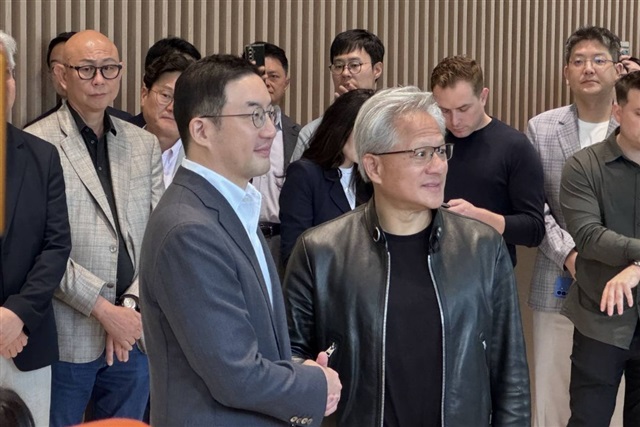
After concluding a meeting with SK Group on the morning of June 8, Nvidia CEO Jensen Huang traveled to LG Group's headquarters, the LG Twin Towers in Seoul's Yeouido district, for a formal meeting with LG Chairman Koo Kwang-mo. The discussions underscored a widening strategic partnership between the two companies across robotics, AI infrastructure, mobility technologies, and advanced AI development.
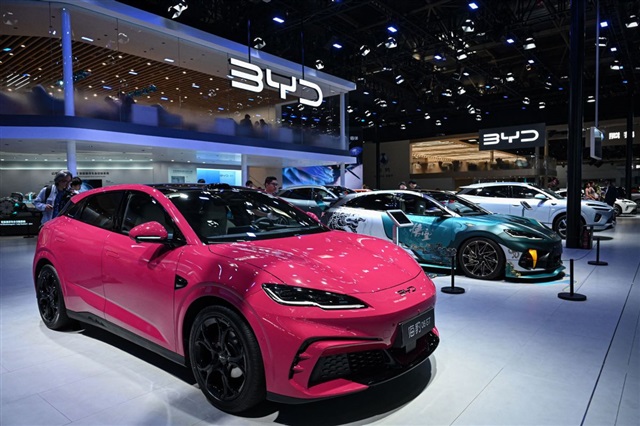
China's electric vehicles have become larger, heavier, and increasingly luxurious over the past decade. Now, regulators are signaling that the industry's era of unchecked expansion may be coming to an end.
Beneath the rapid expansion of electric vehicles and artificial intelligence infrastructure, a quieter battle is unfolding in the semiconductor supply chain.
As artificial intelligence drives an insatiable demand for computing power, China is beginning to look beyond terrestrial data centers and edge computing toward a new frontier: space.
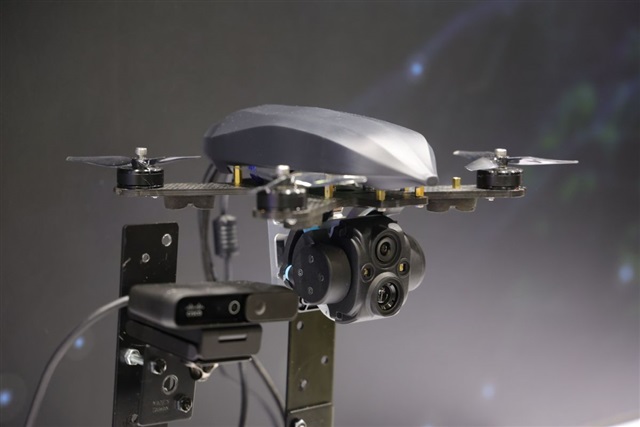
After years of supplying camera modules for consumer electronics, Taiwanese imaging company Altek is betting its future on a different vision: helping robots, drones, and autonomous machines understand the physical world.
As artificial intelligence moves beyond cloud-based chatbots and into factories, hospitals and warehouses, industrial computing company Advantech is positioning itself at the center of what it sees as the next phase of the AI revolution: the rise of edge and physical AI.
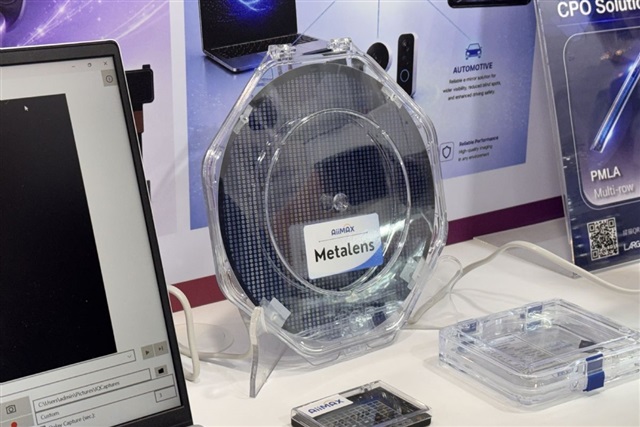
As artificial intelligence (AI) drives demand for more powerful computing systems and smarter machines, Taiwanese optics manufacturer Ability Opto-Electronics Technology is positioning itself at the intersection of two emerging technology frontiers: metalenses and optical interconnects.
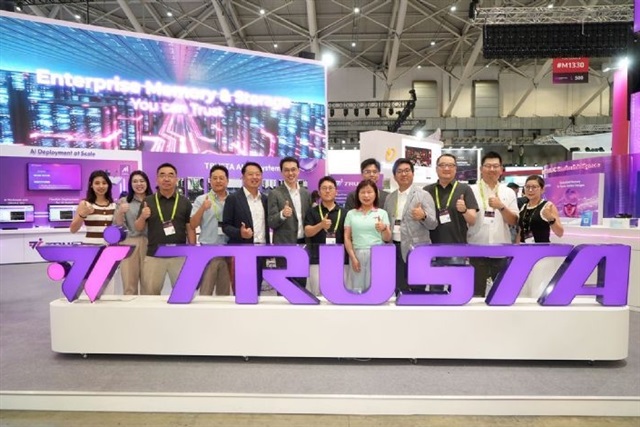
As artificial intelligence (AI) workloads place unprecedented demands on data storage systems, South Korean SSD controller designer FADU is betting that next-generation storage architecture will become a critical battleground in the AI infrastructure race.
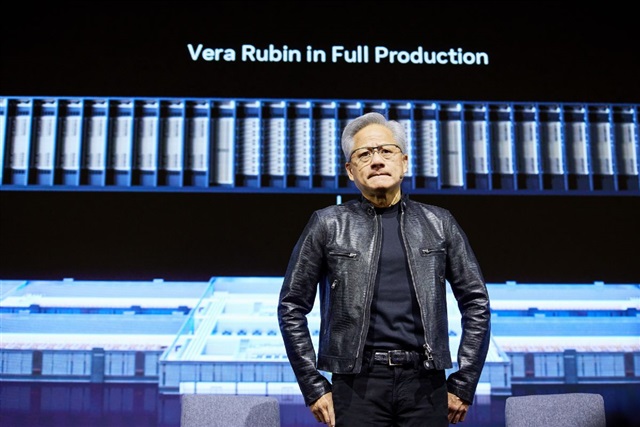
When Jensen Huang was asked in Taipei about Samsung Electronics' recent labor dispute, the Nvidia chief executive offered a characteristically direct response.

 Login
Login