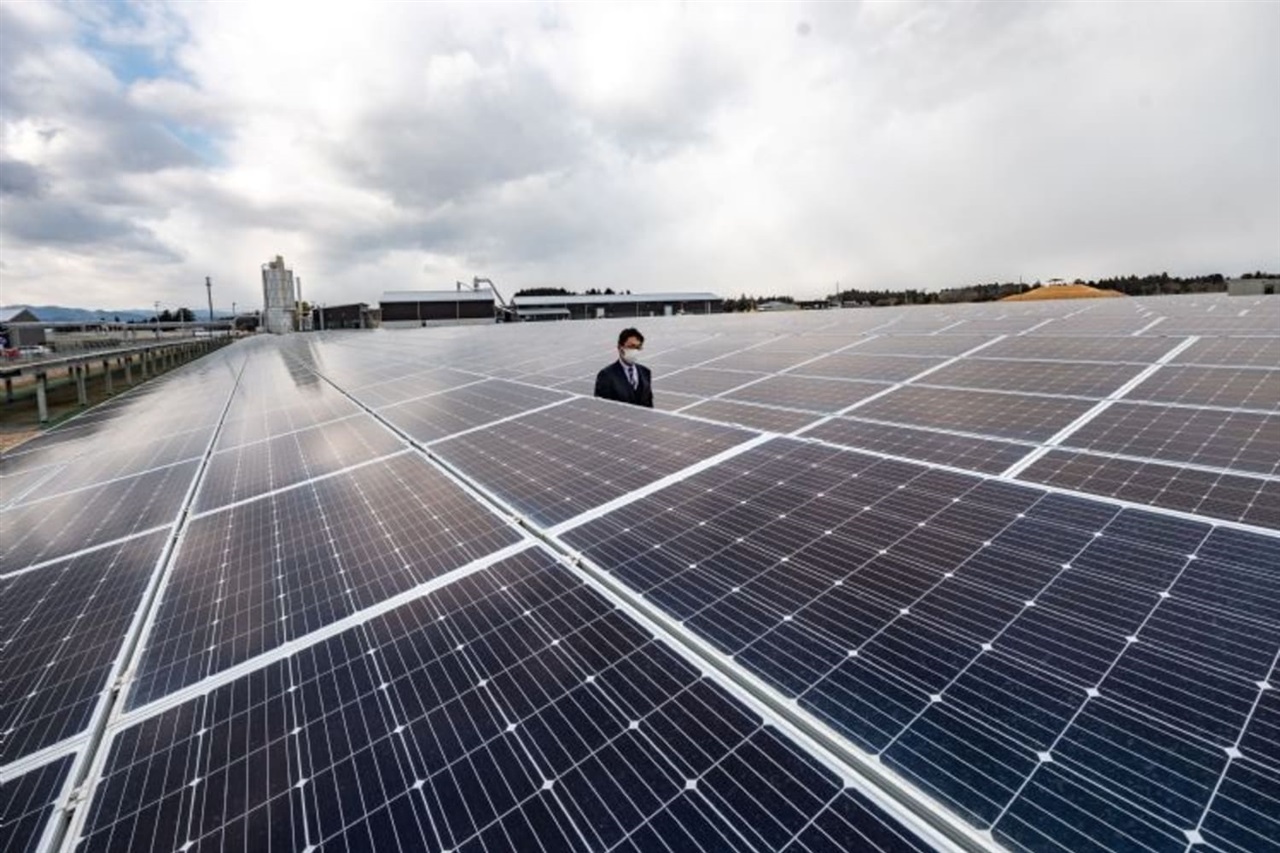
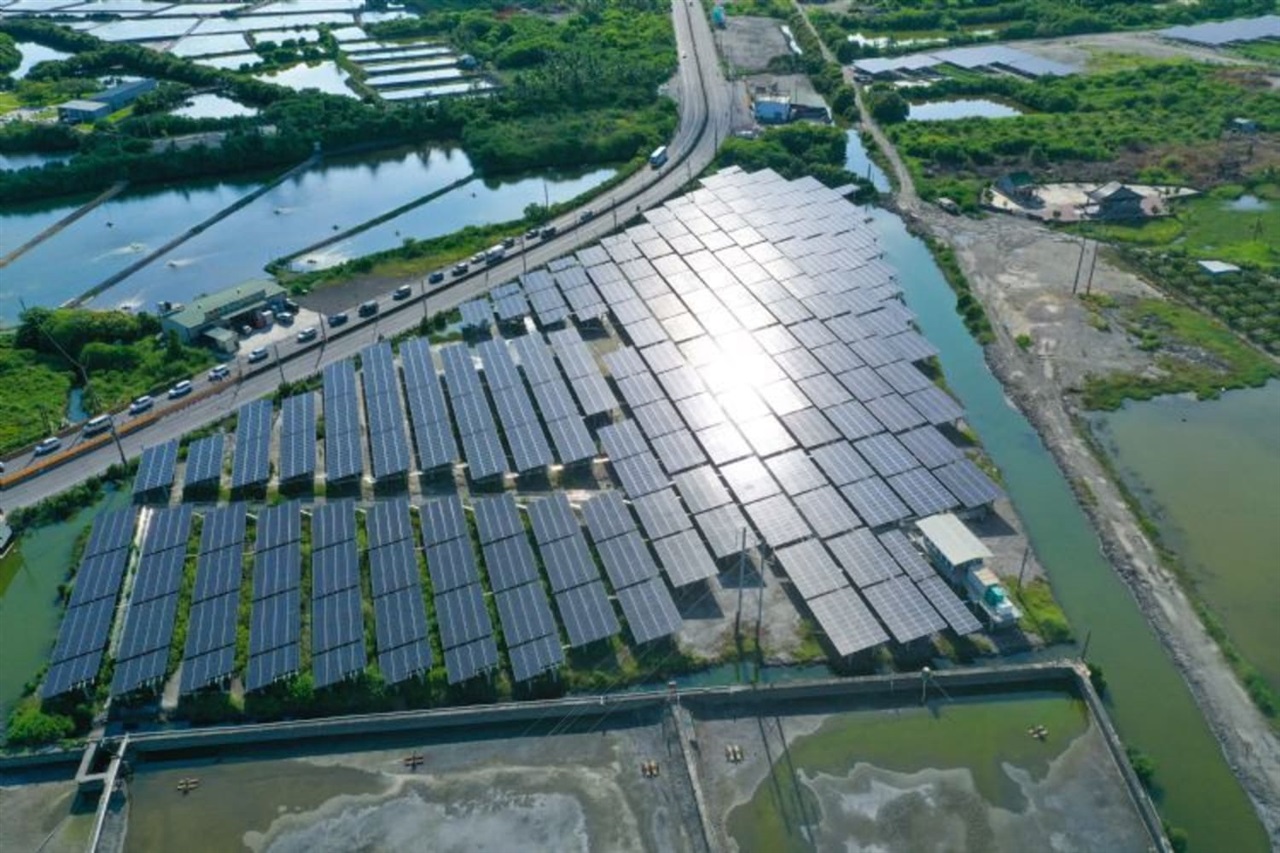
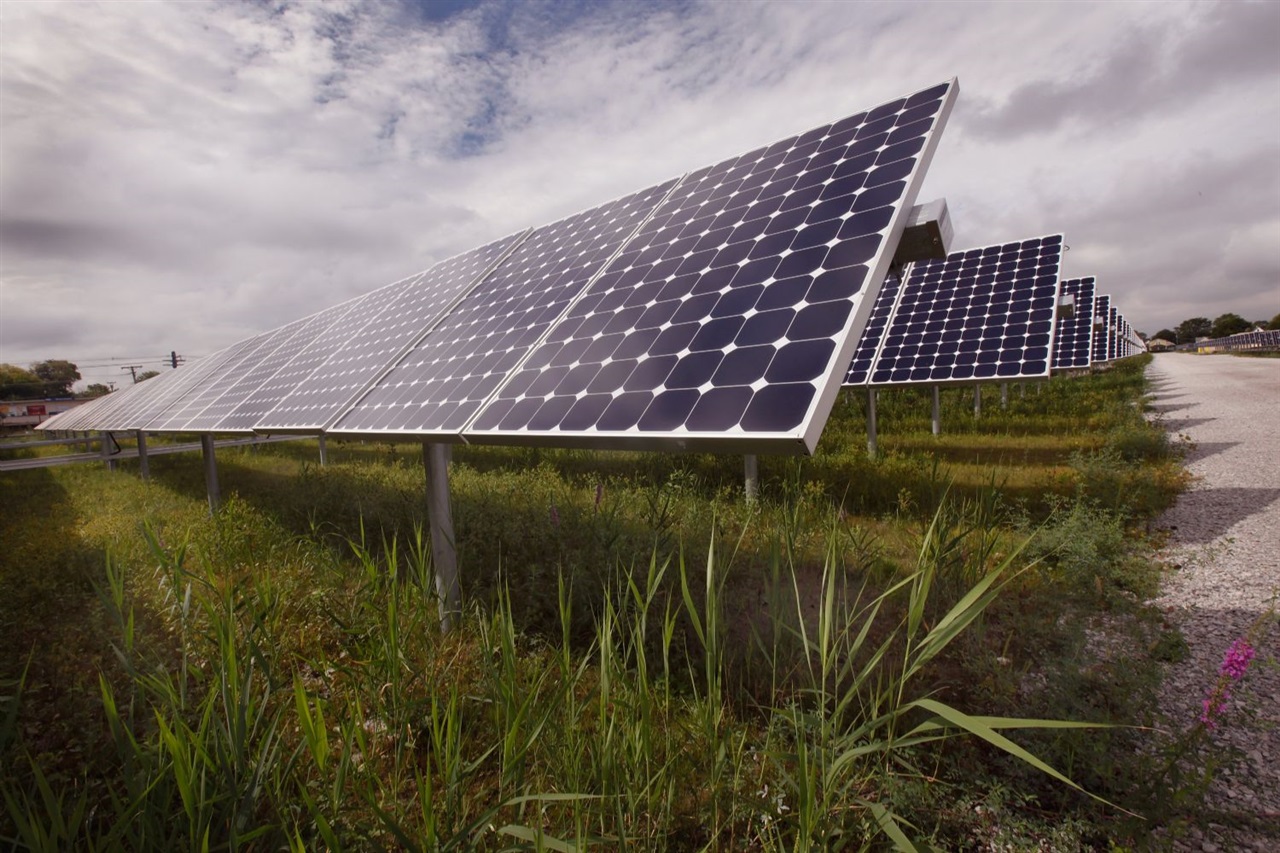
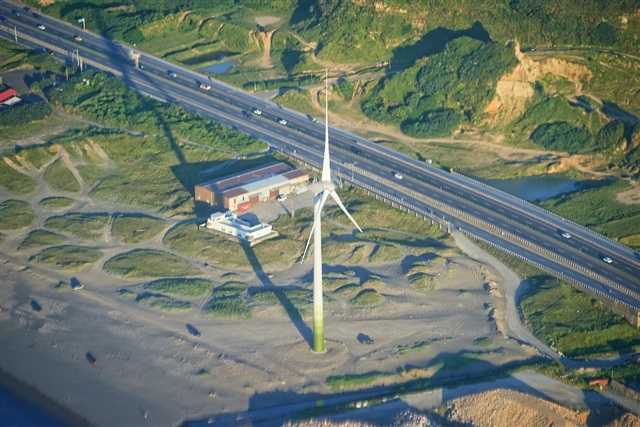
Solar and energy storage systems provider Hengs Technology reported a strong rebound in the first half of 2026, with revenue rising as large engineering, procurement, and construction (EPC) projects entered their peak revenue-recognition period. The company said the momentum that began in the second quarter was driven by progress on major solar and storage contracts in Taiwan and overseas.
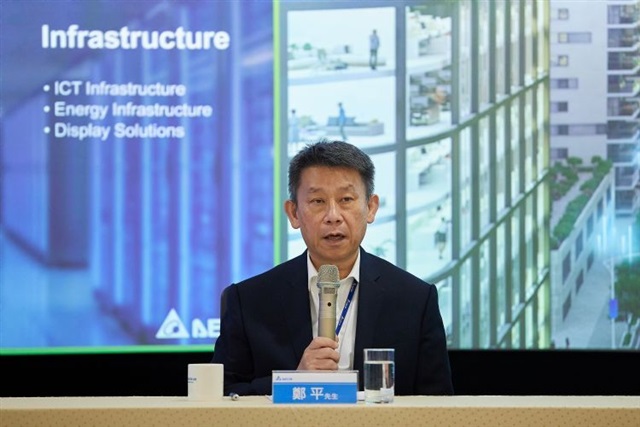
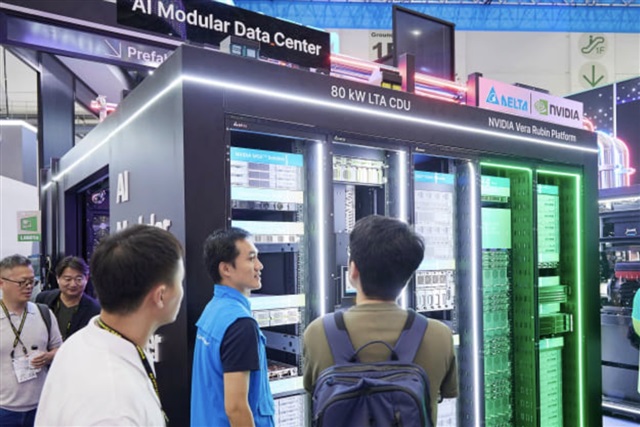
AI-driven power demand is surging, and Delta Electronics Chairman Ping Cheng said microgrids and energy resilience are becoming the next key battleground for AI data centers and the broader electrification push. Speaking at the Delta Sustainable AI Summit, he said that, for the first time in 2026, global electrification and net-zero emissions will be discussed at the same level during UN climate talks, making Delta's business transformation path clearer.
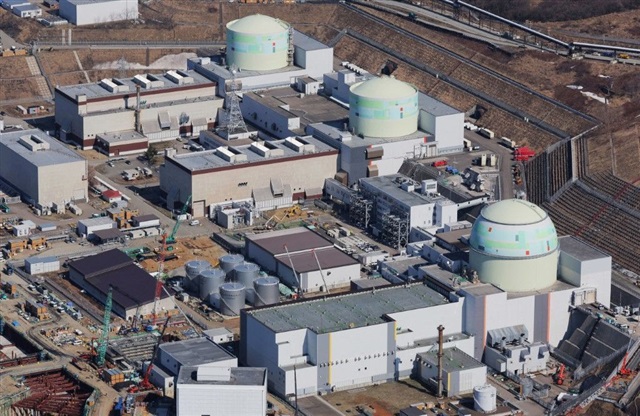
The South Korean government has proposed adding small modular reactors (SMRs) to its national strategic-technology tax incentive program, a move backed by the country's nuclear industry. In a recent statement issued on behalf of its 561 member companies, the Korea Atomic Industrial Forum noted that the move would help reduce the financial burden on companies investing in R&D and equipment and lay the groundwork for a domestic SMR supply chain and global market expansion.
Ina Energy said it plans to add 80MW of new solar grid capacity over the next two to three years as corporate power purchase agreements (CPPAs) become a larger part of its business. The Taiwanese renewable energy developer said the long-term contracts have helped build steadier cash flow as it continues to develop solar and solar-plus-storage projects.
Driven by global net-zero commitments and China's "dual carbon" goals of peaking carbon emissions before achieving carbon neutrality, Inner Mongolia is rapidly transforming from a traditional resource-based economy into a strategic hub for renewable energy and AI computing infrastructure.
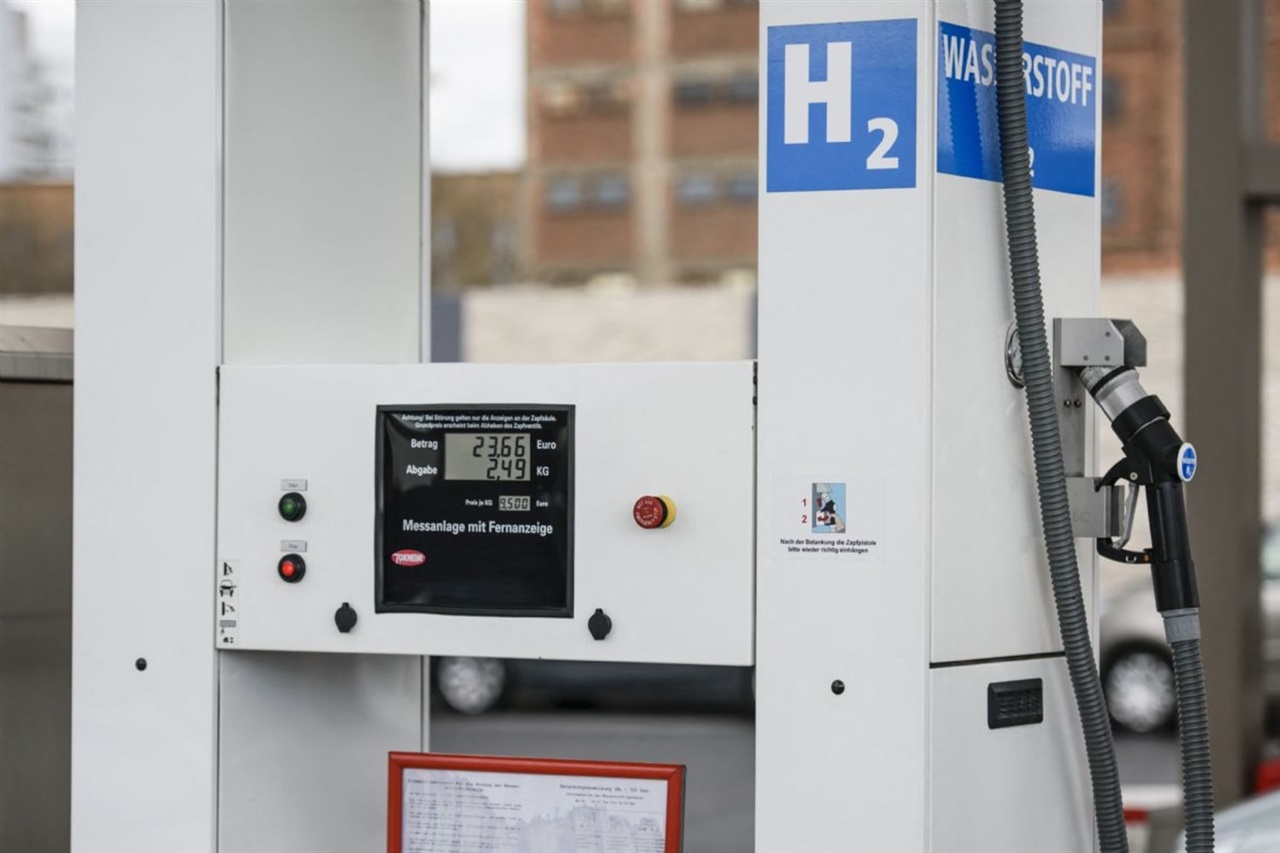
China’s tighter renewable-energy compliance rules have opened the way for green hydrogen, green ammonia, and green methanol to be included in the country’s minimum renewable-energy consumption framework, amid a sharp rise in investment. In the first half of 2026, investment in China’s hydrogen sector increased by more than 160% year-on-year, outpacing the other cited energy infrastructure categories.
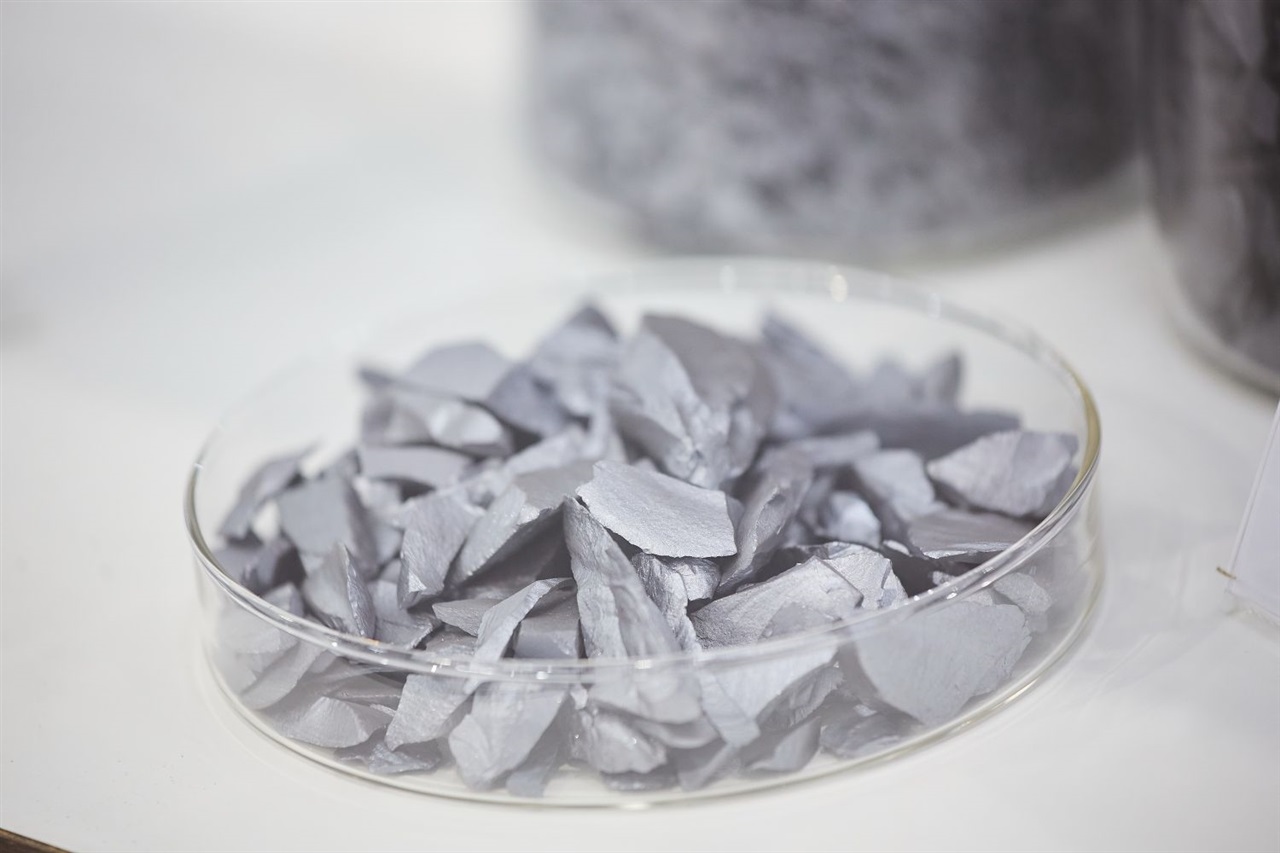
US imports of high-purity polysilicon jumped to US$190 million in 2025. Still, the bigger story is in the volume: 6,791 tonnes, more than five times the 1,286 tonnes imported in 2024, according to UN Comtrade trade data.
US President Donald Trump signed a proclamation on August 6 imposing minimum import prices and a 15% tariff on polysilicon and its derivatives, a move that hands a durable pricing advantage to US and non-Chinese producers while squeezing Chinese manufacturers out of price competitiveness in the American market.
J&V Energy announced on August 3, 2026, that it had completed the acquisition of a portfolio of operational solar projects in Taiwan held by Global Infrastructure Partners (GIP), the global infrastructure investment arm of BlackRock. With a total installed capacity of 187MW, the portfolio marks the largest domestic solar asset transaction by installed capacity in 2026.
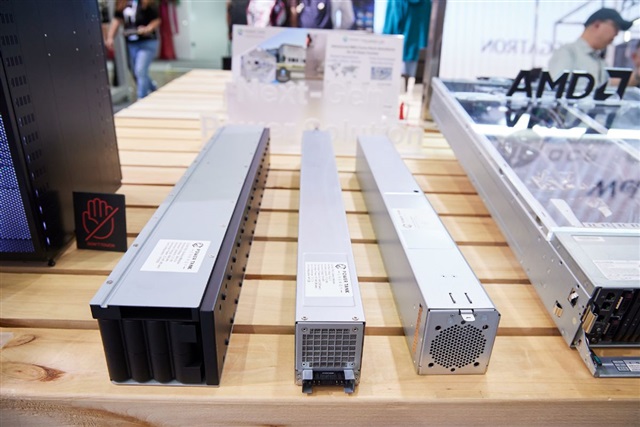
Backup battery units are set to become standard equipment in AI servers using 800V high-voltage direct current architectures, according to Dynapack president Chang Chung-hsing.
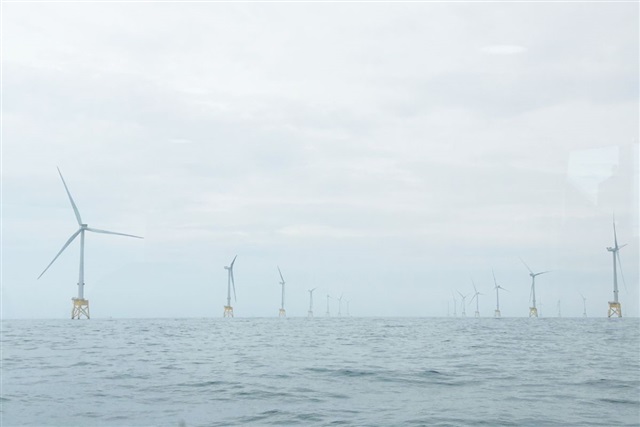
The offshore wind industry has faced pressure from the Russia-Ukraine war and COVID-19, both of which pushed up construction costs and slowed development in Taiwan. Some developers have exited the market, raising concerns among green-power-hungry industries that renewable projects could be delayed and customer net-zero timelines may slip.
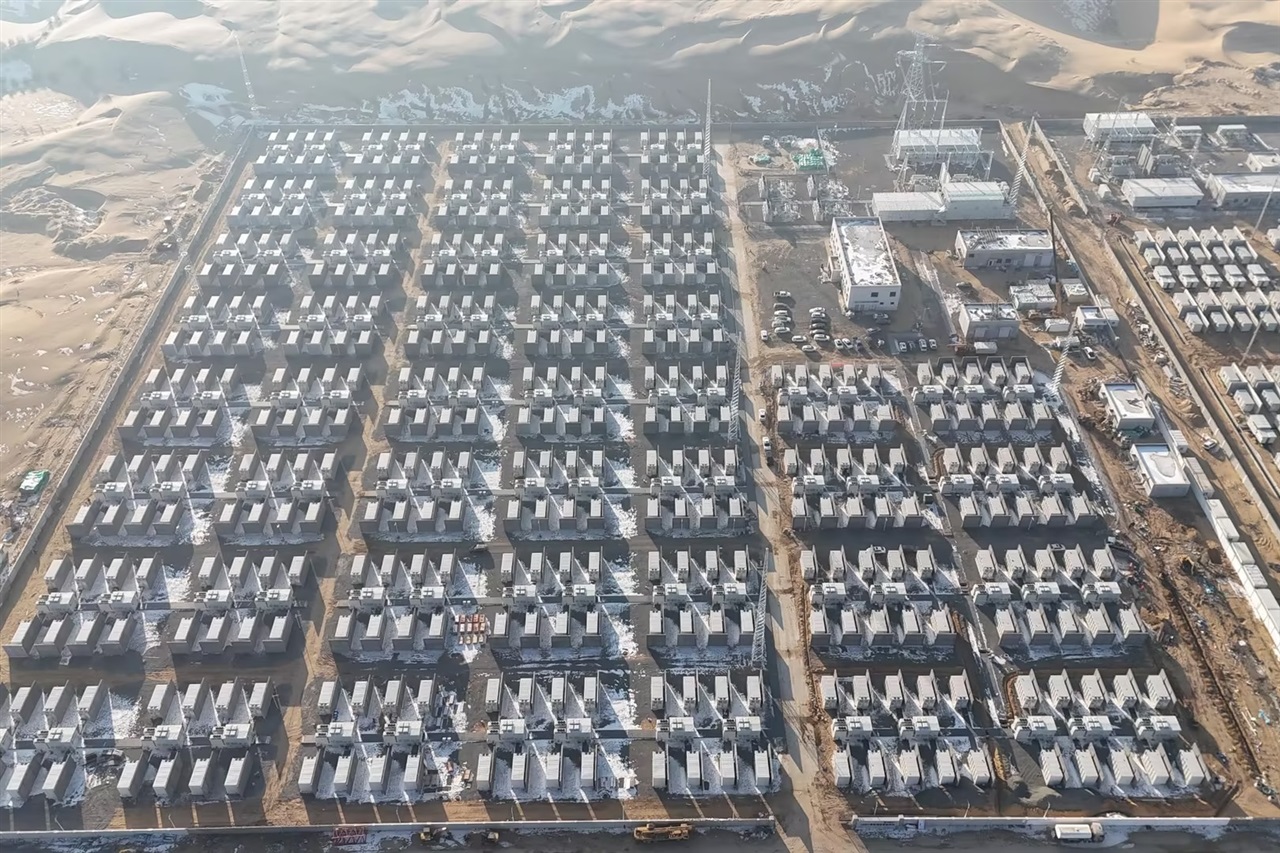
Inner Mongolia HyperStrong Technology is a major production subsidiary established by Beijing HyperStrong Technology in Baotou, Inner Mongolia. Its development offers a useful case study as competition intensifies among China's battery energy storage system integrators.
China's National Development and Reform Commission (NDRC) and the National Energy Administration (NEA) on the 23rd released the 15th Five-Year Plan for Renewable Energy Development, setting out renewable energy targets for 2030 and, for the first time, requiring new data centers to be planned together with renewable power projects to raise the share of green electricity use.
As generative AI adoption accelerates, AI data centers are becoming one of the fastest-growing sources of electricity demand worldwide. Unlike conventional data centers, however, AI facilities exhibit highly variable power consumption driven by intensive GPU workloads, creating new challenges for grid operators while raising the bar for the reliability of on-site power systems.
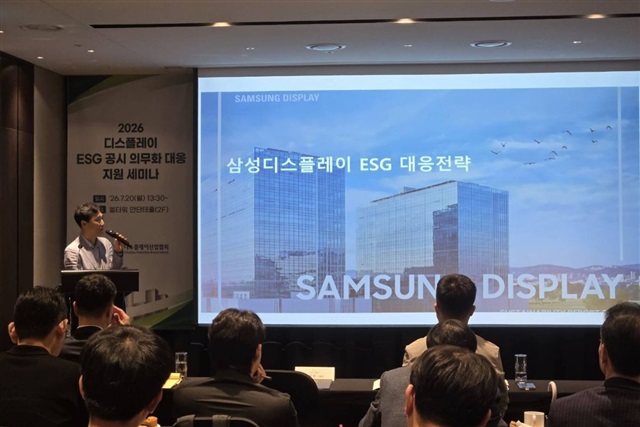
South Korea has finalized plans to bring climate-related information under statutory disclosure requirements beginning in 2028, advancing the timetable and widening the scope compared with a draft released in February 2026.
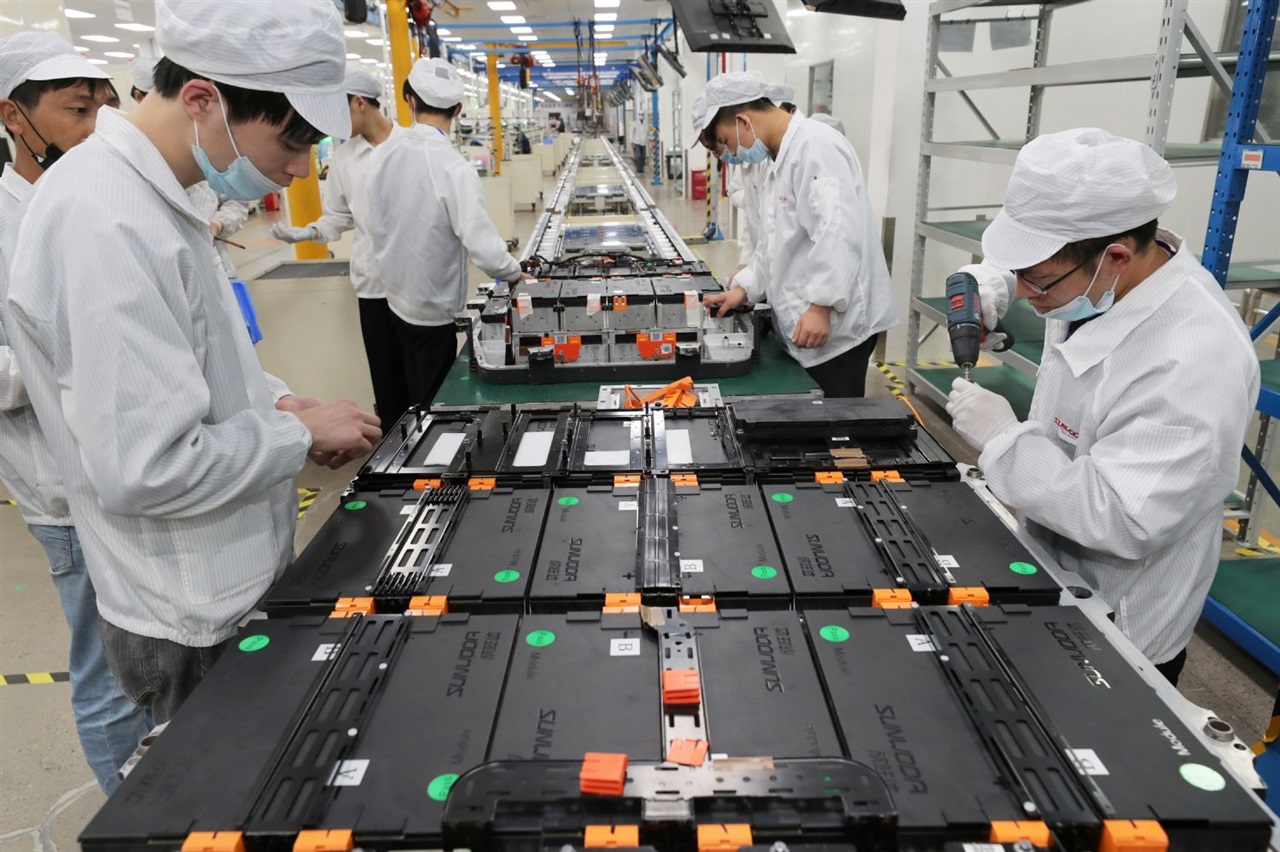
China is dismantling the tax shelter that helped build the world's largest battery industry, and the move looks less like a one-off revenue measure than the opening of a broad campaign to force consolidation across its clean-energy supply chains — with consequences that reach from Chinese carmakers to global energy-storage buyers.
Taiwan's solar manufacturers are looking beyond the island for growth as China's oversupplied solar sector keeps prices low, local approvals in Taiwan slow project rollouts, and global energy markets stay volatile. Their push highlights risks for global clean-power buyers, who still face cost pressure, grid constraints, and shifting technology priorities.
Taiwan lawmakers and Pegatron chairman Tung Tzu-hsien are stepping up calls for nuclear power to strengthen the island's energy resilience, while Academia Sinica said it currently lacks an in-house nuclear power research program but remains open to working with outside research teams.
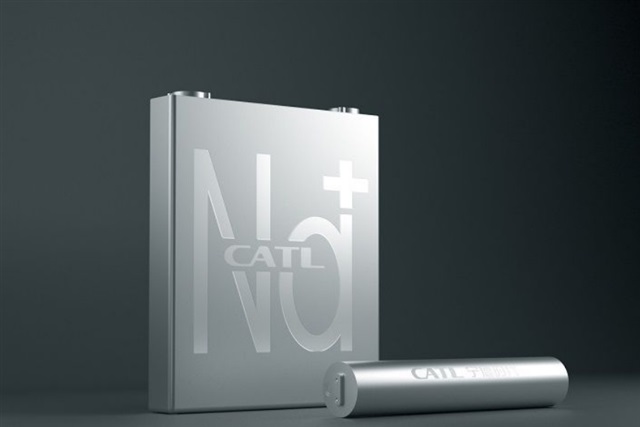
LG Energy Solution plans to establish a sodium-ion battery mother line at its Ochang Energy Plant in South Korea in 2026, seeking to narrow CATL's early commercial lead in energy storage systems.

 Login
Login